
ATS-Optimized for US Market

Entry-Level Construction Plumber Career & Resume Guide

As an entry-level construction plumber, your resume needs to highlight your foundational skills and eagerness to learn. Hiring managers seek candidates who demonstrate a strong understanding of plumbing principles, safety protocols, and a willingness to contribute to a team. Your resume should clearly present your technical abilities, showcasing hands-on experience with industry-standard tools like pipe wrenches, threading machines, and soldering equipment. Emphasize any knowledge of plumbing codes and regulations, particularly the Uniform Plumbing Code (UPC) or the International Plumbing Code (IPC), relevant to your location. Include any relevant coursework, apprenticeships, or certifications, such as OSHA safety training or a plumbing apprentice license. Quantify your accomplishments whenever possible, showcasing how you've contributed to projects. For example, mention the number of fixtures installed or the types of piping systems you've worked with (PVC, CPVC, copper, PEX). Highlight your soft skills, such as communication, teamwork, and problem-solving, providing specific examples of how you've applied these skills in practical situations. A well-structured resume with clear sections for skills, experience, and education will significantly improve your chances of landing an interview. Remember to tailor your resume to each job application, emphasizing the skills and experiences most relevant to the specific position. Showcase your adaptability and willingness to learn new techniques and technologies within the ever-evolving construction plumbing field.
Average US Salary: $40k - $70k

Expert Tip: For Entry-Level Construction Plumber positions in the US, recruiters increasingly look for technical execution and adaptability over simple job duties. This guide is tailored to highlight these specific traits to ensure your resume stands out in the competitive Entry-Level Construction Plumber sector.

What US Hiring Managers Look For in a Entry-Level Construction Plumber Resume

When reviewing Entry-Level Construction Plumber candidates, recruiters and hiring managers in the US focus on a few critical areas. Making these elements clear and easy to find on your resume will improve your chances of moving to the interview stage.

  • Relevant experience and impact in Entry-Level Construction Plumber or closely related roles.
  • Clear, measurable achievements (metrics, scope, outcomes) rather than duties.
  • Skills and keywords that match the job description and ATS requirements.
  • Professional formatting and no spelling or grammar errors.
  • Consistency between your resume, LinkedIn, and application.
  • Proficiency in key areas such as Communication, Time Management, Industry-Standard Tools.

Essential Skills for Entry-Level Construction Plumber

Include these keywords in your resume to pass ATS screening and impress recruiters.

Must-Have Skills

  • CriticalCommunication
  • HighTime Management

Technical Skills

  • HighIndustry-Standard Tools
  • MediumData Analysis

Soft Skills

  • CriticalTeamwork
  • HighAdaptability
  • MediumLeadership

A Day in the Life

A Day in the Life of a Entry-Level Plumber

Your morning starts at 9 AM by checking emails and reviewing yesterday's tasks. As an Entry-Level Plumber in Construction, you spend the first hour in daily stand-ups, syncing with your team on handling core responsibilities, collaborating with cross-functional teams, and driving project success. From 10 AM to 1 PM, you focus on execution. In Construction, this involves learning standard operating procedures and applying your Plumber skills to real-world problems. Post-lunch (1-5 PM) is for deep work and collaboration. You might attend workshops or pair with senior members to understand the nuances of handling core responsibilities, collaborating with cross-functional teams, and driving project success within the company. Wrap up by 5:30 PM, documenting your progress. Construction professionals at this level prioritize learning and consistency to build a strong career foundation.

Career Progression Path

Level 1

Plumber I (Entry Level)

Level 2

Plumber II (Junior)

Level 3

Senior Plumber

Level 4

Lead Plumber

Level 5

Plumber Manager / Director

Interview Questions & Answers

Prepare for your Entry-Level Construction Plumber interview with these commonly asked questions.

Describe a time you had to troubleshoot a plumbing issue under pressure. What was your approach, and what was the outcome?

Medium
Situational
Sample Answer
In a previous apprenticeship, we encountered a burst pipe in a residential building during a weekend emergency. I quickly assessed the situation, identified the shut-off valve, and stopped the water flow. Working with the experienced plumber, I helped replace the damaged section of the pipe using PEX fittings and ensured a secure connection. The residents were relieved, and we prevented further water damage. This experience taught me the importance of quick thinking and effective teamwork in emergency situations.

What safety precautions do you take when working with power tools on a construction site?

Easy
Technical
Sample Answer
Safety is paramount. I always wear appropriate PPE, including safety glasses, gloves, and hearing protection. Before using any power tool like a pipe threading machine, I inspect it for any damage and ensure it's properly grounded. I also maintain a clear workspace and follow all safety guidelines provided by the manufacturer and the site supervisor. I'm also familiar with lockout/tagout procedures and adhere to them strictly.

Tell me about a time you had to work with someone who had a different opinion than you. How did you handle it?

Medium
Behavioral
Sample Answer
During a group project in my vocational class, I disagreed with a classmate's approach to installing a drain line. Instead of dismissing their idea, I listened carefully to their reasoning and then presented my alternative solution, explaining the advantages in terms of efficiency and code compliance. We discussed the pros and cons of each approach and ultimately reached a compromise that incorporated elements of both our ideas. This experience taught me the importance of respectful communication and collaboration.

Explain your understanding of basic plumbing codes and regulations.

Medium
Technical
Sample Answer
I understand that plumbing codes like the UPC and IPC are crucial for ensuring the safety and efficiency of plumbing systems. They dictate the proper materials, installation methods, and testing procedures for various plumbing components. I'm familiar with basic requirements for drainage, venting, and water supply systems. I understand the importance of using the correct pipe sizes and fittings to prevent leaks and ensure proper water pressure. I'm committed to staying updated on the latest code revisions and amendments.

Describe a situation where you had to learn a new plumbing technique or use a new tool quickly. What was your approach?

Medium
Situational
Sample Answer
On a recent project, I needed to use a press fitting system for copper pipes, which was new to me. I first consulted the manufacturer's instructions and watched online tutorials to understand the proper technique. I then asked an experienced plumber to demonstrate the process and provide guidance. I practiced on scrap pieces of pipe before working on the actual installation. With careful attention and guidance, I quickly became proficient in using the press fitting system and successfully completed the task.

How do you prioritize tasks when working on a construction site with multiple projects underway?

Medium
Behavioral
Sample Answer
I prioritize tasks based on urgency, deadlines, and impact on other trades. I communicate with the site supervisor and other team members to understand the project timeline and identify critical tasks that need immediate attention. I create a to-do list and break down larger tasks into smaller, manageable steps. I also factor in safety considerations and ensure that I have the necessary tools and materials before starting any task. I continuously reassess my priorities as the project progresses and adjust my plan accordingly.

ATS Optimization Tips

Make sure your resume passes Applicant Tracking Systems used by US employers.

Incorporate keywords from the job description throughout your resume, focusing on skills like 'pipefitting,' 'soldering,' 'blueprint reading,' and 'plumbing codes'.
Use standard section headings such as 'Skills,' 'Experience,' 'Education,' and 'Certifications' to help the ATS categorize your information accurately.
Format your resume with a simple, chronological layout and avoid using tables, graphics, or columns that can confuse the ATS parser.
List specific tools and equipment you are familiar with, such as 'pipe wrenches,' 'threading machines,' 'drain snakes,' and 'leak detection equipment'.
Include any relevant certifications, such as 'OSHA 10,' 'OSHA 30,' or a 'Plumbing Apprentice License,' as these are often used as search filters.
Quantify your achievements whenever possible, for example, 'Installed 50+ plumbing fixtures' or 'Assisted in the installation of 100+ feet of piping'.
Use a PDF format to preserve formatting and ensure that the ATS can accurately read your resume.
Tailor your resume to each specific job posting, emphasizing the skills and experiences that are most relevant to the position.

Common Resume Mistakes to Avoid

Don't make these errors that get resumes rejected.

1
Failing to mention specific experience with different types of piping (PVC, CPVC, Copper) - Employers want to know your versatility.
2
Not including any hands-on experience, even from side projects or volunteer work - Demonstrates practical application of skills.
3
Omitting familiarity with plumbing codes (UPC, IPC) - Shows lack of basic industry knowledge.
4
Using generic terms like 'team player' without providing specific examples of teamwork in a construction setting - Lacks credibility.
5
Not mentioning any safety training or certifications (OSHA 10/30) - Raises concerns about safety awareness.
6
Listing only basic skills without showcasing any specialized knowledge, such as knowledge of different types of valves or backflow prevention devices - Shows limited skill set.
7
Not tailoring the resume to the specific job description, resulting in a generic and unconvincing application - Signals lack of interest or effort.
8
Neglecting to proofread for grammatical errors and typos, which conveys a lack of attention to detail - Reflects poorly on professionalism.

Industry Outlook

The US Construction sector is experiencing steady growth. Entry-Level Plumbers are particularly sought after, with the Bureau of Labor Statistics projecting average job growth through 2030. Peak hiring occurs in Q1 (January-March) and Q3 (August-September).

Top Hiring Companies

Industry LeadersRegional FirmsFast-Growing Companies

Recommended Resume Templates

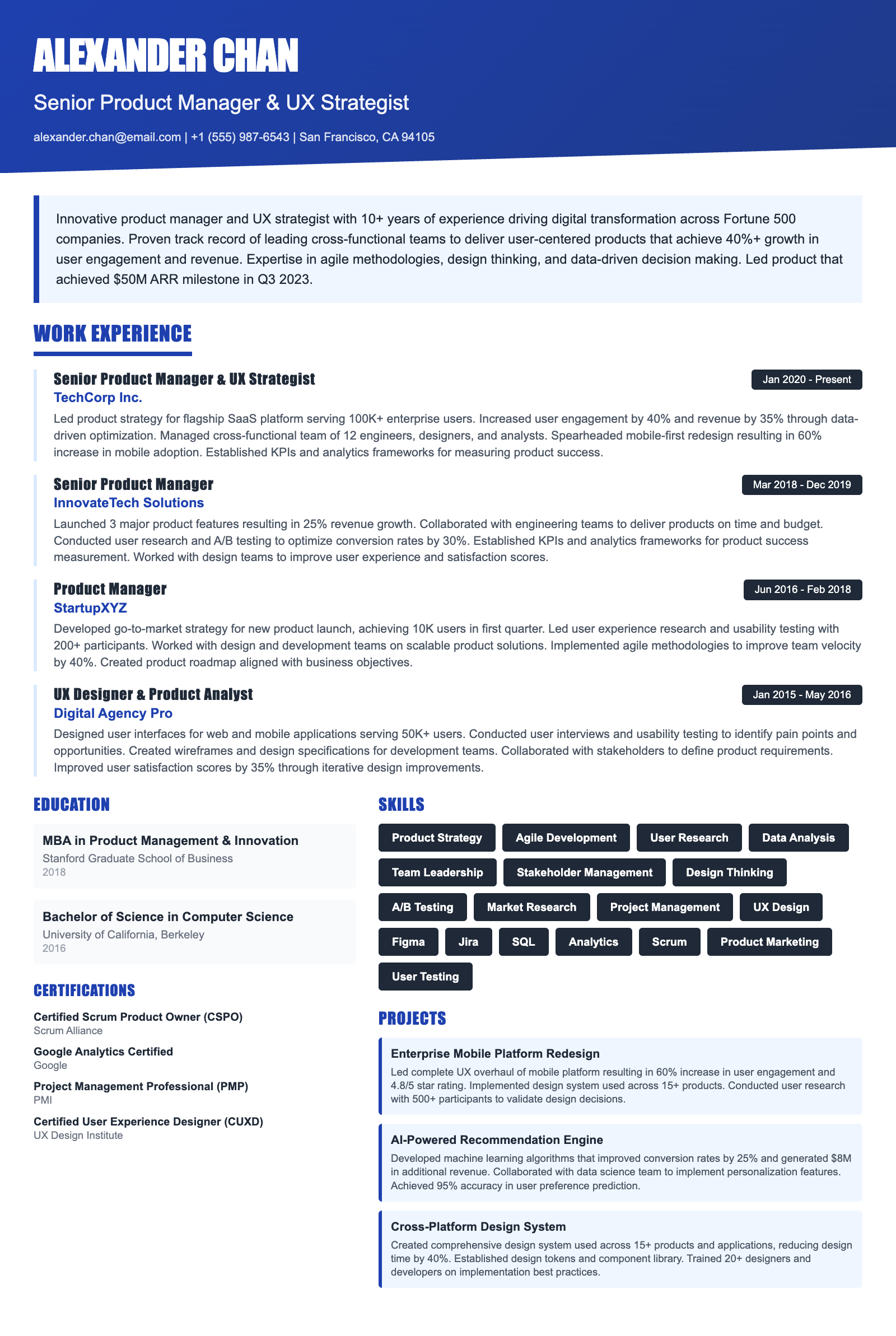
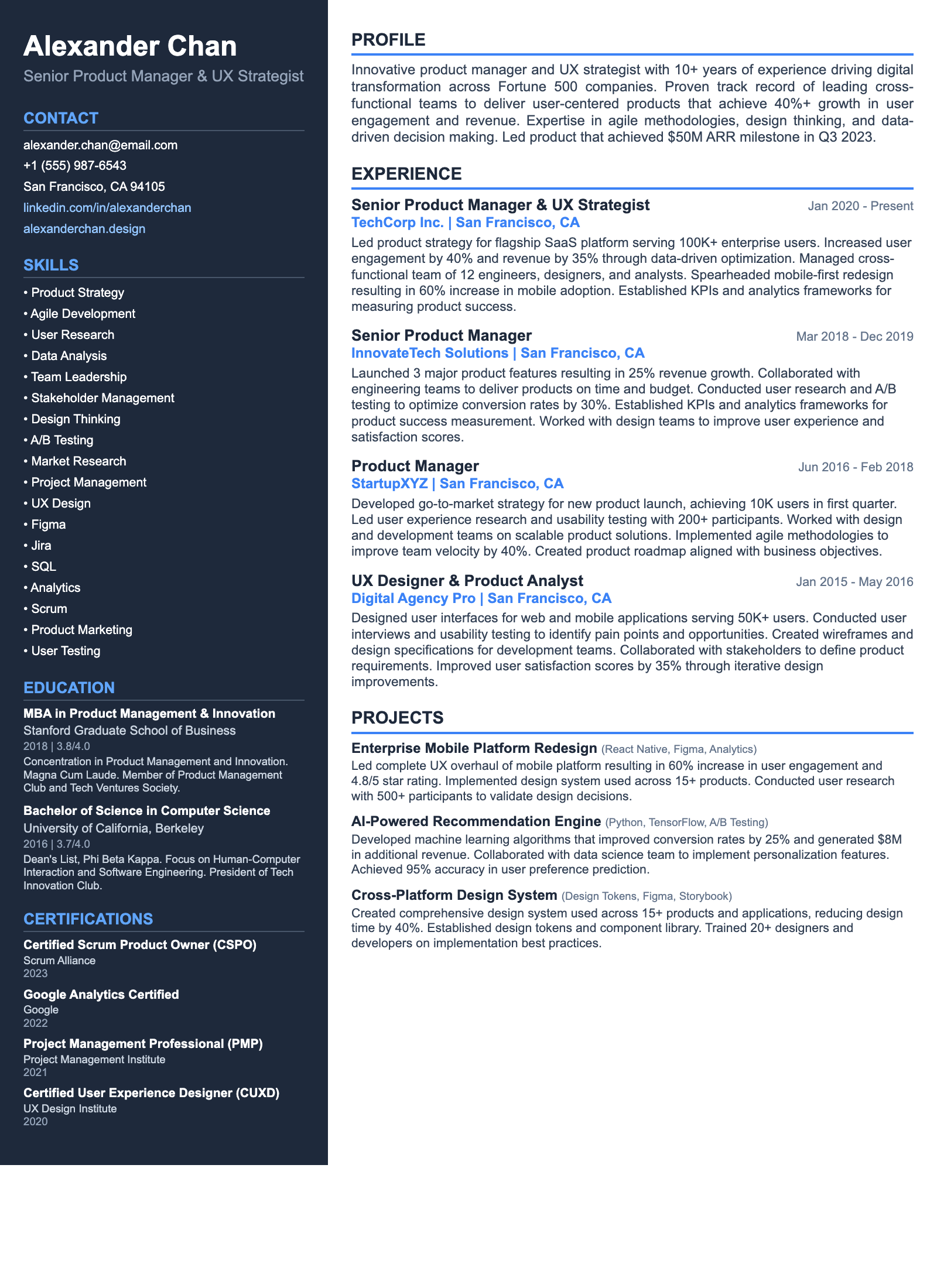
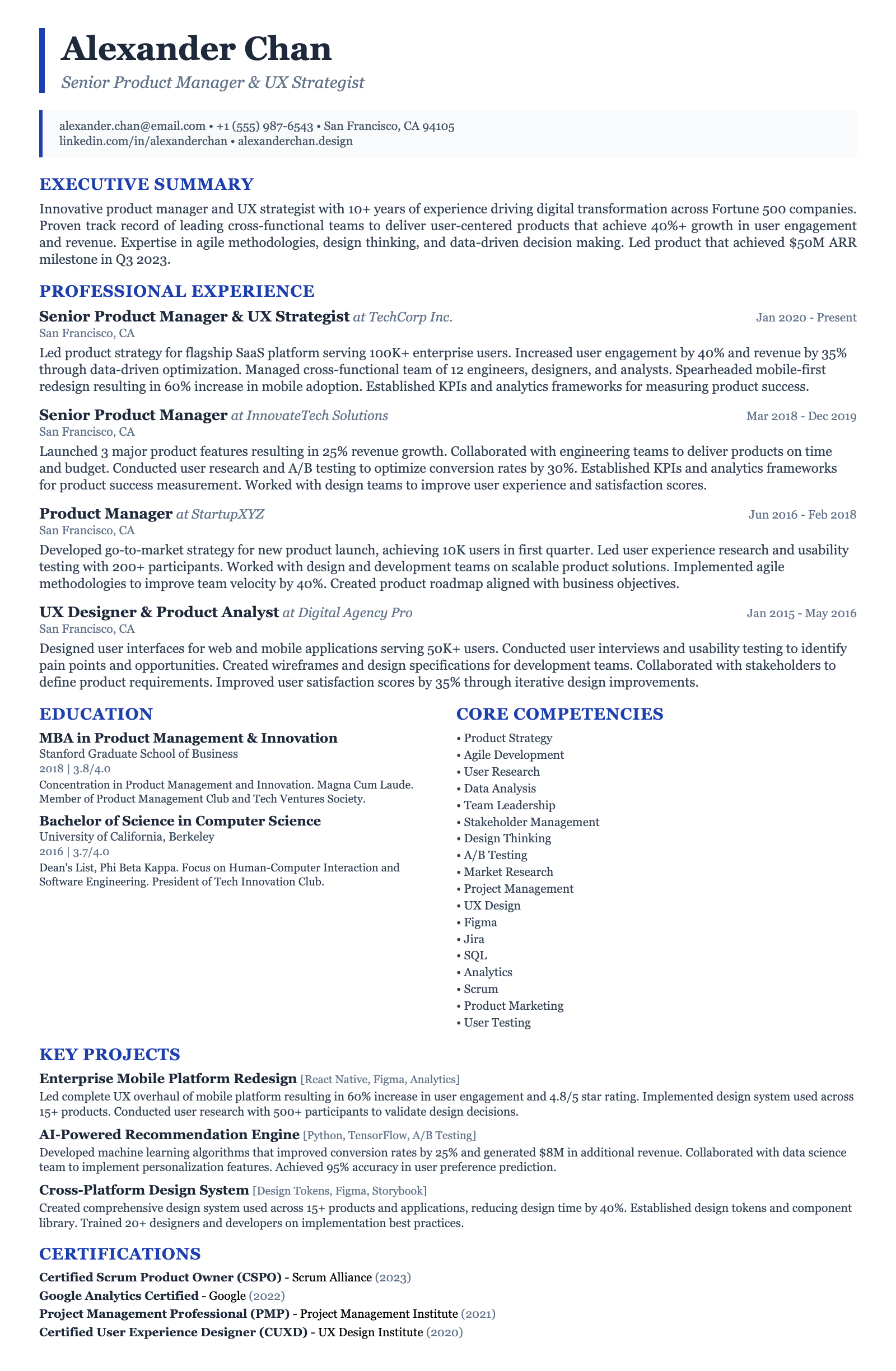
ATS-friendly templates designed specifically for Entry-Level Construction Plumber positions in the US market.
Frequently Asked Questions

How long should my entry-level construction plumber resume be?

Ideally, your resume should be one page. As an entry-level candidate, focus on showcasing your relevant skills and experiences concisely. Prioritize the most impactful information, such as hands-on experience with tools like pipe cutters and drain snakes, any relevant certifications (OSHA 10), and your understanding of basic plumbing principles. A concise resume demonstrates your ability to prioritize information and communicate effectively.

What key skills should I highlight on my resume?

Emphasize technical skills such as pipefitting, soldering, and drain cleaning. Include knowledge of different piping materials like PVC, CPVC, and copper. Highlight your ability to read blueprints and understand plumbing schematics. Soft skills like communication, teamwork, and problem-solving are also crucial. Mention your familiarity with industry-standard tools like pipe wrenches, threading machines, and leak detection equipment.

How can I optimize my resume for Applicant Tracking Systems (ATS)?

Use a clean, simple format with clear headings like "Skills," "Experience," and "Education." Incorporate relevant keywords from the job description, such as "pipefitting," "plumbing codes," and "blueprint reading." Avoid using tables or graphics, as these can be difficult for ATS to parse. Submit your resume as a PDF to maintain formatting. Ensure your contact information is easily accessible and machine-readable.

Are certifications important for an entry-level construction plumber resume?

Yes, certifications can significantly enhance your resume. OSHA 10 or OSHA 30 certifications demonstrate your commitment to safety. A plumbing apprentice license is crucial if required in your state. Other relevant certifications include first aid/CPR and any manufacturer-specific training on plumbing products or systems. Certifications show employers that you have invested in your professional development.

What are some common resume mistakes to avoid?

Avoid using generic language and instead, quantify your accomplishments whenever possible. Don't exaggerate your experience or skills. Ensure your resume is free of grammatical errors and typos. Do not omit relevant details about your experience with specific tools or materials. Neglecting to tailor your resume to each specific job posting is a common mistake. For example, failing to mention experience with specific drainage systems relevant to the job.

How can I transition to construction plumbing from a different field?

Highlight any transferable skills, such as problem-solving, manual dexterity, and attention to detail. Emphasize any relevant coursework or training you have completed, such as vocational classes or online courses in plumbing fundamentals. Consider obtaining entry-level certifications like OSHA 10 or a plumbing apprentice license. Focus on your willingness to learn and your strong work ethic. Quantify achievements in previous roles using metrics that translate to value in the construction plumbing field.

Ready to Build Your Entry-Level Construction Plumber Resume?

Use our AI-powered resume builder to create an ATS-optimized resume tailored for Entry-Level Construction Plumber positions in the US market.

Complete Entry-Level Construction Plumber Career Toolkit

Everything you need for your Entry-Level Construction Plumber job search — all in one platform.

Why choose ResumeGyani over Zety or Resume.io?

The only platform with AI mock interviews + resume builder + job search + career coaching — all in one.

See comparison

Last updated: March 2026 · Content reviewed by certified resume writers · Optimized for US job market