
ATS-Optimized for US Market

Entry-Level Education Software Engineer Career & Resume Guide

As an aspiring Entry-Level Education Software Engineer, your resume needs to demonstrate a strong foundation in software development principles and a passion for creating engaging and effective learning tools. Hiring managers look for candidates with practical experience in developing, testing, and deploying software, ideally within an educational context. Your resume should prominently feature projects (personal, academic, or open-source) where you applied your coding skills to solve educational challenges. Highlight your proficiency in relevant programming languages such as Python, Java, or JavaScript, and frameworks like React, Angular, or Vue.js, which are frequently used in educational software development. Showcase your experience with databases (SQL or NoSQL) and version control systems (Git). Key sections include a concise summary highlighting your educational background and career goals, a detailed skills section categorizing your technical and soft skills (Communication, Time Management, Data Analysis, Teamwork, Adaptability, Leadership), and a project portfolio demonstrating your hands-on experience. Quantify your achievements whenever possible, for example, 'Developed a quiz application that improved student engagement by 20%.' To stand out, tailor your resume to each specific job description, emphasizing the skills and experiences that align most closely with the employer's needs. Demonstrating familiarity with educational standards and learning management systems (LMS) such as Canvas or Blackboard is also beneficial. A portfolio link to GitHub or a personal website showcasing your projects can significantly enhance your application. Salary expectations in the range of $40k-$70k are typical for entry-level roles in the US market.
Average US Salary: $40k - $70k

Expert Tip: For Entry-Level Education Software Engineer positions in the US, recruiters increasingly look for technical execution and adaptability over simple job duties. This guide is tailored to highlight these specific traits to ensure your resume stands out in the competitive Entry-Level Education Software Engineer sector.

What US Hiring Managers Look For in a Entry-Level Education Software Engineer Resume

When reviewing Entry-Level Education Software Engineer candidates, recruiters and hiring managers in the US focus on a few critical areas. Making these elements clear and easy to find on your resume will improve your chances of moving to the interview stage.

  • Relevant experience and impact in Entry-Level Education Software Engineer or closely related roles.
  • Clear, measurable achievements (metrics, scope, outcomes) rather than duties.
  • Skills and keywords that match the job description and ATS requirements.
  • Professional formatting and no spelling or grammar errors.
  • Consistency between your resume, LinkedIn, and application.
  • Proficiency in key areas such as Communication, Time Management, Industry-Standard Tools.

Essential Skills for Entry-Level Education Software Engineer

Include these keywords in your resume to pass ATS screening and impress recruiters.

Must-Have Skills

  • CriticalCommunication
  • HighTime Management

Technical Skills

  • HighIndustry-Standard Tools
  • MediumData Analysis

Soft Skills

  • CriticalTeamwork
  • HighAdaptability
  • MediumLeadership

A Day in the Life

A Day in the Life of a Entry-Level Software Engineer

Your morning starts at 9 AM by checking emails and reviewing yesterday's tasks. As an Entry-Level Software Engineer in Education, you spend the first hour in daily stand-ups, syncing with your team on debugging complex codebases, participating in sprint planning, and writing clean, scalable microservices. From 10 AM to 1 PM, you focus on execution. In Education, this involves learning standard operating procedures and applying your Software Engineer skills to real-world problems. Post-lunch (1-5 PM) is for deep work and collaboration. You might attend workshops or pair with senior members to understand the nuances of debugging complex codebases, participating in sprint planning, and writing clean, scalable microservices within the company. Wrap up by 5:30 PM, documenting your progress. Education professionals at this level prioritize learning and consistency to build a strong career foundation.

Career Progression Path

Level 1

Software Engineer I (Entry Level)

Level 2

Software Engineer II (Junior)

Level 3

Senior Software Engineer

Level 4

Lead Software Engineer

Level 5

Software Engineer Manager / Director

Interview Questions & Answers

Prepare for your Entry-Level Education Software Engineer interview with these commonly asked questions.

Describe a time you had to learn a new technology or framework quickly to complete a project. How did you approach the learning process?

Medium
Behavioral
Sample Answer
In my final year, I needed to use React for a group project developing a student collaboration platform. I had prior experience with JavaScript, but not React. I started with the official React documentation and online tutorials, focusing on core concepts like components, state, and props. I then built a small practice application to solidify my understanding. When I encountered challenges, I consulted Stack Overflow and collaborated with my group members. This proactive approach allowed me to quickly become proficient in React and contribute effectively to the project. I learned to prioritize understanding fundamental concepts and to leverage online resources effectively.

Explain the difference between SQL and NoSQL databases and when you would choose one over the other for an education-related application.

Medium
Technical
Sample Answer
SQL databases are relational, using structured data with predefined schemas, suitable for applications requiring data integrity and complex queries. NoSQL databases are non-relational, offering flexibility and scalability for unstructured data. For an online gradebook requiring transactional consistency, I'd use SQL. For a system tracking student interactions with educational videos, generating large volumes of unstructured data, I'd use NoSQL. The choice depends on the data structure, scalability needs, and required data integrity.

Imagine you are building a feature for an online learning platform that allows students to collaborate on coding assignments. What are some potential challenges and how would you address them?

Hard
Situational
Sample Answer
Some challenges include ensuring real-time collaboration without conflicts, managing different coding environments, and preventing plagiarism. To address these, I'd use a collaborative text editor with version control, like Etherpad or a custom solution with operational transformation algorithms. I'd integrate with online IDEs like CodeSandbox or implement containerization using Docker to provide consistent environments. For plagiarism detection, I'd use code similarity analysis tools and implement measures to discourage cheating, such as randomized test cases and code obfuscation. Careful planning and robust testing are essential.

Tell me about a time you had to work with a team to overcome a technical obstacle on a project.

Medium
Behavioral
Sample Answer
During a team project building a mobile tutoring app, we encountered an issue integrating the video conferencing feature. The video stream was unstable and laggy. We initially suspected network issues, but after extensive testing, we discovered the problem was with the video encoding library we were using. We divided the task: one team member researched alternative libraries, another focused on optimizing the current library's settings, and I worked on implementing a fallback mechanism in case the video failed. After several days, we found a more efficient encoding library that resolved the issue. This experience taught me the importance of collaboration, communication, and problem-solving in overcoming technical challenges.

Describe your experience with testing software. What types of testing have you performed and why are they important?

Medium
Technical
Sample Answer
I have experience with unit testing, integration testing, and user acceptance testing (UAT). In a previous project developing a quiz generator, I used unit tests to verify individual components, like the question randomization algorithm and answer checking logic, using pytest. Integration tests ensured that different modules worked together correctly, such as the interaction between the quiz generator and the database. UAT involved having students test the application to identify usability issues and bugs. Testing is crucial for ensuring software quality, reliability, and user satisfaction. It helps catch errors early, reduce development costs, and improve the overall user experience.

How would you design a system to track student progress in an online course, and what data would you collect?

Hard
Situational
Sample Answer
I would design a system with a relational database (e.g., PostgreSQL) to store student data, course information, and progress metrics. I'd collect data on course enrollment, module completion, quiz scores, assignment submissions, and time spent on each activity. I would also track student interactions with the platform, such as forum posts and chat messages. The system would provide APIs for accessing and analyzing the data. The backend would likely be written in Python with Django or Flask, and the frontend in React. This data would allow instructors to identify students who are struggling, personalize learning experiences, and improve the overall effectiveness of the course.

ATS Optimization Tips

Make sure your resume passes Applicant Tracking Systems used by US employers.

Incorporate keywords related to the specific technologies listed in the job description, such as 'JavaScript,' 'React,' 'SQL,' and 'Agile methodologies.'
Use standard section headings like 'Skills,' 'Experience,' and 'Education' to ensure that the ATS can accurately parse your resume.
List your skills using a bulleted list format and include both technical skills (e.g., 'Python,' 'AWS') and soft skills (e.g., 'Teamwork,' 'Communication').
Ensure your resume is free of tables, images, and special characters that can confuse the ATS; stick to a clean, text-based format.
Save your resume as a .docx or .pdf file, as these formats are generally compatible with most ATS systems, avoiding .odt or .txt.
When describing your projects, quantify your accomplishments using metrics, such as 'Improved student quiz completion rates by 20% using a new UI.'
Tailor your resume to each job application by adjusting the skills and experience sections to match the job description's requirements.
Include a link to your GitHub profile or portfolio website, so recruiters can view examples of your code and projects; be sure your profiles are well-organized.

Common Resume Mistakes to Avoid

Don't make these errors that get resumes rejected.

1
Failing to showcase any personal projects or contributions to open-source educational software, which demonstrates a genuine interest.
2
Listing generic skills without providing specific examples of how you have applied them in an educational context.
3
Using a resume template with complex formatting that can confuse Applicant Tracking Systems (ATS) and make it difficult to read.
4
Not tailoring the resume to match the specific requirements of the job description, resulting in a lack of relevant keywords.
5
Neglecting to highlight experience with educational technologies or learning management systems (LMS) like Canvas or Blackboard.
6
Omitting links to your GitHub profile or online portfolio, preventing recruiters from seeing your coding skills and project work.
7
Misrepresenting your skill level with certain technologies, which can become evident during technical interviews.
8
Focusing solely on academic achievements and neglecting to showcase practical experience gained through internships or part-time jobs.

Industry Outlook

The US Education sector is experiencing steady growth. Entry-Level Software Engineers are particularly sought after, with the Bureau of Labor Statistics projecting average job growth through 2030. Peak hiring occurs in Q1 (January-March) and Q3 (August-September).

Top Hiring Companies

Industry LeadersRegional FirmsFast-Growing Companies

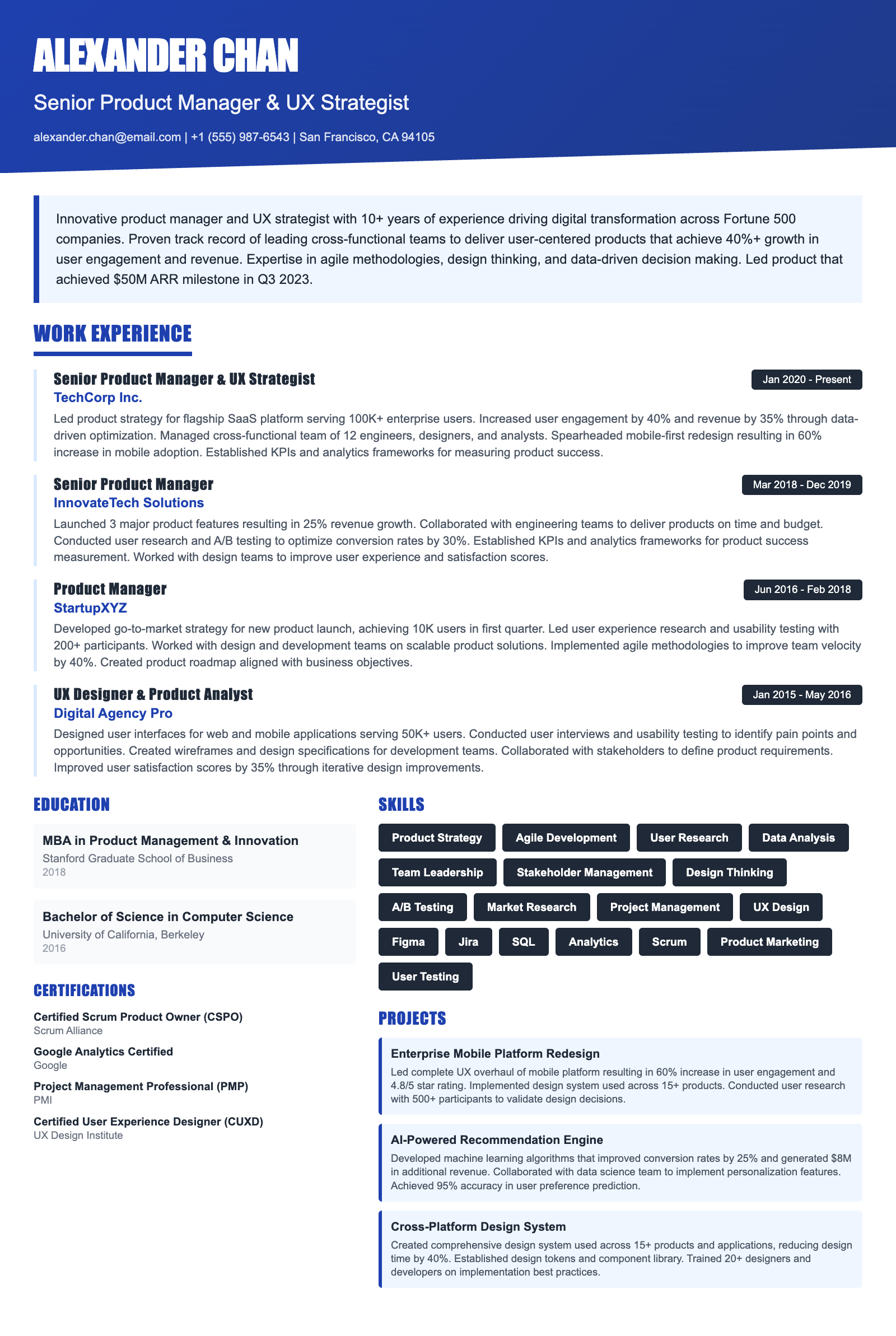
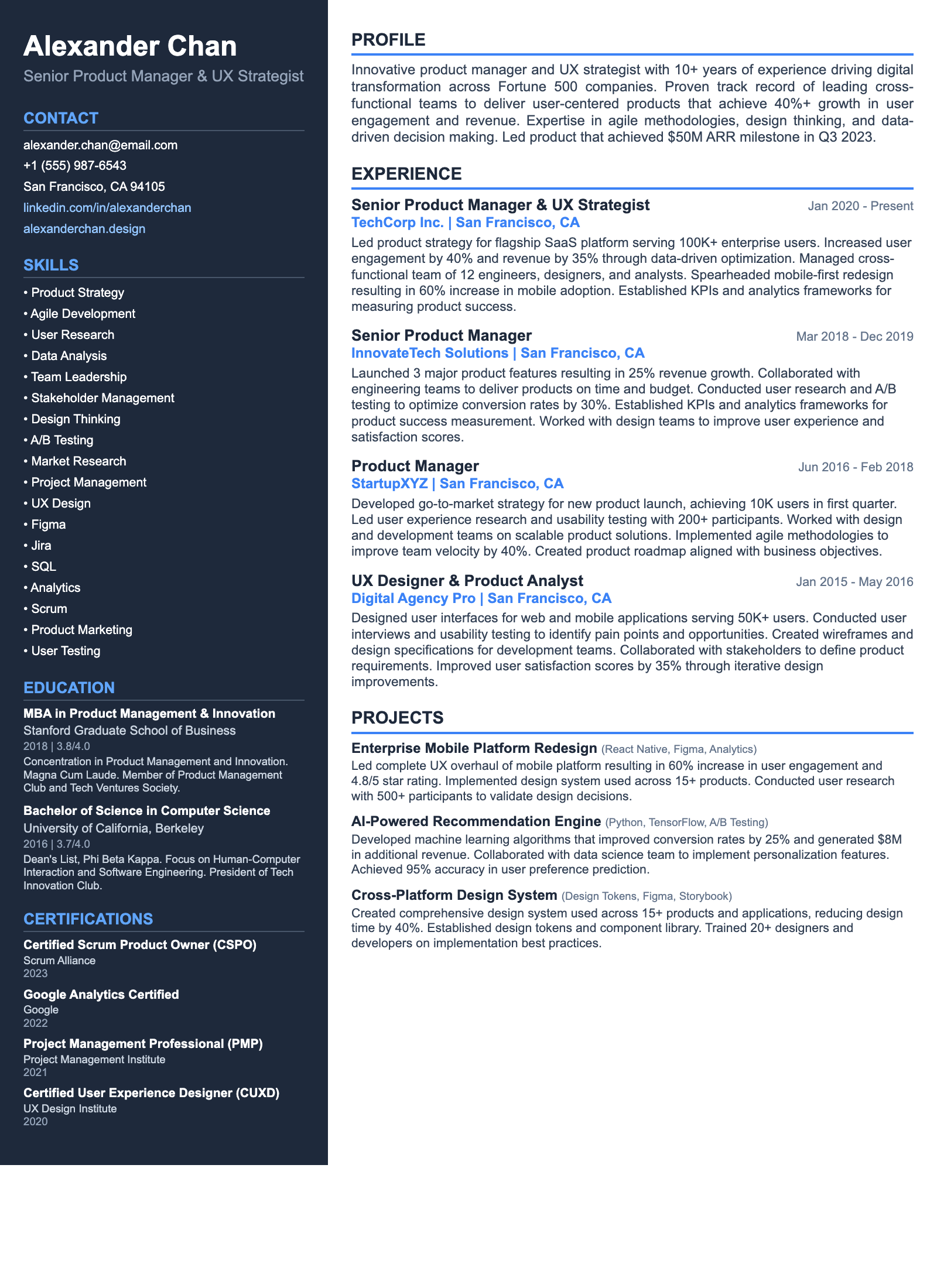
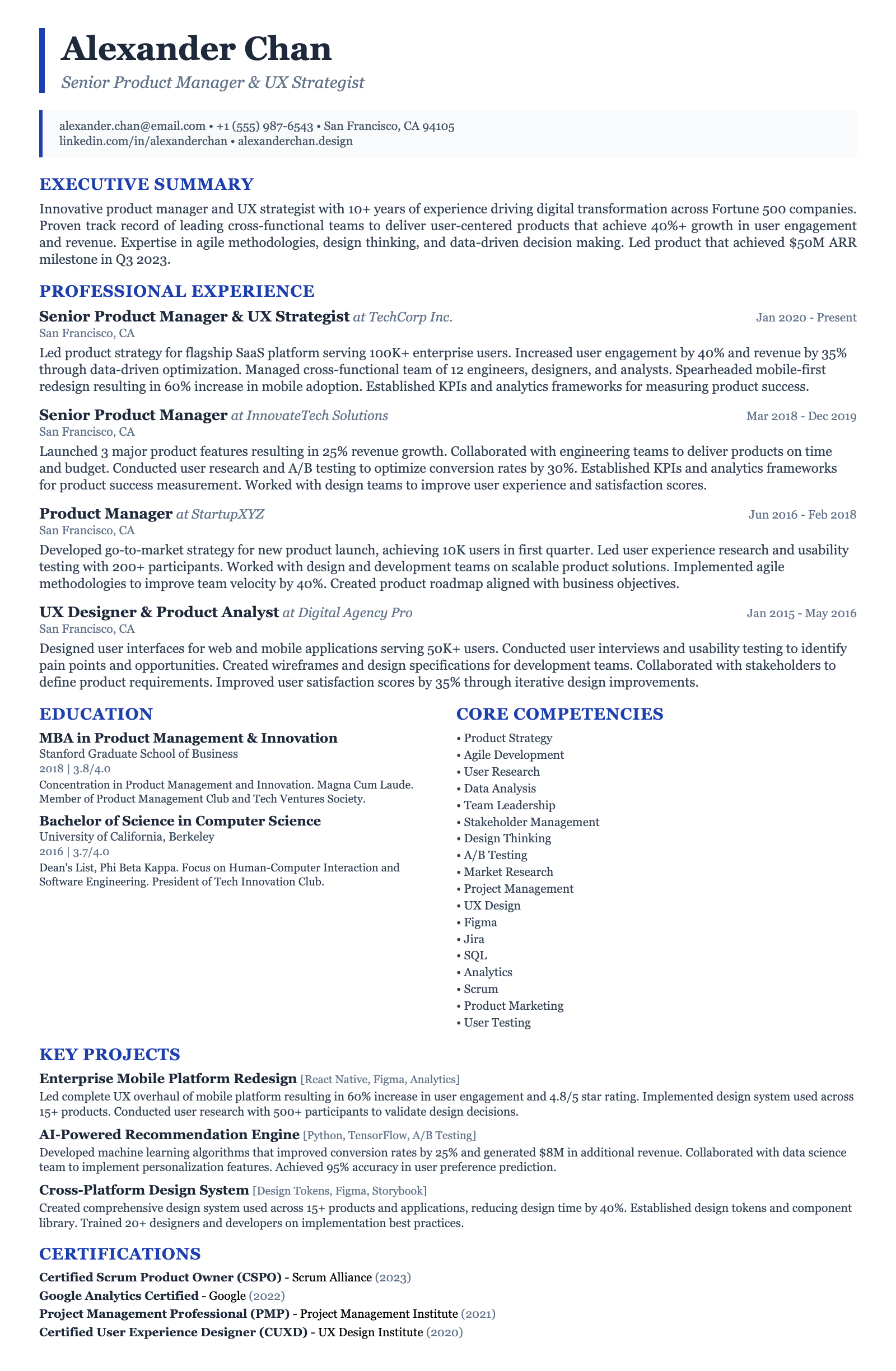
Recommended Resume Templates

ATS-friendly templates designed specifically for Entry-Level Education Software Engineer positions in the US market.
Frequently Asked Questions

What is the ideal resume length for an Entry-Level Education Software Engineer?

As an entry-level candidate, aim for a one-page resume. Recruiters typically spend very little time reviewing each resume. Prioritize the most relevant projects and skills, and ensure your resume is concise and easy to read. Focus on highlighting experiences where you used technologies like Python with Django or JavaScript with React to build educational applications. Tailor your resume to each specific job description.

What key skills should I emphasize on my resume?

Emphasize both technical and soft skills. Technically, showcase your proficiency in programming languages (Python, Java, JavaScript), frameworks (React, Angular, Vue.js), databases (SQL, NoSQL), and version control (Git). Soft skills like Communication, Teamwork, Problem-Solving, and Adaptability are crucial. Provide examples of how you've applied these skills in projects or internships, for instance, 'Collaborated with a team of four to develop a mobile learning app using React Native.'

How can I optimize my resume for Applicant Tracking Systems (ATS)?

Use a clean, ATS-friendly format (avoid tables, text boxes, and unusual fonts). Include relevant keywords from the job description throughout your resume. Use standard section headings (e.g., 'Skills,' 'Experience,' 'Projects'). Save your resume as a .docx or .pdf file. Tailor your resume to match the specific requirements of the job you are applying for. Many ATS systems scan for specific skills (like 'REST APIs') and experience with specific tools (like 'Jira').

Are certifications important for an Entry-Level Education Software Engineer resume?

While not always mandatory, relevant certifications can strengthen your resume. Consider certifications in specific programming languages (e.g., Python, Java) or cloud platforms (e.g., AWS, Azure). Certifications demonstrating expertise in educational technologies or learning management systems (LMS) can also be beneficial. Highlight these certifications prominently in a dedicated section of your resume.

What are some common resume mistakes to avoid?

Avoid generic resumes that lack specific examples. Don't neglect to quantify your achievements whenever possible (e.g., 'Improved code efficiency by 15%'). Proofread carefully for typos and grammatical errors. Ensure your contact information is accurate and up-to-date. Avoid irrelevant information or skills that don't align with the job description. Don't exaggerate your skills or experience. Ensure your GitHub profile is up-to-date and professional.

How can I showcase a career transition into Education Software Engineering?

If transitioning from a different field, highlight transferable skills and experiences. Emphasize projects or experiences where you applied your skills to educational contexts, even if they were not in a professional setting. Consider taking online courses or certifications to demonstrate your commitment to the field. Tailor your resume to showcase your passion for education and your understanding of the unique challenges and opportunities in this sector. Use a functional or combination resume format to highlight your skills and downplay chronological gaps.

Ready to Build Your Entry-Level Education Software Engineer Resume?

Use our AI-powered resume builder to create an ATS-optimized resume tailored for Entry-Level Education Software Engineer positions in the US market.

Complete Entry-Level Education Software Engineer Career Toolkit

Everything you need for your Entry-Level Education Software Engineer job search — all in one platform.

Why choose ResumeGyani over Zety or Resume.io?

The only platform with AI mock interviews + resume builder + job search + career coaching — all in one.

See comparison

Last updated: March 2026 · Content reviewed by certified resume writers · Optimized for US job market

Entry-Level Education Software Engineer Resume Guide (2026) | ATS-Optimized Template