
ATS-Optimized for US Market

Entry-Level Finance Data Scientist Career & Resume Guide

As an Entry-Level Finance Data Scientist, your resume needs to demonstrate a potent blend of financial acumen and data analysis skills to capture a hiring manager's attention. They are seeking candidates who can leverage data to drive financial strategy and risk management. Your resume should clearly showcase your proficiency in data manipulation, statistical modeling, and financial analysis. Highlight projects where you've applied machine learning techniques (like regression or time series analysis using Python libraries such as pandas, NumPy, scikit-learn, or TensorFlow) to solve financial problems, such as fraud detection, portfolio optimization, or credit risk assessment. Include a skills section emphasizing your expertise in Excel (including VBA macros), financial software (e.g., Bloomberg Terminal, FactSet), and data visualization tools (e.g., Tableau, Power BI). Quantify your accomplishments whenever possible, detailing the impact of your data-driven insights. For example, mention how your analysis led to a specific percentage increase in portfolio returns or a reduction in risk exposure. Tailor your resume to reflect the specific requirements mentioned in the job description, emphasizing relevant keywords and skills. Ensure you include sections for education, relevant projects, internships, and a concise skills section. Stand out by showcasing your ability to communicate complex data insights to non-technical stakeholders and your understanding of financial markets and regulations. Your leadership and teamwork skills are also vital, indicating your ability to collaborate effectively with finance professionals. Adaptability is critical, showing you can quickly learn new financial instruments or analytical techniques.
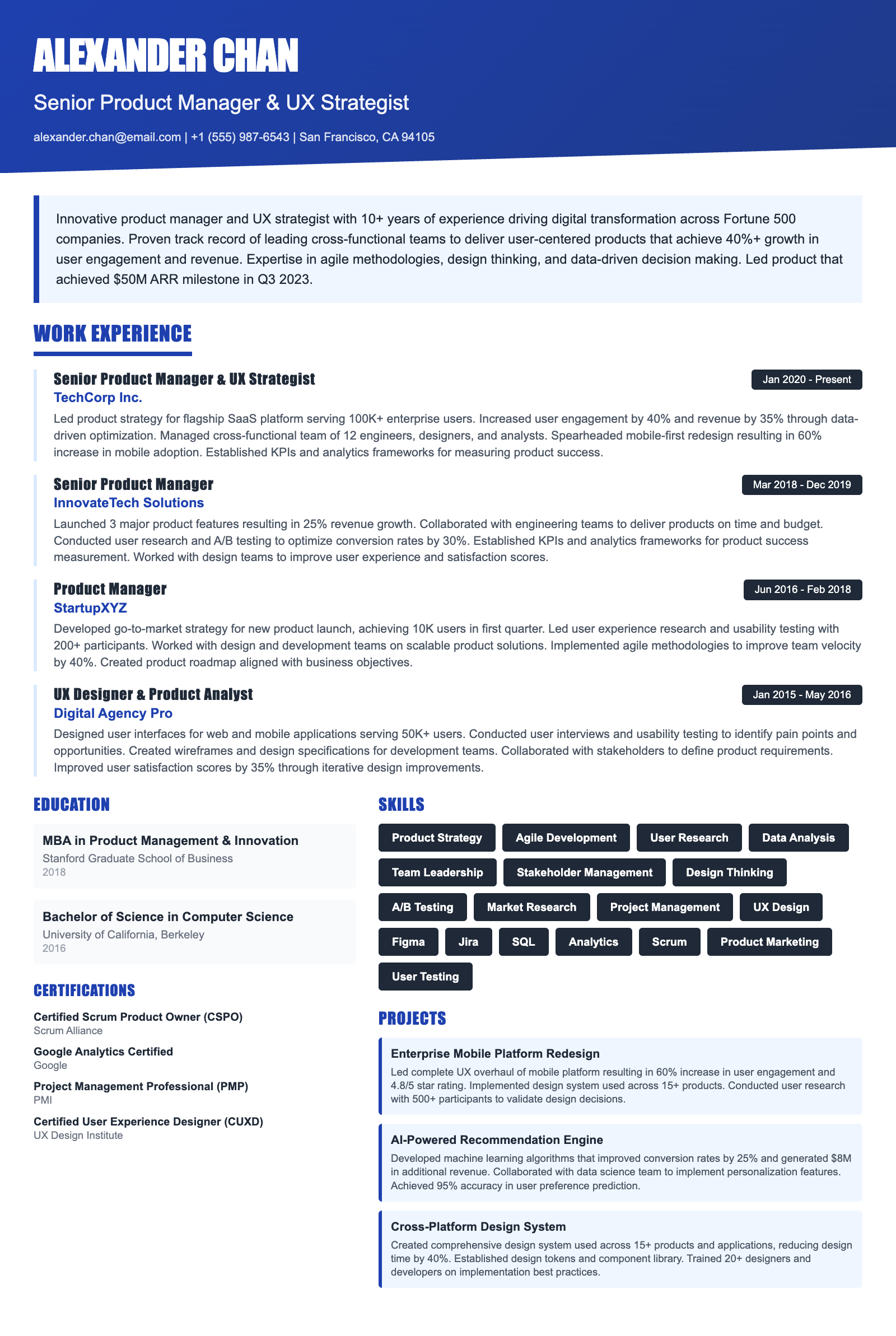
Average US Salary: $56k - $105k

Expert Tip: For Entry-Level Finance Data Scientist positions in the US, recruiters increasingly look for technical execution and adaptability over simple job duties. This guide is tailored to highlight these specific traits to ensure your resume stands out in the competitive Entry-Level Finance Data Scientist sector.

What US Hiring Managers Look For in a Entry-Level Finance Data Scientist Resume

When reviewing Entry-Level Finance Data Scientist candidates, recruiters and hiring managers in the US focus on a few critical areas. Making these elements clear and easy to find on your resume will improve your chances of moving to the interview stage.

  • Relevant experience and impact in Entry-Level Finance Data Scientist or closely related roles.
  • Clear, measurable achievements (metrics, scope, outcomes) rather than duties.
  • Skills and keywords that match the job description and ATS requirements.
  • Professional formatting and no spelling or grammar errors.
  • Consistency between your resume, LinkedIn, and application.
  • Proficiency in key areas such as Communication, Time Management, Excel/Financial Software.

Essential Skills for Entry-Level Finance Data Scientist

Include these keywords in your resume to pass ATS screening and impress recruiters.

Must-Have Skills

  • CriticalCommunication
  • HighTime Management

Technical Skills

  • HighExcel/Financial Software
  • MediumData Analysis

Soft Skills

  • CriticalTeamwork
  • HighAdaptability
  • MediumLeadership

A Day in the Life

A Day in the Life of a Entry-Level Data Scientist

Your morning starts at 9 AM by checking emails and reviewing yesterday's tasks. As an Entry-Level Data Scientist in Finance, you spend the first hour in daily stand-ups, syncing with your team on handling core responsibilities, collaborating with cross-functional teams, and driving project success. From 10 AM to 1 PM, you focus on execution. In Finance, this involves learning standard operating procedures and applying your Data Scientist skills to real-world problems. Post-lunch (1-5 PM) is for deep work and collaboration. You might attend workshops or pair with senior members to understand the nuances of handling core responsibilities, collaborating with cross-functional teams, and driving project success within the company. Wrap up by 5:30 PM, documenting your progress. Finance professionals at this level prioritize learning and consistency to build a strong career foundation.

Career Progression Path

Level 1

Data Scientist I (Entry Level)

Level 2

Data Scientist II (Junior)

Level 3

Senior Data Scientist

Level 4

Lead Data Scientist

Level 5

Data Scientist Manager / Director

Interview Questions & Answers

Prepare for your Entry-Level Finance Data Scientist interview with these commonly asked questions.

Describe a time you used data analysis to solve a financial problem. What were the key challenges, and how did you overcome them?

Medium
Behavioral
Sample Answer
In a university project, I analyzed historical stock prices to predict future performance using time series analysis with Python and the ARIMA model. The biggest challenge was data cleaning and handling missing values. I addressed this by using pandas to impute missing data based on historical trends. I then optimized the model parameters using grid search, improving the prediction accuracy by 10%. This experience highlighted the importance of thorough data preprocessing and model tuning in financial forecasting. This also showed my adaptability with the tools in question.

Explain how you would use machine learning to detect fraudulent transactions in a credit card dataset.

Medium
Technical
Sample Answer
I would use a classification algorithm like logistic regression or a decision tree model. First, I'd preprocess the data, handling missing values and scaling features. Then, I'd train the model on a labeled dataset of fraudulent and legitimate transactions. I'd evaluate the model's performance using metrics like precision, recall, and F1-score, focusing on minimizing false negatives (failing to identify fraudulent transactions). Regular monitoring and model retraining would be crucial to adapt to evolving fraud patterns.

You are tasked with building a model to predict credit risk. What factors would you consider, and how would you validate your model?

Hard
Technical
Sample Answer
I'd consider factors such as credit history, income, debt-to-income ratio, and employment status. To validate the model, I would use techniques like k-fold cross-validation to ensure it generalizes well to unseen data. I'd also assess its performance using metrics like the AUC-ROC curve and the Kolmogorov-Smirnov statistic, ensuring it accurately distinguishes between high-risk and low-risk borrowers. I would also perform a backtesting for the model to ensure its viability.

Imagine you're presenting your findings to a team of non-technical finance professionals. How would you explain a complex data analysis in a way they can understand?

Medium
Situational
Sample Answer
I would avoid technical jargon and focus on the business implications of the analysis. I'd use clear visuals, such as charts and graphs, to illustrate key findings. I'd frame the analysis in terms of their concerns, such as how it impacts profitability, risk management, or regulatory compliance. I'd also be prepared to answer their questions in a straightforward and accessible manner, providing context and examples to enhance their understanding. I would show a clear cause-and-effect relationship when applicable.

Describe a situation where you had to adapt your approach to data analysis due to unexpected challenges or limitations.

Medium
Behavioral
Sample Answer
In an internship, I was tasked with analyzing a large dataset of financial transactions, but the data was incomplete and contained numerous errors. Initially, I planned to use a sophisticated machine learning model. However, due to the data quality issues, I shifted to a simpler statistical analysis approach using descriptive statistics and hypothesis testing with Excel and R. This allowed me to extract meaningful insights despite the limitations, demonstrating the importance of adaptability.

How would you approach building a portfolio optimization model using Python?

Hard
Technical
Sample Answer
I would start by gathering historical stock price data from APIs and calculating returns. Then, I would use the mean-variance optimization framework, leveraging Python libraries like NumPy and SciPy to calculate the efficient frontier. I would incorporate constraints such as maximum allocation per asset and risk tolerance levels. Finally, I would backtest the model to evaluate its performance and adjust parameters as needed. Also, I would track its performance with standard metrics and KPIs.

ATS Optimization Tips

Make sure your resume passes Applicant Tracking Systems used by US employers.

Use keywords from the job description, especially in the skills and experience sections. ATS systems scan for these terms to assess your qualifications.
Format your resume with clear section headings like "Skills," "Experience," "Education," and "Projects." This helps the ATS parse your information correctly.
Save your resume as a .docx or .pdf file. These formats are generally compatible with most ATS systems, ensuring your formatting is preserved.
List your skills using a dedicated "Skills" section. Include both technical skills (e.g., Python, R, SQL) and soft skills (e.g., communication, teamwork).
Quantify your achievements whenever possible. Use numbers and metrics to demonstrate the impact of your work, such as “Improved portfolio returns by 15% using time series analysis with scikit-learn”.
Use action verbs to describe your responsibilities and accomplishments in your work experience. For example, "Developed," "Analyzed," "Implemented," and "Managed."
Tailor your resume to each job application. Highlight the skills and experiences that are most relevant to the specific role.
Include any relevant certifications, such as CFA, FRM, or data science certifications (e.g., AWS Certified Machine Learning – Specialty). These credentials can help your resume stand out to the ATS.

Common Resume Mistakes to Avoid

Don't make these errors that get resumes rejected.

1
Failing to quantify accomplishments. Without metrics, it's hard to assess the impact of your work in financial contexts.
2
Using a generic resume that doesn't highlight finance-specific skills. Tailor your resume to showcase your understanding of financial markets and instruments.
3
Omitting relevant projects or internships. Showcase projects where you applied data science techniques to financial problems. Even academic projects count.
4
Neglecting to mention proficiency in financial software such as Bloomberg Terminal or FactSet. It implies a lack of direct exposure to the industry standard.
5
Overemphasizing theoretical knowledge without demonstrating practical application. Back up your skills with project examples using Python and relevant libraries.
6
Poor formatting or grammatical errors. This reflects poorly on your attention to detail, critical in finance.
7
Not including relevant certifications like CFA or FRM, even if you're just starting the certification process. It demonstrates commitment.
8
Assuming that generic 'data science' skills will be enough without finance knowledge. Demonstrate an understanding of how those skills are used in finance.

Industry Outlook

The US Finance sector is experiencing steady growth. Entry-Level Data Scientists are particularly sought after, with the Bureau of Labor Statistics projecting average job growth through 2030. Peak hiring occurs in Q1 (January-March) and Q3 (August-September).

Top Hiring Companies

JP MorganGoldman SachsFidelityFinTech Startups

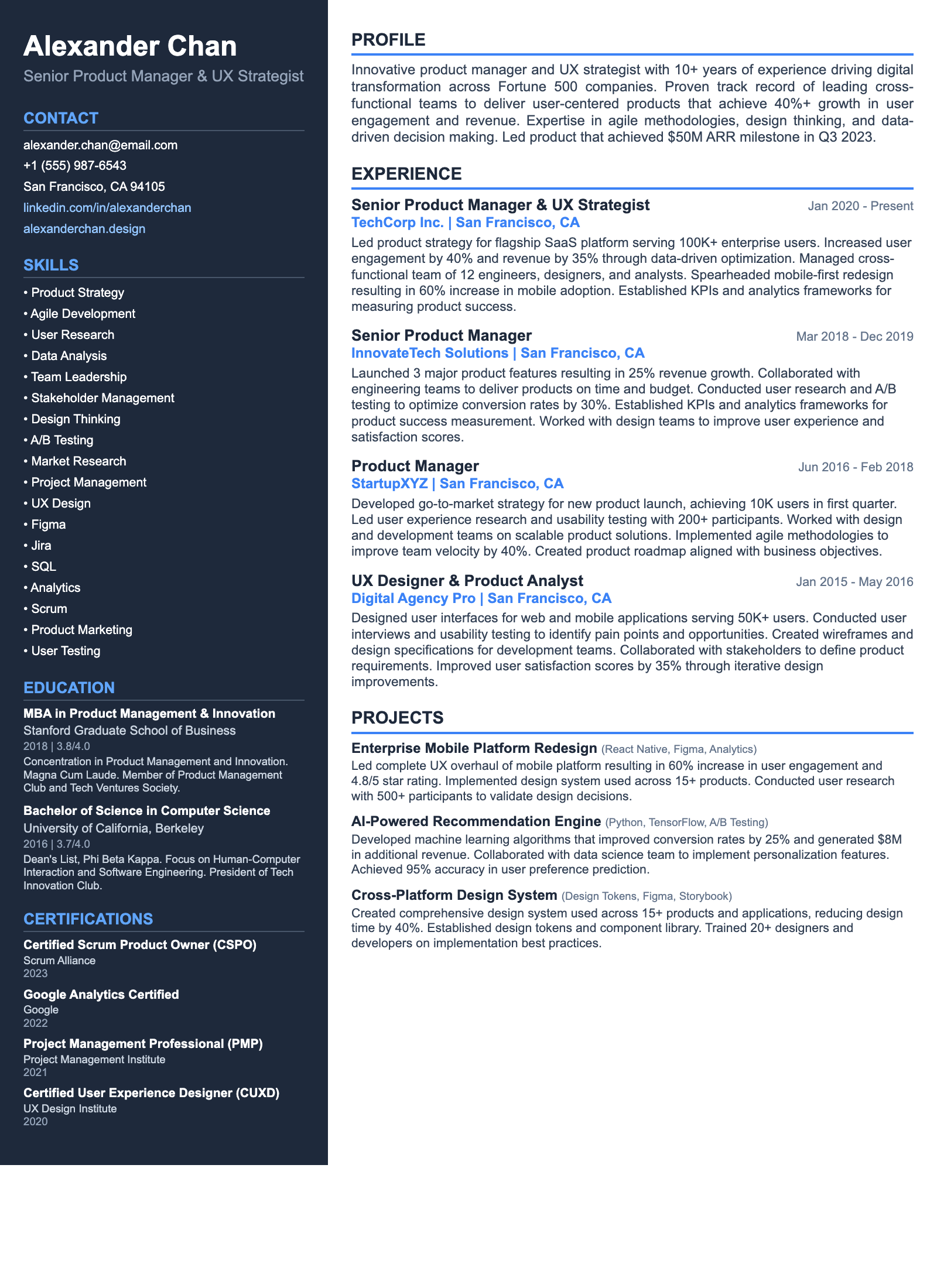
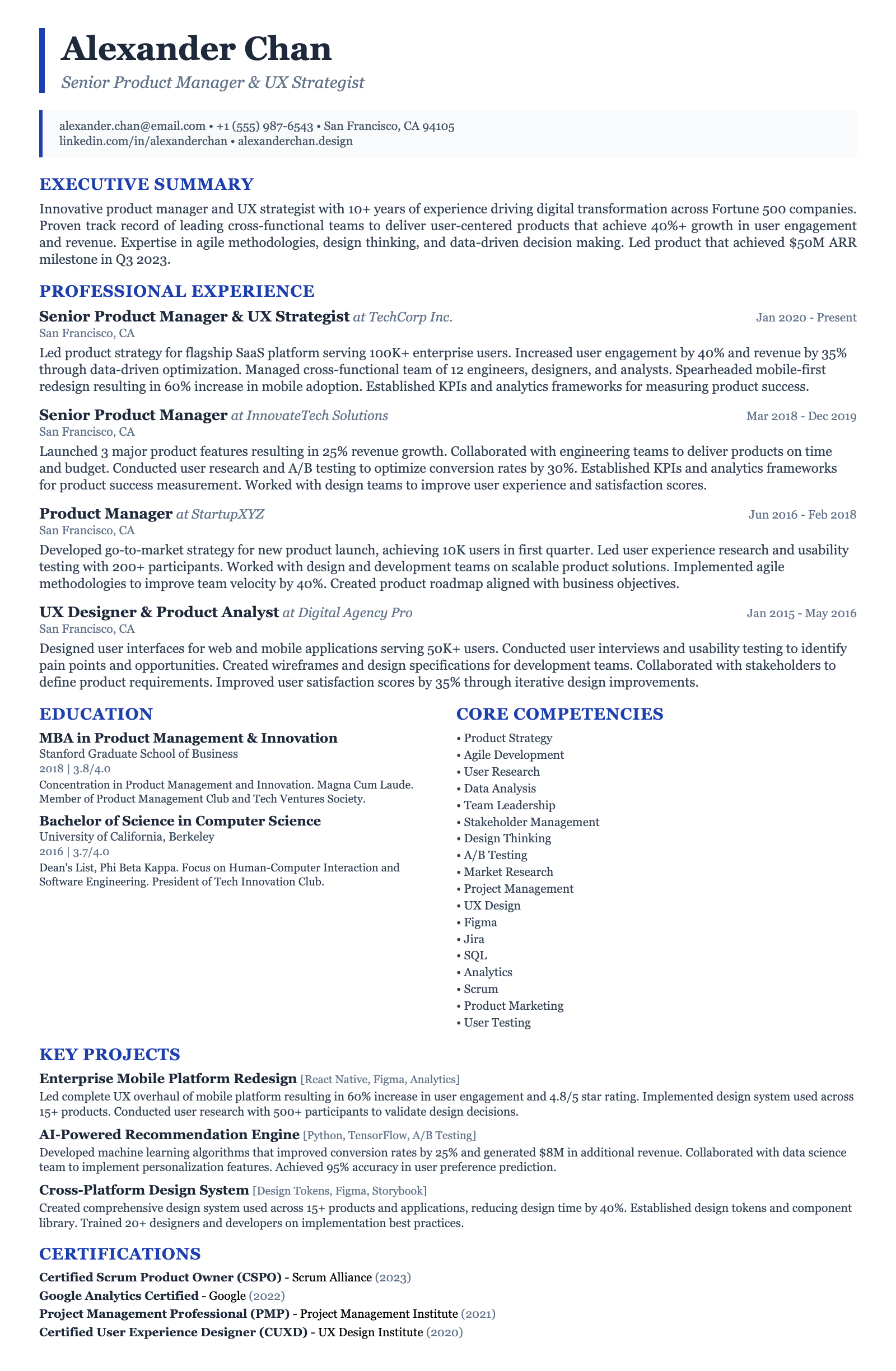
Recommended Resume Templates

ATS-friendly templates designed specifically for Entry-Level Finance Data Scientist positions in the US market.
Frequently Asked Questions

What's the ideal resume length for an Entry-Level Finance Data Scientist?

As an entry-level candidate, aim for a one-page resume. Focus on concisely presenting your most relevant skills and experiences. Prioritize projects and internships where you applied data science techniques to financial problems, highlighting your proficiency with tools like Python, R, and financial modeling software. Quantify your accomplishments to demonstrate the impact of your work.

What key skills should I emphasize on my resume?

Highlight your data analysis, financial modeling, and programming skills. Specifically, mention Python (pandas, scikit-learn, NumPy), R, SQL, and experience with financial software like Bloomberg Terminal or FactSet. Showcase your understanding of statistical modeling, machine learning algorithms (regression, classification, time series analysis), and data visualization tools such as Tableau or Power BI. Communication skills are also crucial to convey complex analyses to non-technical stakeholders.

How can I optimize my resume for Applicant Tracking Systems (ATS)?

Use a clean, ATS-friendly format. Avoid tables, images, and unusual fonts. Incorporate relevant keywords from the job description throughout your resume, especially in the skills and experience sections. Use standard section headings like "Skills," "Experience," and "Education." Save your resume as a .docx or .pdf file to ensure compatibility with most ATS systems. Make sure to include any certifications (e.g. CFA, FRM) as they are vital for ATS recognition.

Are certifications important for an Entry-Level Finance Data Scientist resume?

Yes, certifications can significantly enhance your resume. Consider pursuing certifications like the Chartered Financial Analyst (CFA), Financial Risk Manager (FRM), or relevant data science certifications (e.g., AWS Certified Machine Learning – Specialty). These credentials demonstrate your commitment to both finance and data science, making you a more competitive candidate. List these prominently in a dedicated 'Certifications' section.

What are some common resume mistakes to avoid?

Avoid generic resume templates that lack focus on finance and data science. Don't neglect to quantify your achievements or fail to tailor your resume to each job application. Ensure you list relevant projects and internships that demonstrate your skills. Also, refrain from exaggerating your abilities or including irrelevant information that doesn't align with the job requirements. Poor formatting and grammatical errors are also immediate disqualifiers.

How do I transition into a Finance Data Scientist role from a different field?

Highlight transferable skills such as data analysis, statistical modeling, and programming. Showcase any financial knowledge you've gained through coursework, personal projects, or online courses. Focus on projects where you've applied data science techniques to solve business problems, even if they're not directly finance-related. Consider pursuing relevant certifications (e.g., CFA, FRM) to demonstrate your commitment to the field and your financial literacy.

Ready to Build Your Entry-Level Finance Data Scientist Resume?

Use our AI-powered resume builder to create an ATS-optimized resume tailored for Entry-Level Finance Data Scientist positions in the US market.

Complete Entry-Level Finance Data Scientist Career Toolkit

Everything you need for your Entry-Level Finance Data Scientist job search — all in one platform.

Why choose ResumeGyani over Zety or Resume.io?

The only platform with AI mock interviews + resume builder + job search + career coaching — all in one.

See comparison

Last updated: March 2026 · Content reviewed by certified resume writers · Optimized for US job market