
ATS-Optimized for US Market

Entry-Level Healthcare Business Analyst Career & Resume Guide

Crafting an impactful resume for an Entry-Level Healthcare Business Analyst role requires highlighting your understanding of healthcare operations and your ability to translate business needs into actionable data-driven solutions. Hiring managers prioritize candidates who can demonstrate proficiency in data analysis, process improvement, and regulatory compliance within the healthcare sector. Your resume should prominently feature your analytical skills, including experience with tools like SQL, Excel (including pivot tables and advanced formulas), and potentially data visualization software like Tableau or Power BI. Clearly articulate your ability to gather requirements, document processes, and contribute to project teams. Quantify your achievements whenever possible, showcasing how your analyses led to improvements in efficiency, cost savings, or patient outcomes. Emphasize your understanding of healthcare data (e.g., claims data, EMR data), HIPAA regulations, and common healthcare workflows. Structure your resume with clear sections for Skills, Education, Projects, and Experience (including internships or relevant coursework). Stand out by showcasing projects where you applied analytical techniques to solve healthcare-related problems, even if those projects were academic. Tailor your resume to each specific job description, emphasizing the skills and experience most relevant to the role. Don't forget to showcase your communication and teamwork abilities, as these are crucial for collaborating with healthcare professionals and stakeholders. Highlight leadership experience, even if outside of a formal work environment, as it demonstrates initiative and problem-solving skills.
Average US Salary: $48k - $91k

Expert Tip: For Entry-Level Healthcare Business Analyst positions in the US, recruiters increasingly look for technical execution and adaptability over simple job duties. This guide is tailored to highlight these specific traits to ensure your resume stands out in the competitive Entry-Level Healthcare Business Analyst sector.

What US Hiring Managers Look For in a Entry-Level Healthcare Business Analyst Resume

When reviewing Entry-Level Healthcare Business Analyst candidates, recruiters and hiring managers in the US focus on a few critical areas. Making these elements clear and easy to find on your resume will improve your chances of moving to the interview stage.

  • Relevant experience and impact in Entry-Level Healthcare Business Analyst or closely related roles.
  • Clear, measurable achievements (metrics, scope, outcomes) rather than duties.
  • Skills and keywords that match the job description and ATS requirements.
  • Professional formatting and no spelling or grammar errors.
  • Consistency between your resume, LinkedIn, and application.
  • Proficiency in key areas such as Communication, Time Management, Industry-Standard Tools.

Essential Skills for Entry-Level Healthcare Business Analyst

Include these keywords in your resume to pass ATS screening and impress recruiters.

Must-Have Skills

  • CriticalCommunication
  • HighTime Management

Technical Skills

  • HighIndustry-Standard Tools
  • MediumData Analysis

Soft Skills

  • CriticalTeamwork
  • HighAdaptability
  • MediumLeadership

A Day in the Life

A Day in the Life of a Entry-Level Business Analyst

Your morning starts at 9 AM by checking emails and reviewing yesterday's tasks. As an Entry-Level Business Analyst in Healthcare, you spend the first hour in daily stand-ups, syncing with your team on handling core responsibilities, collaborating with cross-functional teams, and driving project success. From 10 AM to 1 PM, you focus on execution. In Healthcare, this involves learning standard operating procedures and applying your Business Analyst skills to real-world problems. Post-lunch (1-5 PM) is for deep work and collaboration. You might attend workshops or pair with senior members to understand the nuances of handling core responsibilities, collaborating with cross-functional teams, and driving project success within the company. Wrap up by 5:30 PM, documenting your progress. Healthcare professionals at this level prioritize learning and consistency to build a strong career foundation.

Career Progression Path

Level 1

Business Analyst I (Entry Level)

Level 2

Business Analyst II (Junior)

Level 3

Senior Business Analyst

Level 4

Lead Business Analyst

Level 5

Business Analyst Manager / Director

Interview Questions & Answers

Prepare for your Entry-Level Healthcare Business Analyst interview with these commonly asked questions.

Describe a time you used data analysis to solve a problem. What were the challenges, and what was the outcome?

Medium
Behavioral
Sample Answer
In a university project, I analyzed hospital readmission rates using publicly available datasets. The challenge was cleaning and integrating data from multiple sources. I used SQL and Python to identify key factors contributing to readmissions, such as patient demographics and prior medical history. The analysis revealed that patients with specific chronic conditions were at higher risk. We presented these findings to a local hospital, which used the data to implement targeted interventions, reducing readmission rates by an estimated 5%.

Explain how you would approach gathering requirements for a new data analytics project in a healthcare setting.

Medium
Situational
Sample Answer
I'd start by identifying key stakeholders, including clinicians, administrators, and IT personnel. I would conduct interviews and focus groups to understand their specific needs and challenges. I'd document the requirements clearly and concisely, using techniques like use case diagrams and user stories. I would also prioritize requirements based on their impact and feasibility. Finally, I would validate the requirements with stakeholders to ensure they accurately reflect their needs before proceeding with the project.

What is HIPAA, and how does it impact your work as a Healthcare Business Analyst?

Medium
Technical
Sample Answer
HIPAA, the Health Insurance Portability and Accountability Act, is a US law that protects the privacy and security of patient health information. As a Healthcare Business Analyst, I must adhere to HIPAA regulations when handling and analyzing protected health information (PHI). This includes ensuring data is encrypted, access is restricted to authorized personnel, and data is used only for permitted purposes. I would also ensure that any data visualizations or reports do not inadvertently reveal PHI.

Describe your experience with data visualization tools like Tableau or Power BI. How have you used these tools to communicate insights to stakeholders?

Medium
Technical
Sample Answer
I have experience using Tableau to create interactive dashboards that visualize key performance indicators (KPIs) related to patient satisfaction. I used calculated fields to create custom metrics and filters to allow stakeholders to explore the data in different ways. I presented these dashboards to hospital administrators, who used the insights to identify areas for improvement in patient care and communication, ultimately improving overall patient satisfaction scores. I also understand best practices for creating effective and easily understandable visualizations.

Tell me about a time you had to adapt to a change in project requirements or priorities.

Medium
Behavioral
Sample Answer
During an internship, the scope of a project involving analyzing patient appointment scheduling data was significantly altered midway due to new regulatory guidelines. I quickly learned the new guidelines and adjusted my data analysis plan accordingly. This involved incorporating new data fields and modifying existing calculations. I communicated the changes to the team and collaborated to ensure the project was completed successfully within the revised timeline. I learned the importance of flexibility and proactive communication in managing project changes.

How do you stay up-to-date with the latest trends and technologies in healthcare data analysis?

Easy
Behavioral
Sample Answer
I regularly read industry publications like "Healthcare IT News" and "Journal of Healthcare Information Management". I also follow thought leaders in healthcare analytics on LinkedIn and attend webinars and online conferences focused on topics like artificial intelligence in healthcare and value-based care models. Additionally, I participate in online forums and communities to learn from other professionals and share my own experiences. I am also currently enrolled in an online course about predictive analytics in healthcare.

ATS Optimization Tips

Make sure your resume passes Applicant Tracking Systems used by US employers.

Incorporate relevant keywords from the job description throughout your resume, particularly in the skills and experience sections. ATS systems scan for these keywords to identify qualified candidates.
Use a simple, clean resume format with standard headings like "Summary," "Experience," "Education," and "Skills." Avoid using tables, graphics, or unusual fonts that ATS systems may not be able to parse correctly.
Save your resume as a .doc or .docx file, as these formats are generally ATS-friendly. PDF files can sometimes cause parsing issues with certain ATS systems.
Use action verbs to describe your accomplishments and quantify your results whenever possible. This helps ATS systems understand the impact of your work.
Optimize your skills section by listing both hard skills (e.g., SQL, Excel, data visualization) and soft skills (e.g., communication, teamwork, problem-solving). Separate them into distinct categories if possible.
Ensure that your contact information (name, phone number, email address) is clearly visible and easily parsable by the ATS. Place this information at the top of your resume.
Tailor your resume to each specific job description, emphasizing the skills and experience most relevant to the role. This increases your chances of being selected by the ATS.
Use industry-standard terminology and acronyms related to healthcare and data analysis. This demonstrates your familiarity with the field and helps the ATS identify you as a qualified candidate.

Common Resume Mistakes to Avoid

Don't make these errors that get resumes rejected.

1
Failing to quantify achievements. Instead of saying "Improved efficiency," say "Improved efficiency by 15% through data analysis and process optimization."
2
Not tailoring the resume to the specific job description. A generic resume is less likely to get past the initial screening.
3
Omitting relevant healthcare experience, even if it's from internships or volunteer work. Always include any exposure to healthcare data, workflows, or regulations.
4
Listing skills without providing context or examples. Don't just say "SQL." Explain how you've used SQL to analyze healthcare data or generate reports.
5
Neglecting to showcase your understanding of healthcare regulations like HIPAA. This is crucial for demonstrating your awareness of privacy and security concerns.
6
Using overly technical jargon without explaining it. Remember that hiring managers may not be experts in data analysis.
7
Focusing solely on technical skills and neglecting to highlight soft skills like communication and teamwork, which are essential for collaborating with healthcare professionals.
8
Ignoring errors in grammar and spelling. Proofread your resume carefully before submitting it.

Industry Outlook

The US Healthcare sector is experiencing high demand due to aging population. Entry-Level Business Analysts are particularly sought after, with the Bureau of Labor Statistics projecting above-average job growth through 2030. Peak hiring occurs in Q1 (January-March) and Q3 (August-September).

Top Hiring Companies

Kaiser PermanenteMayo ClinicCleveland ClinicLocal Hospitals

Recommended Resume Templates

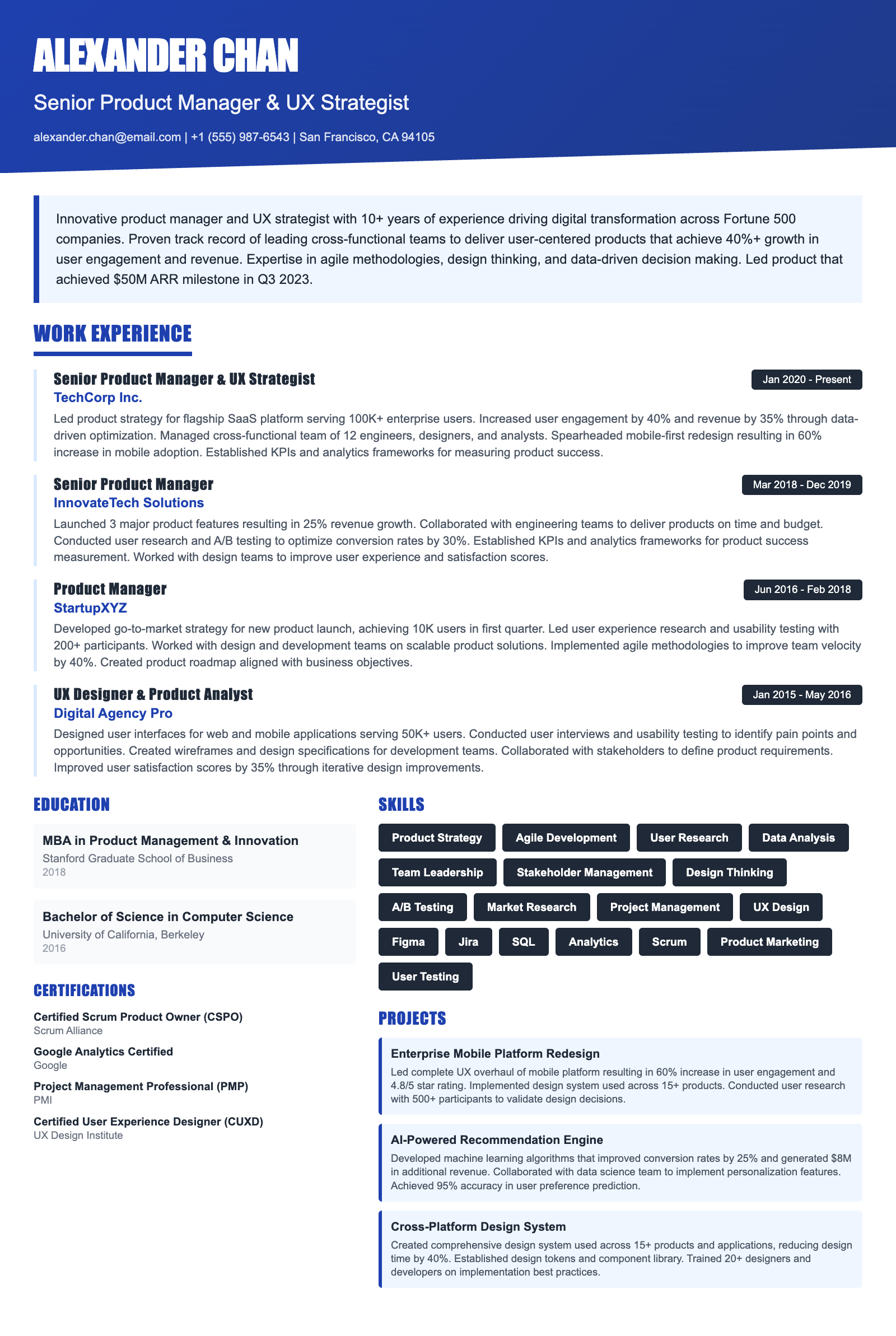
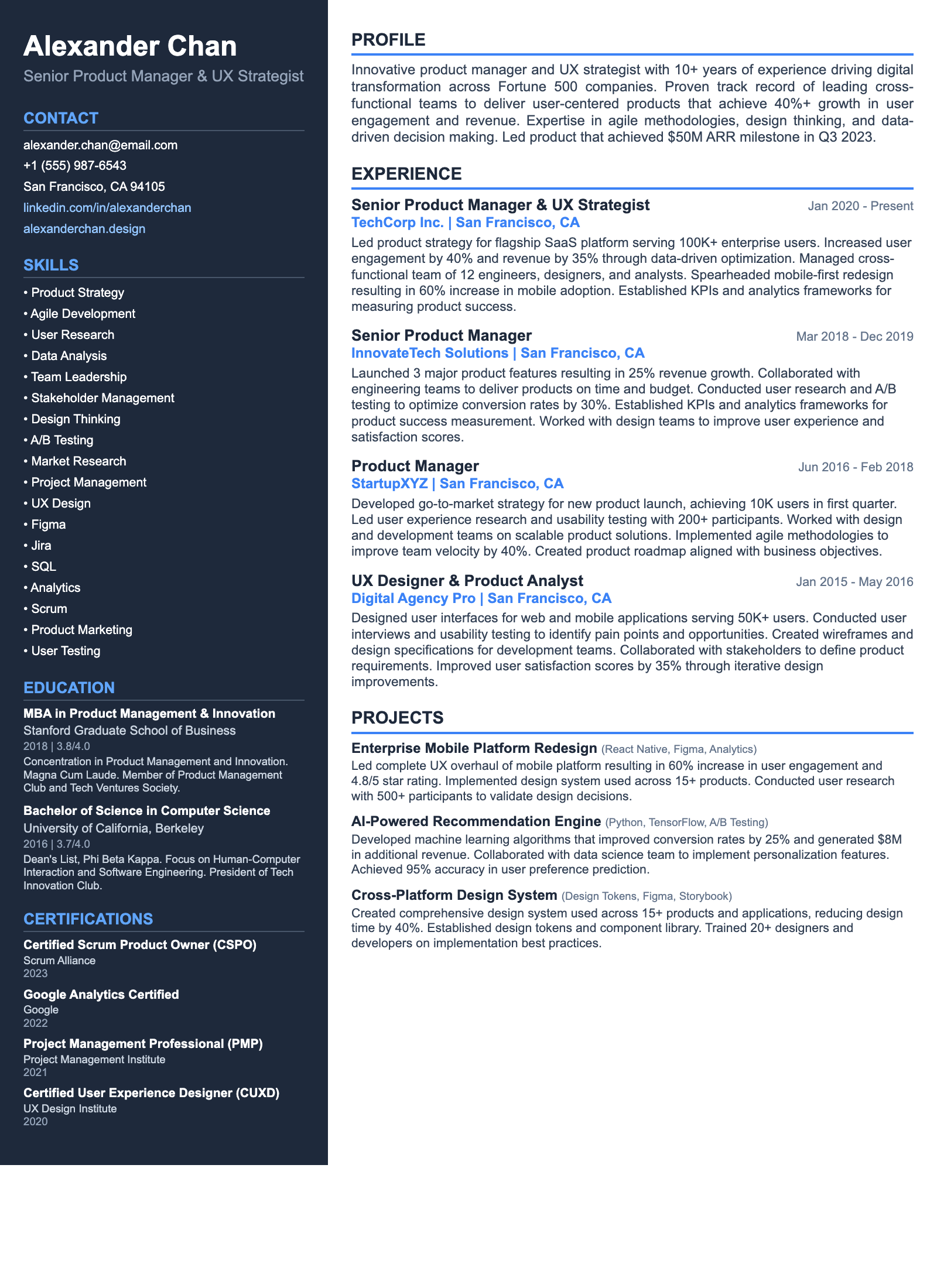
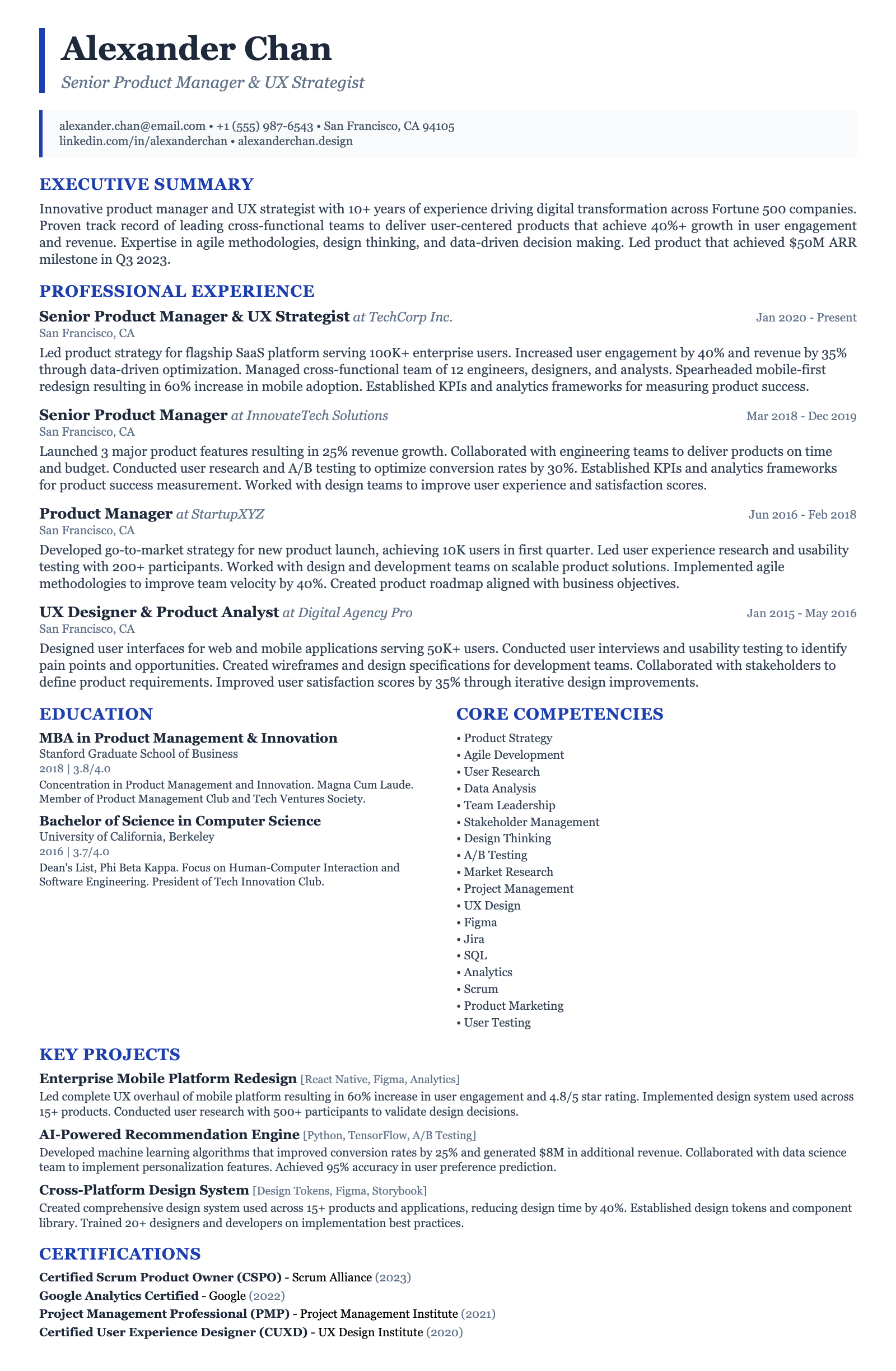
ATS-friendly templates designed specifically for Entry-Level Healthcare Business Analyst positions in the US market.
Frequently Asked Questions

What is the ideal length for an Entry-Level Healthcare Business Analyst resume?

For entry-level positions, aim for a one-page resume. Hiring managers typically have limited time to review applications, so conciseness is key. Focus on presenting the most relevant skills and experiences that align with the job description. Prioritize information that showcases your analytical abilities, understanding of healthcare processes, and proficiency with tools like SQL, Excel, and data visualization platforms. Eliminate any irrelevant information that doesn't support your candidacy for a Healthcare Business Analyst role.

What are the most important skills to highlight on my resume?

Prioritize skills like data analysis (including statistical analysis), SQL, Excel (pivot tables, VLOOKUP), data visualization (Tableau, Power BI), requirements gathering, process mapping, and knowledge of healthcare data (claims, EMR). Showcase your understanding of HIPAA and other healthcare regulations. Soft skills like communication, teamwork, and problem-solving are also critical. Provide specific examples of how you've applied these skills in academic projects, internships, or volunteer experiences. Tailor your skills section to match the specific requirements listed in the job description.

How can I optimize my resume for Applicant Tracking Systems (ATS)?

Use a simple, clean resume format with standard headings (e.g., Summary, Experience, Education, Skills). Incorporate relevant keywords from the job description throughout your resume, especially in the skills and experience sections. Avoid using tables, graphics, or unusual fonts that ATS systems may not be able to parse correctly. Save your resume as a .doc or .docx file, as these formats are generally ATS-friendly. Use action verbs to describe your accomplishments and quantify your results whenever possible. Submit a tailored resume for each application, targeting the specific skills requested.

Are certifications important for an Entry-Level Healthcare Business Analyst?

While not always required, certifications can demonstrate your commitment to the field and enhance your credibility. Consider certifications like Certified Associate in Healthcare Information and Management Systems (CAHIMS) or relevant certifications in data analysis or project management (e.g., CAPM). Even basic Excel or SQL certifications can be beneficial. Highlight any relevant certifications prominently on your resume, ideally near the top. Also, mentioning relevant coursework in healthcare management or data analytics can substitute if you do not yet have certifications.

What are some common resume mistakes to avoid?

Avoid generic resume templates that don't highlight your specific skills and experiences related to healthcare business analysis. Don't neglect to quantify your achievements; use numbers to demonstrate the impact of your work. Avoid listing skills without providing context or examples. Don't make grammatical errors or typos. Never include false or misleading information. Refrain from omitting keywords that are relevant to the job description. Proofread carefully for errors in dates, job titles, or company names. Never submit the same generic resume for all applications.

How can I transition into a Healthcare Business Analyst role from a different field?

Highlight any transferable skills from your previous role, such as data analysis, problem-solving, communication, and project management. Emphasize any experience you have with data analysis tools like SQL, Excel, or data visualization software. Take online courses or workshops to gain knowledge of healthcare concepts and regulations (HIPAA). Consider volunteering or interning in a healthcare setting to gain relevant experience. Tailor your resume to showcase how your skills and experiences align with the requirements of a Healthcare Business Analyst role. Craft a compelling cover letter that explains your career transition and highlights your motivation to work in healthcare.

Ready to Build Your Entry-Level Healthcare Business Analyst Resume?

Use our AI-powered resume builder to create an ATS-optimized resume tailored for Entry-Level Healthcare Business Analyst positions in the US market.

Complete Entry-Level Healthcare Business Analyst Career Toolkit

Everything you need for your Entry-Level Healthcare Business Analyst job search — all in one platform.

Why choose ResumeGyani over Zety or Resume.io?

The only platform with AI mock interviews + resume builder + job search + career coaching — all in one.

See comparison

Last updated: March 2026 · Content reviewed by certified resume writers · Optimized for US job market