
ATS-Optimized for US Market

Entry-Level Healthcare Financial Analyst Career & Resume Guide

As an aspiring Entry-Level Healthcare Financial Analyst, your resume needs to immediately highlight your analytical prowess and understanding of healthcare finance principles. Hiring managers seek candidates who can demonstrate proficiency in data analysis, budgeting, and forecasting, even without extensive experience. Structure your resume with clear sections: a compelling summary, quantifiable achievements, relevant skills, and education. Emphasize your experience with industry-standard tools like Microsoft Excel (including advanced functions like pivot tables and VLOOKUP), financial modeling software, and potentially Electronic Health Record (EHR) systems. Quantify your accomplishments whenever possible, for instance, by stating how your analysis improved cost savings or enhanced revenue cycle management. Highlight coursework or projects related to healthcare finance, cost accounting, or healthcare economics. Stand out by showcasing any experience with healthcare-specific regulations such as HIPAA or value-based care models. Your resume should reflect your grasp of key performance indicators (KPIs) used in healthcare financial analysis, such as net operating margin, days in accounts receivable, and patient satisfaction scores. Showcase your teamwork, communication, and problem-solving abilities, demonstrating how you can contribute to a collaborative financial team within a healthcare organization. Adapt your resume to each job posting, emphasizing the skills and experiences that align most closely with the specific requirements. Focus on showcasing potential and willingness to learn and grow within the healthcare finance field. Remember to tailor your resume to pass through Applicant Tracking Systems (ATS) using relevant keywords and formatting.
Average US Salary: $48k - $91k

Expert Tip: For Entry-Level Healthcare Financial Analyst positions in the US, recruiters increasingly look for technical execution and adaptability over simple job duties. This guide is tailored to highlight these specific traits to ensure your resume stands out in the competitive Entry-Level Healthcare Financial Analyst sector.

What US Hiring Managers Look For in a Entry-Level Healthcare Financial Analyst Resume

When reviewing Entry-Level Healthcare Financial Analyst candidates, recruiters and hiring managers in the US focus on a few critical areas. Making these elements clear and easy to find on your resume will improve your chances of moving to the interview stage.

  • Relevant experience and impact in Entry-Level Healthcare Financial Analyst or closely related roles.
  • Clear, measurable achievements (metrics, scope, outcomes) rather than duties.
  • Skills and keywords that match the job description and ATS requirements.
  • Professional formatting and no spelling or grammar errors.
  • Consistency between your resume, LinkedIn, and application.
  • Proficiency in key areas such as Communication, Time Management, Industry-Standard Tools.

Essential Skills for Entry-Level Healthcare Financial Analyst

Include these keywords in your resume to pass ATS screening and impress recruiters.

Must-Have Skills

  • CriticalCommunication
  • HighTime Management

Technical Skills

  • HighIndustry-Standard Tools
  • MediumData Analysis

Soft Skills

  • CriticalTeamwork
  • HighAdaptability
  • MediumLeadership

A Day in the Life

A Day in the Life of a Entry-Level Financial Analyst

Your morning starts at 9 AM by checking emails and reviewing yesterday's tasks. As an Entry-Level Financial Analyst in Healthcare, you spend the first hour in daily stand-ups, syncing with your team on handling core responsibilities, collaborating with cross-functional teams, and driving project success. From 10 AM to 1 PM, you focus on execution. In Healthcare, this involves learning standard operating procedures and applying your Financial Analyst skills to real-world problems. Post-lunch (1-5 PM) is for deep work and collaboration. You might attend workshops or pair with senior members to understand the nuances of handling core responsibilities, collaborating with cross-functional teams, and driving project success within the company. Wrap up by 5:30 PM, documenting your progress. Healthcare professionals at this level prioritize learning and consistency to build a strong career foundation.

Career Progression Path

Level 1

Financial Analyst I (Entry Level)

Level 2

Financial Analyst II (Junior)

Level 3

Senior Financial Analyst

Level 4

Lead Financial Analyst

Level 5

Financial Analyst Manager / Director

Interview Questions & Answers

Prepare for your Entry-Level Healthcare Financial Analyst interview with these commonly asked questions.

Describe a time you had to analyze a large dataset to identify a trend or solve a problem. What steps did you take?

Medium
Behavioral
Sample Answer
In my financial accounting course, I analyzed a hospital's patient billing data to identify discrepancies between billed and collected amounts. I first cleaned the data using Excel, removing irrelevant entries and correcting errors. Then, I used pivot tables to summarize the data by payer, service type, and time period. I identified a significant increase in claim denials from a specific insurance provider. Based on this, the hospital CFO took steps to renegotiate the contract. This project honed my skills in data analysis and problem-solving.

Explain your understanding of revenue cycle management in a healthcare setting.

Medium
Technical
Sample Answer
Revenue cycle management encompasses all administrative and clinical functions that contribute to the capture, management, and collection of patient service revenue. It starts with patient registration and insurance verification, continues through coding and billing, and culminates in payment collection. Effective revenue cycle management involves minimizing claim denials, optimizing billing processes, and ensuring compliance with regulations. Understanding key performance indicators (KPIs) like days in accounts receivable and clean claim rate is crucial for identifying areas for improvement and maximizing revenue.

Imagine you are tasked with creating a budget for a new outpatient clinic. What are the key factors you would consider?

Medium
Situational
Sample Answer
When creating a budget for a new outpatient clinic, I would consider several key factors. First, I'd estimate the expected patient volume based on market research and demographics. Then, I'd project revenue based on anticipated service mix and reimbursement rates. On the expense side, I'd account for staffing costs, rent or mortgage payments, equipment purchases, supplies, marketing expenses, and utilities. I would analyze comparable clinic data to benchmark these figures and refine the budget based on realistic assumptions, and build in contingency planning for unforeseen events.

How do you stay updated on current trends and regulations in the healthcare finance industry?

Easy
Behavioral
Sample Answer
I stay updated by regularly reading industry publications like Healthcare Financial Management (HFM) magazine and Modern Healthcare. I also follow relevant organizations such as the Healthcare Financial Management Association (HFMA) and attend webinars and conferences to learn about emerging trends and regulatory changes. I also follow industry leaders on LinkedIn and actively participate in online forums to exchange ideas and insights with other professionals in the field. Finally, I leverage online resources from CMS and other regulatory bodies to understand changes in reimbursement policies.

Describe a situation where you had to work with a team to achieve a financial goal. What was your role, and what challenges did you face?

Medium
Behavioral
Sample Answer
During my internship at a hospital, I worked with a team to reduce supply chain costs. My role was to analyze purchasing data to identify areas where we could negotiate better pricing or consolidate suppliers. We faced challenges in convincing some departments to switch to preferred vendors due to established relationships. However, by presenting data-driven insights and demonstrating the potential cost savings, we were able to gain their buy-in and achieve a 10% reduction in supply chain expenses. This required strong communication and teamwork skills.

How would you approach analyzing variances between budgeted and actual expenses? Give me a specific example of a variance you'd investigate.

Hard
Technical
Sample Answer
I would start by identifying the most significant variances, focusing on those that exceed a predetermined threshold (e.g., 5% or $10,000). Then, I would investigate the underlying causes by reviewing transaction details, interviewing relevant personnel, and comparing performance against benchmarks. For example, if actual pharmaceutical expenses exceeded the budget, I would analyze purchasing records to determine if the increase was due to higher prices, increased utilization, or changes in the patient mix. I would then present my findings to management with recommended corrective actions.

ATS Optimization Tips

Make sure your resume passes Applicant Tracking Systems used by US employers.

Incorporate keywords related to healthcare finance such as "revenue cycle management", "cost accounting", "financial reporting", and "budgeting" throughout your resume.
Use standard section headings like "Skills", "Experience", and "Education" to ensure the ATS can easily parse the information.
Format your skills section with clear bullet points, listing both hard skills (e.g., Excel, SQL) and soft skills (e.g., communication, teamwork).
Save your resume as a PDF file to preserve formatting and ensure the ATS can read it correctly. Many ATS systems struggle with .docx formats.
Quantify your accomplishments whenever possible using numbers and percentages to demonstrate your impact, such as "Reduced budget variance by 15%."
Tailor your resume to each job posting by emphasizing the skills and experiences that align most closely with the specific requirements. Mirror the language used in the job description.
Use action verbs to describe your responsibilities and achievements, such as "Analyzed", "Developed", "Implemented", and "Managed".
Proofread your resume carefully for errors in grammar and spelling, as these can negatively impact your ATS score and overall impression. Use tools like Grammarly.

Common Resume Mistakes to Avoid

Don't make these errors that get resumes rejected.

1
Failing to quantify achievements, making it difficult for hiring managers to assess your impact.
2
Using generic language instead of healthcare-specific terminology (e.g., "managed finances" instead of "managed revenue cycle").
3
Neglecting to highlight experience with industry-standard tools like Excel, SQL, or specific financial software.
4
Omitting relevant coursework or projects related to healthcare finance, cost accounting, or healthcare economics.
5
Not tailoring the resume to each specific job posting, resulting in a lack of alignment with the required skills and experience.
6
Including irrelevant work experience that doesn't demonstrate transferable skills for a Healthcare Financial Analyst role.
7
Poor formatting that makes the resume difficult to read, both for humans and for ATS systems.
8
Overstating skills or experience, which can be easily revealed during the interview process.

Industry Outlook

The US Healthcare sector is experiencing high demand due to aging population. Entry-Level Financial Analysts are particularly sought after, with the Bureau of Labor Statistics projecting above-average job growth through 2030. Peak hiring occurs in Q1 (January-March) and Q3 (August-September).

Top Hiring Companies

Kaiser PermanenteMayo ClinicCleveland ClinicLocal Hospitals

Recommended Resume Templates

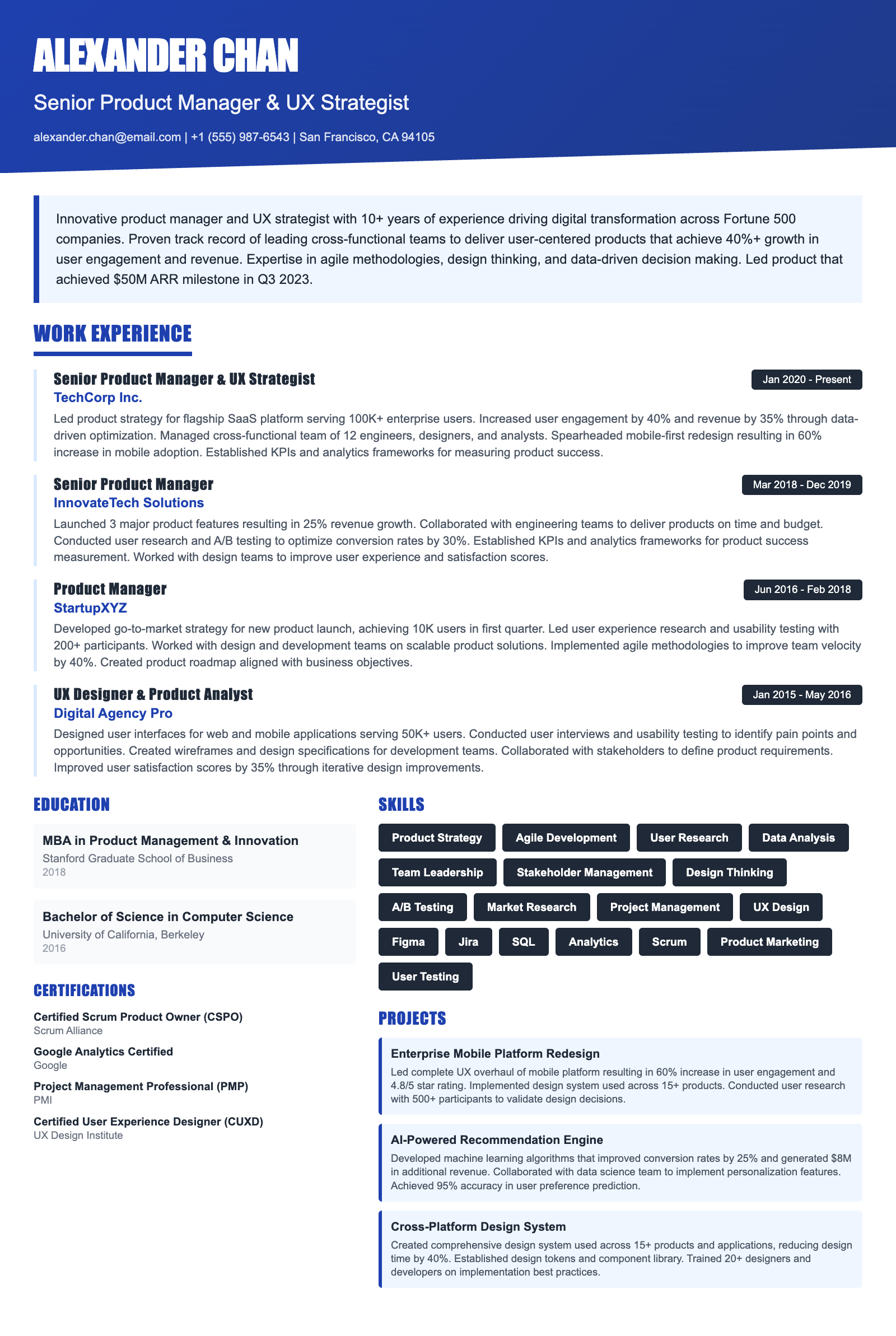
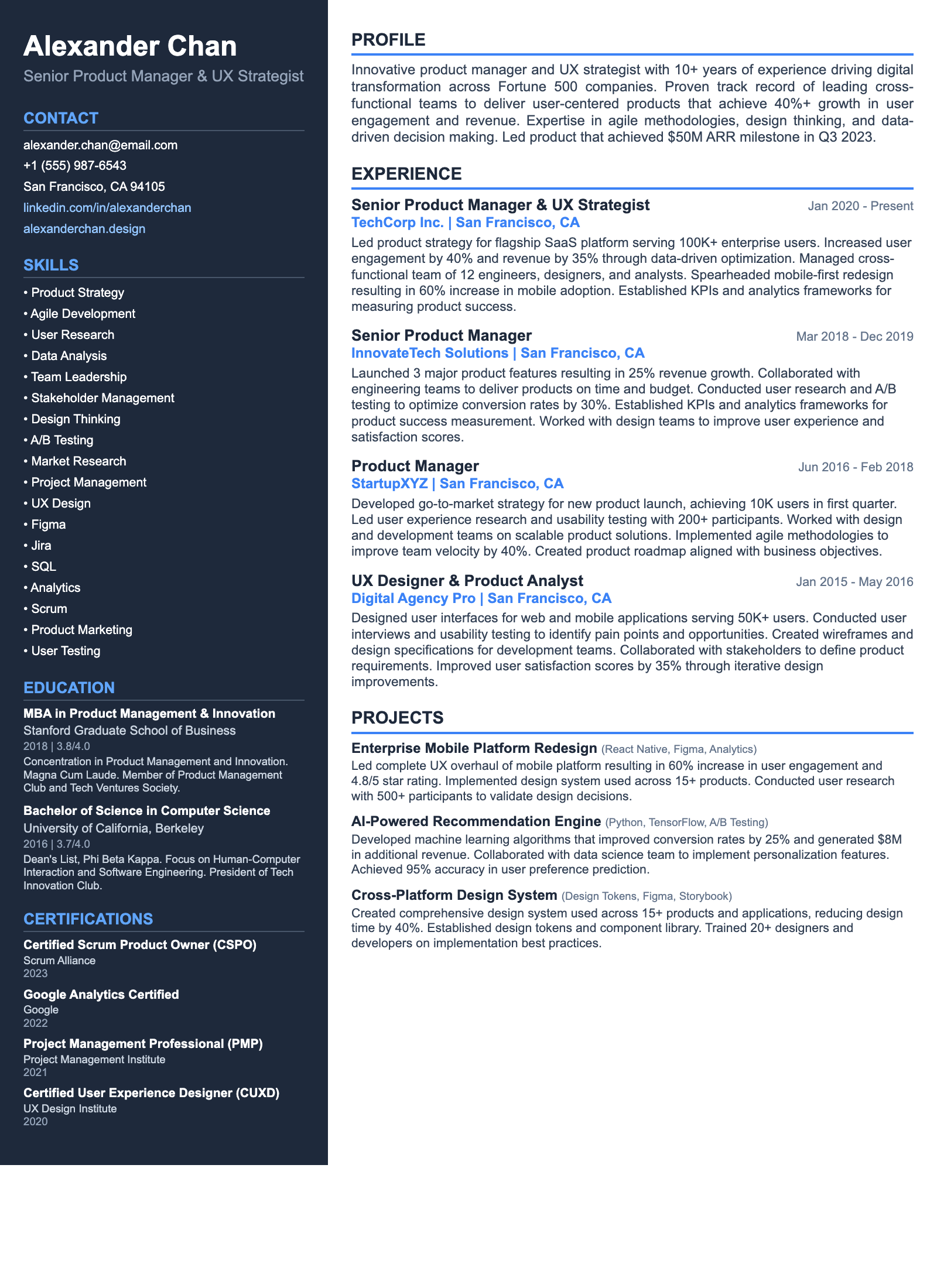
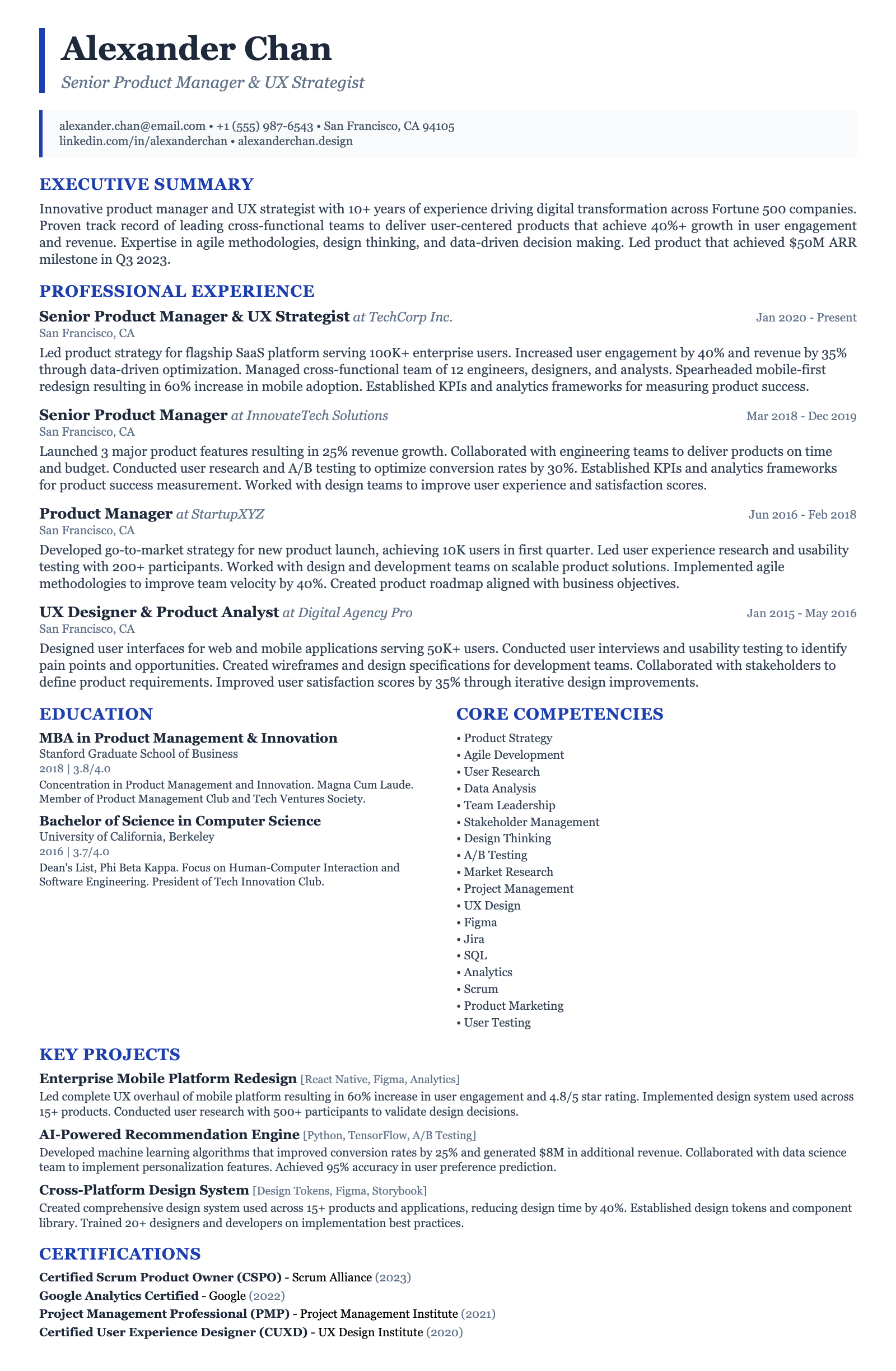
ATS-friendly templates designed specifically for Entry-Level Healthcare Financial Analyst positions in the US market.
Frequently Asked Questions

How long should my entry-level Healthcare Financial Analyst resume be?

As an entry-level candidate, your resume should ideally be one page. Hiring managers are looking for concise and relevant information. Prioritize your most relevant skills, education, and any internships or projects that demonstrate your understanding of healthcare finance principles. Focus on quantifiable achievements and use action verbs to showcase your impact, even if the experience is limited. If you have significant relevant academic projects or certifications, you can carefully consider extending to a second page.

What are the most important skills to highlight on my resume for this role?

The most crucial skills include proficiency in data analysis, financial modeling, budgeting, and forecasting. Demonstrate your expertise with industry-standard tools like Microsoft Excel (including advanced formulas and macros), and any exposure to financial software like SQL, Python or Tableau. Highlight your understanding of healthcare-specific financial concepts, such as revenue cycle management, cost accounting, and payer contracts. Soft skills like communication, teamwork, and problem-solving are also essential. Quantify your skills with concrete examples to showcase their impact.

How can I optimize my resume for Applicant Tracking Systems (ATS)?

To optimize your resume for ATS, incorporate relevant keywords from the job description throughout your resume, including in the skills section and work experience descriptions. Use a simple, chronological format with clear headings. Avoid using tables, images, or unusual fonts, as these can confuse the ATS. Save your resume as a PDF to preserve formatting. Proofread carefully for errors, as ATS may not recognize misspelled words. Tailor your resume to each job posting to ensure the ATS recognizes your qualifications. Mention specific tools like EPIC, Cerner, or Meditech if the job description mentions them.

Are certifications beneficial for an entry-level Healthcare Financial Analyst resume?

While not always mandatory, relevant certifications can significantly enhance your resume. Consider pursuing certifications like Certified Healthcare Financial Professional (CHFP) or relevant certifications in data analysis or financial modeling. Certifications demonstrate your commitment to professional development and can set you apart from other candidates. Even if you are in the process of obtaining a certification, mention it on your resume with the expected completion date.

What are some common resume mistakes to avoid as an entry-level candidate?

Common mistakes include generic resumes that don't highlight healthcare-specific skills, lack of quantifiable achievements, and poor formatting. Avoid using vague language or simply listing job duties without demonstrating your impact. Ensure your resume is free of grammatical errors and typos. Do not include irrelevant information, such as unrelated work experience or personal hobbies. Tailor your resume to each job posting and emphasize the skills and experiences that align most closely with the specific requirements. Make sure to quantify your achievements to showcase your impact.

How can I showcase a career transition into Healthcare Financial Analysis on my resume?

If you're transitioning into healthcare finance, highlight transferable skills from your previous role. Emphasize any experience with data analysis, budgeting, or financial reporting. Consider taking relevant coursework or certifications to demonstrate your commitment to the field. In your resume summary, clearly state your career goals and highlight your passion for healthcare finance. Frame your previous experience in a way that aligns with the requirements of the Healthcare Financial Analyst role. If possible, complete an internship or volunteer work in the healthcare finance sector to gain relevant experience.

Ready to Build Your Entry-Level Healthcare Financial Analyst Resume?

Use our AI-powered resume builder to create an ATS-optimized resume tailored for Entry-Level Healthcare Financial Analyst positions in the US market.

Complete Entry-Level Healthcare Financial Analyst Career Toolkit

Everything you need for your Entry-Level Healthcare Financial Analyst job search — all in one platform.

Why choose ResumeGyani over Zety or Resume.io?

The only platform with AI mock interviews + resume builder + job search + career coaching — all in one.

See comparison

Last updated: March 2026 · Content reviewed by certified resume writers · Optimized for US job market

Entry-Level Healthcare Financial Analyst Resume Guide (2026) | ATS-Optimized Template