
ATS-Optimized for US Market

Entry-Level Hospitality Financial Analyst Career & Resume Guide

Crafting a compelling resume as an Entry-Level Hospitality Financial Analyst requires highlighting your analytical prowess and understanding of the hospitality industry's financial intricacies. Hiring managers seek candidates who can demonstrate a strong grasp of financial principles, coupled with practical experience using industry-standard tools like Microsoft Excel (especially advanced functions like pivot tables and financial modeling), Sage Intacct, or similar accounting software. Your resume should clearly articulate your data analysis skills, showcasing your ability to interpret financial data, prepare reports, and contribute to informed decision-making. Emphasize projects or coursework where you applied financial analysis techniques to hospitality-specific scenarios, such as revenue management, cost control, or investment analysis. Quantify your achievements whenever possible, using metrics to demonstrate the impact of your work. Structure your resume with clear sections highlighting your education, relevant experience (including internships), technical skills, and any certifications (e.g., Certified Management Accountant - CMA). To stand out, tailor your resume to each specific job application, focusing on the skills and experiences most relevant to the role. Demonstrate your communication and teamwork abilities, showcasing how you've collaborated with others to achieve financial goals. Showcase your understanding of key hospitality metrics like RevPAR, ADR, and occupancy rates. Proofread meticulously, ensuring your resume is free of errors and presents a professional image.
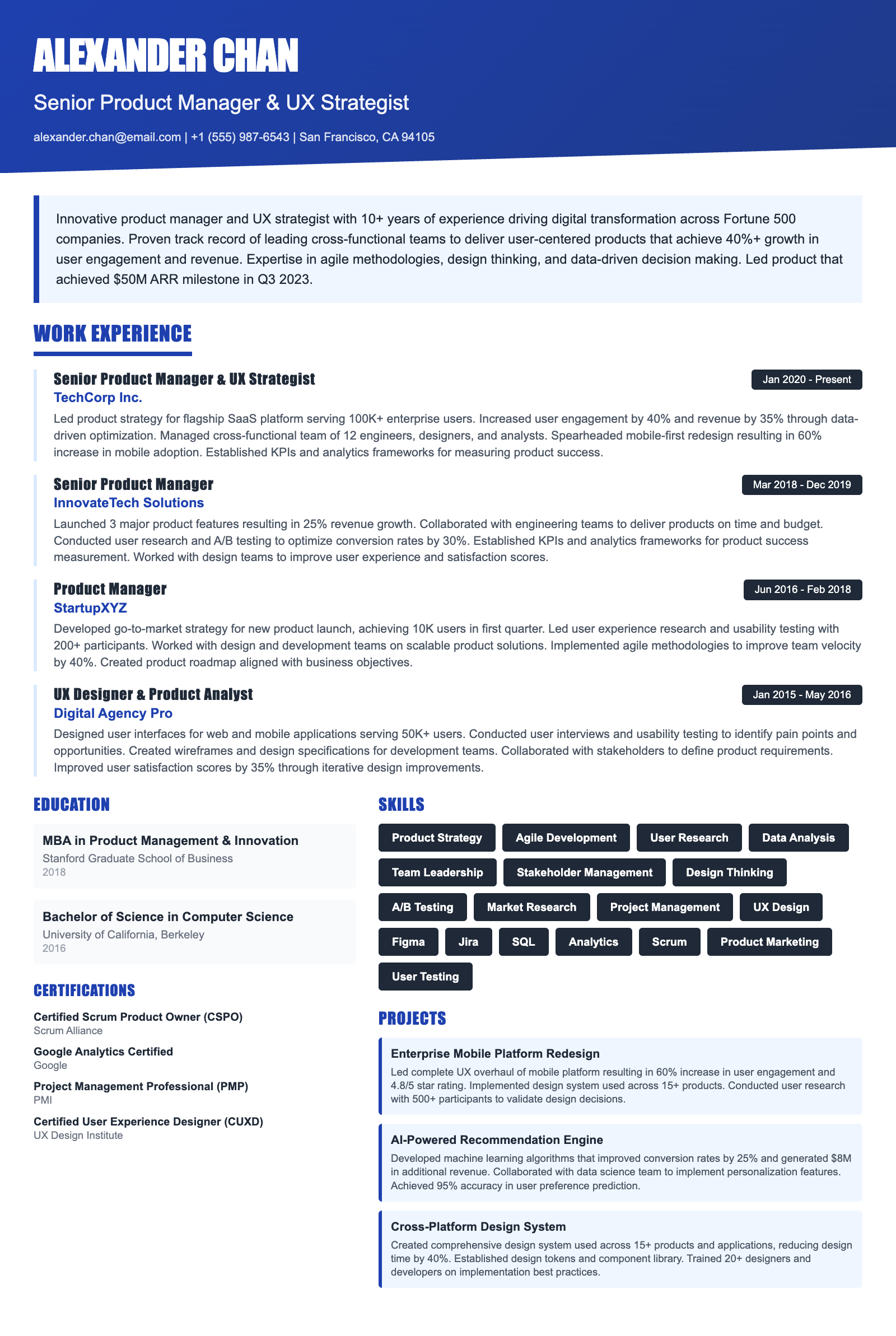
Average US Salary: $40k - $70k

Expert Tip: For Entry-Level Hospitality Financial Analyst positions in the US, recruiters increasingly look for technical execution and adaptability over simple job duties. This guide is tailored to highlight these specific traits to ensure your resume stands out in the competitive Entry-Level Hospitality Financial Analyst sector.

What US Hiring Managers Look For in a Entry-Level Hospitality Financial Analyst Resume

When reviewing Entry-Level Hospitality Financial Analyst candidates, recruiters and hiring managers in the US focus on a few critical areas. Making these elements clear and easy to find on your resume will improve your chances of moving to the interview stage.

  • Relevant experience and impact in Entry-Level Hospitality Financial Analyst or closely related roles.
  • Clear, measurable achievements (metrics, scope, outcomes) rather than duties.
  • Skills and keywords that match the job description and ATS requirements.
  • Professional formatting and no spelling or grammar errors.
  • Consistency between your resume, LinkedIn, and application.
  • Proficiency in key areas such as Communication, Time Management, Industry-Standard Tools.

Essential Skills for Entry-Level Hospitality Financial Analyst

Include these keywords in your resume to pass ATS screening and impress recruiters.

Must-Have Skills

  • CriticalCommunication
  • HighTime Management

Technical Skills

  • HighIndustry-Standard Tools
  • MediumData Analysis

Soft Skills

  • CriticalTeamwork
  • HighAdaptability
  • MediumLeadership

A Day in the Life

A Day in the Life of a Entry-Level Financial Analyst

Your morning starts at 9 AM by checking emails and reviewing yesterday's tasks. As an Entry-Level Financial Analyst in Hospitality, you spend the first hour in daily stand-ups, syncing with your team on handling core responsibilities, collaborating with cross-functional teams, and driving project success. From 10 AM to 1 PM, you focus on execution. In Hospitality, this involves learning standard operating procedures and applying your Financial Analyst skills to real-world problems. Post-lunch (1-5 PM) is for deep work and collaboration. You might attend workshops or pair with senior members to understand the nuances of handling core responsibilities, collaborating with cross-functional teams, and driving project success within the company. Wrap up by 5:30 PM, documenting your progress. Hospitality professionals at this level prioritize learning and consistency to build a strong career foundation.

Career Progression Path

Level 1

Financial Analyst I (Entry Level)

Level 2

Financial Analyst II (Junior)

Level 3

Senior Financial Analyst

Level 4

Lead Financial Analyst

Level 5

Financial Analyst Manager / Director

Interview Questions & Answers

Prepare for your Entry-Level Hospitality Financial Analyst interview with these commonly asked questions.

Describe a time you had to analyze a complex financial dataset and present your findings to a non-financial audience. How did you ensure they understood the information?

Medium
Behavioral
Sample Answer
In my previous internship, I analyzed hotel occupancy rates and revenue data to identify trends affecting profitability. The data was spread across multiple spreadsheets and required cleaning and consolidation. I used Excel to create pivot tables and charts that visualized the key findings. When presenting to the management team, I avoided technical jargon and focused on the implications of the data for their decision-making. I used clear and concise language, providing real-world examples and answering their questions patiently, which led to better resource allocation.

Walk me through your process for creating a financial forecast for a hotel. What key assumptions would you make, and how would you validate them?

Hard
Technical
Sample Answer
When creating a financial forecast, I start by gathering historical data on revenue, expenses, and occupancy rates. Then, I identify key drivers, such as seasonality, market trends, and competitor activities. I would make assumptions about future occupancy rates, average daily rates, and expense growth, based on market research and industry benchmarks. To validate these assumptions, I'd compare them to historical trends, consult with industry experts, and conduct sensitivity analysis to assess the potential impact of different scenarios. I would also make assumptions about variable costs and fixed costs based on historical data and projected activity.

Imagine you've identified a significant variance between budgeted and actual expenses for a restaurant. What steps would you take to investigate and address the issue?

Medium
Situational
Sample Answer
First, I would verify the accuracy of the data by cross-referencing it with source documents. Then, I would analyze the variance to identify the root causes, such as unexpected price increases, inefficient resource utilization, or errors in the budget. I would communicate with relevant stakeholders, such as the restaurant manager and purchasing department, to gather additional information and gain insights into the situation. Finally, I would develop recommendations to address the variance, such as renegotiating supplier contracts, implementing cost-saving measures, or adjusting the budget to reflect current market conditions.

Describe your experience with financial modeling. What are some best practices you follow to ensure accuracy and reliability?

Medium
Technical
Sample Answer
I have experience building financial models in Excel for various purposes, including budgeting, forecasting, and investment analysis. When creating a model, I always start by clearly defining the purpose and scope. I use a modular design with separate worksheets for inputs, calculations, and outputs. I document all assumptions and formulas to ensure transparency and maintainability. To ensure accuracy, I use data validation techniques, perform sensitivity analysis, and test the model with different scenarios. I also follow best practices for formatting and presentation to make the model easy to understand and use.

Tell me about a time you had to work with a team to solve a complex financial problem. What was your role, and how did you contribute to the solution?

Medium
Behavioral
Sample Answer
During a group project in my finance class, we were tasked with analyzing the financial performance of a struggling hotel and developing a turnaround plan. As the financial analyst on the team, I was responsible for gathering and analyzing financial data, identifying key areas of concern, and developing financial projections. I worked closely with the other team members to develop a comprehensive plan that included cost-cutting measures, revenue enhancement strategies, and debt restructuring. I presented the financial analysis and projections to the class, which helped them understand the financial implications of our recommendations. The hotel became profitable within the next year.

How would you assess the financial viability of a potential new hotel development project?

Hard
Situational
Sample Answer
To assess the financial viability, I would conduct a thorough financial analysis, including a discounted cash flow analysis, net present value calculation, and internal rate of return calculation. I would estimate the project's revenue potential based on market research, demand analysis, and competitor analysis. I would also estimate the project's costs, including construction costs, operating expenses, and financing costs. I would consider various risk factors, such as economic conditions, market volatility, and regulatory changes. Also, I would determine if the project aligns with the organization's overall strategy and financial goals. Finally, I would make recommendations based on the findings of the analysis.

ATS Optimization Tips

Make sure your resume passes Applicant Tracking Systems used by US employers.

Incorporate industry-specific keywords like 'RevPAR,' 'ADR,' 'occupancy rate,' 'budgeting,' 'forecasting,' and 'variance analysis' throughout your resume.
Use a chronological or combination resume format, as these are generally easier for ATS to parse. List your work experience and education in reverse chronological order.
Clearly label each section of your resume with standard headings like 'Summary,' 'Experience,' 'Education,' and 'Skills.'
Ensure your contact information is easily accessible and accurately formatted at the top of your resume. Include your name, phone number, email address, and LinkedIn profile URL.
Quantify your accomplishments whenever possible, using numbers and metrics to demonstrate the impact of your work. For example, 'Reduced expenses by 15% through effective cost control measures.'
Use a consistent font type and size throughout your resume. Avoid using unusual fonts or excessive formatting that can confuse ATS systems. Common choices include Arial, Calibri, and Times New Roman.
Optimize your skills section by listing both hard skills (e.g., Excel, financial modeling) and soft skills (e.g., communication, teamwork) relevant to the Hospitality Financial Analyst role.
Save your resume as a PDF to preserve formatting and ensure it's readable by ATS systems. Ensure the PDF is text-searchable.

Common Resume Mistakes to Avoid

Don't make these errors that get resumes rejected.

1
Failing to quantify achievements with specific metrics, such as percentage improvements in cost savings or revenue growth.
2
Neglecting to showcase proficiency in industry-standard software like Excel (advanced functions), PMS (Property Management Systems) such as Opera, or financial accounting software like QuickBooks or Sage Intacct.
3
Omitting relevant coursework or projects from your academic background that demonstrate your understanding of hospitality finance principles.
4
Using generic language and failing to tailor your resume to the specific requirements of the Hospitality Financial Analyst role.
5
Not demonstrating an understanding of key hospitality industry metrics like RevPAR (Revenue Per Available Room), ADR (Average Daily Rate), and occupancy rates.
6
Failing to highlight your ability to analyze financial data and provide actionable insights to improve business performance.
7
Neglecting to showcase your communication and teamwork skills, which are essential for collaborating with cross-functional teams in a hospitality setting.
8
Including irrelevant information or experiences that do not directly relate to the Hospitality Financial Analyst role.

Industry Outlook

The US Hospitality sector is experiencing steady growth. Entry-Level Financial Analysts are particularly sought after, with the Bureau of Labor Statistics projecting average job growth through 2030. Peak hiring occurs in Q1 (January-March) and Q3 (August-September).

Top Hiring Companies

Industry LeadersRegional FirmsFast-Growing Companies

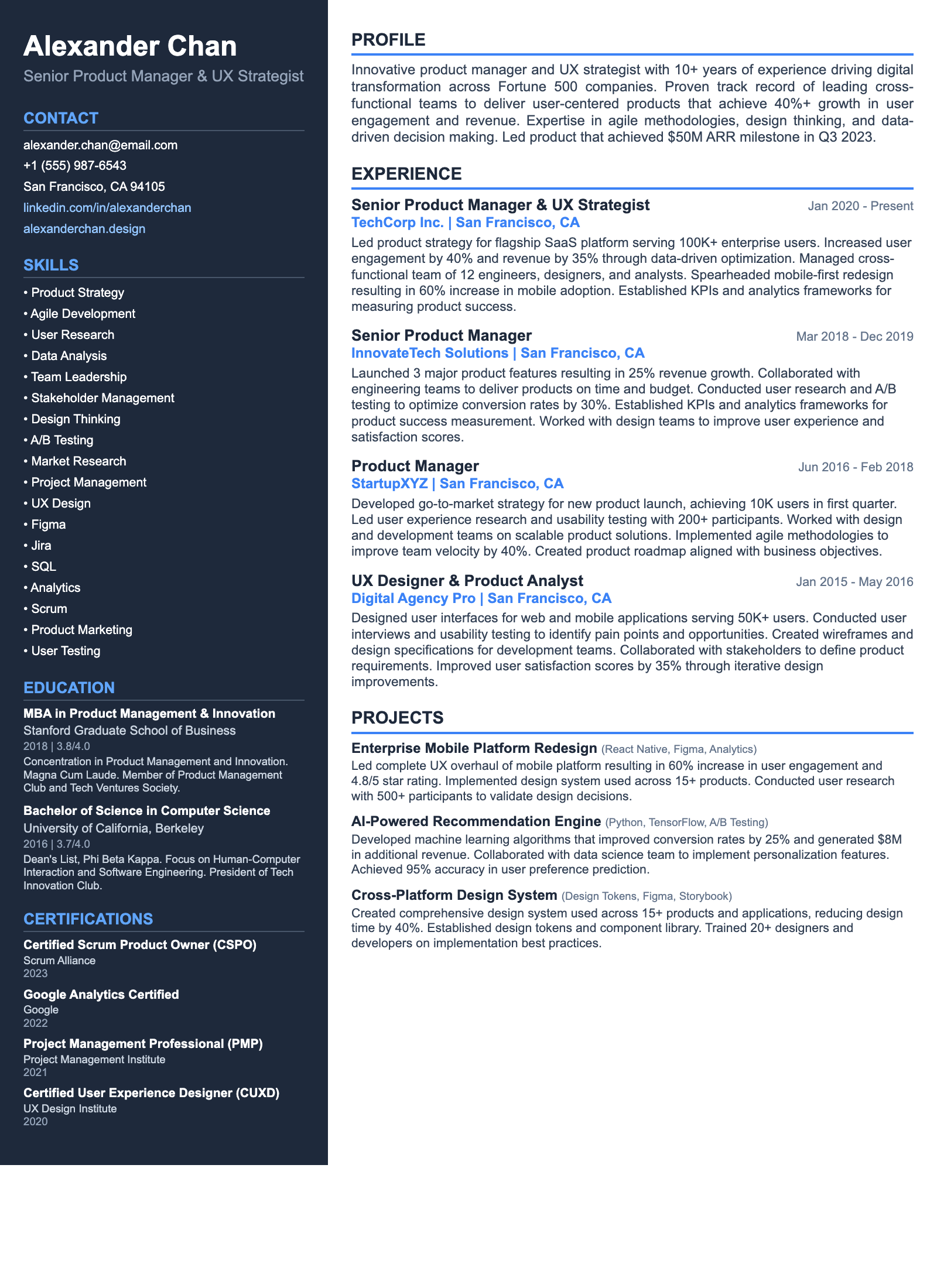
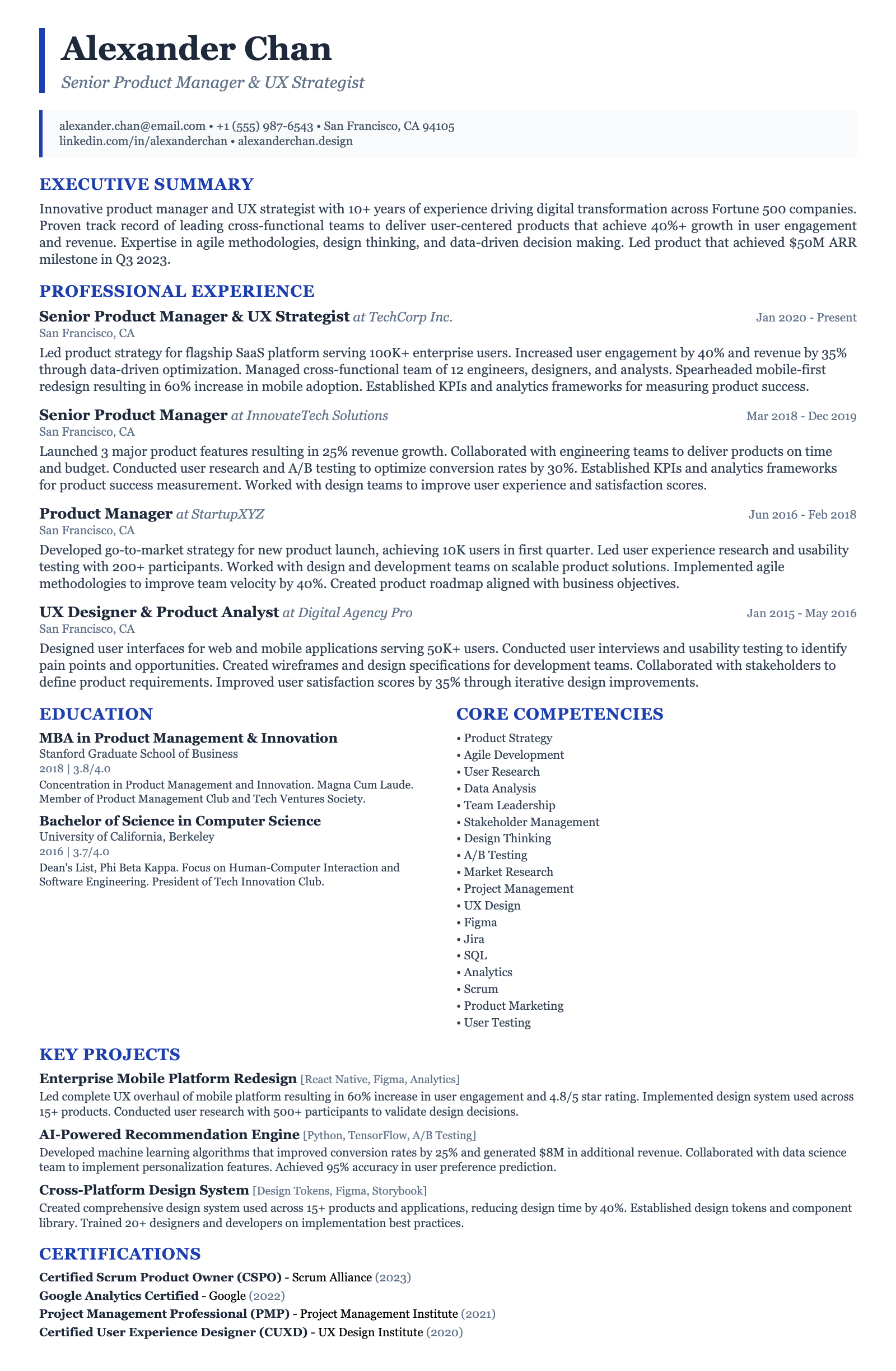
Recommended Resume Templates

ATS-friendly templates designed specifically for Entry-Level Hospitality Financial Analyst positions in the US market.
Frequently Asked Questions

What's the ideal resume length for an entry-level Hospitality Financial Analyst?

As an entry-level candidate, aim for a one-page resume. Hiring managers prioritize concise and relevant information. Focus on showcasing your most pertinent skills and experiences, highlighting your ability to analyze financial data, understand hospitality metrics, and utilize relevant software like Excel or Sage Intacct. Prioritize quality over quantity to demonstrate your understanding of the core requirements of the role.

Which key skills should I emphasize on my Hospitality Financial Analyst resume?

Highlight skills directly relevant to financial analysis within the hospitality sector. This includes proficiency in financial modeling, budgeting, forecasting, variance analysis, revenue management, cost control, and reporting. Showcase your ability to use tools like Excel (including VBA), hotel property management systems (PMS) like Opera or Cloudbeds, and financial accounting software such as QuickBooks or Xero. Communication and teamwork skills are also crucial, demonstrating your ability to collaborate with cross-functional teams.

How can I ensure my resume is ATS-friendly for Hospitality Financial Analyst positions?

Use a clean, simple format with clear headings and bullet points. Avoid tables, images, and fancy formatting that can confuse ATS systems. Incorporate relevant keywords from the job description throughout your resume, especially in the skills section. Save your resume as a PDF to preserve formatting while ensuring it's readable by ATS. Use standard section headings like 'Education,' 'Experience,' and 'Skills.'

Are certifications important for entry-level Hospitality Financial Analyst resumes?

While not always mandatory, relevant certifications can significantly enhance your resume. Consider pursuing certifications like the Certified Management Accountant (CMA) or certifications in financial modeling or data analysis. These demonstrate your commitment to professional development and showcase your advanced knowledge of financial principles and analytical techniques relevant to the hospitality sector.

What are some common resume mistakes to avoid as a Hospitality Financial Analyst candidate?

Avoid generic resumes that lack specific details about your hospitality experience. Don't neglect to quantify your achievements with metrics. Ensure your resume is free of grammatical errors and typos. Don't exaggerate your skills or experience. Omitting relevant coursework or projects related to hospitality finance is another common mistake. Failing to tailor your resume to each specific job application can also hinder your chances.

How can I transition into a Hospitality Financial Analyst role from a different field?

Highlight transferable skills such as data analysis, financial modeling, budgeting, and reporting. Obtain relevant certifications or coursework in hospitality finance to demonstrate your understanding of the industry. Tailor your resume to emphasize experiences where you applied analytical skills to solve business problems. Network with professionals in the hospitality industry to gain insights and potentially secure informational interviews. Showcase any experience with software used in the hospitality sector.

Ready to Build Your Entry-Level Hospitality Financial Analyst Resume?

Use our AI-powered resume builder to create an ATS-optimized resume tailored for Entry-Level Hospitality Financial Analyst positions in the US market.

Complete Entry-Level Hospitality Financial Analyst Career Toolkit

Everything you need for your Entry-Level Hospitality Financial Analyst job search — all in one platform.

Why choose ResumeGyani over Zety or Resume.io?

The only platform with AI mock interviews + resume builder + job search + career coaching — all in one.

See comparison

Last updated: March 2026 · Content reviewed by certified resume writers · Optimized for US job market