
ATS-Optimized for US Market

Entry-Level Hospitality HR Generalist Career & Resume Guide

Crafting a compelling resume as an Entry-Level Hospitality HR Generalist requires you to showcase a blend of interpersonal and technical skills relevant to the industry. Hiring managers in the US hospitality sector look for candidates who understand the unique challenges of managing a diverse workforce in a fast-paced environment. Your resume should highlight your ability to handle employee relations, talent acquisition, and HR administration efficiently. Begin with a concise summary emphasizing your passion for hospitality and HR, supported by measurable achievements from internships or related experiences. Key sections include Skills (Communication, Time Management, Data Analysis, Teamwork, Adaptability, Leadership, proficiency in HRIS like Workday or BambooHR), Education (relevant coursework in HR, business, or hospitality management), and Experience (quantify your impact in previous roles using metrics). Stand out by demonstrating familiarity with hospitality industry labor laws, compliance regulations (e.g., EEOC, FLSA), and experience with employee engagement initiatives. Tailor your resume to each application by aligning your skills and experience with the specific requirements of the job description. Emphasize your ability to use data to inform HR decisions, manage employee performance, and contribute to a positive work environment. Showcase leadership through examples of initiative and problem-solving in team settings. Mention any relevant certifications, such as SHRM-CP, or specific training in conflict resolution or diversity and inclusion. Highlighting your ability to contribute to a positive and compliant work environment is crucial. Mention experience in conducting surveys and analyzing the results to drive improvements.
Average US Salary: $40k - $70k

Expert Tip: For Entry-Level Hospitality HR Generalist positions in the US, recruiters increasingly look for technical execution and adaptability over simple job duties. This guide is tailored to highlight these specific traits to ensure your resume stands out in the competitive Entry-Level Hospitality HR Generalist sector.

What US Hiring Managers Look For in a Entry-Level Hospitality HR Generalist Resume

When reviewing Entry-Level Hospitality HR Generalist candidates, recruiters and hiring managers in the US focus on a few critical areas. Making these elements clear and easy to find on your resume will improve your chances of moving to the interview stage.

  • Relevant experience and impact in Entry-Level Hospitality HR Generalist or closely related roles.
  • Clear, measurable achievements (metrics, scope, outcomes) rather than duties.
  • Skills and keywords that match the job description and ATS requirements.
  • Professional formatting and no spelling or grammar errors.
  • Consistency between your resume, LinkedIn, and application.
  • Proficiency in key areas such as Communication, Time Management, Industry-Standard Tools.

Essential Skills for Entry-Level Hospitality HR Generalist

Include these keywords in your resume to pass ATS screening and impress recruiters.

Must-Have Skills

  • CriticalCommunication
  • HighTime Management

Technical Skills

  • HighIndustry-Standard Tools
  • MediumData Analysis

Soft Skills

  • CriticalTeamwork
  • HighAdaptability
  • MediumLeadership

A Day in the Life

A Day in the Life of a Entry-Level HR Generalist

Your morning starts at 9 AM by checking emails and reviewing yesterday's tasks. As an Entry-Level HR Generalist in Hospitality, you spend the first hour in daily stand-ups, syncing with your team on handling core responsibilities, collaborating with cross-functional teams, and driving project success. From 10 AM to 1 PM, you focus on execution. In Hospitality, this involves learning standard operating procedures and applying your HR Generalist skills to real-world problems. Post-lunch (1-5 PM) is for deep work and collaboration. You might attend workshops or pair with senior members to understand the nuances of handling core responsibilities, collaborating with cross-functional teams, and driving project success within the company. Wrap up by 5:30 PM, documenting your progress. Hospitality professionals at this level prioritize learning and consistency to build a strong career foundation.

Career Progression Path

Level 1

HR Generalist I (Entry Level)

Level 2

HR Generalist II (Junior)

Level 3

Senior HR Generalist

Level 4

Lead HR Generalist

Level 5

HR Generalist Manager / Director

Interview Questions & Answers

Prepare for your Entry-Level Hospitality HR Generalist interview with these commonly asked questions.

Describe a time you had to handle a difficult employee relations issue. What steps did you take, and what was the outcome?

Medium
Behavioral
Sample Answer
In my previous role, I encountered a situation where two employees were in constant conflict, impacting team morale. I first met with each employee individually to understand their perspectives and concerns. I then facilitated a mediated discussion, focusing on finding common ground and establishing clear communication guidelines. The outcome was a significant improvement in team morale and a more collaborative work environment. I ensured all actions complied with company policy and employment law.

How do you stay up-to-date on current labor laws and regulations relevant to the hospitality industry?

Medium
Technical
Sample Answer
I regularly follow industry publications and legal updates from organizations like SHRM and the Department of Labor. I also participate in webinars and attend industry conferences to stay informed about changes in employment law. I make it a point to proactively share these updates with my team and ensure our HR policies are always compliant. I'm familiar with EEOC, FLSA, and ADA regulations.

Imagine a situation where a department consistently fails to meet its performance goals. How would you approach analyzing and addressing this issue from an HR perspective?

Hard
Situational
Sample Answer
First, I would analyze performance data and gather feedback from employees and managers to understand the root causes of the issue. I would then identify any gaps in training, resources, or leadership. Based on my findings, I would develop a targeted action plan, which might include implementing new training programs, adjusting performance management processes, or providing additional support to the department. I would track progress closely and make adjustments as needed.

How would you use data to improve employee retention in a hospitality setting?

Medium
Technical
Sample Answer
I would analyze employee turnover data to identify trends and patterns, such as reasons for leaving and high-turnover departments. I would also conduct employee surveys and exit interviews to gather qualitative feedback. Based on this data, I would develop targeted retention strategies, such as improving compensation and benefits, enhancing training and development opportunities, or creating a more positive work environment. I would then track the impact of these strategies on employee retention rates.

Describe your experience with full-cycle recruitment, from sourcing candidates to onboarding new hires.

Easy
Behavioral
Sample Answer
In my previous internship, I assisted with the entire recruitment process. This included writing job descriptions, posting positions on job boards (LinkedIn, Indeed), screening resumes, conducting initial phone interviews, and coordinating in-person interviews with hiring managers. I also helped with onboarding new hires, including preparing offer letters, conducting background checks, and facilitating orientation sessions. I am familiar with using applicant tracking systems to manage the recruitment process efficiently.

A server claims they are being discriminated against due to their age. What immediate steps would you take?

Hard
Situational
Sample Answer
My immediate action would be to thoroughly document the complaint and reassure the server that their concerns are being taken seriously. Next, I would launch a confidential investigation, interviewing the server, the alleged perpetrator, and any potential witnesses. Simultaneously, I would review company anti-discrimination policies and relevant legal guidelines (EEOC) to ensure compliance. Based on the investigation's findings, I would take appropriate corrective actions, which may include counseling, disciplinary measures, or policy revisions, while ensuring fair treatment for all parties involved.

ATS Optimization Tips

Make sure your resume passes Applicant Tracking Systems used by US employers.

Incorporate industry-specific keywords throughout your resume, such as "employee relations," "labor law compliance," "talent acquisition," and names of HRIS systems commonly used in hospitality (e.g., "Workday," "ADP," "BambooHR").
Use a chronological or combination resume format, as these are easily parsed by ATS systems. Avoid creative formats with columns or graphics, as they may confuse the system.
Quantify your achievements whenever possible. For example, instead of saying "Improved employee engagement," say "Improved employee engagement scores by 15% through targeted initiatives."
Ensure your contact information is text-based and easily readable. Avoid using images or graphics for your name, phone number, or email address, as ATS systems may not be able to extract this information.
Use standard section headings such as "Summary," "Skills," "Experience," and "Education." Avoid using creative or unusual section titles, as the ATS may not recognize them.
Submit your resume as a PDF to preserve formatting and ensure that the ATS can properly read the document. Some ATS systems struggle with certain Word document formats.
Tailor your resume to each job description by incorporating keywords and phrases that are specifically mentioned in the posting. This shows the ATS that you are a strong match for the role.
List your skills both in a dedicated skills section and within your experience descriptions. This increases the likelihood that the ATS will identify your key skills and qualifications.

Common Resume Mistakes to Avoid

Don't make these errors that get resumes rejected.

1
Failing to quantify accomplishments. Instead of saying "Managed employee training," say "Developed and implemented a new training program that resulted in a 20% increase in employee satisfaction scores."
2
Using a generic resume that is not tailored to the hospitality industry. Highlight experience with shift scheduling, managing hourly employees, and dealing with high turnover rates.
3
Not showcasing proficiency in HRIS systems commonly used in hospitality, such as Workday, ADP, or BambooHR. List specific modules you have experience with.
4
Omitting relevant certifications, such as SHRM-CP or aPHR, even if they are not explicitly required. These certifications demonstrate your commitment to the profession.
5
Focusing solely on responsibilities instead of achievements. Emphasize how you contributed to the success of previous employers.
6
Not including a skills section that lists both hard and soft skills relevant to the role, such as data analysis, employee relations, and conflict resolution.
7
Using outdated or unprofessional contact information. Ensure your email address is professional and your LinkedIn profile is up-to-date.
8
Ignoring formatting issues that can make your resume difficult to read. Use consistent font sizes, bullet points, and spacing to ensure a clean and professional appearance.

Industry Outlook

The US Hospitality sector is experiencing steady growth. Entry-Level HR Generalists are particularly sought after, with the Bureau of Labor Statistics projecting average job growth through 2030. Peak hiring occurs in Q1 (January-March) and Q3 (August-September).

Top Hiring Companies

Industry LeadersRegional FirmsFast-Growing Companies

Recommended Resume Templates

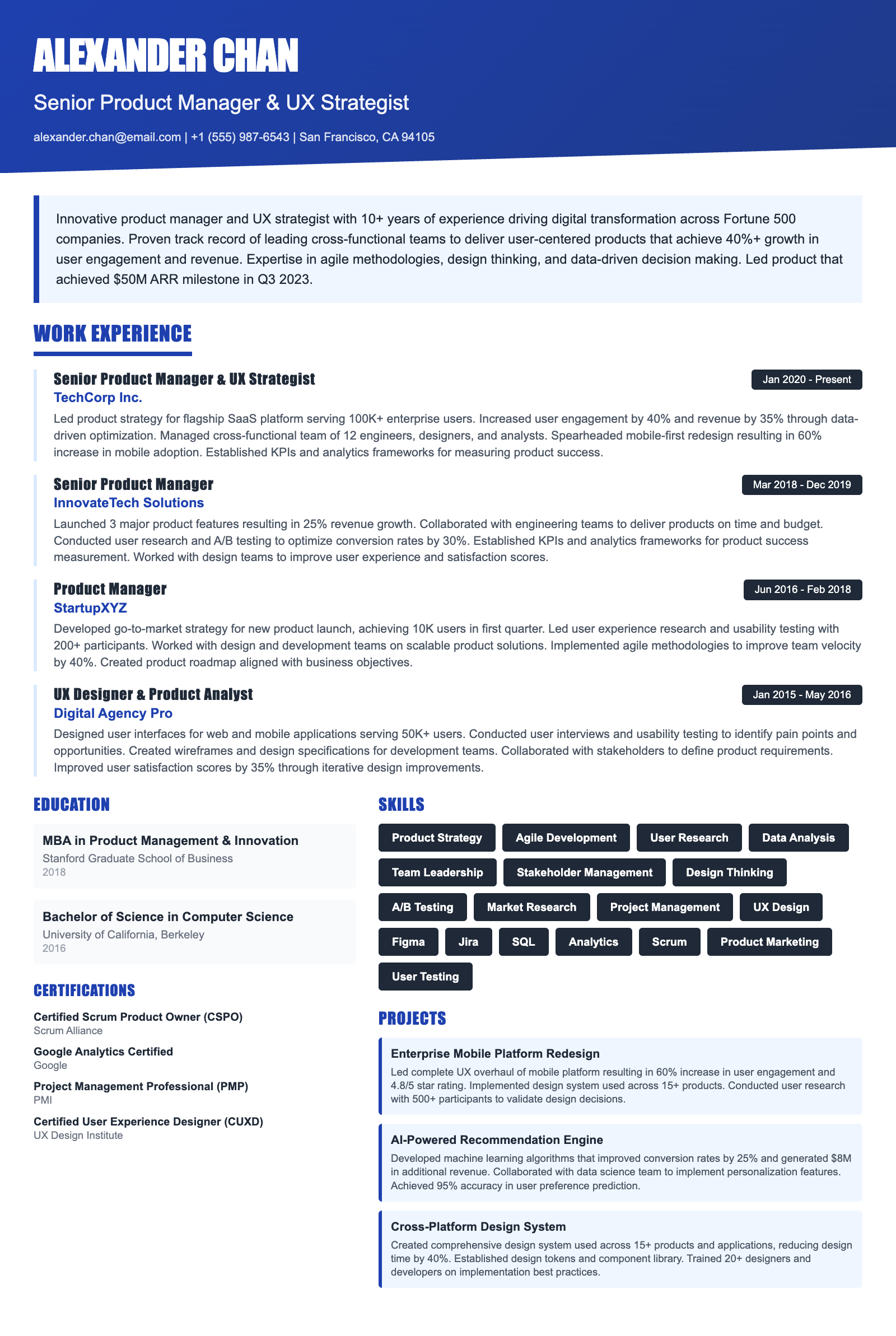
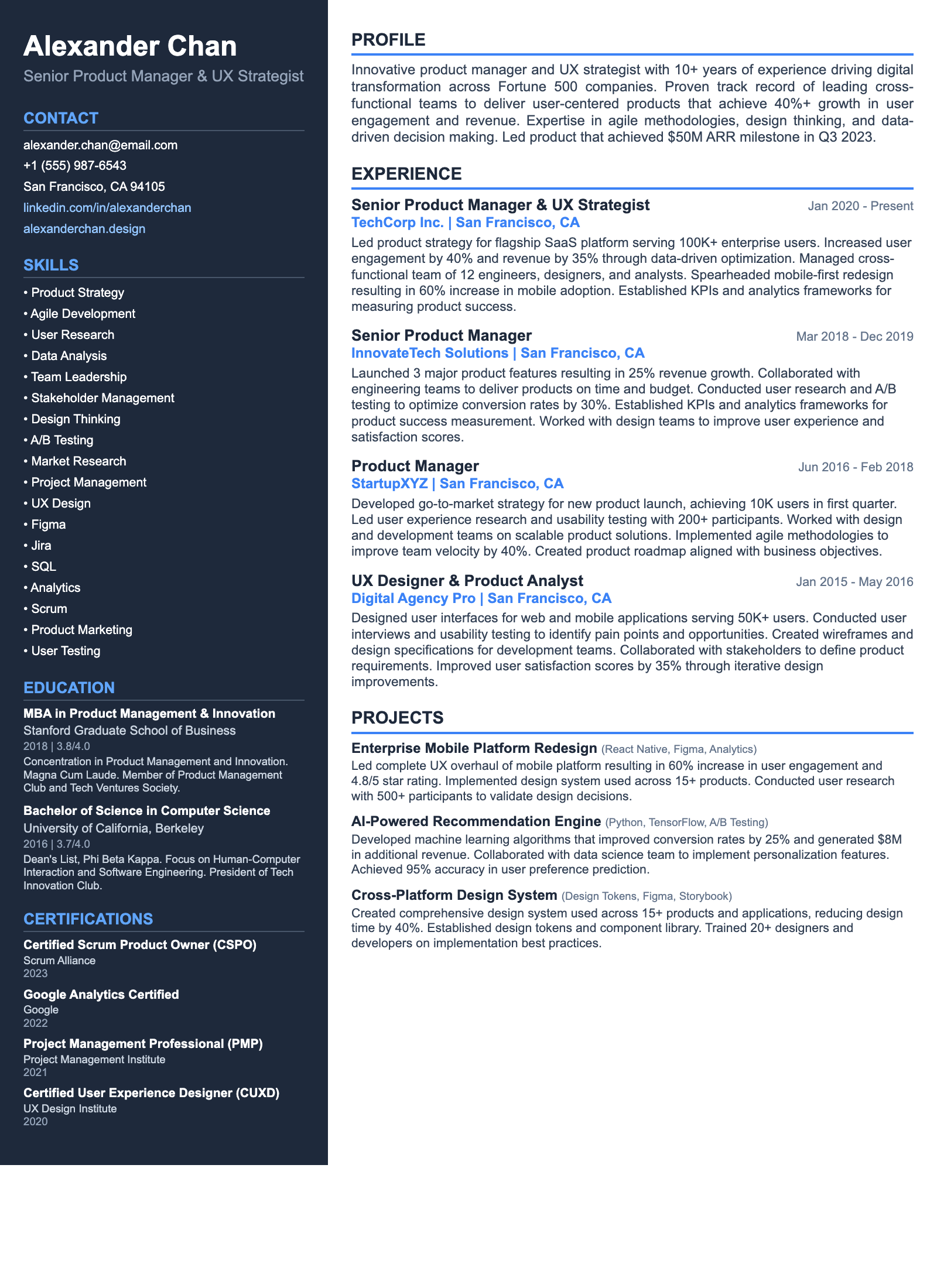
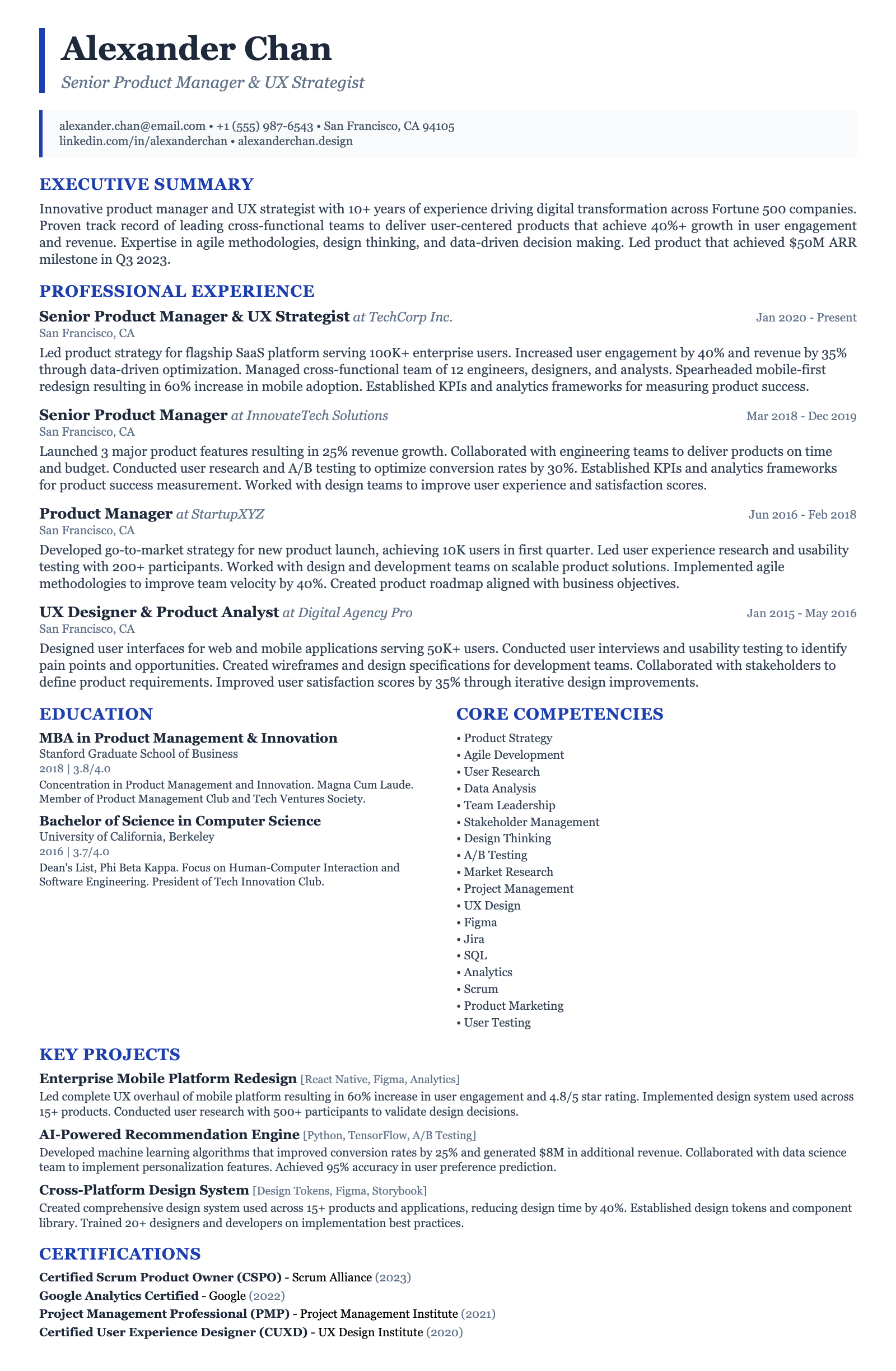
ATS-friendly templates designed specifically for Entry-Level Hospitality HR Generalist positions in the US market.
Frequently Asked Questions

What's the ideal length for an Entry-Level Hospitality HR Generalist resume?

For an entry-level role, aim for a one-page resume. Hiring managers often prefer concise documents that quickly highlight your key qualifications. Focus on the most relevant skills and experiences, such as proficiency with HRIS systems like ADP or Paycom, talent acquisition strategies, and employee relations experience. Use action verbs and quantifiable results to demonstrate your impact.

Which skills are most important to highlight on my resume?

Prioritize communication, time management, data analysis, and teamwork. For example, showcase proficiency in HR software such as Workday or UltiPro, and highlight instances where you used data (e.g., employee turnover rates) to improve HR processes. Provide specific examples demonstrating how you've applied these skills in a hospitality context, like managing employee schedules or resolving conflicts.

How should I format my resume to pass Applicant Tracking Systems (ATS)?

Use a simple, chronological or combination format with clear headings and bullet points. Avoid tables, images, and unusual fonts that ATS systems may not recognize. Incorporate keywords from the job description naturally throughout your resume. Ensure your contact information is easily readable and avoid using headers/footers. Save your resume as a PDF to preserve formatting.

Are certifications necessary for an Entry-Level Hospitality HR Generalist role?

While not always required, certifications like SHRM-CP or HRCI's aPHR can significantly enhance your resume. They demonstrate your commitment to professional development and understanding of HR principles. Highlight any relevant certifications prominently in your resume, along with the date of completion or expected completion date.

What are some common mistakes to avoid when writing my resume?

Avoid generic statements that don't demonstrate your specific skills or accomplishments. Don't list responsibilities without quantifying your impact. Ensure your resume is free of typos and grammatical errors. Refrain from using an unprofessional email address. Be sure to tailor your resume to the specific requirements of the job description and hospitality industry.

How can I transition into an Entry-Level Hospitality HR Generalist role from a different industry?

Highlight transferable skills, such as communication, problem-solving, and customer service. Emphasize any experience you have with data analysis or HR-related tasks, even if it's not in a formal HR setting. Obtain a relevant certification (e.g., SHRM-CP). Tailor your resume to demonstrate your understanding of the hospitality industry's unique HR challenges and your passion for the field. Focus on your achievements and how they will translate into value for a hospitality employer.

Ready to Build Your Entry-Level Hospitality HR Generalist Resume?

Use our AI-powered resume builder to create an ATS-optimized resume tailored for Entry-Level Hospitality HR Generalist positions in the US market.

Complete Entry-Level Hospitality HR Generalist Career Toolkit

Everything you need for your Entry-Level Hospitality HR Generalist job search — all in one platform.

Why choose ResumeGyani over Zety or Resume.io?

The only platform with AI mock interviews + resume builder + job search + career coaching — all in one.

See comparison

Last updated: March 2026 · Content reviewed by certified resume writers · Optimized for US job market

Entry-Level Hospitality HR Generalist Resume Guide (2026) | ATS-Optimized Template