
ATS-Optimized for US Market

Entry-Level Hospitality Network Engineer Career & Resume Guide

Crafting an effective resume as an Entry-Level Hospitality Network Engineer means showcasing your foundational knowledge and eagerness to learn within the dynamic hospitality sector. Hiring managers prioritize candidates who demonstrate a solid understanding of network infrastructure, security protocols, and the importance of uptime in a 24/7 environment. Your resume should highlight your technical skills, problem-solving abilities, and commitment to providing exceptional guest experiences through reliable network performance. Key sections include a compelling summary highlighting your career goals, a detailed skills section listing proficiency in tools like Cisco IOS, Wireshark, and network monitoring software (e.g., SolarWinds), and a projects section showcasing hands-on experience with network configuration or troubleshooting. Focus on quantifying your achievements whenever possible, such as 'Reduced network downtime by 15% through proactive monitoring' or 'Configured and maintained a 50-node wireless network.' To stand out, consider including relevant certifications like CompTIA Network+ or CCNA, and tailor your resume to match the specific requirements of each hospitality company. Emphasize your communication skills and ability to collaborate with diverse teams, as you'll be working closely with IT staff, hotel management, and potentially vendors. Always tailor your resume to the specific requirements of the role and company, highlighting relevant coursework, projects, and internships.
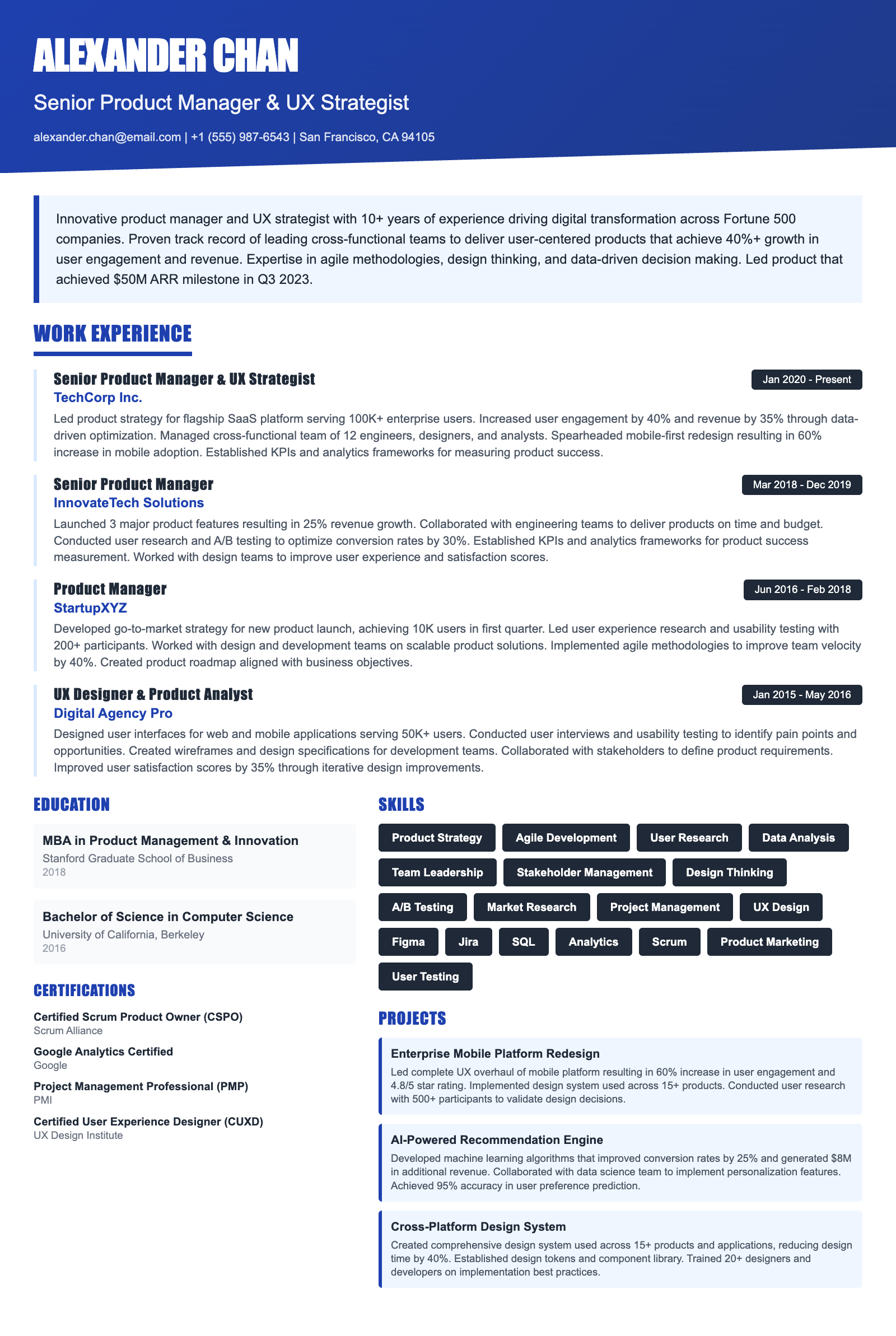
Average US Salary: $40k - $70k

Expert Tip: For Entry-Level Hospitality Network Engineer positions in the US, recruiters increasingly look for technical execution and adaptability over simple job duties. This guide is tailored to highlight these specific traits to ensure your resume stands out in the competitive Entry-Level Hospitality Network Engineer sector.

What US Hiring Managers Look For in a Entry-Level Hospitality Network Engineer Resume

When reviewing Entry-Level Hospitality Network Engineer candidates, recruiters and hiring managers in the US focus on a few critical areas. Making these elements clear and easy to find on your resume will improve your chances of moving to the interview stage.

  • Relevant experience and impact in Entry-Level Hospitality Network Engineer or closely related roles.
  • Clear, measurable achievements (metrics, scope, outcomes) rather than duties.
  • Skills and keywords that match the job description and ATS requirements.
  • Professional formatting and no spelling or grammar errors.
  • Consistency between your resume, LinkedIn, and application.
  • Proficiency in key areas such as Communication, Time Management, Industry-Standard Tools.

Essential Skills for Entry-Level Hospitality Network Engineer

Include these keywords in your resume to pass ATS screening and impress recruiters.

Must-Have Skills

  • CriticalCommunication
  • HighTime Management

Technical Skills

  • HighIndustry-Standard Tools
  • MediumData Analysis

Soft Skills

  • CriticalTeamwork
  • HighAdaptability
  • MediumLeadership

A Day in the Life

A Day in the Life of a Entry-Level Network Engineer

Your morning starts at 9 AM by checking emails and reviewing yesterday's tasks. As an Entry-Level Network Engineer in Hospitality, you spend the first hour in daily stand-ups, syncing with your team on handling core responsibilities, collaborating with cross-functional teams, and driving project success. From 10 AM to 1 PM, you focus on execution. In Hospitality, this involves learning standard operating procedures and applying your Network Engineer skills to real-world problems. Post-lunch (1-5 PM) is for deep work and collaboration. You might attend workshops or pair with senior members to understand the nuances of handling core responsibilities, collaborating with cross-functional teams, and driving project success within the company. Wrap up by 5:30 PM, documenting your progress. Hospitality professionals at this level prioritize learning and consistency to build a strong career foundation.

Career Progression Path

Level 1

Network Engineer I (Entry Level)

Level 2

Network Engineer II (Junior)

Level 3

Senior Network Engineer

Level 4

Lead Network Engineer

Level 5

Network Engineer Manager / Director

Interview Questions & Answers

Prepare for your Entry-Level Hospitality Network Engineer interview with these commonly asked questions.

Describe a time you had to troubleshoot a complex network issue under pressure. What steps did you take?

Medium
Behavioral
Sample Answer
In my previous role as an IT intern, the hotel's guest Wi-Fi network went down during peak check-in hours. I immediately assessed the situation by checking the router logs and network monitoring tools. I identified a DHCP server issue and quickly reconfigured it, restoring network connectivity within 30 minutes. I then documented the incident and implemented preventative measures to avoid recurrence. This experience taught me the importance of quick thinking and systematic problem-solving in a high-pressure hospitality environment.

Explain the difference between TCP and UDP. In what scenarios would you use one over the other in a hospitality setting?

Medium
Technical
Sample Answer
TCP (Transmission Control Protocol) is a connection-oriented protocol that provides reliable, ordered, and error-checked data delivery. UDP (User Datagram Protocol) is a connectionless protocol that is faster but less reliable. In a hospitality setting, TCP would be used for applications requiring guaranteed delivery, such as credit card transactions at the POS system. UDP would be suitable for streaming video to guest rooms, where occasional packet loss is acceptable in exchange for speed.

How would you approach securing a hotel's guest Wi-Fi network?

Medium
Technical
Sample Answer
Securing a guest Wi-Fi network involves multiple layers. First, I'd implement a strong password policy and regularly update the Wi-Fi password. I would also segregate the guest network from the internal network using VLANs and firewalls to prevent unauthorized access to sensitive data. Employing a captive portal with terms and conditions and using WPA3 encryption would further enhance security. I'd also implement intrusion detection systems to monitor for suspicious activity and promptly address any security breaches.

Imagine a VIP guest is complaining about slow internet speeds in their room. How would you handle the situation?

Medium
Situational
Sample Answer
First, I would apologize for the inconvenience and assure the guest that I'll resolve the issue promptly. I would then check the network connection in their room using a speed test tool and verify the signal strength. I'd also check the router logs and network monitoring system for any anomalies. If the issue persists, I would escalate the problem to a senior network engineer and keep the guest informed of the progress. Providing excellent customer service is paramount in the hospitality industry.

Describe your experience with network monitoring tools. Which tools are you familiar with, and how have you used them?

Medium
Technical
Sample Answer
I have experience with network monitoring tools such as SolarWinds and PRTG. In my previous internship, I used SolarWinds to monitor network performance, track bandwidth usage, and identify potential bottlenecks. I also configured alerts to notify me of critical issues, such as server downtime or network outages. By proactively monitoring the network, we were able to resolve issues before they impacted guest services.

You are asked to implement a new VoIP phone system for a hotel. What are the key considerations and steps involved?

Hard
Situational
Sample Answer
Implementing a new VoIP system requires careful planning and execution. Key considerations include assessing the hotel's existing network infrastructure to ensure it can support VoIP traffic, selecting a reliable VoIP provider, and configuring the network with QoS settings to prioritize voice traffic. Additionally, I would work with the hotel's IT staff to configure the phones, test the system thoroughly, and provide training to employees on how to use the new system. Proper planning and testing are essential for a successful VoIP implementation.

ATS Optimization Tips

Make sure your resume passes Applicant Tracking Systems used by US employers.

Incorporate industry-standard acronyms like TCP/IP, DNS, DHCP, VLAN, and VPN throughout your resume. ATS systems are programmed to recognize these as indicators of your technical knowledge.
Use keywords related to specific network hardware and software commonly used in hospitality, such as Cisco routers, switches, firewalls, and network monitoring tools like SolarWinds or PRTG. This helps the ATS identify your familiarity with relevant technologies.
Format your skills section with clear, distinct categories such as 'Networking Protocols,' 'Security,' 'Operating Systems,' and 'Tools.' This structured approach makes it easier for the ATS to parse and categorize your skills.
Quantify your achievements whenever possible. For example, instead of saying 'Improved network performance,' say 'Improved network performance by 15% through proactive monitoring and optimization.'
Use a chronological or combination resume format. These formats are generally easier for ATS systems to read and understand, ensuring that your key skills and experience are properly captured.
Ensure your contact information is accurate and up-to-date, and include a professional email address. ATS systems use this information to contact you for interviews.
Tailor your resume to each specific job posting by incorporating keywords and phrases directly from the job description. This demonstrates your understanding of the role's requirements.
Save your resume as a .doc or .pdf file. These formats are generally compatible with most ATS systems and preserve the formatting of your resume.

Common Resume Mistakes to Avoid

Don't make these errors that get resumes rejected.

1
Failing to highlight experience with hospitality-specific networking needs, such as Point of Sale (POS) systems, guest Wi-Fi networks, and property management systems (PMS).
2
Not mentioning experience with network security protocols relevant to protecting guest data, such as PCI DSS compliance.
3
Omitting details about experience with troubleshooting network issues in a 24/7 operational environment, which is crucial in hospitality.
4
Listing skills without providing context or examples of how you've used them. For example, instead of just saying 'Cisco IOS,' mention a specific project where you configured Cisco routers.
5
Using generic language and failing to quantify achievements. Avoid vague statements like 'Improved network performance' and instead focus on specific, measurable results.
6
Not tailoring the resume to the specific requirements of the hospitality company. Research the company's technology stack and tailor your resume accordingly.
7
Ignoring the importance of soft skills like communication and teamwork. Hospitality requires strong collaboration with various departments.
8
Neglecting to include relevant certifications, such as CompTIA Network+ or CCNA, which demonstrate your foundational knowledge.

Industry Outlook

The US Hospitality sector is experiencing steady growth. Entry-Level Network Engineers are particularly sought after, with the Bureau of Labor Statistics projecting average job growth through 2030. Peak hiring occurs in Q1 (January-March) and Q3 (August-September).

Top Hiring Companies

Industry LeadersRegional FirmsFast-Growing Companies

Recommended Resume Templates

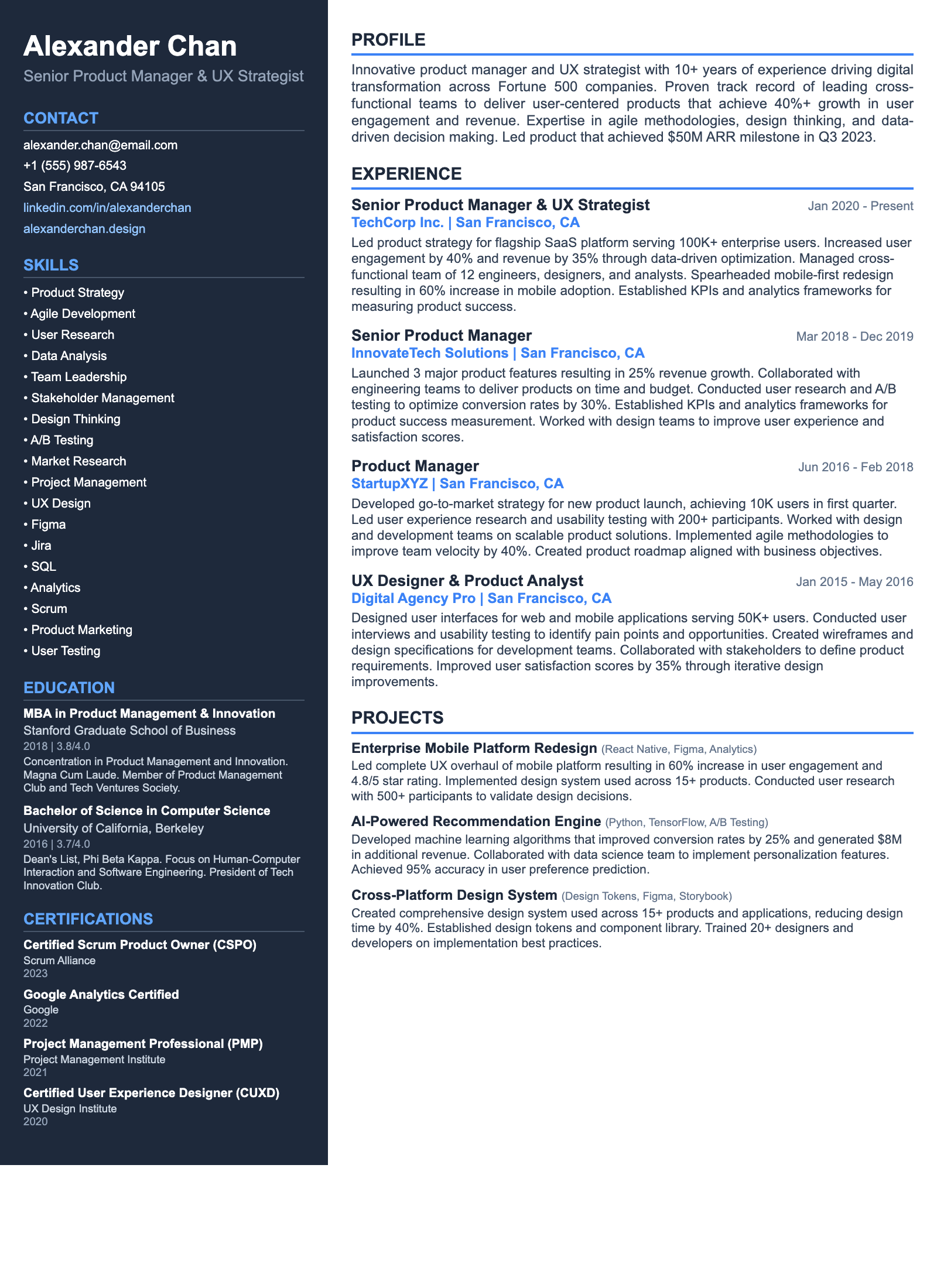
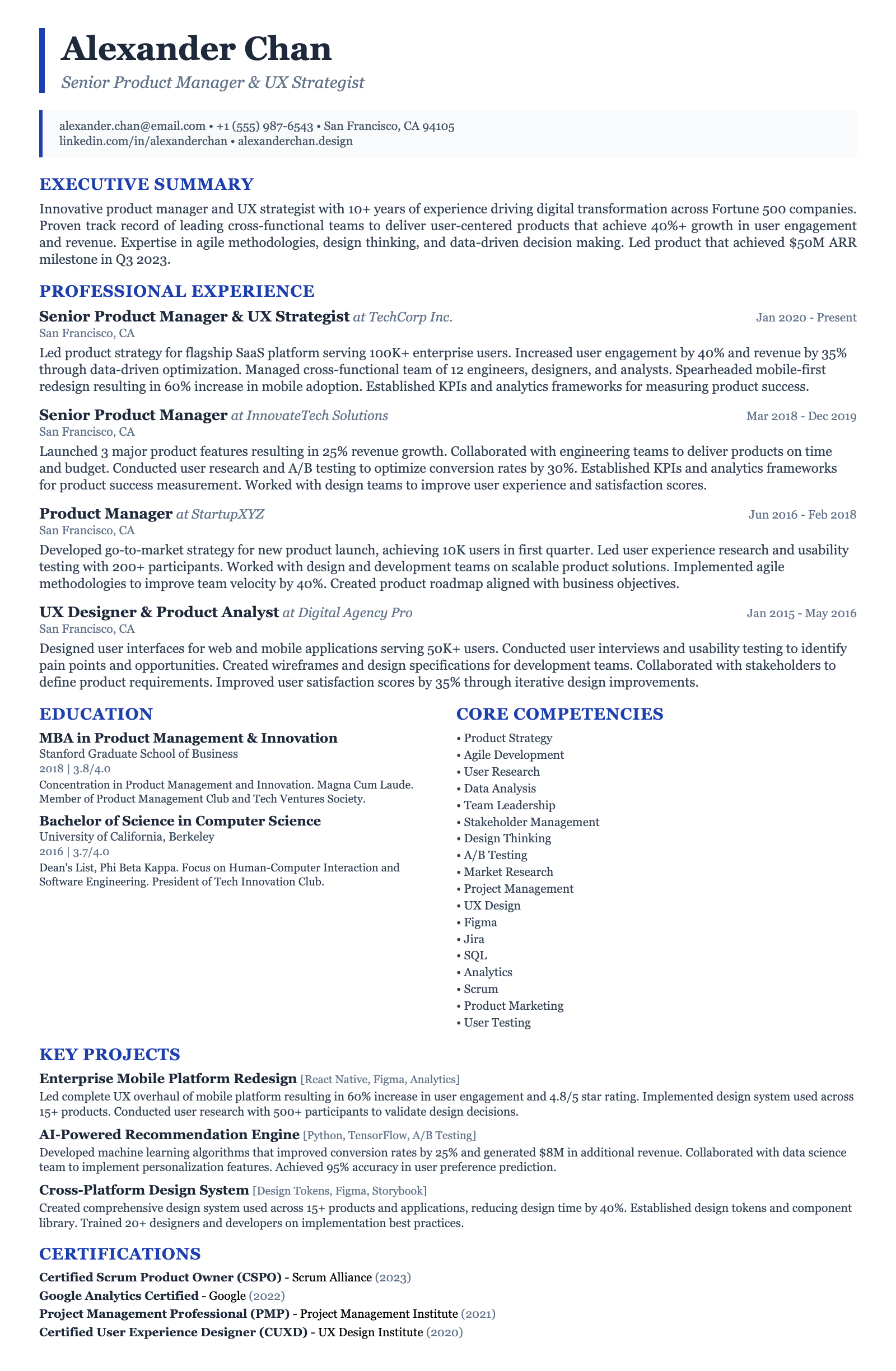
ATS-friendly templates designed specifically for Entry-Level Hospitality Network Engineer positions in the US market.
Frequently Asked Questions

What is the ideal resume length for an Entry-Level Hospitality Network Engineer?

As an entry-level candidate, your resume should ideally be one page. Hiring managers in hospitality value conciseness and relevance. Focus on highlighting your most pertinent skills, education, and projects that demonstrate your aptitude for network engineering within the hospitality context. Prioritize relevant coursework and experiences, such as network configuration projects or IT support roles in hospitality settings.

What are the most important skills to highlight on my resume?

Essential skills include networking fundamentals (TCP/IP, DNS, DHCP), security protocols (firewalls, VPNs), experience with network hardware (routers, switches), proficiency in network monitoring tools (e.g., SolarWinds, PRTG), and operating systems (Windows Server, Linux). Showcase soft skills like communication, problem-solving, and teamwork, especially in the context of resolving network issues in a fast-paced hospitality environment. Certifications such as CompTIA Network+ or CCNA are highly valuable.

How can I ensure my resume is ATS-friendly?

Use a simple, clean format with clear section headings (e.g., 'Skills,' 'Experience,' 'Education'). Avoid tables, images, and unusual fonts that ATS systems may not parse correctly. Incorporate relevant keywords from the job description throughout your resume, particularly in the skills and experience sections. Save your resume as a .doc or .pdf file, as these formats are generally compatible with ATS software. Use standard section titles and avoid creative or unconventional formatting.

Are certifications necessary for an entry-level role?

While not always mandatory, certifications like CompTIA Network+, CCNA, or relevant vendor-specific certifications (e.g., Cisco) can significantly enhance your resume. These certifications demonstrate your foundational knowledge and commitment to professional development, making you a more competitive candidate. Highlight any certifications prominently on your resume, and mention any relevant coursework or training programs you've completed.

What are some common resume mistakes to avoid?

Avoid generic resumes that lack specific details about your skills and experience. Don't include irrelevant information, such as unrelated work history or hobbies. Proofread carefully for typos and grammatical errors. Don't exaggerate your skills or experience, as this can be easily detected during the interview process. Avoid lengthy paragraphs; use bullet points to present information concisely. Ensure your contact information is accurate and up-to-date.

How should I tailor my resume if I'm transitioning from a different field?

If you're transitioning from a different field, highlight transferable skills like problem-solving, analytical thinking, and communication. Emphasize any relevant coursework, certifications, or personal projects that demonstrate your interest in and aptitude for network engineering. Quantify your achievements in your previous role to showcase your ability to deliver results. Consider including a brief summary explaining your career transition and your passion for hospitality networking.

Ready to Build Your Entry-Level Hospitality Network Engineer Resume?

Use our AI-powered resume builder to create an ATS-optimized resume tailored for Entry-Level Hospitality Network Engineer positions in the US market.

Complete Entry-Level Hospitality Network Engineer Career Toolkit

Everything you need for your Entry-Level Hospitality Network Engineer job search — all in one platform.

Why choose ResumeGyani over Zety or Resume.io?

The only platform with AI mock interviews + resume builder + job search + career coaching — all in one.

See comparison

Last updated: March 2026 · Content reviewed by certified resume writers · Optimized for US job market

Entry-Level Hospitality Network Engineer Resume Guide (2026) | ATS-Optimized Template