
ATS-Optimized for US Market

Entry-Level Legal Accountant Career & Resume Guide

Crafting an effective resume as an entry-level legal accountant requires showcasing your financial acumen and understanding of legal environments. You're entering a specialized field where precision and compliance are paramount. Hiring managers seek candidates who possess a blend of accounting principles and an aptitude for legal frameworks. Your resume should highlight proficiency in industry-standard tools like LexisNexis, Westlaw, Clio, or QuickBooks. Emphasize your data analysis capabilities by detailing projects where you've identified financial discrepancies or optimized reporting processes, demonstrating your problem-solving abilities within a legal context. Key sections include a concise summary, relevant coursework (if applicable), internships or part-time roles in accounting or legal settings, and a skills section featuring both technical and soft skills, like communication and teamwork. To stand out, tailor your resume to each job description, quantifying your accomplishments whenever possible. Showcase any familiarity with legal billing software or experience in handling client trust accounts. Remember to highlight your adaptability and willingness to learn, given the ever-evolving nature of legal accounting. Leadership potential, even in academic or extracurricular settings, can be a significant advantage.
Average US Salary: $48k - $91k

Expert Tip: For Entry-Level Legal Accountant positions in the US, recruiters increasingly look for technical execution and adaptability over simple job duties. This guide is tailored to highlight these specific traits to ensure your resume stands out in the competitive Entry-Level Legal Accountant sector.

What US Hiring Managers Look For in a Entry-Level Legal Accountant Resume

When reviewing Entry-Level Legal Accountant candidates, recruiters and hiring managers in the US focus on a few critical areas. Making these elements clear and easy to find on your resume will improve your chances of moving to the interview stage.

  • Relevant experience and impact in Entry-Level Legal Accountant or closely related roles.
  • Clear, measurable achievements (metrics, scope, outcomes) rather than duties.
  • Skills and keywords that match the job description and ATS requirements.
  • Professional formatting and no spelling or grammar errors.
  • Consistency between your resume, LinkedIn, and application.
  • Proficiency in key areas such as Communication, Time Management, Industry-Standard Tools.

Essential Skills for Entry-Level Legal Accountant

Include these keywords in your resume to pass ATS screening and impress recruiters.

Must-Have Skills

  • CriticalCommunication
  • HighTime Management

Technical Skills

  • HighIndustry-Standard Tools
  • MediumData Analysis

Soft Skills

  • CriticalTeamwork
  • HighAdaptability
  • MediumLeadership

A Day in the Life

A Day in the Life of a Entry-Level Accountant

Your morning starts at 9 AM by checking emails and reviewing yesterday's tasks. As an Entry-Level Accountant in Legal, you spend the first hour in daily stand-ups, syncing with your team on handling core responsibilities, collaborating with cross-functional teams, and driving project success. From 10 AM to 1 PM, you focus on execution. In Legal, this involves learning standard operating procedures and applying your Accountant skills to real-world problems. Post-lunch (1-5 PM) is for deep work and collaboration. You might attend workshops or pair with senior members to understand the nuances of handling core responsibilities, collaborating with cross-functional teams, and driving project success within the company. Wrap up by 5:30 PM, documenting your progress. Legal professionals at this level prioritize learning and consistency to build a strong career foundation.

Career Progression Path

Level 1

Accountant I (Entry Level)

Level 2

Accountant II (Junior)

Level 3

Senior Accountant

Level 4

Lead Accountant

Level 5

Accountant Manager / Director

Interview Questions & Answers

Prepare for your Entry-Level Legal Accountant interview with these commonly asked questions.

Describe a time you had to reconcile conflicting financial data. What steps did you take?

Medium
Behavioral
Sample Answer
In my previous internship, I was tasked with reconciling invoices against purchase orders, and identified discrepancies in 10% of them. To resolve this, I first verified the accuracy of each document. I then contacted the suppliers and internal stakeholders to gather additional information. Finally, I adjusted the records and implemented a system to prevent future errors. This experience honed my analytical skills and attention to detail.

Explain your understanding of trust accounting and its importance in a legal setting.

Medium
Technical
Sample Answer
Trust accounting involves managing client funds held in escrow by a law firm. It's crucial to maintain meticulous records and comply with strict regulations to prevent commingling of funds and ensure ethical handling of client assets. My understanding extends to the separation of operating funds from client funds and the meticulous documentation required for each transaction. I am familiar with the rules governing trust accounts.

How would you handle a situation where you suspected fraudulent activity within the firm?

Hard
Situational
Sample Answer
If I suspected fraudulent activity, my first step would be to document all observations meticulously. Then, I would report my concerns to the appropriate authority within the firm, typically the managing partner or compliance officer. I understand the importance of confidentiality and following established protocols to ensure a proper investigation while minimizing potential damage to the firm and its clients.

What experience do you have with legal billing software, and what are its key features?

Medium
Technical
Sample Answer
While I may not have extensive hands-on experience with specific legal billing software like Clio or TimeSolv, I have researched these programs extensively and understand their key features. These include time tracking, invoice generation, payment processing, and reporting. I also understand how these systems help firms manage client billing efficiently and ensure compliance with billing regulations. I am eager to learn and become proficient in the firm's preferred software.

Describe a time you had to work under pressure to meet a tight deadline. How did you manage the situation?

Easy
Behavioral
Sample Answer
During a university project, our team faced an unexpectedly tight deadline to submit our final report. To manage this, I helped create a detailed schedule, assigning tasks based on individual strengths. I also facilitated clear communication within the team and proactively identified and addressed potential roadblocks. We successfully submitted the report on time and achieved a good grade. This demonstrated my ability to prioritize tasks, work efficiently, and collaborate effectively under pressure.

Imagine you notice a discrepancy in a client's billing statement. What steps would you take to resolve it?

Medium
Situational
Sample Answer
First, I would carefully review the billing statement and supporting documentation, like time sheets and expense reports, to identify the source of the discrepancy. If the issue remained unclear, I would consult with the supervising attorney or paralegal to gather additional information. I would then communicate professionally with the client to explain the situation and offer a corrected invoice. My goal would be to resolve the issue fairly and maintain a positive client relationship.

ATS Optimization Tips

Make sure your resume passes Applicant Tracking Systems used by US employers.

Incorporate keywords from the job description, such as "legal billing," "trust accounting," or specific software like Clio, to match ATS search criteria.
Use standard resume section headings like "Summary," "Experience," "Skills," and "Education" for better parsing.
Quantify your achievements whenever possible, using metrics like "Reduced billing errors by 15%" to showcase your impact.
Format dates consistently using a standard format (e.g., MM/YYYY) to ensure accurate data extraction.
List your skills in a dedicated section, separating technical skills (e.g., QuickBooks, LexisNexis) from soft skills (e.g., communication, teamwork).
Use a simple, clean font like Arial or Times New Roman to improve readability for both humans and ATS.
Avoid using headers, footers, or graphics, as these can sometimes confuse the ATS and prevent it from extracting information correctly.
Save your resume as a PDF file to preserve formatting while remaining machine-readable, but ensure the text is selectable for parsing.

Common Resume Mistakes to Avoid

Don't make these errors that get resumes rejected.

1
Failing to highlight experience with legal billing software or practices specific to law firms.
2
Neglecting to showcase knowledge of trust accounting principles and regulations.
3
Omitting experience with legal research tools like LexisNexis or Westlaw, even if used for personal research.
4
Not tailoring the resume to the specific requirements of the legal accounting role.
5
Failing to quantify accomplishments with metrics relevant to legal accounting, such as cost savings or efficiency improvements.
6
Underemphasizing communication skills, crucial for explaining financial information to legal professionals.
7
Ignoring the importance of confidentiality and ethics in handling sensitive client financial data.
8
Not showcasing any understanding of compliance with legal and regulatory requirements like Sarbanes-Oxley (SOX).

Industry Outlook

The US Legal sector is experiencing steady growth. Entry-Level Accountants are particularly sought after, with the Bureau of Labor Statistics projecting average job growth through 2030. Peak hiring occurs in Q1 (January-March) and Q3 (August-September).

Top Hiring Companies

Industry LeadersRegional FirmsFast-Growing Companies

Recommended Resume Templates

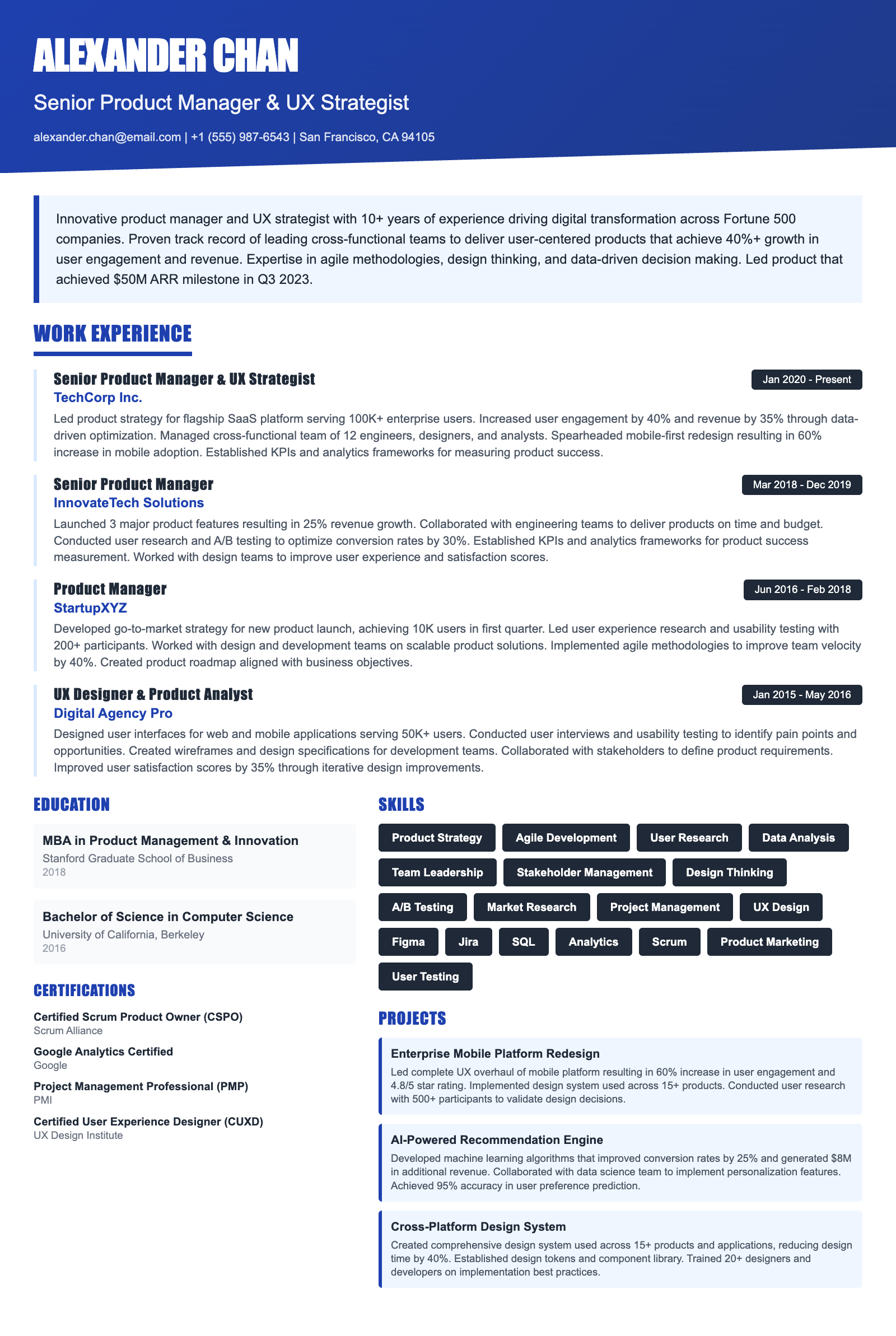
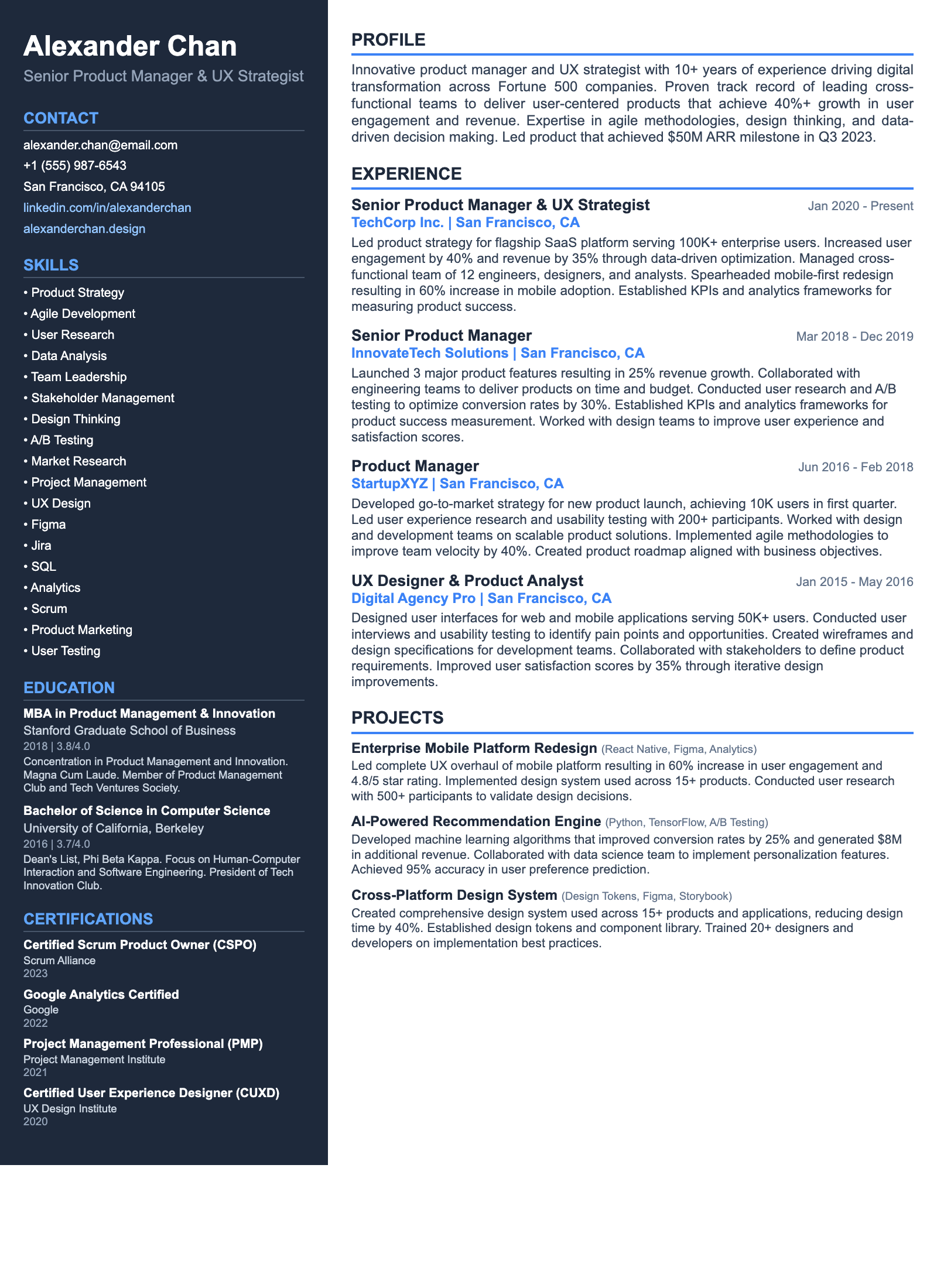
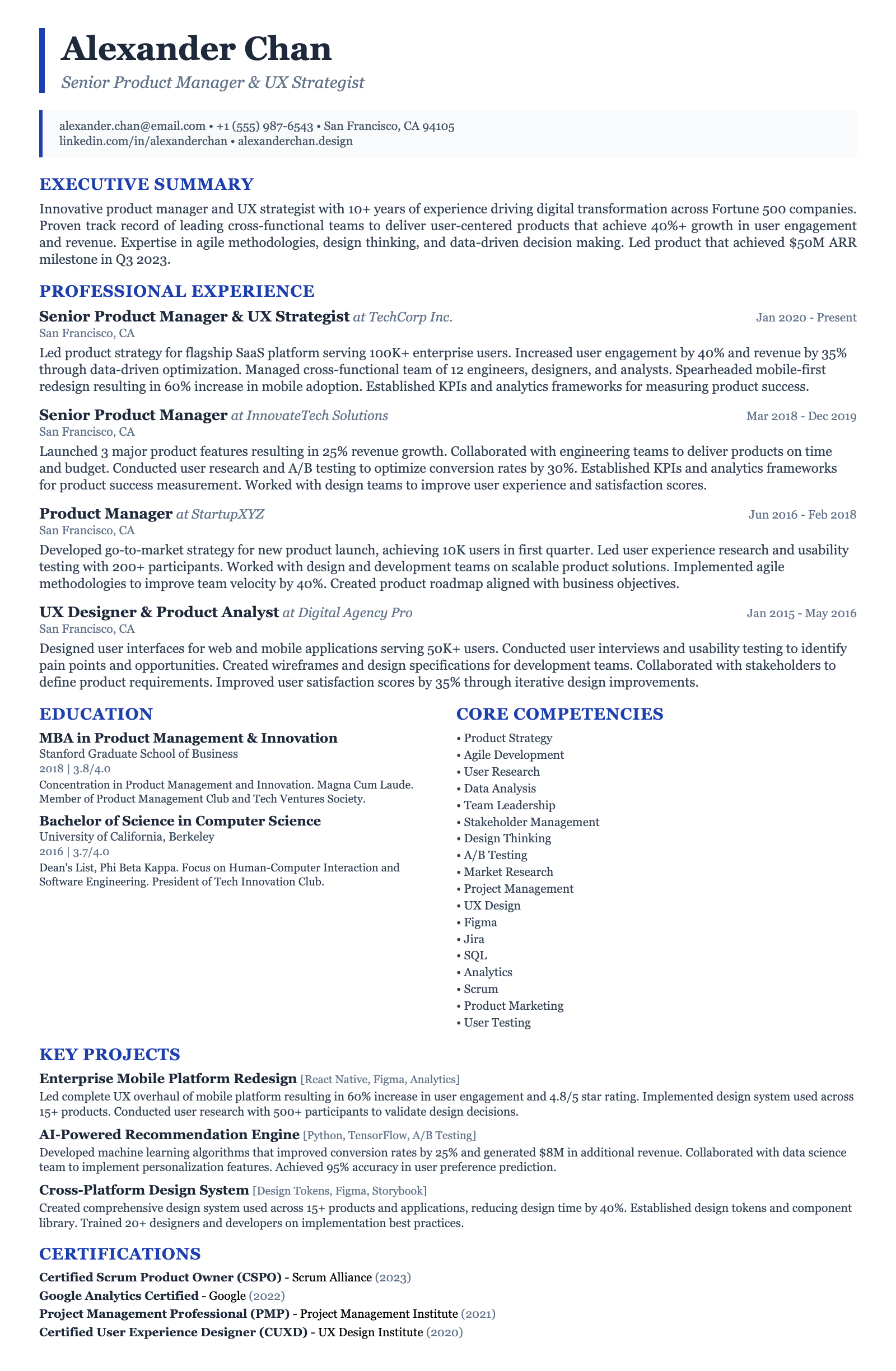
ATS-friendly templates designed specifically for Entry-Level Legal Accountant positions in the US market.
Frequently Asked Questions

What is the ideal length for an entry-level legal accountant resume?

As an entry-level candidate, aim for a single-page resume. Recruiters spend limited time initially reviewing applications, so prioritize concise and relevant information. Focus on internships, academic projects, and skills directly related to legal accounting, like experience with legal billing software or familiarity with trust accounting principles. Use action verbs to describe your accomplishments and quantify your results whenever possible.

Which skills are most crucial to highlight on my resume?

Beyond foundational accounting skills, emphasize communication, time management, and teamwork. Proficiency in industry-standard tools such as Clio, QuickBooks, or LexisNexis is highly valuable. Highlight your data analysis skills by detailing projects where you identified financial trends or discrepancies. Showcase adaptability and your understanding of legal procedures related to financial record-keeping. Any experience with e-discovery or forensic accounting, even in an academic setting, can significantly boost your resume.

How can I optimize my resume for Applicant Tracking Systems (ATS)?

Use a simple, chronological or functional resume format that ATS can easily parse. Incorporate keywords from the job description naturally throughout your resume. Avoid using tables, graphics, or unusual fonts that can confuse the ATS. Save your resume as a PDF to preserve formatting while still being machine-readable. Focus on clarity and ensure your contact information is easily accessible.

Are certifications necessary for entry-level legal accounting roles?

While not always mandatory for entry-level positions, certifications can significantly enhance your resume. Consider pursuing certifications like the Certified Public Accountant (CPA) or Certified Management Accountant (CMA), even if you're still in the process. Relevant coursework in forensic accounting or legal studies can also demonstrate your commitment to the field. Mention any progress towards these certifications to show initiative.

What are some common resume mistakes to avoid?

Avoid generic resumes that don't highlight legal-specific accounting skills. Don't underestimate the importance of proofreading. Overstating your skills or experience can lead to problems later in the hiring process. Neglecting to quantify your accomplishments is a missed opportunity to demonstrate your impact. Failing to tailor your resume to each specific job posting will significantly reduce your chances of getting noticed.

How can I transition into legal accounting from a different field?

Highlight any transferable skills from your previous role, such as financial analysis, data management, or project management. Complete relevant coursework or certifications to demonstrate your commitment to legal accounting. Tailor your resume to emphasize any experience you have with accounting software or legal procedures. Network with professionals in the legal field to gain insights and potentially secure informational interviews. Consider volunteering or taking on freelance projects to gain practical experience.

Ready to Build Your Entry-Level Legal Accountant Resume?

Use our AI-powered resume builder to create an ATS-optimized resume tailored for Entry-Level Legal Accountant positions in the US market.

Complete Entry-Level Legal Accountant Career Toolkit

Everything you need for your Entry-Level Legal Accountant job search — all in one platform.

Why choose ResumeGyani over Zety or Resume.io?

The only platform with AI mock interviews + resume builder + job search + career coaching — all in one.

See comparison

Last updated: March 2026 · Content reviewed by certified resume writers · Optimized for US job market

Entry-Level Legal Accountant Resume Guide (2026) | ATS-Optimized Template