
ATS-Optimized for US Market

Entry-Level Legal Content Writer Career & Resume Guide

Crafting a compelling resume as an Entry-Level Legal Content Writer involves highlighting your communication skills, legal knowledge, and content creation abilities. Hiring managers look for a clear understanding of legal terminology, the ability to translate complex information into accessible content, and proficiency with industry-standard tools. Key sections to include are a strong skills section, a portfolio showcasing relevant writing samples (blog posts, articles, case summaries), and quantifiable achievements from previous roles or academic projects. To stand out, emphasize your familiarity with legal research platforms like LexisNexis or Westlaw, content management systems (CMS) such as WordPress or Drupal, and SEO best practices. Quantify your accomplishments by showing how your content has increased website traffic, improved engagement metrics, or supported successful legal campaigns. Showcase your adaptability by mentioning experience writing different types of legal content, such as blog posts, articles, white papers, or social media updates. Tailor your resume to each specific job description, mirroring the keywords and skills they prioritize. A well-structured resume demonstrates your potential to create engaging and informative legal content that meets the needs of the target audience and supports the organization's goals. Focus on the impact you can make by illustrating an understanding of legal marketing and content strategy. Highlight any experience with data analysis to show you can track content performance.
Average US Salary: $48k - $91k

Expert Tip: For Entry-Level Legal Content Writer positions in the US, recruiters increasingly look for technical execution and adaptability over simple job duties. This guide is tailored to highlight these specific traits to ensure your resume stands out in the competitive Entry-Level Legal Content Writer sector.

What US Hiring Managers Look For in a Entry-Level Legal Content Writer Resume

When reviewing Entry-Level Legal Content Writer candidates, recruiters and hiring managers in the US focus on a few critical areas. Making these elements clear and easy to find on your resume will improve your chances of moving to the interview stage.

  • Relevant experience and impact in Entry-Level Legal Content Writer or closely related roles.
  • Clear, measurable achievements (metrics, scope, outcomes) rather than duties.
  • Skills and keywords that match the job description and ATS requirements.
  • Professional formatting and no spelling or grammar errors.
  • Consistency between your resume, LinkedIn, and application.
  • Proficiency in key areas such as Communication, Time Management, Industry-Standard Tools.

Essential Skills for Entry-Level Legal Content Writer

Include these keywords in your resume to pass ATS screening and impress recruiters.

Must-Have Skills

  • CriticalCommunication
  • HighTime Management

Technical Skills

  • HighIndustry-Standard Tools
  • MediumData Analysis

Soft Skills

  • CriticalTeamwork
  • HighAdaptability
  • MediumLeadership

A Day in the Life

A Day in the Life of a Entry-Level Content Writer

Your morning starts at 9 AM by checking emails and reviewing yesterday's tasks. As an Entry-Level Content Writer in Legal, you spend the first hour in daily stand-ups, syncing with your team on handling core responsibilities, collaborating with cross-functional teams, and driving project success. From 10 AM to 1 PM, you focus on execution. In Legal, this involves learning standard operating procedures and applying your Content Writer skills to real-world problems. Post-lunch (1-5 PM) is for deep work and collaboration. You might attend workshops or pair with senior members to understand the nuances of handling core responsibilities, collaborating with cross-functional teams, and driving project success within the company. Wrap up by 5:30 PM, documenting your progress. Legal professionals at this level prioritize learning and consistency to build a strong career foundation.

Career Progression Path

Level 1

Content Writer I (Entry Level)

Level 2

Content Writer II (Junior)

Level 3

Senior Content Writer

Level 4

Lead Content Writer

Level 5

Content Writer Manager / Director

Interview Questions & Answers

Prepare for your Entry-Level Legal Content Writer interview with these commonly asked questions.

Describe your experience with legal research platforms like LexisNexis or Westlaw.

Medium
Technical
Sample Answer
In my previous role/studies, I extensively used LexisNexis and Westlaw for conducting comprehensive legal research. For example, I utilized LexisNexis to analyze case law and statutes for creating summaries of legal precedents. With Westlaw, I focused on tracking legislative changes and regulatory updates. I am adept at using these platforms to gather accurate and up-to-date legal information efficiently. My experience allowed me to write well-informed and legally sound content.

How do you ensure accuracy and clarity when writing about complex legal topics?

Medium
Technical
Sample Answer
I start by thoroughly researching the legal topic using reputable sources like legal databases, scholarly articles, and government publications. I break down the complex information into smaller, more manageable parts. Then, I use clear and concise language, avoiding jargon whenever possible. I also run my writing by someone with legal expertise to ensure accuracy and clarity. Finally, I cite all sources to maintain transparency and credibility.

Tell me about a time you had to adapt your writing style for a specific audience.

Medium
Behavioral
Sample Answer
In my internship at [Previous Company], I was tasked with writing a series of blog posts explaining new regulations to small business owners. Initially, I used legal terminology which resulted in low engagement. I then adjusted my approach using plain language, real-life examples, and infographics. This led to a 40% increase in readership and a significant boost in comments and shares. It taught me the importance of understanding my audience's needs and tailoring my style accordingly.

Describe your approach to SEO for legal content.

Medium
Technical
Sample Answer
My approach to SEO for legal content involves keyword research using tools like SEMrush and Google Keyword Planner to identify relevant and high-traffic keywords. I integrate these keywords naturally into the content, including headings, meta descriptions, and image alt text. I also focus on creating high-quality, informative content that answers users' questions and provides value. Additionally, I monitor content performance using Google Analytics to track keyword rankings and adjust my strategy as needed.

Imagine you are tasked with creating a social media campaign to promote a new legal service. What would be your strategy?

Hard
Situational
Sample Answer
My strategy would start with identifying the target audience and the specific social media platforms they use. I would then develop engaging and informative content tailored to each platform, such as short videos, infographics, and blog posts. I would use relevant hashtags to increase visibility and run targeted ads to reach a wider audience. Additionally, I would track the campaign's performance using social media analytics to measure engagement and make adjustments as needed.

How do you handle tight deadlines when working on multiple content projects?

Medium
Behavioral
Sample Answer
I prioritize tasks based on urgency and importance using time management techniques. I break down large projects into smaller, manageable steps and set realistic deadlines for each step. I also use project management tools to track progress and stay organized. If faced with conflicting deadlines, I communicate proactively with my team to find solutions and ensure all projects are completed on time and to a high standard. I leverage tools like Asana for project tracking and Slack for team communication.

ATS Optimization Tips

Make sure your resume passes Applicant Tracking Systems used by US employers.

Incorporate relevant keywords from the job description into your resume, especially in the skills and experience sections; ATS systems scan for these terms to assess your qualifications.
Use a clean, ATS-friendly format with clear headings (e.g., "Summary," "Skills," "Experience," "Education") to ensure the system can easily parse the information.
Avoid using tables, images, and special characters, as these can confuse the ATS and prevent it from accurately reading your resume; stick to simple formatting.
Submit your resume as a PDF file to preserve the formatting and prevent any alterations during the uploading process.
Quantify your achievements whenever possible by including metrics like website traffic increases, engagement rates, or conversion rates; ATS systems recognize numbers and data.
Include a dedicated skills section that lists both hard skills (e.g., legal research, SEO, CMS) and soft skills (e.g., communication, teamwork, adaptability); be specific and relevant.
Use industry-specific terminology and jargon to demonstrate your understanding of the legal field and content creation practices; this helps the ATS recognize your expertise.
Tailor your resume to each specific job posting by adjusting the keywords, skills, and experiences highlighted to match the requirements; this increases your relevance score in the ATS.

Common Resume Mistakes to Avoid

Don't make these errors that get resumes rejected.

1
Failing to include a portfolio or writing samples that demonstrate your legal content creation abilities is a critical error; hiring managers need to see your writing style and expertise.
2
Submitting a generic resume that doesn't showcase specific legal knowledge or skills is a common mistake; tailor your resume to highlight relevant experience for each role.
3
Not quantifying your achievements with metrics or data is a missed opportunity; use numbers to demonstrate the impact of your content (e.g., increased website traffic, improved engagement).
4
Making grammatical errors or typos is unacceptable; proofread your resume carefully to maintain professionalism and attention to detail.
5
Using an unprofessional email address or outdated contact information can negatively impact your application; ensure your contact details are current and appropriate.
6
Neglecting to optimize your resume for Applicant Tracking Systems (ATS) can lead to your application being overlooked; use keywords and a clean format.
7
Not highlighting your familiarity with legal research tools like LexisNexis or Westlaw is a missed opportunity; these skills are essential for legal content writing.
8
Failing to demonstrate your understanding of SEO best practices for legal content is a common oversight; showcase your knowledge of keyword research and optimization techniques.

Industry Outlook

The US Legal sector is experiencing steady growth. Entry-Level Content Writers are particularly sought after, with the Bureau of Labor Statistics projecting average job growth through 2030. Peak hiring occurs in Q1 (January-March) and Q3 (August-September).

Top Hiring Companies

Industry LeadersRegional FirmsFast-Growing Companies

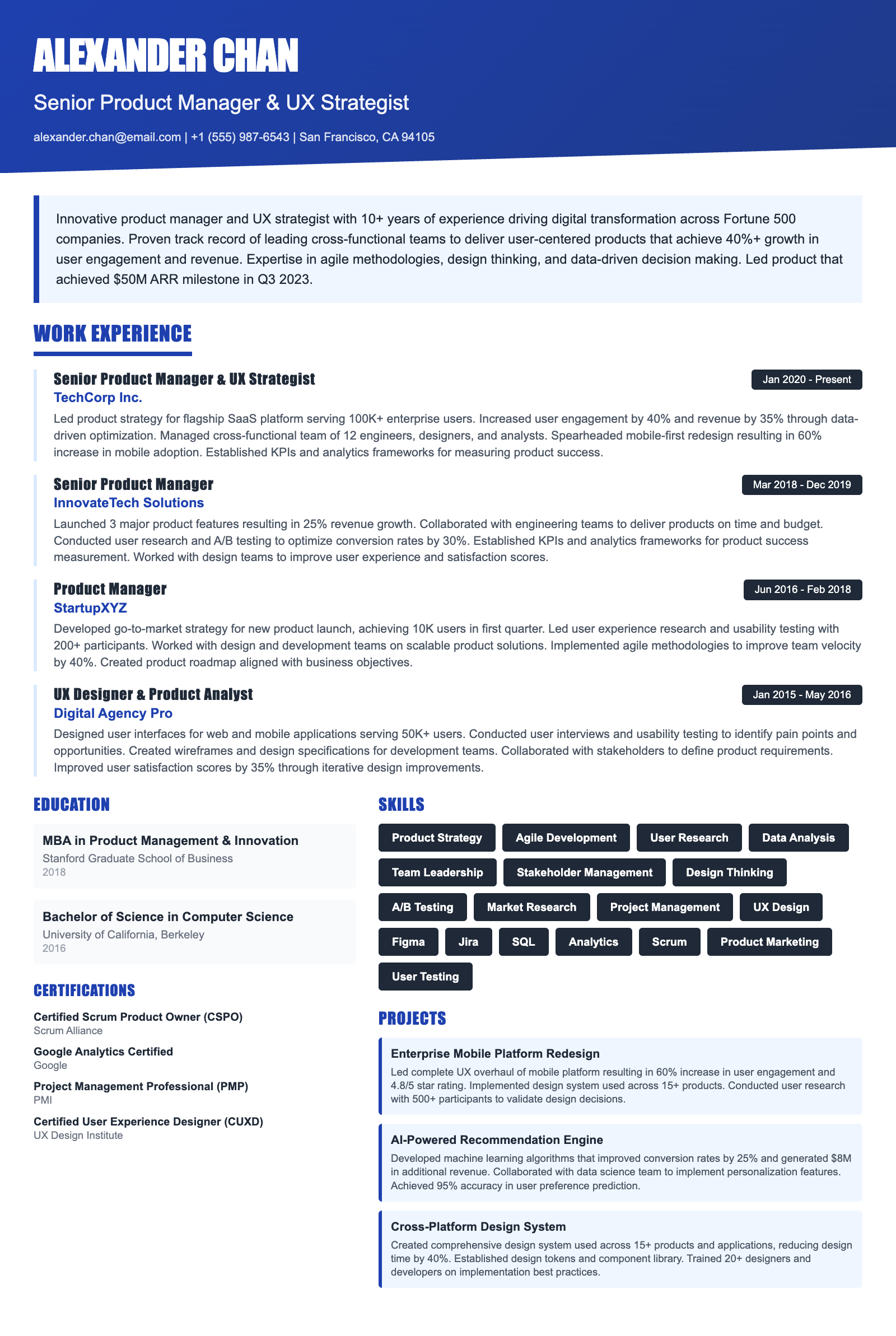
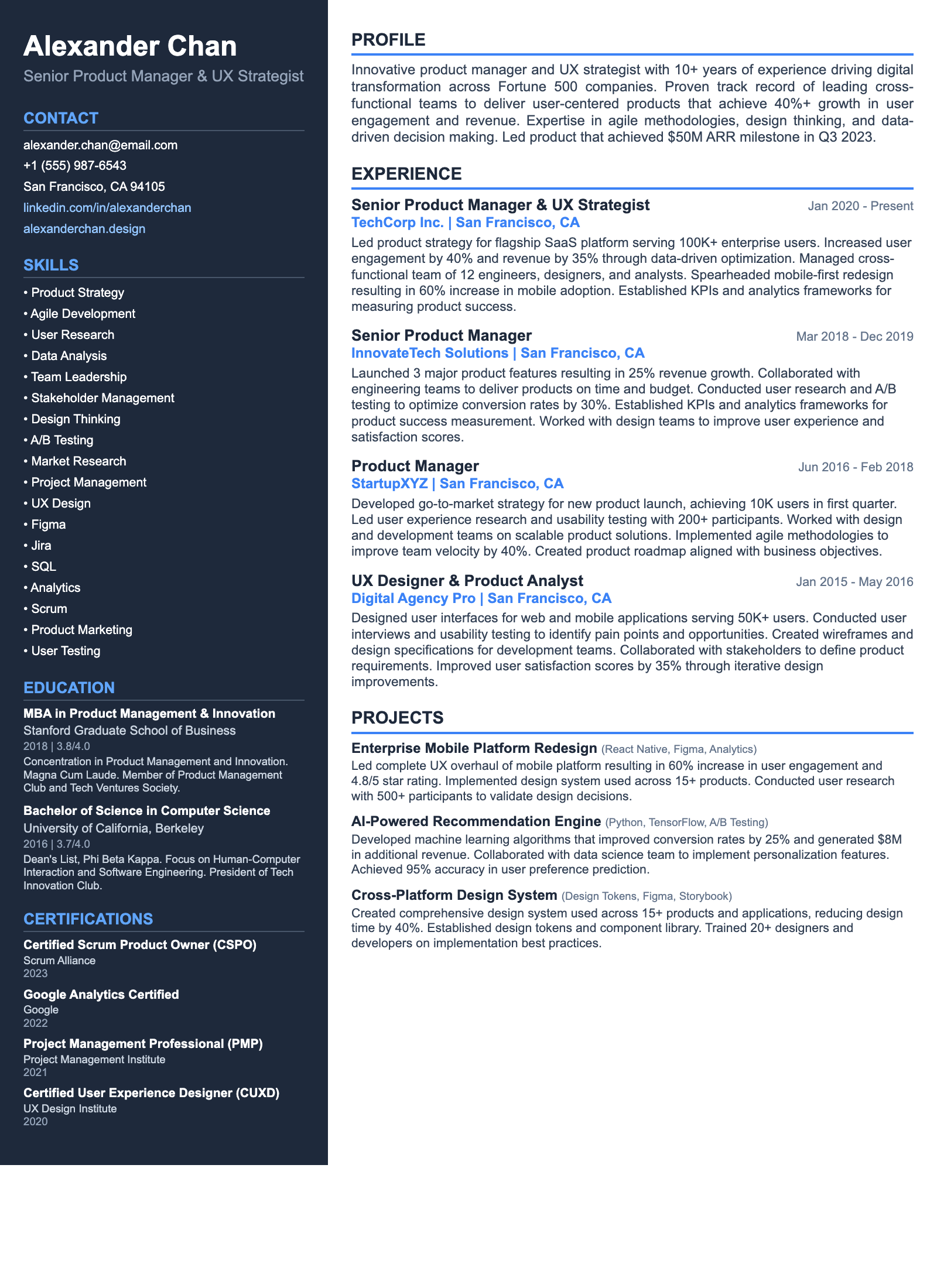
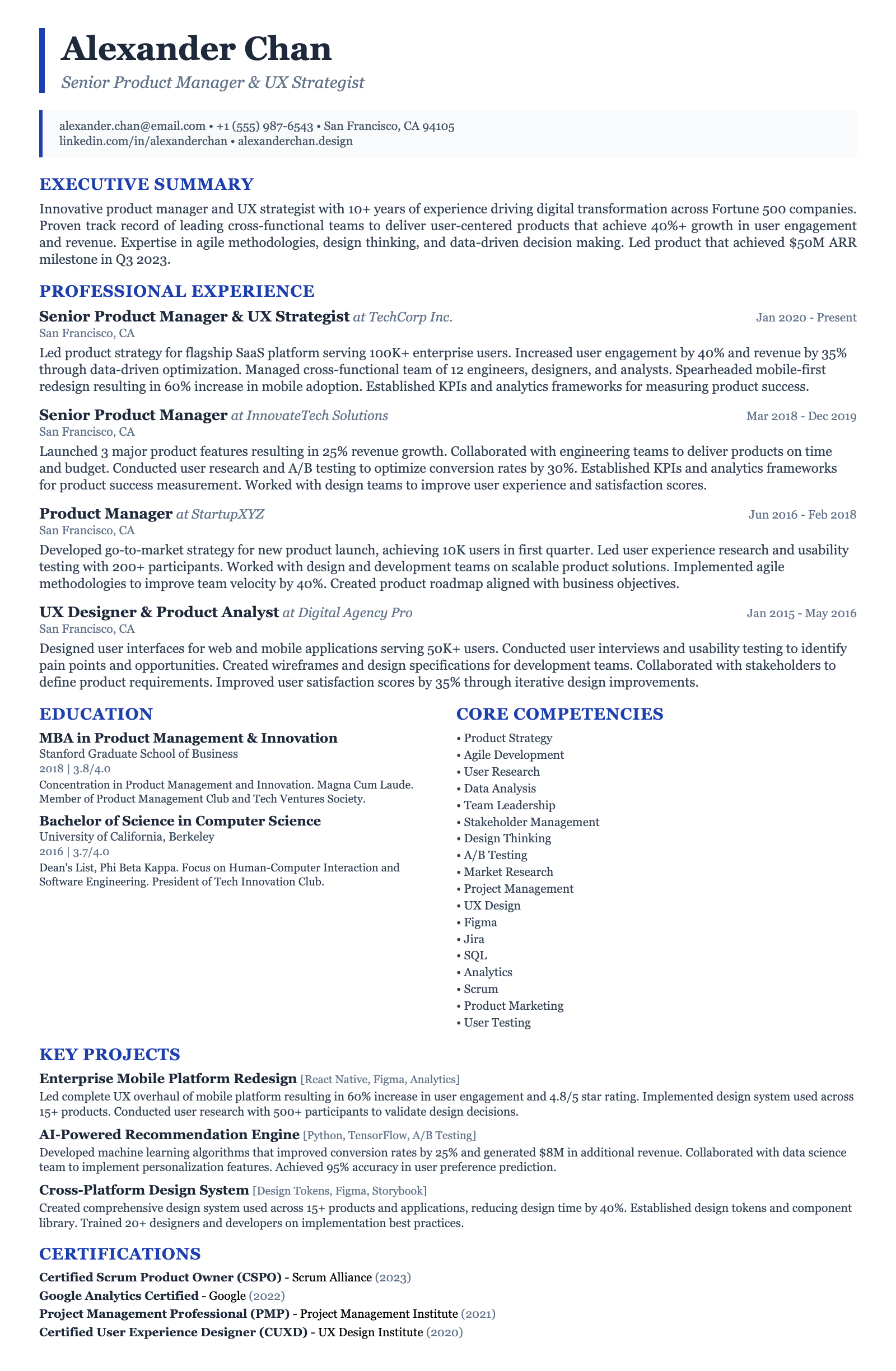
Recommended Resume Templates

ATS-friendly templates designed specifically for Entry-Level Legal Content Writer positions in the US market.
Frequently Asked Questions

How long should my resume be as an Entry-Level Legal Content Writer?

As an entry-level candidate, aim for a one-page resume. Hiring managers appreciate brevity and conciseness. Focus on the most relevant experiences and skills that align with the job description. Use clear and concise language to highlight your accomplishments and make sure your resume is easy to scan. Prioritize your quantifiable achievements and showcase your understanding of legal content creation.

What key skills should I emphasize on my Entry-Level Legal Content Writer resume?

Highlight your communication skills (written and verbal), legal research abilities (LexisNexis, Westlaw), content creation experience, SEO knowledge (Google Analytics, SEMrush), and familiarity with CMS platforms (WordPress, Drupal). Also, showcase your ability to adapt to different writing styles and your understanding of legal terminology. Strong data analysis skills and teamwork abilities are also very important.

How can I optimize my resume for Applicant Tracking Systems (ATS)?

Use a simple, ATS-friendly format with clear headings and bullet points. Avoid using tables, images, or special characters that can confuse the system. Incorporate keywords from the job description throughout your resume, especially in the skills and experience sections. Submit your resume as a PDF to preserve formatting. Ensure the document is readable and does not contain errors.

Are certifications necessary for an Entry-Level Legal Content Writer?

While not always required, certifications in content marketing, SEO, or legal specialties can enhance your resume. Consider certifications from platforms like HubSpot, Google, or the Legal Marketing Association (LMA). Highlighting these credentials can demonstrate your commitment to professional development and expertise in the field. It also shows initiative and a proactive approach to gaining skills.

What are common resume mistakes to avoid as an Entry-Level Legal Content Writer?

Avoid generic resumes that don't showcase legal writing skills. Neglecting to quantify accomplishments or failing to tailor the resume to each job is also detrimental. Errors in grammar and spelling are unacceptable, as is using an unprofessional email address. Also, not including relevant writing samples or portfolio links can hurt your chances.

How can I transition into an Entry-Level Legal Content Writer role from a different field?

Highlight transferable skills like communication, research, and writing. Emphasize any legal coursework or experience gained through internships or volunteer work. Create a portfolio of legal writing samples, even if they are pro bono or personal projects. Consider taking online courses in legal writing or content marketing to demonstrate your commitment to the field. Networking within the legal and content marketing communities can also help.

Ready to Build Your Entry-Level Legal Content Writer Resume?

Use our AI-powered resume builder to create an ATS-optimized resume tailored for Entry-Level Legal Content Writer positions in the US market.

Complete Entry-Level Legal Content Writer Career Toolkit

Everything you need for your Entry-Level Legal Content Writer job search — all in one platform.

Why choose ResumeGyani over Zety or Resume.io?

The only platform with AI mock interviews + resume builder + job search + career coaching — all in one.

See comparison

Last updated: March 2026 · Content reviewed by certified resume writers · Optimized for US job market

Entry-Level Legal Content Writer Resume Guide (2026) | ATS-Optimized Template