
ATS-Optimized for US Market

Entry-Level Legal Project Manager Career & Resume Guide

As an entry-level Legal Project Manager, you're entering a field where meticulous organization and clear communication are paramount. Your resume needs to showcase your potential to manage legal projects efficiently, even without extensive experience. Hiring managers seek candidates who demonstrate a solid grasp of project management principles and an understanding of the legal environment. Key resume sections should include a compelling summary highlighting your relevant skills, a detailed education section showcasing coursework in project management or legal studies, and a skills section emphasizing proficiency in tools like Microsoft Project, Asana, or Clio. Stand out by quantifying your accomplishments, such as 'Assisted in managing a project that reduced processing time by 15%.' Include any relevant internships or volunteer work, even if not directly related to legal project management; highlight transferable skills. Demonstrate your understanding of legal terminology and processes. For example, if you've worked with e-discovery platforms like Relativity or Everlaw, mention it. Focus on your ability to adapt, learn quickly, and contribute to a team. Showcase your understanding of legal project management methodologies like Agile or Waterfall within a legal context. Use action verbs like 'Coordinated,' 'Implemented,' and 'Managed' to illustrate your contributions. Prove your capabilities in data analysis by noting your experience with Excel or other data analysis tools used to track project progress.
Average US Salary: $48k - $91k

Expert Tip: For Entry-Level Legal Project Manager positions in the US, recruiters increasingly look for technical execution and adaptability over simple job duties. This guide is tailored to highlight these specific traits to ensure your resume stands out in the competitive Entry-Level Legal Project Manager sector.

What US Hiring Managers Look For in a Entry-Level Legal Project Manager Resume

When reviewing Entry-Level Legal Project Manager candidates, recruiters and hiring managers in the US focus on a few critical areas. Making these elements clear and easy to find on your resume will improve your chances of moving to the interview stage.

  • Relevant experience and impact in Entry-Level Legal Project Manager or closely related roles.
  • Clear, measurable achievements (metrics, scope, outcomes) rather than duties.
  • Skills and keywords that match the job description and ATS requirements.
  • Professional formatting and no spelling or grammar errors.
  • Consistency between your resume, LinkedIn, and application.
  • Proficiency in key areas such as Communication, Time Management, Industry-Standard Tools.

Essential Skills for Entry-Level Legal Project Manager

Include these keywords in your resume to pass ATS screening and impress recruiters.

Must-Have Skills

  • CriticalCommunication
  • HighTime Management

Technical Skills

  • HighIndustry-Standard Tools
  • MediumData Analysis

Soft Skills

  • CriticalTeamwork
  • HighAdaptability
  • MediumLeadership

A Day in the Life

A Day in the Life of a Entry-Level Project Manager

Your morning starts at 9 AM by checking emails and reviewing yesterday's tasks. As an Entry-Level Project Manager in Legal, you spend the first hour in daily stand-ups, syncing with your team on managing project timelines, unblocking team members, and communicating status to executives. From 10 AM to 1 PM, you focus on execution. In Legal, this involves learning standard operating procedures and applying your Project Manager skills to real-world problems. Post-lunch (1-5 PM) is for deep work and collaboration. You might attend workshops or pair with senior members to understand the nuances of managing project timelines, unblocking team members, and communicating status to executives within the company. Wrap up by 5:30 PM, documenting your progress. Legal professionals at this level prioritize learning and consistency to build a strong career foundation.

Career Progression Path

Level 1

Project Manager I (Entry Level)

Level 2

Project Manager II (Junior)

Level 3

Senior Project Manager

Level 4

Lead Project Manager

Level 5

Project Manager Manager / Director

Interview Questions & Answers

Prepare for your Entry-Level Legal Project Manager interview with these commonly asked questions.

Describe a time you had to manage conflicting priorities within a project. How did you handle it?

Medium
Behavioral
Sample Answer
In my previous internship, I was tasked with managing two simultaneous sub-projects, each with pressing deadlines. To address this, I first assessed the urgency and importance of each task within both sub-projects. Then, I created a detailed timeline using Microsoft Project, allocating time based on priority. I communicated the plan to my supervisor and stakeholders, ensuring alignment. I proactively monitored progress, and when unexpected delays arose, I quickly adjusted the timeline and communicated the changes to all involved, ensuring minimal disruption. This proactive approach allowed me to successfully deliver both sub-projects on time.

Explain your understanding of project management methodologies like Agile or Waterfall, and which you think is best suited for legal projects.

Medium
Technical
Sample Answer
Agile is an iterative approach that emphasizes flexibility and collaboration, while Waterfall is a sequential approach with clearly defined stages. For legal projects, I believe a hybrid approach, incorporating elements of both, is often most effective. Waterfall can be useful for initial planning and defining scope, while Agile principles can be applied to specific tasks or phases that require adaptability and iterative development, such as e-discovery or document review. The best approach depends on the specific project's needs and constraints.

Imagine a project you are managing is falling behind schedule. What steps would you take to get it back on track?

Medium
Situational
Sample Answer
First, I'd analyze the critical path to identify the root causes of the delay. Then, I'd collaborate with the team to brainstorm potential solutions, such as reallocating resources, streamlining processes, or adjusting the project scope. I would create a revised schedule, communicate it to stakeholders, and closely monitor progress. Regular check-in meetings would be crucial to ensure everyone is aligned and address any further roadblocks promptly. I'd also manage expectations with stakeholders, clearly communicating the impact of the delays and the steps taken to mitigate them.

How do you handle communication with stakeholders who may not be familiar with project management terminology?

Easy
Behavioral
Sample Answer
I would avoid using jargon and technical terms, opting for clear and concise language. I would tailor my communication style to the individual stakeholder, understanding their level of familiarity with project management concepts. Visual aids, such as timelines or Gantt charts, can be helpful. I would focus on the 'what' and 'why' of the project, clearly explaining the goals, progress, and any potential risks in a way that is easy to understand. I would also be patient and willing to answer questions thoroughly.

Describe your experience with data analysis and how you would use it to track project progress.

Medium
Technical
Sample Answer
I have experience using Excel to track project progress and analyze data. I would use tools like pivot tables and charts to visualize key metrics, such as task completion rates, resource utilization, and budget adherence. By analyzing this data, I can identify trends, potential bottlenecks, and areas for improvement. This information can then be used to make data-driven decisions and proactively address any issues that may arise. For instance, I used Excel to track billable hours on a project and noticed a significant discrepancy; I alerted the team which led to correcting time-tracking errors.

Tell me about a time you had to adapt to a sudden change in project requirements. How did you ensure a successful outcome?

Medium
Situational
Sample Answer
During a group project in college, the client unexpectedly changed the scope of the project midway through. To address this, I immediately called a meeting with my team to understand the new requirements and assess their impact on the existing plan. We then collaboratively revised the project timeline and reallocated resources to accommodate the changes. I communicated the updated plan to the client, ensuring their understanding and approval. Throughout the process, I maintained open communication with the team and proactively addressed any challenges that arose. By remaining flexible and collaborative, we successfully adapted to the changes and delivered a satisfactory outcome.

ATS Optimization Tips

Make sure your resume passes Applicant Tracking Systems used by US employers.

Incorporate keywords from the job description throughout your resume, especially in the skills and experience sections. ATS systems scan for these terms to assess your qualifications.
Use standard section headings like 'Summary,' 'Experience,' 'Education,' and 'Skills.' This helps the ATS accurately categorize your information. Avoid creative or unusual heading names.
Format your experience section with clear dates, job titles, company names, and bullet points describing your responsibilities and achievements. Use action verbs to start each bullet point.
List your skills in a dedicated 'Skills' section. Separate technical skills (e.g., Microsoft Project, Asana, Relativity) from soft skills (e.g., communication, teamwork, problem-solving).
Use a simple, clean font like Arial, Calibri, or Times New Roman. Avoid decorative fonts that can be difficult for the ATS to read.
Save your resume as a PDF file. This format preserves your formatting and ensures the ATS can accurately parse the information. Unless the job description explicitly requires a different format, stick with PDF.
Include any relevant certifications or licenses in a separate section. This helps the ATS identify your credentials and demonstrates your commitment to professional development.
Ensure your contact information is clearly visible and accurate. Include your phone number, email address, and LinkedIn profile URL.

Common Resume Mistakes to Avoid

Don't make these errors that get resumes rejected.

1
Failing to tailor the resume to the specific job description. A generic resume is unlikely to stand out to hiring managers or ATS systems.
2
Not quantifying accomplishments. Use numbers and metrics to demonstrate the impact of your work. For example, 'Reduced project completion time by 15%.'
3
Omitting relevant internships or volunteer work. Even if not directly related, these experiences can showcase transferable skills.
4
Focusing solely on responsibilities without highlighting achievements. Emphasize what you accomplished in each role.
5
Using a cluttered or visually distracting resume template. Keep the design clean and professional.
6
Neglecting to proofread for grammatical errors and typos. A polished resume demonstrates attention to detail.
7
Overstating skills or experience. Be honest and accurate in your representations.
8
Not including a concise and compelling summary. The summary should highlight your key qualifications and career goals.

Industry Outlook

The US Legal sector is experiencing steady growth. Entry-Level Project Managers are particularly sought after, with the Bureau of Labor Statistics projecting average job growth through 2030. Peak hiring occurs in Q1 (January-March) and Q3 (August-September).

Top Hiring Companies

Industry LeadersRegional FirmsFast-Growing Companies

Recommended Resume Templates

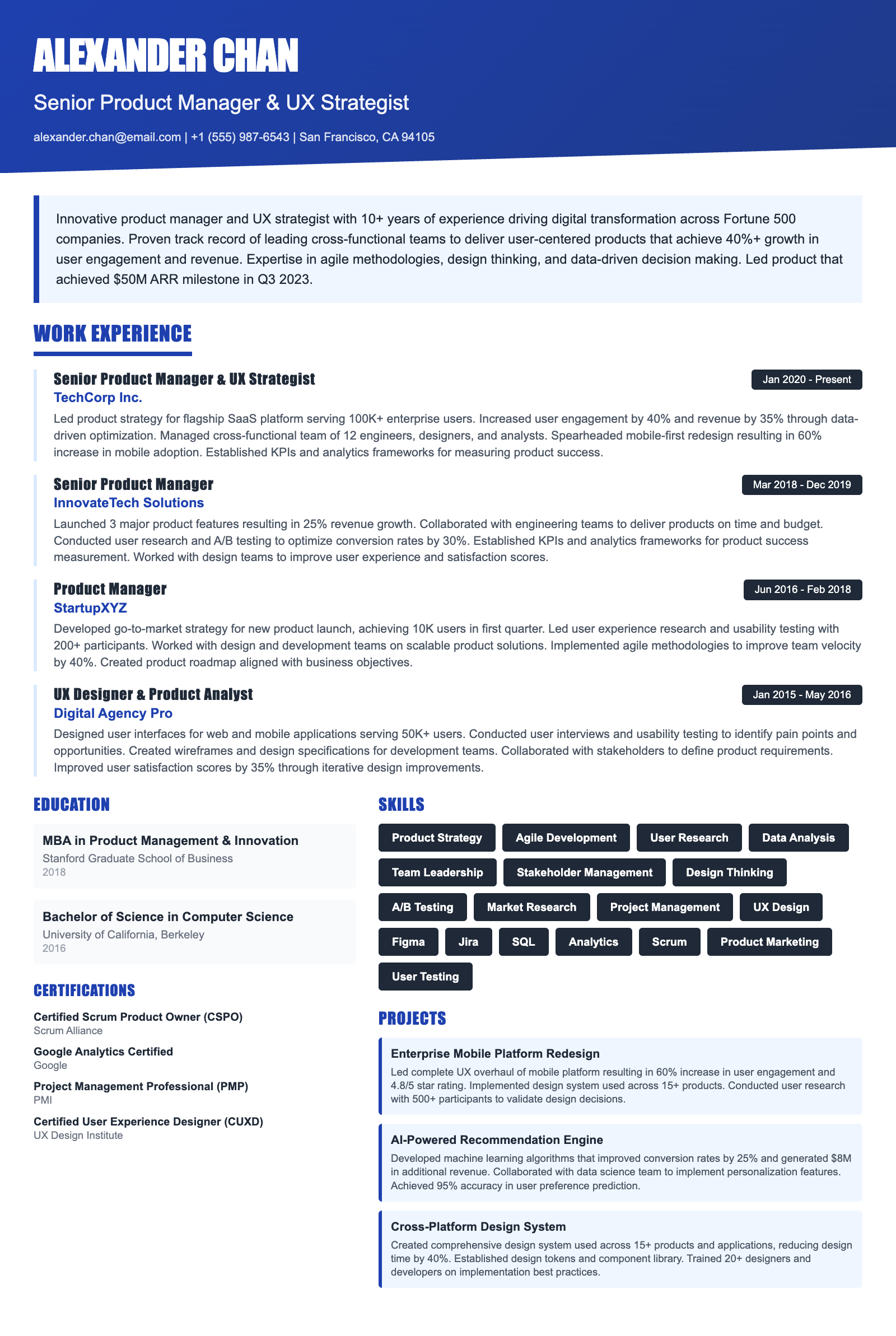
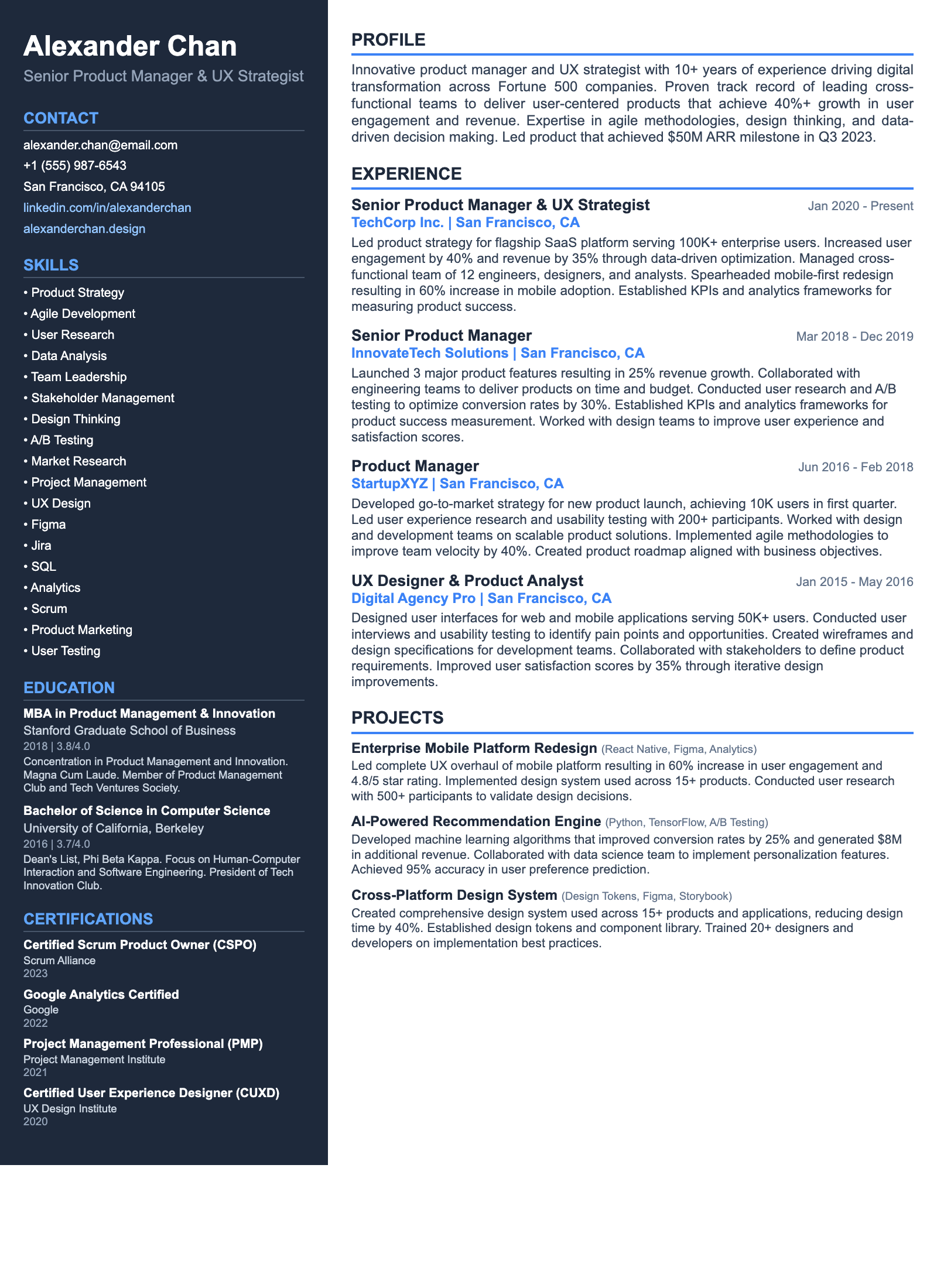
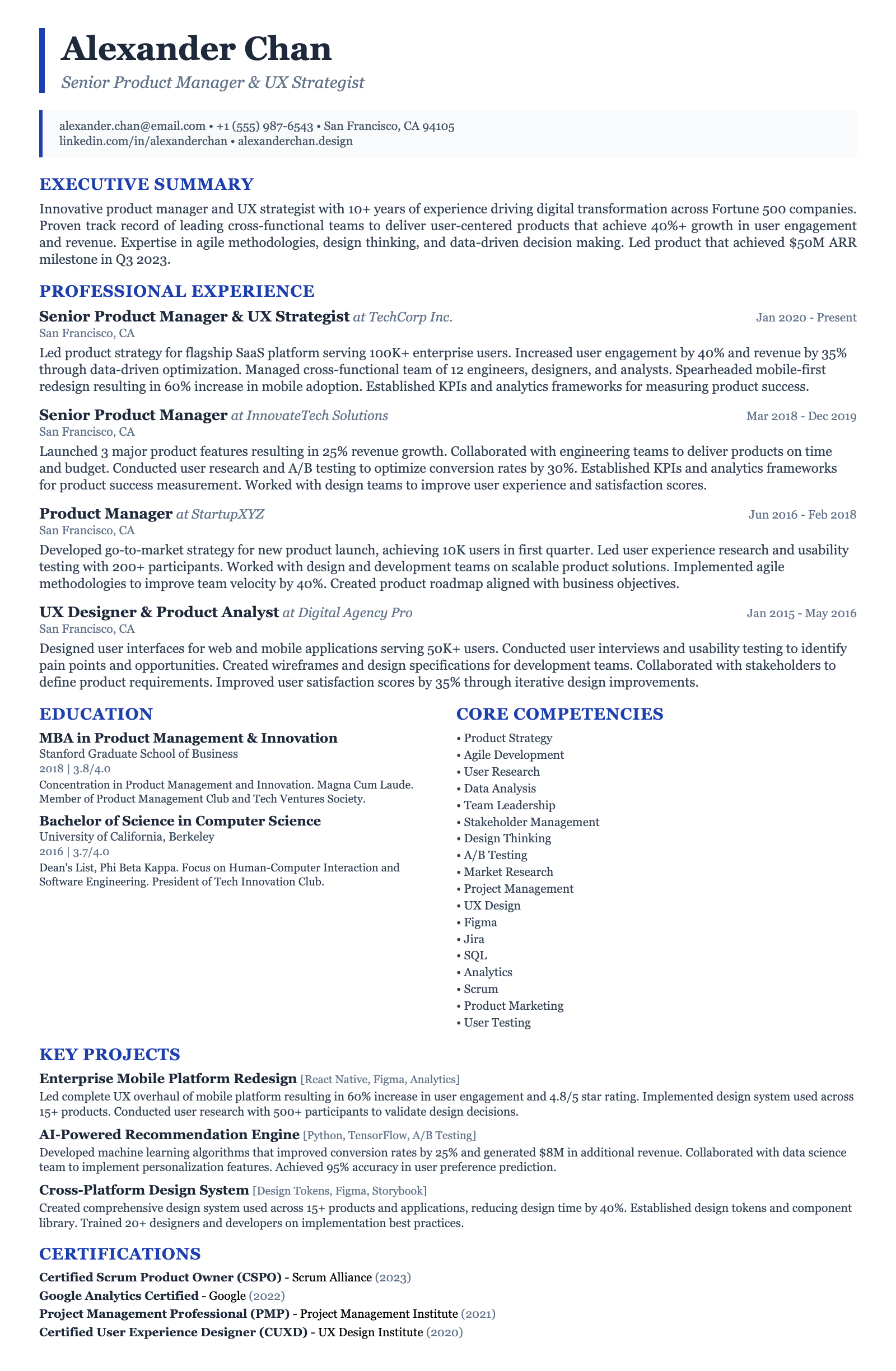
ATS-friendly templates designed specifically for Entry-Level Legal Project Manager positions in the US market.
Frequently Asked Questions

What is the ideal length for an entry-level Legal Project Manager resume?

Aim for a single-page resume. As an entry-level candidate, you likely have limited professional experience. Focus on highlighting relevant skills, education, and internships concisely. Prioritize your strongest qualifications and quantify achievements whenever possible. Use clear and concise language. Ensure that your resume is easy to read and highlights your abilities in areas like communication, time management, and proficiency with project management tools.

What key skills should I emphasize on my resume?

Highlight skills such as communication (written and verbal), time management, proficiency with industry-standard tools (e.g., Microsoft Project, Asana, Clio), data analysis (Excel), teamwork, adaptability, and leadership. Back up these skills with concrete examples from your academic or work experience. For instance, describe how you used Excel to track project progress or how you communicated updates to a team. If you have experience with legal-specific tools like Relativity or Everlaw, include those as well.

How important is ATS formatting for my resume?

ATS formatting is crucial. Many companies use Applicant Tracking Systems to filter resumes. Use a simple, clean format with standard fonts (Arial, Calibri, Times New Roman) and clear headings. Avoid tables, graphics, and unusual formatting. Use keywords from the job description, especially in your skills section. Ensure your resume is easily scannable and readable by an ATS. Save your resume as a PDF unless the job posting specifies a different format.

Are certifications necessary for an entry-level role?

While not always required, relevant certifications can significantly enhance your resume. Consider certifications like Certified Associate in Project Management (CAPM) or entry-level certifications in Agile or Scrum methodologies. Legal-specific certifications or courses related to e-discovery or legal technology can also be beneficial. Highlight any certifications prominently on your resume to demonstrate your commitment to professional development.

What are common resume mistakes to avoid?

Avoid generic resumes that don't target the specific Legal Project Manager role. Don't neglect to quantify your achievements. Do not use overly creative or non-standard resume templates that can confuse ATS systems. Avoid grammatical errors and typos. Do not exaggerate your skills or experience. It is important to include all relevant contact information. Don't forget to tailor your resume to each specific job application.

How can I transition into legal project management from a different field?

Highlight transferable skills from your previous roles that align with the requirements of a Legal Project Manager. Emphasize skills like communication, organization, problem-solving, and data analysis. Obtain relevant certifications or take courses in project management or legal studies to demonstrate your commitment. Network with legal professionals and project managers to learn about the industry and gain insights. Tailor your resume to showcase your potential and how your past experience can benefit the role. For example, experience in customer service can be framed as client relationship management, relevant in legal settings.

Ready to Build Your Entry-Level Legal Project Manager Resume?

Use our AI-powered resume builder to create an ATS-optimized resume tailored for Entry-Level Legal Project Manager positions in the US market.

Complete Entry-Level Legal Project Manager Career Toolkit

Everything you need for your Entry-Level Legal Project Manager job search — all in one platform.

Why choose ResumeGyani over Zety or Resume.io?

The only platform with AI mock interviews + resume builder + job search + career coaching — all in one.

See comparison

Last updated: March 2026 · Content reviewed by certified resume writers · Optimized for US job market