
ATS-Optimized for US Market

Entry-Level Manufacturing Electrician Career & Resume Guide

As an Entry-Level Manufacturing Electrician aiming to secure a role in the US market, you must highlight your foundational skills and relevant experiences in a way that resonates with hiring managers in this competitive field. Your resume should emphasize your understanding of electrical systems, safety protocols, and your ability to troubleshoot and maintain equipment within a manufacturing environment. Key sections include a compelling summary or objective, a detailed skills section that includes both technical and soft skills such as communication and teamwork, and a work experience or project section that showcases your hands-on experience, even if it's from internships, apprenticeships, or academic projects. Hiring managers prioritize candidates who demonstrate a clear understanding of electrical codes (NEC), proficiency with tools like multimeters and oscilloscopes, and experience with Programmable Logic Controllers (PLCs). To stand out, quantify your achievements whenever possible, such as ‘Improved wiring efficiency by 15% during internship’. Use action verbs to describe your responsibilities and accomplishments. Tailor your resume to each specific job application by highlighting the skills and experiences most relevant to the job description. Showcasing your adaptability and willingness to learn is crucial, as the manufacturing industry constantly evolves with new technologies and processes. Clearly stating any relevant certifications, such as an OSHA safety certification or an Electrical Apprenticeship completion, will significantly boost your credibility. Proofread meticulously to eliminate errors and ensure a professional presentation.
Average US Salary: $40k - $70k

Expert Tip: For Entry-Level Manufacturing Electrician positions in the US, recruiters increasingly look for technical execution and adaptability over simple job duties. This guide is tailored to highlight these specific traits to ensure your resume stands out in the competitive Entry-Level Manufacturing Electrician sector.

What US Hiring Managers Look For in a Entry-Level Manufacturing Electrician Resume

When reviewing Entry-Level Manufacturing Electrician candidates, recruiters and hiring managers in the US focus on a few critical areas. Making these elements clear and easy to find on your resume will improve your chances of moving to the interview stage.

  • Relevant experience and impact in Entry-Level Manufacturing Electrician or closely related roles.
  • Clear, measurable achievements (metrics, scope, outcomes) rather than duties.
  • Skills and keywords that match the job description and ATS requirements.
  • Professional formatting and no spelling or grammar errors.
  • Consistency between your resume, LinkedIn, and application.
  • Proficiency in key areas such as Communication, Time Management, Industry-Standard Tools.

Essential Skills for Entry-Level Manufacturing Electrician

Include these keywords in your resume to pass ATS screening and impress recruiters.

Must-Have Skills

  • CriticalCommunication
  • HighTime Management

Technical Skills

  • HighIndustry-Standard Tools
  • MediumData Analysis

Soft Skills

  • CriticalTeamwork
  • HighAdaptability
  • MediumLeadership

A Day in the Life

A Day in the Life of a Entry-Level Electrician

Your morning starts at 9 AM by checking emails and reviewing yesterday's tasks. As an Entry-Level Electrician in Manufacturing, you spend the first hour in daily stand-ups, syncing with your team on handling core responsibilities, collaborating with cross-functional teams, and driving project success. From 10 AM to 1 PM, you focus on execution. In Manufacturing, this involves learning standard operating procedures and applying your Electrician skills to real-world problems. Post-lunch (1-5 PM) is for deep work and collaboration. You might attend workshops or pair with senior members to understand the nuances of handling core responsibilities, collaborating with cross-functional teams, and driving project success within the company. Wrap up by 5:30 PM, documenting your progress. Manufacturing professionals at this level prioritize learning and consistency to build a strong career foundation.

Career Progression Path

Level 1

Electrician I (Entry Level)

Level 2

Electrician II (Junior)

Level 3

Senior Electrician

Level 4

Lead Electrician

Level 5

Electrician Manager / Director

Interview Questions & Answers

Prepare for your Entry-Level Manufacturing Electrician interview with these commonly asked questions.

Describe a time you had to troubleshoot an electrical problem under pressure. What steps did you take?

Medium
Behavioral
Sample Answer
During my apprenticeship, a critical conveyor belt motor failed during peak production. I systematically checked the power supply, wiring connections, and motor windings using a multimeter. I quickly identified a faulty thermal overload relay and replaced it, restoring the conveyor belt to operation within 30 minutes, minimizing production downtime. This experience reinforced the importance of methodical troubleshooting and quick thinking under pressure.

Explain your understanding of the National Electrical Code (NEC) and its relevance to manufacturing environments.

Medium
Technical
Sample Answer
The NEC provides the standards for safe electrical installations and practices. In manufacturing, adherence to the NEC is paramount to prevent electrical hazards, ensure equipment reliability, and comply with regulatory requirements. I understand the importance of proper grounding, overcurrent protection, and wiring methods as outlined in the NEC. During my internship, I actively participated in ensuring all new installations adhered to NEC guidelines, specifically regarding wiring and safety disconnects.

A piece of equipment is consistently tripping a circuit breaker. How would you approach diagnosing the problem?

Medium
Situational
Sample Answer
First, I would check the breaker's rating to ensure it matches the equipment's requirements. Then, I'd inspect the equipment for any signs of damage or wear. Using a multimeter, I'd test for shorts in the wiring and measure the equipment's current draw to see if it exceeds the breaker's capacity. If the current draw is normal, I'd suspect a faulty breaker and replace it. Finally, I would document all findings and actions taken.

Describe your experience with Programmable Logic Controllers (PLCs) and their role in manufacturing automation.

Medium
Technical
Sample Answer
I have foundational experience with PLCs through coursework and hands-on projects. I understand their function in controlling automated processes, such as conveyor systems and robotic arms. I have experience using ladder logic to program basic PLC functions, including start/stop sequences and sensor inputs. I am eager to expand my PLC skills and contribute to optimizing manufacturing processes through automation.

Tell me about a time you had to work with a team to complete a project. What was your role, and what challenges did you face?

Easy
Behavioral
Sample Answer
During my apprenticeship, I worked with a team to install new lighting systems throughout a manufacturing facility. My role was to assist with wiring and connecting the fixtures. We faced challenges with limited access and tight deadlines. I communicated effectively with my team members, coordinating our efforts to ensure the project was completed on time and within budget. This experience highlighted the importance of teamwork and communication in achieving project goals.

Imagine you are asked to train a new employee on a complex electrical system. How would you approach the training process?

Medium
Situational
Sample Answer
I would start by assessing the trainee's existing knowledge and experience. Then, I would break down the system into smaller, more manageable components. I'd provide clear and concise explanations, diagrams, and hands-on demonstrations. I would encourage the trainee to ask questions and provide regular feedback. I would also emphasize safety procedures and best practices throughout the training process. Finally, I would evaluate the trainee's understanding and provide ongoing support as needed.

ATS Optimization Tips

Make sure your resume passes Applicant Tracking Systems used by US employers.

Incorporate keywords related to electrical systems, PLCs (Programmable Logic Controllers), and National Electrical Code (NEC).
Use standard section headings such as 'Skills,' 'Experience,' 'Education,' and 'Certifications.'
Format your resume in a simple, readable font like Arial or Times New Roman, with a font size between 10 and 12.
Save your resume as a PDF to preserve formatting and ensure compatibility with most ATS systems.
List your skills in a dedicated 'Skills' section, separating them into technical and soft skills.
Quantify your achievements whenever possible, using numbers and metrics to demonstrate your impact, for example, 'Reduced downtime by 10% through improved maintenance practices.'
Tailor your resume to each specific job description by highlighting the skills and experiences most relevant to the position.
Include keywords related to industry-standard tools and equipment, such as 'Multimeter,' 'Oscilloscope,' and 'Electrical Testing Equipment'.

Common Resume Mistakes to Avoid

Don't make these errors that get resumes rejected.

1
Failing to list specific experience with Programmable Logic Controllers (PLCs) which are critical in automated manufacturing.
2
Not mentioning adherence to National Electrical Code (NEC) standards, essential for safety and compliance.
3
Omitting experience with troubleshooting and repairing industrial electrical equipment.
4
Using generic language instead of quantifying achievements with metrics and data.
5
Neglecting to include relevant certifications such as OSHA safety certifications or electrical apprenticeship completion.
6
Not tailoring the resume to the specific requirements of the manufacturing environment (e.g., high-volume production, automated systems).
7
Overlooking soft skills such as communication and teamwork, crucial for collaborating with other technicians and engineers.
8
Failing to showcase experience with preventative maintenance programs for electrical systems.

Industry Outlook

The US Manufacturing sector is experiencing steady growth. Entry-Level Electricians are particularly sought after, with the Bureau of Labor Statistics projecting average job growth through 2030. Peak hiring occurs in Q1 (January-March) and Q3 (August-September).

Top Hiring Companies

Industry LeadersRegional FirmsFast-Growing Companies

Recommended Resume Templates

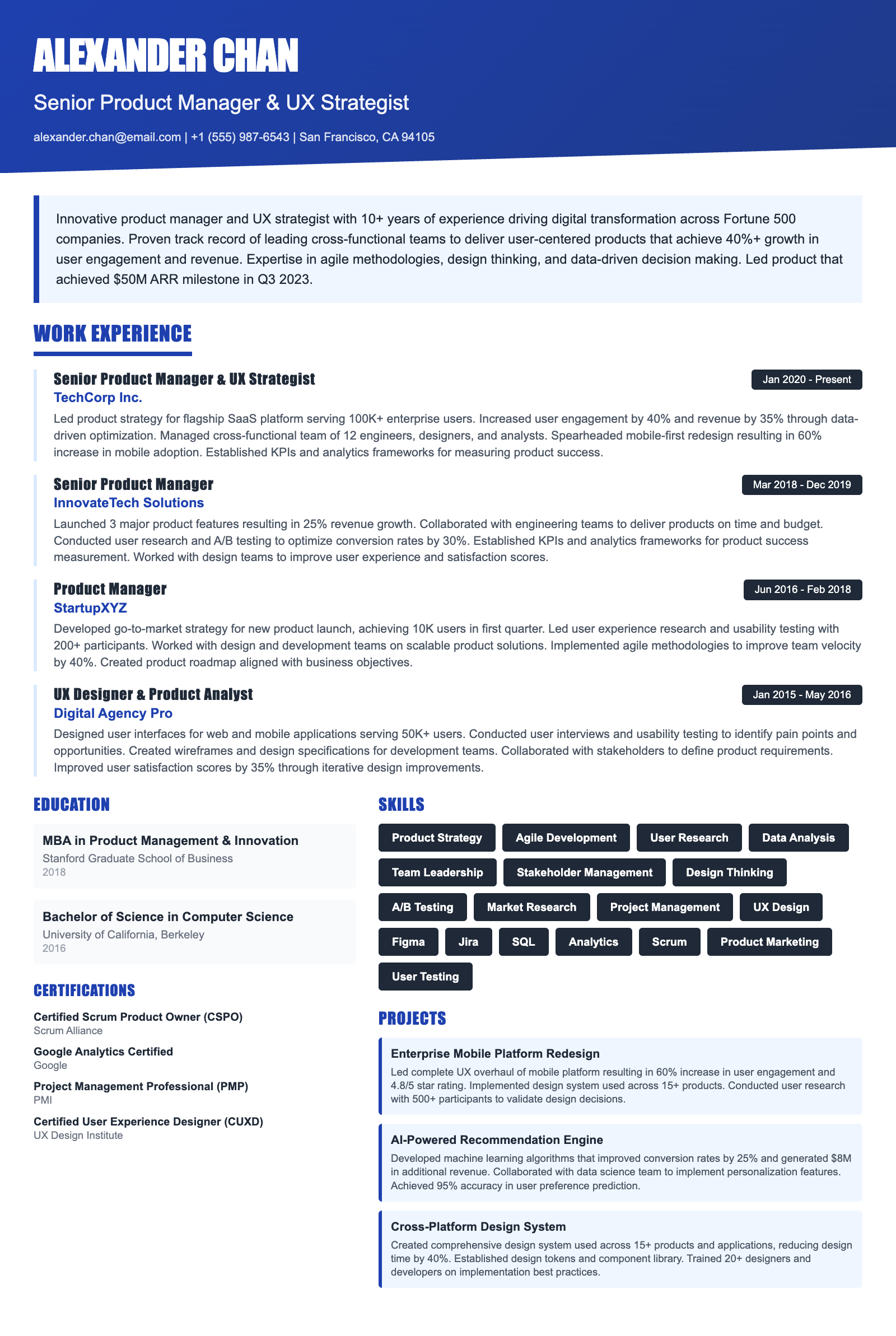
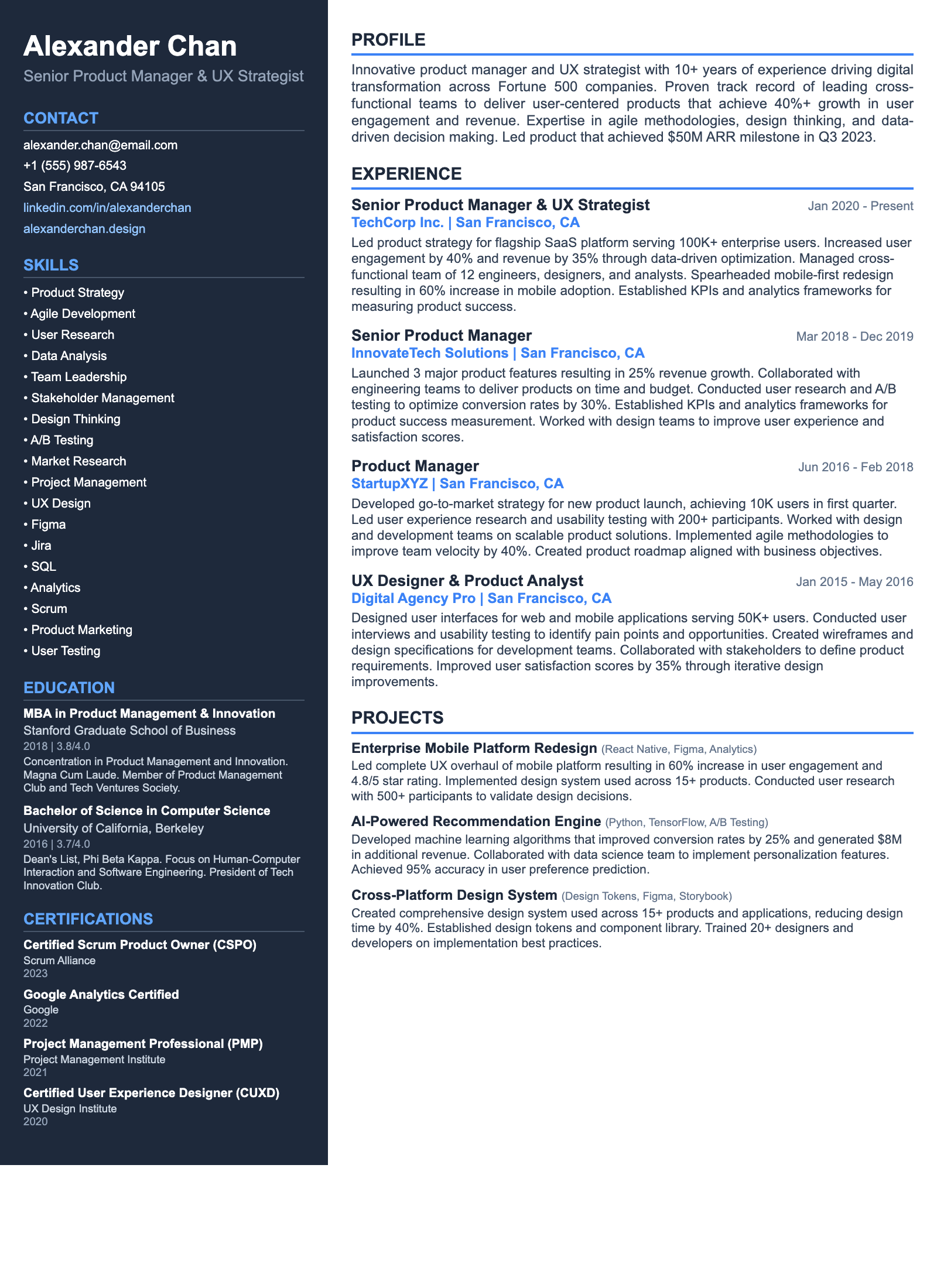
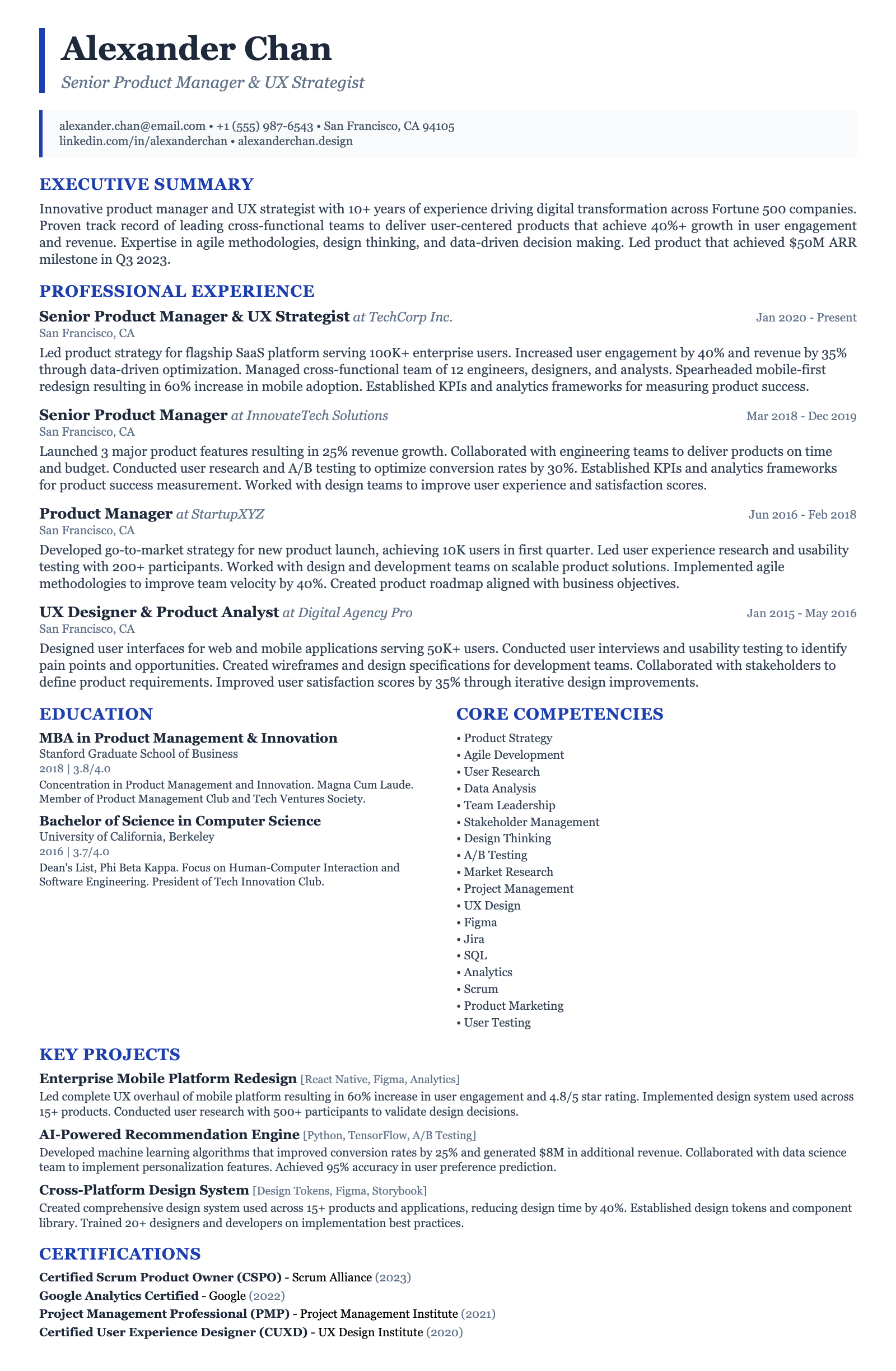
ATS-friendly templates designed specifically for Entry-Level Manufacturing Electrician positions in the US market.
Frequently Asked Questions

How long should my Entry-Level Manufacturing Electrician resume be?

As an entry-level candidate, your resume should ideally be one page. Hiring managers often quickly scan resumes, so prioritize the most relevant skills and experiences. Focus on showcasing your understanding of electrical systems, safety protocols, and hands-on skills acquired through internships, apprenticeships, or vocational training. Emphasize your proficiency with tools like multimeters and basic electrical wiring techniques.

What are the most important skills to highlight on my resume?

Highlight both technical and soft skills. Key technical skills include knowledge of electrical codes (NEC), experience with electrical testing equipment, and familiarity with Programmable Logic Controllers (PLCs). Soft skills such as communication, problem-solving, and teamwork are also crucial. Quantify your achievements whenever possible, showing how you applied these skills to improve efficiency or solve problems, for example, reducing downtime by a specific percentage.

How should I format my resume to pass through Applicant Tracking Systems (ATS)?

Use a clean, simple format with clear headings and bullet points. Avoid tables, graphics, and unusual fonts, as these can confuse ATS software. Incorporate relevant keywords from the job description throughout your resume, particularly in the skills and experience sections. Save your resume as a PDF, as this format preserves formatting while being generally ATS-compatible. Use standard section headings like 'Skills,' 'Experience,' and 'Education'.

What certifications should I include on my Entry-Level Manufacturing Electrician resume?

Include any relevant certifications you possess. An OSHA safety certification is highly valuable, demonstrating your commitment to workplace safety. If you've completed an Electrical Apprenticeship program, highlight this prominently. Also, include any certifications related to specific equipment or systems used in manufacturing, such as PLC programming or industrial automation.

What are some common mistakes to avoid on my resume?

Avoid generic statements and focus on specific accomplishments. Don't include irrelevant information, such as hobbies unrelated to the job. Proofread carefully to eliminate spelling and grammatical errors. Ensure your contact information is accurate and up-to-date. Failing to quantify your achievements or tailoring your resume to the specific job description are also common mistakes.

How can I transition into a Manufacturing Electrician role from a different field?

Highlight any transferable skills and relevant experiences. Emphasize your problem-solving abilities, technical aptitude, and willingness to learn. Obtain relevant certifications, such as an OSHA safety certification or a basic electrical certification, to demonstrate your commitment to the field. Consider taking courses or workshops to acquire the necessary technical skills. Tailor your resume to showcase how your previous experiences align with the requirements of a Manufacturing Electrician role, focusing on projects or tasks that involved electrical systems, maintenance, or troubleshooting.

Ready to Build Your Entry-Level Manufacturing Electrician Resume?

Use our AI-powered resume builder to create an ATS-optimized resume tailored for Entry-Level Manufacturing Electrician positions in the US market.

Complete Entry-Level Manufacturing Electrician Career Toolkit

Everything you need for your Entry-Level Manufacturing Electrician job search — all in one platform.

Why choose ResumeGyani over Zety or Resume.io?

The only platform with AI mock interviews + resume builder + job search + career coaching — all in one.

See comparison

Last updated: March 2026 · Content reviewed by certified resume writers · Optimized for US job market

Entry-Level Manufacturing Electrician Resume Guide (2026) | ATS-Optimized Template