
ATS-Optimized for US Market

Entry-Level Retail Business Analyst Career & Resume Guide

Crafting a compelling resume for an Entry-Level Retail Business Analyst role requires showcasing your analytical prowess and understanding of the retail landscape. Hiring managers seek candidates who can translate data into actionable insights, driving business decisions. Your resume should clearly demonstrate your proficiency in data analysis techniques, statistical software (like SPSS or R), and visualization tools (such as Tableau or Power BI). Highlight your ability to analyze sales data, customer behavior, and market trends to identify opportunities for improvement and growth. Key sections include a strong summary emphasizing your analytical skills, quantifiable achievements in previous roles (even if non-retail), and a detailed skills section listing both technical and soft skills. Frame your experience to align with the retail industry's specific needs. For example, instead of simply stating “Data Analysis,” specify “Sales Trend Analysis using SQL and Excel.” Stand out by including relevant projects, coursework, or internships that demonstrate your analytical capabilities and knowledge of retail metrics like inventory turnover, sales per square foot, and customer lifetime value. Quantify your accomplishments whenever possible, showcasing the impact of your analyses on business outcomes. Understand the competitive landscape and tailor your resume to showcase your understanding of modern retail analytical demands.
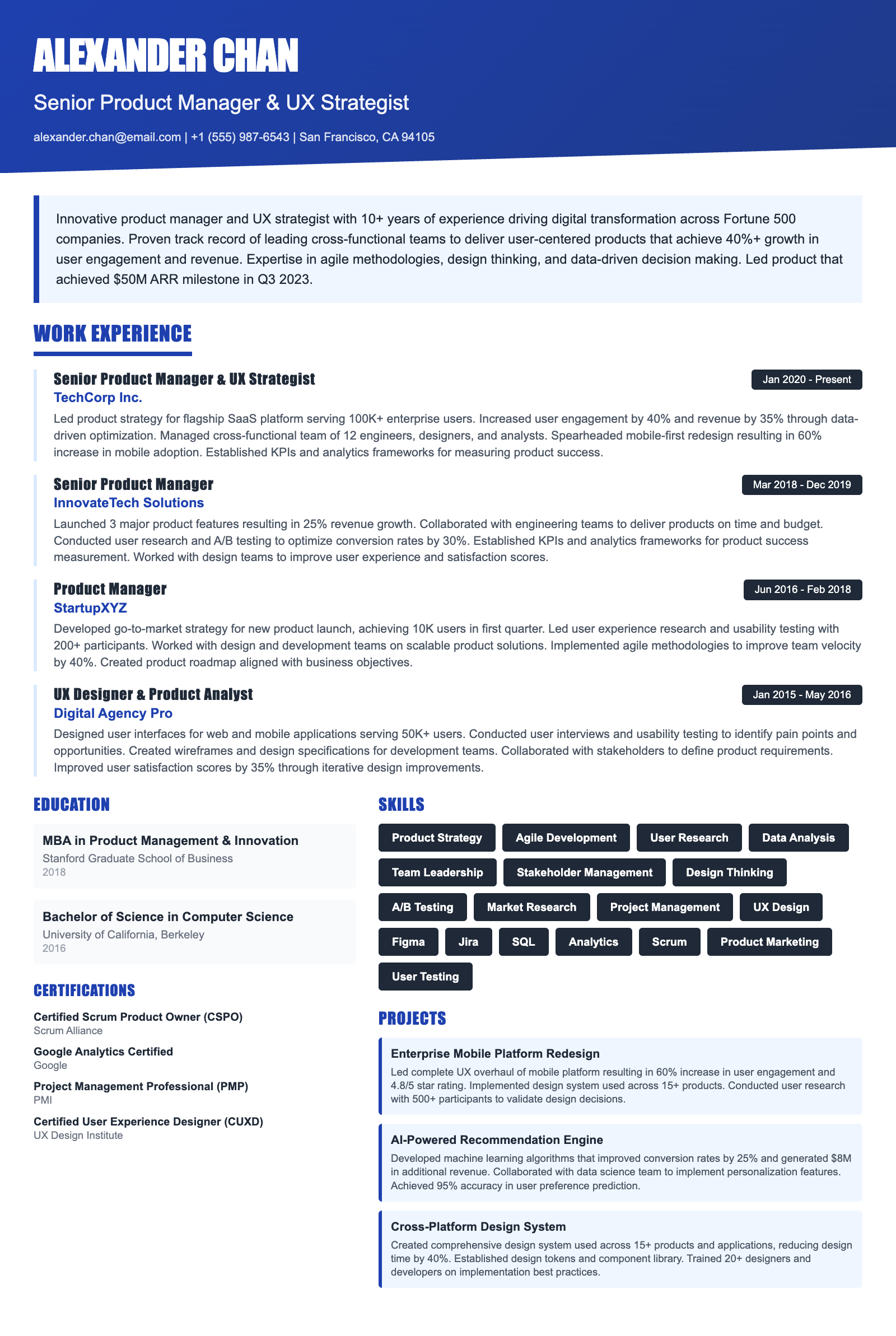
Average US Salary: $40k - $70k

Expert Tip: For Entry-Level Retail Business Analyst positions in the US, recruiters increasingly look for technical execution and adaptability over simple job duties. This guide is tailored to highlight these specific traits to ensure your resume stands out in the competitive Entry-Level Retail Business Analyst sector.

What US Hiring Managers Look For in a Entry-Level Retail Business Analyst Resume

When reviewing Entry-Level Retail Business Analyst candidates, recruiters and hiring managers in the US focus on a few critical areas. Making these elements clear and easy to find on your resume will improve your chances of moving to the interview stage.

  • Relevant experience and impact in Entry-Level Retail Business Analyst or closely related roles.
  • Clear, measurable achievements (metrics, scope, outcomes) rather than duties.
  • Skills and keywords that match the job description and ATS requirements.
  • Professional formatting and no spelling or grammar errors.
  • Consistency between your resume, LinkedIn, and application.
  • Proficiency in key areas such as Communication, Time Management, Industry-Standard Tools.

Essential Skills for Entry-Level Retail Business Analyst

Include these keywords in your resume to pass ATS screening and impress recruiters.

Must-Have Skills

  • CriticalCommunication
  • HighTime Management

Technical Skills

  • HighIndustry-Standard Tools
  • MediumData Analysis

Soft Skills

  • CriticalTeamwork
  • HighAdaptability
  • MediumLeadership

A Day in the Life

A Day in the Life of a Entry-Level Business Analyst

Your morning starts at 9 AM by checking emails and reviewing yesterday's tasks. As an Entry-Level Business Analyst in Retail, you spend the first hour in daily stand-ups, syncing with your team on handling core responsibilities, collaborating with cross-functional teams, and driving project success. From 10 AM to 1 PM, you focus on execution. In Retail, this involves learning standard operating procedures and applying your Business Analyst skills to real-world problems. Post-lunch (1-5 PM) is for deep work and collaboration. You might attend workshops or pair with senior members to understand the nuances of handling core responsibilities, collaborating with cross-functional teams, and driving project success within the company. Wrap up by 5:30 PM, documenting your progress. Retail professionals at this level prioritize learning and consistency to build a strong career foundation.

Career Progression Path

Level 1

Business Analyst I (Entry Level)

Level 2

Business Analyst II (Junior)

Level 3

Senior Business Analyst

Level 4

Lead Business Analyst

Level 5

Business Analyst Manager / Director

Interview Questions & Answers

Prepare for your Entry-Level Retail Business Analyst interview with these commonly asked questions.

Describe a time you used data analysis to solve a problem. What were the results?

Medium
Behavioral
Sample Answer
In a previous project, I analyzed customer purchase data to identify patterns in buying behavior. I noticed a significant drop in sales for a specific product line during the summer months. Using SQL and Excel, I segmented customers based on demographics and purchase history. I discovered that targeted marketing campaigns promoting seasonal discounts significantly increased sales, resulting in a 12% increase in revenue for that product line during the summer season. This demonstrated my ability to use data to identify and address business challenges.

How would you approach analyzing a sudden decline in sales for a specific product category?

Medium
Situational
Sample Answer
I would start by gathering data from various sources, including sales records, inventory levels, and marketing campaign performance. Using SQL and Excel, I would analyze the data to identify potential contributing factors, such as changes in pricing, competitor activity, or supply chain disruptions. I would also segment customers to see if the decline is concentrated in specific demographics. Finally, I would present my findings and recommendations to stakeholders, proposing solutions to address the issue, such as adjusting pricing, launching targeted marketing campaigns, or optimizing inventory levels.

Explain your experience with data visualization tools and how you've used them to communicate insights.

Medium
Technical
Sample Answer
I have extensive experience with Tableau and Power BI. In my previous role, I used Tableau to create interactive dashboards that tracked key performance indicators (KPIs) for our sales team. These dashboards allowed stakeholders to easily monitor sales performance, identify trends, and make data-driven decisions. I also used Power BI to create reports that summarized customer demographics and buying behavior, which helped our marketing team to target their campaigns more effectively. I believe that data visualization is essential for communicating complex insights in a clear and concise manner, enabling better decision-making.

Describe your experience with statistical analysis techniques and their application in a retail context.

Hard
Technical
Sample Answer
I am familiar with a variety of statistical analysis techniques, including regression analysis, hypothesis testing, and cluster analysis. I have used regression analysis to forecast sales based on historical data and external factors such as seasonality and promotional activities. I have also used hypothesis testing to evaluate the effectiveness of marketing campaigns. In a retail context, cluster analysis can be used to segment customers based on their buying behavior, allowing for more targeted marketing and product recommendations. I am proficient in using tools like R and Python to perform these analyses.

How do you stay up-to-date with the latest trends and technologies in retail analytics?

Easy
Behavioral
Sample Answer
I regularly read industry publications such as Retail Dive and Chain Store Age. I also follow thought leaders in the field on social media and attend industry conferences and webinars. I am particularly interested in the use of artificial intelligence and machine learning in retail analytics, and I am currently taking an online course on the topic. By staying informed about the latest trends and technologies, I can ensure that I am providing the most effective and innovative solutions to business challenges.

Imagine our inventory turnover is unusually low. Walk me through your process for determining the underlying issue.

Hard
Situational
Sample Answer
First, I'd verify the data's accuracy by cross-referencing it with our inventory management system and sales records. Then, I'd segment the inventory by product category, location, and supplier to pinpoint specific areas of concern. I'd analyze sales trends, pricing strategies, and promotional activities to identify potential causes for the slowdown. I'd also consider external factors like competitor actions and market trends. Using SQL and Tableau, I'd create visualizations to clearly communicate my findings and recommend data-driven solutions like targeted promotions, price adjustments, or inventory optimization strategies to improve turnover.

ATS Optimization Tips

Make sure your resume passes Applicant Tracking Systems used by US employers.

Incorporate keywords related to retail analytics, such as "Sales Forecasting," "Inventory Management," and "Customer Segmentation."
Use standard section headings like "Skills," "Experience," and "Education" for easy parsing by ATS systems.
Quantify your achievements with numbers and metrics to demonstrate the impact of your work, e.g., "Increased sales by 15% through data-driven insights."
List your skills using keywords that match the job description. Group similar skills together, such as "Data Analysis: SQL, Python, R."
Use a simple, chronological resume format for optimal parsing, and avoid tables or graphics.
Submit your resume as a PDF file unless the job posting specifically requests a different format.
Ensure your contact information is clearly visible at the top of your resume.
Tailor your resume to each specific job posting by adjusting keywords and highlighting relevant skills and experiences. Emphasize your experience with tools like Tableau or Power BI.

Common Resume Mistakes to Avoid

Don't make these errors that get resumes rejected.

1
Failing to quantify your accomplishments with specific data points and metrics.
2
Using generic language that doesn't demonstrate your understanding of the retail industry.
3
Neglecting to highlight your proficiency with industry-standard analytical tools like SQL, Excel, and Tableau.
4
Not tailoring your resume to each specific job description, resulting in a lack of relevant keywords.
5
Omitting relevant coursework, projects, or internships that demonstrate your analytical skills.
6
Failing to showcase your understanding of retail KPIs such as sales per square foot or inventory turnover.
7
Not proofreading carefully for grammatical errors and typos, which can create a negative impression.
8
Focusing solely on your responsibilities rather than your accomplishments and the impact you made.

Industry Outlook

The US Retail sector is experiencing steady growth. Entry-Level Business Analysts are particularly sought after, with the Bureau of Labor Statistics projecting average job growth through 2030. Peak hiring occurs in Q1 (January-March) and Q3 (August-September).

Top Hiring Companies

Industry LeadersRegional FirmsFast-Growing Companies

Recommended Resume Templates

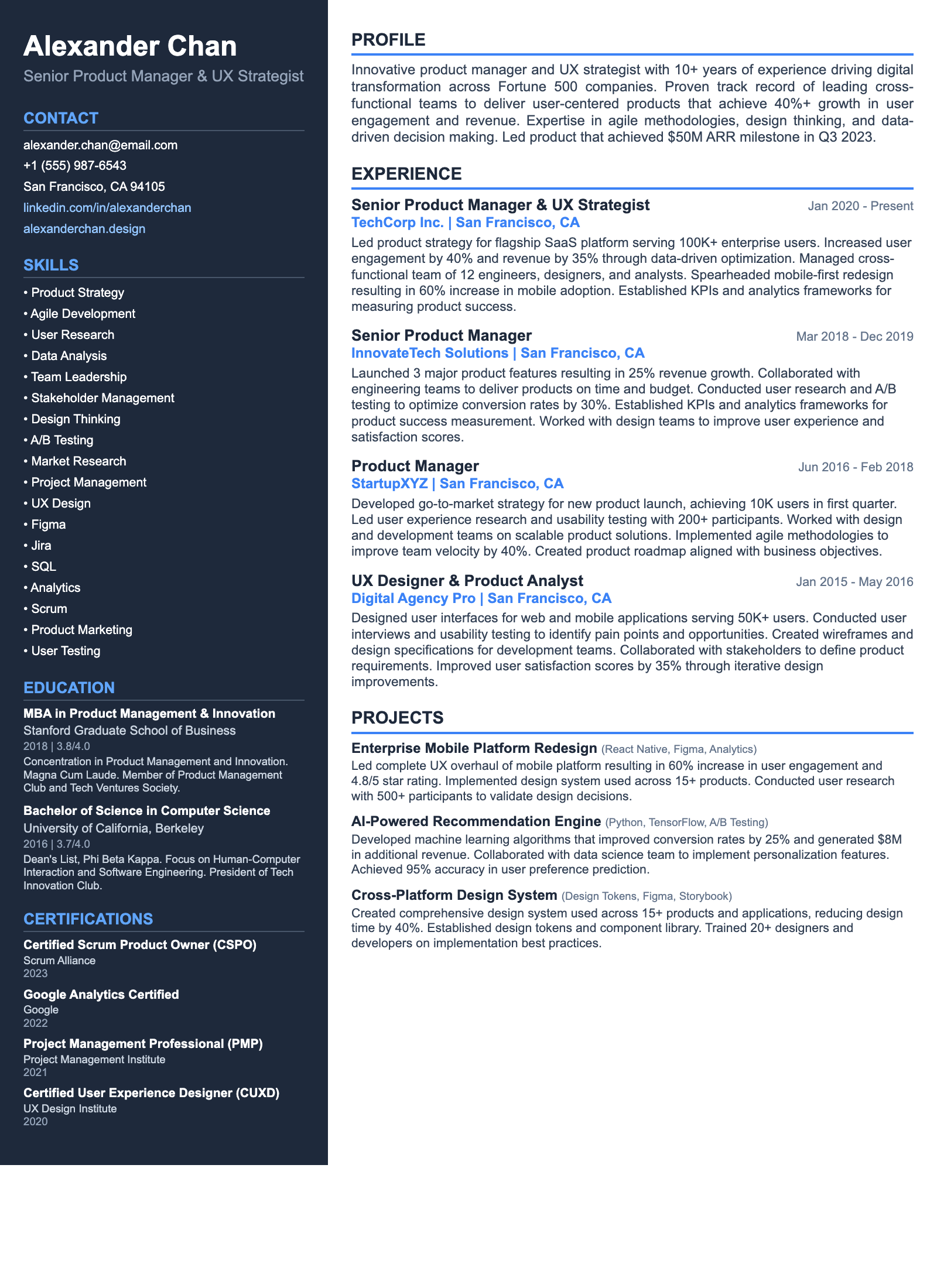
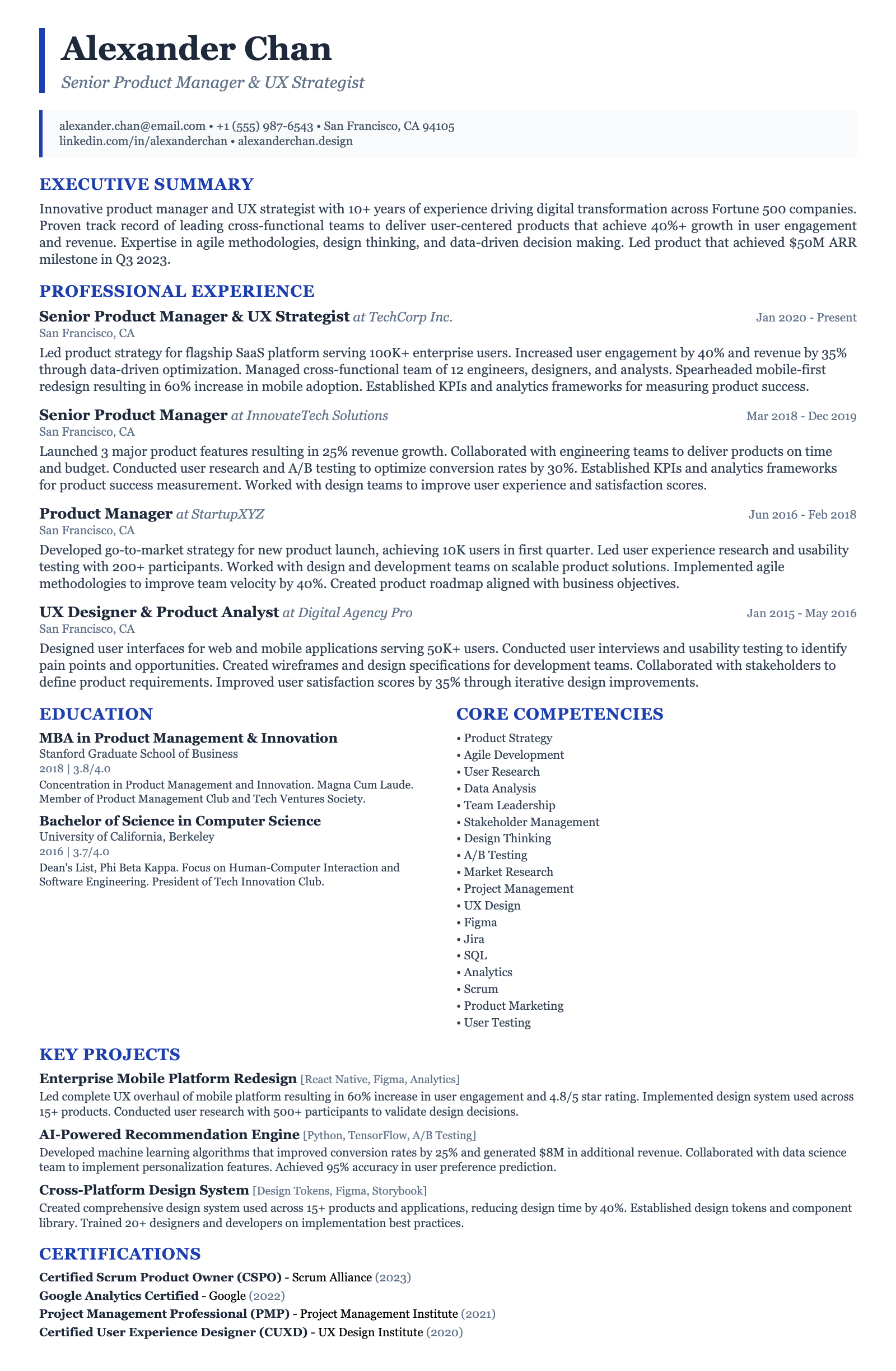
ATS-friendly templates designed specifically for Entry-Level Retail Business Analyst positions in the US market.
Frequently Asked Questions

What's the ideal length for an Entry-Level Retail Business Analyst resume?

For entry-level positions, a one-page resume is generally sufficient. Focus on highlighting the most relevant skills and experiences that align with the job description. Prioritize quantifiable achievements and relevant coursework. Use concise language and avoid unnecessary details. If you have significant project experience or relevant internships, you can strategically use the limited space to showcase your analytical skills using tools like Python for data modeling.

What are the most crucial skills to highlight on my resume?

Emphasize your data analysis skills, proficiency with industry-standard tools like SQL, Excel, and data visualization software (Tableau, Power BI). Showcase your communication and presentation skills, demonstrating your ability to convey complex data insights to non-technical stakeholders. Also, highlight your problem-solving abilities and your understanding of retail metrics. Mention experience with statistical analysis using R or Python.

How can I ensure my resume is ATS-friendly?

Use a clean, simple format with clear headings and bullet points. Avoid using tables, images, or unusual fonts. Incorporate relevant keywords from the job description throughout your resume, particularly in the skills and experience sections. Save your resume as a .doc or .pdf file, as specified in the application instructions. Ensure your skills match common Retail Analyst software like JDA or Blue Yonder.

Are certifications necessary for an Entry-Level Retail Business Analyst role?

While not always mandatory, certifications can enhance your resume. Consider certifications in data analysis, such as Microsoft Certified: Data Analyst Associate or certifications in specific software like Tableau or Power BI. Google Data Analytics Professional Certificate is also a good option. These certifications demonstrate your commitment to professional development and validate your skills.

What are some common resume mistakes to avoid?

Avoid generic language and focus on quantifiable achievements. Don't neglect to tailor your resume to each specific job description. Proofread carefully for grammatical errors and typos. Don't include irrelevant information or skills. Failing to highlight your knowledge of retail-specific KPIs (like sell-through rate or gross margin) is a significant oversight. Always quantify the impact you've made using analytical tools like Excel for forecasting.

How can I showcase my skills if I'm transitioning from a different career field?

Highlight transferable skills such as data analysis, problem-solving, and communication. Frame your previous experiences in terms of how they relate to the requirements of a Retail Business Analyst role. Complete relevant coursework or certifications to demonstrate your commitment to the field. Use a functional or combination resume format to emphasize your skills over your chronological work history. Mention projects where you've used analytical tools like SQL to solve business problems.

Ready to Build Your Entry-Level Retail Business Analyst Resume?

Use our AI-powered resume builder to create an ATS-optimized resume tailored for Entry-Level Retail Business Analyst positions in the US market.

Complete Entry-Level Retail Business Analyst Career Toolkit

Everything you need for your Entry-Level Retail Business Analyst job search — all in one platform.

Why choose ResumeGyani over Zety or Resume.io?

The only platform with AI mock interviews + resume builder + job search + career coaching — all in one.

See comparison

Last updated: March 2026 · Content reviewed by certified resume writers · Optimized for US job market

Entry-Level Retail Business Analyst Resume Guide (2026) | ATS-Optimized Template