
ATS-Optimized for US Market

Entry-Level Tech Network Engineer Career & Resume Guide

As an aspiring Entry-Level Tech Network Engineer in the US, your resume must showcase a foundational understanding of networking principles and hands-on technical skills. Hiring managers seek candidates who can demonstrate problem-solving abilities, a proactive learning attitude, and a capacity for teamwork within dynamic network environments. Your resume should emphasize core networking concepts such as TCP/IP, subnetting, routing protocols (e.g., OSPF, BGP), and network security principles. Highlight any experience with network monitoring tools like Wireshark, SolarWinds, or Nagios. Incorporate projects involving network configuration, troubleshooting, or optimization. Detail any exposure to cloud networking services from AWS, Azure, or GCP. Quantify your achievements whenever possible, using metrics like network uptime improvements, reduction in network latency, or successful implementation of security protocols. A well-structured resume includes a clear skills section, project descriptions detailing your role and contributions, and relevant certifications like CompTIA Network+, CCNA, or entry-level AWS/Azure cloud certifications. To stand out, customize your resume for each application, aligning your skills and experiences with the specific requirements outlined in the job description. Strong soft skills, such as communication, collaboration, and a demonstrated willingness to learn, are also crucial for succeeding in this role. Tailor your resume to demonstrate your understanding of current network technologies and your potential to contribute to a network engineering team.
Average US Salary: $56k - $105k

Expert Tip: For Entry-Level Tech Network Engineer positions in the US, recruiters increasingly look for technical execution and adaptability over simple job duties. This guide is tailored to highlight these specific traits to ensure your resume stands out in the competitive Entry-Level Tech Network Engineer sector.

What US Hiring Managers Look For in a Entry-Level Tech Network Engineer Resume

When reviewing Entry-Level Tech Network Engineer candidates, recruiters and hiring managers in the US focus on a few critical areas. Making these elements clear and easy to find on your resume will improve your chances of moving to the interview stage.

  • Relevant experience and impact in Entry-Level Tech Network Engineer or closely related roles.
  • Clear, measurable achievements (metrics, scope, outcomes) rather than duties.
  • Skills and keywords that match the job description and ATS requirements.
  • Professional formatting and no spelling or grammar errors.
  • Consistency between your resume, LinkedIn, and application.
  • Proficiency in key areas such as Problem Solving, Time Management, Programming/Cloud Services.

Essential Skills for Entry-Level Tech Network Engineer

Include these keywords in your resume to pass ATS screening and impress recruiters.

Must-Have Skills

  • CriticalProblem Solving
  • HighTime Management

Technical Skills

  • HighProgramming/Cloud Services
  • MediumData Analysis

Soft Skills

  • CriticalTeamwork
  • HighAdaptability
  • MediumLeadership

A Day in the Life

A Day in the Life of a Entry-Level Network Engineer

Your morning starts at 9 AM by checking emails and reviewing yesterday's tasks. As an Entry-Level Network Engineer in Tech, you spend the first hour in daily stand-ups, syncing with your team on handling core responsibilities, collaborating with cross-functional teams, and driving project success. From 10 AM to 1 PM, you focus on execution. In Tech, this involves learning standard operating procedures and applying your Network Engineer skills to real-world problems. Post-lunch (1-5 PM) is for deep work and collaboration. You might attend workshops or pair with senior members to understand the nuances of handling core responsibilities, collaborating with cross-functional teams, and driving project success within the company. Wrap up by 5:30 PM, documenting your progress. Tech professionals at this level prioritize learning and consistency to build a strong career foundation.

Career Progression Path

Level 1

Network Engineer I (Entry Level)

Level 2

Network Engineer II (Junior)

Level 3

Senior Network Engineer

Level 4

Lead Network Engineer

Level 5

Network Engineer Manager / Director

Interview Questions & Answers

Prepare for your Entry-Level Tech Network Engineer interview with these commonly asked questions.

Explain the difference between TCP and UDP, and when you would choose one over the other.

Medium
Technical
Sample Answer
TCP (Transmission Control Protocol) is a connection-oriented protocol that provides reliable, ordered, and error-checked delivery of data. It's suitable for applications requiring high reliability, like web browsing or email. UDP (User Datagram Protocol) is a connectionless protocol that offers faster, but less reliable, data transmission. It's ideal for applications where speed is more important than guaranteed delivery, such as streaming video or online gaming. I would choose TCP when data integrity is paramount and UDP when speed is the priority.

Describe a time you had to troubleshoot a network issue. What steps did you take to identify and resolve the problem?

Medium
Behavioral
Sample Answer
In a lab setting, I encountered an issue where several devices couldn't access the internet. I started by checking the physical connections and ensuring all devices were powered on. Next, I used `ping` and `traceroute` to identify where the connection was failing. I discovered that the default gateway was misconfigured on the router. I corrected the gateway address, and the devices were able to connect to the internet. This experience taught me the importance of systematic troubleshooting and verifying configurations.

How do you stay up-to-date with the latest trends and technologies in networking?

Easy
Behavioral
Sample Answer
I actively follow industry blogs, such as those from Cisco, Juniper, and Arista, to stay informed about new products and technologies. I also participate in online forums and communities, like Reddit's r/networking, to learn from other professionals and share my knowledge. Additionally, I pursue relevant certifications, such as CCNA and AWS Certified Cloud Practitioner, to deepen my understanding of specific areas. I also dedicate time each week to reading technical documentation and experimenting with new tools in my home lab.

Imagine a user reports slow internet speeds. What are the first three things you would check to diagnose the issue?

Medium
Situational
Sample Answer
First, I would check the user's device to ensure it's properly connected to the network, either via Wi-Fi or Ethernet. Next, I'd run a speed test on the user's device to determine if the issue is localized to their machine or a broader network problem. Finally, I would check the router's CPU and memory utilization using tools like SolarWinds to see if the router is overloaded, which could be causing the slowdown.

Explain the purpose of a VLAN and how it can improve network performance.

Hard
Technical
Sample Answer
A VLAN (Virtual Local Area Network) is a logical grouping of network devices that allows them to communicate as if they were on the same physical network segment, regardless of their physical location. VLANs improve network performance by reducing broadcast traffic and improving security by isolating network segments. For example, a company could create separate VLANs for its sales and engineering departments, limiting broadcast traffic within each VLAN and preventing unauthorized access between departments. This isolation enhances both performance and security.

Describe a time you had to work with a team to complete a networking project. What was your role, and how did you contribute to the team's success?

Medium
Behavioral
Sample Answer
During a college project, our team was tasked with designing and implementing a network for a small business. My role was to configure the routers and switches, ensuring proper routing and VLAN segmentation. I collaborated with other team members to define the network topology and address ranges. I also created detailed documentation of the network configuration, which helped the team troubleshoot issues efficiently. By working together and communicating effectively, we successfully completed the project on time and within budget.

ATS Optimization Tips

Make sure your resume passes Applicant Tracking Systems used by US employers.

Incorporate industry-standard acronyms and keywords such as TCP/IP, DNS, DHCP, VLAN, VPN, and OSI model naturally within your descriptions to match common ATS search queries.
Create a dedicated 'Skills' section and categorize skills into sub-sections like 'Networking Protocols,' 'Operating Systems,' 'Cloud Services,' and 'Security' for better ATS parsing.
Use a chronological or functional resume format to highlight your skills and experience in a way that is easily processed by ATS; avoid overly creative formats.
Optimize your resume's file name by including relevant keywords such as 'Network Engineer Resume,' your name, and the date.
List certifications (e.g., CompTIA Network+, CCNA) using their full, official names, as ATS systems often scan for these credentials.
Quantify your accomplishments with metrics whenever possible (e.g., 'Reduced network latency by 15%,' 'Configured and maintained 20+ Cisco routers') to demonstrate the impact of your work.
Include a 'Projects' section to showcase hands-on experience with network configuration, troubleshooting, or security implementation, even if these were personal or academic projects.
Tailor your resume to each specific job description by incorporating keywords and skills mentioned in the posting, demonstrating your relevance to the role.

Common Resume Mistakes to Avoid

Don't make these errors that get resumes rejected.

1
Listing generic skills without providing specific examples of how you've applied them in a networking context.
2
Failing to highlight hands-on experience with network configuration, troubleshooting, or security implementation.
3
Not including relevant certifications such as CompTIA Network+, CCNA, or entry-level cloud certifications.
4
Omitting quantifiable achievements or metrics that demonstrate the impact of your work on network performance or security.
5
Using overly technical jargon without providing context or explanation for non-technical recruiters.
6
Neglecting to tailor your resume to the specific requirements outlined in the job description.
7
Not proofreading your resume carefully for typos, grammatical errors, and inconsistencies in formatting.
8
Failing to showcase your understanding of current network technologies and trends, such as cloud networking, SDN, or network automation.

Industry Outlook

The US Tech sector is experiencing rapid growth with 8% YoY expansion. Entry-Level Network Engineers are particularly sought after, with the Bureau of Labor Statistics projecting above-average job growth through 2030. Peak hiring occurs in Q1 (January-March) and Q3 (August-September).

Top Hiring Companies

GoogleAmazonMicrosoftMetaStartups

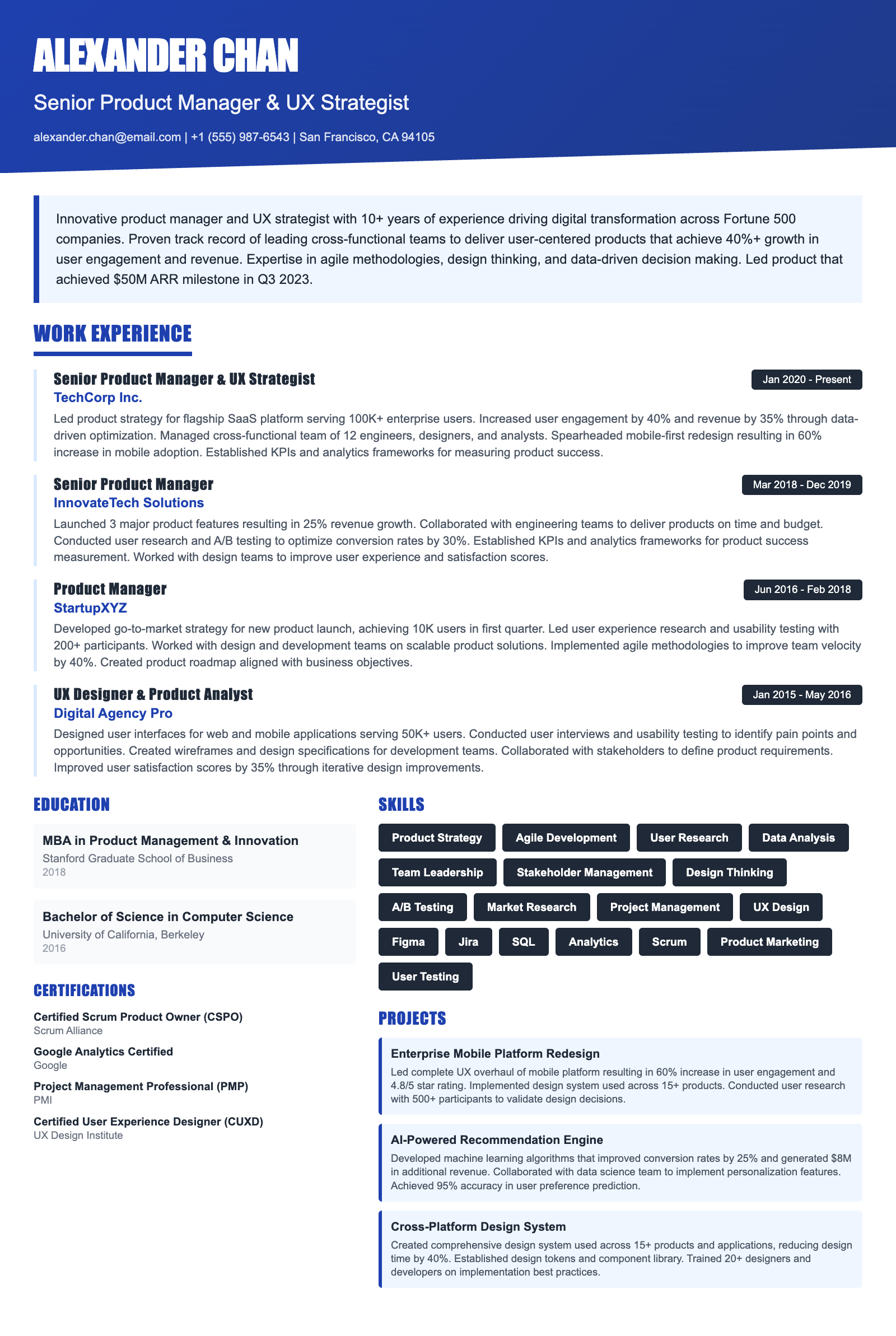
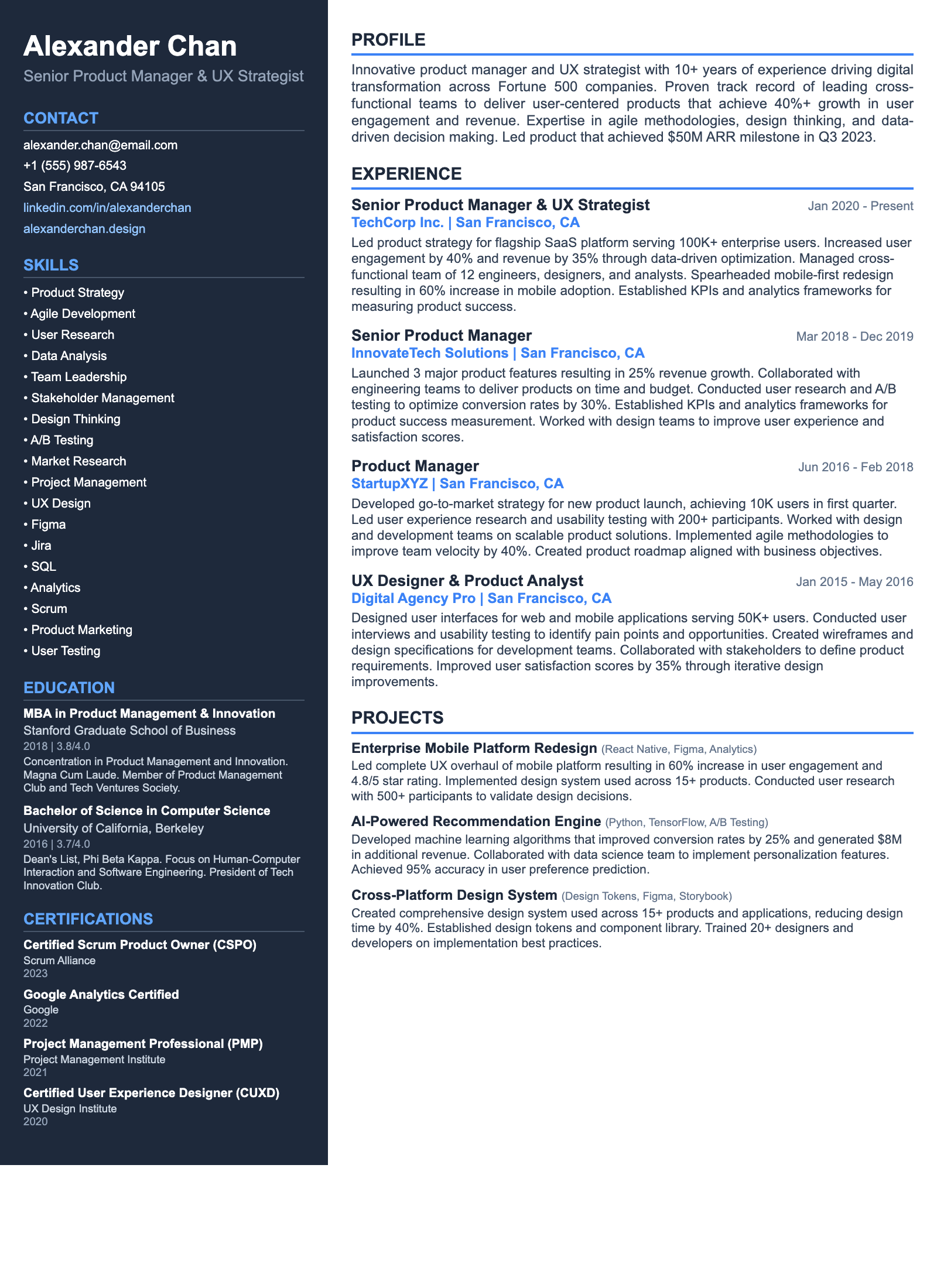
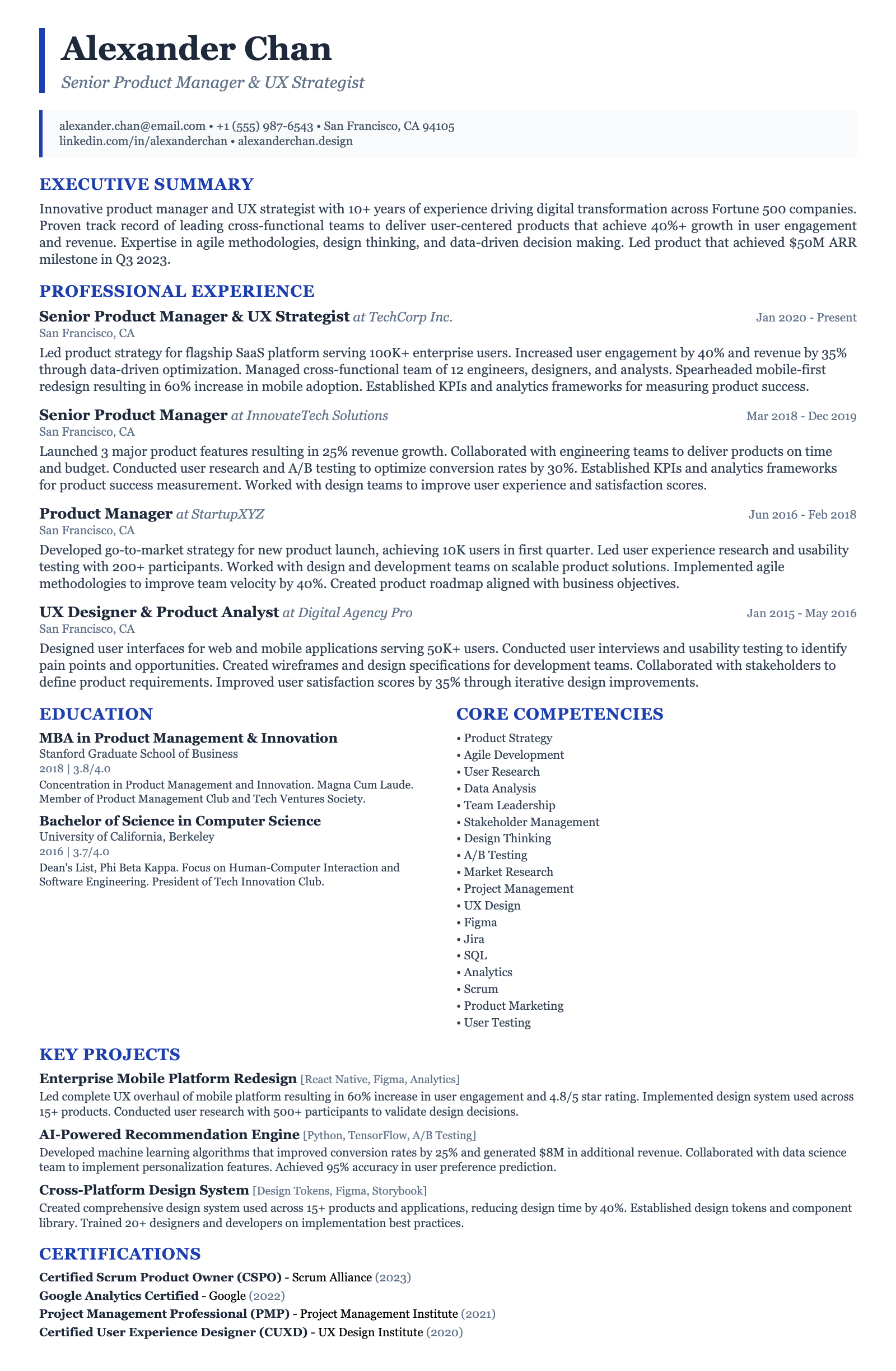
Recommended Resume Templates

ATS-friendly templates designed specifically for Entry-Level Tech Network Engineer positions in the US market.
Frequently Asked Questions

What is the ideal length for an Entry-Level Tech Network Engineer resume?

For an entry-level role, aim for a one-page resume. Hiring managers typically prefer concise and focused resumes. Prioritize the most relevant skills, projects, and experiences that demonstrate your understanding of networking concepts, such as TCP/IP, subnetting, and routing. Highlight any hands-on experience with network monitoring tools like Wireshark or configuration management tools like Ansible.

What are the most important skills to highlight on my resume?

Prioritize technical skills relevant to networking, such as proficiency in TCP/IP, routing protocols (e.g., OSPF, BGP), network security (firewalls, intrusion detection), and network troubleshooting. Cloud networking experience with AWS, Azure, or GCP is highly valuable. Also, emphasize soft skills like problem-solving, teamwork, and communication. Mention specific tools you've used, like Cisco IOS, Juniper Junos, or network monitoring software like SolarWinds.

How can I ensure my resume is ATS-friendly?

Use a simple, clean format with clear headings and bullet points. Avoid using tables, images, or unusual fonts that can confuse ATS systems. Incorporate relevant keywords from the job description throughout your resume, especially in the skills and experience sections. Save your resume as a .doc or .pdf file. Ensure your contact information is easily readable. Use standard section headings like 'Skills,' 'Experience,' and 'Education.'

Are certifications important for an Entry-Level Tech Network Engineer resume?

Yes, certifications can significantly enhance your resume. CompTIA Network+, CCNA (Cisco Certified Network Associate), and entry-level cloud certifications (e.g., AWS Certified Cloud Practitioner, Azure Fundamentals) demonstrate your knowledge and commitment to the field. List certifications prominently in a dedicated section or within your skills section. Highlight any projects or experiences where you applied the knowledge gained from these certifications.

What are some common resume mistakes to avoid?

Avoid generic resumes that aren't tailored to the specific job description. Don't omit quantifiable achievements or results from your project descriptions. Refrain from using overly technical jargon without providing context. Proofread carefully to eliminate typos and grammatical errors. Don't exaggerate your skills or experience. Avoid listing irrelevant hobbies or interests.

How should I address a career transition into network engineering on my resume?

If transitioning from a different field, emphasize transferable skills like problem-solving, analytical thinking, and technical aptitude. Highlight any relevant coursework, certifications, or personal projects that demonstrate your interest and knowledge in networking. Focus on how your past experiences align with the requirements of the Entry-Level Tech Network Engineer role. For example, if you were in customer service, highlight how you resolved technical issues for clients.

Ready to Build Your Entry-Level Tech Network Engineer Resume?

Use our AI-powered resume builder to create an ATS-optimized resume tailored for Entry-Level Tech Network Engineer positions in the US market.

Complete Entry-Level Tech Network Engineer Career Toolkit

Everything you need for your Entry-Level Tech Network Engineer job search — all in one platform.

Why choose ResumeGyani over Zety or Resume.io?

The only platform with AI mock interviews + resume builder + job search + career coaching — all in one.

See comparison

Last updated: March 2026 · Content reviewed by certified resume writers · Optimized for US job market

Entry-Level Tech Network Engineer Resume Guide (2026) | ATS-Optimized Template