
ATS-Optimized for US Market

Junior Construction HR Generalist Career & Resume Guide

As a Junior Construction HR Generalist, your resume needs to demonstrate a clear understanding of the construction industry's unique HR challenges and opportunities. Hiring managers seek candidates who possess a solid foundation in HR principles, coupled with the adaptability to thrive in a fast-paced, often demanding environment. Your resume should highlight your experience in recruitment, onboarding, employee relations, and compliance specific to the construction sector. Key sections include a compelling summary showcasing your understanding of HR best practices within construction, quantifiable achievements in previous roles (e.g., reduced employee turnover by X%, successfully onboarded Y number of employees), and a skills section demonstrating proficiency in HRIS systems like BambooHR or Paycom, project management software such as Procore, and data analysis tools like Excel. Emphasize your ability to navigate the complexities of union environments, safety regulations (OSHA), and prevailing wage laws. Showcase your communication skills through examples of conflict resolution, training delivery, or policy implementation. To stand out, consider including relevant certifications like SHRM-CP or a construction-specific safety certification. Frame your experience to illustrate how you've directly contributed to improved employee satisfaction, reduced risk, or increased operational efficiency within a construction setting. Tailor your resume to each specific job application, ensuring you highlight the skills and experiences most relevant to the role and the company's needs.
Average US Salary: $50k - $85k

Expert Tip: For Junior Construction HR Generalist positions in the US, recruiters increasingly look for technical execution and adaptability over simple job duties. This guide is tailored to highlight these specific traits to ensure your resume stands out in the competitive Junior Construction HR Generalist sector.

What US Hiring Managers Look For in a Junior Construction HR Generalist Resume

When reviewing Junior Construction HR Generalist candidates, recruiters and hiring managers in the US focus on a few critical areas. Making these elements clear and easy to find on your resume will improve your chances of moving to the interview stage.

  • Relevant experience and impact in Junior Construction HR Generalist or closely related roles.
  • Clear, measurable achievements (metrics, scope, outcomes) rather than duties.
  • Skills and keywords that match the job description and ATS requirements.
  • Professional formatting and no spelling or grammar errors.
  • Consistency between your resume, LinkedIn, and application.
  • Proficiency in key areas such as Communication, Time Management, Industry-Standard Tools.

Essential Skills for Junior Construction HR Generalist

Include these keywords in your resume to pass ATS screening and impress recruiters.

Must-Have Skills

  • CriticalCommunication
  • HighTime Management

Technical Skills

  • HighIndustry-Standard Tools
  • MediumData Analysis

Soft Skills

  • CriticalTeamwork
  • HighAdaptability
  • MediumLeadership

A Day in the Life

A Day in the Life of a Junior HR Generalist

Your morning starts at 9 AM by checking emails and reviewing yesterday's tasks. As an Junior HR Generalist in Construction, you spend the first hour in daily stand-ups, syncing with your team on handling core responsibilities, collaborating with cross-functional teams, and driving project success. From 10 AM to 1 PM, you focus on execution. In Construction, this involves learning standard operating procedures and applying your HR Generalist skills to real-world problems. Post-lunch (1-5 PM) is for deep work and collaboration. You might attend workshops or pair with senior members to understand the nuances of handling core responsibilities, collaborating with cross-functional teams, and driving project success within the company. Wrap up by 5:30 PM, documenting your progress. Construction professionals at this level prioritize learning and consistency to build a strong career foundation.

Career Progression Path

Level 1

HR Generalist I (Entry Level)

Level 2

HR Generalist II (Junior)

Level 3

Senior HR Generalist

Level 4

Lead HR Generalist

Level 5

HR Generalist Manager / Director

Interview Questions & Answers

Prepare for your Junior Construction HR Generalist interview with these commonly asked questions.

Describe your experience with employee relations in a construction environment. How have you handled conflict resolution?

Medium
Behavioral
Sample Answer
In my previous role, I encountered several employee relation issues specific to construction sites. For example, I mediated a dispute between two team members regarding project responsibilities. I facilitated a meeting, allowing each person to share their perspective. I then worked with them to establish clear roles and responsibilities, fostering a more collaborative environment. The key is understanding the pressures of the worksite and facilitating open, respectful communication. I also understand documentation for HR is key.

How familiar are you with OSHA regulations and how do you ensure compliance within a construction setting?

Medium
Technical
Sample Answer
I have a solid understanding of OSHA regulations and their importance in maintaining a safe construction environment. I've previously assisted in developing and implementing safety training programs, conducted site inspections to identify potential hazards, and ensured that all employees have the necessary safety equipment and training. I also understand the importance of documenting all safety-related incidents and implementing corrective actions to prevent future occurrences. This is crucial for mitigating risk and protecting employees.

Imagine you need to quickly onboard 20 new field workers for a large project. Describe your strategy.

Hard
Situational
Sample Answer
My strategy would involve a phased approach. First, I'd pre-screen candidates to ensure they meet the basic requirements. Then, I'd schedule a group onboarding session to cover company policies, safety procedures (including OSHA guidelines), and project-specific information. I would leverage technology such as online portals for paperwork and training modules to increase efficiency. Crucially, I'd assign mentors to each new employee for ongoing support and guidance. Following up is key to ensure engagement.

How do you stay up-to-date with changes in labor laws and HR best practices relevant to the construction industry?

Easy
Behavioral
Sample Answer
I regularly read industry publications, attend webinars and conferences, and participate in professional organizations like SHRM and construction-specific HR groups. I also subscribe to legal updates and consult with legal counsel when necessary. I actively seek out opportunities to expand my knowledge and ensure that my HR practices are compliant with the latest regulations. Staying informed is critical for mitigating risk and maintaining a fair and equitable workplace.

Describe a time when you had to navigate a complex employee relations issue related to union negotiations.

Hard
Behavioral
Sample Answer
In my previous role, during union contract negotiations, a disagreement arose regarding overtime pay for certain project roles. I worked with the union representatives and management to understand their respective concerns. I facilitated open communication and helped to find a compromise that addressed both parties' needs while adhering to the collective bargaining agreement. This involved researching industry standards and legal precedents to ensure a fair and equitable resolution.

How would you handle a situation where an employee consistently violates safety protocols on a construction site?

Medium
Situational
Sample Answer
My first step would be to document all instances of the safety violation. Next, I would have a private conversation with the employee to understand the reasons behind their actions. I would reiterate the importance of following safety protocols and explain the potential consequences of non-compliance. Depending on the severity and frequency of the violations, I would implement a progressive disciplinary action plan, which may include verbal warnings, written warnings, suspension, or termination. Safety is paramount.

ATS Optimization Tips

Make sure your resume passes Applicant Tracking Systems used by US employers.

Incorporate specific construction HR keywords like 'OSHA compliance,' 'Davis-Bacon Act,' 'union negotiations,' 'employee safety,' and 'risk management' throughout your resume.
Use a chronological or functional-hybrid resume format to showcase your most relevant skills and experience prominently, as ATS systems often struggle with purely functional formats.
Quantify your accomplishments whenever possible; for instance, 'Reduced employee turnover by 15% through targeted retention initiatives' is more impactful for ATS than simply stating 'Improved employee retention.'
Use standard section headings like 'Experience,' 'Education,' 'Skills,' and 'Certifications' to help the ATS parse your resume correctly; avoid creative or unusual headings.
Optimize your resume for readability by using a clear and consistent font (e.g., Arial, Calibri, Times New Roman) and avoid excessive formatting or graphics that can confuse the ATS.
Ensure your contact information is easily parsable by the ATS; include your full name, phone number, email address, and LinkedIn profile URL in a clear and consistent format.
Tailor your resume to each job posting by including the exact keywords and skills mentioned in the job description; many ATS systems rank candidates based on keyword match.
Save your resume as a .doc or .pdf file, as specified in the job posting; these formats are generally well-supported by ATS systems, and PDF helps retain formatting.

Common Resume Mistakes to Avoid

Don't make these errors that get resumes rejected.

1
Failing to highlight experience with construction-specific labor laws, such as the Davis-Bacon Act, demonstrating a lack of industry knowledge.
2
Omitting experience with union negotiations or labor relations, a crucial aspect of HR in many construction companies.
3
Not mentioning familiarity with OSHA regulations and safety compliance, a critical responsibility for HR in construction.
4
Using generic HR resume templates that don't showcase your understanding of the unique challenges of the construction industry.
5
Neglecting to quantify your achievements, such as reducing time-to-hire or improving employee retention rates, weakening the impact of your resume.
6
Listing irrelevant skills or experiences that don't align with the requirements of a Junior Construction HR Generalist role.
7
Ignoring the specific software and tools used in the construction industry, such as Procore or Viewpoint, indicating a lack of familiarity.
8
Overlooking the importance of a strong summary statement that highlights your understanding of HR best practices within the construction sector.

Industry Outlook

The US Construction sector is experiencing steady growth. Junior HR Generalists are particularly sought after, with the Bureau of Labor Statistics projecting average job growth through 2030. Peak hiring occurs in Q1 (January-March) and Q3 (August-September).

Top Hiring Companies

Industry LeadersRegional FirmsFast-Growing Companies

Recommended Resume Templates

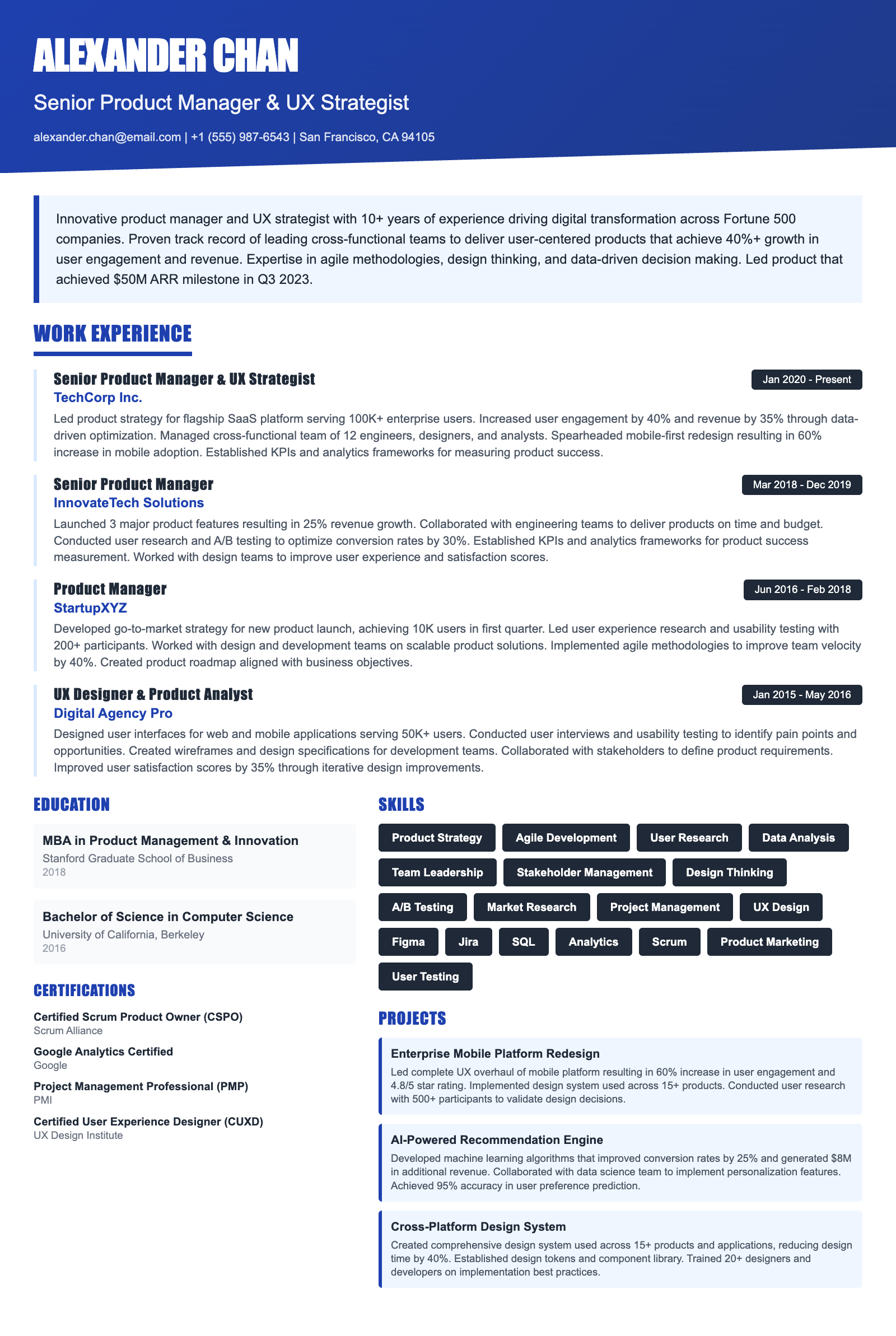
ATS-friendly templates designed specifically for Junior Construction HR Generalist positions in the US market.
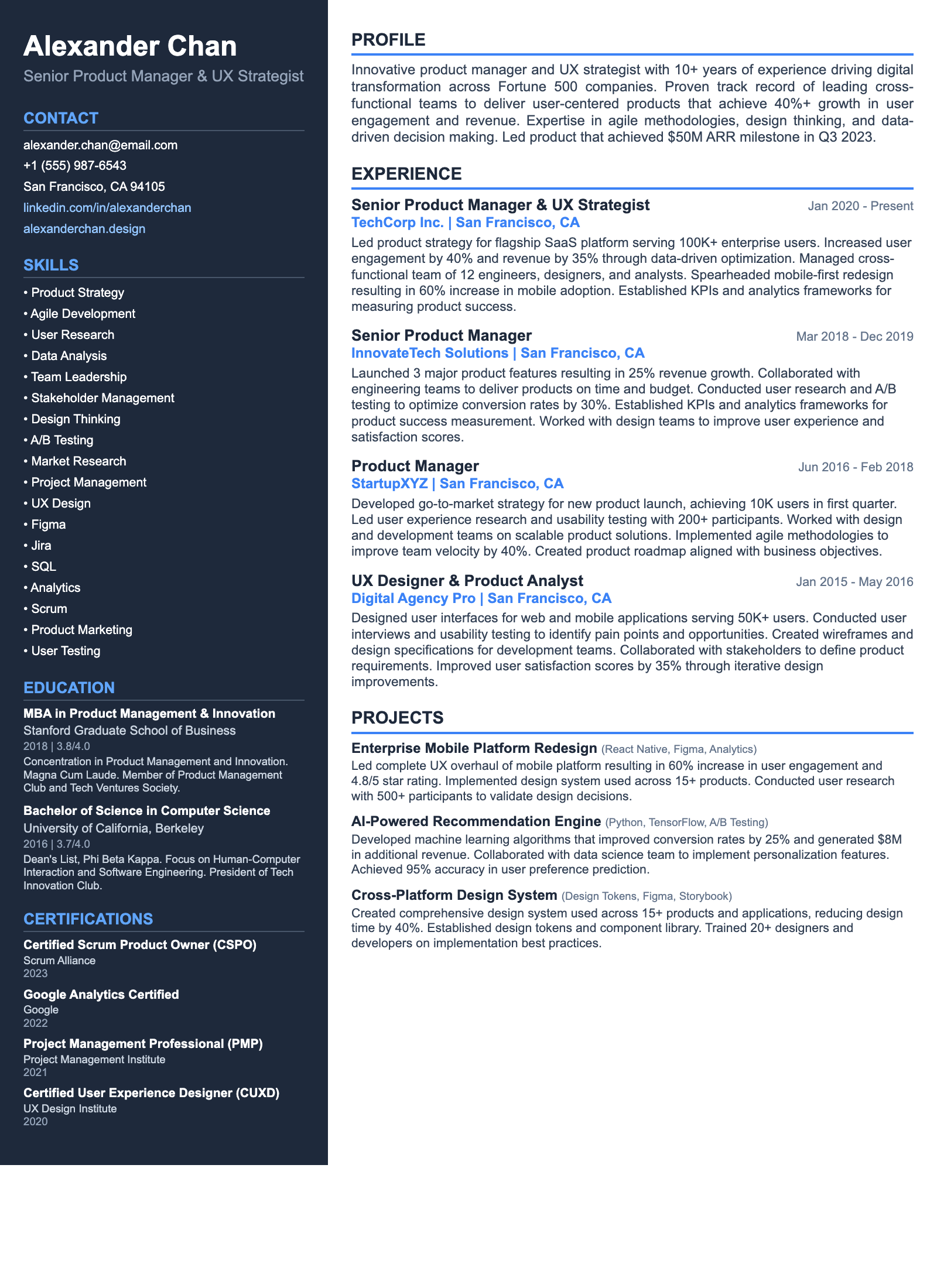
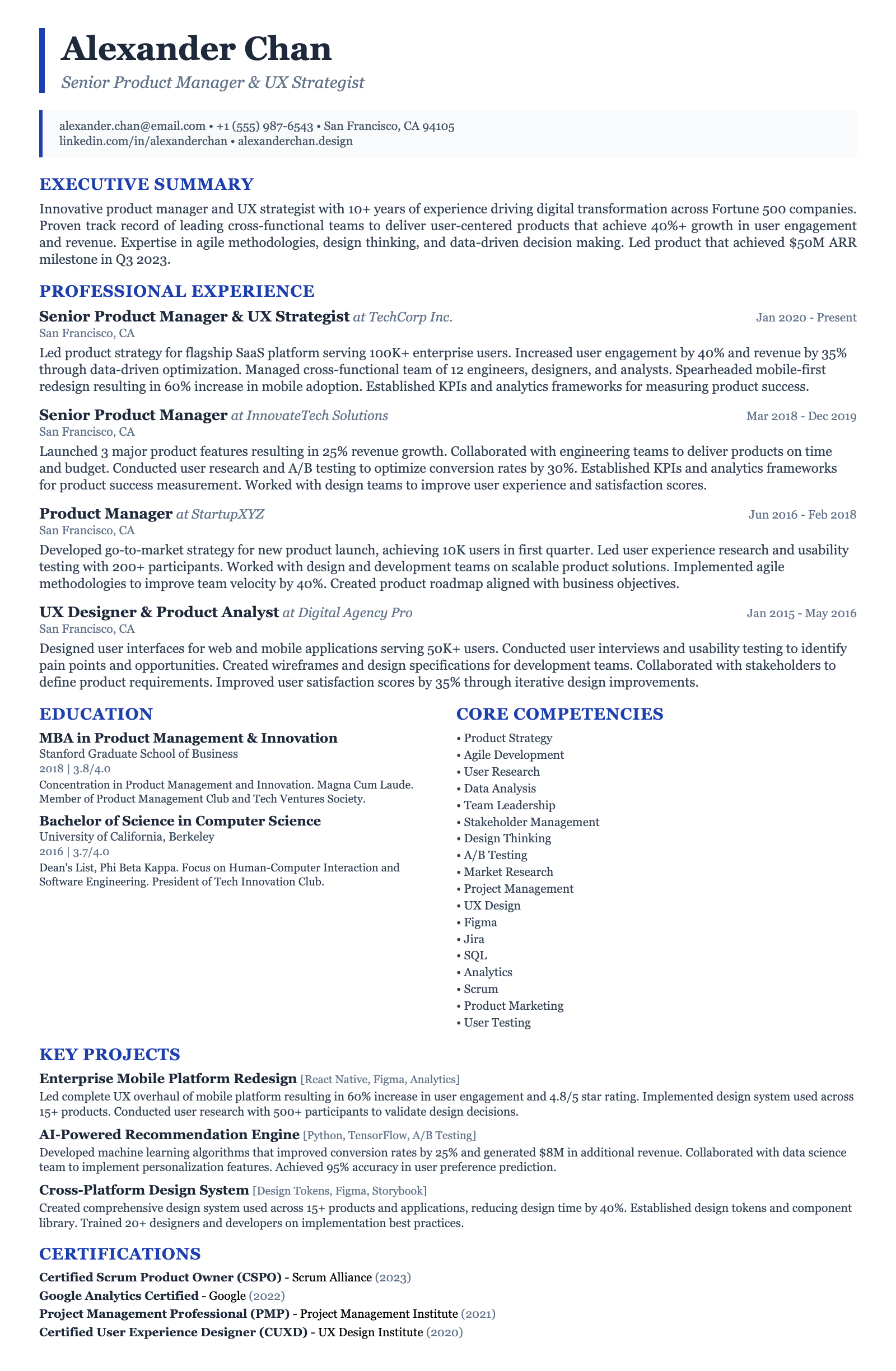
Frequently Asked Questions

How long should my Junior Construction HR Generalist resume be?

Ideally, your resume should be one page, especially if you have less than five years of experience. Given your role as a Junior HR Generalist, focus on concisely highlighting your most relevant skills and accomplishments. Prioritize the information that directly relates to the construction industry and the specific requirements of the job description. A well-structured, one-page resume demonstrates your ability to prioritize and communicate effectively, key skills in HR.

What are the most important skills to highlight on my resume?

Beyond general HR skills, emphasize industry-specific knowledge. Crucial skills include familiarity with construction labor laws (Davis-Bacon Act), experience with union negotiations, knowledge of OSHA regulations, and proficiency in construction-related HR software (e.g., Procore HR, Viewpoint). Also, highlight your ability to manage onboarding for field personnel and address common HR issues in a construction environment, such as safety compliance and conflict resolution.

How can I optimize my resume for Applicant Tracking Systems (ATS)?

Use keywords directly from the job description, especially those related to construction HR, compliance, and specific software. Ensure your resume is formatted in a simple, ATS-friendly format (e.g., avoid tables, graphics, and unusual fonts). Use standard section headings like "Skills," "Experience," and "Education." Submit your resume as a .doc or .pdf file, as specified in the job posting. Tools like Jobscan can help you analyze your resume against a specific job description.

Are certifications important for a Junior Construction HR Generalist resume?

Yes, certifications can significantly enhance your credibility. Consider obtaining a SHRM-CP or HRCI-PHR certification. Construction-specific safety certifications, such as OSHA 30-Hour, can also be valuable, demonstrating your understanding of the industry's safety regulations. Mention these certifications prominently in your resume, ideally near the top in a dedicated "Certifications" section.

What are some common resume mistakes to avoid?

Avoid generic HR resume templates that don't reflect the construction industry. Don't neglect to quantify your achievements (e.g., reduced time-to-hire by X days). Refrain from using jargon unfamiliar to construction professionals. Failing to demonstrate knowledge of construction-specific HR challenges and regulations is a critical error. Ensure your resume is free of grammatical errors and typos.

How should I handle a career transition into Construction HR?

If transitioning from general HR or another industry, highlight transferable skills relevant to construction. Emphasize any experience with compliance, safety, or labor relations. Consider taking courses or certifications related to construction management or safety to demonstrate your commitment to the industry. Tailor your resume to showcase your adaptability and willingness to learn the nuances of construction HR.

Ready to Build Your Junior Construction HR Generalist Resume?

Use our AI-powered resume builder to create an ATS-optimized resume tailored for Junior Construction HR Generalist positions in the US market.

Complete Junior Construction HR Generalist Career Toolkit

Everything you need for your Junior Construction HR Generalist job search — all in one platform.

Why choose ResumeGyani over Zety or Resume.io?

The only platform with AI mock interviews + resume builder + job search + career coaching — all in one.

See comparison

Last updated: March 2026 · Content reviewed by certified resume writers · Optimized for US job market