
ATS-Optimized for US Market

Junior Construction Recruiter Career & Resume Guide

As a Junior Construction Recruiter, your resume is your first opportunity to build a pipeline for yourself. Hiring managers in the construction sector seek candidates who understand the industry's unique demands, including skilled trades, project management, and engineering roles. Your resume should immediately showcase your ability to source, screen, and engage top talent. The key sections to highlight are your recruitment experience (even if internships), your familiarity with industry-standard tools (like LinkedIn Recruiter, Indeed, and specialized construction job boards such as ConstructionJobs.com), and your data analysis skills in tracking recruitment metrics. Quantify your accomplishments wherever possible, demonstrating your impact on time-to-fill, cost-per-hire, and candidate quality. Beyond technical skills, emphasize your communication, teamwork, and adaptability, as you'll be collaborating with hiring managers and navigating evolving project needs. To stand out, tailor your resume to each specific job description, highlighting the skills and experience most relevant to the role. Showcase any understanding of construction-specific certifications (e.g., OSHA, LEED) and your ability to assess candidate qualifications against those standards. Demonstrate leadership potential through examples of taking initiative in previous roles. Mention your proficiency with Applicant Tracking Systems (ATS) like Bullhorn or Greenhouse, showing you can navigate the systems efficiently. Keep your resume concise and easy to read, focusing on the most impactful achievements. A well-crafted resume conveys not only your skills but also your understanding of the construction industry's talent landscape and your ability to contribute to successful project outcomes.
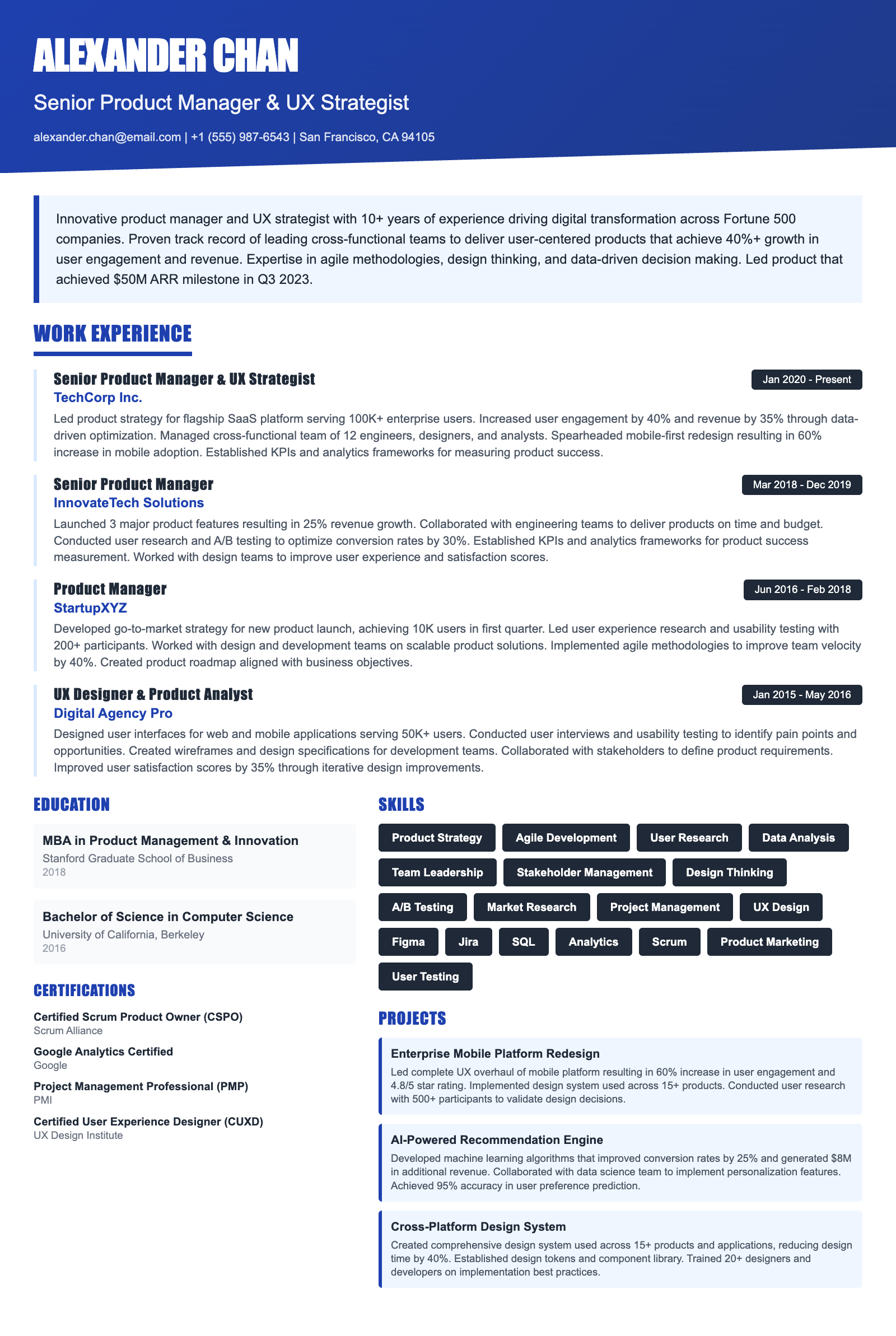
Average US Salary: $50k - $85k

Expert Tip: For Junior Construction Recruiter positions in the US, recruiters increasingly look for technical execution and adaptability over simple job duties. This guide is tailored to highlight these specific traits to ensure your resume stands out in the competitive Junior Construction Recruiter sector.

What US Hiring Managers Look For in a Junior Construction Recruiter Resume

When reviewing Junior Construction Recruiter candidates, recruiters and hiring managers in the US focus on a few critical areas. Making these elements clear and easy to find on your resume will improve your chances of moving to the interview stage.

  • Relevant experience and impact in Junior Construction Recruiter or closely related roles.
  • Clear, measurable achievements (metrics, scope, outcomes) rather than duties.
  • Skills and keywords that match the job description and ATS requirements.
  • Professional formatting and no spelling or grammar errors.
  • Consistency between your resume, LinkedIn, and application.
  • Proficiency in key areas such as Communication, Time Management, Industry-Standard Tools.

Essential Skills for Junior Construction Recruiter

Include these keywords in your resume to pass ATS screening and impress recruiters.

Must-Have Skills

  • CriticalCommunication
  • HighTime Management

Technical Skills

  • HighIndustry-Standard Tools
  • MediumData Analysis

Soft Skills

  • CriticalTeamwork
  • HighAdaptability
  • MediumLeadership

A Day in the Life

A Day in the Life of a Junior Recruiter

Your morning starts at 9 AM by checking emails and reviewing yesterday's tasks. As an Junior Recruiter in Construction, you spend the first hour in daily stand-ups, syncing with your team on handling core responsibilities, collaborating with cross-functional teams, and driving project success. From 10 AM to 1 PM, you focus on execution. In Construction, this involves learning standard operating procedures and applying your Recruiter skills to real-world problems. Post-lunch (1-5 PM) is for deep work and collaboration. You might attend workshops or pair with senior members to understand the nuances of handling core responsibilities, collaborating with cross-functional teams, and driving project success within the company. Wrap up by 5:30 PM, documenting your progress. Construction professionals at this level prioritize learning and consistency to build a strong career foundation.

Career Progression Path

Level 1

Recruiter I (Entry Level)

Level 2

Recruiter II (Junior)

Level 3

Senior Recruiter

Level 4

Lead Recruiter

Level 5

Recruiter Manager / Director

Interview Questions & Answers

Prepare for your Junior Construction Recruiter interview with these commonly asked questions.

Describe your experience sourcing candidates for skilled trades positions (e.g., electricians, plumbers). What strategies have you found most effective?

Medium
Behavioral
Sample Answer
In my previous role, I primarily used LinkedIn Recruiter and Indeed to source candidates for skilled trades. I found that targeting specific groups and associations related to these trades, such as the Independent Electrical Contractors (IEC), yielded higher-quality candidates. Additionally, I utilized Boolean search techniques to refine my searches based on specific certifications and experience levels. I also participated in virtual career fairs targeting the skilled trades, allowing me to directly engage with potential candidates and build relationships.

How do you stay up-to-date with industry trends and changes in the construction sector?

Medium
Behavioral
Sample Answer
I regularly read industry publications like Engineering News-Record (ENR) and Construction Dive, attend webinars hosted by organizations such as the Associated General Contractors of America (AGC), and follow key influencers and thought leaders on LinkedIn. This helps me understand emerging technologies, regulatory changes, and workforce trends that impact the construction industry. This knowledge allows me to better understand the needs of hiring managers and identify qualified candidates.

How do you handle a situation where a hiring manager has unrealistic expectations about the availability of qualified candidates for a specific role?

Hard
Situational
Sample Answer
I would first thoroughly research the market to understand the actual talent landscape for that specific role. Then, I would present the hiring manager with data-driven insights on candidate availability, compensation trends, and skill set expectations. I would collaboratively work with them to adjust the job description or salary range to align with market realities, while still ensuring the role attracts qualified candidates. I would also suggest alternative sourcing strategies, such as targeting passive candidates or expanding the search radius.

Describe your experience using Applicant Tracking Systems (ATS) to manage the recruitment process. Which ATS systems are you familiar with?

Medium
Technical
Sample Answer
I have experience using several ATS systems, including Bullhorn, Greenhouse, and Taleo. I am proficient in using these systems to track candidate progress, manage interview schedules, generate reports, and ensure compliance with legal requirements. I am also familiar with using ATS features such as automated workflows and candidate scoring to streamline the recruitment process. In my previous role, I used Bullhorn to manage over 100 active requisitions simultaneously.

How do you assess a candidate's cultural fit within a construction company?

Medium
Behavioral
Sample Answer
I assess cultural fit by asking behavioral questions that reveal the candidate's teamwork skills, communication style, and adaptability to fast-paced environments. I also probe their understanding of safety protocols and their commitment to working in a collaborative environment. I try to align my understanding of the specific company's culture with the candidates. For example, "Describe a time you had to work with a difficult person on a job site."

You've identified a promising candidate, but they lack a specific certification that the hiring manager requires. How do you proceed?

Hard
Situational
Sample Answer
First, I'd confirm with the hiring manager if the certification is absolutely mandatory or if equivalent experience or a willingness to obtain the certification within a reasonable timeframe would be acceptable. If flexibility exists, I'd present the candidate's strengths and explain their potential. I'd also explore options for the candidate to obtain the certification, such as online courses or company-sponsored training programs. If the certification is non-negotiable, I'd thank the candidate for their time and continue the search.

ATS Optimization Tips

Make sure your resume passes Applicant Tracking Systems used by US employers.

Prioritize keywords related to construction recruiting, such as 'skilled trades,' 'project management,' 'OSHA compliance,' and specific job titles (e.g., 'electrician,' 'carpenter').
Organize your resume with clear headings like 'Summary,' 'Experience,' 'Skills,' and 'Education.' Use a consistent font and formatting throughout the document.
In your skills section, explicitly list Applicant Tracking Systems (ATS) you're familiar with, such as Bullhorn, Greenhouse, or Workday, as many companies in the construction sector utilize them.
Quantify your achievements whenever possible, providing metrics like 'reduced time-to-fill by X days' or 'increased candidate pool by Y%.'
Use action verbs relevant to recruiting, such as 'sourced,' 'screened,' 'interviewed,' and 'placed,' demonstrating your active involvement in the recruitment process.
Tailor your resume to each specific job posting, highlighting the skills and experiences that align most closely with the job requirements.
Include a skills matrix listing both technical skills (e.g., ATS software, job board proficiency) and soft skills (e.g., communication, teamwork, problem-solving).
Save your resume in a format that is easily readable by ATS, such as a .doc or .pdf file, and avoid using complex formatting elements like tables or images.

Common Resume Mistakes to Avoid

Don't make these errors that get resumes rejected.

1
Failing to highlight familiarity with construction-specific roles and certifications (e.g., OSHA, LEED), which demonstrates a lack of industry understanding.
2
Using generic recruiting language instead of tailoring your resume to the unique demands of the construction sector.
3
Not quantifying achievements in previous roles, making it difficult to assess your impact on recruitment metrics.
4
Neglecting to mention experience with construction-specific job boards or recruitment platforms, such as ConstructionJobs.com.
5
Overemphasizing general administrative tasks instead of focusing on sourcing, screening, and interviewing skills.
6
Omitting experience with Applicant Tracking Systems (ATS) commonly used in the construction industry, such as Bullhorn or Greenhouse.
7
Not showcasing your ability to assess candidate qualifications against specific construction requirements and regulations.
8
Including irrelevant information or experience that does not directly relate to construction recruiting.

Industry Outlook

The US Construction sector is experiencing steady growth. Junior Recruiters are particularly sought after, with the Bureau of Labor Statistics projecting average job growth through 2030. Peak hiring occurs in Q1 (January-March) and Q3 (August-September).

Top Hiring Companies

Industry LeadersRegional FirmsFast-Growing Companies

Recommended Resume Templates

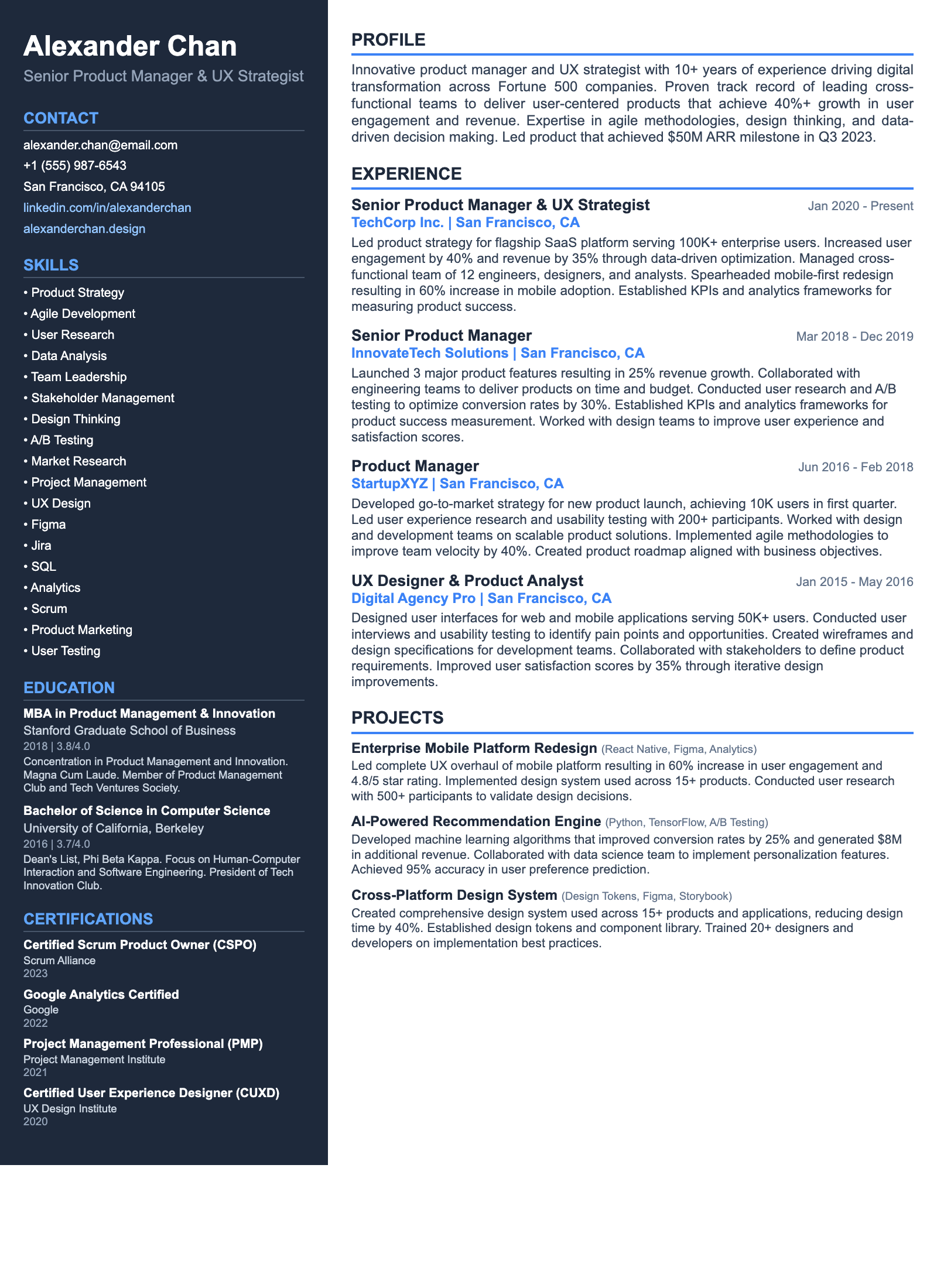
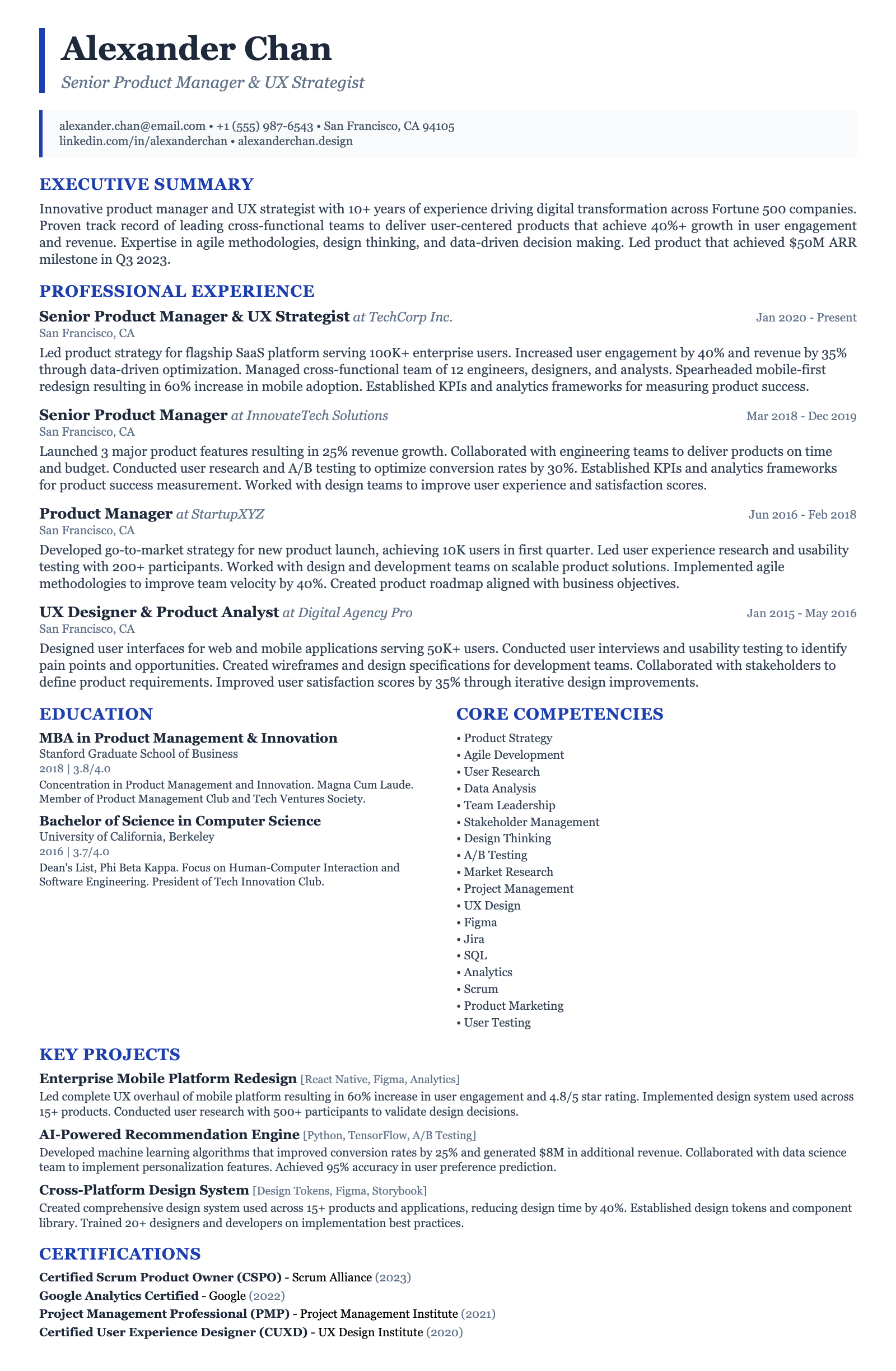
ATS-friendly templates designed specifically for Junior Construction Recruiter positions in the US market.
Frequently Asked Questions

How long should my Junior Construction Recruiter resume be?

Ideally, your resume should be one page, especially given your junior status. Focus on the most relevant experiences and quantifiable achievements. Highlight your proficiency with tools like LinkedIn Recruiter and ATS software, and use concise language to convey your skills and impact. Ensure the information you present is tailored to the specific construction roles you'll be recruiting for.

What are the most important skills to highlight on my resume?

Emphasize your communication, time management, and data analysis skills. Showcase your ability to source candidates using industry-specific job boards, assess qualifications based on construction-related certifications (e.g., OSHA, LEED), and utilize ATS systems like Bullhorn. Demonstrate your understanding of construction trades and roles, such as electricians, plumbers, and project managers.

How can I optimize my resume for Applicant Tracking Systems (ATS)?

Use keywords directly from the job description, format your resume in a simple, readable format (avoiding tables and graphics), and include a skills section with relevant terms like 'sourcing,' 'screening,' and 'ATS proficiency.' Ensure your contact information is easily parsable, and avoid using headers and footers, which can confuse ATS software. List your skills such as using LinkedIn Recruiter, Indeed, and other similar tools. Save your resume as a .doc or .pdf file.

Should I include certifications on my Junior Construction Recruiter resume?

While you don't need construction-specific certifications as a recruiter, mentioning any HR or recruitment certifications (e.g., SHRM-CP) can be beneficial. If you have any familiarity with construction-related certifications (OSHA, LEED, etc.), mention that as it shows understanding of the industry's requirements. Highlight your ability to assess candidate qualifications against these standards.

What are some common mistakes to avoid on my Junior Construction Recruiter resume?

Avoid generic resume templates, focusing solely on duties rather than accomplishments, and using vague language. Instead, quantify your achievements (e.g., 'Reduced time-to-fill by 15%'). Do not neglect to tailor your resume to each specific job description. Ensure you are highlighting construction specific experience, not just general recruiting.

How can I highlight a career transition into construction recruiting?

If transitioning from a different industry, emphasize transferable skills like communication, problem-solving, and data analysis. Highlight any experience you have with project management, or technical skills. Focus on your ability to learn quickly and adapt to a new industry. Showcase any coursework or training you've completed related to construction or HR. Mention your proficiency with recruitment platforms like LinkedIn Recruiter.

Ready to Build Your Junior Construction Recruiter Resume?

Use our AI-powered resume builder to create an ATS-optimized resume tailored for Junior Construction Recruiter positions in the US market.

Complete Junior Construction Recruiter Career Toolkit

Everything you need for your Junior Construction Recruiter job search — all in one platform.

Why choose ResumeGyani over Zety or Resume.io?

The only platform with AI mock interviews + resume builder + job search + career coaching — all in one.

See comparison

Last updated: March 2026 · Content reviewed by certified resume writers · Optimized for US job market

Junior Construction Recruiter Resume Guide (2026) | ATS-Optimized Template