
ATS-Optimized for US Market

Junior Education Architect Career & Resume Guide

As a Junior Education Architect, you're tasked with bridging the gap between educational theory and practical implementation within learning environments. Your resume needs to showcase your ability to design, develop, and implement effective educational solutions. Hiring managers seek candidates who possess a strong understanding of instructional design principles, technology integration, and data-driven decision-making. Key resume sections should include a compelling summary highlighting your relevant experience, a detailed skills section emphasizing communication, time management, industry-standard tools (e.g., Articulate Storyline, Adobe Captivate, Lectora), data analysis, teamwork, adaptability, and leadership. Quantify your achievements whenever possible, demonstrating the impact of your work on student outcomes or organizational efficiency. For example, highlight how you improved training completion rates or reduced development time through efficient design. Stand out by showcasing specific projects where you successfully applied educational frameworks like ADDIE or SAM, and emphasize your experience with Learning Management Systems (LMS) such as Canvas, Blackboard, or Moodle. Demonstrating proficiency in data analysis tools like Excel, Tableau, or R to analyze learning data is crucial. Your resume should clearly articulate your ability to collaborate with subject matter experts and stakeholders to deliver effective and engaging learning experiences. Remember to tailor your resume to each specific job description, highlighting the skills and experiences most relevant to the role.
Average US Salary: $50k - $85k

Expert Tip: For Junior Education Architect positions in the US, recruiters increasingly look for technical execution and adaptability over simple job duties. This guide is tailored to highlight these specific traits to ensure your resume stands out in the competitive Junior Education Architect sector.

What US Hiring Managers Look For in a Junior Education Architect Resume

When reviewing Junior Education Architect candidates, recruiters and hiring managers in the US focus on a few critical areas. Making these elements clear and easy to find on your resume will improve your chances of moving to the interview stage.

  • Relevant experience and impact in Junior Education Architect or closely related roles.
  • Clear, measurable achievements (metrics, scope, outcomes) rather than duties.
  • Skills and keywords that match the job description and ATS requirements.
  • Professional formatting and no spelling or grammar errors.
  • Consistency between your resume, LinkedIn, and application.
  • Proficiency in key areas such as Communication, Time Management, Industry-Standard Tools.

Essential Skills for Junior Education Architect

Include these keywords in your resume to pass ATS screening and impress recruiters.

Must-Have Skills

  • CriticalCommunication
  • HighTime Management

Technical Skills

  • HighIndustry-Standard Tools
  • MediumData Analysis

Soft Skills

  • CriticalTeamwork
  • HighAdaptability
  • MediumLeadership

A Day in the Life

A Day in the Life of a Junior Architect

Your morning starts at 9 AM by checking emails and reviewing yesterday's tasks. As an Junior Architect in Education, you spend the first hour in daily stand-ups, syncing with your team on handling core responsibilities, collaborating with cross-functional teams, and driving project success. From 10 AM to 1 PM, you focus on execution. In Education, this involves learning standard operating procedures and applying your Architect skills to real-world problems. Post-lunch (1-5 PM) is for deep work and collaboration. You might attend workshops or pair with senior members to understand the nuances of handling core responsibilities, collaborating with cross-functional teams, and driving project success within the company. Wrap up by 5:30 PM, documenting your progress. Education professionals at this level prioritize learning and consistency to build a strong career foundation.

Career Progression Path

Level 1

Architect I (Entry Level)

Level 2

Architect II (Junior)

Level 3

Senior Architect

Level 4

Lead Architect

Level 5

Architect Manager / Director

Interview Questions & Answers

Prepare for your Junior Education Architect interview with these commonly asked questions.

Describe a time you had to explain a complex technical concept to a non-technical audience. How did you ensure they understood?

Medium
Behavioral
Sample Answer
In my previous role, I had to explain the benefits of a new LMS to a team of instructors who were resistant to change. I avoided technical jargon and focused on how the new system would simplify their tasks and improve student engagement. I used relatable examples and provided hands-on demonstrations to address their concerns and build confidence. I frequently checked for understanding and adjusted my approach based on their feedback. This resulted in successful adoption of the new LMS.

How do you approach designing a new online learning module?

Medium
Technical
Sample Answer
My approach begins with a thorough needs analysis, collaborating with subject matter experts to define learning objectives and identify the target audience's existing knowledge. Next, I outline the module's structure, incorporating interactive elements and multimedia to enhance engagement. I prioritize accessibility and usability, ensuring the module is compatible with various devices and learning styles. I use a framework like ADDIE and tools such as Articulate Storyline to build the module. Finally, I pilot test the module and gather feedback to refine it before full deployment.

Imagine a stakeholder disagrees with your proposed instructional design. How do you handle the situation?

Medium
Situational
Sample Answer
I would first actively listen to understand their concerns and perspective. I would then respectfully present the rationale behind my design decisions, supporting my arguments with data and best practices in instructional design. If necessary, I would be open to compromise and explore alternative solutions that address their concerns while still meeting the learning objectives. I aim to find a collaborative solution that benefits both the learners and the organization.

What experience do you have with Learning Management Systems (LMS)?

Easy
Technical
Sample Answer
I have experience working with several LMS platforms, including Canvas, Blackboard, and Moodle. In my previous role, I used Canvas to manage course content, track student progress, and facilitate online discussions. I also have experience troubleshooting technical issues and providing support to instructors and students. I am familiar with the administrative functions of these systems and am comfortable navigating their various features. I am also familiar with integrating third-party tools and plugins into these platforms.

Tell me about a time you had to adapt to a sudden change in project requirements. How did you manage it?

Medium
Behavioral
Sample Answer
During a recent project, the scope unexpectedly expanded to include a new target audience. To accommodate this change, I quickly reassessed the learning objectives and adjusted the content and delivery methods accordingly. I collaborated with the project team to prioritize tasks and reallocate resources to ensure the project remained on schedule. I maintained clear communication with stakeholders throughout the process to keep them informed of the changes and their impact.

Describe a situation where you used data to improve a learning experience.

Hard
Technical
Sample Answer
In a previous project, I noticed that learners were struggling with a particular module. I analyzed assessment data and identified specific areas where they were having difficulty. I then revised the module to provide additional support and practice in those areas. I also incorporated interactive elements to increase engagement. After implementing these changes, I saw a significant improvement in learner performance.

ATS Optimization Tips

Make sure your resume passes Applicant Tracking Systems used by US employers.

Incorporate specific keywords related to instructional design, learning technologies, and data analysis found in the job description.
Use standard section headings like "Summary," "Skills," "Experience," and "Education" to help the ATS parse your information correctly.
Quantify your achievements using numbers and metrics to demonstrate the impact of your work.
Use action verbs to describe your responsibilities and accomplishments in each role.
Tailor your resume to each job application, highlighting the skills and experiences most relevant to the specific role.
Format your resume with a simple, clean layout using a common font like Arial or Times New Roman.
Save your resume as a .doc or .docx file to ensure compatibility with most ATS systems.
Include a skills section that lists both hard and soft skills relevant to the Junior Education Architect role; list industry-standard tools like Articulate Storyline and Adobe Captivate.

Common Resume Mistakes to Avoid

Don't make these errors that get resumes rejected.

1
Failing to quantify achievements; instead of saying you "developed training materials," state that you "developed training materials that improved employee performance by 15%."
2
Not tailoring the resume to the specific job description; a generic resume will not highlight the most relevant skills and experiences.
3
Listing irrelevant skills or experiences that do not align with the requirements of the role.
4
Using a creative or overly designed resume format that may not be compatible with ATS systems.
5
Neglecting to proofread the resume for typos and grammatical errors.
6
Overemphasizing theoretical knowledge without demonstrating practical application of instructional design principles.
7
Omitting proficiency in industry-standard tools such as Articulate Storyline, Adobe Captivate, or specific LMS platforms.
8
Not including examples of data analysis skills applied to improve learning outcomes.

Industry Outlook

The US Education sector is experiencing steady growth. Junior Architects are particularly sought after, with the Bureau of Labor Statistics projecting average job growth through 2030. Peak hiring occurs in Q1 (January-March) and Q3 (August-September).

Top Hiring Companies

Industry LeadersRegional FirmsFast-Growing Companies

Recommended Resume Templates

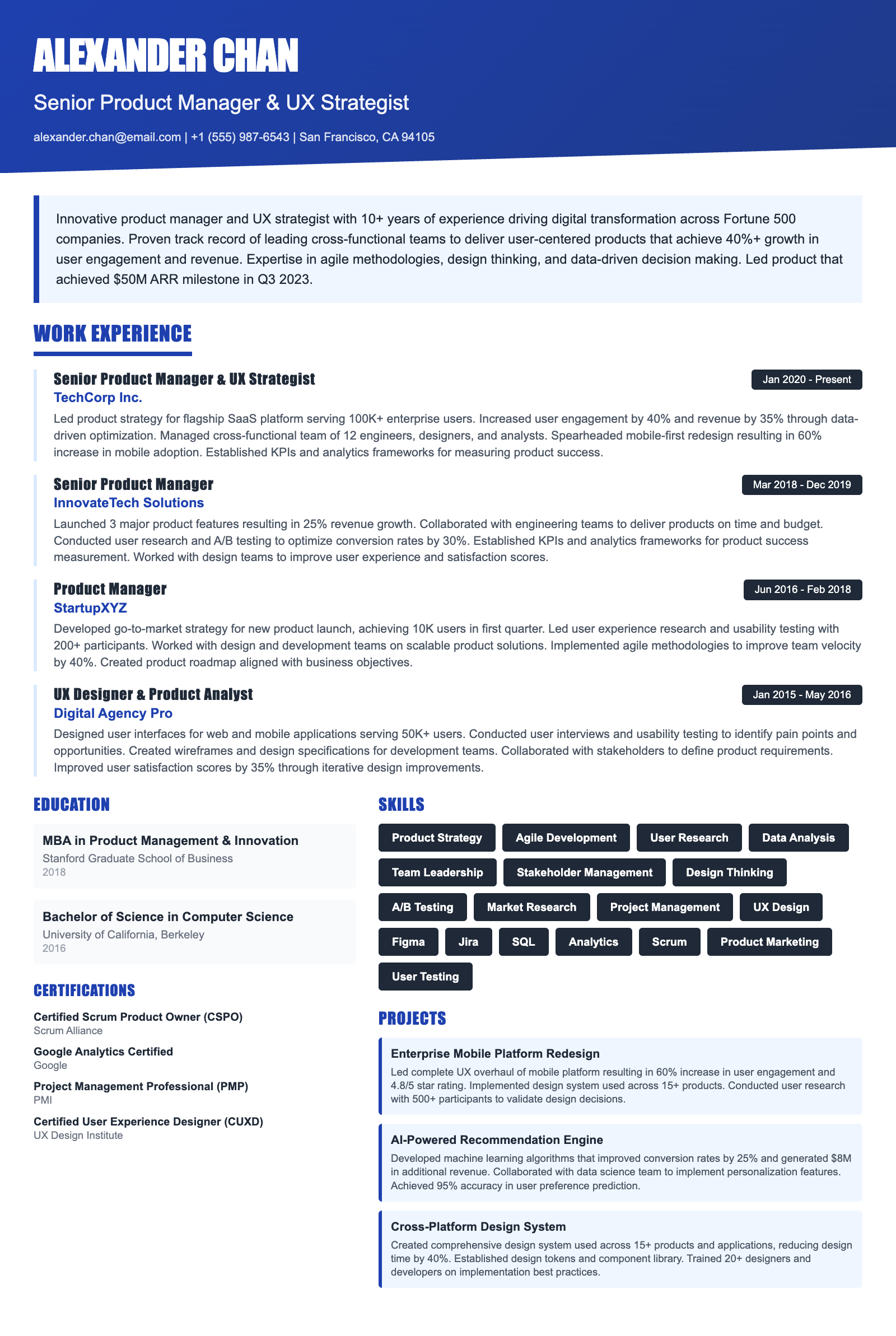
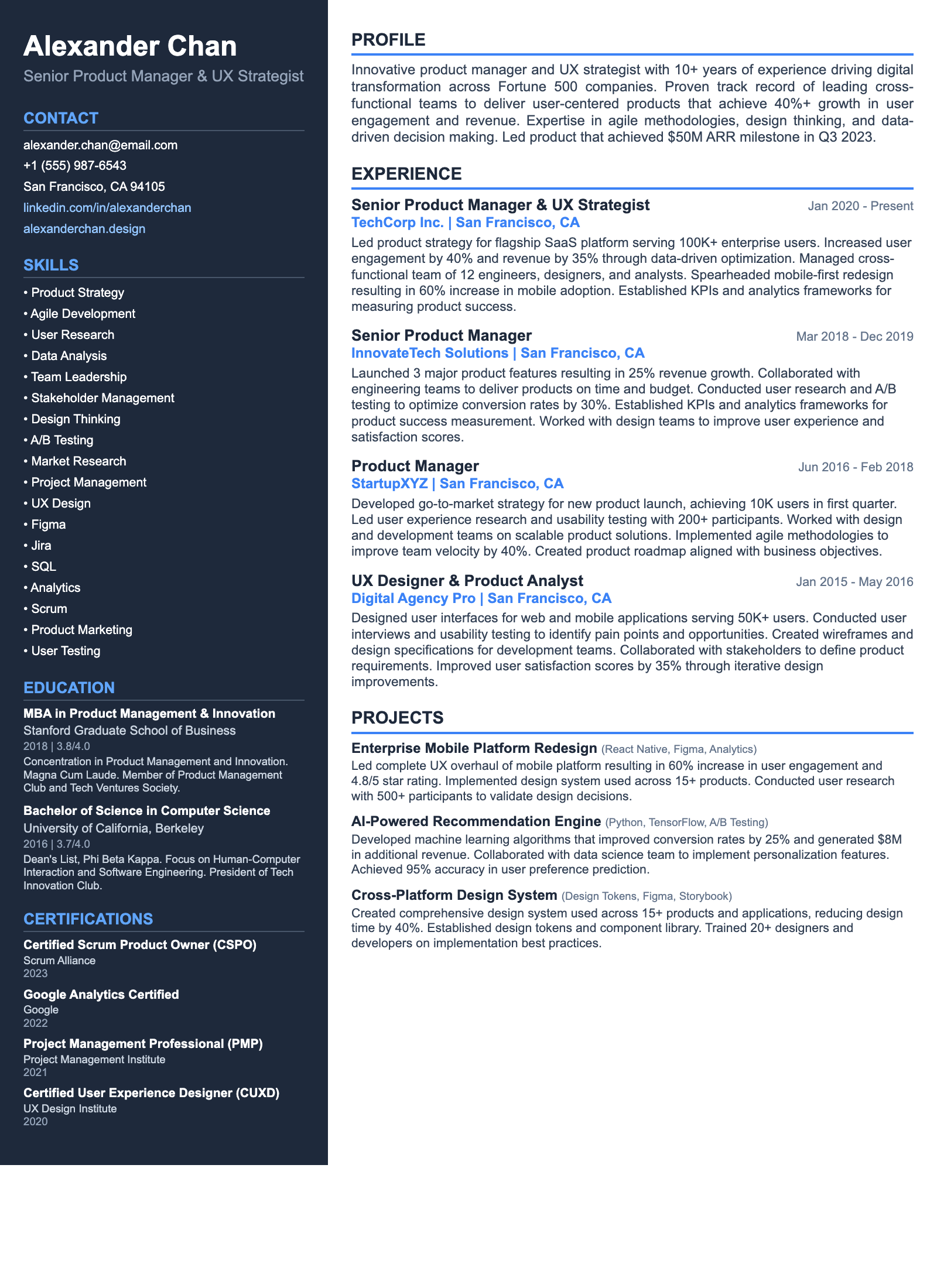
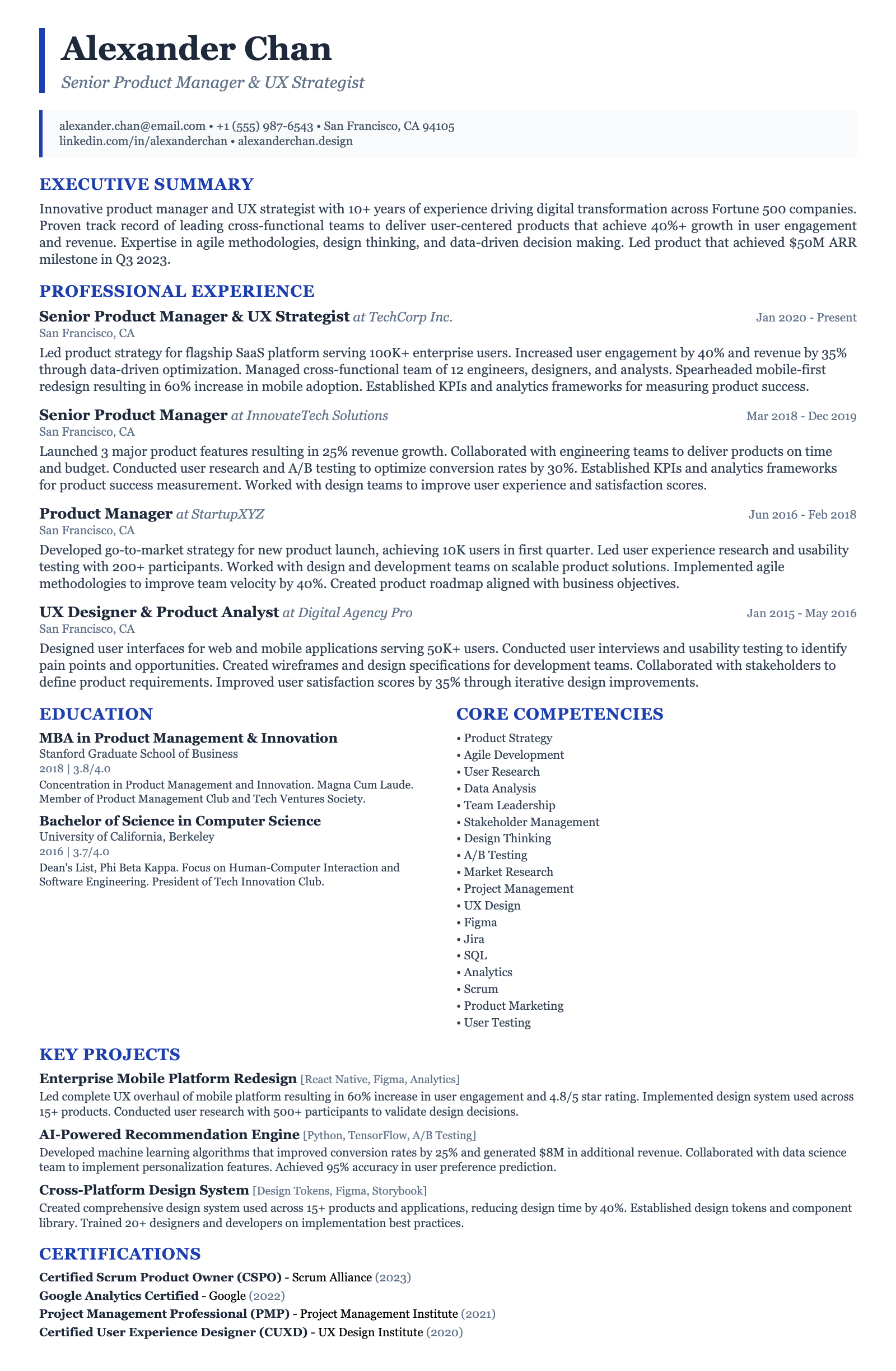
ATS-friendly templates designed specifically for Junior Education Architect positions in the US market.
Frequently Asked Questions

How long should my Junior Education Architect resume be?

Ideally, your resume should be one to two pages maximum. As a junior professional, focus on highlighting the most relevant experiences and skills. Prioritize quantifiable achievements and concise descriptions to keep it focused. Ensure all information is easily scannable by both humans and ATS systems, emphasizing projects where you used tools such as Articulate Storyline or data analysis techniques.

What key skills should I highlight on my Junior Education Architect resume?

Prioritize skills directly related to instructional design, technology integration, and data analysis. Emphasize proficiency in industry-standard tools like Articulate Storyline, Adobe Captivate, Lectora, and LMS platforms like Canvas, Blackboard, or Moodle. Also, highlight your communication, collaboration, and project management skills. Demonstrate your ability to analyze learning data using Excel, Tableau, or R to improve learning outcomes.

How can I optimize my resume for Applicant Tracking Systems (ATS)?

Use a simple, ATS-friendly format with clear headings and bullet points. Avoid using tables, graphics, or unusual fonts. Incorporate keywords from the job description throughout your resume, especially in the skills and experience sections. Save your resume as a .doc or .docx file, as these are generally more compatible with ATS systems. Frame your experience using action verbs that the ATS will recognize.

Are certifications important for a Junior Education Architect role?

While not always mandatory, certifications can significantly enhance your resume. Consider certifications in instructional design, project management, or specific software tools. Examples include Certified Professional in Training Management (CPTM), or certifications in Articulate Storyline or Adobe Captivate. These demonstrate your commitment to professional development and provide tangible evidence of your skills.

What are some common resume mistakes to avoid as a Junior Education Architect?

Avoid generic statements about teamwork and communication. Instead, provide specific examples of how you collaborated on projects and communicated effectively with stakeholders. Don't neglect to quantify your achievements; use data to demonstrate the impact of your work. Ensure your resume is free of typos and grammatical errors. Avoid listing irrelevant experiences that don't align with the job description.

How can I showcase a career transition into Education Architecture on my resume?

Highlight transferable skills from your previous role that are relevant to educational design. For example, if you have a background in project management, emphasize your ability to manage educational projects, timelines, and resources. Showcase any relevant coursework, certifications, or volunteer experiences that demonstrate your interest and aptitude for the field. Frame your experience in terms of how it contributes to creating effective learning experiences.

Ready to Build Your Junior Education Architect Resume?

Use our AI-powered resume builder to create an ATS-optimized resume tailored for Junior Education Architect positions in the US market.

Complete Junior Education Architect Career Toolkit

Everything you need for your Junior Education Architect job search — all in one platform.

Why choose ResumeGyani over Zety or Resume.io?

The only platform with AI mock interviews + resume builder + job search + career coaching — all in one.

See comparison

Last updated: March 2026 · Content reviewed by certified resume writers · Optimized for US job market

Junior Education Architect Resume Guide (2026) | ATS-Optimized Template