
ATS-Optimized for US Market

Junior Education Graphic Designer Career & Resume Guide

As a Junior Education Graphic Designer, your resume needs to demonstrate a blend of creative talent and pedagogical understanding. Hiring managers seek candidates proficient in translating complex educational concepts into visually engaging and accessible designs. Your resume should immediately highlight your mastery of industry-standard tools like Adobe Creative Suite (Photoshop, Illustrator, InDesign), and ideally, experience with interactive design software like Articulate Storyline or Adobe Captivate. Showcase your understanding of learning theories and instructional design principles; mention any experience creating visuals for different learning styles (visual, auditory, kinesthetic). Structure your resume with clear sections emphasizing your design portfolio, relevant projects (e.g., designing infographics for educational campaigns, creating visual aids for online courses), and quantifiable achievements (e.g., increased student engagement by X% due to redesigned learning materials). Emphasize your collaborative skills, demonstrating your ability to work effectively with educators, instructional designers, and subject matter experts. Adaptability is crucial; show how you've navigated diverse project requirements and feedback. Data analysis skills are beneficial; mention any experience using data to inform design decisions or measure the effectiveness of visual content. To stand out, include a professional online portfolio link and tailor your resume to each specific job description, highlighting the skills and experiences most relevant to the role and the institution. A well-crafted resume illustrates not only your design skills but also your passion for education and ability to enhance the learning experience.
Average US Salary: $50k - $85k

Expert Tip: For Junior Education Graphic Designer positions in the US, recruiters increasingly look for technical execution and adaptability over simple job duties. This guide is tailored to highlight these specific traits to ensure your resume stands out in the competitive Junior Education Graphic Designer sector.

What US Hiring Managers Look For in a Junior Education Graphic Designer Resume

When reviewing Junior Education Graphic Designer candidates, recruiters and hiring managers in the US focus on a few critical areas. Making these elements clear and easy to find on your resume will improve your chances of moving to the interview stage.

  • Relevant experience and impact in Junior Education Graphic Designer or closely related roles.
  • Clear, measurable achievements (metrics, scope, outcomes) rather than duties.
  • Skills and keywords that match the job description and ATS requirements.
  • Professional formatting and no spelling or grammar errors.
  • Consistency between your resume, LinkedIn, and application.
  • Proficiency in key areas such as Communication, Time Management, Industry-Standard Tools.

Essential Skills for Junior Education Graphic Designer

Include these keywords in your resume to pass ATS screening and impress recruiters.

Must-Have Skills

  • CriticalCommunication
  • HighTime Management

Technical Skills

  • HighIndustry-Standard Tools
  • MediumData Analysis

Soft Skills

  • CriticalTeamwork
  • HighAdaptability
  • MediumLeadership

A Day in the Life

A Day in the Life of a Junior Graphic Designer

Your morning starts at 9 AM by checking emails and reviewing yesterday's tasks. As an Junior Graphic Designer in Education, you spend the first hour in daily stand-ups, syncing with your team on handling core responsibilities, collaborating with cross-functional teams, and driving project success. From 10 AM to 1 PM, you focus on execution. In Education, this involves learning standard operating procedures and applying your Graphic Designer skills to real-world problems. Post-lunch (1-5 PM) is for deep work and collaboration. You might attend workshops or pair with senior members to understand the nuances of handling core responsibilities, collaborating with cross-functional teams, and driving project success within the company. Wrap up by 5:30 PM, documenting your progress. Education professionals at this level prioritize learning and consistency to build a strong career foundation.

Career Progression Path

Level 1

Graphic Designer I (Entry Level)

Level 2

Graphic Designer II (Junior)

Level 3

Senior Graphic Designer

Level 4

Lead Graphic Designer

Level 5

Graphic Designer Manager / Director

Interview Questions & Answers

Prepare for your Junior Education Graphic Designer interview with these commonly asked questions.

Describe a time you had to adapt a design based on feedback from educators or subject matter experts. How did you ensure their concerns were addressed while maintaining the integrity of your design?

Medium
Behavioral
Sample Answer
In a recent project designing infographics for a science curriculum, the educators felt my initial color scheme was distracting for younger students. I actively listened to their concerns, researched age-appropriate color palettes, and presented several alternative options that aligned with both pedagogical principles and my design aesthetic. I used A/B testing to validate the effectiveness of the new palette, demonstrating a collaborative and data-driven approach to design.

What are your favorite resources for staying up-to-date with the latest trends in educational graphic design and accessibility?

Easy
Technical
Sample Answer
I regularly follow online publications like Smashing Magazine and A List Apart for design trends, and WebAIM for accessibility best practices. I also participate in online communities like the Adobe Education Exchange and attend webinars hosted by organizations like ATD (Association for Talent Development). This helps me stay informed about new technologies, design techniques, and accessibility guidelines like WCAG.

Imagine you're tasked with redesigning a series of online learning modules to improve student engagement. What steps would you take to approach the project, from initial research to final implementation?

Medium
Situational
Sample Answer
I'd begin by conducting a thorough needs analysis, gathering feedback from students and instructors to identify areas for improvement. Next, I'd research best practices in instructional design and user experience. Then, I'd create wireframes and prototypes, incorporating interactive elements and engaging visuals. Throughout the process, I'd collaborate closely with the development team and stakeholders, using tools like Figma for iterative design and feedback. Finally, I'd implement the design and track key metrics like completion rates and student satisfaction to measure its effectiveness.

How do you ensure your designs are accessible to students with diverse learning needs, including those with visual or auditory impairments?

Medium
Technical
Sample Answer
Accessibility is paramount in my design process. I adhere to WCAG guidelines, ensuring sufficient color contrast, using clear and concise language, providing alternative text for images, and creating transcripts for audio and video content. I also consider different learning styles and preferences, offering multiple ways to access and interact with the material. I'd advocate for user testing with individuals with disabilities to gather direct feedback and refine the design accordingly.

Describe a project where you used data to inform your design decisions. What metrics did you track, and how did they influence your approach?

Medium
Behavioral
Sample Answer
In a project designing infographics for a health education campaign, I tracked metrics like click-through rates, time spent on page, and social media shares. I noticed that certain topics resonated more strongly with the audience than others. Based on this data, I adjusted the design to prioritize the most engaging content, using larger visuals and more concise language. This resulted in a significant increase in overall engagement and a wider reach for the campaign.

You are working on a project with a tight deadline and conflicting feedback from stakeholders. How would you manage this situation to deliver a successful outcome?

Hard
Situational
Sample Answer
First, I would prioritize tasks based on their impact on the overall project goals. Then, I would facilitate a meeting with all stakeholders to clearly define the project objectives and address conflicting feedback. I would present data-driven insights and design rationale to support my recommendations. By fostering open communication, actively listening to concerns, and making informed compromises, I would aim to reach a consensus that satisfies the key stakeholders while adhering to the deadline.

ATS Optimization Tips

Make sure your resume passes Applicant Tracking Systems used by US employers.

Incorporate specific keywords related to education and graphic design directly from the job description. Pay attention to required software, design styles, and educational methodologies.
Use standard resume section headings like 'Skills,' 'Experience,' 'Education,' and 'Projects.' Avoid creative or unconventional titles that the ATS might not recognize.
Format your skills section as a bulleted list of individual skills, rather than a paragraph. This makes it easier for the ATS to scan and identify relevant keywords.
Quantify your achievements whenever possible by including numbers and metrics, such as 'Increased student engagement by 15% through redesigned infographics.'
Save your resume as a PDF to preserve formatting and ensure that the ATS can accurately extract the text. Most ATS systems can read PDFs.
Include a link to your online portfolio in a prominent location on your resume, such as near your contact information. Ensure the link is functional and leads to a professionally presented portfolio.
Use consistent date formats throughout your resume (e.g., MM/YYYY or Month YYYY). This helps the ATS accurately parse your work history.
Tailor your resume to each specific job description. Highlight the skills and experiences that are most relevant to the role and the organization.

Common Resume Mistakes to Avoid

Don't make these errors that get resumes rejected.

1
Failing to showcase a strong portfolio of relevant design work. Your portfolio is crucial for demonstrating your skills and style.
2
Not tailoring your resume to the specific requirements of the job description. Generic resumes are less likely to get noticed.
3
Omitting quantifiable achievements or metrics to demonstrate the impact of your work. Use numbers to highlight your contributions.
4
Neglecting to mention experience with instructional design principles or learning theories. This knowledge is essential in educational settings.
5
Using a design style that is visually appealing but not accessible to all learners. Prioritize accessibility and inclusivity in your designs.
6
Overlooking the importance of collaboration and communication skills. Highlight your ability to work effectively with educators and subject matter experts.
7
Not mentioning experience with specific educational software or platforms (e.g., Articulate Storyline, Adobe Captivate, Moodle).
8
Failing to proofread carefully for typos, grammatical errors, and formatting inconsistencies. Errors can detract from your professionalism.

Industry Outlook

The US Education sector is experiencing steady growth. Junior Graphic Designers are particularly sought after, with the Bureau of Labor Statistics projecting average job growth through 2030. Peak hiring occurs in Q1 (January-March) and Q3 (August-September).

Top Hiring Companies

Industry LeadersRegional FirmsFast-Growing Companies

Recommended Resume Templates

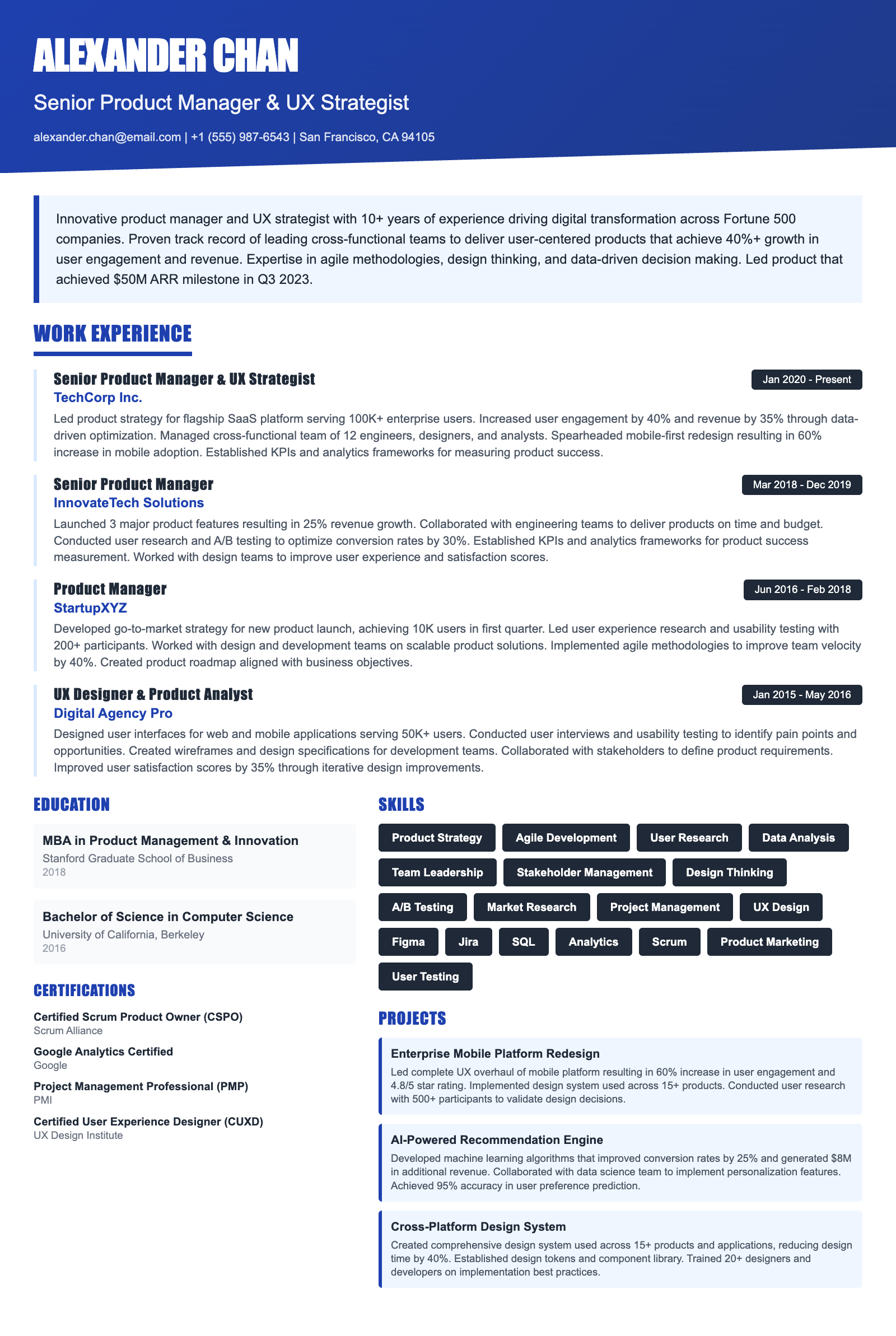
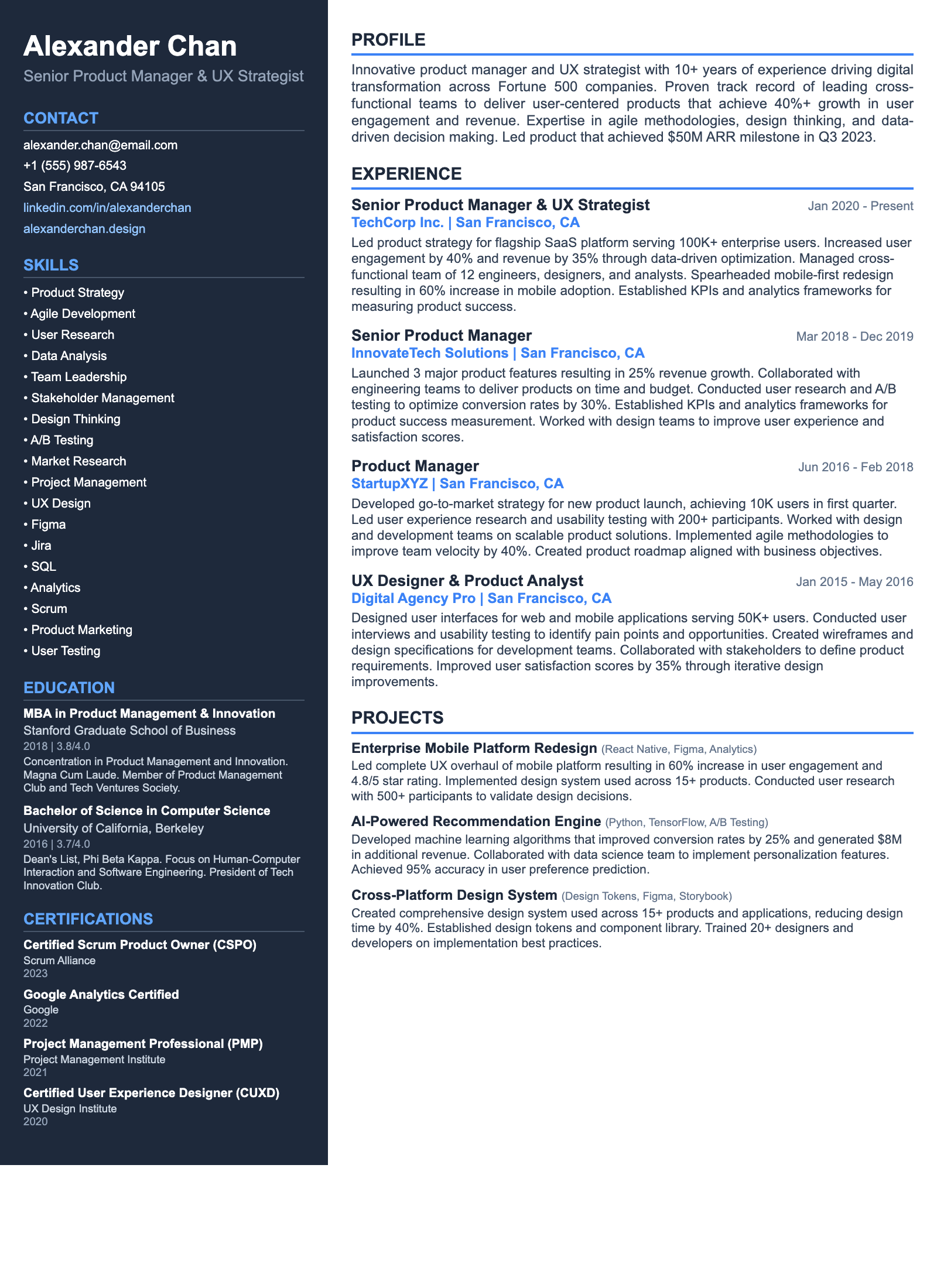
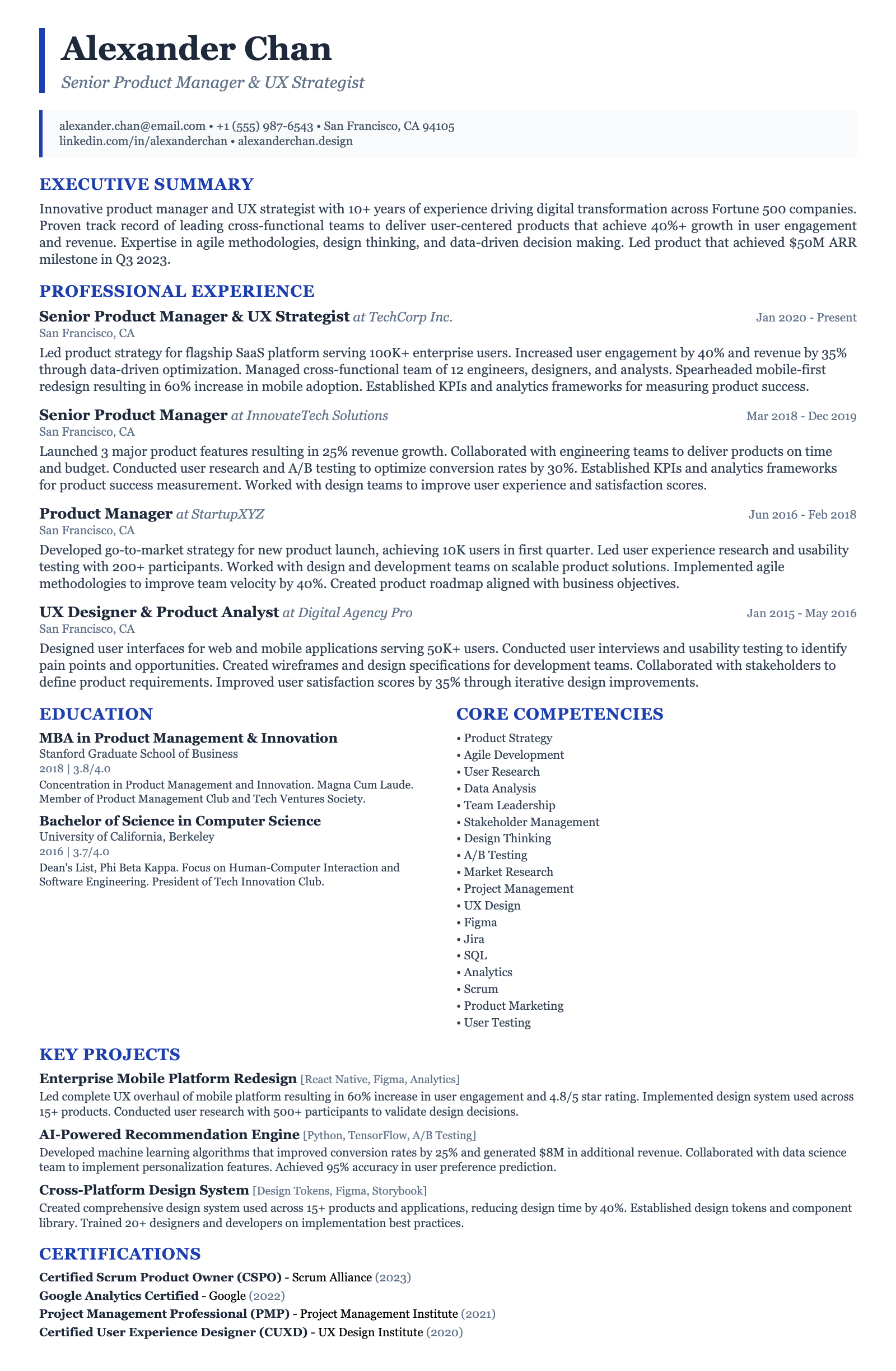
ATS-friendly templates designed specifically for Junior Education Graphic Designer positions in the US market.
Frequently Asked Questions

What is the ideal length for a Junior Education Graphic Designer resume?

For a Junior Education Graphic Designer, a one-page resume is usually sufficient. Prioritize your most relevant experiences and skills. If you have extensive project work or a strong portfolio, a concise two-page resume may be acceptable, but ensure every element contributes directly to showcasing your qualifications for the role. Focus on quality over quantity, highlighting achievements and quantifiable results using tools like Adobe Analytics to track content performance.

What are the most important skills to highlight on my resume?

The key skills include proficiency in Adobe Creative Suite (Photoshop, Illustrator, InDesign), strong communication and collaboration skills, experience with instructional design principles, and an understanding of user-centered design. Also emphasize your ability to create engaging visuals, adapt to different learning styles, and manage your time effectively. Mention experience with e-learning authoring tools like Articulate Storyline or Adobe Captivate, if applicable. Data visualization skills using tools like Tableau or Google Charts are highly valued.

How can I ensure my resume is ATS-friendly?

Use a clean, simple resume format with clear headings and bullet points. Avoid using tables, graphics, or unusual fonts, as these can confuse ATS systems. Incorporate relevant keywords from the job description throughout your resume, particularly in your skills section and work experience descriptions. Save your resume as a PDF, as this format preserves formatting while remaining readable by most ATS. Tools like Jobscan can analyze your resume for ATS compatibility.

Are certifications beneficial for a Junior Education Graphic Designer resume?

While not always mandatory, certifications related to graphic design or education can enhance your resume. Certifications in Adobe Creative Suite (e.g., Adobe Certified Professional), instructional design, or accessibility (e.g., IAAP Certified Professional in Accessibility Core Competencies - CPACC) demonstrate your commitment to professional development and can set you apart. Online courses from platforms like Coursera or Udemy related to UX/UI design or e-learning can also be valuable.

What are some common resume mistakes to avoid?

Avoid generic descriptions of your responsibilities; instead, quantify your achievements and highlight the impact of your work. Don't neglect to tailor your resume to each specific job description. Ensure your online portfolio is up-to-date and easily accessible. Proofread carefully for typos and grammatical errors. Do not exaggerate your skills or experience. Ensure your design aesthetic aligns with modern, accessible design principles.

How can I highlight a career transition into educational graphic design?

If you're transitioning into educational graphic design, emphasize transferable skills from your previous role. Highlight any experience creating visual content, managing projects, or working with diverse teams. Showcase relevant coursework or certifications you've obtained. Frame your past experiences in a way that demonstrates your passion for education and your ability to contribute to the field. Include a portfolio showcasing your design work, even if it's not exclusively education-related initially. Use a functional or combination resume format to emphasize skills over chronological work history.

Ready to Build Your Junior Education Graphic Designer Resume?

Use our AI-powered resume builder to create an ATS-optimized resume tailored for Junior Education Graphic Designer positions in the US market.

Complete Junior Education Graphic Designer Career Toolkit

Everything you need for your Junior Education Graphic Designer job search — all in one platform.

Why choose ResumeGyani over Zety or Resume.io?

The only platform with AI mock interviews + resume builder + job search + career coaching — all in one.

See comparison

Last updated: March 2026 · Content reviewed by certified resume writers · Optimized for US job market

Junior Education Graphic Designer Resume Guide (2026) | ATS-Optimized Template