
ATS-Optimized for US Market

Junior Education Recruiter Career & Resume Guide

As a Junior Education Recruiter, your resume needs to showcase your ability to connect talented individuals with rewarding opportunities in the education sector. Hiring managers look for candidates who possess excellent communication skills, a strong understanding of the education landscape, and proficiency in using industry-standard tools for candidate sourcing and management. Your resume should clearly highlight your experience in full-cycle recruiting, including sourcing, screening, interviewing, and onboarding. Emphasize your ability to manage multiple requisitions simultaneously while maintaining a high level of candidate satisfaction. Quantify your achievements whenever possible, using metrics to demonstrate your success in filling positions and reducing time-to-hire. Key sections include a compelling summary, quantifiable accomplishments in your work experience, a skills section that includes both hard (e.g., data analysis, CRM proficiency) and soft skills (e.g., communication, teamwork), and relevant certifications or training. To stand out, tailor your resume to each specific job description, highlighting the skills and experiences that align most closely with the employer's needs. Showcase your familiarity with applicant tracking systems (ATS) like Taleo or Workday, and leverage data analysis tools such as Excel or Google Sheets to demonstrate your ability to track recruitment metrics. Demonstrate your adaptability and leadership potential by highlighting experiences where you took initiative or mentored junior team members. Demonstrate your understanding of the current trends in education, such as the increasing demand for STEM educators and the integration of technology in the classroom. Your resume should reflect your passion for education and your commitment to finding the best talent for the field.
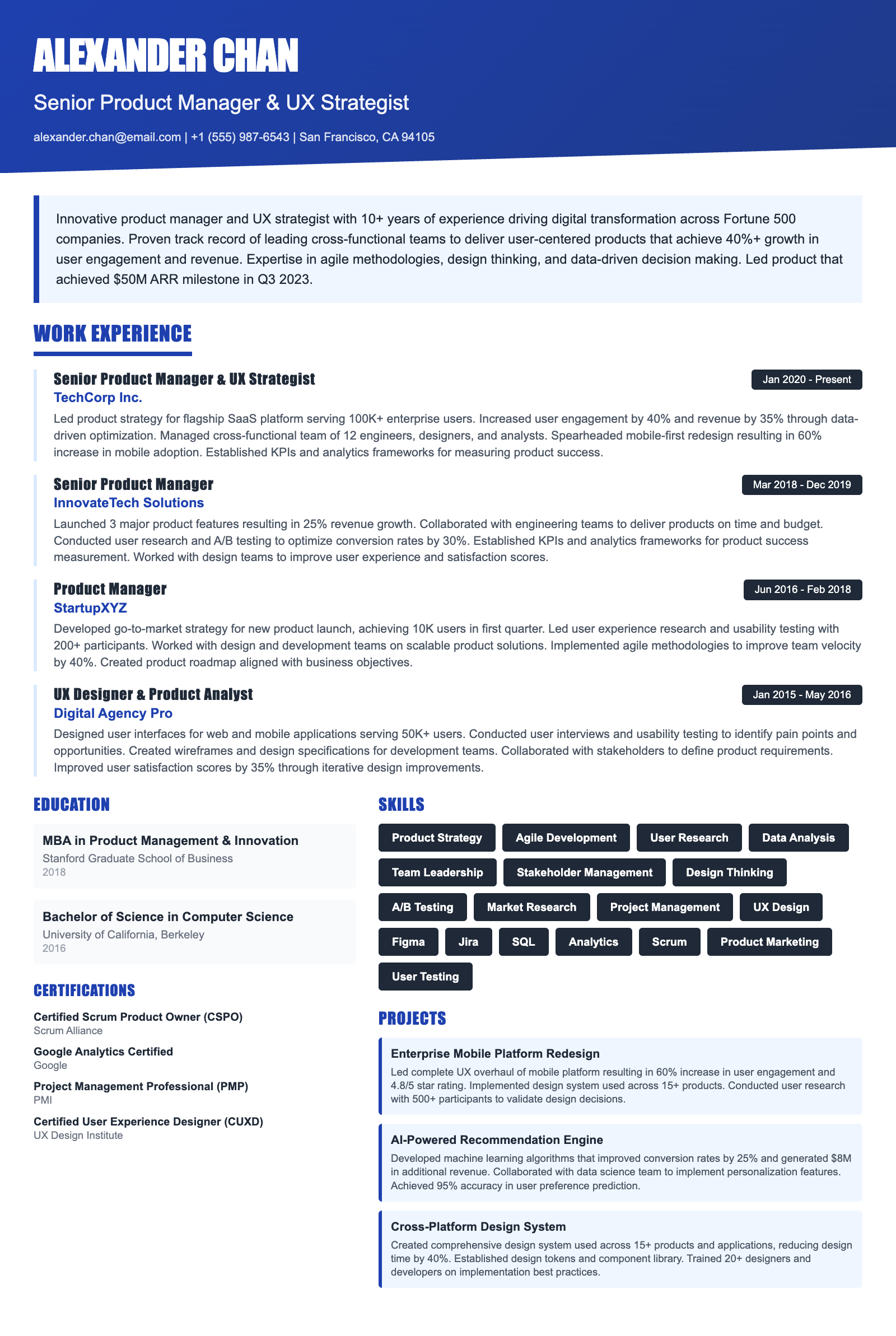
Average US Salary: $50k - $85k

Expert Tip: For Junior Education Recruiter positions in the US, recruiters increasingly look for technical execution and adaptability over simple job duties. This guide is tailored to highlight these specific traits to ensure your resume stands out in the competitive Junior Education Recruiter sector.

What US Hiring Managers Look For in a Junior Education Recruiter Resume

When reviewing Junior Education Recruiter candidates, recruiters and hiring managers in the US focus on a few critical areas. Making these elements clear and easy to find on your resume will improve your chances of moving to the interview stage.

  • Relevant experience and impact in Junior Education Recruiter or closely related roles.
  • Clear, measurable achievements (metrics, scope, outcomes) rather than duties.
  • Skills and keywords that match the job description and ATS requirements.
  • Professional formatting and no spelling or grammar errors.
  • Consistency between your resume, LinkedIn, and application.
  • Proficiency in key areas such as Communication, Time Management, Industry-Standard Tools.

Essential Skills for Junior Education Recruiter

Include these keywords in your resume to pass ATS screening and impress recruiters.

Must-Have Skills

  • CriticalCommunication
  • HighTime Management

Technical Skills

  • HighIndustry-Standard Tools
  • MediumData Analysis

Soft Skills

  • CriticalTeamwork
  • HighAdaptability
  • MediumLeadership

A Day in the Life

A Day in the Life of a Junior Recruiter

Your morning starts at 9 AM by checking emails and reviewing yesterday's tasks. As an Junior Recruiter in Education, you spend the first hour in daily stand-ups, syncing with your team on handling core responsibilities, collaborating with cross-functional teams, and driving project success. From 10 AM to 1 PM, you focus on execution. In Education, this involves learning standard operating procedures and applying your Recruiter skills to real-world problems. Post-lunch (1-5 PM) is for deep work and collaboration. You might attend workshops or pair with senior members to understand the nuances of handling core responsibilities, collaborating with cross-functional teams, and driving project success within the company. Wrap up by 5:30 PM, documenting your progress. Education professionals at this level prioritize learning and consistency to build a strong career foundation.

Career Progression Path

Level 1

Recruiter I (Entry Level)

Level 2

Recruiter II (Junior)

Level 3

Senior Recruiter

Level 4

Lead Recruiter

Level 5

Recruiter Manager / Director

Interview Questions & Answers

Prepare for your Junior Education Recruiter interview with these commonly asked questions.

Describe a time you had to fill a difficult-to-fill position in the education sector. What strategies did you use?

Medium
Situational
Sample Answer
In a previous role, I was tasked with finding a special education teacher for a rural school district, a notoriously challenging role to fill. I started by expanding my search beyond traditional job boards, leveraging social media groups and contacting universities with strong special education programs. I also worked closely with the school district to understand their specific needs and crafted a targeted recruitment message highlighting the unique benefits of working in that community. Finally, I streamlined the interview process to ensure a quick turnaround, and successfully hired a qualified candidate within a month. This involved using LinkedIn Recruiter extensively and tailoring my messaging to resonate with the target audience.

How do you stay updated on the latest trends and changes in the education sector?

Easy
Behavioral
Sample Answer
I proactively engage with industry publications like Education Week and The Journal. I also follow key influencers and organizations on social media to stay abreast of current discussions and developments. Furthermore, I participate in webinars and conferences focused on education trends, such as those hosted by the National Education Association. This allows me to better understand the needs of schools and districts and identify top talent.

Explain your experience with applicant tracking systems (ATS) and how you've used them to improve recruitment efficiency.

Medium
Technical
Sample Answer
I have extensive experience with ATS platforms like Taleo and Workday. I use these systems to manage the entire recruitment lifecycle, from posting job openings to tracking candidate progress and generating reports. In my previous role, I leveraged the ATS to automate email communication, schedule interviews, and streamline the onboarding process, which reduced our time-to-hire by 10%. I am proficient in using ATS analytics to identify bottlenecks and optimize recruitment strategies.

Describe a situation where you had to handle a conflict between a hiring manager and a candidate. How did you resolve it?

Medium
Behavioral
Sample Answer
In a previous role, a hiring manager and a candidate had differing expectations regarding the role's responsibilities. The candidate felt the job description was not accurately reflecting the day-to-day tasks. To resolve this, I facilitated a meeting between the two parties, allowing them to openly discuss their concerns. I clarified the expectations of the role, highlighting the key responsibilities and providing additional context. By fostering open communication and addressing the concerns directly, we were able to reach a mutually satisfactory agreement, and the candidate accepted the position.

How do you measure the success of your recruitment efforts in the education sector?

Medium
Technical
Sample Answer
I measure the success of my recruitment efforts by tracking several key metrics, including time-to-hire, cost-per-hire, candidate satisfaction, and retention rates. I also monitor the quality of hires by assessing their performance after a certain period. By analyzing these metrics, I can identify areas for improvement and optimize my recruitment strategies to ensure we are attracting and retaining top talent in the education sector. I regularly use data analysis tools like Excel to track and report on these metrics.

Tell me about a time you had to adapt your recruitment strategy to meet the changing needs of a school or district.

Hard
Situational
Sample Answer
Recently, a local school district shifted its focus to integrating more technology into the classroom. They needed teachers with experience in using specific educational software and online learning platforms. To adapt, I attended training sessions on these technologies to better understand the required skills. I then updated my job postings to emphasize these qualifications and expanded my search to include candidates with backgrounds in educational technology. Additionally, I screened candidates for their proficiency in using these tools during the interview process. This proactive approach allowed us to successfully fill the positions with qualified candidates who could effectively support the district's technology integration initiatives.

ATS Optimization Tips

Make sure your resume passes Applicant Tracking Systems used by US employers.

Incorporate keywords directly from the job description, focusing on specific skills, tools, and qualifications the employer is seeking.
Use a simple, chronological format with clear section headings like "Experience," "Skills," and "Education" to ensure easy parsing by the ATS.
Quantify your accomplishments whenever possible, using numbers and metrics to demonstrate your impact, such as "Filled 20+ teaching positions in Q1."
Submit your resume as a PDF to preserve formatting and ensure that the ATS can accurately extract the information.
Include a comprehensive skills section that lists both hard skills (e.g., ATS proficiency, data analysis) and soft skills (e.g., communication, teamwork).
Use action verbs to start each bullet point in your experience section, highlighting your responsibilities and achievements in a concise and impactful manner.
Tailor your resume to each specific job application, emphasizing the skills and experiences that align most closely with the employer's requirements.
Ensure your contact information is clearly visible and accurately formatted at the top of your resume, including your phone number, email address, and LinkedIn profile URL.

Common Resume Mistakes to Avoid

Don't make these errors that get resumes rejected.

1
Failing to quantify achievements with metrics, making it difficult to assess the candidate's impact on previous recruitment efforts.
2
Using generic descriptions of responsibilities instead of highlighting specific accomplishments and contributions to the team.
3
Neglecting to tailor the resume to each specific job description, resulting in a lack of relevant keywords and skills.
4
Omitting proficiency in industry-standard tools like applicant tracking systems (ATS) such as Taleo or Workday.
5
Not showcasing experience with sourcing candidates from education-specific job boards or professional organizations.
6
Failing to demonstrate an understanding of the unique challenges and requirements of recruiting for education roles.
7
Ignoring the importance of highlighting soft skills like communication and relationship-building, which are crucial in education recruitment.
8
Overlooking the opportunity to showcase knowledge of education trends, such as the demand for STEM educators or special education teachers.

Industry Outlook

The US Education sector is experiencing steady growth. Junior Recruiters are particularly sought after, with the Bureau of Labor Statistics projecting average job growth through 2030. Peak hiring occurs in Q1 (January-March) and Q3 (August-September).

Top Hiring Companies

Industry LeadersRegional FirmsFast-Growing Companies

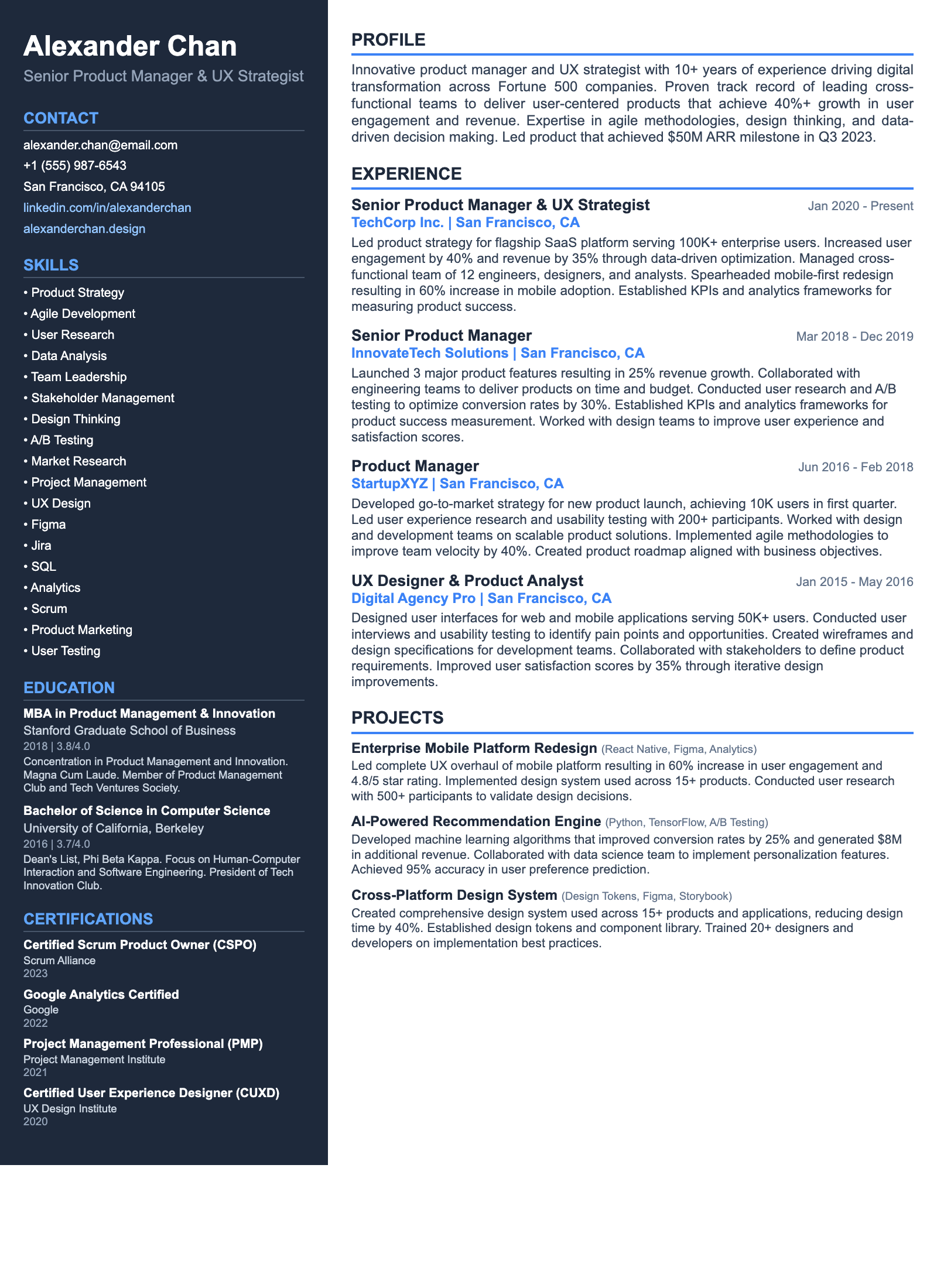
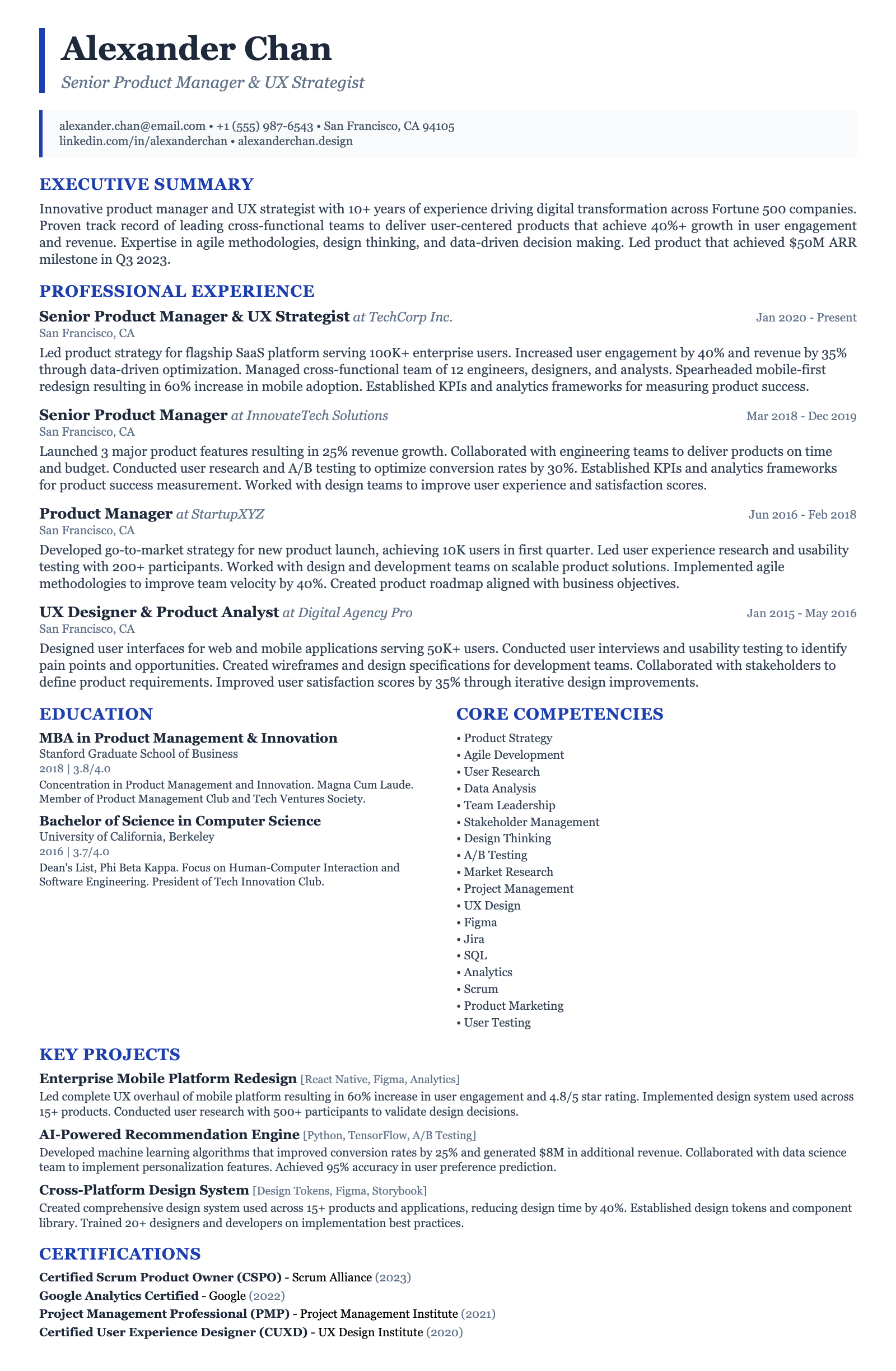
Recommended Resume Templates

ATS-friendly templates designed specifically for Junior Education Recruiter positions in the US market.
Frequently Asked Questions

How long should my Junior Education Recruiter resume be?

Ideally, your resume should be one page, especially if you have less than 5 years of experience. Focus on the most relevant accomplishments and skills. Prioritize quantifiable results and use concise language. For example, instead of saying "Responsible for sourcing candidates," say "Sourced 50+ qualified candidates per month using LinkedIn Recruiter and Indeed." If you have more extensive experience, two pages are acceptable, but ensure every section is highly relevant and impactful.

What are the most important skills to highlight on my resume?

Highlight both hard and soft skills relevant to education recruitment. Hard skills include proficiency in applicant tracking systems (ATS) such as Taleo, Workday, or Greenhouse, experience with LinkedIn Recruiter, Indeed, and other job boards, and data analysis skills using tools like Excel or Google Sheets. Soft skills include excellent communication, time management, teamwork, adaptability, and leadership. Provide specific examples of how you've used these skills to achieve results, such as "Improved time-to-hire by 15% through effective time management and candidate prioritization."

How do I optimize my resume for Applicant Tracking Systems (ATS)?

Use a clean, simple format with clear headings and bullet points. Avoid tables, images, and unusual fonts that may not be recognized by ATS. Incorporate relevant keywords from the job description throughout your resume, especially in the skills and experience sections. Submit your resume in a PDF format, as it preserves formatting better than DOCX. Use standard section headings like "Summary," "Experience," "Skills," and "Education" for better parsing.

Are certifications necessary for a Junior Education Recruiter role?

While not always mandatory, certifications can enhance your credibility and demonstrate your commitment to professional development. Consider certifications related to recruitment, such as Certified Internet Recruiter (CIR) or Professional in Human Resources (PHR). Additionally, certifications in specific education-related areas, such as special education or curriculum development, can be beneficial. Highlight any relevant certifications prominently on your resume to showcase your expertise.

What are some common resume mistakes to avoid?

Avoid generic resume templates that lack personalization. Do not include irrelevant information, such as hobbies or outdated work experience. Proofread carefully for typos and grammatical errors. Avoid exaggerating your accomplishments or skills. Do not neglect to quantify your achievements with metrics. Do not use passive language; instead, use action verbs to describe your responsibilities and accomplishments. Do not forget to tailor your resume to each specific job description.

How do I handle a career transition into education recruitment on my resume?

If you're transitioning into education recruitment, emphasize transferable skills from your previous roles, such as communication, relationship building, project management, and problem-solving. Highlight any volunteer experience or involvement in education-related activities. Tailor your resume to showcase your understanding of the education sector and your passion for connecting talented individuals with educational opportunities. Consider taking relevant online courses or certifications to demonstrate your commitment to the field and list them in your resume.

Ready to Build Your Junior Education Recruiter Resume?

Use our AI-powered resume builder to create an ATS-optimized resume tailored for Junior Education Recruiter positions in the US market.

Complete Junior Education Recruiter Career Toolkit

Everything you need for your Junior Education Recruiter job search — all in one platform.

Why choose ResumeGyani over Zety or Resume.io?

The only platform with AI mock interviews + resume builder + job search + career coaching — all in one.

See comparison

Last updated: March 2026 · Content reviewed by certified resume writers · Optimized for US job market