
ATS-Optimized for US Market

Junior Finance Executive Assistant Career & Resume Guide

As a Junior Finance Executive Assistant, your resume needs to showcase your ability to support financial operations and executives effectively. Hiring managers seek candidates who possess a blend of administrative prowess and financial acumen. Your resume must clearly demonstrate proficiency in both areas. Begin with a compelling summary highlighting your years of experience and key accomplishments. Include sections detailing your skills (Communication, Time Management, Excel/Financial Software, Data Analysis, Teamwork, Adaptability, Leadership), relevant experience, and education. Quantify your achievements whenever possible, using metrics to illustrate your impact on previous organizations (e.g., "Improved report generation efficiency by 15% using advanced Excel functions"). Emphasize your proficiency with financial software such as SAP, Oracle, or QuickBooks, tailoring your resume to the specific tools mentioned in the job description. Highlight your data analysis skills by describing projects where you analyzed financial data to support decision-making. Showcase your experience in preparing financial reports, managing budgets, and assisting with audits. Demonstrate your communication skills by providing examples of how you effectively communicated financial information to non-financial stakeholders. Leadership examples might include successfully training new team members on financial procedures. Adaptability can be shown through experience with changing software or reporting requirements. Use action verbs to begin each bullet point, and structure your experience section using the STAR method (Situation, Task, Action, Result) to provide context and quantifiable results. Consider adding a skills matrix section. For salary expectations between $70k and $127k, ensure your experience aligns with the position's requirements and industry standards.
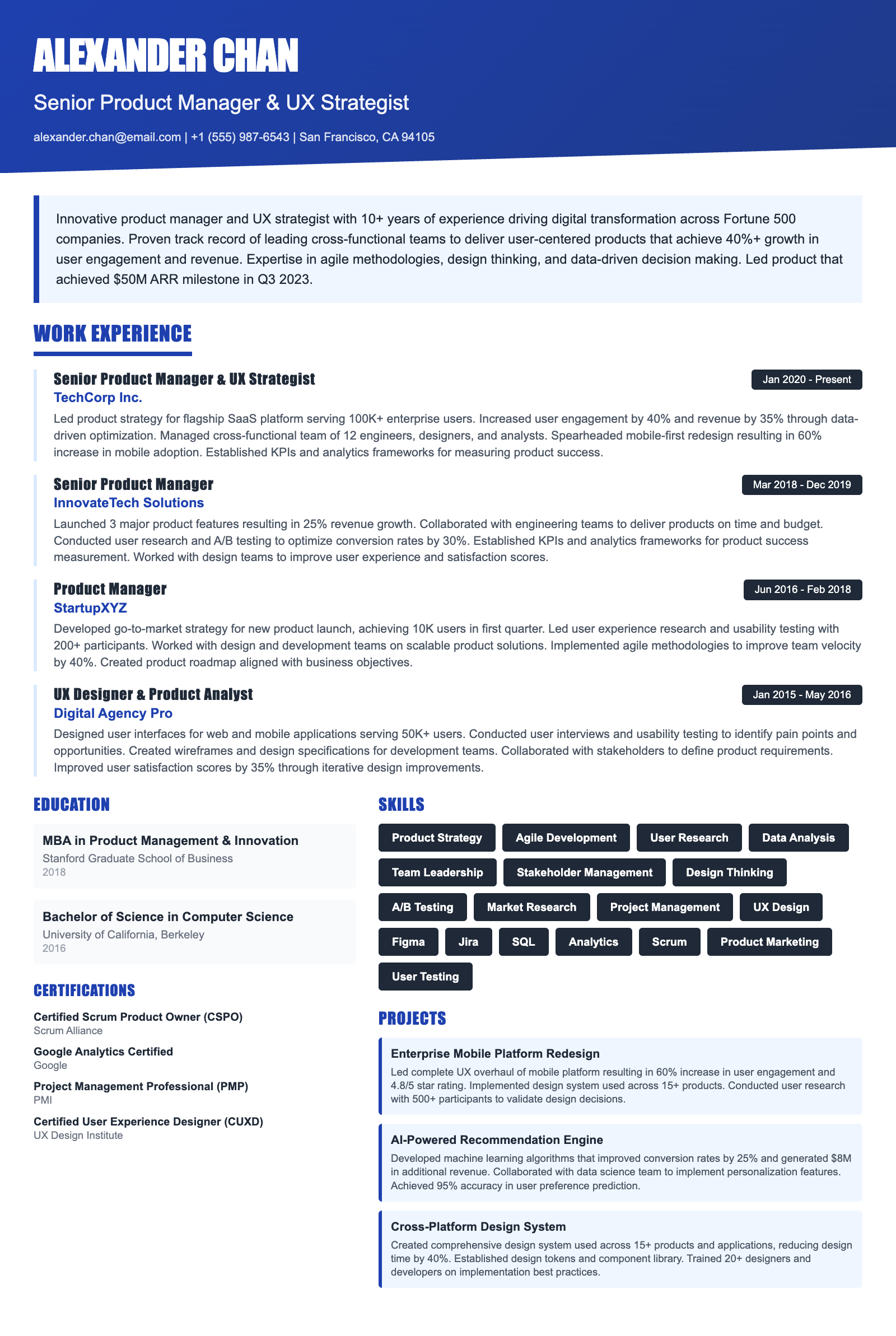
Average US Salary: $70k - $127k

Expert Tip: For Junior Finance Executive Assistant positions in the US, recruiters increasingly look for technical execution and adaptability over simple job duties. This guide is tailored to highlight these specific traits to ensure your resume stands out in the competitive Junior Finance Executive Assistant sector.

What US Hiring Managers Look For in a Junior Finance Executive Assistant Resume

When reviewing Junior Finance Executive Assistant candidates, recruiters and hiring managers in the US focus on a few critical areas. Making these elements clear and easy to find on your resume will improve your chances of moving to the interview stage.

  • Relevant experience and impact in Junior Finance Executive Assistant or closely related roles.
  • Clear, measurable achievements (metrics, scope, outcomes) rather than duties.
  • Skills and keywords that match the job description and ATS requirements.
  • Professional formatting and no spelling or grammar errors.
  • Consistency between your resume, LinkedIn, and application.
  • Proficiency in key areas such as Communication, Time Management, Excel/Financial Software.

Essential Skills for Junior Finance Executive Assistant

Include these keywords in your resume to pass ATS screening and impress recruiters.

Must-Have Skills

  • CriticalCommunication
  • HighTime Management

Technical Skills

  • HighExcel/Financial Software
  • MediumData Analysis

Soft Skills

  • CriticalTeamwork
  • HighAdaptability
  • MediumLeadership

A Day in the Life

A Day in the Life of a Junior Executive Assistant

Your morning starts at 9 AM by checking emails and reviewing yesterday's tasks. As an Junior Executive Assistant in Finance, you spend the first hour in daily stand-ups, syncing with your team on handling core responsibilities, collaborating with cross-functional teams, and driving project success. From 10 AM to 1 PM, you focus on execution. In Finance, this involves learning standard operating procedures and applying your Executive Assistant skills to real-world problems. Post-lunch (1-5 PM) is for deep work and collaboration. You might attend workshops or pair with senior members to understand the nuances of handling core responsibilities, collaborating with cross-functional teams, and driving project success within the company. Wrap up by 5:30 PM, documenting your progress. Finance professionals at this level prioritize learning and consistency to build a strong career foundation.

Career Progression Path

Level 1

Executive Assistant I (Entry Level)

Level 2

Executive Assistant II (Junior)

Level 3

Senior Executive Assistant

Level 4

Lead Executive Assistant

Level 5

Executive Assistant Manager / Director

Interview Questions & Answers

Prepare for your Junior Finance Executive Assistant interview with these commonly asked questions.

Describe a time when you had to manage multiple financial tasks simultaneously. How did you prioritize and ensure accuracy?

Medium
Behavioral
Sample Answer
In my previous role at [Previous Company], I was responsible for processing invoices, reconciling bank statements, and preparing monthly financial reports simultaneously. To prioritize, I used a task management system (Trello) and categorized tasks based on urgency and importance. I allocated specific time slots for each task and minimized distractions. To ensure accuracy, I implemented a double-check system where I reviewed my work and had a colleague verify it. This approach helped me manage my workload effectively and maintain high accuracy levels. One success was reducing invoice processing time by 20%.

How proficient are you with Excel, and can you give an example of how you have used it to solve a financial problem?

Medium
Technical
Sample Answer
I am highly proficient in Excel, including advanced functions such as VLOOKUP, pivot tables, and macros. For example, at [Previous Company], I automated the monthly financial reporting process using macros. This involved creating a macro that automatically pulled data from various sources, formatted it into a standardized report, and distributed it to stakeholders. This automation reduced the time spent on report generation by 40% and minimized the risk of human error. Also, I regularly used pivot tables for variance analysis.

Imagine a scenario where an executive asks you to prepare a financial report with very short notice, and you already have a full workload. How would you handle this?

Medium
Situational
Sample Answer
First, I would acknowledge the executive's request and ask for clarification on the report's urgency and specific requirements. Then, I would reassess my current workload and identify any tasks that could be temporarily postponed or delegated. I would communicate transparently with the executive about my existing commitments and propose a realistic timeline for delivering the report. If necessary, I would offer to work overtime or seek assistance from colleagues to ensure the report is completed accurately and on time. I would aim to provide a preliminary draft for feedback to avoid delays.

Describe your experience with financial software such as SAP, Oracle, or QuickBooks.

Medium
Technical
Sample Answer
In my previous role at [Previous Company], I primarily used QuickBooks for managing accounts payable and receivable, processing invoices, and generating financial reports. I am proficient in using QuickBooks to perform tasks such as creating journal entries, reconciling bank statements, and generating balance sheets and income statements. I also received training on SAP during my internship, where I learned to navigate the system and extract financial data for analysis. My experience with these tools enables me to efficiently manage financial data and support executive decision-making. I'm also a quick learner when it comes to new financial software.

Tell me about a time you had to communicate complex financial information to someone who did not have a financial background. How did you ensure they understood?

Medium
Behavioral
Sample Answer
At [Previous Company], I was tasked with explaining the budget variance analysis to the marketing team, who lacked a financial background. I avoided using technical jargon and instead used simple, clear language and visual aids, such as charts and graphs, to illustrate the key points. I focused on the impact of the variances on their department's performance and used real-world examples to make the information relatable. I also encouraged them to ask questions and provided detailed explanations until they fully understood the concepts. This approach helped them grasp the financial implications of their decisions and make informed choices.

You notice a discrepancy in a financial report. What steps would you take to resolve it?

Medium
Situational
Sample Answer
First, I would verify the discrepancy by cross-referencing the data with source documents and other relevant records. Then, I would trace the transaction or data point back to its origin to identify the cause of the error. I would document my findings and consult with my supervisor or a senior colleague if needed. If the error is significant, I would promptly notify the relevant stakeholders and work collaboratively to implement corrective actions. I would also review the processes to prevent similar errors in the future. I would ensure all changes are properly documented and auditable.

ATS Optimization Tips

Make sure your resume passes Applicant Tracking Systems used by US employers.

Incorporate industry-specific keywords such as "financial reporting," "budget management," "accounts payable," and "expense reconciliation" within your skills and experience sections.
Use standard resume section headings like "Summary," "Skills," "Experience," and "Education" for optimal ATS parsing.
Quantify your accomplishments using metrics such as dollar amounts, percentages, and time savings to demonstrate your impact.
Format dates consistently using a MM/YYYY format to avoid errors in ATS date parsing.
List software proficiencies (Excel, SAP, QuickBooks) explicitly; the ATS will scan for these specific tools.
Tailor your resume to each job posting by including keywords and skills listed in the job description.
Use a simple, clean font like Arial or Calibri in 11-12 point size to ensure readability by the ATS.
Save your resume as a PDF to preserve formatting while remaining ATS-compatible; avoid using tables or graphics.

Common Resume Mistakes to Avoid

Don't make these errors that get resumes rejected.

1
Failing to quantify achievements with specific numbers or metrics, making it difficult to assess your impact.
2
Listing generic skills without providing examples of how you have applied them in previous roles.
3
Neglecting to tailor your resume to the specific requirements of each job posting.
4
Including irrelevant information, such as unrelated work experience or hobbies.
5
Using a resume format that is not ATS-friendly, resulting in your resume being overlooked.
6
Having grammatical errors or typos in your resume, which can create a negative impression.
7
Overstating your skills or experience, which can be easily detected during the interview process.
8
Not highlighting your proficiency with essential financial software like Excel, SAP, or QuickBooks.

Industry Outlook

The US Finance sector is experiencing steady growth. Junior Executive Assistants are particularly sought after, with the Bureau of Labor Statistics projecting average job growth through 2030. Peak hiring occurs in Q1 (January-March) and Q3 (August-September).

Top Hiring Companies

JP MorganGoldman SachsFidelityFinTech Startups

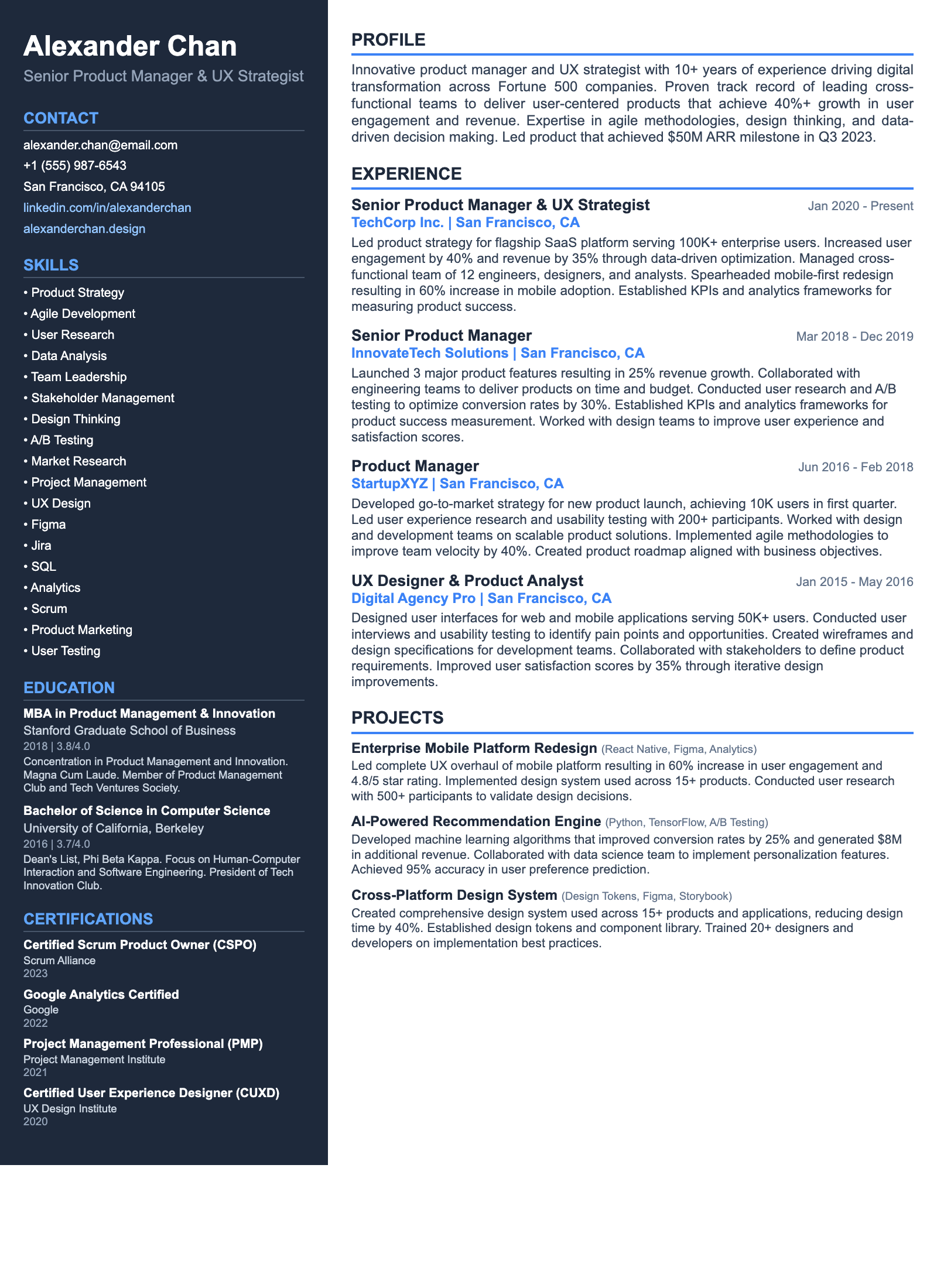
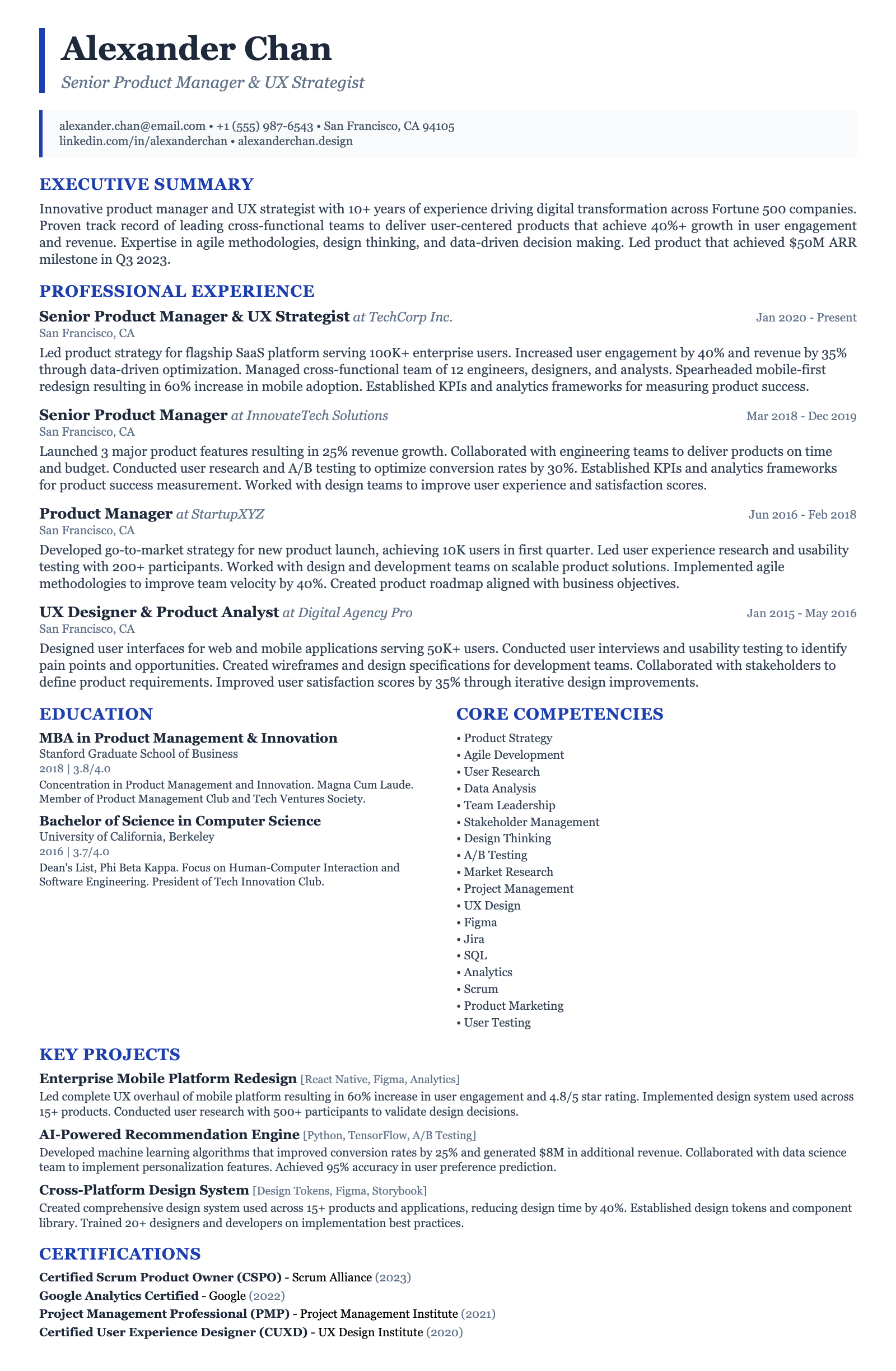
Recommended Resume Templates

ATS-friendly templates designed specifically for Junior Finance Executive Assistant positions in the US market.
Frequently Asked Questions

How long should my Junior Finance Executive Assistant resume be?

Ideally, your resume should be one page, especially if you have less than five years of experience. Focus on the most relevant skills and experiences that align with the job description. Prioritize quantifiable achievements over generic descriptions. If you have substantial experience, a two-page resume is acceptable, but ensure every piece of information adds value. Use concise language and maintain readability to keep the hiring manager engaged. Consider including relevant certifications like Microsoft Office Specialist (MOS) or Certified Administrative Professional (CAP).

What are the most important skills to highlight on my resume?

Prioritize skills that demonstrate both administrative and financial capabilities. Essential skills include proficiency in Excel (VLOOKUP, pivot tables, macros), financial software (SAP, Oracle, QuickBooks), data analysis, report generation, budgeting, and strong communication skills. Highlight your ability to manage financial documents, prepare presentations, and support executive decision-making. Showcase soft skills such as time management, organization, and teamwork. Mention any experience with GAAP or other accounting principles.

How can I optimize my resume for Applicant Tracking Systems (ATS)?

Use a clean, ATS-friendly format with clear headings and bullet points. Avoid tables, images, and special characters. Incorporate keywords from the job description throughout your resume, particularly in the skills and experience sections. Save your resume as a PDF unless the job posting specifies a different format. Ensure your contact information is easily readable. Use standard fonts like Arial or Times New Roman. Consider using tools to check your resume's ATS compatibility.

Are certifications important for a Junior Finance Executive Assistant resume?

While not always mandatory, certifications can significantly enhance your resume. Consider certifications like Microsoft Office Specialist (MOS), Certified Administrative Professional (CAP), or certifications related to specific financial software (e.g., SAP Certified Application Associate). These certifications demonstrate your commitment to professional development and validate your skills. Include the certification name, issuing organization, and date earned on your resume.

What are some common resume mistakes to avoid?

Avoid generic descriptions of your responsibilities. Instead, focus on quantifiable achievements and the impact you made in previous roles. Do not include irrelevant information or skills that are not related to the job description. Proofread your resume carefully for grammatical errors and typos. Avoid using outdated resume formats or including a photo. Do not exaggerate your skills or experience. Ensure your contact information is accurate and up-to-date.

How can I showcase a career transition into a Junior Finance Executive Assistant role?

If you are transitioning from a different field, highlight transferable skills such as communication, organization, data analysis, and problem-solving. Emphasize any relevant coursework or certifications you have obtained. Create a skills-based resume that focuses on your abilities rather than your work history. Write a strong summary that explains your career transition and highlights your enthusiasm for the role. Tailor your resume to align with the specific requirements of the job description. Quantify your accomplishments wherever possible to demonstrate your value.

Ready to Build Your Junior Finance Executive Assistant Resume?

Use our AI-powered resume builder to create an ATS-optimized resume tailored for Junior Finance Executive Assistant positions in the US market.

Complete Junior Finance Executive Assistant Career Toolkit

Everything you need for your Junior Finance Executive Assistant job search — all in one platform.

Why choose ResumeGyani over Zety or Resume.io?

The only platform with AI mock interviews + resume builder + job search + career coaching — all in one.

See comparison

Last updated: March 2026 · Content reviewed by certified resume writers · Optimized for US job market

Junior Finance Executive Assistant Resume Guide (2026) | ATS-Optimized Template