
ATS-Optimized for US Market

Junior Finance Software Engineer Career & Resume Guide

As a Junior Finance Software Engineer, your resume needs to showcase your ability to bridge the gap between financial principles and software development. Hiring managers look for a blend of technical proficiency and financial acumen. A great resume starts with a concise summary highlighting your passion for financial technology and your ability to contribute to building robust financial systems. Key sections should include: Projects (detailing your involvement in financial software development), Technical Skills (listing programming languages like Python, Java, or C++, financial libraries such as NumPy or Pandas, and database experience with SQL or NoSQL), and Education (emphasizing relevant coursework in finance, mathematics, and computer science). Quantify your achievements whenever possible, illustrating the impact of your code on financial processes (e.g., reduced processing time by X%, improved data accuracy by Y%). Showcase your teamwork abilities, emphasizing how you collaborated with financial analysts or other engineers. Mention specific projects involving the development of trading platforms, risk management systems, or accounting software. Highlight your understanding of financial regulations and compliance requirements. To stand out, demonstrate experience with cloud platforms (AWS, Azure, GCP) and DevOps tools (Docker, Kubernetes) relevant to financial applications. Certifications like CFA Level I or FRM can be a plus, even in a software engineering role, signaling your financial literacy. A portfolio of personal projects on GitHub showcasing finance-related software solutions can significantly boost your candidacy.
Average US Salary: $70k - $127k

Expert Tip: For Junior Finance Software Engineer positions in the US, recruiters increasingly look for technical execution and adaptability over simple job duties. This guide is tailored to highlight these specific traits to ensure your resume stands out in the competitive Junior Finance Software Engineer sector.

What US Hiring Managers Look For in a Junior Finance Software Engineer Resume

When reviewing Junior Finance Software Engineer candidates, recruiters and hiring managers in the US focus on a few critical areas. Making these elements clear and easy to find on your resume will improve your chances of moving to the interview stage.

  • Relevant experience and impact in Junior Finance Software Engineer or closely related roles.
  • Clear, measurable achievements (metrics, scope, outcomes) rather than duties.
  • Skills and keywords that match the job description and ATS requirements.
  • Professional formatting and no spelling or grammar errors.
  • Consistency between your resume, LinkedIn, and application.
  • Proficiency in key areas such as Communication, Time Management, Excel/Financial Software.

Essential Skills for Junior Finance Software Engineer

Include these keywords in your resume to pass ATS screening and impress recruiters.

Must-Have Skills

  • CriticalCommunication
  • HighTime Management

Technical Skills

  • HighExcel/Financial Software
  • MediumData Analysis

Soft Skills

  • CriticalTeamwork
  • HighAdaptability
  • MediumLeadership

A Day in the Life

A Day in the Life of a Junior Software Engineer

Your morning starts at 9 AM by checking emails and reviewing yesterday's tasks. As an Junior Software Engineer in Finance, you spend the first hour in daily stand-ups, syncing with your team on debugging complex codebases, participating in sprint planning, and writing clean, scalable microservices. From 10 AM to 1 PM, you focus on execution. In Finance, this involves learning standard operating procedures and applying your Software Engineer skills to real-world problems. Post-lunch (1-5 PM) is for deep work and collaboration. You might attend workshops or pair with senior members to understand the nuances of debugging complex codebases, participating in sprint planning, and writing clean, scalable microservices within the company. Wrap up by 5:30 PM, documenting your progress. Finance professionals at this level prioritize learning and consistency to build a strong career foundation.

Career Progression Path

Level 1

Software Engineer I (Entry Level)

Level 2

Software Engineer II (Junior)

Level 3

Senior Software Engineer

Level 4

Lead Software Engineer

Level 5

Software Engineer Manager / Director

Interview Questions & Answers

Prepare for your Junior Finance Software Engineer interview with these commonly asked questions.

Describe a time you had to debug a complex piece of code. What steps did you take?

Medium
Technical
Sample Answer
I once worked on a project where the Monte Carlo simulation for option pricing was producing incorrect results. My initial step was to isolate the issue by writing unit tests for each component of the simulation. I then used a debugger to step through the code, comparing the expected values with the actual values at each step. After identifying the error in the volatility calculation, I implemented a fix and verified the results against known benchmarks. I also added logging to monitor the simulation's performance.

How do you stay up-to-date with the latest trends in financial technology?

Easy
Behavioral
Sample Answer
I regularly read financial technology publications like the Wall Street Journal, attend industry webinars, and follow influential figures on LinkedIn. I also participate in online forums and communities to learn about new tools and techniques. I've recently been exploring applications of blockchain in finance and working on a personal project to simulate a decentralized trading platform.

Explain the difference between SQL and NoSQL databases, and when you would choose one over the other in a financial application.

Medium
Technical
Sample Answer
SQL databases are relational databases that use a structured schema and are well-suited for applications requiring data integrity and consistency, such as transaction processing or regulatory reporting. NoSQL databases are non-relational and offer more flexibility and scalability for handling large volumes of unstructured data, making them suitable for applications like fraud detection or real-time market data analysis. I'd choose SQL when data integrity is paramount and NoSQL when scalability and flexibility are more important.

Tell me about a time you had to work with a financial analyst to develop a software solution. What were the challenges, and how did you overcome them?

Medium
Behavioral
Sample Answer
I collaborated with a financial analyst to develop a tool for automating the generation of regulatory reports. The challenge was understanding the complex financial regulations and translating them into clear software specifications. I overcame this by actively listening to the analyst's explanations, asking clarifying questions, and creating prototypes to ensure we were aligned on the requirements. We also used a collaborative documentation platform to track changes and maintain a shared understanding of the project.

Describe a situation where you had to make a trade-off between performance and security in a financial application.

Hard
Situational
Sample Answer
In developing a high-frequency trading platform, we faced a situation where encrypting all data transmissions would significantly slow down the system, potentially impacting trading profits. We addressed this by implementing selective encryption, prioritizing the encryption of sensitive data like trading algorithms and account credentials, while using less computationally intensive methods for other data. We also implemented robust monitoring and intrusion detection systems to mitigate the remaining risks.

How would you approach designing a system for detecting fraudulent transactions?

Hard
Technical
Sample Answer
I would start by identifying the key indicators of fraudulent activity, such as unusual transaction patterns, large transaction amounts, or transactions originating from suspicious locations. I would then use machine learning techniques like anomaly detection to identify transactions that deviate from the norm. The system would also need to integrate with real-time data feeds and have the ability to flag suspicious transactions for further investigation. Communication tools such as Slack or PagerDuty would immediately notify security teams.

ATS Optimization Tips

Make sure your resume passes Applicant Tracking Systems used by US employers.

Incorporate specific financial keywords (e.g., 'algorithmic trading', 'risk management', 'regulatory compliance', 'portfolio optimization') throughout your resume, particularly in the skills and experience sections.
Use standard section headings like 'Technical Skills,' 'Financial Experience,' 'Projects,' and 'Education' to help the ATS correctly categorize your information.
Quantify your accomplishments whenever possible, using metrics like 'reduced processing time by 15%' or 'improved data accuracy by 10%' to demonstrate the impact of your work.
List your programming skills explicitly, including specific languages (Python, Java, C++), frameworks (e.g., Spring, Django), and libraries (NumPy, Pandas) relevant to financial applications.
Include details about your experience with databases (SQL, NoSQL) and cloud platforms (AWS, Azure, GCP), as many financial software applications rely on these technologies.
Format your resume using a simple, clean layout with clear headings and bullet points; avoid using tables, images, or unusual fonts, which can confuse ATS systems.
Tailor your resume to each specific job application by carefully reviewing the job description and incorporating the keywords and skills that are most relevant to the role.
Save your resume as a PDF to ensure that the formatting is preserved when it is processed by the ATS.

Common Resume Mistakes to Avoid

Don't make these errors that get resumes rejected.

1
Failing to quantify achievements; instead of saying 'Improved data processing,' say 'Reduced data processing time by 20% using optimized algorithms'.
2
Listing generic skills without providing context; instead of just saying 'Python,' mention 'Developed a Python-based risk assessment tool using NumPy and Pandas'.
3
Not tailoring the resume to the specific job description; a generic resume will likely be overlooked by ATS systems.
4
Omitting relevant financial knowledge, assuming it's implied; explicitly mention your understanding of financial instruments or regulations.
5
Focusing solely on software engineering skills and neglecting to showcase any financial aptitude or experience.
6
Using overly technical jargon without explaining its relevance to financial applications.
7
Not including personal projects or contributions to open-source finance-related projects; this demonstrates initiative and passion.
8
Misrepresenting your level of proficiency in specific technologies or financial concepts; be honest about your abilities.

Industry Outlook

The US Finance sector is experiencing steady growth. Junior Software Engineers are particularly sought after, with the Bureau of Labor Statistics projecting average job growth through 2030. Peak hiring occurs in Q1 (January-March) and Q3 (August-September).

Top Hiring Companies

JP MorganGoldman SachsFidelityFinTech Startups

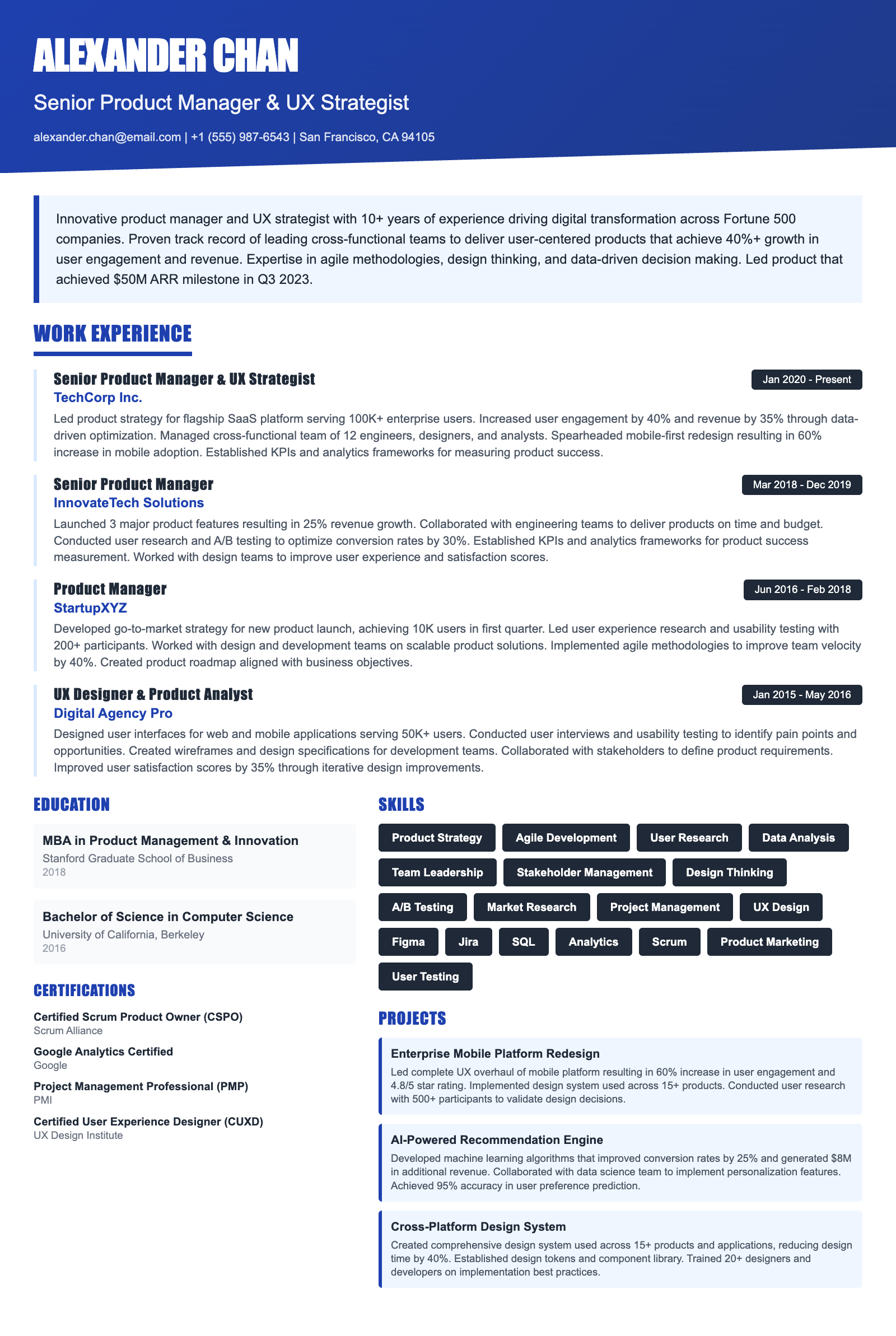
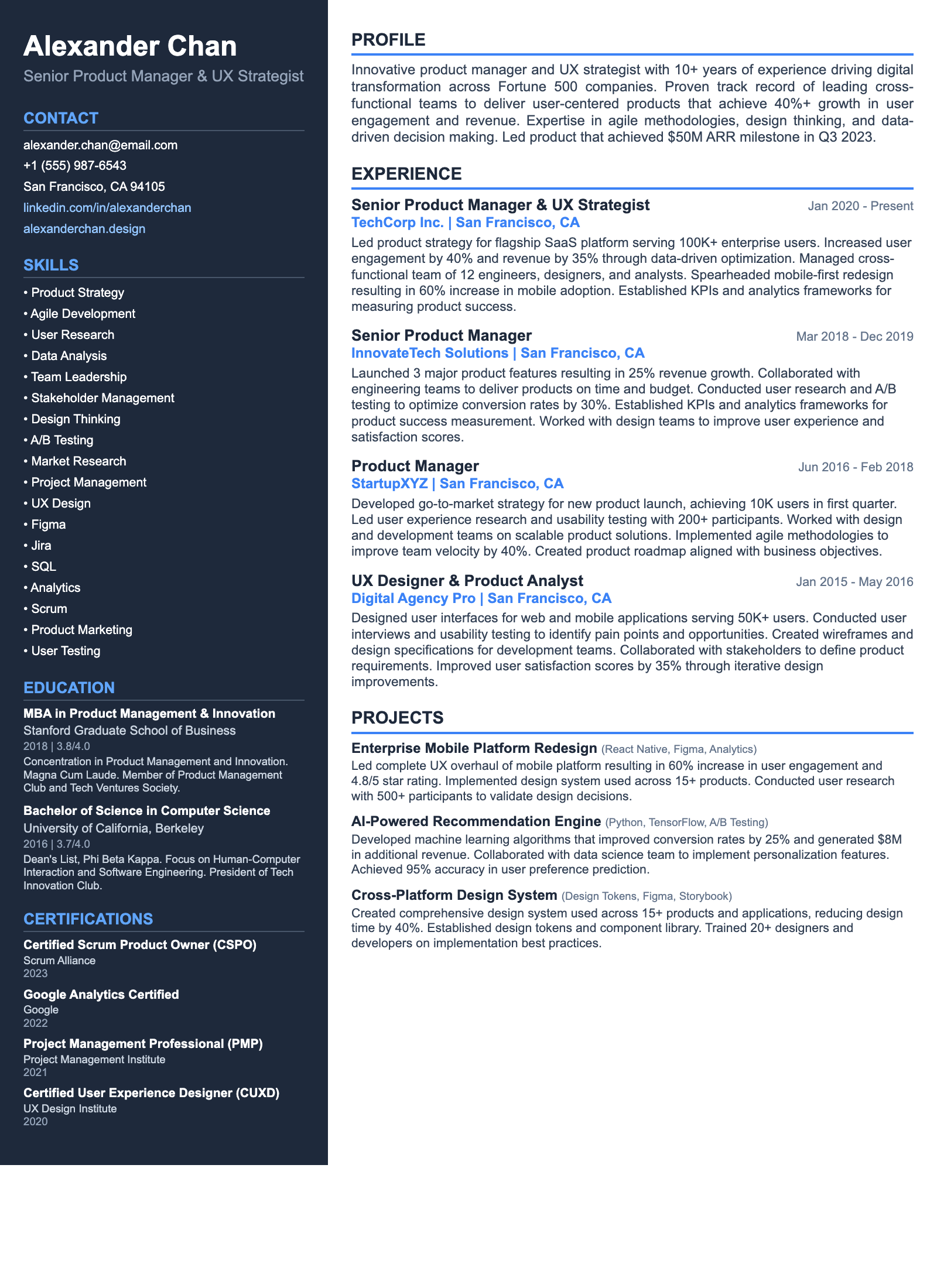
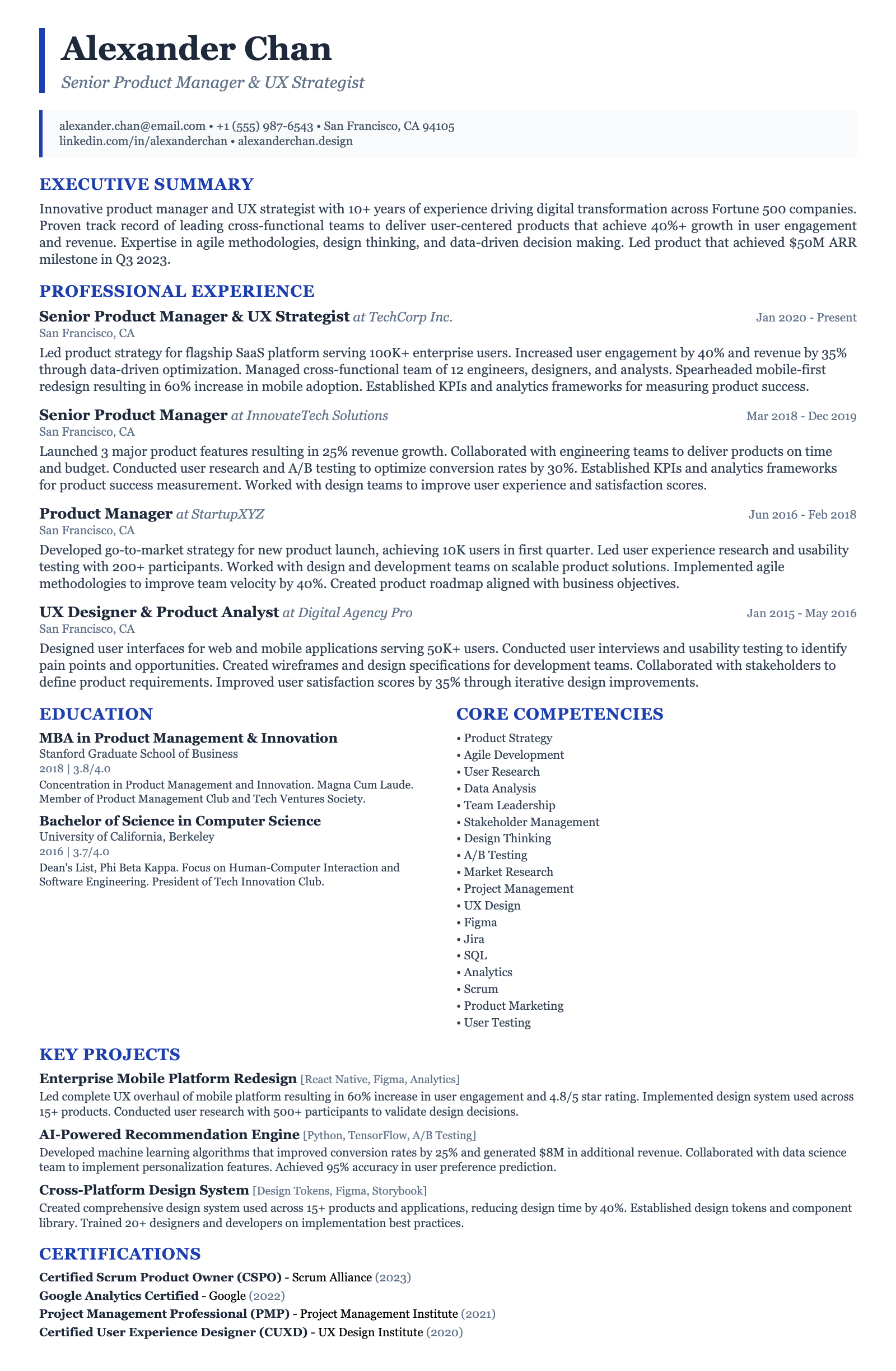
Recommended Resume Templates

ATS-friendly templates designed specifically for Junior Finance Software Engineer positions in the US market.
Frequently Asked Questions

What is the ideal length for a Junior Finance Software Engineer resume?

For a Junior Finance Software Engineer, a one-page resume is generally sufficient. Focus on showcasing your relevant skills and experience, prioritizing projects and technical skills that directly align with the job description. If you have extensive project experience, especially in financial software development, a concise two-page resume may be acceptable, but ensure every element adds value.

What are the most important skills to highlight on my resume?

Prioritize skills that demonstrate your proficiency in both finance and software engineering. These include programming languages (Python, Java, C++), financial modeling, data analysis, database management (SQL, NoSQL), knowledge of financial instruments, and familiarity with financial software (e.g., Bloomberg Terminal, FactSet, or specific trading platforms). Also include skills like communication and teamwork, showing your ability to collaborate effectively.

How can I ensure my resume is ATS-friendly?

Use a clean, simple format with clear headings and bullet points. Avoid tables, images, and unusual fonts, which can confuse ATS systems. Incorporate relevant keywords from the job description, especially related to technical skills and financial concepts. Save your resume as a PDF to preserve formatting. Use standard section titles like 'Skills,' 'Experience,' and 'Education'.

Are certifications important for a Junior Finance Software Engineer resume?

While not always required, certifications can significantly enhance your resume. Consider certifications like CFA Level I, FRM, or relevant programming certifications (e.g., AWS Certified Developer). These demonstrate your commitment to continuous learning and your understanding of both finance and technology. They signal to employers that you possess a foundational knowledge of financial principles.

What are some common mistakes to avoid on my resume?

Avoid generic statements and focus on quantifiable achievements. Don't simply list skills without providing context or examples. Avoid grammatical errors and typos. Don't include irrelevant information or experience. Also, avoid exaggerating your skills or experience, as this can be easily detected during the interview process.

How can I transition into a Junior Finance Software Engineer role from a different field?

Highlight any transferable skills you possess, such as programming experience, data analysis abilities, or knowledge of financial concepts. Pursue relevant certifications or online courses to demonstrate your commitment to the field. Create personal projects that showcase your ability to apply your skills to financial problems. Tailor your resume to emphasize the skills and experience that are most relevant to the role, even if they come from a different industry.

Ready to Build Your Junior Finance Software Engineer Resume?

Use our AI-powered resume builder to create an ATS-optimized resume tailored for Junior Finance Software Engineer positions in the US market.

Complete Junior Finance Software Engineer Career Toolkit

Everything you need for your Junior Finance Software Engineer job search — all in one platform.

Why choose ResumeGyani over Zety or Resume.io?

The only platform with AI mock interviews + resume builder + job search + career coaching — all in one.

See comparison

Last updated: March 2026 · Content reviewed by certified resume writers · Optimized for US job market

Junior Finance Software Engineer Resume Guide (2026) | ATS-Optimized Template