
ATS-Optimized for US Market

Junior Healthcare Business Analyst Career & Resume Guide

As a Junior Healthcare Business Analyst, your resume needs to showcase your analytical prowess and understanding of the healthcare landscape. Hiring managers seek candidates who can bridge the gap between clinical needs and business objectives, leveraging data to drive informed decisions. Structure your resume with clear sections: a concise summary highlighting your key skills and experience, a detailed skills section featuring proficiency in tools like SQL, Excel (including pivot tables and advanced functions), Tableau/Power BI (for data visualization), and familiarity with Electronic Health Record (EHR) systems (e.g., Epic, Cerner). Emphasize project experience where you’ve analyzed healthcare data (claims data, patient data, operational data) to identify trends, improve processes, or reduce costs. Quantify your achievements whenever possible – for example, "Improved data accuracy by 15% through implementing new validation rules in SQL." Showcase your understanding of healthcare regulations (HIPAA), coding systems (ICD-10, CPT), and reimbursement models. Demonstrate your communication and teamwork abilities through examples of collaborating with clinical staff, IT teams, and management. To stand out, include any relevant certifications (e.g., CBAP, CCBA) or coursework in healthcare informatics, business analytics, or statistics. Tailor your resume to each specific job description, highlighting the skills and experience that are most relevant to the role. Showcase your leadership potential by mentioning instances of leading small projects or mentoring junior team members.
Average US Salary: $60k - $110k

Expert Tip: For Junior Healthcare Business Analyst positions in the US, recruiters increasingly look for technical execution and adaptability over simple job duties. This guide is tailored to highlight these specific traits to ensure your resume stands out in the competitive Junior Healthcare Business Analyst sector.

What US Hiring Managers Look For in a Junior Healthcare Business Analyst Resume

When reviewing Junior Healthcare Business Analyst candidates, recruiters and hiring managers in the US focus on a few critical areas. Making these elements clear and easy to find on your resume will improve your chances of moving to the interview stage.

  • Relevant experience and impact in Junior Healthcare Business Analyst or closely related roles.
  • Clear, measurable achievements (metrics, scope, outcomes) rather than duties.
  • Skills and keywords that match the job description and ATS requirements.
  • Professional formatting and no spelling or grammar errors.
  • Consistency between your resume, LinkedIn, and application.
  • Proficiency in key areas such as Communication, Time Management, Industry-Standard Tools.

Essential Skills for Junior Healthcare Business Analyst

Include these keywords in your resume to pass ATS screening and impress recruiters.

Must-Have Skills

  • CriticalCommunication
  • HighTime Management

Technical Skills

  • HighIndustry-Standard Tools
  • MediumData Analysis

Soft Skills

  • CriticalTeamwork
  • HighAdaptability
  • MediumLeadership

A Day in the Life

A Day in the Life of a Junior Business Analyst

Your morning starts at 9 AM by checking emails and reviewing yesterday's tasks. As an Junior Business Analyst in Healthcare, you spend the first hour in daily stand-ups, syncing with your team on handling core responsibilities, collaborating with cross-functional teams, and driving project success. From 10 AM to 1 PM, you focus on execution. In Healthcare, this involves learning standard operating procedures and applying your Business Analyst skills to real-world problems. Post-lunch (1-5 PM) is for deep work and collaboration. You might attend workshops or pair with senior members to understand the nuances of handling core responsibilities, collaborating with cross-functional teams, and driving project success within the company. Wrap up by 5:30 PM, documenting your progress. Healthcare professionals at this level prioritize learning and consistency to build a strong career foundation.

Career Progression Path

Level 1

Business Analyst I (Entry Level)

Level 2

Business Analyst II (Junior)

Level 3

Senior Business Analyst

Level 4

Lead Business Analyst

Level 5

Business Analyst Manager / Director

Interview Questions & Answers

Prepare for your Junior Healthcare Business Analyst interview with these commonly asked questions.

Describe a time you used data analysis to solve a problem in a healthcare setting. What was the problem, what steps did you take, and what was the outcome?

Medium
Behavioral
Sample Answer
In a previous project, I analyzed patient readmission rates at a local hospital. Using SQL, I extracted data on patient demographics, diagnoses, and treatment plans. I identified a correlation between readmission rates and specific chronic conditions. I then presented my findings to the clinical team, who implemented a new patient education program targeted at those high-risk individuals. As a result, the readmission rates for those patients decreased by 8% within three months, which directly affected cost.

Explain how you would approach analyzing a dataset of patient claims to identify potential fraud or abuse.

Hard
Technical
Sample Answer
I would start by understanding the data structure and identifying key variables relevant to fraud detection, such as billing patterns, service codes, and provider information. Using SQL and statistical software, I would look for outliers and anomalies, such as unusually high billing amounts, duplicate claims, or services that are not medically necessary. I would then investigate these anomalies further to determine if they indicate fraudulent activity. Finally, I would present my findings to the compliance team for further action. My analysis would include visualization in PowerBI/Tableau to show trends.

Tell me about a time you had to communicate complex data insights to a non-technical audience. How did you ensure they understood the information?

Medium
Behavioral
Sample Answer
I was tasked with presenting findings from a study on patient satisfaction to hospital administrators who were not familiar with data analysis. I avoided technical jargon and focused on the key takeaways and their implications for patient care. I used visual aids, such as charts and graphs, to illustrate my points. I also provided clear explanations of the methodology and answered any questions they had in a simple and concise manner. I made sure to emphasize the 'so what' to get their attention.

You're asked to improve the efficiency of a hospital's emergency room. How would you use data analysis to identify areas for improvement?

Hard
Situational
Sample Answer
First, I'd gather data on patient wait times, resource utilization, and patient flow. I would analyze this data to identify bottlenecks and inefficiencies. For example, I might find that certain times of day have longer wait times, or that specific resources are underutilized. I could then make recommendations for process improvements, such as adjusting staffing levels or streamlining patient triage. I'd track the impact of these changes over time, creating KPI reports to measure impact on ER efficiency.

How familiar are you with healthcare coding systems such as ICD-10 and CPT? Can you explain how these codes are used in healthcare business analysis?

Medium
Technical
Sample Answer
I understand that ICD-10 codes are used for diagnosing conditions, while CPT codes are used for billing medical procedures. Both are crucial for analyzing healthcare data. For example, I can use ICD-10 codes to identify trends in disease prevalence and CPT codes to analyze the cost of different treatments. This information can be used to improve resource allocation, optimize billing practices, and improve patient outcomes. I can also create new queries in SQL to further refine the data output.

Describe a situation where you had to adapt to a change in project requirements or priorities. How did you handle it?

Easy
Behavioral
Sample Answer
In a project to implement a new EHR system, the scope expanded mid-project to include additional functionalities. This required me to adjust my timelines and re-prioritize tasks. I worked closely with the project manager to assess the impact of the changes and develop a revised project plan. I also communicated the changes to the stakeholders and ensured everyone was aligned on the new goals. My adaptability helped ensure the project remained on track despite the changes.

ATS Optimization Tips

Make sure your resume passes Applicant Tracking Systems used by US employers.

Use exact keywords from the job description throughout your resume, especially in the skills and experience sections. If the job description mentions 'data mining', make sure that specific term appears on your resume.
Format your skills section as a list of keywords, making it easy for the ATS to scan and identify relevant skills. Separate each skill with commas, such as: SQL, Excel, Tableau, EHR, HIPAA.
Use standard section headings like 'Summary,' 'Experience,' 'Education,' and 'Skills.' Avoid creative or unusual headings that the ATS may not recognize.
Quantify your achievements whenever possible using numbers and percentages. ATS systems often prioritize candidates who can demonstrate tangible results.
Include a 'Technical Skills' section to explicitly list your proficiency in tools like SQL, Excel, Tableau/Power BI, and EHR systems. This section helps the ATS quickly identify your technical capabilities.
Tailor your resume to each specific job description, highlighting the skills and experience that are most relevant to the role. This increases your chances of matching the ATS criteria.
Save your resume as a PDF to preserve formatting and ensure that the ATS can accurately read the document. PDFs are generally more compatible with ATS systems than other file formats.
Ensure your contact information is clearly visible and easily parsable by the ATS. Include your full name, phone number, email address, and LinkedIn profile URL.

Common Resume Mistakes to Avoid

Don't make these errors that get resumes rejected.

1
Failing to highlight experience with specific EHR systems (e.g., Epic, Cerner) when the job description requires it. Not including this directly disqualifies you from roles that require specific experience.
2
Omitting knowledge of healthcare regulations like HIPAA, which is crucial for protecting patient data. This demonstrates a lack of awareness of a fundamental aspect of healthcare.
3
Not quantifying accomplishments with data, such as cost savings or efficiency improvements. Hiring managers want to see tangible results.
4
Using generic language and failing to tailor the resume to the specific requirements of the healthcare industry. Generalized resumes will be seen as less valuable.
5
Focusing solely on technical skills and neglecting to highlight communication and collaboration skills, which are essential for working with clinical staff and other stakeholders.
6
Neglecting to mention experience with data visualization tools like Tableau or Power BI, which are increasingly important for presenting data insights to non-technical audiences. The inability to visualize data can hinder reporting capabilities.
7
Failing to demonstrate an understanding of healthcare coding systems (ICD-10, CPT) and reimbursement models. This can be a key differentiator in the healthcare industry.
8
Not including relevant certifications or coursework in healthcare informatics, business analytics, or statistics, which can demonstrate a commitment to the field.

Industry Outlook

The US Healthcare sector is experiencing high demand due to aging population. Junior Business Analysts are particularly sought after, with the Bureau of Labor Statistics projecting above-average job growth through 2030. Peak hiring occurs in Q1 (January-March) and Q3 (August-September).

Top Hiring Companies

Kaiser PermanenteMayo ClinicCleveland ClinicLocal Hospitals

Recommended Resume Templates

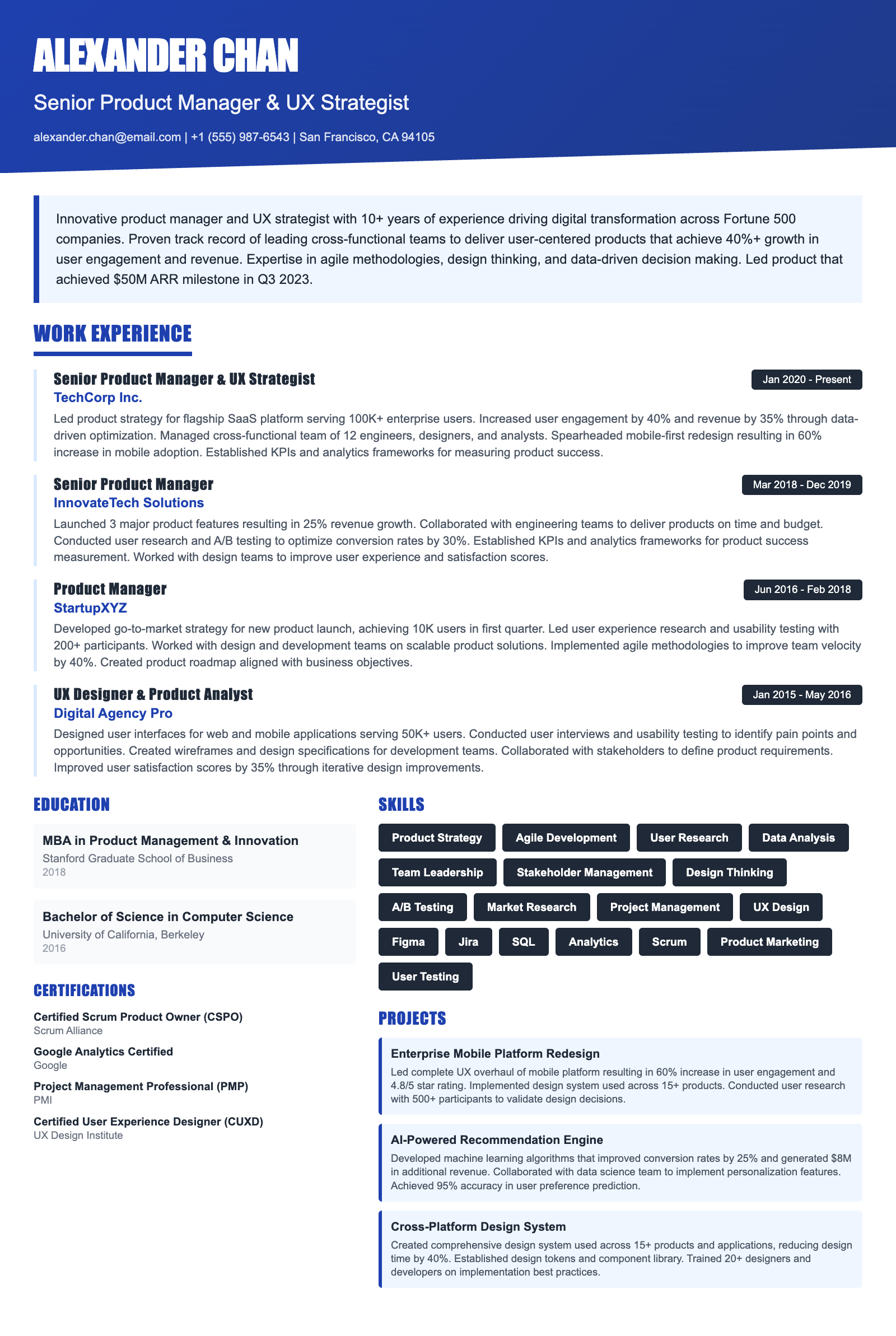
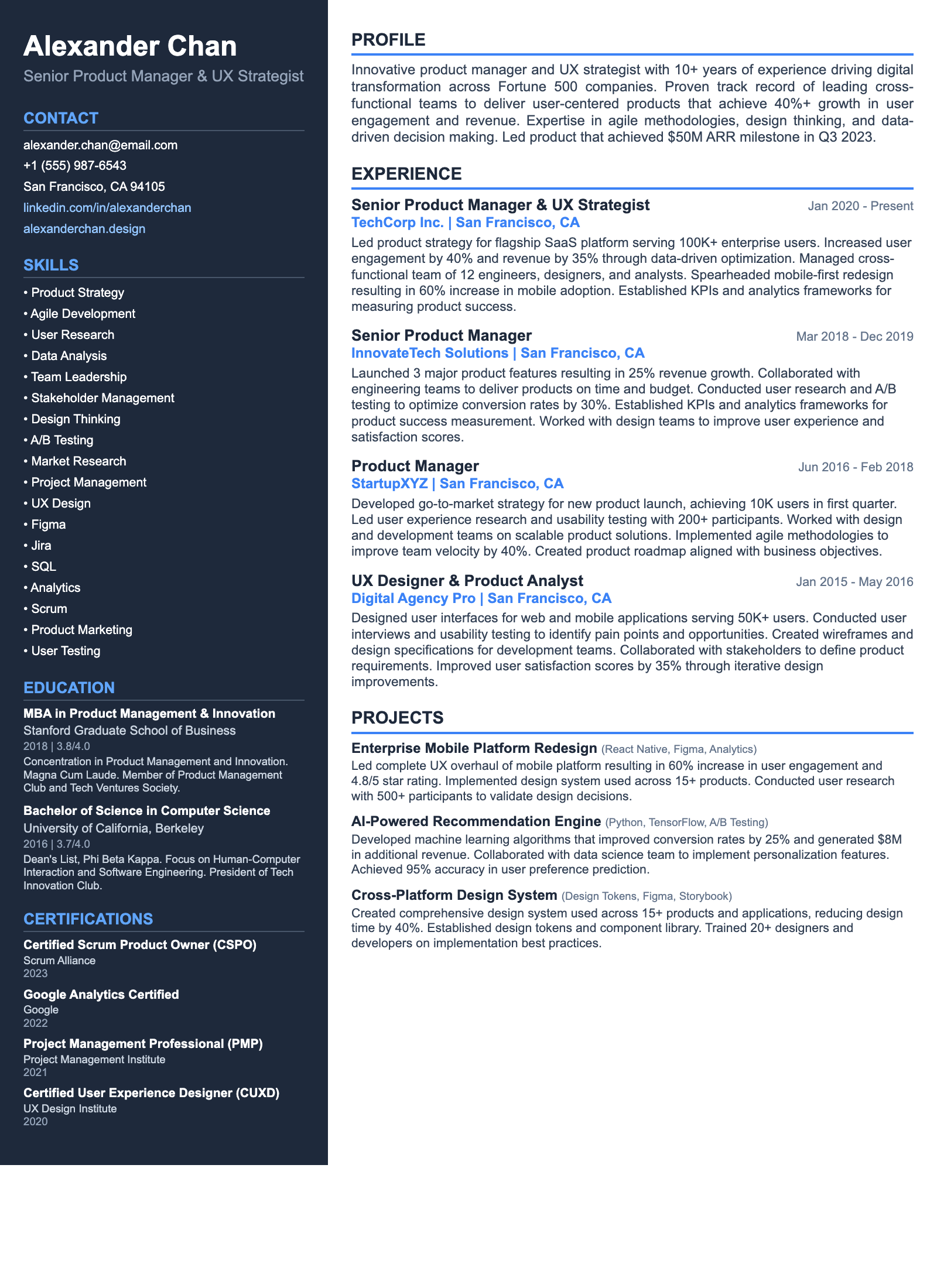
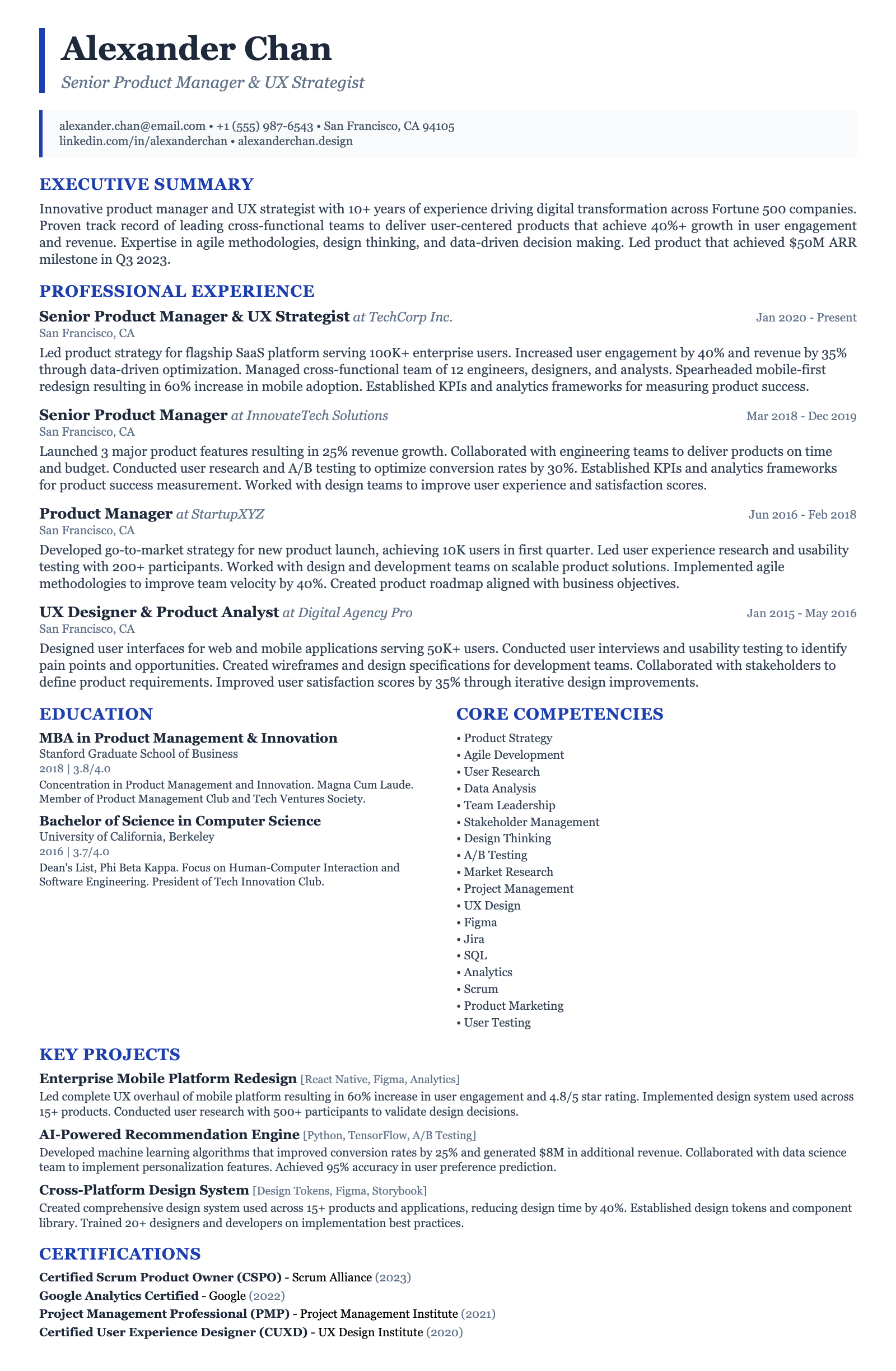
ATS-friendly templates designed specifically for Junior Healthcare Business Analyst positions in the US market.
Frequently Asked Questions

What is the ideal length for a Junior Healthcare Business Analyst resume?

For a Junior Healthcare Business Analyst with limited experience (0-3 years), a one-page resume is generally sufficient. Focus on highlighting your most relevant skills, projects, and accomplishments. If you have more experience or substantial project work, you can extend to two pages, but ensure every piece of information adds value and is tailored to the specific job.

What are the most important skills to emphasize on my resume?

Emphasize a blend of technical and soft skills. Technical skills include data analysis (SQL, Excel, statistical software), data visualization (Tableau, Power BI), and familiarity with EHR systems (Epic, Cerner). Soft skills include communication, problem-solving, critical thinking, and teamwork. Quantify your skills whenever possible, e.g., "Developed SQL queries to extract and analyze patient data, leading to a 10% reduction in appointment no-shows."

How can I optimize my resume for Applicant Tracking Systems (ATS)?

Use clear and concise language with industry-specific keywords. Avoid using tables or graphics that can confuse the ATS. Format your resume with standard headings like "Summary," "Skills," "Experience," and "Education." Save your resume as a PDF to preserve formatting. Ensure your contact information is easily readable. Tailor your resume to match the job description’s language, specifically in the skills and experience sections.

Are certifications important for a Junior Healthcare Business Analyst role?

Certifications can enhance your resume, especially if you lack extensive experience. Consider certifications like Certified Business Analysis Professional (CBAP), Certification of Competency in Business Analysis (CCBA), or healthcare-specific certifications related to data analytics or project management. Even online courses from platforms like Coursera or Udemy in SQL, data visualization, or healthcare informatics can be valuable additions.

What are some common resume mistakes to avoid?

Avoid using generic language or clichés. Don't include irrelevant information, such as unrelated work experience. Neglecting to quantify your accomplishments is a common error. Ensure your resume is free of typos and grammatical errors. Failing to tailor your resume to the specific job description can lead to rejection. Not highlighting your knowledge of healthcare regulations (HIPAA) is a significant oversight. Ensure your skills are relevant to the job you are applying for.

How can I transition to a Junior Healthcare Business Analyst role from a different field?

Highlight transferable skills from your previous role, such as data analysis, project management, or communication. Obtain relevant certifications or coursework in healthcare informatics, business analytics, or statistics. Tailor your resume to emphasize your understanding of the healthcare industry, even if through volunteer work, personal projects, or online courses. Network with professionals in the healthcare industry and seek out informational interviews to learn more about the role and industry-specific challenges.

Ready to Build Your Junior Healthcare Business Analyst Resume?

Use our AI-powered resume builder to create an ATS-optimized resume tailored for Junior Healthcare Business Analyst positions in the US market.

Complete Junior Healthcare Business Analyst Career Toolkit

Everything you need for your Junior Healthcare Business Analyst job search — all in one platform.

Why choose ResumeGyani over Zety or Resume.io?

The only platform with AI mock interviews + resume builder + job search + career coaching — all in one.

See comparison

Last updated: March 2026 · Content reviewed by certified resume writers · Optimized for US job market

Junior Healthcare Business Analyst Resume Guide (2026) | ATS-Optimized Template