
ATS-Optimized for US Market

Junior Hospitality Systems Administrator Career & Resume Guide

As a Junior Hospitality Systems Administrator, your resume should immediately demonstrate your proficiency in supporting the technological infrastructure that underpins the hospitality industry. Hiring managers seek candidates who possess a solid foundation in systems administration, a keen understanding of hospitality-specific technologies, and the ability to troubleshoot issues efficiently. Your resume's key sections should include a compelling summary highlighting your technical skills and experience, a detailed work history showcasing your accomplishments, a comprehensive skills section listing relevant software and hardware expertise (e.g., PMS systems like Oracle Opera, POS systems like Micros, network administration, Windows Server, Linux), and any relevant certifications (e.g., CompTIA A+, Network+). To stand out, quantify your achievements whenever possible – for example, 'Reduced system downtime by 15% by implementing proactive monitoring solutions.' Showcase your adaptability and problem-solving abilities through specific examples. Emphasize your teamwork and communication skills, as this role often involves collaborating with various departments to ensure seamless operations. Clearly articulate your experience with data analysis tools used in hospitality for reporting and performance monitoring. Demonstrating leadership potential, even in a junior role, can set you apart – highlight any instances where you took initiative or mentored others. Make sure to tailor your resume to match the specific requirements of each job description, emphasizing the skills and experiences that are most relevant to the target role.
Average US Salary: $50k - $85k

Expert Tip: For Junior Hospitality Systems Administrator positions in the US, recruiters increasingly look for technical execution and adaptability over simple job duties. This guide is tailored to highlight these specific traits to ensure your resume stands out in the competitive Junior Hospitality Systems Administrator sector.

What US Hiring Managers Look For in a Junior Hospitality Systems Administrator Resume

When reviewing Junior Hospitality Systems Administrator candidates, recruiters and hiring managers in the US focus on a few critical areas. Making these elements clear and easy to find on your resume will improve your chances of moving to the interview stage.

  • Relevant experience and impact in Junior Hospitality Systems Administrator or closely related roles.
  • Clear, measurable achievements (metrics, scope, outcomes) rather than duties.
  • Skills and keywords that match the job description and ATS requirements.
  • Professional formatting and no spelling or grammar errors.
  • Consistency between your resume, LinkedIn, and application.
  • Proficiency in key areas such as Communication, Time Management, Industry-Standard Tools.

Essential Skills for Junior Hospitality Systems Administrator

Include these keywords in your resume to pass ATS screening and impress recruiters.

Must-Have Skills

  • CriticalCommunication
  • HighTime Management

Technical Skills

  • HighIndustry-Standard Tools
  • MediumData Analysis

Soft Skills

  • CriticalTeamwork
  • HighAdaptability
  • MediumLeadership

A Day in the Life

A Day in the Life of a Junior Systems Administrator

Your morning starts at 9 AM by checking emails and reviewing yesterday's tasks. As an Junior Systems Administrator in Hospitality, you spend the first hour in daily stand-ups, syncing with your team on handling core responsibilities, collaborating with cross-functional teams, and driving project success. From 10 AM to 1 PM, you focus on execution. In Hospitality, this involves learning standard operating procedures and applying your Systems Administrator skills to real-world problems. Post-lunch (1-5 PM) is for deep work and collaboration. You might attend workshops or pair with senior members to understand the nuances of handling core responsibilities, collaborating with cross-functional teams, and driving project success within the company. Wrap up by 5:30 PM, documenting your progress. Hospitality professionals at this level prioritize learning and consistency to build a strong career foundation.

Career Progression Path

Level 1

Systems Administrator I (Entry Level)

Level 2

Systems Administrator II (Junior)

Level 3

Senior Systems Administrator

Level 4

Lead Systems Administrator

Level 5

Systems Administrator Manager / Director

Interview Questions & Answers

Prepare for your Junior Hospitality Systems Administrator interview with these commonly asked questions.

Describe a time you had to troubleshoot a complex system issue in a high-pressure environment. What steps did you take?

Medium
Behavioral
Sample Answer
In my previous role, a critical server hosting our PMS went down during peak check-in time. I immediately assessed the situation, identified the root cause as a corrupted database file, and initiated a backup restore. While the restore was in progress, I communicated updates to the front desk staff and management to manage guest expectations. After restoring the server, I implemented preventative measures to avoid future occurrences. This included improved monitoring and automated database backups. This experience taught me the importance of remaining calm under pressure and effective communication.

How familiar are you with different types of Point of Sale (POS) systems commonly used in the hospitality industry?

Medium
Technical
Sample Answer
I have experience with several POS systems, including Micros and Toast. I understand their core functionalities, such as order entry, payment processing, and reporting. I have also worked on troubleshooting common issues, such as network connectivity problems and printer malfunctions. Furthermore, I understand the importance of data security and PCI compliance in POS systems. I am eager to learn more about specific POS systems used by your organization.

Imagine a scenario where a hotel's Wi-Fi network is experiencing intermittent outages, impacting guest satisfaction. How would you approach diagnosing and resolving this issue?

Medium
Situational
Sample Answer
My first step would be to gather information from users experiencing the issue to identify patterns. Next, I'd check the network infrastructure, including routers, switches, and access points, for any errors or performance bottlenecks. I would use network monitoring tools to analyze traffic patterns and identify potential sources of interference. If needed, I would collaborate with the network vendor to escalate the issue and implement a permanent solution. I would also communicate updates to affected guests.

Explain your understanding of data security best practices in a hospitality setting.

Medium
Technical
Sample Answer
Data security is paramount in hospitality, especially with sensitive guest information. I understand the importance of implementing measures to protect against data breaches, such as using strong passwords, enabling multi-factor authentication, and regularly patching systems. I am also familiar with PCI DSS compliance requirements for handling credit card data. I advocate for regular security audits and employee training on data security best practices. I have experience implementing network segmentation to isolate sensitive systems.

Describe a time you had to learn a new technology or system quickly to complete a task. How did you approach it?

Easy
Behavioral
Sample Answer
In my previous role, we implemented a new cloud-based property management system. I had limited experience with cloud platforms, so I immediately sought out online training resources and documentation. I also collaborated with senior team members to gain practical experience. Within a short period, I was able to configure the system, migrate data, and provide support to end-users. This experience reinforced my ability to adapt and learn new technologies effectively.

How do you stay up-to-date with the latest trends and technologies in the hospitality IT landscape?

Easy
Behavioral
Sample Answer
I actively follow industry publications and blogs, such as Hospitality Technology and Hotel Management. I also attend webinars and online conferences to learn about new technologies and best practices. I am a member of relevant online communities and forums where I can exchange ideas with other professionals. I also experiment with new technologies in my lab environment to gain hands-on experience. Recently, I have been following the developments in AI and its potential applications in hospitality.

ATS Optimization Tips

Make sure your resume passes Applicant Tracking Systems used by US employers.

Prioritize a reverse-chronological resume format for ATS, as it's easily parsed and understood.
Incorporate keywords from the job description into your resume, especially in the skills section; include terms like 'PMS', 'POS', 'network security', 'system administration'.
Use standard section headings like 'Skills,' 'Experience,' and 'Education' to help the ATS categorize your information correctly.
Quantify your achievements with numbers and metrics to demonstrate the impact of your work, such as 'Reduced system downtime by 15%'.
List your skills both in a dedicated skills section and within your work experience bullet points to increase keyword density.
Use industry-standard terminology and acronyms related to hospitality technology, such as 'PCI DSS compliance' and 'ITIL framework'.
Ensure your resume is easily readable by using a common font like Arial or Times New Roman and avoiding excessive formatting.
Save your resume as a PDF to preserve formatting while ensuring the text is selectable by the ATS. Some ATS systems struggle with DOCX files.

Common Resume Mistakes to Avoid

Don't make these errors that get resumes rejected.

1
Failing to quantify accomplishments; instead of saying 'Managed servers', say 'Managed 10 Windows Servers, resulting in 99.9% uptime'.
2
Omitting relevant certifications; failing to list CompTIA A+, Network+, or vendor-specific certifications (e.g., Oracle Hospitality).
3
Using vague or generic descriptions of duties instead of specific achievements related to hospitality systems.
4
Not tailoring the resume to match the specific job description; failing to highlight skills and experiences that are most relevant to the target role.
5
Neglecting to mention experience with hospitality-specific software, such as PMS (e.g., Opera, RoomKeyPMS) or POS (e.g., Micros, Toast).
6
Poor formatting that makes the resume difficult to read; using excessive fonts, colors, or graphics.
7
Inconsistent use of verb tenses and bullet point styles, presenting an unprofessional image.
8
Not proofreading carefully, resulting in typos and grammatical errors that detract from your credibility.

Industry Outlook

The US Hospitality sector is experiencing steady growth. Junior Systems Administrators are particularly sought after, with the Bureau of Labor Statistics projecting average job growth through 2030. Peak hiring occurs in Q1 (January-March) and Q3 (August-September).

Top Hiring Companies

Industry LeadersRegional FirmsFast-Growing Companies

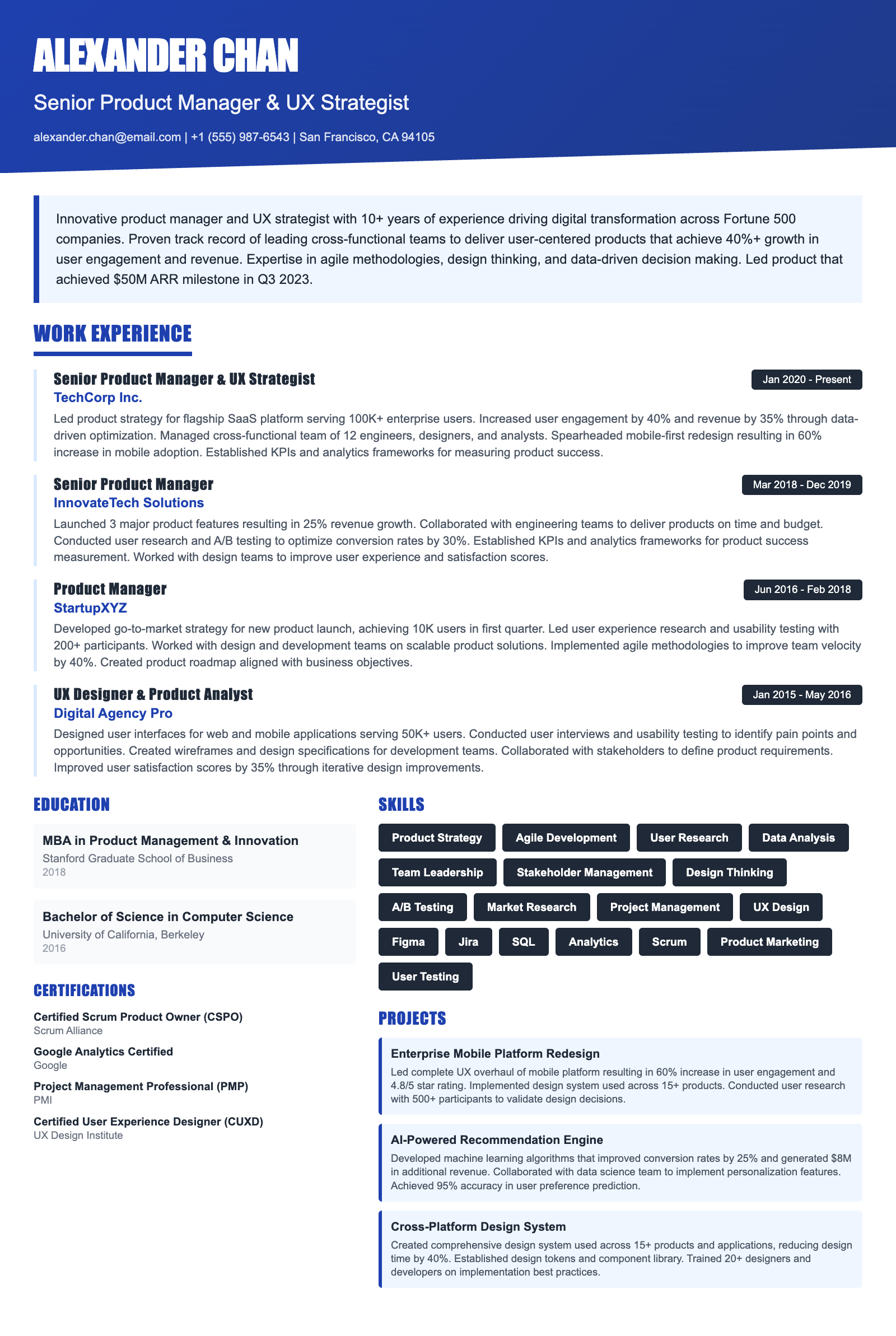
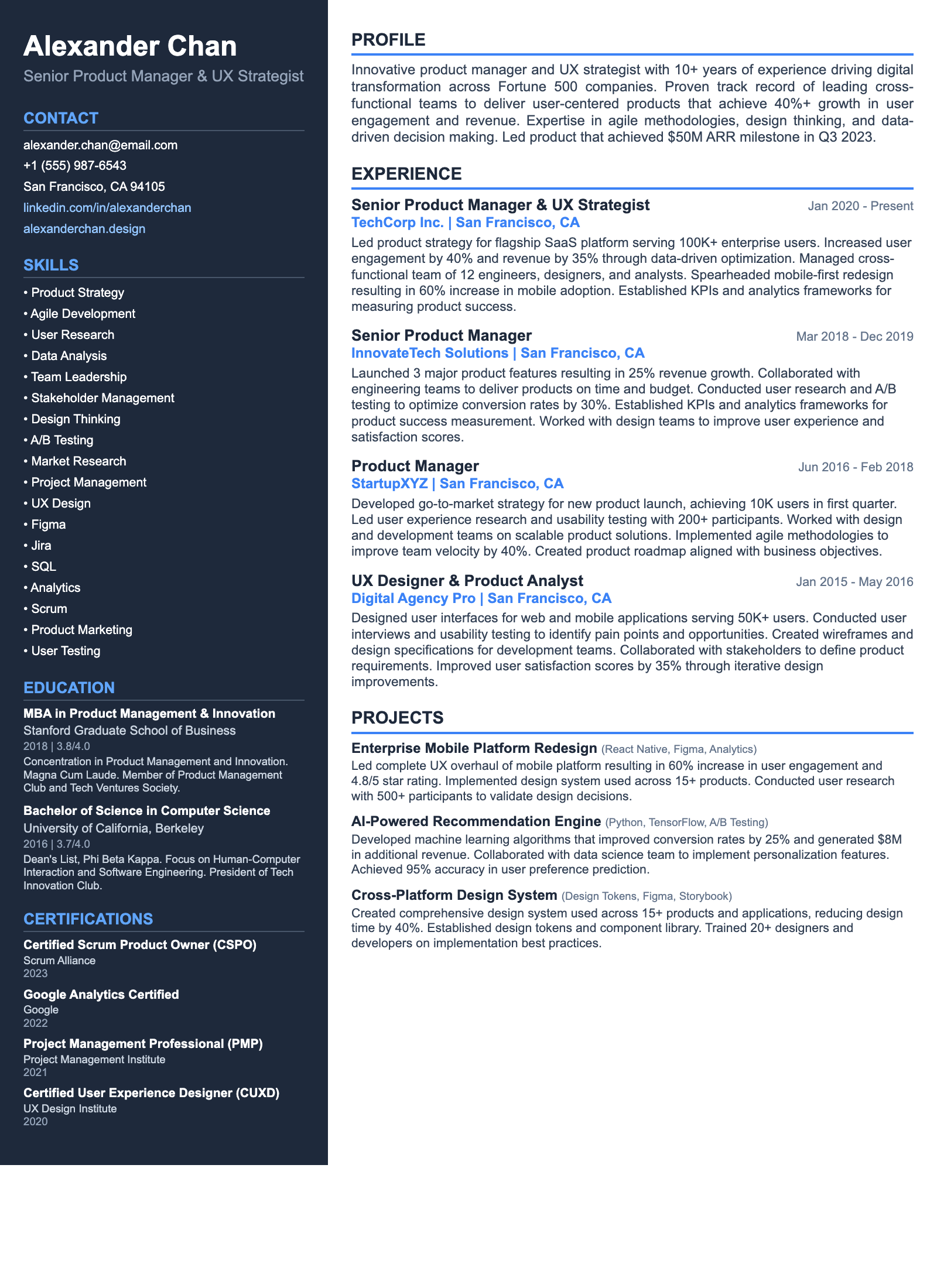
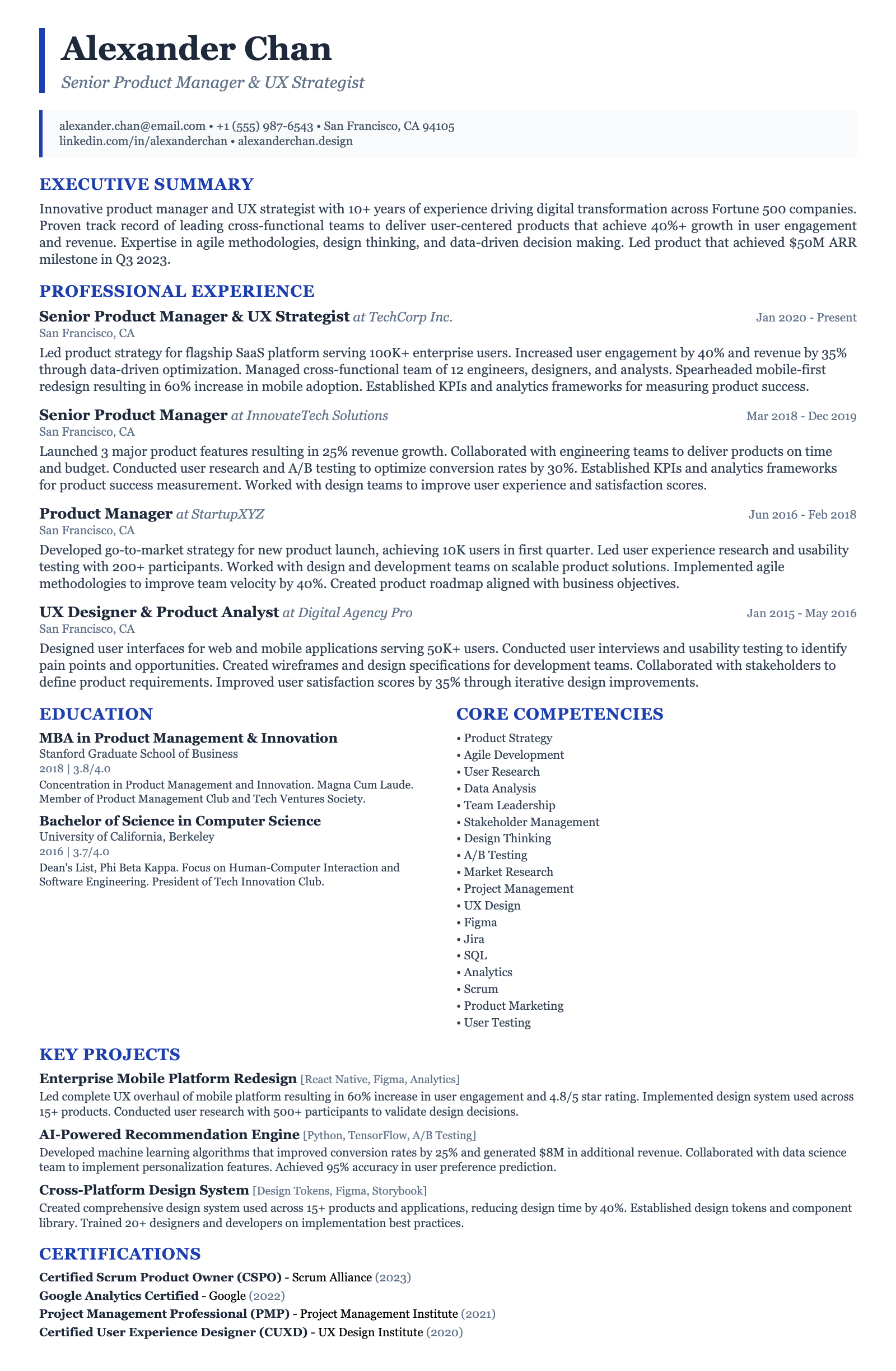
Recommended Resume Templates

ATS-friendly templates designed specifically for Junior Hospitality Systems Administrator positions in the US market.
Frequently Asked Questions

What is the ideal length for a Junior Hospitality Systems Administrator resume?

For a Junior Hospitality Systems Administrator, a one-page resume is generally sufficient. Focus on presenting your most relevant skills and experiences concisely. Prioritize quantifiable achievements and tailor your resume to each specific job description. If you have significant experience, a well-structured two-page resume may be acceptable, but ensure every detail is impactful and relevant to the role. Highlight proficiency with tools like Opera PMS or Simphony POS.

What key skills should I highlight on my resume?

Emphasize both technical and soft skills. Technical skills should include proficiency in operating systems (Windows Server, Linux), networking (TCP/IP, DNS), database management (SQL), and hospitality-specific software (PMS, POS). Also include cloud platforms like AWS or Azure if experienced. Soft skills like communication, problem-solving, and teamwork are crucial. Quantify achievements whenever possible to demonstrate the impact of your skills. Example: 'Improved system response time by 20% using scripting automation'.

How can I optimize my resume for Applicant Tracking Systems (ATS)?

Use a clean, simple format with clear headings and bullet points. Avoid tables, graphics, and unusual fonts, as these can confuse ATS. Incorporate relevant keywords from the job description throughout your resume, especially in the skills and experience sections. Save your resume as a PDF to preserve formatting, but ensure the text is selectable. List skills as individual keywords, e.g., 'Opera PMS', 'Micros POS', 'SQL Database'.

Are certifications important for this role, and which ones should I include?

Certifications can significantly enhance your resume. CompTIA A+ and Network+ demonstrate foundational IT knowledge. Vendor-specific certifications related to hospitality systems (e.g., Oracle Hospitality certifications for Opera PMS or Simphony POS) are highly valuable. Cloud certifications like AWS Certified Cloud Practitioner or Azure Fundamentals can also set you apart. List the full certification name and date obtained.

What are some common resume mistakes to avoid?

Avoid generic descriptions of your responsibilities. Instead, focus on quantifiable achievements and specific projects. Do not omit relevant technical skills, even if you consider them basic. Ensure your contact information is accurate and professional. Proofread carefully to eliminate typos and grammatical errors. Don't claim expertise without demonstrating it through tangible examples. Omitting experience with key systems like property management systems (PMS) or point-of-sale (POS) is a significant oversight.

How can I transition into a Junior Hospitality Systems Administrator role from a different IT background?

Highlight transferable skills from your previous role, such as systems administration, network troubleshooting, or database management. Emphasize any experience you have with customer service or support. Obtain relevant certifications to demonstrate your knowledge of hospitality-specific technologies. Tailor your resume to emphasize the skills and experiences that align with the requirements of the target role. Consider taking online courses related to hospitality IT to bridge any knowledge gaps. Focus on your experience with relevant technologies like SQL or scripting.

Ready to Build Your Junior Hospitality Systems Administrator Resume?

Use our AI-powered resume builder to create an ATS-optimized resume tailored for Junior Hospitality Systems Administrator positions in the US market.

Complete Junior Hospitality Systems Administrator Career Toolkit

Everything you need for your Junior Hospitality Systems Administrator job search — all in one platform.

Why choose ResumeGyani over Zety or Resume.io?

The only platform with AI mock interviews + resume builder + job search + career coaching — all in one.

See comparison

Last updated: March 2026 · Content reviewed by certified resume writers · Optimized for US job market