
ATS-Optimized for US Market

Junior Manufacturing Project Manager Career & Resume Guide

As a Junior Manufacturing Project Manager, your resume needs to showcase your foundational knowledge and practical experience in the manufacturing sector. Hiring managers seek candidates who can demonstrate their understanding of project management principles and their ability to apply them in a manufacturing environment. Your resume should highlight your proficiency in using industry-standard tools such as Microsoft Project, Smartsheet, or similar project management software. Emphasize your data analysis skills by providing examples of how you've used data to improve manufacturing processes or solve problems. Showcase your understanding of Lean Manufacturing, Six Sigma, or other continuous improvement methodologies. Key sections to focus on include: a strong skills section that quantifies accomplishments, projects showcasing your project management skills in a manufacturing context, and education highlighting relevant coursework or certifications. To stand out, include examples of how you've contributed to team success, adapted to changing project requirements, and communicated effectively with cross-functional teams. Quantify your achievements whenever possible, using metrics to demonstrate the impact of your work. Tailor your resume to each specific job posting, highlighting the skills and experiences that align with the employer's needs. Mention specific manufacturing processes you're familiar with, such as assembly line operations, quality control, or supply chain management. Ensure your resume is free of errors and easy to read, making it clear that you possess the necessary skills and experience to succeed as a Junior Manufacturing Project Manager.
Average US Salary: $50k - $85k

Expert Tip: For Junior Manufacturing Project Manager positions in the US, recruiters increasingly look for technical execution and adaptability over simple job duties. This guide is tailored to highlight these specific traits to ensure your resume stands out in the competitive Junior Manufacturing Project Manager sector.

What US Hiring Managers Look For in a Junior Manufacturing Project Manager Resume

When reviewing Junior Manufacturing Project Manager candidates, recruiters and hiring managers in the US focus on a few critical areas. Making these elements clear and easy to find on your resume will improve your chances of moving to the interview stage.

  • Relevant experience and impact in Junior Manufacturing Project Manager or closely related roles.
  • Clear, measurable achievements (metrics, scope, outcomes) rather than duties.
  • Skills and keywords that match the job description and ATS requirements.
  • Professional formatting and no spelling or grammar errors.
  • Consistency between your resume, LinkedIn, and application.
  • Proficiency in key areas such as Communication, Time Management, Industry-Standard Tools.

Essential Skills for Junior Manufacturing Project Manager

Include these keywords in your resume to pass ATS screening and impress recruiters.

Must-Have Skills

  • CriticalCommunication
  • HighTime Management

Technical Skills

  • HighIndustry-Standard Tools
  • MediumData Analysis

Soft Skills

  • CriticalTeamwork
  • HighAdaptability
  • MediumLeadership

A Day in the Life

A Day in the Life of a Junior Project Manager

Your morning starts at 9 AM by checking emails and reviewing yesterday's tasks. As an Junior Project Manager in Manufacturing, you spend the first hour in daily stand-ups, syncing with your team on managing project timelines, unblocking team members, and communicating status to executives. From 10 AM to 1 PM, you focus on execution. In Manufacturing, this involves learning standard operating procedures and applying your Project Manager skills to real-world problems. Post-lunch (1-5 PM) is for deep work and collaboration. You might attend workshops or pair with senior members to understand the nuances of managing project timelines, unblocking team members, and communicating status to executives within the company. Wrap up by 5:30 PM, documenting your progress. Manufacturing professionals at this level prioritize learning and consistency to build a strong career foundation.

Career Progression Path

Level 1

Project Manager I (Entry Level)

Level 2

Project Manager II (Junior)

Level 3

Senior Project Manager

Level 4

Lead Project Manager

Level 5

Project Manager Manager / Director

Interview Questions & Answers

Prepare for your Junior Manufacturing Project Manager interview with these commonly asked questions.

Describe a time you had to manage a conflict within a project team. How did you resolve it?

Medium
Behavioral
Sample Answer
In a recent project to optimize our assembly line, two engineers had conflicting ideas on the best approach. One favored a complete overhaul, while the other advocated for incremental improvements. I facilitated a meeting where each engineer presented their approach with supporting data. We then analyzed the potential risks and benefits of each, ultimately deciding on a hybrid approach that incorporated elements of both. This resolved the conflict and led to a successful project outcome, improving efficiency by 12%.

How do you prioritize tasks when managing multiple manufacturing projects simultaneously?

Medium
Situational
Sample Answer
I prioritize tasks based on their impact on project deadlines and overall business objectives. I use a combination of techniques, including the Eisenhower Matrix and Gantt charts, to assess the urgency and importance of each task. I also communicate regularly with stakeholders to ensure alignment on priorities and address any potential roadblocks. This allows me to effectively manage multiple projects and deliver results on time and within budget.

Explain your understanding of Lean Manufacturing principles and how you've applied them in a previous role.

Medium
Technical
Sample Answer
Lean Manufacturing focuses on minimizing waste and maximizing efficiency in production processes. In my previous role, I used value stream mapping to identify bottlenecks in the assembly line. By implementing 5S principles and standardizing work procedures, we reduced cycle time by 10% and improved overall throughput. I also championed the use of Kanban systems to manage inventory levels, reducing storage costs and minimizing the risk of stockouts.

Describe a time when you had to adapt to a change in project scope or timeline. How did you handle it?

Medium
Behavioral
Sample Answer
During a project to implement a new ERP system, the project scope expanded to include additional modules that were not initially planned. This required us to re-evaluate the project timeline and resource allocation. I worked with the project team to assess the impact of the changes and develop a revised project plan. We also communicated proactively with stakeholders to manage expectations and ensure alignment. Despite the changes, we were able to deliver the project successfully, albeit with a slight delay.

How do you use data analysis to improve manufacturing processes?

Medium
Technical
Sample Answer
Data analysis is crucial for identifying areas for improvement in manufacturing. I use tools like Excel and statistical software to analyze production data, identify trends, and pinpoint root causes of problems. For example, I once analyzed data on machine downtime and identified a recurring issue with a specific piece of equipment. By implementing a preventative maintenance program, we reduced downtime by 20% and improved overall equipment effectiveness.

What experience do you have with risk management in manufacturing projects?

Medium
Situational
Sample Answer
Risk management is vital for successful project completion. I actively identify, assess, and mitigate potential risks throughout the project lifecycle. This involves conducting risk assessment workshops, developing risk mitigation plans, and monitoring risk factors regularly. In one project, we identified the risk of supplier delays due to geopolitical instability. By diversifying our supplier base and establishing contingency plans, we minimized the impact of potential disruptions and ensured timely delivery of materials.

ATS Optimization Tips

Make sure your resume passes Applicant Tracking Systems used by US employers.

Incorporate manufacturing-specific keywords throughout your resume, such as 'Lean Manufacturing,' 'Six Sigma,' 'Process Improvement,' 'ERP systems,' and names of specific manufacturing equipment or processes.
Use standard section headings like 'Summary,' 'Experience,' 'Skills,' and 'Education.' This helps the ATS accurately categorize your information.
Quantify your achievements whenever possible. ATS systems can often extract numerical data, which helps demonstrate the impact of your work (e.g., 'Improved production efficiency by 15%').
Submit your resume in a format that is easily parsed by ATS, such as .docx or .pdf. Avoid using tables, images, or unusual fonts.
Include a detailed skills section that lists both hard and soft skills relevant to manufacturing project management, such as 'Project Planning,' 'Risk Management,' 'Data Analysis,' and 'Communication'.
Ensure your contact information is clearly visible and easily parsed by the ATS. Include your full name, phone number, email address, and LinkedIn profile URL.
Tailor your resume to each job posting by incorporating keywords and phrases directly from the job description. This demonstrates that you meet the specific requirements of the role.
Use action verbs to describe your responsibilities and accomplishments in your work experience section (e.g., 'Managed,' 'Implemented,' 'Improved,' 'Analyzed').

Common Resume Mistakes to Avoid

Don't make these errors that get resumes rejected.

1
Failing to quantify achievements. Use numbers and metrics to demonstrate the impact of your work on manufacturing projects.
2
Listing generic responsibilities instead of specific accomplishments. Focus on what you achieved and how you contributed to project success.
3
Neglecting to tailor your resume to each job posting. Ensure your skills and experience align with the specific requirements of the role.
4
Omitting relevant certifications or training. Include certifications like CAPM or Lean Six Sigma to demonstrate your expertise.
5
Using a poorly formatted resume that is difficult to read. Use clear headings, bullet points, and a professional font.
6
Not highlighting your knowledge of manufacturing processes or industry standards. Showcase your understanding of Lean Manufacturing, Six Sigma, or other relevant methodologies.
7
Ignoring the use of relevant keywords from the job posting. This will make it harder for an ATS to parse your resume.
8
Not showcasing your communication and teamwork skills. Highlight examples of how you've collaborated with cross-functional teams to achieve project goals.

Industry Outlook

The US Manufacturing sector is experiencing steady growth. Junior Project Managers are particularly sought after, with the Bureau of Labor Statistics projecting average job growth through 2030. Peak hiring occurs in Q1 (January-March) and Q3 (August-September).

Top Hiring Companies

Industry LeadersRegional FirmsFast-Growing Companies

Recommended Resume Templates

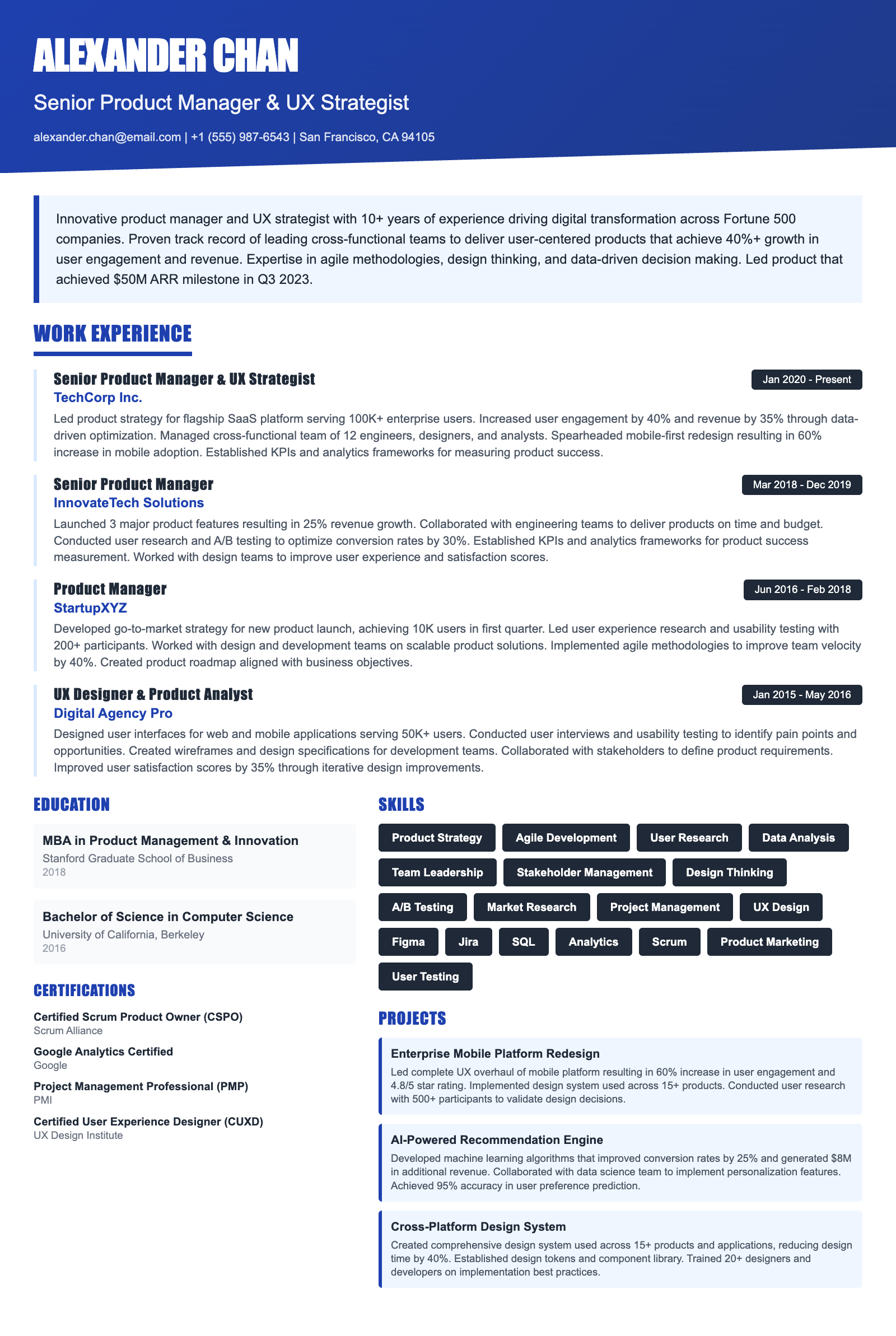
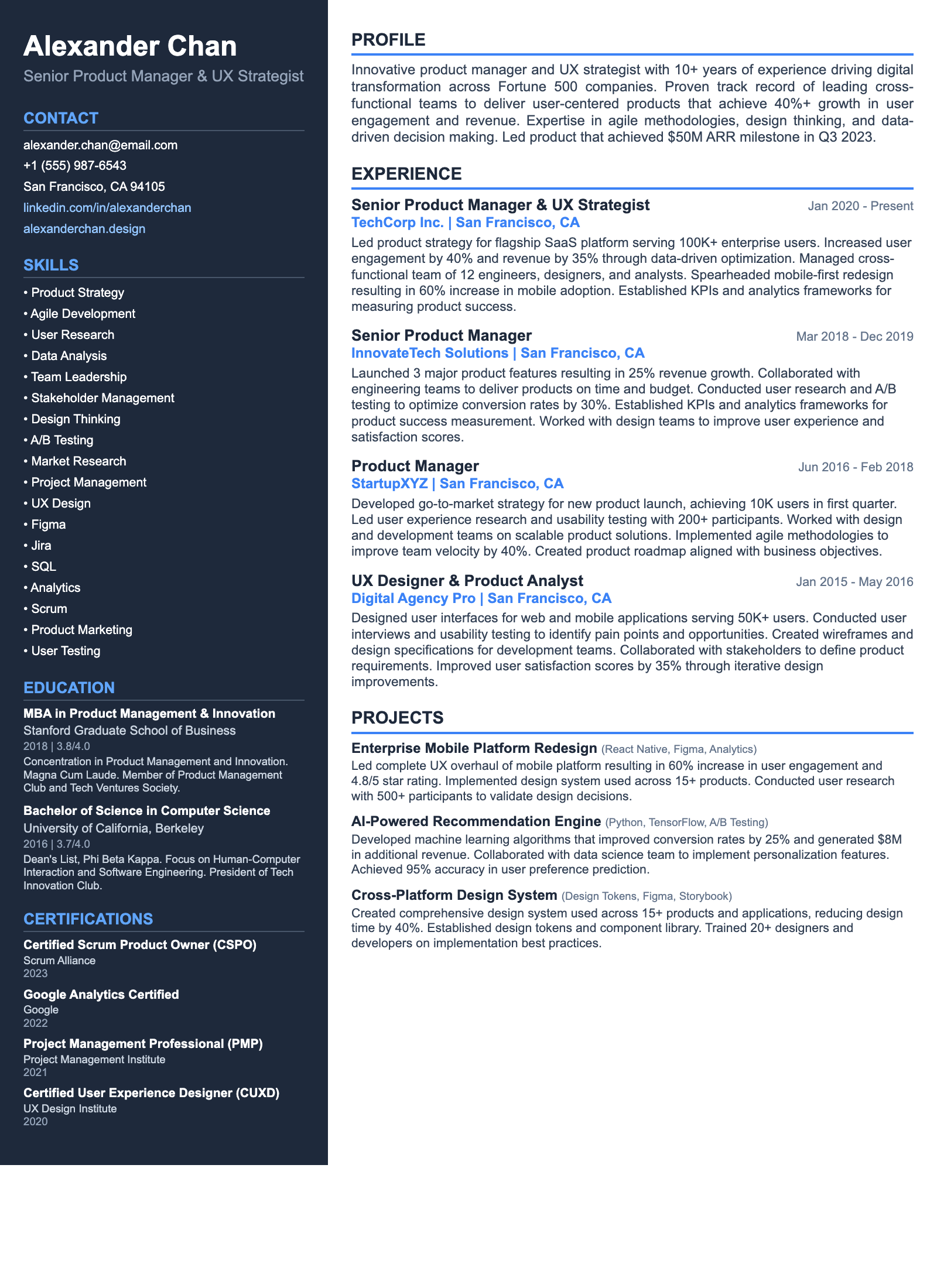
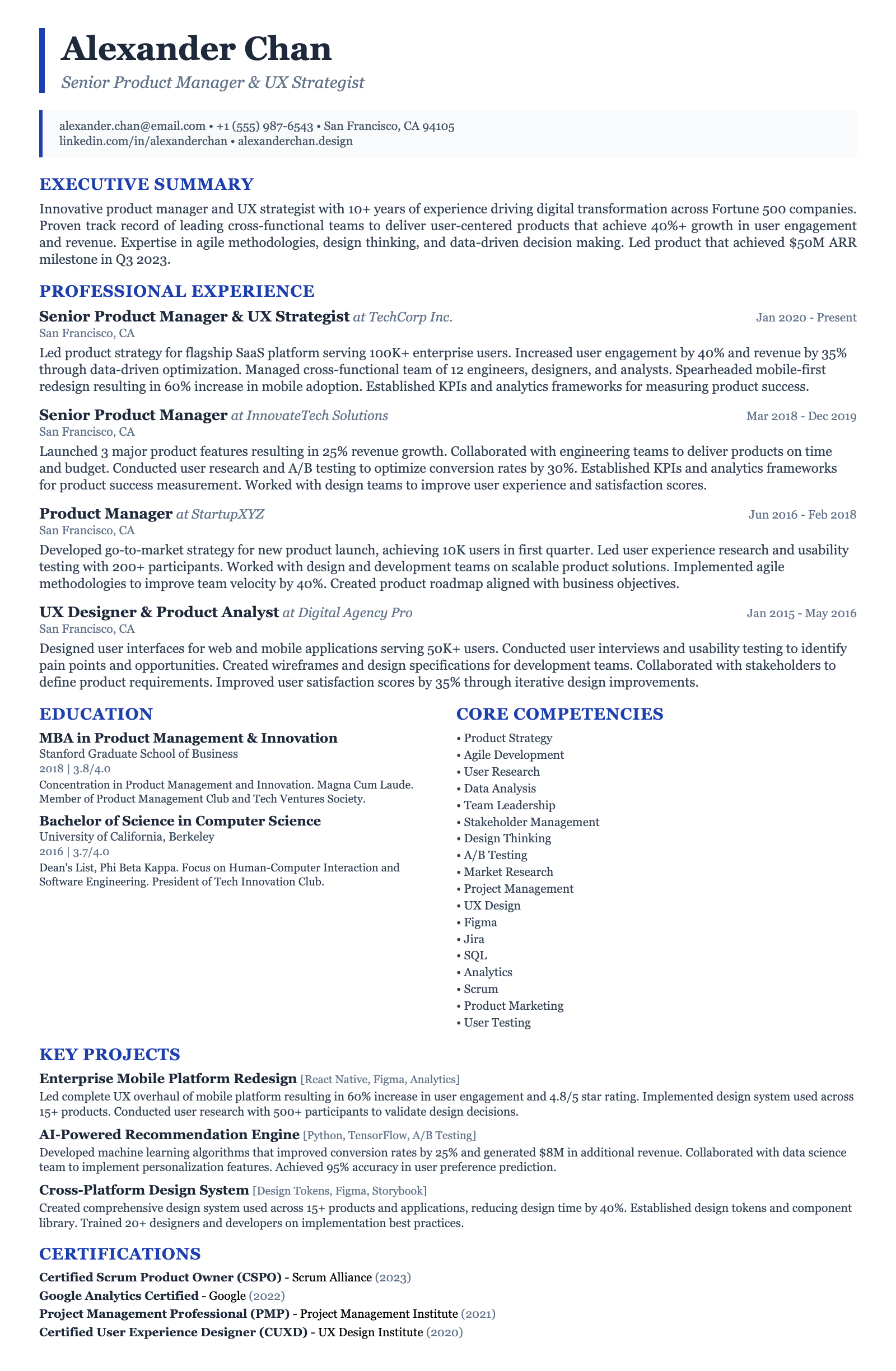
ATS-friendly templates designed specifically for Junior Manufacturing Project Manager positions in the US market.
Frequently Asked Questions

What is the ideal length for a Junior Manufacturing Project Manager resume?

For a Junior Manufacturing Project Manager, aim for a one-page resume. Since you likely have limited experience, focus on showcasing relevant skills and projects. Prioritize achievements and use concise language. Highlight your proficiency with tools like Microsoft Project, Excel, and any ERP systems you've used.

What key skills should I highlight on my resume?

Highlight skills directly relevant to manufacturing project management. Include: project planning, risk management, data analysis (using tools like Excel or statistical software), communication, problem-solving, and knowledge of manufacturing processes (e.g., Lean, Six Sigma). Tailor your skills section to match the specific requirements of each job description.

How can I optimize my resume for Applicant Tracking Systems (ATS)?

Use a simple, ATS-friendly format with clear headings and bullet points. Avoid tables, images, and unusual fonts. Incorporate keywords from the job description throughout your resume, especially in the skills and experience sections. Ensure your resume is easily readable by machines by submitting it as a .docx or .pdf file.

Are certifications important for a Junior Manufacturing Project Manager resume?

Yes, certifications can significantly enhance your resume. Consider certifications such as CAPM (Certified Associate in Project Management), Lean Six Sigma Green Belt, or certifications related to specific manufacturing processes. These demonstrate your commitment to professional development and industry knowledge.

What are some common mistakes to avoid on my Junior Manufacturing Project Manager resume?

Avoid generic descriptions of your responsibilities. Instead, focus on quantifiable achievements and specific projects you've contributed to. Don't neglect to tailor your resume to each job posting. Ensure your skills and experience align with the specific requirements of the role. Also, avoid including irrelevant information or skills.

How can I transition into a Junior Manufacturing Project Manager role from a different field?

Highlight transferable skills such as project management, data analysis, and communication. Emphasize any experience you have with process improvement or problem-solving. Obtain relevant certifications like CAPM or Lean Six Sigma to demonstrate your commitment to the field. Tailor your resume to showcase how your skills and experience align with the requirements of a manufacturing project management role. Consider highlighting specific tools like Jira or related ERP systems.

Ready to Build Your Junior Manufacturing Project Manager Resume?

Use our AI-powered resume builder to create an ATS-optimized resume tailored for Junior Manufacturing Project Manager positions in the US market.

Complete Junior Manufacturing Project Manager Career Toolkit

Everything you need for your Junior Manufacturing Project Manager job search — all in one platform.

Why choose ResumeGyani over Zety or Resume.io?

The only platform with AI mock interviews + resume builder + job search + career coaching — all in one.

See comparison

Last updated: March 2026 · Content reviewed by certified resume writers · Optimized for US job market