
ATS-Optimized for US Market

Junior Media Graphic Designer Resume Format — ATS-Optimized for US Media

Landing a Junior Media Graphic Designer role in the competitive US Media market requires more than listing experience. This comprehensive guide provides ATS-optimized templates, real interview questions asked by top companies (Apple, Google, Airbnb), and insider tips from Media hiring managers. Whether targeting Fortune 500 or fast-growing startups, our format is tailored for Junior candidates who want to stand out in 2026.
Average US Salary: $50k-$70k

Expert Tip: For Junior Media Graphic Designer positions in the US, recruiters increasingly look for technical execution and adaptability over simple job duties. This guide is tailored to highlight these specific traits to ensure your resume stands out in the competitive Junior Media Graphic Designer sector.

What US Hiring Managers Look For in a Junior Media Graphic Designer Resume

When reviewing Junior Media Graphic Designer candidates, recruiters and hiring managers in the US focus on a few critical areas. Making these elements clear and easy to find on your resume will improve your chances of moving to the interview stage.

  • Relevant experience and impact in Junior Media Graphic Designer or closely related roles.
  • Clear, measurable achievements (metrics, scope, outcomes) rather than duties.
  • Skills and keywords that match the job description and ATS requirements.
  • Professional formatting and no spelling or grammar errors.
  • Consistency between your resume, LinkedIn, and application.
  • Proficiency in key areas such as Adobe Photoshop (Advanced), Adobe Illustrator, Figma / Sketch.

Essential Skills for Junior Media Graphic Designer

Include these keywords in your resume to pass ATS screening and impress recruiters.

Must-Have Skills

  • CriticalAdobe Photoshop (Advanced)
  • CriticalAdobe Illustrator
  • CriticalFigma / Sketch

Technical Skills

  • HighBrand Identity Design
  • HighTypography & Layout
  • HighPrint & Digital Media
  • MediumMotion Graphics (After Effects)
  • MediumUI Design Fundamentals

Soft Skills

  • CriticalCreative Problem Solving
  • HighClient Communication
  • HighTime Management (Multi-project)

A Day in the Life

A Day in the Life of a Junior Graphic Designer in Media

9 AM: check email and Slack for new design requests. 9:30 AM: work on social media graphics for an upcoming campaign. 11 AM: design critique session with the creative team. After lunch: create packaging mockups for a product launch. 2:30 PM: revision rounds based on client feedback. 4 PM: prepare print-ready files with correct bleeds and color profiles. 5 PM: organize design files and update the asset library.

Key Success Metrics: For Junior Graphic Designers in the US Media sector, success is measured by output quality, stakeholder satisfaction, and continuous professional development.

Career Progression Path

Level 1

Junior Designer

Level 2

Graphic Designer

Level 3

Senior Designer

Level 4

Art Director

Level 5

Creative Director

Level 6

VP Creative / Chief Creative Officer

Interview Questions & Answers

Prepare for your Junior Media Graphic Designer interview with these commonly asked questions.

Describe a time when you had to work under a tight deadline to deliver a design project. How did you manage your time and prioritize tasks?

Medium
Behavioral
Sample Answer
In my previous role, I had to design a series of social media ads within 24 hours for a flash sale. I immediately broke down the project into smaller tasks: concept brainstorming, asset gathering, design execution, and final review. I prioritized the concept and key visuals first, allocated specific time blocks for each task, and communicated proactively with the marketing team for feedback to ensure timely delivery. I successfully delivered all ads on time, contributing to a 10% increase in sales during the flash sale.

Walk me through your design process for creating a brand identity for a new product launch. What are the key steps you take?

Medium
Technical
Sample Answer
My process begins with in-depth research into the target audience, market trends, and competitor analysis. Next, I brainstorm visual concepts and develop initial logo sketches and color palettes. I then refine these concepts based on client feedback, ensuring the design aligns with their brand values and objectives. The final step includes creating brand guidelines that define the logo usage, typography, and color scheme to maintain brand consistency across all platforms. I also ensure the design is scalable and adaptable for various applications, both print and digital.

Imagine a client provides feedback that contradicts your design expertise. How would you handle this situation while still meeting their needs?

Medium
Situational
Sample Answer
I would first listen carefully to the client's feedback and try to understand their perspective and underlying concerns. Then, I would respectfully explain my design rationale, highlighting the potential impact of their suggestions on the overall design and brand consistency. If necessary, I would offer alternative solutions that address their concerns while maintaining the integrity of the design. The key is to find a compromise that satisfies the client's needs while adhering to best design practices, ensuring a collaborative and positive outcome.

What UI/UX principles do you consider most important when designing for digital media, and why?

Medium
Technical
Sample Answer
I prioritize usability, accessibility, and visual hierarchy. Usability ensures the design is intuitive and easy to navigate, leading to a positive user experience. Accessibility is crucial to make the design inclusive for users with disabilities, adhering to WCAG guidelines. Visual hierarchy guides the user's eye to the most important information, improving comprehension and engagement. By focusing on these principles, I create designs that are not only aesthetically pleasing but also highly effective in achieving their intended purpose.

Describe a time when you had to learn a new design software or tool quickly to meet project requirements. What was your approach?

Easy
Behavioral
Sample Answer
For a recent project, I needed to create animated GIFs, and my After Effects skills were basic. I started with online tutorials and focused on the specific functionalities required for the project, such as animation principles and export settings. I also utilized online forums and communities to troubleshoot issues and learn best practices. By focusing on practical application and continuous learning, I became proficient enough to create compelling animated GIFs that enhanced the project's visual appeal and engagement, delivering the project on time.

You're tasked with redesigning a company's outdated website. What are the first three questions you'd ask stakeholders to gather information and guide your design decisions?

Hard
Situational
Sample Answer
First, "What are the primary business goals you hope to achieve with the website redesign (e.g., increased leads, improved sales, enhanced brand awareness)?" This helps align design efforts with business objectives. Second, "Who is your target audience, and what are their key needs and pain points when interacting with your website?" Understanding user demographics and behavior is vital for creating a user-centered design. Third, "What are your key performance indicators (KPIs) for measuring the success of the redesigned website?" Establishing measurable goals ensures the design's effectiveness can be evaluated.

ATS Optimization Tips

Make sure your resume passes Applicant Tracking Systems used by US employers.

Quantify your design achievements whenever possible, such as 'Increased social media engagement by 15% through redesigned graphics,' as ATS systems prioritize metrics.
Incorporate industry-standard keywords like 'Visual Communication,' 'Brand Guidelines,' and 'Creative Suite' directly into your skills and experience sections to match job descriptions.
Utilize a clean, ATS-friendly resume template with clear headings like 'Skills,' 'Experience,' and 'Education' instead of overly creative designs that can confuse parsing software.
Save your resume as a PDF to preserve formatting, but ensure the text is selectable, not a scanned image, as ATS cannot read images.
Create a dedicated 'Technical Skills' section that explicitly lists software proficiency (e.g., 'Adobe Photoshop (Advanced),' 'Figma,' 'Sketch'), enhancing keyword recognition.
Tailor your resume for each application by prioritizing the skills and experiences most relevant to the specific Junior Media Graphic Designer role advertised.
Use action verbs specific to design, such as 'Conceptualized,' 'Designed,' 'Developed,' and 'Implemented,' to showcase your accomplishments and make them easily scannable.
Include a portfolio link prominently at the top of your resume, ensuring the link is active and leads directly to your online portfolio showcasing your best work.

Common Resume Mistakes to Avoid

Don't make these errors that get resumes rejected.

1
Relying solely on aesthetic appeal without demonstrating the impact of your design choices on business objectives (e.g., increased sales, brand awareness).
2
Not showcasing a diverse range of design projects (print, digital, motion) relevant to the full spectrum of Junior Media Graphic Designer responsibilities.
3
Omitting specific version numbers or proficiency levels for design software (e.g., 'Adobe Photoshop CC 2023 (Advanced)') leaving ambiguity for ATS and hiring managers.
4
Failing to quantify design achievements, such as improved conversion rates or reduced bounce rates on website designs.
5
Using a generic resume summary instead of a targeted profile highlighting relevant skills and experience for a Junior Media Graphic Designer role.
6
Not optimizing your online portfolio for mobile viewing, as many recruiters and hiring managers review portfolios on their phones or tablets.
7
Neglecting to proofread your resume and portfolio for grammatical errors and typos, which can undermine your credibility as a detail-oriented designer.
8
Only including completed projects without showcasing your design process, including research, ideation, and iteration.

Industry Outlook

UI-savvy graphic designers are in high demand as companies invest in brand experience. The rise of AI design tools (Midjourney, DALL-E) means designers now need to be 'AI-assisted' — using generative tools for ideation while maintaining human creative direction and brand consistency.

Top Hiring Companies

AppleGoogleAirbnbSpotifyFigmaCanvaShopify

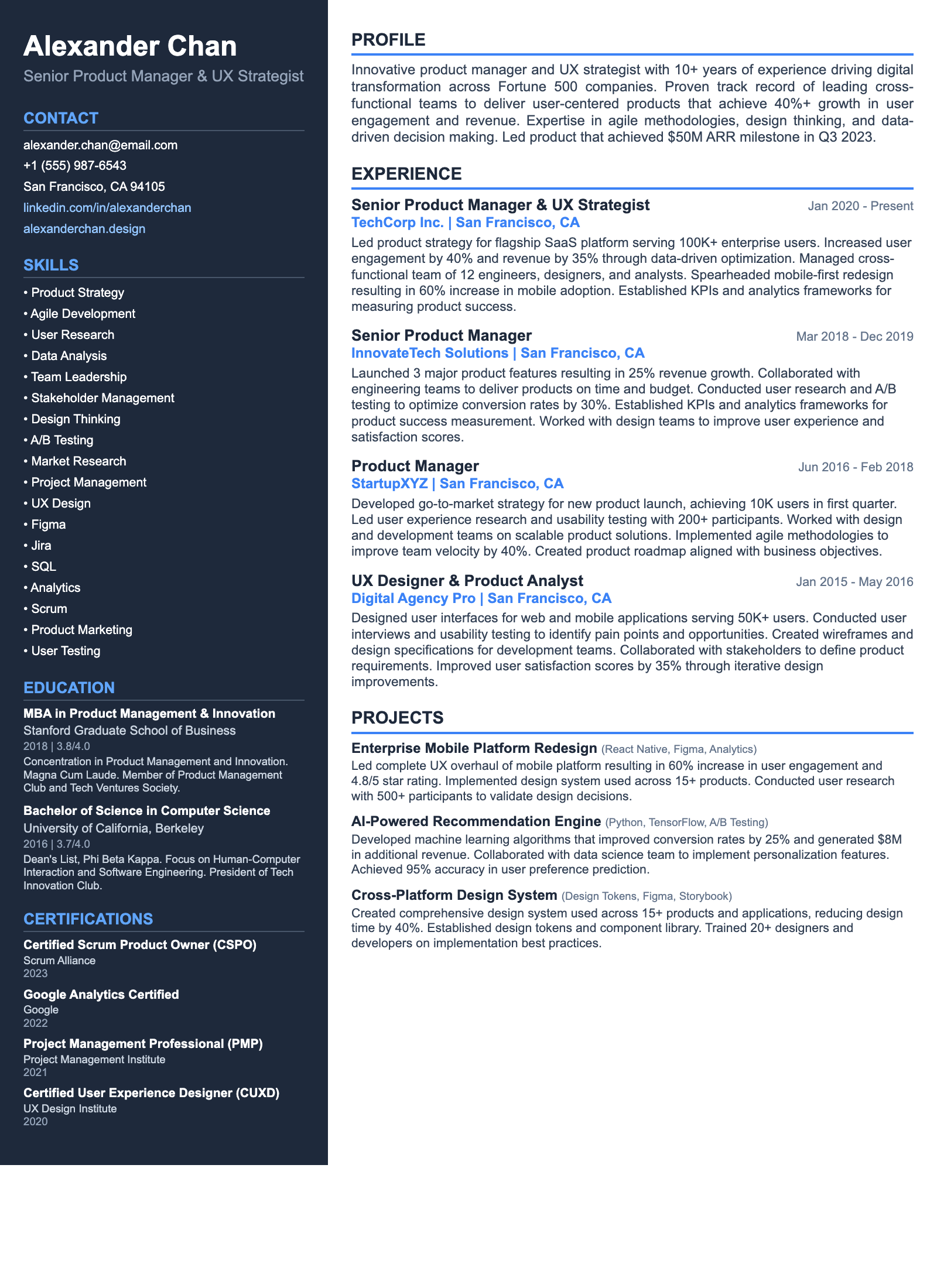
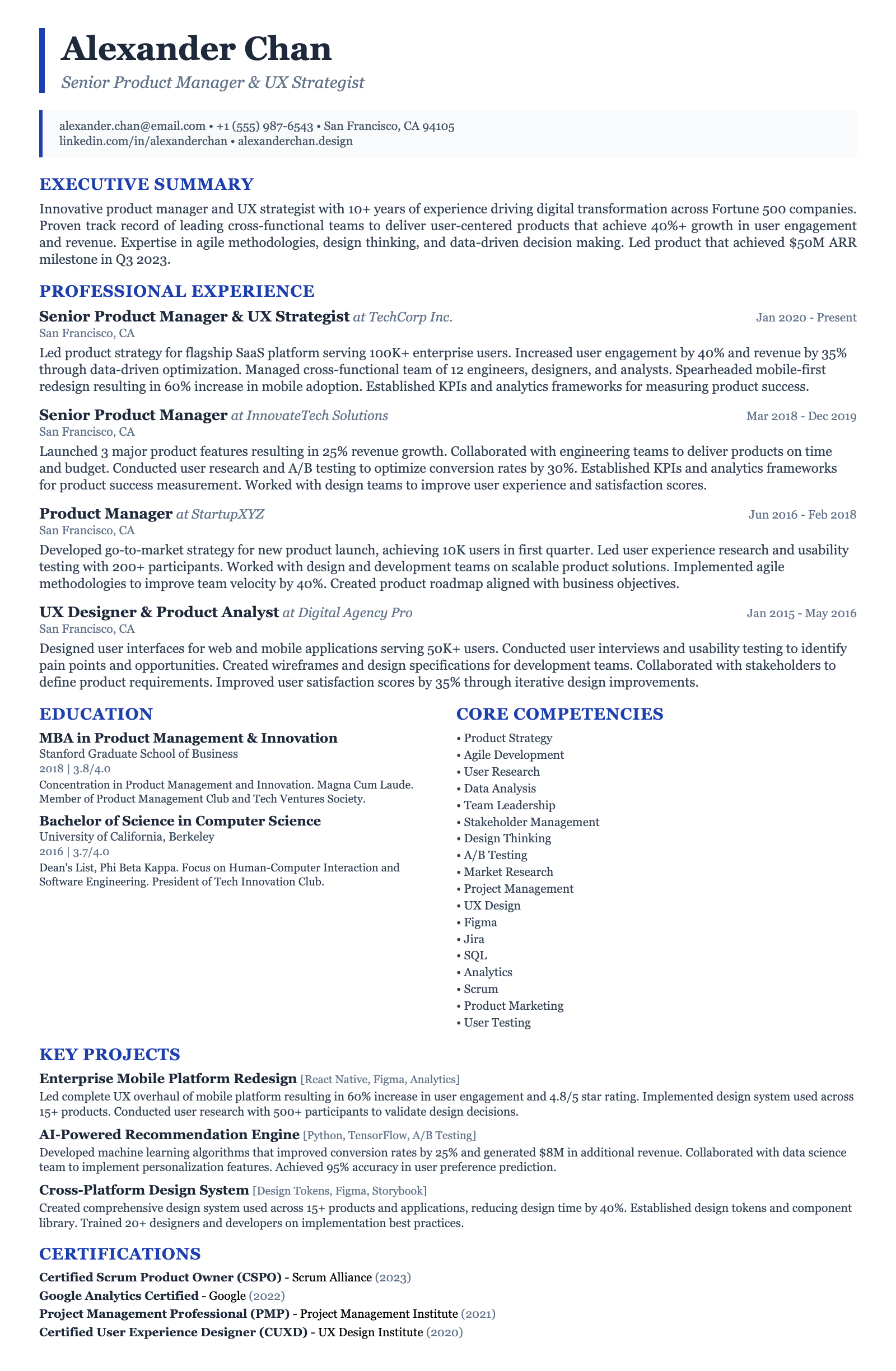
Recommended Resume Templates

ATS-friendly templates designed specifically for Junior Media Graphic Designer positions in the US market.
Frequently Asked Questions

What is the ideal resume length for a Junior Graphic Designer?

For Junior positions, keep your resume to 1 page. Focus on relevant coursework, internships, projects, and certifications. Quality over quantity — every line should demonstrate value.

Should I include a photo on my US Media resume?

No. US resumes should not include photos to avoid bias. Focus on skills, achievements, and quantified impact. Save your professional headshot for LinkedIn.

What's the best resume format for Graphic Designer positions?

Reverse-chronological is the gold standard — 90% of US recruiters prefer it. It highlights career progression. For career changers, a hybrid (combination) format that leads with a skills summary may work better.

How do I make my resume ATS-friendly for Media?

Use standard section headings (Experience, Education, Skills). Avoid tables, graphics, and columns. Include exact keywords from the job description. Save as .docx or text-based PDF. Use simple fonts (Arial, Calibri). Include your job title from the posting.

What salary should I expect as a Junior Graphic Designer in the US?

Based on 2026 data, Junior Graphic Designers in US Media earn $50k-$70k annually. SF/NYC pay 25-40% above national average. Total compensation may include RSUs, bonus (10-20%), and benefits. Use Levels.fyi and Glassdoor for specifics.

What are common mistakes on Graphic Designer resumes?

Portfolio shows only final work without process (sketches, iterations, client feedback incorporation) Also: Not tailoring portfolio to the role — an agency wants variety; an in-house role wants brand consistency depth Also: Using outdated tools (no Figma experience in 2026 is a red flag for digital design roles)

Do I need certifications for a Graphic Designer role?

While not always required, certifications significantly boost your resume. They demonstrate commitment and validated expertise. Top certifications for this role vary by specialization — check the job description for specific requirements.

How do I quantify achievements on my Graphic Designer resume?

Use the formula: Action Verb + Metric + Context. Examples: 'Reduced deployment time by 40% using CI/CD automation' or 'Managed $2M annual budget with 98% forecast accuracy'. Numbers make your resume stand out from the competition.

Ready to Build Your Junior Media Graphic Designer Resume?

Use our AI-powered resume builder to create an ATS-optimized resume tailored for Junior Media Graphic Designer positions in the US market.

Complete Junior Media Graphic Designer Career Toolkit

Everything you need for your Junior Media Graphic Designer job search — all in one platform.

Why choose ResumeGyani over Zety or Resume.io?

The only platform with AI mock interviews + resume builder + job search + career coaching — all in one.

See comparison

Last updated: March 2026 · Content reviewed by certified resume writers · Optimized for US job market