
ATS-Optimized for US Market

Junior Retail Accountant Career & Resume Guide

As a Junior Retail Accountant, you're stepping into a crucial role that bridges financial accuracy and the fast-paced world of retail. Your resume needs to showcase your ability to manage financial data, support accounting processes, and contribute to informed decision-making within a retail setting. Hiring managers seek candidates who demonstrate a solid understanding of accounting principles, proficiency in industry-standard tools like NetSuite, SAP, or QuickBooks, and a knack for analyzing financial data to identify trends and discrepancies. Your resume should highlight your experience in areas such as accounts payable/receivable, reconciliation, inventory costing, and sales reporting. To stand out, quantify your achievements whenever possible. For instance, instead of saying 'Assisted with monthly closing,' state 'Reduced monthly closing time by 15% through improved reconciliation processes.' Emphasize your proficiency in data analysis using tools like Excel (VLOOKUP, PivotTables) and your ability to communicate financial information clearly to non-financial stakeholders. Showcase your adaptability and teamwork skills by providing examples of how you've collaborated with other departments, such as merchandising or operations, to achieve common goals. A well-structured resume with clear sections for skills, experience, and education, along with relevant keywords from the job description, will significantly improve your chances of landing an interview. Frame your experiences to show how you contributed to profitability, efficiency, or accuracy in previous roles. Remember, employers want to see how you add tangible value to their organization through your accounting expertise.
Average US Salary: $50k - $85k

Expert Tip: For Junior Retail Accountant positions in the US, recruiters increasingly look for technical execution and adaptability over simple job duties. This guide is tailored to highlight these specific traits to ensure your resume stands out in the competitive Junior Retail Accountant sector.

What US Hiring Managers Look For in a Junior Retail Accountant Resume

When reviewing Junior Retail Accountant candidates, recruiters and hiring managers in the US focus on a few critical areas. Making these elements clear and easy to find on your resume will improve your chances of moving to the interview stage.

  • Relevant experience and impact in Junior Retail Accountant or closely related roles.
  • Clear, measurable achievements (metrics, scope, outcomes) rather than duties.
  • Skills and keywords that match the job description and ATS requirements.
  • Professional formatting and no spelling or grammar errors.
  • Consistency between your resume, LinkedIn, and application.
  • Proficiency in key areas such as Communication, Time Management, Industry-Standard Tools.

Essential Skills for Junior Retail Accountant

Include these keywords in your resume to pass ATS screening and impress recruiters.

Must-Have Skills

  • CriticalCommunication
  • HighTime Management

Technical Skills

  • HighIndustry-Standard Tools
  • MediumData Analysis

Soft Skills

  • CriticalTeamwork
  • HighAdaptability
  • MediumLeadership

A Day in the Life

A Day in the Life of a Junior Accountant

Your morning starts at 9 AM by checking emails and reviewing yesterday's tasks. As an Junior Accountant in Retail, you spend the first hour in daily stand-ups, syncing with your team on handling core responsibilities, collaborating with cross-functional teams, and driving project success. From 10 AM to 1 PM, you focus on execution. In Retail, this involves learning standard operating procedures and applying your Accountant skills to real-world problems. Post-lunch (1-5 PM) is for deep work and collaboration. You might attend workshops or pair with senior members to understand the nuances of handling core responsibilities, collaborating with cross-functional teams, and driving project success within the company. Wrap up by 5:30 PM, documenting your progress. Retail professionals at this level prioritize learning and consistency to build a strong career foundation.

Career Progression Path

Level 1

Accountant I (Entry Level)

Level 2

Accountant II (Junior)

Level 3

Senior Accountant

Level 4

Lead Accountant

Level 5

Accountant Manager / Director

Interview Questions & Answers

Prepare for your Junior Retail Accountant interview with these commonly asked questions.

Describe a time you identified and resolved a discrepancy in financial records. What steps did you take?

Medium
Behavioral
Sample Answer
In my previous role at [Previous Company], I noticed a discrepancy in the accounts receivable ledger during month-end closing. I started by tracing the transaction back to its origin, reviewing supporting documents like invoices and sales orders. I discovered that a customer payment had been misapplied to the wrong account. I immediately corrected the error, updated the ledger, and communicated the issue to my supervisor. I also implemented a checklist for future payment applications to prevent similar errors. This experience taught me the importance of meticulous attention to detail and proactive problem-solving.

Walk me through your experience with inventory costing methods. Which method do you prefer and why?

Technical
Technical
Sample Answer
I have experience with various inventory costing methods, including FIFO, LIFO, and weighted-average cost. In my previous role, I primarily used FIFO for [Company Name] due to its ability to closely reflect the actual flow of inventory and provide a more accurate representation of ending inventory value. While LIFO can be beneficial for tax purposes during inflationary periods, I believe FIFO generally offers a more transparent and reliable view of inventory costs and aligns well with the retail industry where products are frequently turned over.

Imagine you're tasked with reconciling a significant difference between the general ledger and the bank statement. How would you approach this situation?

Medium
Situational
Sample Answer
First, I would obtain both the general ledger and bank statement, ensuring they cover the same period. I'd then compare each transaction line by line, marking off matching entries. I'd investigate any outstanding items, such as deposits in transit, outstanding checks, or bank charges not yet recorded in the ledger. If necessary, I would contact the bank or relevant departments within the company to gather additional information. Once I identify the cause of the discrepancy, I would make the necessary adjusting entries in the general ledger and document the reconciliation process thoroughly. A clear audit trail is crucial.

Describe a situation where you had to meet a tight deadline while maintaining accuracy in your accounting work. How did you manage your time?

Medium
Behavioral
Sample Answer
During month-end closing at [Previous Company], we faced a particularly tight deadline due to system maintenance. To manage my time effectively, I prioritized tasks based on their urgency and impact on the financial statements. I created a detailed checklist to ensure I didn't miss any critical steps. I also communicated proactively with my team to identify any potential bottlenecks and collaborate on solutions. By staying organized, focused, and communicative, I was able to complete my tasks accurately and meet the deadline.

How familiar are you with point-of-sale (POS) systems and their integration with accounting software?

Medium
Technical
Sample Answer
I understand the importance of seamless integration between POS systems and accounting software for accurate sales reporting and inventory management. I have experience working with [Mention Specific POS system if applicable], where I was responsible for reconciling daily sales data from the POS system with the general ledger. This involved identifying and resolving discrepancies, ensuring accurate revenue recognition, and maintaining the integrity of sales-related data. I'm also familiar with how POS data feeds into inventory tracking and cost of goods sold calculations.

Let's say you've identified a process that could be made more efficient. How would you approach suggesting and implementing that change?

Hard
Situational
Sample Answer
First, I'd thoroughly document the current process, identifying the specific areas that are inefficient and quantify the impact of these inefficiencies (e.g., time wasted, errors caused). Then, I would research alternative approaches and propose a solution that addresses the identified issues. I'd present my findings and recommendations to my supervisor, highlighting the potential benefits of the change. If approved, I would collaborate with the team to implement the new process, provide training, and monitor its effectiveness. Regular follow-up and adjustments would be crucial to ensure long-term success.

ATS Optimization Tips

Make sure your resume passes Applicant Tracking Systems used by US employers.

Incorporate retail-specific accounting keywords such as 'inventory costing', 'sales reconciliation', 'point of sale (POS) systems', 'margin analysis', and 'shrinkage analysis' throughout your resume.
Use a consistent and easily parsable format for dates (e.g., MM/YYYY) and job titles. Ensure your work history is listed in reverse chronological order to clearly showcase your career progression.
Clearly list your technical skills, including specific accounting software (NetSuite, SAP, QuickBooks), Microsoft Excel functions (VLOOKUP, PivotTables), and data analysis tools.
Use standard section headings like 'Summary,' 'Experience,' 'Skills,' and 'Education.' Avoid creative or unconventional headings that ATS may not recognize.
Quantify your achievements with metrics and data whenever possible. Use numbers to demonstrate the impact of your work (e.g., 'Reduced invoice processing time by 20%').
Save your resume as a PDF file to ensure formatting is preserved during the ATS scanning process. PDF format prevents misinterpretation of layout and fonts.
Include a skills matrix or section that explicitly lists your technical and soft skills. This makes it easier for ATS to identify relevant keywords and assess your qualifications.
Proofread carefully to eliminate any typos or grammatical errors. Errors can be flagged by ATS and negatively impact your application.

Common Resume Mistakes to Avoid

Don't make these errors that get resumes rejected.

1
Listing only responsibilities instead of accomplishments. Highlight the positive outcomes of your actions (e.g., 'Improved inventory accuracy by 15%').
2
Failing to tailor the resume to the specific requirements of the Junior Retail Accountant role. A generic resume is less likely to get noticed.
3
Omitting relevant technical skills, such as proficiency in specific accounting software or Excel functions. Retail accounting often requires comfort with POS systems and large datasets.
4
Using vague language instead of specific examples. Provide concrete details about your contributions to previous projects or tasks.
5
Not quantifying achievements with data and metrics. Numbers make your accomplishments more impactful and demonstrate your value.
6
Ignoring the importance of soft skills like communication and teamwork. Retail accounting often involves collaborating with other departments.
7
Providing incomplete or inaccurate contact information. Make sure your phone number and email address are up-to-date and error-free.
8
Overlooking the importance of formatting and presentation. A cluttered or poorly formatted resume can be difficult to read and may be rejected by ATS.

Industry Outlook

The US Retail sector is experiencing steady growth. Junior Accountants are particularly sought after, with the Bureau of Labor Statistics projecting average job growth through 2030. Peak hiring occurs in Q1 (January-March) and Q3 (August-September).

Top Hiring Companies

Industry LeadersRegional FirmsFast-Growing Companies

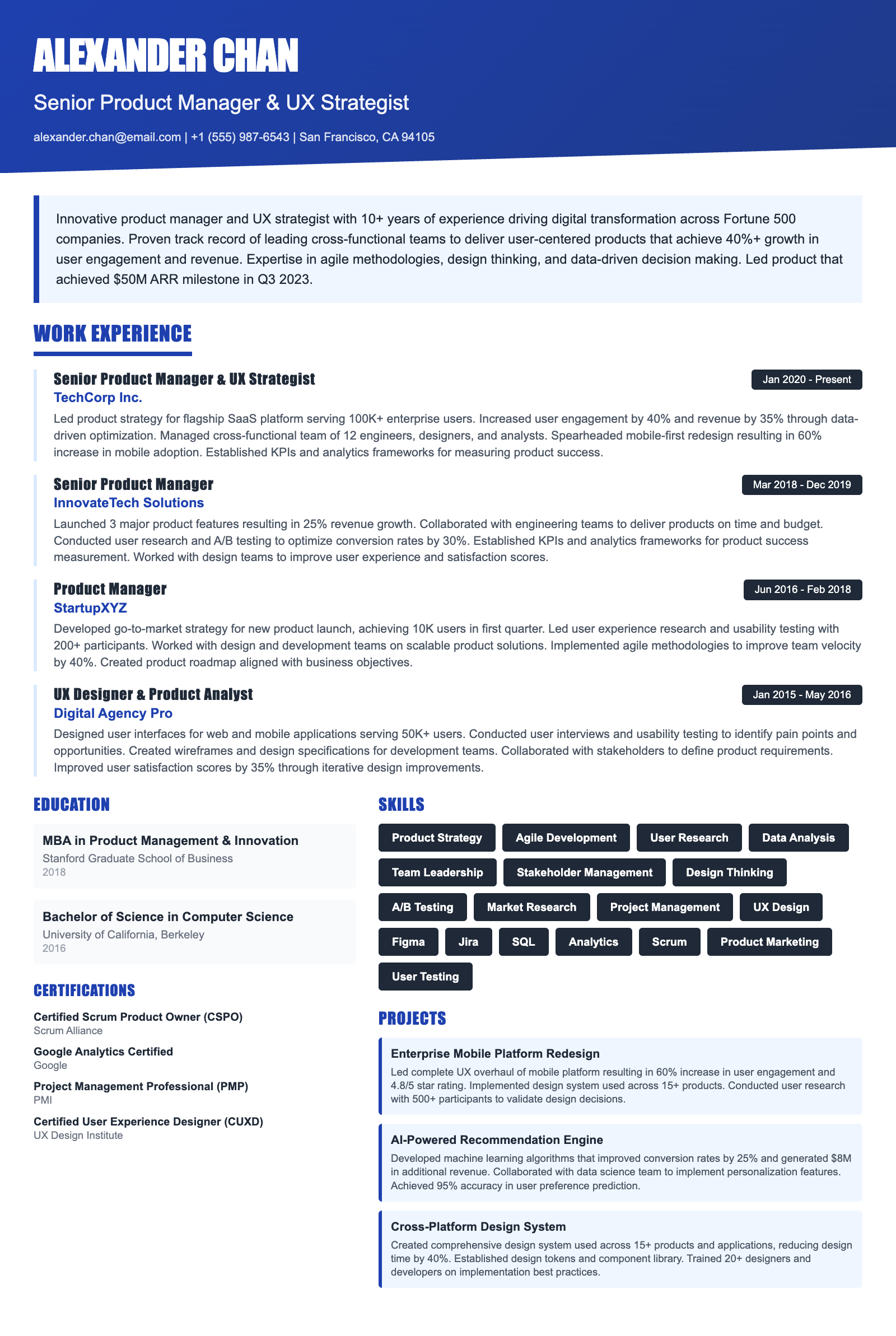
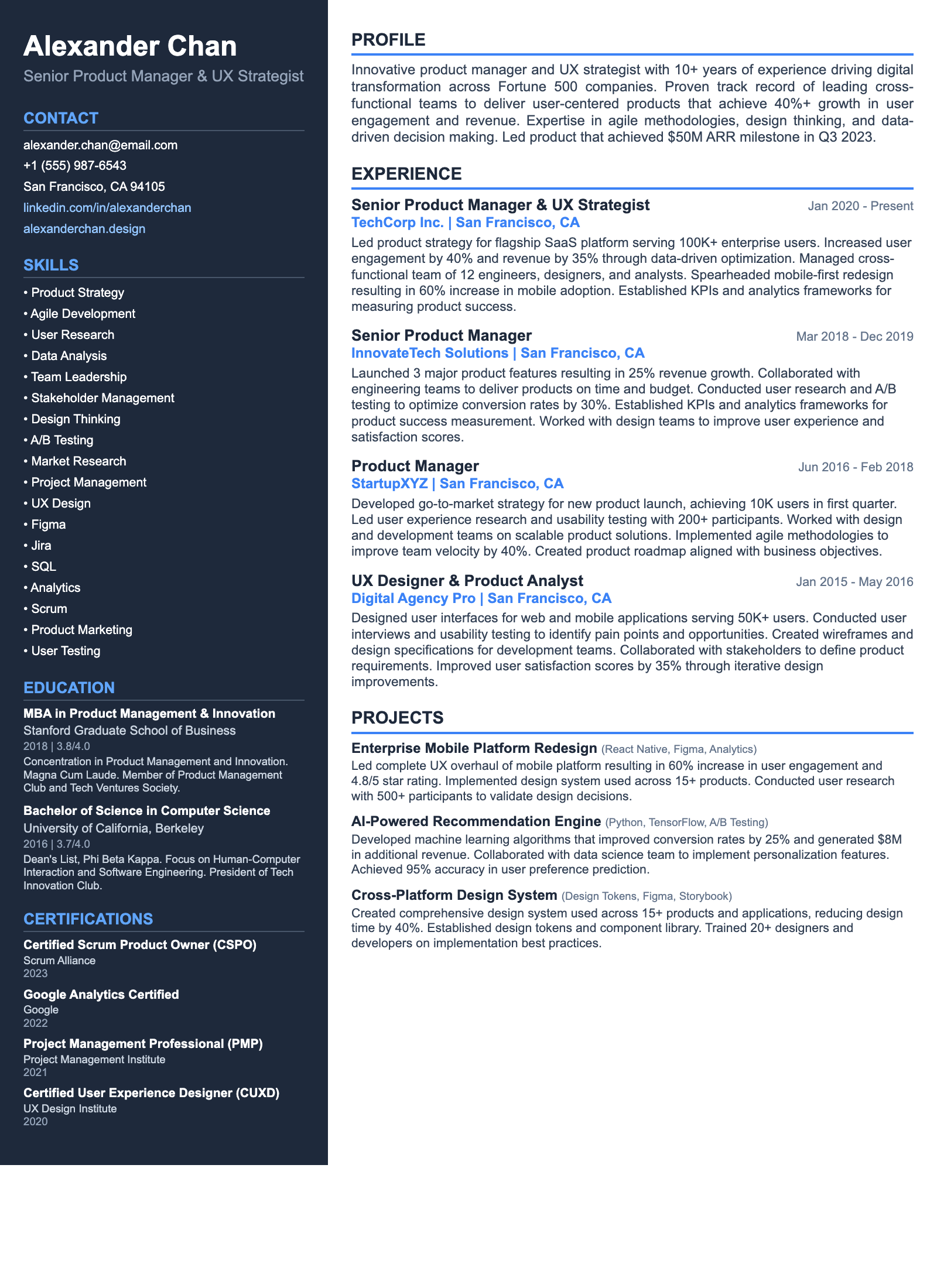
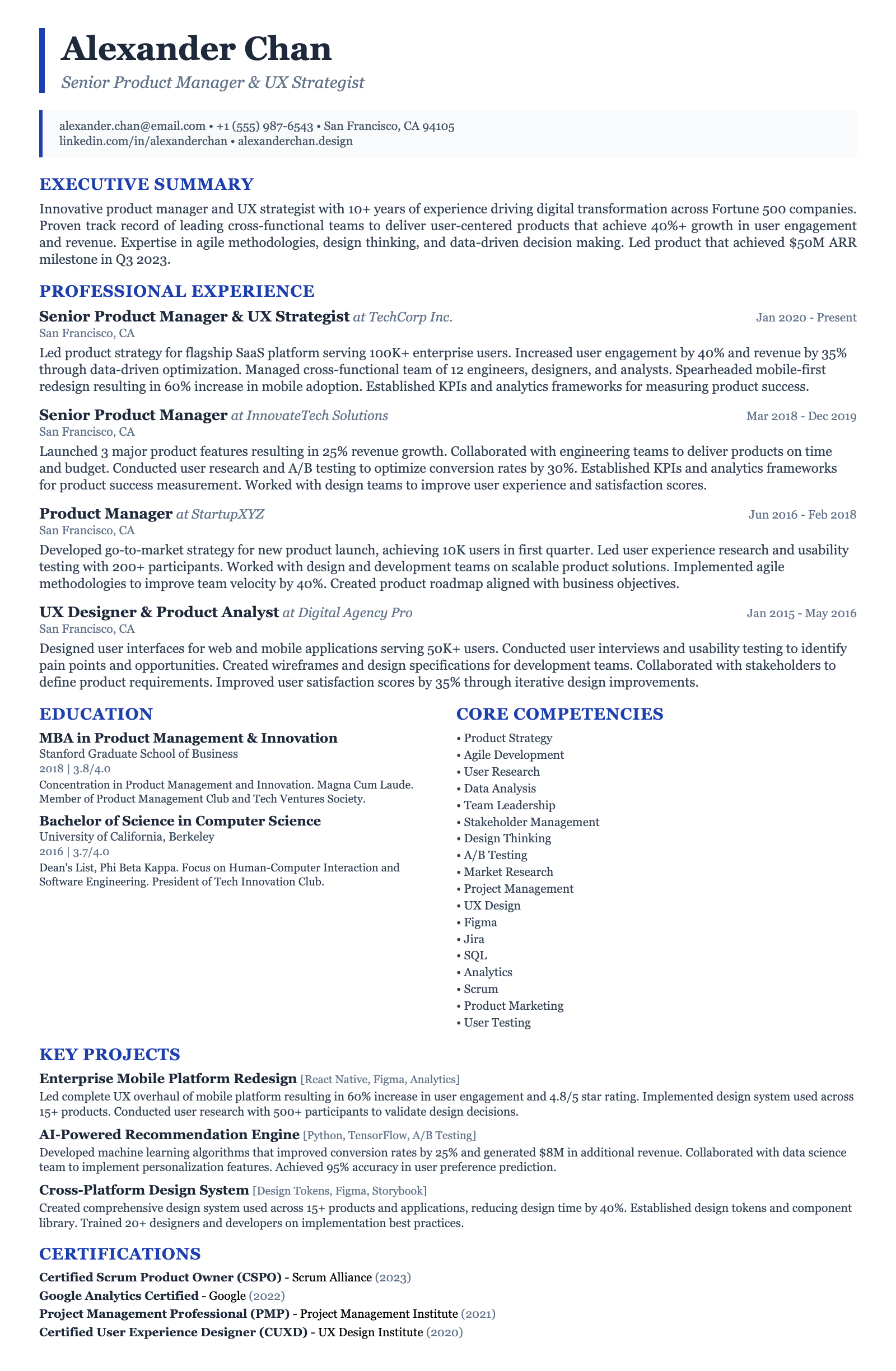
Recommended Resume Templates

ATS-friendly templates designed specifically for Junior Retail Accountant positions in the US market.
Frequently Asked Questions

What is the ideal length for a Junior Retail Accountant resume?

Ideally, your resume should be one page. As a junior professional, focus on highlighting your most relevant skills and experiences. Prioritize quantifiable achievements and tailor your resume to each specific job application. If you have extensive internship experience or relevant coursework, include it concisely. Remember, brevity and clarity are key.

What key skills should I emphasize on my resume?

Highlight your proficiency in accounting software (e.g., NetSuite, SAP, QuickBooks), Excel (VLOOKUPs, PivotTables, macros), and data analysis tools. Showcase your understanding of accounting principles (GAAP) and your ability to perform tasks such as bank reconciliations, journal entries, and financial statement preparation. Also, emphasize soft skills like communication, teamwork, and problem-solving, especially in a retail context.

How can I optimize my resume for Applicant Tracking Systems (ATS)?

Use keywords from the job description throughout your resume, especially in the skills and experience sections. Format your resume with clear headings and bullet points. Avoid using tables, images, or unusual fonts that ATS may not be able to parse. Save your resume as a PDF to preserve formatting. Ensure your contact information is easily accessible and accurate.

Are there any specific certifications that would benefit a Junior Retail Accountant resume?

While not always mandatory for junior roles, certifications like the Certified Management Accountant (CMA) or progress towards a CPA license can significantly enhance your resume. Even relevant coursework toward these certifications demonstrates a commitment to professional development. Other relevant certifications include those related to specific accounting software like QuickBooks Certified User.

What are some common resume mistakes Junior Retail Accountant candidates make?

Failing to quantify achievements is a common mistake. Instead of just listing responsibilities, showcase the impact of your work with numbers and metrics. Another mistake is not tailoring your resume to the specific job description. Generic resumes are less likely to catch the attention of hiring managers. Also, neglecting to proofread for errors in grammar and spelling can create a negative impression.

How can I highlight a career transition into retail accounting on my resume?

Focus on transferable skills from your previous role. Highlight any experience you have with data analysis, budgeting, financial reporting, or process improvement. Frame your accomplishments in terms of how they align with the needs of a retail accounting role. Include relevant coursework or certifications to demonstrate your commitment to the field. In your summary, briefly explain your career transition and express your enthusiasm for retail accounting.

Ready to Build Your Junior Retail Accountant Resume?

Use our AI-powered resume builder to create an ATS-optimized resume tailored for Junior Retail Accountant positions in the US market.

Complete Junior Retail Accountant Career Toolkit

Everything you need for your Junior Retail Accountant job search — all in one platform.

Why choose ResumeGyani over Zety or Resume.io?

The only platform with AI mock interviews + resume builder + job search + career coaching — all in one.

See comparison

Last updated: March 2026 · Content reviewed by certified resume writers · Optimized for US job market

Junior Retail Accountant Resume Guide (2026) | ATS-Optimized Template