
ATS-Optimized for US Market

Junior Retail Architect Career & Resume Guide

As a Junior Retail Architect crafting your resume, you're showcasing your ability to blend design principles with practical retail considerations. Hiring managers seek candidates who understand space optimization, customer flow, and brand representation within physical environments. Your resume should immediately highlight your proficiency in industry-standard tools such as AutoCAD, Revit, SketchUp, and potentially BIM software. Emphasize projects where you've demonstrated problem-solving skills related to retail layout, visual merchandising, or accessibility compliance (ADA). Showcase your data analysis skills by detailing how you've used metrics like sales per square foot or customer dwell time to inform design decisions. Structure your resume with clear sections for projects, skills, education, and relevant experience (even if it's internship-based). To stand out, quantify your achievements whenever possible (e.g., “Improved store layout resulting in a 15% increase in customer foot traffic”). Consider including a portfolio link to visually represent your design capabilities. Remember to tailor your resume to each specific job application, highlighting the skills and experiences most relevant to the role. A strong understanding of retail trends, sustainability in retail design, and the impact of technology on the in-store experience will make you a competitive candidate.
Average US Salary: $50k - $85k

Expert Tip: For Junior Retail Architect positions in the US, recruiters increasingly look for technical execution and adaptability over simple job duties. This guide is tailored to highlight these specific traits to ensure your resume stands out in the competitive Junior Retail Architect sector.

What US Hiring Managers Look For in a Junior Retail Architect Resume

When reviewing Junior Retail Architect candidates, recruiters and hiring managers in the US focus on a few critical areas. Making these elements clear and easy to find on your resume will improve your chances of moving to the interview stage.

  • Relevant experience and impact in Junior Retail Architect or closely related roles.
  • Clear, measurable achievements (metrics, scope, outcomes) rather than duties.
  • Skills and keywords that match the job description and ATS requirements.
  • Professional formatting and no spelling or grammar errors.
  • Consistency between your resume, LinkedIn, and application.
  • Proficiency in key areas such as Communication, Time Management, Industry-Standard Tools.

Essential Skills for Junior Retail Architect

Include these keywords in your resume to pass ATS screening and impress recruiters.

Must-Have Skills

  • CriticalCommunication
  • HighTime Management

Technical Skills

  • HighIndustry-Standard Tools
  • MediumData Analysis

Soft Skills

  • CriticalTeamwork
  • HighAdaptability
  • MediumLeadership

A Day in the Life

A Day in the Life of a Junior Architect

Your morning starts at 9 AM by checking emails and reviewing yesterday's tasks. As an Junior Architect in Retail, you spend the first hour in daily stand-ups, syncing with your team on handling core responsibilities, collaborating with cross-functional teams, and driving project success. From 10 AM to 1 PM, you focus on execution. In Retail, this involves learning standard operating procedures and applying your Architect skills to real-world problems. Post-lunch (1-5 PM) is for deep work and collaboration. You might attend workshops or pair with senior members to understand the nuances of handling core responsibilities, collaborating with cross-functional teams, and driving project success within the company. Wrap up by 5:30 PM, documenting your progress. Retail professionals at this level prioritize learning and consistency to build a strong career foundation.

Career Progression Path

Level 1

Architect I (Entry Level)

Level 2

Architect II (Junior)

Level 3

Senior Architect

Level 4

Lead Architect

Level 5

Architect Manager / Director

Interview Questions & Answers

Prepare for your Junior Retail Architect interview with these commonly asked questions.

Describe a time you had to adapt a design plan to accommodate unforeseen constraints, such as budget limitations or space restrictions.

Medium
Situational
Sample Answer
In a previous project, we encountered unexpected structural limitations that significantly reduced the available floor space. To address this, I collaborated with the structural engineers to explore alternative solutions that minimized the impact on the overall design. We revised the layout to optimize the remaining space, prioritized key product displays, and incorporated creative visual merchandising techniques to maintain the desired aesthetic. This required strong communication and problem-solving skills to deliver a successful outcome within the new constraints.

How do you stay updated on the latest trends in retail design and technology?

Easy
Behavioral
Sample Answer
I actively follow industry publications like VMSD and Retail Design World. I also attend webinars and conferences to learn about emerging technologies and design concepts. I'm particularly interested in how retailers are integrating digital experiences into physical stores and how sustainable design practices are evolving. Furthermore, I maintain professional connections to share and learn from others. I explore case studies from companies like Apple and Nike to understand new innovation.

Explain your process for creating a retail space that maximizes customer engagement and sales.

Medium
Technical
Sample Answer
My process begins with a thorough understanding of the target customer, brand identity, and sales objectives. I conduct research on customer behavior, analyze sales data, and consider factors like store layout, product placement, lighting, and visual merchandising. I prioritize creating a customer-centric experience that is both visually appealing and easy to navigate. I use tools like SketchUp and Revit to create 3D models and visualizations to test different design concepts before finalizing the plan.

Describe a time you had to present a design proposal to a client or team, and how you handled their feedback.

Medium
Behavioral
Sample Answer
I presented a design proposal for a new store concept to a client. They raised concerns about the proposed budget and the timeline. I addressed their concerns by providing a detailed breakdown of the costs and explaining the rationale behind the timeline. I also actively listened to their feedback and incorporated their suggestions into the design. By being transparent and responsive, I was able to build trust and secure their approval for the project.

How familiar are you with accessibility guidelines (ADA) and building codes, and how do you ensure compliance in your designs?

Hard
Technical
Sample Answer
I have a strong understanding of ADA guidelines and building codes. I actively research and stay updated on any changes or updates to these regulations. During the design process, I carefully consider accessibility requirements, such as ramp slopes, doorway widths, and restroom layouts. I also collaborate with building inspectors and accessibility consultants to ensure that my designs meet all applicable standards. I use checklists and software tools to ensure compliance with ADA and building codes.

Tell me about a situation where you had to work with a difficult team member. How did you handle it?

Hard
Behavioral
Sample Answer
In a group project, one team member consistently missed deadlines and didn't contribute equally. I first tried to understand their perspective and any challenges they might be facing. I then had a direct conversation with them, expressing my concerns and emphasizing the importance of teamwork. I offered my support and suggested strategies to improve their performance. I also communicated the issue to the project lead, who provided additional guidance and support. Ultimately, we were able to complete the project successfully by addressing the underlying issues and working together effectively. Good communication can solve many issues.

ATS Optimization Tips

Make sure your resume passes Applicant Tracking Systems used by US employers.

Incorporate industry-specific keywords like 'space planning,' 'visual merchandising,' 'fixture design,' and 'ADA compliance' throughout your resume.
Use standard section headings such as 'Work Experience,' 'Education,' 'Skills,' and 'Projects' to ensure the ATS can properly parse the information.
Format your skills section with bullet points and list both hard skills (AutoCAD, Revit) and soft skills (communication, teamwork).
Quantify your achievements whenever possible (e.g., 'Reduced material costs by 10% through efficient space planning').
Tailor your resume to each job description, emphasizing the skills and experiences that are most relevant to the specific role.
Save your resume as a PDF file to preserve formatting, but ensure the text is selectable so the ATS can read it.
Avoid using tables, headers, footers, and images, as these can sometimes confuse ATS systems.
Proofread your resume carefully to eliminate any typos or grammatical errors, as these can negatively impact your ATS score.

Common Resume Mistakes to Avoid

Don't make these errors that get resumes rejected.

1
Failing to showcase a portfolio of design projects. Visuals are crucial in this field.
2
Listing responsibilities without quantifying achievements (e.g., stating 'Designed store layouts' instead of 'Designed store layouts that increased foot traffic by 15%').
3
Omitting proficiency in industry-standard software like AutoCAD, Revit, or SketchUp.
4
Neglecting to mention knowledge of building codes and ADA compliance.
5
Using generic language and failing to tailor the resume to the specific retail brand or company.
6
Not highlighting experience with space planning, visual merchandising, or fixture design.
7
Failing to demonstrate an understanding of retail trends and customer behavior.
8
Ignoring the importance of collaboration and teamwork in a retail design setting.

Industry Outlook

The US Retail sector is experiencing steady growth. Junior Architects are particularly sought after, with the Bureau of Labor Statistics projecting average job growth through 2030. Peak hiring occurs in Q1 (January-March) and Q3 (August-September).

Top Hiring Companies

Industry LeadersRegional FirmsFast-Growing Companies

Recommended Resume Templates

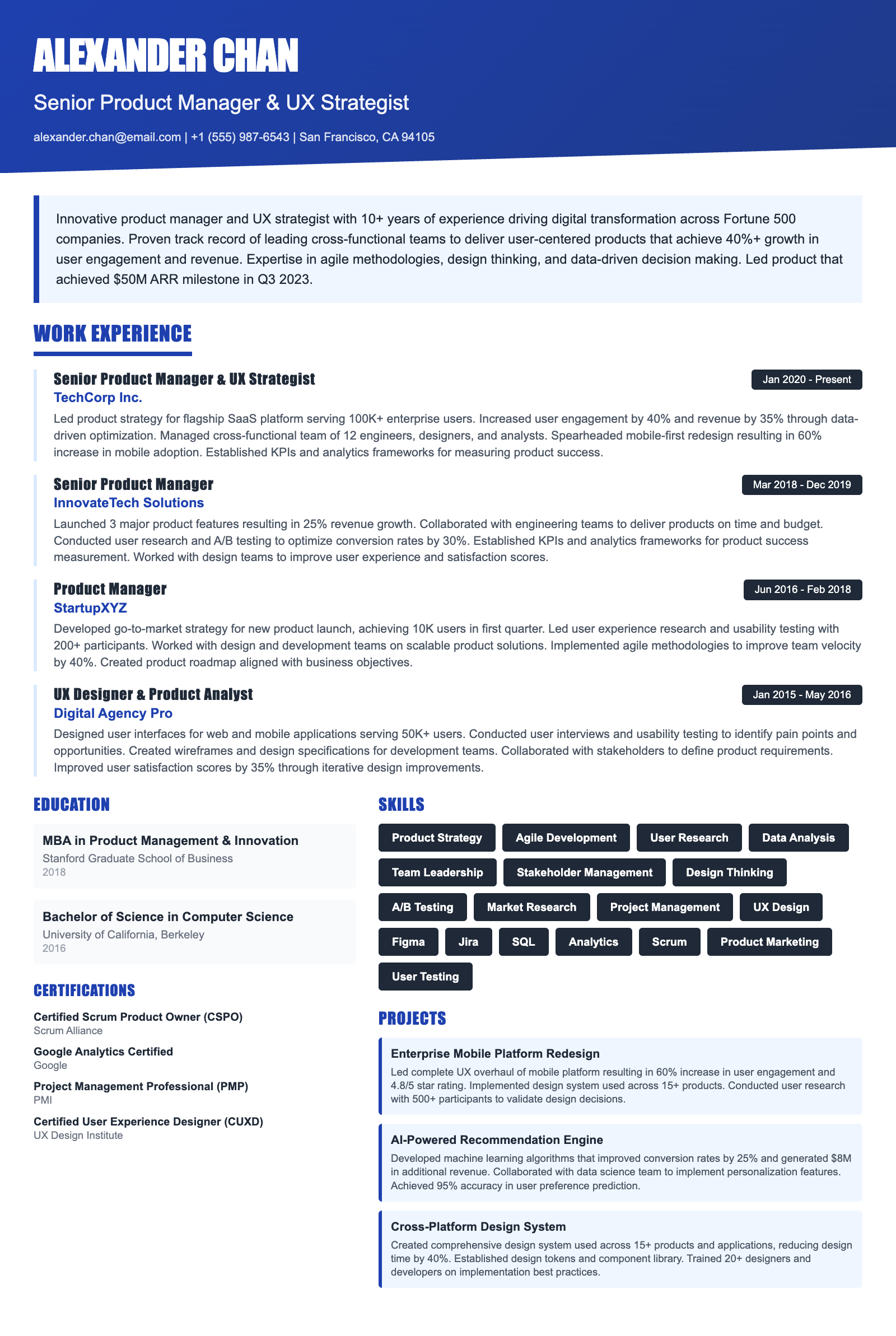
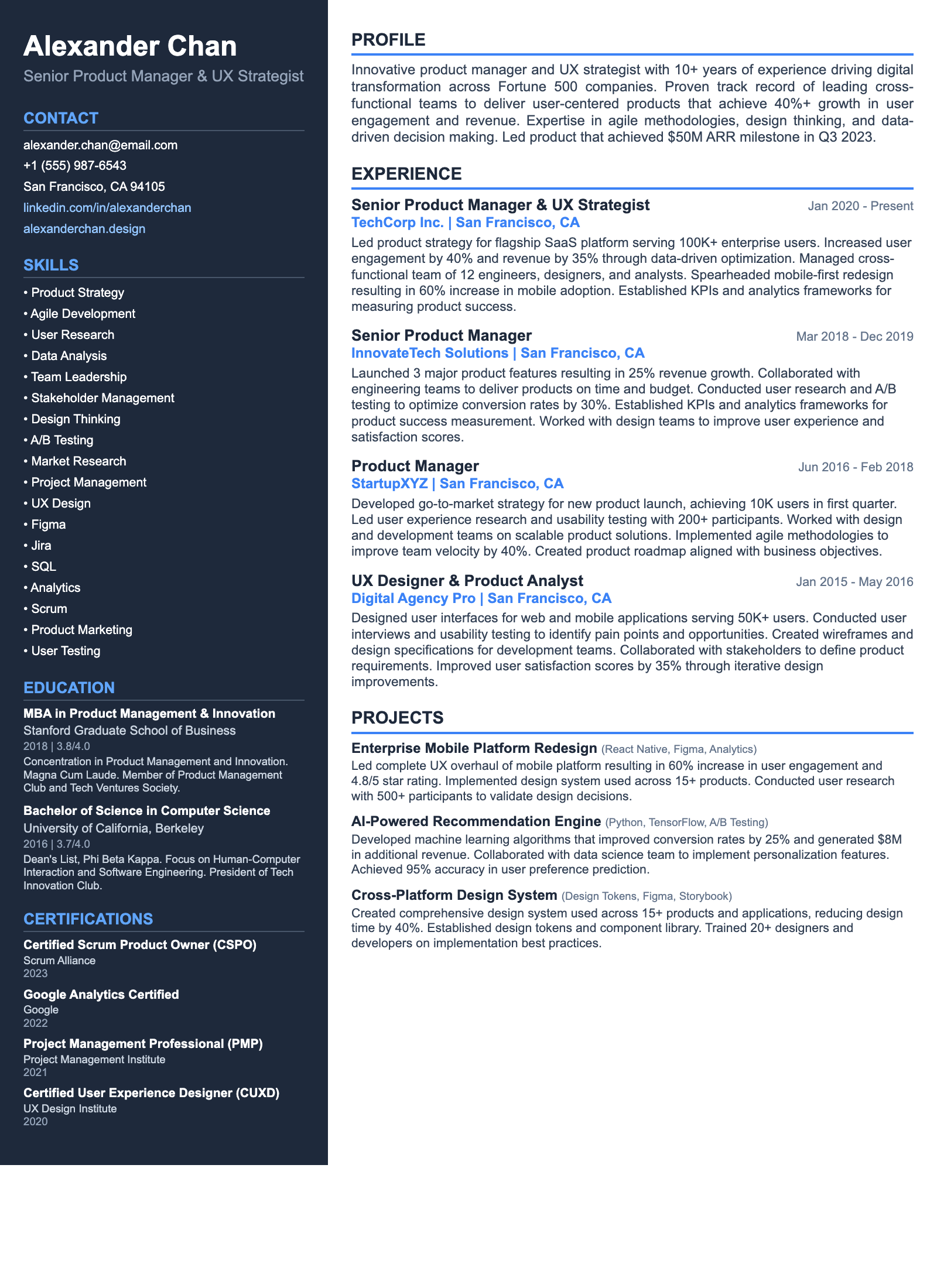
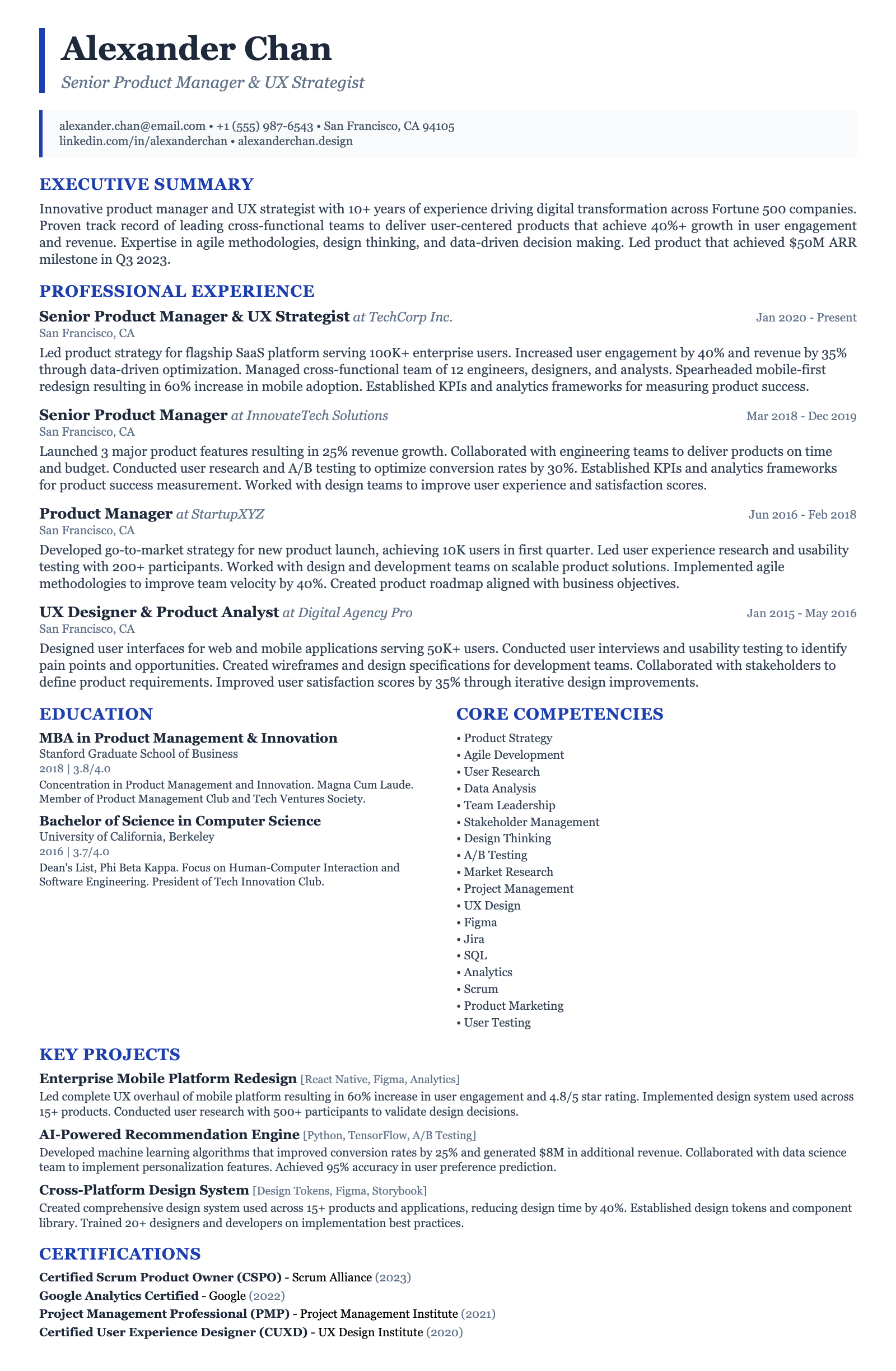
ATS-friendly templates designed specifically for Junior Retail Architect positions in the US market.
Frequently Asked Questions

How long should my Junior Retail Architect resume be?

Ideally, your resume should be one page, especially early in your career. Focus on the most relevant experiences and projects that directly align with the Junior Retail Architect role. Prioritize your accomplishments and measurable results, rather than simply listing responsibilities. Use concise language and a clear layout to maximize space. If you have significant project experience, a tightly formatted two-page resume might be acceptable, but aim for brevity and impact.

What are the most important skills to highlight on my resume?

The most crucial skills to emphasize are proficiency in industry-standard design software (AutoCAD, Revit, SketchUp, Adobe Creative Suite), understanding of retail design principles (space planning, visual merchandising, branding), knowledge of building codes and ADA compliance, data analysis capabilities, and strong communication skills. Highlight your ability to translate design concepts into technical drawings and collaborate effectively with cross-functional teams. Leadership skills demonstrated through team projects or volunteer experiences are also valuable.

How can I ensure my resume is ATS-friendly?

To optimize your resume for Applicant Tracking Systems (ATS), use a simple, clean format with clear headings and bullet points. Avoid tables, images, and unusual fonts that can confuse the system. Incorporate relevant keywords from the job description throughout your resume, including job titles, skills, and software names. Save your resume as a .doc or .pdf file, as specified by the application instructions. Use standard section headings like “Skills,” “Experience,” and “Education.”

Are certifications important for a Junior Retail Architect resume?

While not always mandatory, certifications can enhance your resume, especially if you are looking to demonstrate specific skills. LEED accreditation (Leadership in Energy and Environmental Design) demonstrates your commitment to sustainable design practices, which are increasingly valued in retail architecture. Proficiency certifications in software like Revit or AutoCAD can also be beneficial. Consider any relevant training in retail design, visual merchandising, or project management.

What are some common resume mistakes to avoid as a Junior Retail Architect?

Avoid generic resumes that aren't tailored to the specific job. Don't omit quantifiable results or fail to showcase your design projects. Another common mistake is listing responsibilities without highlighting achievements. Ensure your resume is free of grammatical errors and typos. Neglecting to include a portfolio or relevant coursework can also weaken your application. Finally, avoid exaggerating your skills or experience; be honest and accurate.

How can I transition into a Junior Retail Architect role if I have a slightly different background?

If you're transitioning into retail architecture, emphasize transferable skills from your previous experience. Highlight any projects where you've applied design principles, managed spaces, or analyzed data to improve efficiency or customer experience. Take online courses or workshops to gain proficiency in retail design software and concepts. Network with professionals in the field and seek opportunities for internships or volunteer work. Showcase your passion for retail and your eagerness to learn.

Ready to Build Your Junior Retail Architect Resume?

Use our AI-powered resume builder to create an ATS-optimized resume tailored for Junior Retail Architect positions in the US market.

Complete Junior Retail Architect Career Toolkit

Everything you need for your Junior Retail Architect job search — all in one platform.

Why choose ResumeGyani over Zety or Resume.io?

The only platform with AI mock interviews + resume builder + job search + career coaching — all in one.

See comparison

Last updated: March 2026 · Content reviewed by certified resume writers · Optimized for US job market