
ATS-Optimized for US Market

Junior Retail Electrical Engineer Career & Resume Guide

As a Junior Retail Electrical Engineer, your resume should highlight your aptitude for designing and implementing electrical systems within retail environments. Hiring managers seek candidates who demonstrate a strong understanding of electrical engineering principles coupled with practical skills relevant to retail settings, such as lighting design, power distribution, and energy efficiency. Begin with a concise summary or objective statement emphasizing your career goals and key qualifications. Follow with a detailed section on your technical skills, explicitly mentioning industry-standard tools like AutoCAD, Revit, ETAP, and power system analysis software. Showcase your experience through project-based descriptions, quantifying your achievements whenever possible – for instance, "Reduced energy consumption by 15% through optimized lighting design in a 50,000 sq ft retail space." Include sections on your education, relevant coursework (e.g., power electronics, control systems), and any certifications you hold (e.g., EIT). Emphasize your collaborative abilities and communication skills, as retail projects often involve working with diverse teams. To stand out, tailor your resume to each specific job, highlighting the skills and experiences that align with the employer's needs. Demonstrate your understanding of retail-specific challenges, such as maintaining consistent power supply for point-of-sale systems and designing aesthetically pleasing yet energy-efficient lighting solutions. Quantify your impact on projects and highlight relevant experiences such as electrical load calculations, construction document review, and site inspections. Address your adaptability to changing demands and your ability to problem-solve in fast-paced retail environments. Your leadership skills, even in a junior role, are valuable, so showcase any instances where you took initiative, mentored colleagues, or led small project teams. Focus on practical application and problem-solving abilities in retail electrical design and maintenance.
Average US Salary: $50k - $85k

Expert Tip: For Junior Retail Electrical Engineer positions in the US, recruiters increasingly look for technical execution and adaptability over simple job duties. This guide is tailored to highlight these specific traits to ensure your resume stands out in the competitive Junior Retail Electrical Engineer sector.

What US Hiring Managers Look For in a Junior Retail Electrical Engineer Resume

When reviewing Junior Retail Electrical Engineer candidates, recruiters and hiring managers in the US focus on a few critical areas. Making these elements clear and easy to find on your resume will improve your chances of moving to the interview stage.

  • Relevant experience and impact in Junior Retail Electrical Engineer or closely related roles.
  • Clear, measurable achievements (metrics, scope, outcomes) rather than duties.
  • Skills and keywords that match the job description and ATS requirements.
  • Professional formatting and no spelling or grammar errors.
  • Consistency between your resume, LinkedIn, and application.
  • Proficiency in key areas such as Communication, Time Management, Industry-Standard Tools.

Essential Skills for Junior Retail Electrical Engineer

Include these keywords in your resume to pass ATS screening and impress recruiters.

Must-Have Skills

  • CriticalCommunication
  • HighTime Management

Technical Skills

  • HighIndustry-Standard Tools
  • MediumData Analysis

Soft Skills

  • CriticalTeamwork
  • HighAdaptability
  • MediumLeadership

A Day in the Life

A Day in the Life of a Junior Electrical Engineer

Your morning starts at 9 AM by checking emails and reviewing yesterday's tasks. As an Junior Electrical Engineer in Retail, you spend the first hour in daily stand-ups, syncing with your team on handling core responsibilities, collaborating with cross-functional teams, and driving project success. From 10 AM to 1 PM, you focus on execution. In Retail, this involves learning standard operating procedures and applying your Electrical Engineer skills to real-world problems. Post-lunch (1-5 PM) is for deep work and collaboration. You might attend workshops or pair with senior members to understand the nuances of handling core responsibilities, collaborating with cross-functional teams, and driving project success within the company. Wrap up by 5:30 PM, documenting your progress. Retail professionals at this level prioritize learning and consistency to build a strong career foundation.

Career Progression Path

Level 1

Electrical Engineer I (Entry Level)

Level 2

Electrical Engineer II (Junior)

Level 3

Senior Electrical Engineer

Level 4

Lead Electrical Engineer

Level 5

Electrical Engineer Manager / Director

Interview Questions & Answers

Prepare for your Junior Retail Electrical Engineer interview with these commonly asked questions.

Describe a time you had to troubleshoot a complex electrical problem under pressure. What was your approach, and what was the outcome?

Medium
Behavioral
Sample Answer
In my internship at [Company Name], a critical power outage occurred during a peak sales period. The store's POS systems were down, causing major disruptions. I quickly assessed the situation, identified a faulty circuit breaker, and worked with the facilities team to safely restore power within an hour. I followed safety protocols and documented the entire process, minimizing downtime and preventing further disruptions. This experience taught me the importance of clear communication, quick thinking, and adherence to safety procedures under pressure. I believe the situation was solved using my knowledge of power systems and experience with electrical troubleshooting.

Explain your experience with electrical load calculations and power distribution system design. Can you provide an example of a project where you applied these skills?

Technical
Technical
Sample Answer
During my senior design project, I was responsible for designing the power distribution system for a hypothetical retail facility. This involved performing detailed electrical load calculations based on the building's equipment and lighting requirements. I used ETAP software to simulate different scenarios and optimize the system for efficiency and reliability. My calculations ensured that the system could handle peak loads while minimizing energy waste. The project received an 'A' and provided me with a solid foundation in power system design. My ability to use ETAP to calculate peak loads helped reduce energy costs.

Imagine you're tasked with designing an energy-efficient lighting system for a large retail store. What factors would you consider, and what technologies would you recommend?

Medium
Situational
Sample Answer
I would first analyze the store's layout, lighting requirements for different areas, and energy consumption goals. I'd then consider factors like color rendering index (CRI), correlated color temperature (CCT), and lighting control systems. I would recommend using LED lighting due to its high efficiency, long lifespan, and controllability. Implementing occupancy sensors and daylight harvesting strategies would further reduce energy consumption. I would also perform a cost-benefit analysis to ensure the proposed system is financially viable and meets the store's aesthetic and functional needs. This would involve using lighting design software and understanding the latest LED technologies.

Describe a time when you had to work with a team to complete a project. What was your role, and how did you contribute to the team's success?

Easy
Behavioral
Sample Answer
During my internship at [Company Name], I was part of a team tasked with upgrading the lighting system in a department store. My role was to conduct site surveys, gather data on existing lighting fixtures, and assist with the selection of new LED fixtures. I communicated effectively with team members, shared my findings, and actively participated in brainstorming sessions. Our team successfully completed the project on time and within budget, resulting in significant energy savings for the store. Through this project I learned the value of clear communication and collaboration.

How familiar are you with the National Electrical Code (NEC) and other relevant industry standards? Give an example of how you've applied these standards in a project.

Medium
Technical
Sample Answer
I have a strong understanding of the NEC and other relevant industry standards. In my capstone project, I designed an electrical system for a retail space, ensuring all aspects complied with the NEC. This included proper wiring methods, grounding techniques, and overcurrent protection. I consulted the NEC handbook and utilized online resources to ensure accuracy. I followed NEC guidelines on conduit fill calculations to design the power distribution system. My proficiency in NEC ensured that the project was safe and code-compliant.

You're asked to reduce energy consumption in a retail store that's facing high utility bills. What steps would you take to identify energy-saving opportunities and implement solutions?

Hard
Situational
Sample Answer
I would start by conducting an energy audit to identify areas with high energy consumption. This would involve analyzing utility bills, inspecting lighting systems, HVAC equipment, and other electrical loads. I would then develop a prioritized list of energy-saving opportunities, such as upgrading to LED lighting, optimizing HVAC controls, and implementing occupancy sensors. I would work with the store management to develop a plan for implementing these solutions, considering factors like cost, payback period, and disruption to business operations. I would use data analysis to demonstrate the effectiveness of these solutions and ensure that energy savings are sustained over time. I would also look at the store's overall carbon footprint, providing solutions that reduce not only energy consumption but also emissions.

ATS Optimization Tips

Make sure your resume passes Applicant Tracking Systems used by US employers.

Incorporate keywords directly from the job description into your resume, especially in the skills and experience sections. ATS systems scan for these terms to rank candidates.
Use standard section headings like "Skills," "Experience," "Education," and "Projects." Avoid creative or unusual headings that ATS might not recognize.
Format dates consistently using a standard format like MM/YYYY. Inconsistent formatting can confuse ATS and lead to misinterpretation of your work history.
Quantify your achievements whenever possible using metrics and numbers. ATS can extract and analyze this data to assess your impact.
List software and tools using their full names (e.g., "AutoCAD") followed by the abbreviation in parentheses (if applicable). This ensures ATS recognizes both.
Use a clean and simple font like Arial, Calibri, or Times New Roman. Avoid decorative fonts that can be difficult for ATS to read.
Save your resume as a PDF to preserve formatting, but ensure the text is selectable. ATS needs to be able to parse the text within the document.
Include a dedicated skills section that lists both technical and soft skills relevant to the Junior Retail Electrical Engineer role.

Common Resume Mistakes to Avoid

Don't make these errors that get resumes rejected.

1
Failing to quantify achievements in previous projects. Instead of saying "improved lighting design," say "Improved lighting design resulting in a 10% reduction in energy consumption."
2
Not tailoring the resume to the specific retail environment. Generic resumes get overlooked. Highlight experience with specific retail power requirements, like refrigeration or POS systems.
3
Omitting relevant coursework or projects from your academic background. Coursework in power electronics or lighting design is highly relevant.
4
Overstating proficiency in software or tools. Be honest about your skill level with programs like AutoCAD, Revit, or ETAP. False claims get exposed during technical interviews.
5
Neglecting to mention experience with relevant codes and standards. Familiarity with NEC, energy codes, and local regulations is crucial.
6
Focusing solely on technical skills and neglecting soft skills. Retail environments require strong communication and teamwork abilities.
7
Using a functional resume format when a chronological or combination format is more suitable. ATS systems often struggle with functional resumes.
8
Failing to include relevant certifications or licensures, such as EIT or specific lighting design certifications.

Industry Outlook

The US Retail sector is experiencing steady growth. Junior Electrical Engineers are particularly sought after, with the Bureau of Labor Statistics projecting average job growth through 2030. Peak hiring occurs in Q1 (January-March) and Q3 (August-September).

Top Hiring Companies

Industry LeadersRegional FirmsFast-Growing Companies

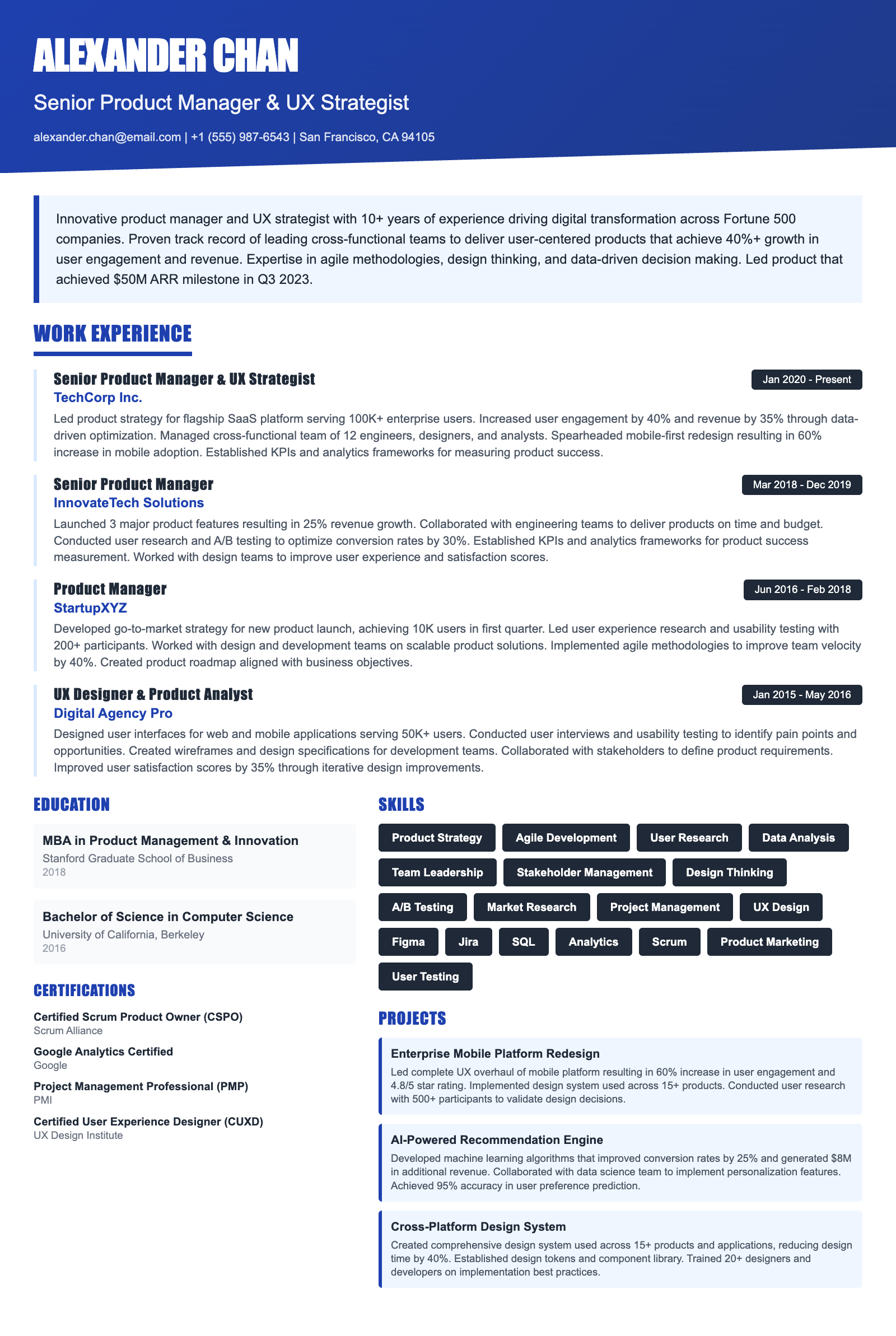
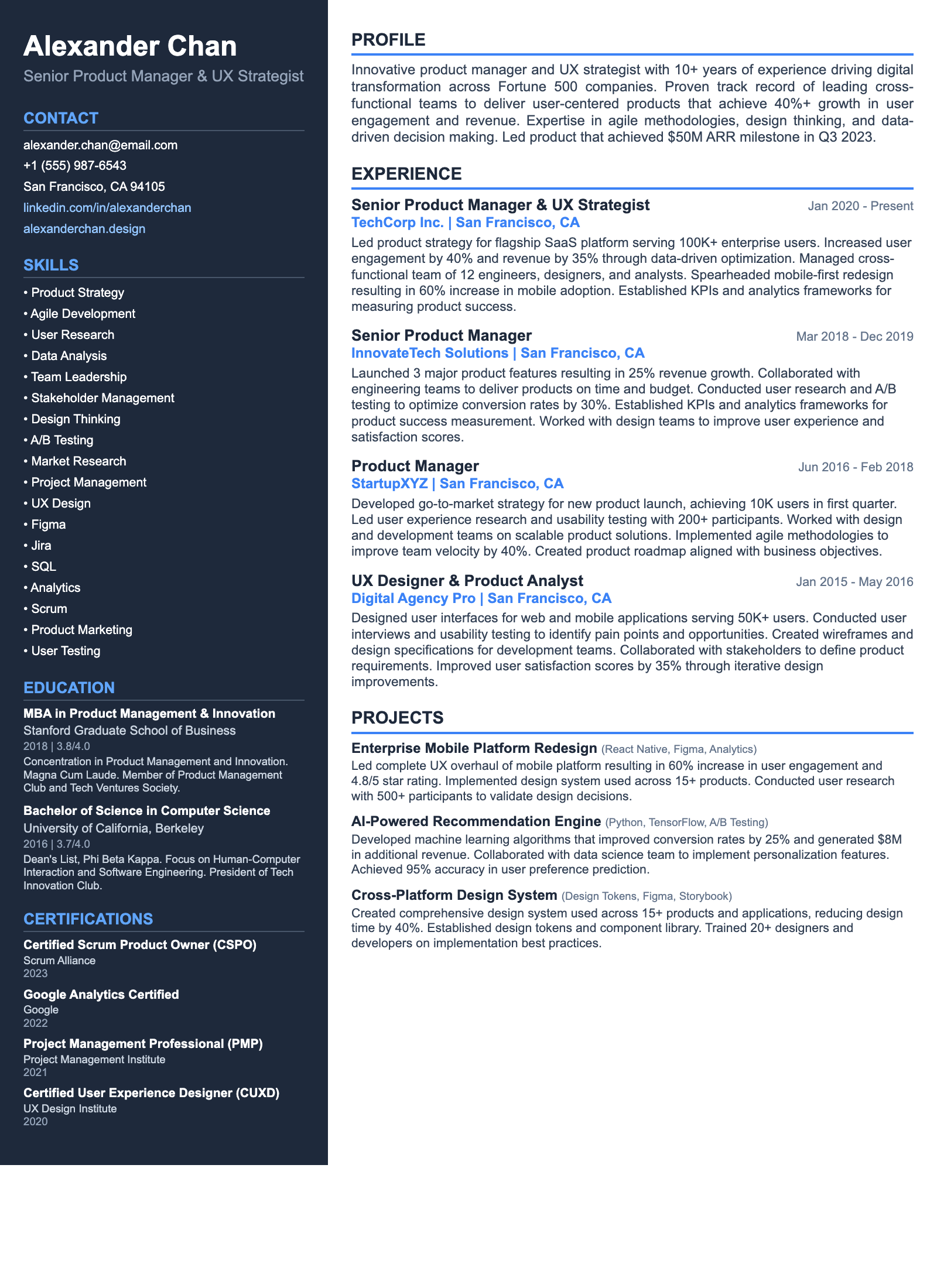
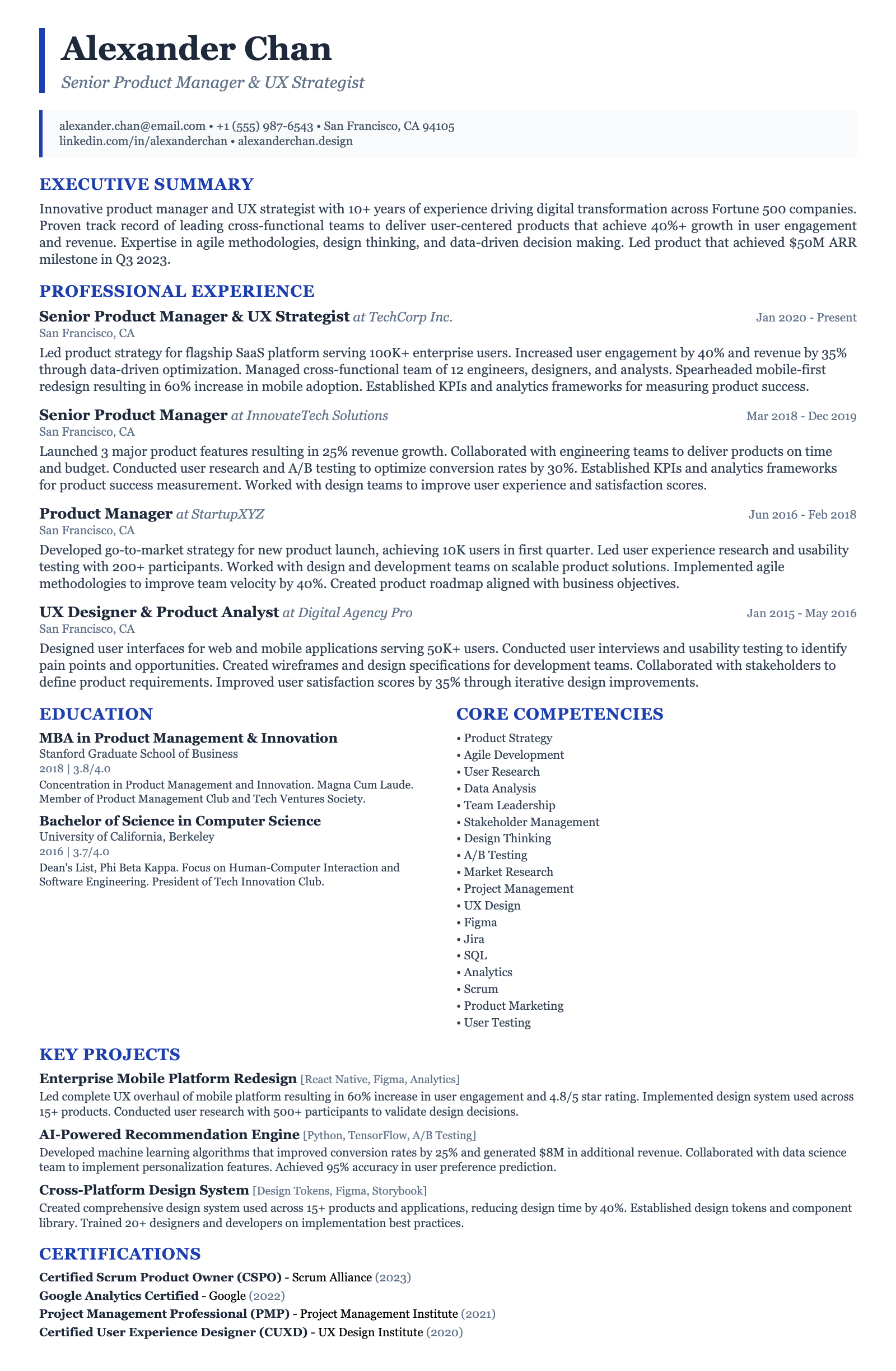
Recommended Resume Templates

ATS-friendly templates designed specifically for Junior Retail Electrical Engineer positions in the US market.
Frequently Asked Questions

What is the ideal length for a Junior Retail Electrical Engineer resume in the US?

Ideally, your resume should be one page. Given your experience level as a junior engineer, focus on showcasing your most relevant skills and projects. Prioritize clear and concise language to highlight your key qualifications. If you have significant project experience from internships or coursework, and are targeting a senior role due to prior work experience in a related but different field, a two-page resume may be acceptable, but ensure every detail is relevant to retail electrical engineering.

What are the most important skills to highlight on my resume?

Highlight skills like proficiency in AutoCAD, Revit, ETAP, SKM PowerTools, and proficiency in electrical load calculations, power distribution system design, lighting design, and NEC compliance. Also, emphasize your ability to conduct site inspections, review construction documents, and collaborate with cross-functional teams. Strong problem-solving and communication skills are crucial for addressing the unique challenges of retail electrical systems.

How can I optimize my resume for Applicant Tracking Systems (ATS)?

Use keywords from the job description, and incorporate them naturally throughout your resume. Use standard resume formats (e.g., reverse chronological) and avoid using tables, graphics, or unusual fonts that ATS may not parse correctly. Save your resume as a PDF to preserve formatting, but ensure the text is selectable. Ensure your resume is machine-readable by testing it through a free online ATS scanner.

Are there any specific certifications that would strengthen my resume?

While not always mandatory at the junior level, an Engineer-in-Training (EIT) certification is highly valuable. Pursuing certifications related to energy management or lighting design, such as a Certified Energy Manager (CEM) or Lighting Certified (LC), can also demonstrate your commitment to the field and enhance your resume. Mention any completed or planned certifications in your professional development section.

What are some common resume mistakes to avoid?

Avoid generic resume templates that lack personalization. Don't exaggerate your skills or experience, as this can be easily detected during the interview process. Neglecting to proofread your resume for grammatical errors and typos is a significant mistake. Also, avoid omitting quantifiable achievements that demonstrate your impact on previous projects or internships. Using jargon or acronyms that the hiring manager may not understand is another common error.

How can I tailor my resume if I'm transitioning from another engineering discipline?

Highlight transferable skills relevant to retail electrical engineering, such as your understanding of power systems, circuit analysis, and electrical design principles. Emphasize any relevant coursework, projects, or certifications that align with the target role. In your summary or objective statement, clearly articulate your interest in transitioning to retail electrical engineering and demonstrate your understanding of the unique challenges and opportunities in this sector. Use a skills-based resume format or a combination resume format.

Ready to Build Your Junior Retail Electrical Engineer Resume?

Use our AI-powered resume builder to create an ATS-optimized resume tailored for Junior Retail Electrical Engineer positions in the US market.

Complete Junior Retail Electrical Engineer Career Toolkit

Everything you need for your Junior Retail Electrical Engineer job search — all in one platform.

Why choose ResumeGyani over Zety or Resume.io?

The only platform with AI mock interviews + resume builder + job search + career coaching — all in one.

See comparison

Last updated: March 2026 · Content reviewed by certified resume writers · Optimized for US job market

Junior Retail Electrical Engineer Resume Guide (2026) | ATS-Optimized Template