
ATS-Optimized for US Market

Junior Tech Data Scientist Career & Resume Guide

As a Junior Tech Data Scientist entering the US job market, you need a resume that showcases your technical prowess and analytical skills. Hiring managers seek candidates who can not only wrangle data but also translate insights into actionable strategies. Your resume should immediately highlight your proficiency in programming languages like Python (with libraries such as Pandas, NumPy, Scikit-learn), R, and SQL. Demonstrating experience with cloud platforms like AWS, Azure, or GCP is crucial, especially with services like S3, Azure ML, or Google Cloud AI Platform. Emphasize your data visualization skills using tools like Tableau or Power BI to present data effectively. Structure your resume with clear sections for skills, projects, and experience. Quantify your accomplishments whenever possible, using metrics to demonstrate the impact of your work. Include relevant coursework, especially if you are a recent graduate. Showcase your ability to collaborate within a team, highlighting specific instances where you contributed to a successful project. Leadership experience, even in academic or extracurricular settings, can set you apart. Tailor your resume to each job description, emphasizing the skills and experience most relevant to the specific role. A portfolio showcasing your projects, hosted on platforms like GitHub, provides tangible evidence of your abilities. Ultimately, your resume needs to prove you can transform raw data into valuable business intelligence.
Average US Salary: $70k - $127k

Expert Tip: For Junior Tech Data Scientist positions in the US, recruiters increasingly look for technical execution and adaptability over simple job duties. This guide is tailored to highlight these specific traits to ensure your resume stands out in the competitive Junior Tech Data Scientist sector.

What US Hiring Managers Look For in a Junior Tech Data Scientist Resume

When reviewing Junior Tech Data Scientist candidates, recruiters and hiring managers in the US focus on a few critical areas. Making these elements clear and easy to find on your resume will improve your chances of moving to the interview stage.

  • Relevant experience and impact in Junior Tech Data Scientist or closely related roles.
  • Clear, measurable achievements (metrics, scope, outcomes) rather than duties.
  • Skills and keywords that match the job description and ATS requirements.
  • Professional formatting and no spelling or grammar errors.
  • Consistency between your resume, LinkedIn, and application.
  • Proficiency in key areas such as Problem Solving, Time Management, Programming/Cloud Services.

Essential Skills for Junior Tech Data Scientist

Include these keywords in your resume to pass ATS screening and impress recruiters.

Must-Have Skills

  • CriticalProblem Solving
  • HighTime Management

Technical Skills

  • HighProgramming/Cloud Services
  • MediumData Analysis

Soft Skills

  • CriticalTeamwork
  • HighAdaptability
  • MediumLeadership

A Day in the Life

A Day in the Life of a Junior Data Scientist

Your morning starts at 9 AM by checking emails and reviewing yesterday's tasks. As an Junior Data Scientist in Tech, you spend the first hour in daily stand-ups, syncing with your team on handling core responsibilities, collaborating with cross-functional teams, and driving project success. From 10 AM to 1 PM, you focus on execution. In Tech, this involves learning standard operating procedures and applying your Data Scientist skills to real-world problems. Post-lunch (1-5 PM) is for deep work and collaboration. You might attend workshops or pair with senior members to understand the nuances of handling core responsibilities, collaborating with cross-functional teams, and driving project success within the company. Wrap up by 5:30 PM, documenting your progress. Tech professionals at this level prioritize learning and consistency to build a strong career foundation.

Career Progression Path

Level 1

Data Scientist I (Entry Level)

Level 2

Data Scientist II (Junior)

Level 3

Senior Data Scientist

Level 4

Lead Data Scientist

Level 5

Data Scientist Manager / Director

Interview Questions & Answers

Prepare for your Junior Tech Data Scientist interview with these commonly asked questions.

Describe a time you had to deal with a messy or incomplete dataset. How did you clean and prepare it for analysis?

Medium
Behavioral
Sample Answer
In a recent project involving customer churn prediction, I encountered a dataset with missing values and inconsistent formatting. I addressed missing values using imputation techniques like mean or median imputation for numerical features, and mode imputation for categorical features. I used Pandas in Python to standardize the data format and handle inconsistencies. I also employed data validation techniques to identify and correct outliers, ensuring the data was suitable for further analysis and model building. This helped improve the accuracy of my churn prediction model.

Explain the difference between supervised and unsupervised learning. Give an example of when you would use each.

Medium
Technical
Sample Answer
Supervised learning involves training a model on labeled data, where the algorithm learns to map inputs to outputs. An example is predicting customer churn using historical data with labeled churn outcomes. Unsupervised learning, on the other hand, involves training a model on unlabeled data to discover hidden patterns. An example would be using clustering algorithms to segment customers based on their purchasing behavior. Supervised learning is best when you have labeled data and a specific prediction task, while unsupervised learning is used for exploratory analysis and pattern discovery when labels are unavailable.

Walk me through a data science project you're particularly proud of. What was the problem, what steps did you take, and what was the outcome?

Medium
Behavioral
Sample Answer
I led a project to optimize marketing spend for a local e-commerce business. The problem was inefficient ad spending across various channels. I collected data from Google Analytics and Facebook Ads Manager, cleaned it using Pandas, and performed exploratory data analysis to identify high-performing segments. Then, I built a regression model to predict the return on ad spend for different campaigns. The outcome was a 20% increase in ROI by reallocating budget to more effective channels, which was presented to stakeholders using Tableau dashboards.

How would you handle a situation where your machine learning model is performing well on training data but poorly on new, unseen data?

Medium
Situational
Sample Answer
This scenario indicates overfitting. To address it, I would first simplify the model by reducing the number of features or using regularization techniques (L1 or L2 regularization) to penalize complex models. I would also increase the amount of training data, if possible, and use cross-validation to evaluate the model's performance on multiple subsets of the data. Additionally, I would double-check my data preprocessing steps to ensure there aren't any biases or inconsistencies. If the model is still overfitting, I would try a different algorithm altogether.

Describe a time you had to explain a complex data science concept to a non-technical audience.

Easy
Behavioral
Sample Answer
I was tasked with explaining the concept of A/B testing to the marketing team, who had little statistical knowledge. I avoided technical jargon and instead used a simple analogy of comparing two different versions of an advertisement to see which one performs better. I showed them how we could measure key metrics like click-through rates and conversion rates to determine the winning version. I also emphasized the importance of having a control group and statistical significance to ensure the results were reliable. The marketing team was able to understand the concept and use it to improve their campaigns.

You are asked to predict customer churn for a subscription-based service. What data would you collect and how would you approach the problem?

Hard
Technical
Sample Answer
First, I'd gather data on customer demographics, subscription details (plan type, duration), usage patterns (frequency of use, features used), customer support interactions, billing information, and satisfaction scores. Then, I would preprocess the data, handle missing values, and engineer relevant features such as recency, frequency, and monetary value (RFM). I would then build a classification model (e.g., logistic regression, random forest, or gradient boosting) to predict churn. Model evaluation would involve metrics like precision, recall, F1-score, and AUC-ROC, with a focus on minimizing false negatives to proactively retain at-risk customers.

ATS Optimization Tips

Make sure your resume passes Applicant Tracking Systems used by US employers.

Incorporate keywords related to specific algorithms (e.g., regression, classification, clustering) and machine learning techniques directly from the job description.
Use standard section headings such as 'Skills,' 'Experience,' 'Education,' and 'Projects' for better parsing by ATS systems.
Quantify your accomplishments using metrics like accuracy improvement, cost reduction, or efficiency gains to demonstrate the impact of your work; this is easily parsed.
Ensure your contact information is clearly visible and formatted in a way that ATS can easily extract it; avoid using graphics or unusual fonts for this purpose.
Save your resume as a PDF or DOCX file, as these formats are generally well-supported by ATS systems, but check the job description first.
List your skills both in a dedicated 'Skills' section and within the descriptions of your work experience to increase keyword density and ATS visibility.
Highlight your experience with specific cloud services, like AWS S3, Azure Machine Learning, or Google Cloud AI Platform, as many companies require these skills.
If you have a portfolio of projects, include a direct link to it in your resume so that recruiters can easily access and review your work; make sure the projects also have textual descriptions for the ATS.

Common Resume Mistakes to Avoid

Don't make these errors that get resumes rejected.

1
Failing to showcase projects that demonstrate practical application of data science skills; include links to GitHub repositories.
2
Listing generic skills without providing concrete examples of how you've used them; always quantify achievements.
3
Neglecting to tailor the resume to the specific requirements of each job posting; use keywords from the description.
4
Omitting relevant coursework or certifications that validate your knowledge and abilities; include specific coursework titles.
5
Using overly technical jargon without explaining its relevance or impact; clarity is key.
6
Having grammatical errors or typos, which can make you appear careless and unprofessional; proofread meticulously.
7
Not highlighting experience with specific tools and technologies like Python, R, SQL, Tableau, and AWS/Azure/GCP; list versions used.
8
Ignoring the importance of data visualization and not including examples of dashboards or reports you have created; provide links if possible.

Industry Outlook

The US Tech sector is experiencing rapid growth with 8% YoY expansion. Junior Data Scientists are particularly sought after, with the Bureau of Labor Statistics projecting above-average job growth through 2030. Peak hiring occurs in Q1 (January-March) and Q3 (August-September).

Top Hiring Companies

GoogleAmazonMicrosoftMetaStartups

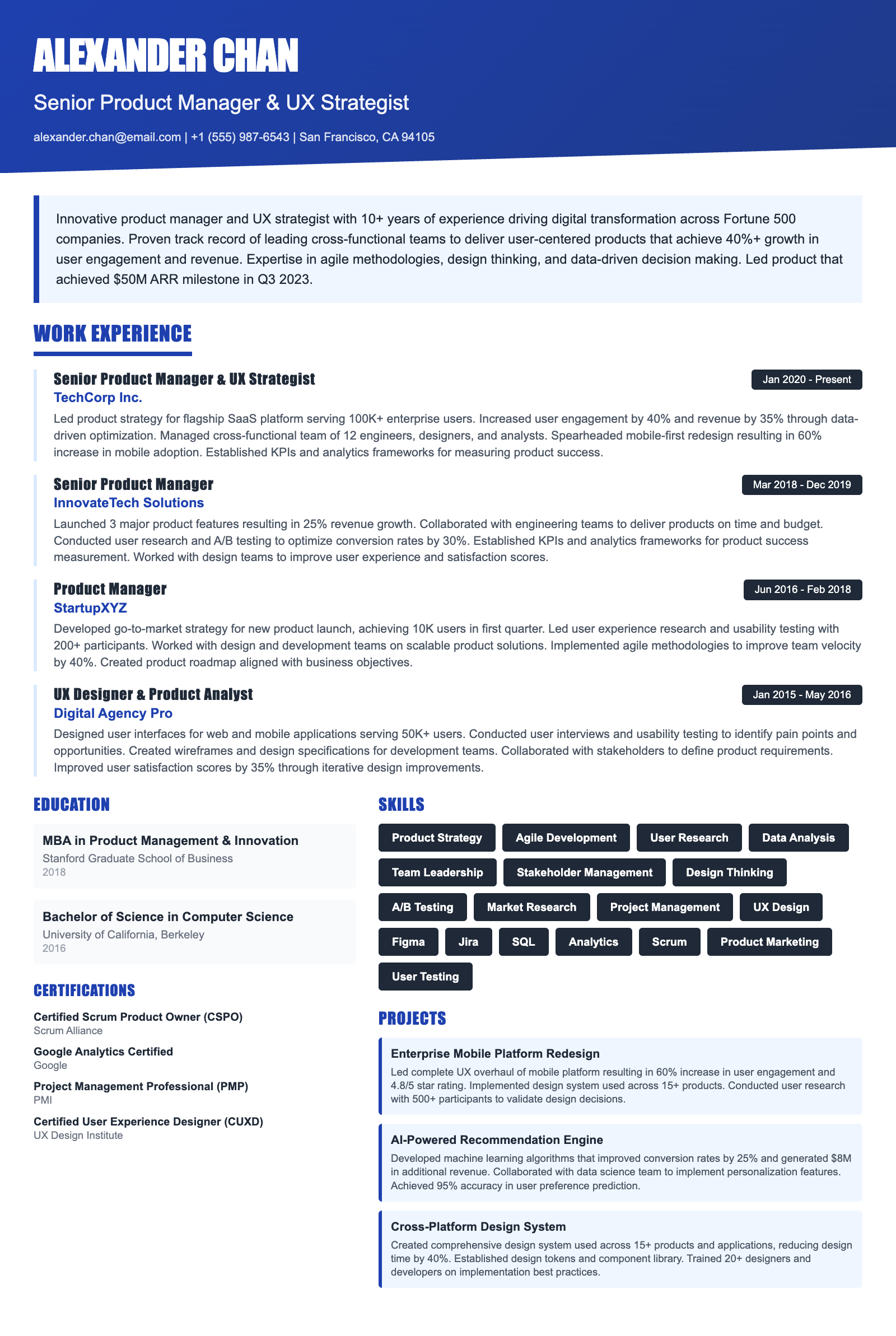
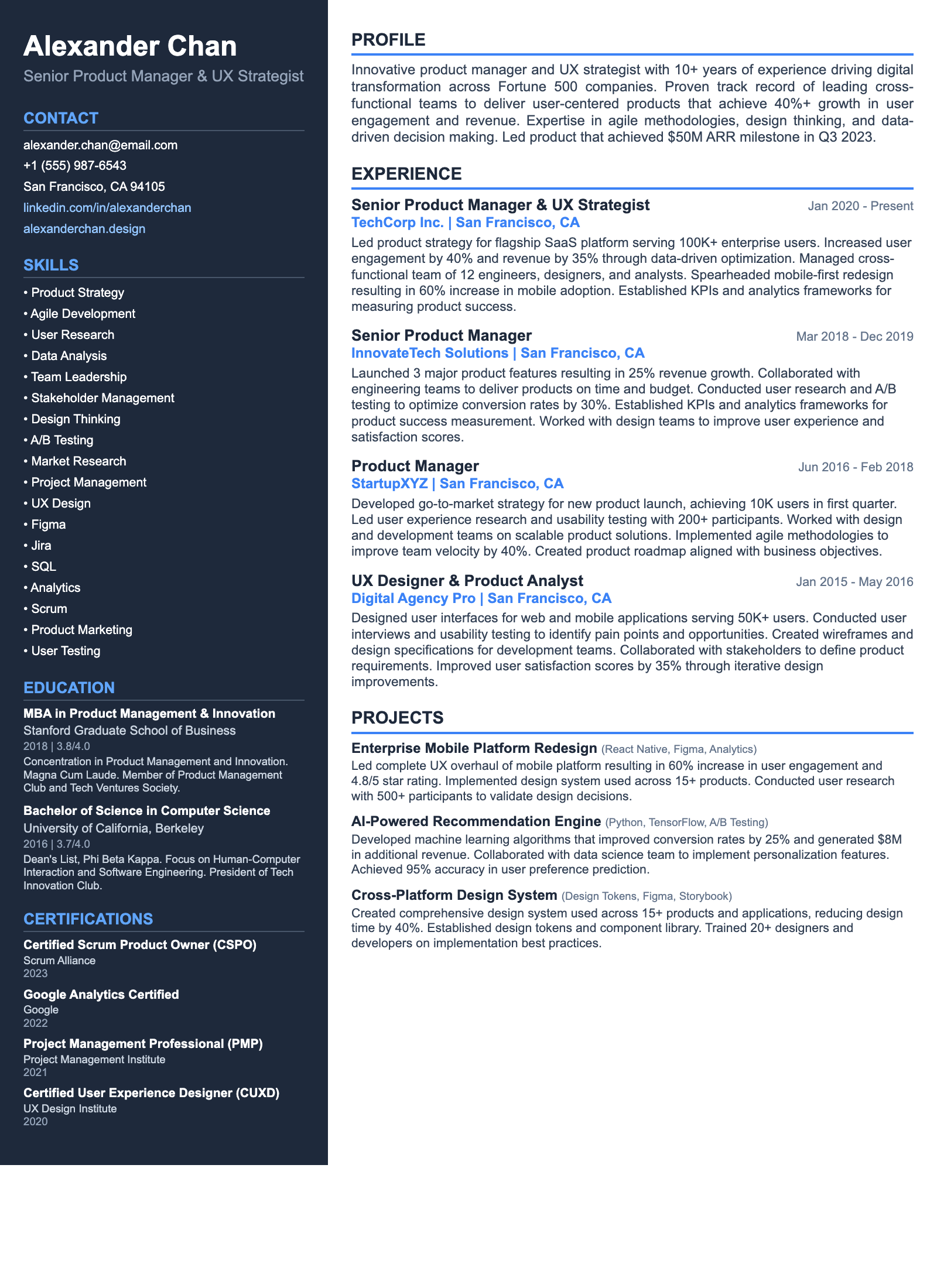
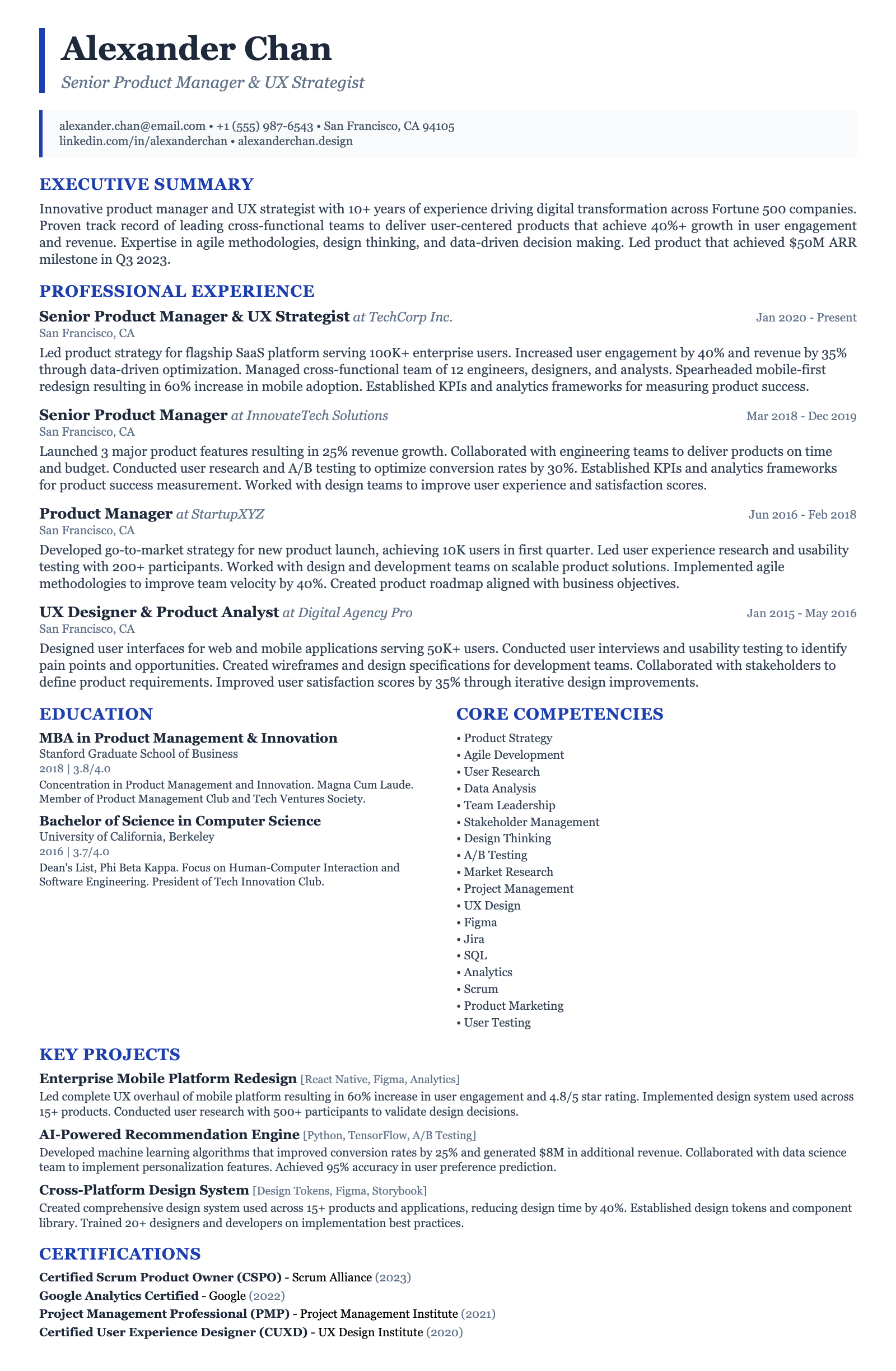
Recommended Resume Templates

ATS-friendly templates designed specifically for Junior Tech Data Scientist positions in the US market.
Frequently Asked Questions

What is the ideal length for a Junior Tech Data Scientist resume?

For a Junior Tech Data Scientist in the US, a one-page resume is generally preferred. Hiring managers often have limited time, so concisely present your most relevant skills and experiences. Focus on projects and accomplishments that demonstrate your analytical abilities and programming skills using tools like Python, R, and SQL. Highlight experience with cloud platforms such as AWS or Azure.

What are the most important skills to highlight on a Junior Tech Data Scientist resume?

The key skills to highlight include proficiency in programming languages (Python, R, SQL), data manipulation and analysis (Pandas, NumPy), machine learning (Scikit-learn, TensorFlow), data visualization (Tableau, Power BI), and cloud computing (AWS, Azure, GCP). Demonstrating experience with statistical modeling and experimental design is also highly valuable. Tailor your skills section to match the specific requirements listed in each job description.

How can I ensure my resume is ATS-friendly?

To optimize your resume for Applicant Tracking Systems (ATS), use a clean, simple format with clear headings and bullet points. Avoid tables, images, and unusual fonts that ATS systems may not parse correctly. Incorporate relevant keywords from the job description throughout your resume, especially in the skills and experience sections. Save your resume as a .doc or .pdf file. Use standard section headings like 'Skills,' 'Experience,' and 'Education'.

Should I include certifications on my resume, and if so, which ones?

Yes, including relevant certifications can significantly enhance your resume. Consider certifications such as AWS Certified Machine Learning – Specialty, Microsoft Certified: Azure Data Scientist Associate, or Google Professional Data Engineer. Certifications demonstrate your commitment to continuous learning and validate your expertise in specific technologies and methodologies. Also include certifications for specific tools like Tableau Desktop Specialist.

What are some common resume mistakes Junior Tech Data Scientists should avoid?

Common mistakes include using generic language, failing to quantify accomplishments, and neglecting to tailor the resume to each job description. Avoid listing skills you don't actually possess. Ensure your resume is free of grammatical errors and typos. Don't forget to showcase projects demonstrating your abilities with Python, R, and machine learning libraries. Omitting cloud experience (AWS, Azure) is a major oversight.

How can I highlight a career transition into data science on my resume?

If you're transitioning into data science, emphasize transferable skills from your previous role, such as analytical thinking, problem-solving, and communication. Highlight relevant coursework, bootcamps, or personal projects that demonstrate your newly acquired data science skills. Frame your previous experience in a way that showcases its relevance to data science. For instance, explain how your project management skills can be applied to leading data science projects. Use your skills section to showcase specific tools and technologies (Python, SQL, Tableau).

Ready to Build Your Junior Tech Data Scientist Resume?

Use our AI-powered resume builder to create an ATS-optimized resume tailored for Junior Tech Data Scientist positions in the US market.

Complete Junior Tech Data Scientist Career Toolkit

Everything you need for your Junior Tech Data Scientist job search — all in one platform.

Why choose ResumeGyani over Zety or Resume.io?

The only platform with AI mock interviews + resume builder + job search + career coaching — all in one.

See comparison

Last updated: March 2026 · Content reviewed by certified resume writers · Optimized for US job market