
ATS-Optimized for US Market

Junior Tech Network Engineer Career & Resume Guide

Crafting a compelling resume for a Junior Tech Network Engineer role requires showcasing your technical prowess and problem-solving skills effectively. Hiring managers seek candidates who possess a solid understanding of network fundamentals, security protocols, and troubleshooting methodologies. Your resume should prominently feature your experience with network infrastructure components like routers, switches, firewalls, and load balancers. Highlight your proficiency with networking tools such as Wireshark, Nmap, and SolarWinds. Quantify your achievements whenever possible, illustrating how you've improved network performance, resolved incidents, or contributed to team projects. Include a dedicated 'Technical Skills' section emphasizing your knowledge of routing protocols (BGP, OSPF), switching technologies (VLANs, STP), and network security principles (firewall configuration, intrusion detection). Furthermore, showcase your understanding of cloud networking concepts, particularly experience with platforms like AWS, Azure, or Google Cloud, as cloud integration becomes increasingly crucial. Demonstrate your adaptability and teamwork abilities through project examples where you collaborated with cross-functional teams. To stand out, consider including relevant certifications like CCNA, Network+, or CompTIA Security+. Ensure your resume is tailored to each specific job description, emphasizing the skills and experiences most relevant to the role's requirements. Proofread meticulously to eliminate any grammatical errors or typos, presenting yourself as a detail-oriented and professional candidate.
Average US Salary: $70k - $127k

Expert Tip: For Junior Tech Network Engineer positions in the US, recruiters increasingly look for technical execution and adaptability over simple job duties. This guide is tailored to highlight these specific traits to ensure your resume stands out in the competitive Junior Tech Network Engineer sector.

What US Hiring Managers Look For in a Junior Tech Network Engineer Resume

When reviewing Junior Tech Network Engineer candidates, recruiters and hiring managers in the US focus on a few critical areas. Making these elements clear and easy to find on your resume will improve your chances of moving to the interview stage.

  • Relevant experience and impact in Junior Tech Network Engineer or closely related roles.
  • Clear, measurable achievements (metrics, scope, outcomes) rather than duties.
  • Skills and keywords that match the job description and ATS requirements.
  • Professional formatting and no spelling or grammar errors.
  • Consistency between your resume, LinkedIn, and application.
  • Proficiency in key areas such as Problem Solving, Time Management, Programming/Cloud Services.

Essential Skills for Junior Tech Network Engineer

Include these keywords in your resume to pass ATS screening and impress recruiters.

Must-Have Skills

  • CriticalProblem Solving
  • HighTime Management

Technical Skills

  • HighProgramming/Cloud Services
  • MediumData Analysis

Soft Skills

  • CriticalTeamwork
  • HighAdaptability
  • MediumLeadership

A Day in the Life

A Day in the Life of a Junior Network Engineer

Your morning starts at 9 AM by checking emails and reviewing yesterday's tasks. As an Junior Network Engineer in Tech, you spend the first hour in daily stand-ups, syncing with your team on handling core responsibilities, collaborating with cross-functional teams, and driving project success. From 10 AM to 1 PM, you focus on execution. In Tech, this involves learning standard operating procedures and applying your Network Engineer skills to real-world problems. Post-lunch (1-5 PM) is for deep work and collaboration. You might attend workshops or pair with senior members to understand the nuances of handling core responsibilities, collaborating with cross-functional teams, and driving project success within the company. Wrap up by 5:30 PM, documenting your progress. Tech professionals at this level prioritize learning and consistency to build a strong career foundation.

Career Progression Path

Level 1

Network Engineer I (Entry Level)

Level 2

Network Engineer II (Junior)

Level 3

Senior Network Engineer

Level 4

Lead Network Engineer

Level 5

Network Engineer Manager / Director

Interview Questions & Answers

Prepare for your Junior Tech Network Engineer interview with these commonly asked questions.

Describe a time you had to troubleshoot a complex network issue. What steps did you take?

Medium
Behavioral
Sample Answer
In a previous internship, users reported intermittent connectivity issues. I began by gathering information from affected users, then used network monitoring tools like Ping and Traceroute to identify potential bottlenecks. I discovered a faulty switch port causing packet loss. I reconfigured the port and rerouted traffic, resolving the issue and restoring network connectivity. This experience taught me the importance of systematic troubleshooting and utilizing network diagnostic tools effectively.

Explain the difference between TCP and UDP.

Medium
Technical
Sample Answer
TCP (Transmission Control Protocol) is a connection-oriented protocol that provides reliable, ordered, and error-checked delivery of data. It establishes a connection before transmitting data and uses acknowledgments to ensure data integrity. UDP (User Datagram Protocol) is a connectionless protocol that offers faster but less reliable data transmission. It doesn't guarantee delivery or order of packets. TCP is suitable for applications requiring high reliability, such as web browsing, while UDP is often used for streaming and online gaming.

How would you approach securing a small office network?

Medium
Situational
Sample Answer
Securing a small office network involves several key steps. First, I would implement a firewall to control network access and prevent unauthorized connections. Next, I would configure strong passwords for all devices and user accounts and enforce regular password changes. I would also enable network segmentation using VLANs to isolate sensitive data. Additionally, I would implement intrusion detection and prevention systems (IDS/IPS) to monitor for malicious activity. Finally, I would regularly update software and firmware to patch security vulnerabilities.

What is subnetting and why is it important?

Medium
Technical
Sample Answer
Subnetting is the process of dividing a network into smaller, more manageable subnetworks. It's important because it improves network efficiency, security, and manageability. By dividing a large network into smaller subnets, you can reduce broadcast traffic, isolate network segments, and simplify network administration. Subnetting allows for more efficient allocation of IP addresses and can enhance network security by limiting the scope of potential security breaches. For example, you might create a separate subnet for your guest wifi to prevent them from accessing sensitive internal resources.

Describe a time you had to learn a new networking technology or concept quickly.

Medium
Behavioral
Sample Answer
During a project involving cloud migration, I needed to quickly learn about AWS Virtual Private Clouds (VPCs). I utilized AWS documentation, online courses, and hands-on labs to understand VPC configurations, security groups, and network ACLs. Within a week, I was able to contribute to the VPC design and implementation, working alongside senior engineers. This experience demonstrated my ability to quickly acquire new technical skills and apply them to real-world scenarios.

You receive reports that the network is slow. What are the first steps you would take to diagnose the problem?

Medium
Situational
Sample Answer
The first steps I would take to diagnose a slow network involve gathering information and isolating the issue. I'd start by asking users for specifics about the slowdown: when does it occur, which applications are affected, and are specific locations or devices affected? Then, I would use network monitoring tools like Ping and Traceroute to check for packet loss and latency. I'd examine network device logs for errors. I would also check the bandwidth utilization of network links to identify potential bottlenecks. By systematically gathering data, I can narrow down the source of the slowness and develop a targeted troubleshooting plan.

ATS Optimization Tips

Make sure your resume passes Applicant Tracking Systems used by US employers.

Incorporate specific network protocols and technologies mentioned in the job description, like TCP/IP, DNS, DHCP, and VLANs.
Use standard section headings such as 'Skills,' 'Experience,' and 'Education' to ensure the ATS can correctly parse your resume.
Quantify your achievements whenever possible, using metrics to demonstrate the impact of your work (e.g., 'Reduced network downtime by 20%').
List certifications with the full name of the certification and the issuing organization to improve keyword matching.
Use a consistent date format throughout your resume (e.g., MM/YYYY) to avoid parsing errors.
Include a 'Technical Skills' section that clearly lists all relevant networking tools, software, and hardware you are proficient in, like Cisco IOS, Wireshark, and SolarWinds.
Save your resume as a PDF to preserve formatting, but also have a plain text version available, as some ATS systems require it.
Use keywords related to cloud networking if the job description mentions cloud platforms like AWS, Azure, or Google Cloud.

Common Resume Mistakes to Avoid

Don't make these errors that get resumes rejected.

1
Failing to tailor the resume to the specific job description, resulting in a lack of relevant keywords and skills.
2
Listing irrelevant experience or skills that don't align with the requirements of a Junior Tech Network Engineer role.
3
Neglecting to quantify achievements, making it difficult for hiring managers to assess the impact of your work.
4
Omitting key technical skills, such as experience with specific network protocols, security tools, or cloud platforms.
5
Using a visually appealing but ATS-unfriendly resume format, leading to parsing errors and a lower ranking.
6
Having grammatical errors or typos, which can create a negative impression of your attention to detail.
7
Not including relevant certifications, such as CCNA or Network+, which demonstrate your foundational knowledge.
8
Overstating your skills or experience, which can be easily detected during the interview process.

Industry Outlook

The US Tech sector is experiencing rapid growth with 8% YoY expansion. Junior Network Engineers are particularly sought after, with the Bureau of Labor Statistics projecting above-average job growth through 2030. Peak hiring occurs in Q1 (January-March) and Q3 (August-September).

Top Hiring Companies

GoogleAmazonMicrosoftMetaStartups

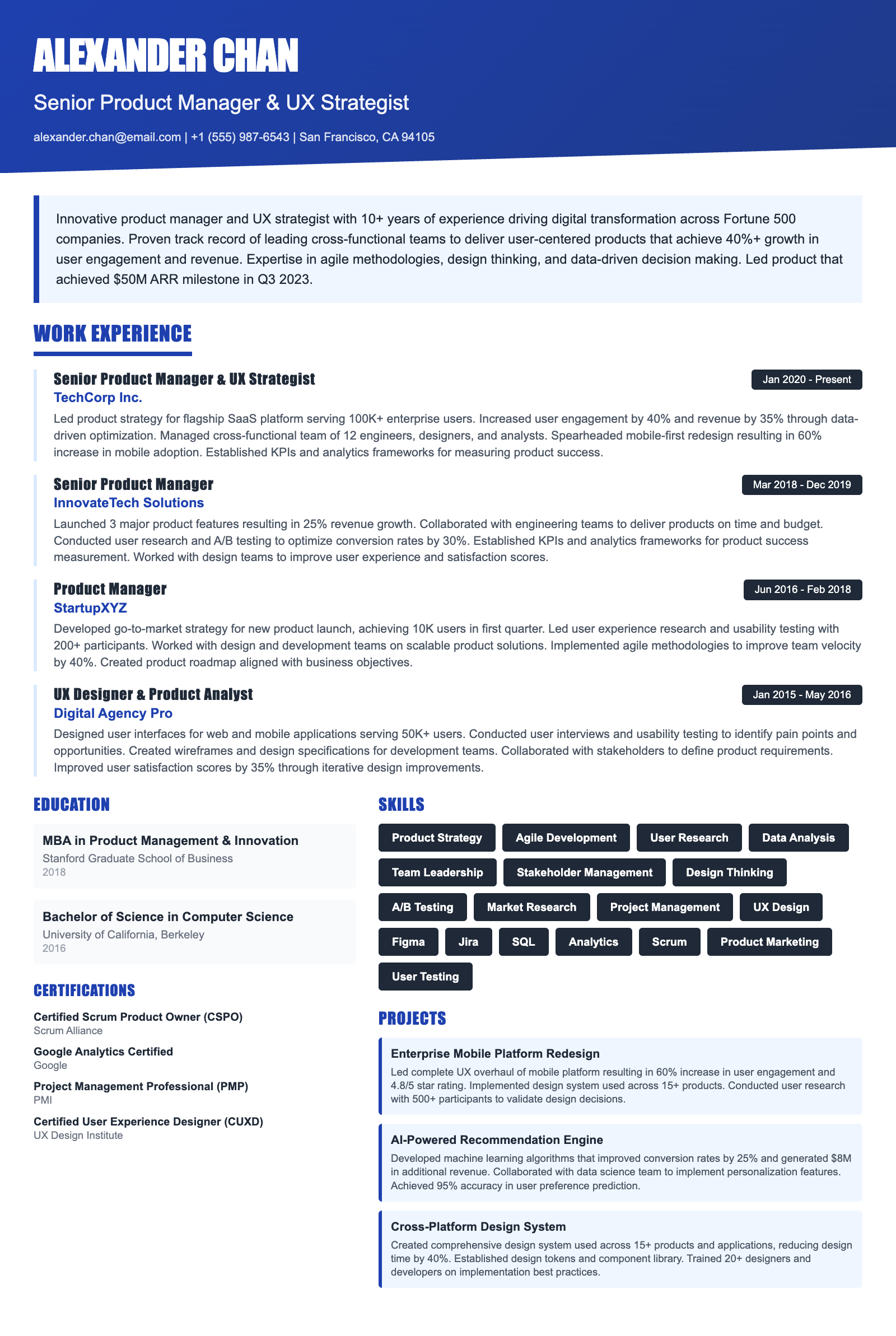
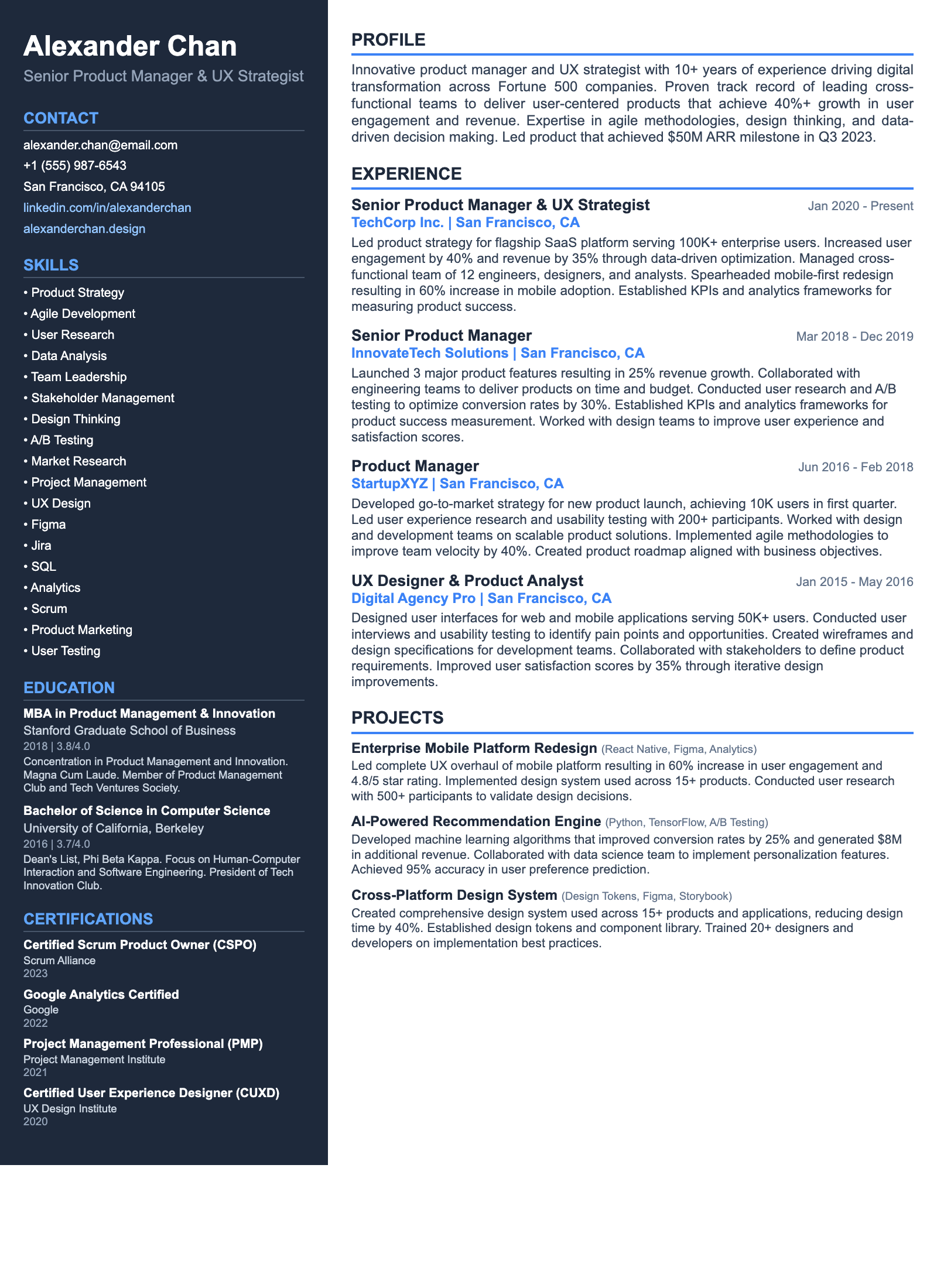
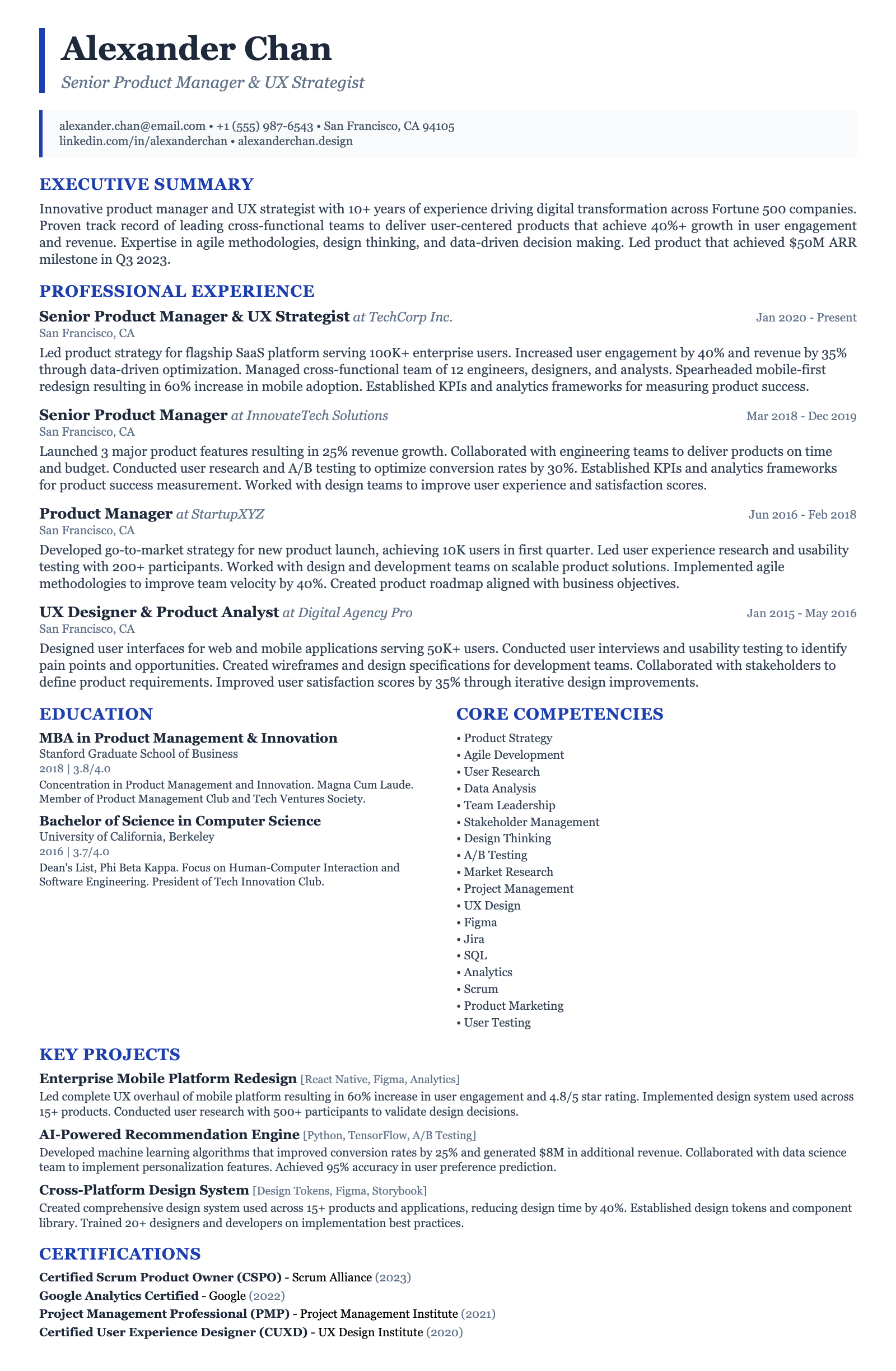
Recommended Resume Templates

ATS-friendly templates designed specifically for Junior Tech Network Engineer positions in the US market.
Frequently Asked Questions

How long should my Junior Tech Network Engineer resume be?

Ideally, your resume should be one page long, especially if you have less than five years of experience. Focus on highlighting the most relevant skills and experiences that align with the job description. Prioritize quantifiable achievements and technical skills like configuring Cisco routers, implementing network security policies, and troubleshooting network connectivity issues using tools like Ping and Traceroute. If you have extensive project experience, carefully curate the most impactful ones to showcase your expertise.

What key skills should I emphasize on my resume?

Emphasize a blend of technical and soft skills. Technically, highlight your expertise in areas like TCP/IP, DNS, DHCP, VLANs, routing protocols (e.g., OSPF, BGP), and network security. Familiarity with network monitoring tools such as SolarWinds and Nagios is crucial. Soft skills like problem-solving, communication, and teamwork are equally important. Provide specific examples of how you've applied these skills to resolve network issues or contribute to team projects. For example, detail how you used Wireshark to diagnose and resolve a network latency problem.

How can I optimize my resume for Applicant Tracking Systems (ATS)?

Use a clean, ATS-friendly format like a chronological or combination resume. Avoid using tables, images, or unusual fonts that the ATS might not be able to parse correctly. Incorporate relevant keywords from the job description throughout your resume, particularly in your skills and experience sections. Ensure your contact information is easily accessible and accurate. Save your resume as a PDF to preserve formatting, but also have a plain text version available if requested. Tools like Jobscan can help assess your resume's ATS compatibility.

Are certifications important for a Junior Tech Network Engineer resume?

Yes, certifications can significantly enhance your resume. Industry-recognized certifications like CCNA, Network+, CompTIA Security+, and Azure Network Engineer Associate demonstrate your foundational knowledge and commitment to professional development. Mention the certification name, issuing organization, and date of completion (or expected completion). Highlight any specific skills or knowledge gained through these certifications that are relevant to the job requirements. For example, mention how CCNA training improved your ability to configure and troubleshoot Cisco devices.

What are some common resume mistakes to avoid?

Avoid generic resumes that aren't tailored to the specific job requirements. Don't neglect to quantify your achievements; instead of saying 'Improved network performance,' say 'Improved network performance by 15%.' Avoid listing outdated or irrelevant skills. Proofread carefully for grammatical errors and typos. Ensure your contact information is accurate and up-to-date. Don't exaggerate your skills or experience. Omitting relevant projects where you utilized skills like Python scripting for network automation is also a common mistake.

How should I address a career transition into a Junior Tech Network Engineer role?

Highlight transferable skills from your previous role that are relevant to networking, such as problem-solving, analytical skills, and technical aptitude. Emphasize any relevant coursework, certifications, or personal projects that demonstrate your interest in and knowledge of networking. Create a skills-based or combination resume that focuses on your abilities rather than your work history. In your summary, clearly state your career goals and why you are making the transition. For instance, if you transitioned from software development, highlight your experience with cloud infrastructure and scripting languages like Python, which are valuable in network automation.

Ready to Build Your Junior Tech Network Engineer Resume?

Use our AI-powered resume builder to create an ATS-optimized resume tailored for Junior Tech Network Engineer positions in the US market.

Complete Junior Tech Network Engineer Career Toolkit

Everything you need for your Junior Tech Network Engineer job search — all in one platform.

Why choose ResumeGyani over Zety or Resume.io?

The only platform with AI mock interviews + resume builder + job search + career coaching — all in one.

See comparison

Last updated: March 2026 · Content reviewed by certified resume writers · Optimized for US job market

Junior Tech Network Engineer Resume Guide (2026) | ATS-Optimized Template