
ATS-Optimized for US Market

Lead Education Accountant Career & Resume Guide

As a Lead Education Accountant, you're tasked with managing the financial health of educational institutions, ensuring compliance, and providing insightful financial analysis. Your resume must showcase your expertise in navigating the complex financial landscape of the education sector. Hiring managers seek candidates who possess a deep understanding of fund accounting, grant management, and regulatory reporting, particularly within the context of educational funding streams (federal, state, and private). A compelling resume highlights your proficiency in industry-standard accounting software like Blackbaud, Banner Finance, or Workday Financials. Key sections include a strong skills section emphasizing communication, time management, advanced Excel skills (pivot tables, macros), data analysis, teamwork, adaptability, leadership, and specific accounting software. Quantify your achievements whenever possible, demonstrating the impact of your financial management on the institution's success (e.g., "Reduced audit findings by 15% through improved internal controls"). Clearly outline your experience with budget development, financial forecasting, and variance analysis. To stand out, tailor your resume to the specific institution's needs, showcasing your familiarity with their funding sources and accounting practices. Certifications such as CPA or CMA are highly valued. Frame your experience using keywords from the job description to ensure compatibility with Applicant Tracking Systems (ATS). Your resume should clearly communicate how your skills and experience align with the financial objectives of educational institutions.
Average US Salary: $100k - $160k

Expert Tip: For Lead Education Accountant positions in the US, recruiters increasingly look for technical execution and adaptability over simple job duties. This guide is tailored to highlight these specific traits to ensure your resume stands out in the competitive Lead Education Accountant sector.

What US Hiring Managers Look For in a Lead Education Accountant Resume

When reviewing Lead Education Accountant candidates, recruiters and hiring managers in the US focus on a few critical areas. Making these elements clear and easy to find on your resume will improve your chances of moving to the interview stage.

  • Relevant experience and impact in Lead Education Accountant or closely related roles.
  • Clear, measurable achievements (metrics, scope, outcomes) rather than duties.
  • Skills and keywords that match the job description and ATS requirements.
  • Professional formatting and no spelling or grammar errors.
  • Consistency between your resume, LinkedIn, and application.
  • Proficiency in key areas such as Communication, Time Management, Industry-Standard Tools.

Essential Skills for Lead Education Accountant

Include these keywords in your resume to pass ATS screening and impress recruiters.

Must-Have Skills

  • CriticalCommunication
  • HighTime Management

Technical Skills

  • HighIndustry-Standard Tools
  • MediumData Analysis

Soft Skills

  • CriticalTeamwork
  • HighAdaptability
  • CriticalLeadership

A Day in the Life

A Day in the Life of a Lead Accountant

Arrive early to review metrics or sprint progress. As a Lead Accountant, you lead the 9 AM stand-up, addressing blockers and setting the strategic direction for handling core responsibilities, collaborating with cross-functional teams, and driving project success within the Education team. 10 AM-1 PM is for high-impact decisions. You're architecting solutions, reviewing critical deliverables, or negotiating priorities with Education stakeholders. Afternoons involve mentorship and cross-org coordination. You're the go-to expert for handling core responsibilities, collaborating with cross-functional teams, and driving project success, ensuring the team's output aligns with company goals. You finish by finalizing quarterly roadmaps or reviewing next steps. At this level in Education, your focus shifts from individual tasks to organizational impact.

Career Progression Path

Level 1

Accountant I (Entry Level)

Level 2

Accountant II (Junior)

Level 3

Senior Accountant

Level 4

Lead Accountant

Level 5

Accountant Manager / Director

Interview Questions & Answers

Prepare for your Lead Education Accountant interview with these commonly asked questions.

Describe your experience managing a complex budget within an educational institution. How did you ensure accurate financial reporting and compliance?

Medium
Behavioral
Sample Answer
In my previous role at [Previous Institution], I managed a budget of $X million, encompassing various funding sources, including federal grants, state appropriations, and private donations. To ensure accurate financial reporting, I implemented a robust system of internal controls, including regular reconciliations, variance analysis, and segregation of duties. I utilized Blackbaud to track all transactions and generate accurate financial statements. This resulted in consistently clean audits and compliance with all applicable regulations. I also created a variance analysis report that was given to department heads to explain budget vs actual expenditures.

Explain your approach to grant management, including securing, administering, and reporting on grant funds.

Medium
Technical
Sample Answer
My grant management experience includes the full lifecycle of grant funding. I have successfully secured grants from various sources, including federal agencies and private foundations, by writing compelling proposals that clearly articulated the institution's needs and the project's potential impact. Once funding is secured, I meticulously track all expenditures to ensure compliance with grant requirements. I prepare regular reports for funders, highlighting the project's progress and its alignment with the grant's objectives. I am proficient in using tools such as Grants.gov and various financial reporting software to manage grant funds effectively. I also created a centralized grant database to track deadlines, budgets, and reporting requirements.

Tell me about a time you identified and resolved a significant financial risk within an educational institution.

Hard
Behavioral
Sample Answer
In my previous role, I identified a vulnerability in our procurement process that could have led to fraudulent activities. I noticed a lack of segregation of duties in the purchasing department, which made it possible for a single employee to approve invoices and issue payments. To address this risk, I recommended implementing a multi-tiered approval process, requiring at least two employees to sign off on all invoices above a certain threshold. I also provided training to employees on fraud prevention best practices. This change reduced the risk of fraud and strengthened our internal controls.

How do you stay up-to-date with the latest accounting regulations and best practices in the education sector?

Easy
Behavioral
Sample Answer
I am committed to continuous professional development. I regularly attend industry conferences and webinars focused on accounting and financial management in education. I also subscribe to industry publications and online resources, such as those provided by the National Association of College and University Business Officers (NACUBO) and the AICPA. I actively participate in professional organizations and network with other accounting professionals in the education sector. This allows me to stay abreast of the latest regulations, best practices, and emerging trends.

Describe a situation where you had to communicate complex financial information to non-financial stakeholders. How did you ensure they understood the key takeaways?

Medium
Situational
Sample Answer
I was once tasked with presenting the institution's annual budget to the Board of Trustees, many of whom had limited financial expertise. To ensure they understood the key takeaways, I avoided technical jargon and focused on the high-level implications of the budget. I used clear visuals, such as charts and graphs, to illustrate key trends and projections. I also provided a summary document that outlined the key assumptions and risks associated with the budget. Finally, I encouraged the board members to ask questions and provided clear and concise answers. The board approved the budget unanimously and expressed appreciation for the clarity of the presentation.

Imagine the university is facing a significant budget shortfall due to decreased enrollment. How would you approach identifying cost-saving opportunities and making recommendations to the leadership team?

Hard
Situational
Sample Answer
If the university faced a budget shortfall, my first step would be to conduct a thorough analysis of all revenue and expense streams to pinpoint the areas contributing most to the deficit. I would use data analysis tools and techniques to identify trends and patterns that may not be immediately obvious. Then, I would work with department heads to understand their operational needs and identify potential cost-saving measures that would minimize the impact on academic programs and student services. I would present a range of options to the leadership team, outlining the potential benefits and drawbacks of each approach. My recommendations would be data-driven, realistic, and aligned with the university's strategic goals.

ATS Optimization Tips

Make sure your resume passes Applicant Tracking Systems used by US employers.

Incorporate industry-specific keywords, such as "fund accounting," "grant management," "endowment reporting," and names of relevant accounting software (e.g., Blackbaud, Banner Finance) throughout your resume.
Use a clean, ATS-friendly format with clear headings like "Summary," "Experience," "Skills," and "Education." Avoid tables, graphics, or complex formatting that can confuse the system.
Quantify your accomplishments with numbers and metrics to demonstrate the impact of your work. For example, "Managed a $5 million grant portfolio" or "Reduced audit findings by 20%."
Tailor your resume to each specific job description, highlighting the skills and experience that are most relevant to the position.
Ensure your contact information is accurate and easy to find. Include your phone number, email address, and LinkedIn profile URL.
Use standard font types like Arial, Calibri or Times New Roman, with a font size between 10 and 12 points.
Structure your experience section with clear job titles, company names, dates of employment, and bullet points describing your responsibilities and achievements. Start each bullet point with an action verb.
Save your resume as a PDF file to preserve formatting and ensure that it is readable by ATS systems. Name the file using keywords like "Lead_Education_Accountant_Resume_YourName".

Common Resume Mistakes to Avoid

Don't make these errors that get resumes rejected.

1
Failing to highlight experience with fund accounting principles specific to educational institutions.
2
Omitting specific software proficiency, such as Blackbaud, Banner Finance, or Workday Financials.
3
Not quantifying achievements with metrics like budget size, cost savings, or audit findings improvements.
4
Using generic resume language instead of tailoring it to the specific requirements of the Lead Education Accountant role.
5
Neglecting to showcase experience with grant management and compliance reporting.
6
Not emphasizing experience with developing and implementing internal controls.
7
Poorly formatting the resume, making it difficult for recruiters and ATS systems to parse the information.
8
Failing to proofread the resume for grammatical errors and typos.

Industry Outlook

The US Education sector is experiencing steady growth. Lead Accountants are particularly sought after, with the Bureau of Labor Statistics projecting average job growth through 2030. Peak hiring occurs in Q1 (January-March) and Q3 (August-September).

Top Hiring Companies

Industry LeadersRegional FirmsFast-Growing Companies

Recommended Resume Templates

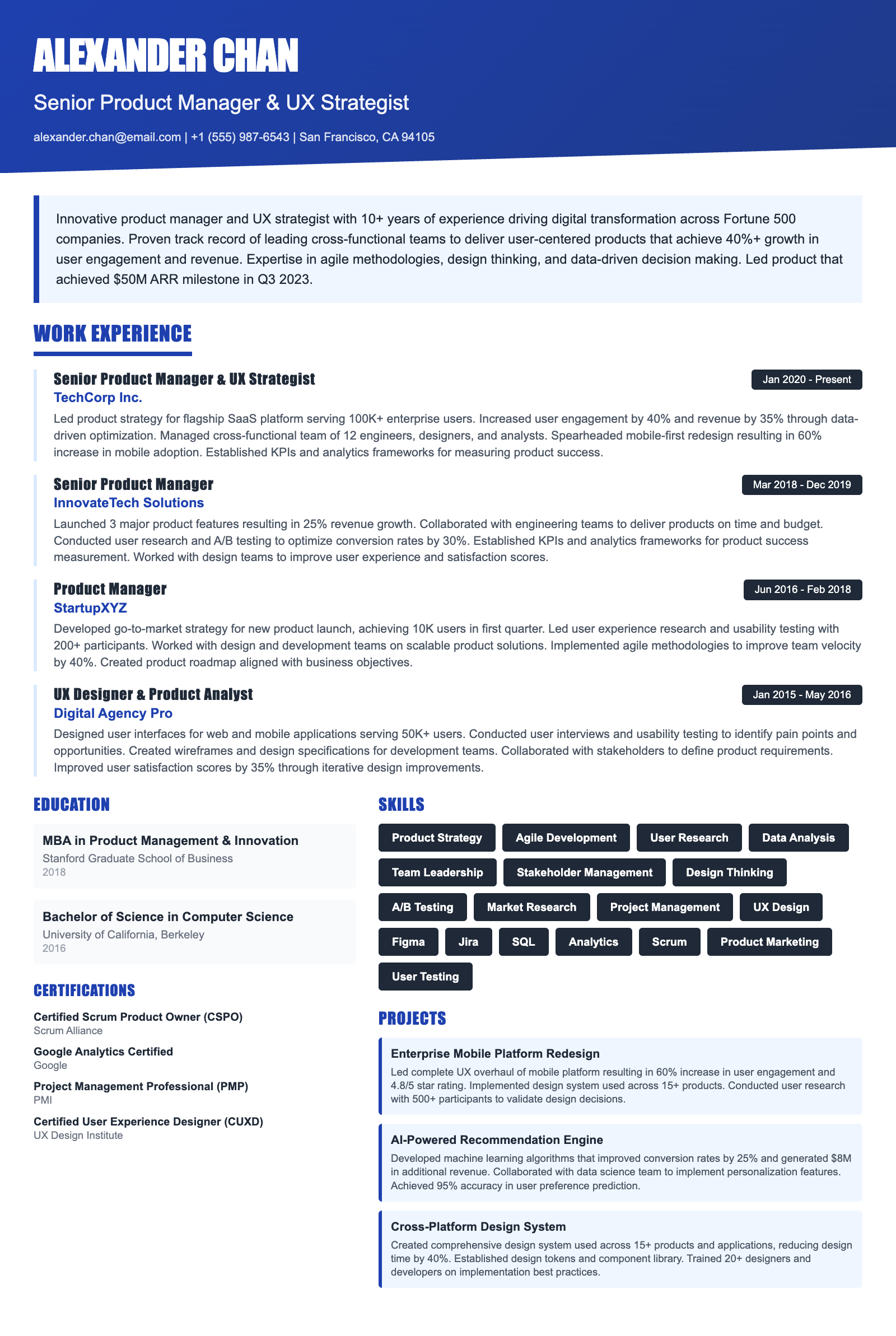
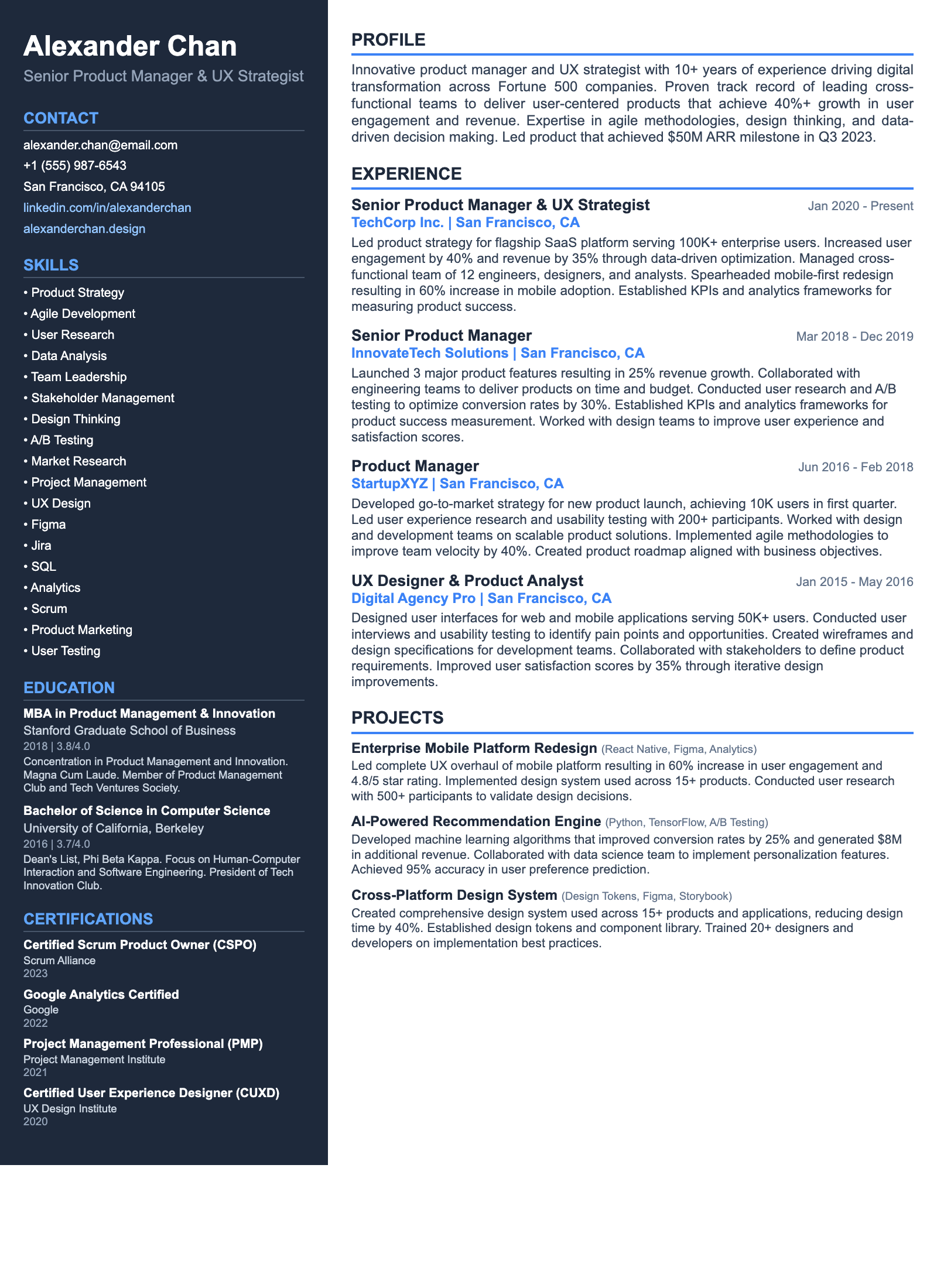
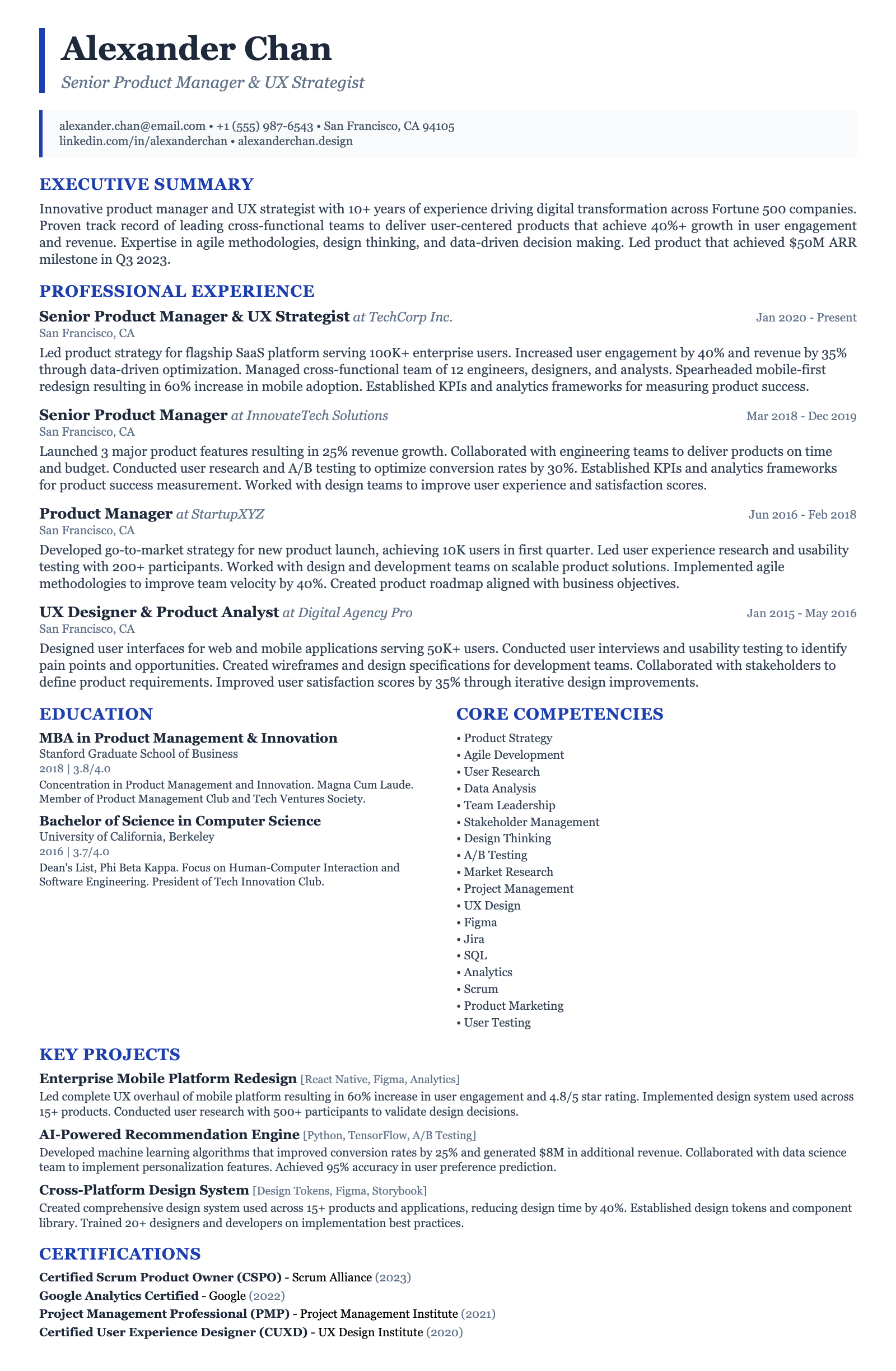
ATS-friendly templates designed specifically for Lead Education Accountant positions in the US market.
Frequently Asked Questions

What is the ideal length for a Lead Education Accountant resume in the US?

Ideally, your resume should be one to two pages long. Entry-level to mid-career professionals can typically fit their relevant experience on one page. If you have extensive experience (10+ years) or a significant number of relevant achievements, a two-page resume is acceptable. Prioritize the most impactful and relevant information, focusing on your accomplishments and quantified results using tools like Excel and financial reporting software.

What are the most important skills to highlight on my resume?

Highlight your proficiency in fund accounting, grant management, budget development, financial reporting, and internal controls. Demonstrate your expertise with industry-standard tools like Blackbaud, Banner Finance, or Workday Financials. Soft skills like communication, leadership, and teamwork are also crucial. Back up your skills with specific examples and quantifiable achievements, showcasing your ability to analyze financial data and provide strategic recommendations.

How can I optimize my resume for Applicant Tracking Systems (ATS)?

Use keywords from the job description throughout your resume, especially in the skills and experience sections. Format your resume with clear headings and bullet points. Save your resume as a PDF to preserve formatting. Avoid using tables, images, or special characters that ATS systems may not be able to parse correctly. Ensure that you clearly state your qualifications for the position as Lead Education Accountant.

Are certifications like CPA or CMA essential for a Lead Education Accountant resume?

While not always explicitly required, certifications like CPA (Certified Public Accountant) or CMA (Certified Management Accountant) significantly enhance your resume. These certifications demonstrate your expertise and commitment to the accounting profession. Mention your certification prominently in your resume's header or certifications section. If you are in the process of obtaining a certification, indicate your expected completion date.

What are some common mistakes to avoid on a Lead Education Accountant resume?

Avoid generic resumes that aren't tailored to the specific education institution. Don't neglect to quantify your accomplishments with metrics and data. Failing to showcase experience with relevant accounting software (e.g., Blackbaud, Banner Finance) is a common mistake. Ensure your resume is free of grammatical errors and typos. Omit irrelevant experience that doesn't pertain to accounting or the education sector.

How can I highlight a career transition into a Lead Education Accountant role?

If you're transitioning into this role, emphasize transferable skills from your previous experience, such as financial analysis, budgeting, and compliance. Highlight any experience you have with nonprofit accounting or educational institutions, even if it was in a volunteer capacity. Consider taking relevant coursework or certifications to demonstrate your commitment to the field. Clearly state your career goals in your resume objective or summary, focusing on your desire to contribute to the financial success of educational institutions using your skills in areas such as data analysis and Generally Accepted Accounting Principles (GAAP).

Ready to Build Your Lead Education Accountant Resume?

Use our AI-powered resume builder to create an ATS-optimized resume tailored for Lead Education Accountant positions in the US market.

Complete Lead Education Accountant Career Toolkit

Everything you need for your Lead Education Accountant job search — all in one platform.

Why choose ResumeGyani over Zety or Resume.io?

The only platform with AI mock interviews + resume builder + job search + career coaching — all in one.

See comparison

Last updated: March 2026 · Content reviewed by certified resume writers · Optimized for US job market

Lead Education Accountant Resume Guide (2026) | ATS-Optimized Template