

Lead Healthcare Data Analyst Career & Resume Guide
As a Lead Healthcare Data Analyst, your resume needs to showcase a blend of technical expertise, leadership acumen, and deep understanding of the healthcare industry. Hiring managers seek candidates who can not only analyze complex healthcare datasets but also lead teams, communicate insights effectively, and drive data-informed decisions. Your resume should immediately highlight your proficiency in industry-standard tools such as SQL, Python (with libraries like Pandas and NumPy), R, and data visualization platforms like Tableau or Power BI. A strong "Skills" section is crucial; explicitly list your technical skills (e.g., statistical modeling, machine learning, data mining), communication skills (written and verbal), and leadership abilities (team management, project oversight). Quantify your accomplishments whenever possible. Instead of saying "Improved data analysis processes," state "Improved data analysis processes, resulting in a 15% reduction in report generation time." Highlight your experience with healthcare-specific data formats (e.g., HL7, FHIR) and regulations (e.g., HIPAA). Key sections include a compelling "Summary" or "Profile" highlighting your years of experience and core competencies, a detailed "Experience" section demonstrating your impact in previous roles (using action verbs and quantifiable results), a "Skills" section, and an "Education" section. To stand out, consider including a "Projects" section showcasing independent data analysis projects or contributions to open-source healthcare data initiatives. Tailor your resume to each specific job description, emphasizing the skills and experiences most relevant to the role. Demonstrating your understanding of healthcare business intelligence and analytics is paramount. Focus on projects that leverage your knowledge of healthcare trends, such as population health management, value-based care, or clinical outcomes analysis.
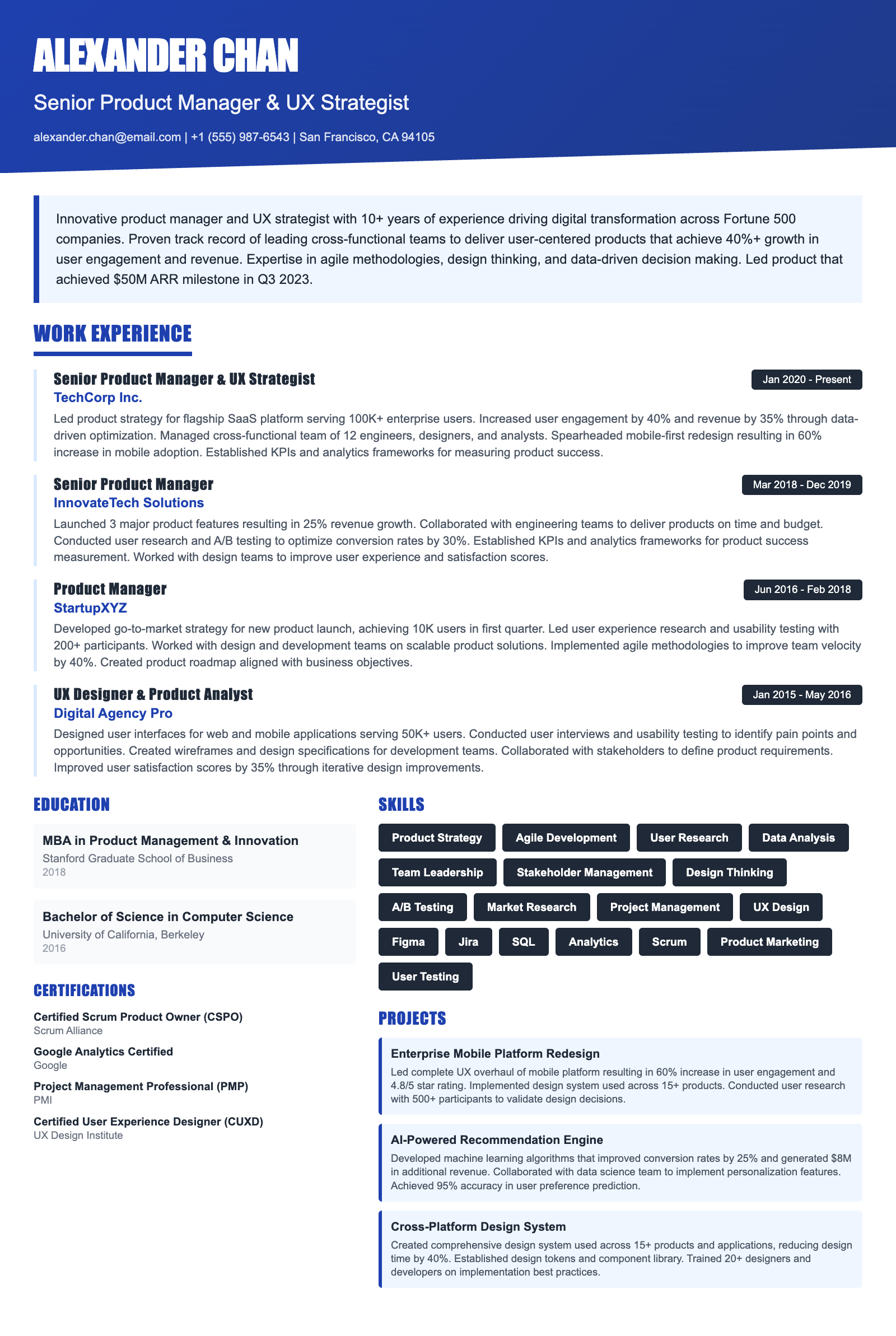
Expert Tip: For Lead Healthcare Data Analyst positions in the US, recruiters increasingly look for technical execution and adaptability over simple job duties. This guide is tailored to highlight these specific traits to ensure your resume stands out in the competitive Lead Healthcare Data Analyst sector.
What US Hiring Managers Look For in a Lead Healthcare Data Analyst Resume
When reviewing Lead Healthcare Data Analyst candidates, recruiters and hiring managers in the US focus on a few critical areas. Making these elements clear and easy to find on your resume will improve your chances of moving to the interview stage.
- Relevant experience and impact in Lead Healthcare Data Analyst or closely related roles.
- Clear, measurable achievements (metrics, scope, outcomes) rather than duties.
- Skills and keywords that match the job description and ATS requirements.
- Professional formatting and no spelling or grammar errors.
- Consistency between your resume, LinkedIn, and application.
- Proficiency in key areas such as Communication, Time Management, Industry-Standard Tools.
Essential Skills for Lead Healthcare Data Analyst
Include these keywords in your resume to pass ATS screening and impress recruiters.
Must-Have Skills
- CriticalCommunication
- HighTime Management
Technical Skills
- HighIndustry-Standard Tools
- MediumData Analysis
Soft Skills
- CriticalTeamwork
- HighAdaptability
- CriticalLeadership
A Day in the Life
A Day in the Life of a Lead Data Analyst
Arrive early to review metrics or sprint progress. As a Lead Data Analyst, you lead the 9 AM stand-up, addressing blockers and setting the strategic direction for writing SQL queries, cleaning messy datasets, and building interactive dashboards for stakeholders within the Healthcare team. 10 AM-1 PM is for high-impact decisions. You're architecting solutions, reviewing critical deliverables, or negotiating priorities with Healthcare stakeholders. Afternoons involve mentorship and cross-org coordination. You're the go-to expert for writing SQL queries, cleaning messy datasets, and building interactive dashboards for stakeholders, ensuring the team's output aligns with company goals. You finish by finalizing quarterly roadmaps or reviewing next steps. At this level in Healthcare, your focus shifts from individual tasks to organizational impact.Career Progression Path
Data Analyst I (Entry Level)
Data Analyst II (Junior)
Senior Data Analyst
Lead Data Analyst
Data Analyst Manager / Director
Interview Questions & Answers
Prepare for your Lead Healthcare Data Analyst interview with these commonly asked questions.
Tell me about a time you handled a challenging situation as a Data Analyst.
MediumWhat are your salary expectations for a Lead Data Analyst in Healthcare?
MediumHow do you ensure patient confidentiality and HIPAA compliance?
HardHow do you handle high-stress situations with patients or families?
MediumHow do you mentor junior Data Analysts and foster team growth?
MediumATS Optimization Tips
Make sure your resume passes Applicant Tracking Systems used by US employers.
Common Resume Mistakes to Avoid
Don't make these errors that get resumes rejected.
Industry Outlook
Top Hiring Companies
Recommended Resume Templates
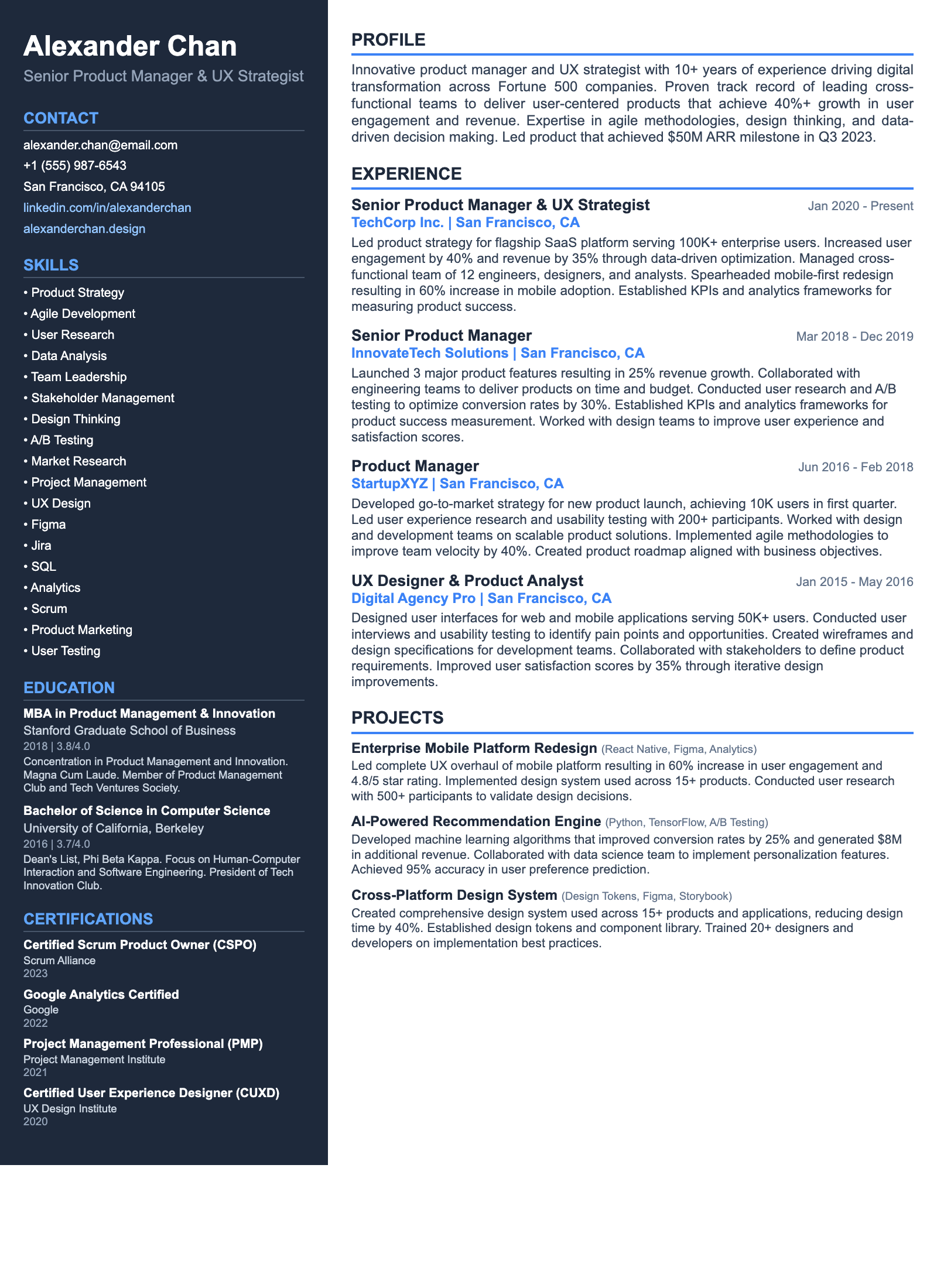
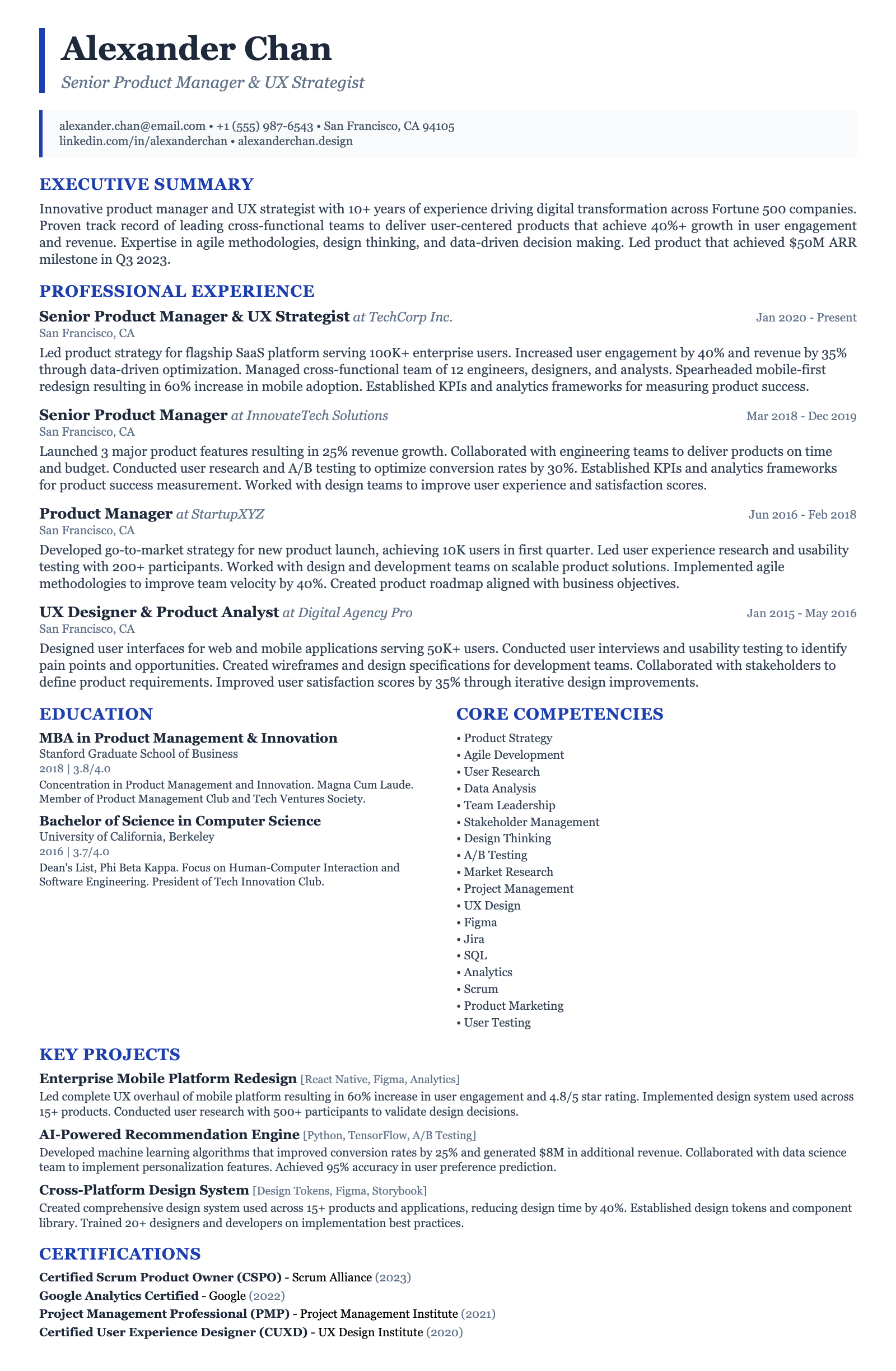
ATS-friendly templates designed specifically for Lead Healthcare Data Analyst positions in the US market.
Frequently Asked Questions
What is the ideal length for a Lead Healthcare Data Analyst resume in the US?
What are the most important skills to highlight on a Lead Healthcare Data Analyst resume?
How can I optimize my resume for Applicant Tracking Systems (ATS)?
Are certifications important for a Lead Healthcare Data Analyst resume?
What are common mistakes to avoid on a Lead Healthcare Data Analyst resume?
How can I transition into a Lead Healthcare Data Analyst role from a related field?
Continue Your Lead Healthcare Data Analyst Career Research
Ready to Build Your Lead Healthcare Data Analyst Resume?
Use our AI-powered resume builder to create an ATS-optimized resume tailored for Lead Healthcare Data Analyst positions in the US market.
Complete Lead Healthcare Data Analyst Career Toolkit
Everything you need for your Lead Healthcare Data Analyst job search — all in one platform.
Lead Healthcare Data Analyst Interview Questions
Practice with 20+ curated questions
Lead Healthcare Data Analyst Salary Guide
Salary ranges, negotiation tips, market data
ATS Resume Checker
Check if your resume passes ATS filters
AI Mock Interview
Practice with AI feedback and scoring
Why choose ResumeGyani over Zety or Resume.io?
The only platform with AI mock interviews + resume builder + job search + career coaching — all in one.
Last updated: March 2026 · Content reviewed by certified resume writers · Optimized for US job market