
ATS-Optimized for US Market

Lead Hospitality Data Analyst Career & Resume Guide

To craft a compelling resume for a Lead Hospitality Data Analyst role, you must showcase a blend of technical prowess, industry knowledge, and leadership skills. Hiring managers seek candidates who can translate raw data into actionable insights that drive revenue, improve guest experiences, and optimize operational efficiency. Your resume should immediately highlight your experience in analyzing hospitality-specific data, such as occupancy rates, RevPAR (Revenue Per Available Room), customer satisfaction scores, and F&B sales. Quantify your accomplishments whenever possible, demonstrating the impact of your analyses on business outcomes. Key sections include a strong summary showcasing your leadership and analytical capabilities, a skills section highlighting proficiency with tools like SQL, Python (with libraries like Pandas and NumPy), Tableau, Power BI, and experience with hospitality-specific systems (e.g., PMS, POS). Detail your experience leading data-driven projects, mentoring junior analysts, and collaborating with cross-functional teams. To stand out, emphasize your understanding of industry trends, such as personalization, dynamic pricing, and the use of AI in hospitality. Illustrate your ability to communicate complex findings to non-technical stakeholders and demonstrate adaptability in a fast-paced environment. Showcase your problem-solving abilities with real-world examples from prior roles.
Average US Salary: $100k - $160k

Expert Tip: For Lead Hospitality Data Analyst positions in the US, recruiters increasingly look for technical execution and adaptability over simple job duties. This guide is tailored to highlight these specific traits to ensure your resume stands out in the competitive Lead Hospitality Data Analyst sector.

What US Hiring Managers Look For in a Lead Hospitality Data Analyst Resume

When reviewing Lead Hospitality Data Analyst candidates, recruiters and hiring managers in the US focus on a few critical areas. Making these elements clear and easy to find on your resume will improve your chances of moving to the interview stage.

  • Relevant experience and impact in Lead Hospitality Data Analyst or closely related roles.
  • Clear, measurable achievements (metrics, scope, outcomes) rather than duties.
  • Skills and keywords that match the job description and ATS requirements.
  • Professional formatting and no spelling or grammar errors.
  • Consistency between your resume, LinkedIn, and application.
  • Proficiency in key areas such as Communication, Time Management, Industry-Standard Tools.

Essential Skills for Lead Hospitality Data Analyst

Include these keywords in your resume to pass ATS screening and impress recruiters.

Must-Have Skills

  • CriticalCommunication
  • HighTime Management

Technical Skills

  • HighIndustry-Standard Tools
  • MediumData Analysis

Soft Skills

  • CriticalTeamwork
  • HighAdaptability
  • CriticalLeadership

A Day in the Life

A Day in the Life of a Lead Data Analyst

Arrive early to review metrics or sprint progress. As a Lead Data Analyst, you lead the 9 AM stand-up, addressing blockers and setting the strategic direction for writing SQL queries, cleaning messy datasets, and building interactive dashboards for stakeholders within the Hospitality team. 10 AM-1 PM is for high-impact decisions. You're architecting solutions, reviewing critical deliverables, or negotiating priorities with Hospitality stakeholders. Afternoons involve mentorship and cross-org coordination. You're the go-to expert for writing SQL queries, cleaning messy datasets, and building interactive dashboards for stakeholders, ensuring the team's output aligns with company goals. You finish by finalizing quarterly roadmaps or reviewing next steps. At this level in Hospitality, your focus shifts from individual tasks to organizational impact.

Career Progression Path

Level 1

Data Analyst I (Entry Level)

Level 2

Data Analyst II (Junior)

Level 3

Senior Data Analyst

Level 4

Lead Data Analyst

Level 5

Data Analyst Manager / Director

Interview Questions & Answers

Prepare for your Lead Hospitality Data Analyst interview with these commonly asked questions.

Describe a time when you had to present complex data insights to a non-technical audience. How did you ensure they understood the key takeaways?

Medium
Behavioral
Sample Answer
In my previous role, I presented an analysis of guest satisfaction scores to the hotel's management team, who lacked a strong data background. I avoided technical jargon and focused on the business implications of the data. I used visual aids, such as charts and graphs, to illustrate key trends and highlight areas for improvement. I also framed the findings in terms of revenue impact and guest experience. The presentation led to the implementation of new initiatives that improved guest satisfaction scores by 10%.

How would you approach analyzing a sudden drop in occupancy rates at a hotel?

Hard
Situational
Sample Answer
I would begin by gathering data from various sources, including PMS, online reviews, and competitor analysis. I'd look for correlations between the drop in occupancy and factors such as seasonality, pricing changes, marketing campaigns, and online reputation. I would use SQL and Python to clean and analyze the data, then visualize the findings using Tableau or Power BI. I would then present my findings to the relevant stakeholders, along with recommendations for addressing the issue, such as adjusting pricing strategies or launching targeted marketing campaigns.

Explain your experience with A/B testing in a hospitality setting.

Medium
Technical
Sample Answer
I implemented A/B testing for a hotel's online booking engine. We tested two different layouts for the booking page to see which one resulted in higher conversion rates. Using Google Analytics, we tracked key metrics such as bounce rate, time on page, and booking completion rate. After analyzing the data, we found that the new layout resulted in a 15% increase in booking conversions. We then implemented the new layout, which led to a significant increase in revenue.

Describe a time you disagreed with a colleague on how to interpret data. How did you resolve the disagreement?

Medium
Behavioral
Sample Answer
I once had a disagreement with a marketing colleague regarding the interpretation of customer segmentation data. I believed the data showed a need for more targeted marketing campaigns, while they argued for a broader approach. We resolved the disagreement by presenting our findings to a senior manager and having them facilitate a discussion. We reviewed the data together, considered different perspectives, and ultimately agreed on a hybrid approach that incorporated elements of both strategies. This demonstrated the importance of open communication.

Walk me through your process of building a predictive model for forecasting hotel revenue.

Hard
Technical
Sample Answer
My process starts with data collection from PMS, market trends, and competitor data. Then, I clean and pre-process the data using Python and Pandas. Next, I'd select relevant features and engineer new ones if necessary. I experiment with different algorithms like regression models or time series analysis techniques. I evaluate model performance using metrics like RMSE or MAE and fine-tune the model. Finally, I deploy the model and continuously monitor its accuracy, retraining as needed to maintain optimal performance, ensuring to document the entire process.

You discover inaccurate data in a critical report impacting a major decision. How do you handle it?

Medium
Situational
Sample Answer
First, I immediately notify relevant stakeholders about the discrepancy and potential impact on the decision. I then trace the data lineage to identify the source of the error, documenting each step. I work with the data engineering team to correct the data at the source and implement controls to prevent recurrence. I rerun the report with the corrected data and communicate the updated findings to stakeholders, explaining the error and its impact. Transparency and swift action are key in maintaining trust and preventing flawed decisions.

ATS Optimization Tips

Make sure your resume passes Applicant Tracking Systems used by US employers.

Incorporate industry-specific keywords such as "RevPAR analysis," "occupancy forecasting," "guest segmentation," and "PMS data analysis" to match job descriptions.
Use standard section headings (e.g., "Skills," "Experience," "Education") to ensure ATS can easily parse your resume.
Quantify your achievements using metrics and data points (e.g., "Increased RevPAR by 15% through dynamic pricing analysis").
List your skills as individual keywords rather than in paragraph form for better ATS recognition; include SQL, Python, Tableau, Power BI, and statistical modeling.
Save your resume in a .docx or .pdf format to maintain formatting and ensure compatibility with most ATS systems.
Include a skills section that explicitly lists all relevant technical and soft skills; ATS often scans this section for specific keywords.
Tailor your resume to each job description by incorporating keywords and highlighting experiences that align with the specific requirements of the role.
Use action verbs (e.g., "Analyzed," "Developed," "Implemented") to describe your responsibilities and accomplishments; this helps ATS understand your contributions.

Common Resume Mistakes to Avoid

Don't make these errors that get resumes rejected.

1
Failing to quantify accomplishments with specific metrics and data points; always demonstrate the impact of your analyses.
2
Not tailoring the resume to each job description, resulting in a generic and uncompelling application.
3
Omitting industry-specific keywords such as "RevPAR," "occupancy rate," "guest satisfaction," and "point of sale (POS) data."
4
Overlooking the importance of soft skills, such as communication, teamwork, and leadership, which are crucial for a Lead role.
5
Not showcasing experience with hospitality-specific data sources and systems, such as Property Management Systems (PMS).
6
Using overly technical jargon without providing context or explaining the business impact.
7
Neglecting to highlight experience leading data-driven projects or mentoring junior analysts.
8
Failing to demonstrate an understanding of industry trends, such as personalization, dynamic pricing, and the use of AI in hospitality.

Industry Outlook

The US Hospitality sector is experiencing steady growth. Lead Data Analysts are particularly sought after, with the Bureau of Labor Statistics projecting average job growth through 2030. Peak hiring occurs in Q1 (January-March) and Q3 (August-September).

Top Hiring Companies

Industry LeadersRegional FirmsFast-Growing Companies

Recommended Resume Templates

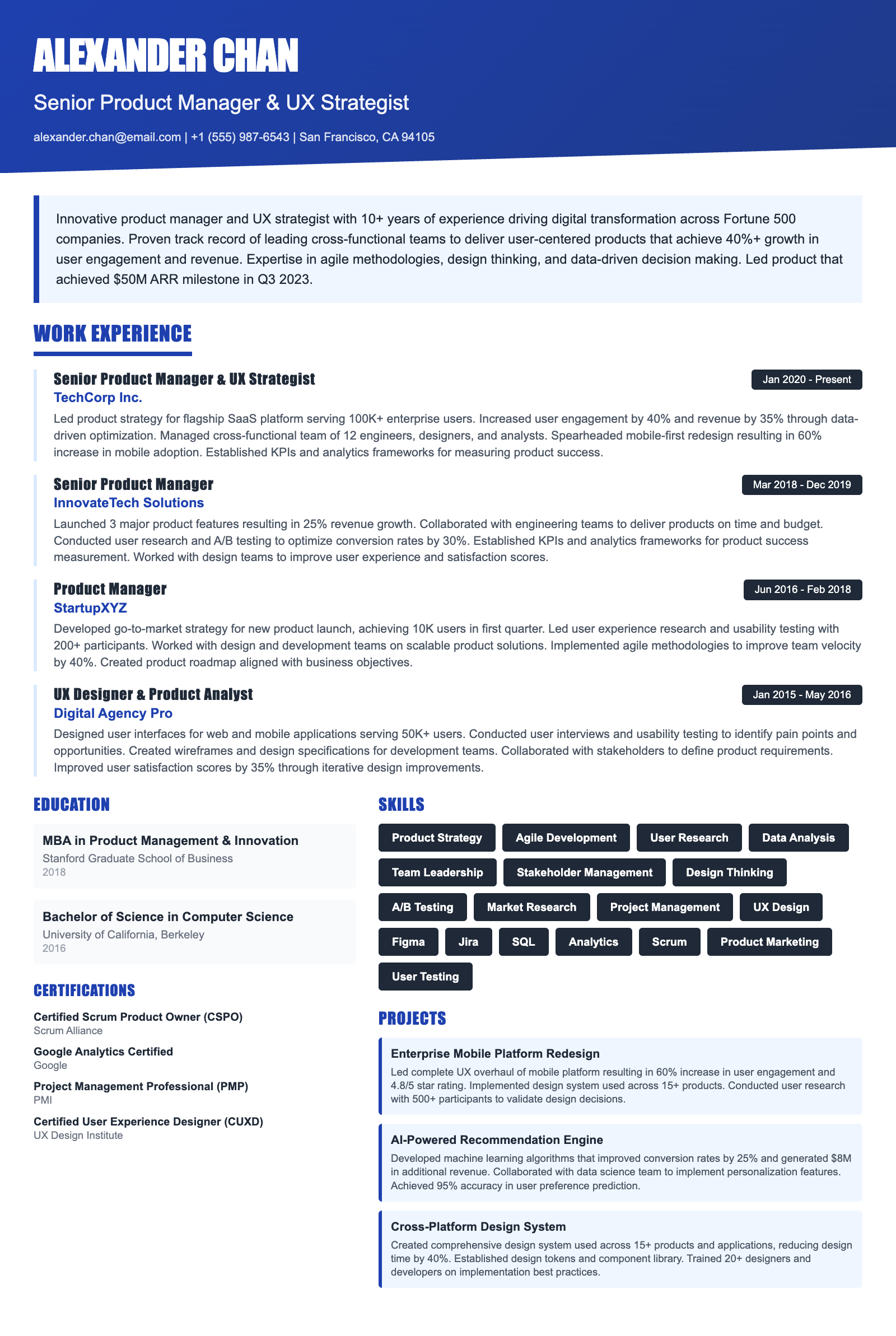
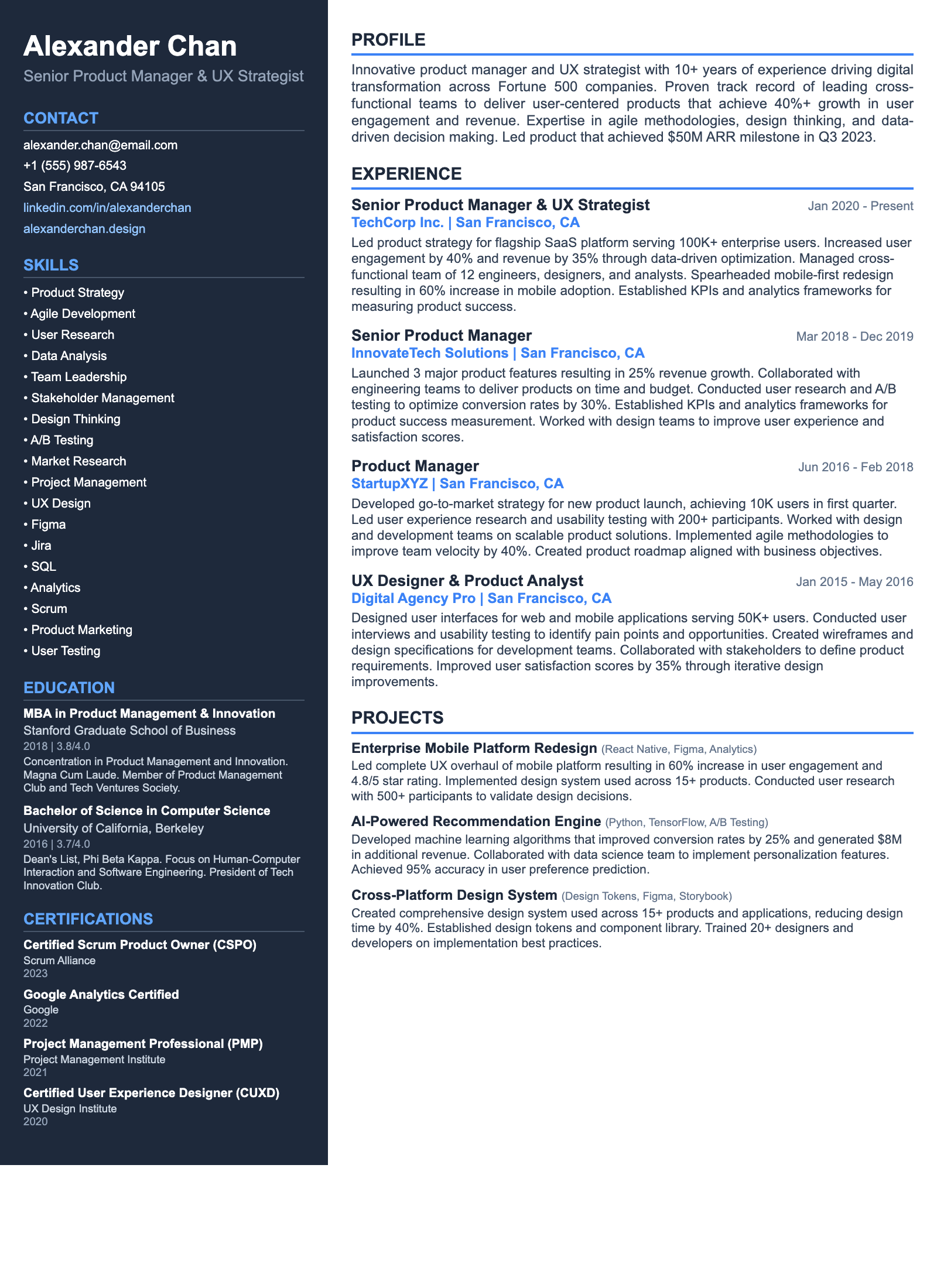
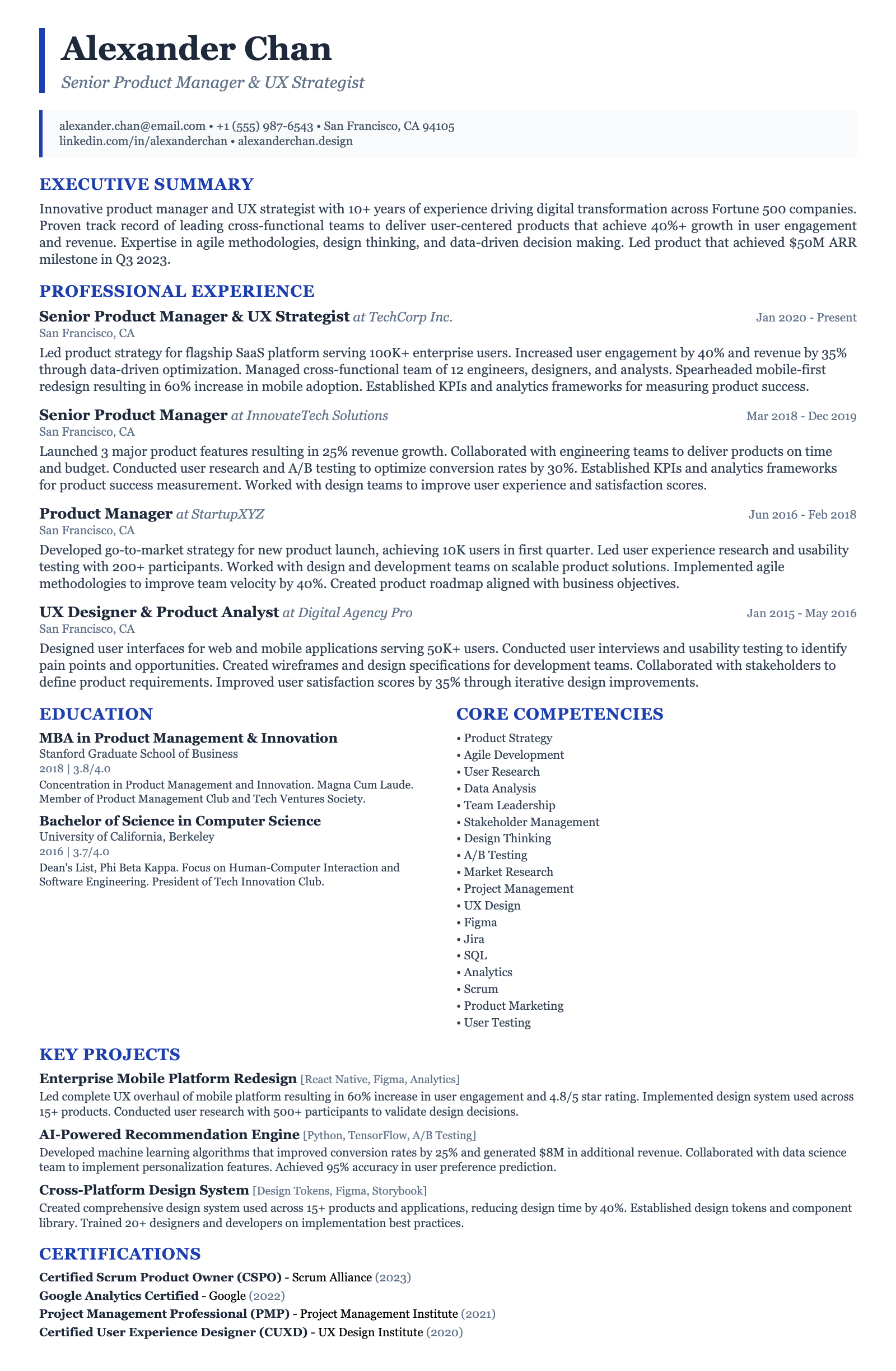
ATS-friendly templates designed specifically for Lead Hospitality Data Analyst positions in the US market.
Frequently Asked Questions

What is the ideal length for a Lead Hospitality Data Analyst resume in the US?

While a single-page resume is often recommended, for a Lead role, a two-page resume is acceptable, especially if you have extensive experience and numerous impactful projects. Prioritize relevant experiences and quantify your achievements. Ensure every bullet point demonstrates how you've used data analysis to improve hospitality operations, guest experiences, or revenue streams. Focus on projects where you utilized tools such as SQL, Tableau, and Python.

What are the most important skills to highlight on my resume for this role?

Beyond core data analysis skills, emphasize your industry-specific knowledge and leadership abilities. Showcase your proficiency in SQL for data extraction, Python (Pandas, NumPy) for data manipulation, and visualization tools like Tableau or Power BI. Highlight your experience with A/B testing methodologies, statistical modeling, and forecasting techniques. Additionally, emphasize your communication, problem-solving, and leadership skills, providing examples of how you've mentored junior analysts and presented data-driven insights to stakeholders.

How can I optimize my resume for Applicant Tracking Systems (ATS)?

Use a clean, ATS-friendly format, avoiding tables, images, and unusual fonts. Incorporate relevant keywords from the job description throughout your resume, especially in the skills and experience sections. Ensure your resume is easily readable by ATS by using standard section headings (e.g., Summary, Experience, Skills, Education). Save your resume as a .docx or .pdf file, as these formats are generally compatible with most ATS systems. Pay close attention to how you list your job titles and previous companies.

Are certifications necessary for a Lead Hospitality Data Analyst role?

While not always mandatory, certifications can enhance your credibility. Consider certifications in data analysis (e.g., Google Data Analytics Professional Certificate), business intelligence (e.g., Microsoft Certified: Data Analyst Associate), or specific tools (e.g., Tableau Desktop Certified Associate). Certifications demonstrate your commitment to professional development and validate your skills in using relevant tools and methodologies. They can be particularly beneficial if you're transitioning from a different industry.

What are some common resume mistakes to avoid when applying for this position?

Avoid generic descriptions of your responsibilities; instead, quantify your accomplishments using metrics and data. Do not neglect to tailor your resume to each job description by including relevant keywords and highlighting experiences that align with the specific requirements of the role. Avoid using vague language; instead, provide specific examples of how you've used data analysis to solve business problems and improve hospitality operations. Proofread carefully for grammar and spelling errors.

How can I highlight a career transition into a Lead Hospitality Data Analyst role?

If transitioning from a different industry, focus on transferable skills and quantify your achievements in previous roles. Highlight any data analysis projects you've undertaken, even if they weren't specifically within the hospitality sector. Emphasize your ability to learn quickly and adapt to new environments. Showcase your knowledge of the hospitality industry through relevant coursework, certifications, or personal projects. Tailor your resume to demonstrate how your skills and experience align with the requirements of the Lead Hospitality Data Analyst role, focusing on your experience with tools like SQL and Tableau.

Ready to Build Your Lead Hospitality Data Analyst Resume?

Use our AI-powered resume builder to create an ATS-optimized resume tailored for Lead Hospitality Data Analyst positions in the US market.

Complete Lead Hospitality Data Analyst Career Toolkit

Everything you need for your Lead Hospitality Data Analyst job search — all in one platform.

Why choose ResumeGyani over Zety or Resume.io?

The only platform with AI mock interviews + resume builder + job search + career coaching — all in one.

See comparison

Last updated: March 2026 · Content reviewed by certified resume writers · Optimized for US job market

Lead Hospitality Data Analyst Resume Guide (2026) | ATS-Optimized Template