
ATS-Optimized for US Market

Lead Hospitality Real Estate Agent Career & Resume Guide

As a Lead Hospitality Real Estate Agent, you're tasked with navigating a complex market, so your resume must reflect that expertise. Hiring managers look for a blend of real estate acumen, hospitality understanding, and leadership qualities. They want to see evidence of your ability to drive deals, manage teams, and adapt to market fluctuations. A compelling resume showcases your experience in acquiring, selling, or leasing hospitality properties like hotels, resorts, and restaurants. Key sections include a strong professional summary that highlights your quantifiable achievements, a detailed work experience section showcasing your roles and responsibilities, and a skills section that emphasizes both technical and soft skills. To stand out, quantify your accomplishments with metrics such as deal volume, revenue generated, or cost savings achieved. Demonstrate proficiency with industry-standard tools like CoStar, STR, and RCA. Highlight your knowledge of financial modeling, market analysis, and negotiation strategies. Emphasize your ability to build relationships with clients, investors, and other stakeholders. Also, mention relevant certifications like the Certified Commercial Investment Member (CCIM) or Certified Hotel Administrator (CHA). Showcase your understanding of hospitality trends and regulations. Make sure your resume tells a story of success and leadership in the hospitality real estate sector.
Average US Salary: $100k - $160k

Expert Tip: For Lead Hospitality Real Estate Agent positions in the US, recruiters increasingly look for technical execution and adaptability over simple job duties. This guide is tailored to highlight these specific traits to ensure your resume stands out in the competitive Lead Hospitality Real Estate Agent sector.

What US Hiring Managers Look For in a Lead Hospitality Real Estate Agent Resume

When reviewing Lead Hospitality Real Estate Agent candidates, recruiters and hiring managers in the US focus on a few critical areas. Making these elements clear and easy to find on your resume will improve your chances of moving to the interview stage.

  • Relevant experience and impact in Lead Hospitality Real Estate Agent or closely related roles.
  • Clear, measurable achievements (metrics, scope, outcomes) rather than duties.
  • Skills and keywords that match the job description and ATS requirements.
  • Professional formatting and no spelling or grammar errors.
  • Consistency between your resume, LinkedIn, and application.
  • Proficiency in key areas such as Communication, Time Management, Industry-Standard Tools.

Essential Skills for Lead Hospitality Real Estate Agent

Include these keywords in your resume to pass ATS screening and impress recruiters.

Must-Have Skills

  • CriticalCommunication
  • HighTime Management

Technical Skills

  • HighIndustry-Standard Tools
  • MediumData Analysis

Soft Skills

  • CriticalTeamwork
  • HighAdaptability
  • CriticalLeadership

A Day in the Life

A Day in the Life of a Lead Real Estate Agent

Arrive early to review metrics or sprint progress. As a Lead Real Estate Agent, you lead the 9 AM stand-up, addressing blockers and setting the strategic direction for handling core responsibilities, collaborating with cross-functional teams, and driving project success within the Hospitality team. 10 AM-1 PM is for high-impact decisions. You're architecting solutions, reviewing critical deliverables, or negotiating priorities with Hospitality stakeholders. Afternoons involve mentorship and cross-org coordination. You're the go-to expert for handling core responsibilities, collaborating with cross-functional teams, and driving project success, ensuring the team's output aligns with company goals. You finish by finalizing quarterly roadmaps or reviewing next steps. At this level in Hospitality, your focus shifts from individual tasks to organizational impact.

Career Progression Path

Level 1

Real Estate Agent I (Entry Level)

Level 2

Real Estate Agent II (Junior)

Level 3

Senior Real Estate Agent

Level 4

Lead Real Estate Agent

Level 5

Real Estate Agent Manager / Director

Interview Questions & Answers

Prepare for your Lead Hospitality Real Estate Agent interview with these commonly asked questions.

Describe a time you successfully negotiated a complex real estate deal in the hospitality sector. What strategies did you employ, and what were the key challenges you overcame?

Medium
Behavioral
Sample Answer
In my previous role, I negotiated a deal for a boutique hotel acquisition. The challenge was balancing the seller's high asking price with our client's budget constraints. I conducted thorough market research and financial modeling to demonstrate the property's true value and potential for improvement. I presented this data to the seller, highlighting areas where they could reduce their asking price based on realistic projections. Ultimately, we reached an agreement that was mutually beneficial. The deal closed successfully, and the client was pleased with the acquisition.

Walk me through your process for analyzing the market potential of a hospitality property.

Technical
Technical
Sample Answer
My process begins with gathering data from sources like STR, CoStar, and RCA. I analyze occupancy rates, average daily rates (ADR), and revenue per available room (RevPAR) to understand the competitive landscape. I also consider demographic trends, tourism patterns, and economic indicators to assess the demand for hospitality services in the area. Finally, I conduct a SWOT analysis to identify the property's strengths, weaknesses, opportunities, and threats. This comprehensive analysis informs my recommendations to clients.

Tell me about a time you had to adapt to a sudden change in the real estate market. How did you adjust your strategy, and what was the outcome?

Medium
Situational
Sample Answer
During the COVID-19 pandemic, the hospitality market experienced a significant downturn. I quickly shifted my focus from acquisitions to asset management and restructuring. I worked with clients to develop strategies for reducing costs, renegotiating leases, and exploring alternative revenue streams. I also leveraged my network to connect clients with resources and support. As a result, many of my clients were able to weather the storm and emerge stronger.

Describe your experience with financial modeling and property valuation in the context of hospitality real estate.

Hard
Technical
Sample Answer
I have extensive experience with financial modeling using Excel and Argus. I use these tools to create pro forma analyses, discounted cash flow models, and sensitivity analyses. My valuations incorporate industry-specific metrics like RevPAR, occupancy rates, and food and beverage revenue. I also consider factors such as property condition, location, and competition to arrive at a fair market value. My valuations have been used to support acquisitions, dispositions, and financing decisions.

How do you stay up-to-date with the latest trends and regulations in the hospitality real estate industry?

Easy
Behavioral
Sample Answer
I regularly attend industry conferences and webinars, subscribe to relevant publications, and participate in professional organizations like the American Hotel & Lodging Association (AHLA) and the Urban Land Institute (ULI). I also follow industry experts on social media and engage in online forums. This allows me to stay informed about emerging trends, regulatory changes, and best practices. I also am diligent in reviewing new laws and regulations from hospitality regulatory bodies.

Imagine a client wants to invest in a specific hotel but your analysis suggests it's not a great fit. How would you approach the situation?

Hard
Situational
Sample Answer
Transparency and honest communication are key. I'd present my findings in a clear, data-driven manner, outlining the potential risks and downsides of the investment. I would then shift the conversation to explore alternative investment opportunities that align better with their goals and risk tolerance. The goal is to be a trusted advisor, prioritizing their best interests even if it means advising against a particular deal. I would then offer alternative solutions using the same amount of funding for a better outcome.

ATS Optimization Tips

Make sure your resume passes Applicant Tracking Systems used by US employers.

Prioritize a chronological or combination resume format. ATS systems typically parse these formats most effectively.
Incorporate keywords related to hospitality property types such as 'hotel', 'resort', 'restaurant', and 'casino'. Also, include keywords related to deal types like 'acquisition', 'disposition', 'leasing', and 'development'.
Use standard section headings like 'Summary', 'Experience', 'Skills', and 'Education'. Deviations can confuse the ATS.
Quantify your accomplishments whenever possible. Use numbers and metrics to demonstrate your impact on revenue, cost savings, or deal volume. ATS systems can often identify and highlight quantifiable results.
Include a skills section that explicitly lists relevant hard and soft skills, using keywords from the job description. Separate technical skills (e.g., financial modeling, property valuation) from soft skills (e.g., negotiation, communication).
Ensure your contact information is easily readable. Use a clear font and avoid placing your contact details in the header or footer, as some ATS systems may not parse this information correctly.
Tailor your resume to each specific job application. Focus on the skills and experience that are most relevant to the position and use keywords from the job description to highlight your qualifications.
Use a simple, clean font like Arial, Calibri, or Times New Roman. Avoid using fancy or decorative fonts that may not be recognized by the ATS. Save your resume as a PDF to preserve formatting.

Common Resume Mistakes to Avoid

Don't make these errors that get resumes rejected.

1
Failing to quantify accomplishments. General statements don't impress; specific numbers do.
2
Neglecting to tailor the resume to the specific hospitality segment (e.g., hotels vs. restaurants). Show targeted expertise.
3
Omitting key software proficiency (e.g., CoStar, STR, Argus). These are essential tools in the field.
4
Downplaying leadership experience. A 'Lead' role demands evidence of team management and mentorship.
5
Using a generic real estate resume instead of one focused on hospitality. Lack of specific experience stands out.
6
Not highlighting deal size or transaction volume. These metrics showcase your deal-making ability.
7
Ignoring local market knowledge. Demonstrating familiarity with the specific region is crucial.
8
Neglecting to showcase knowledge of hospitality-specific regulations or trends. This demonstrates a deep understanding of the industry.

Industry Outlook

The US Hospitality sector is experiencing steady growth. Lead Real Estate Agents are particularly sought after, with the Bureau of Labor Statistics projecting average job growth through 2030. Peak hiring occurs in Q1 (January-March) and Q3 (August-September).

Top Hiring Companies

Industry LeadersRegional FirmsFast-Growing Companies

Recommended Resume Templates

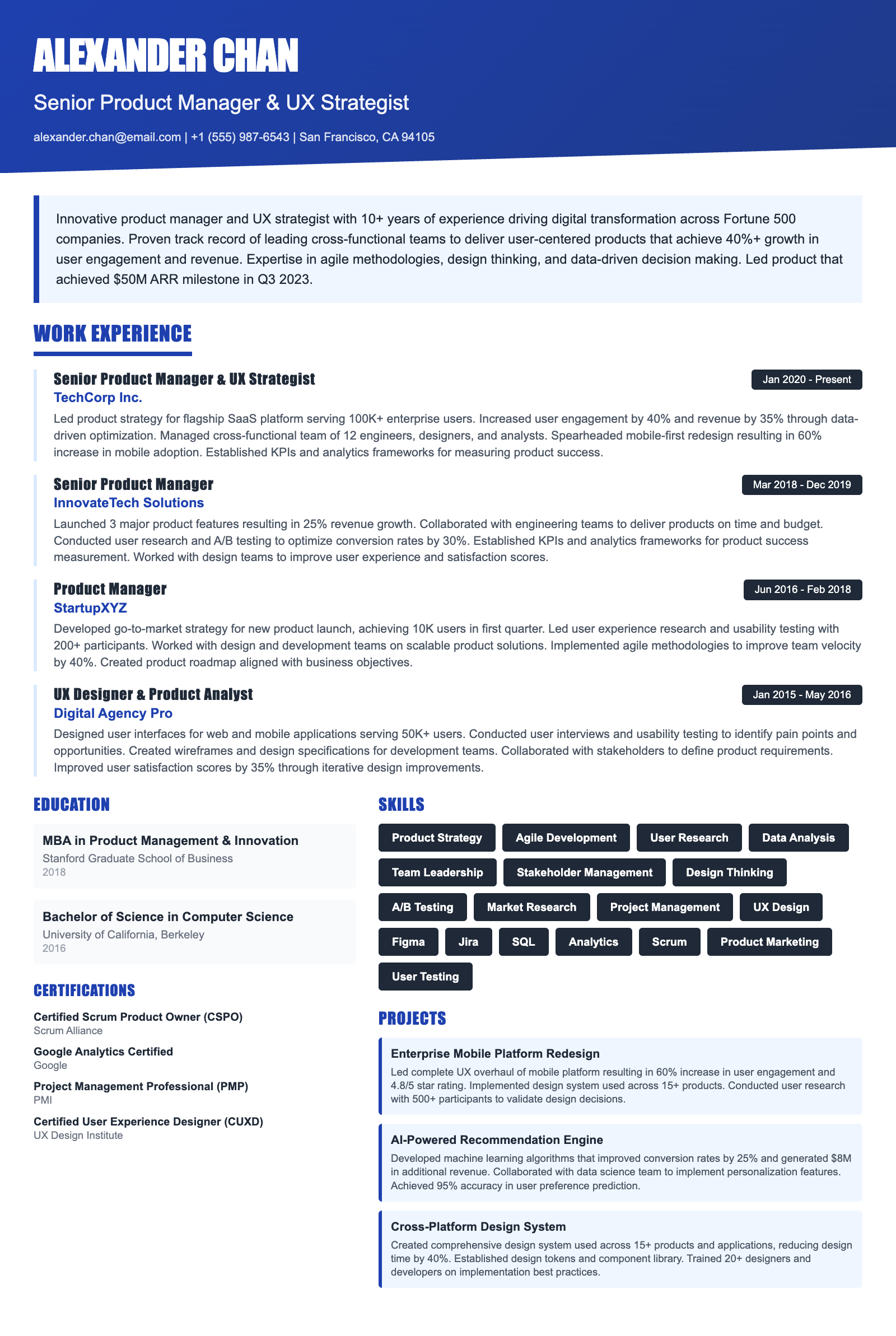
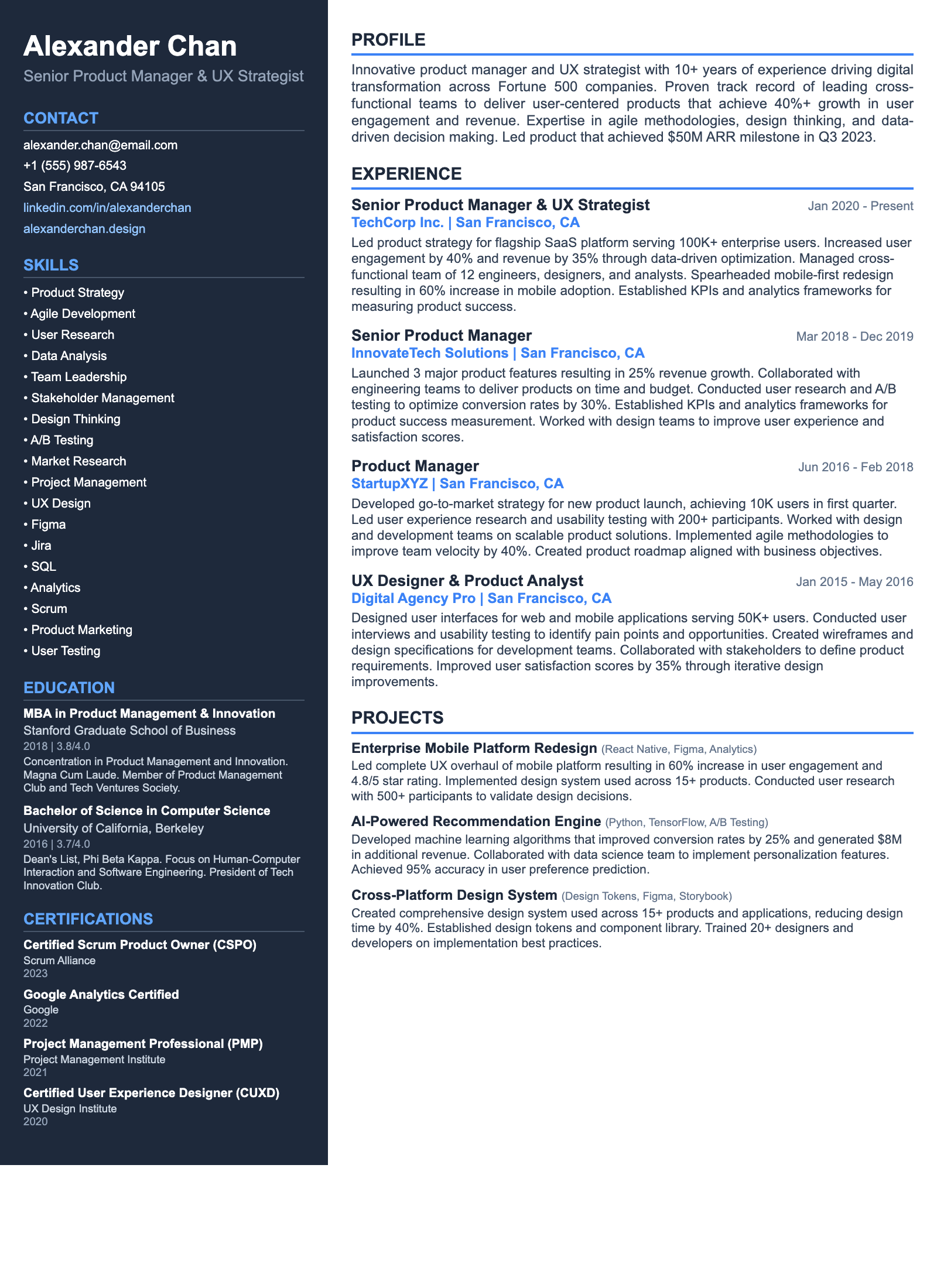
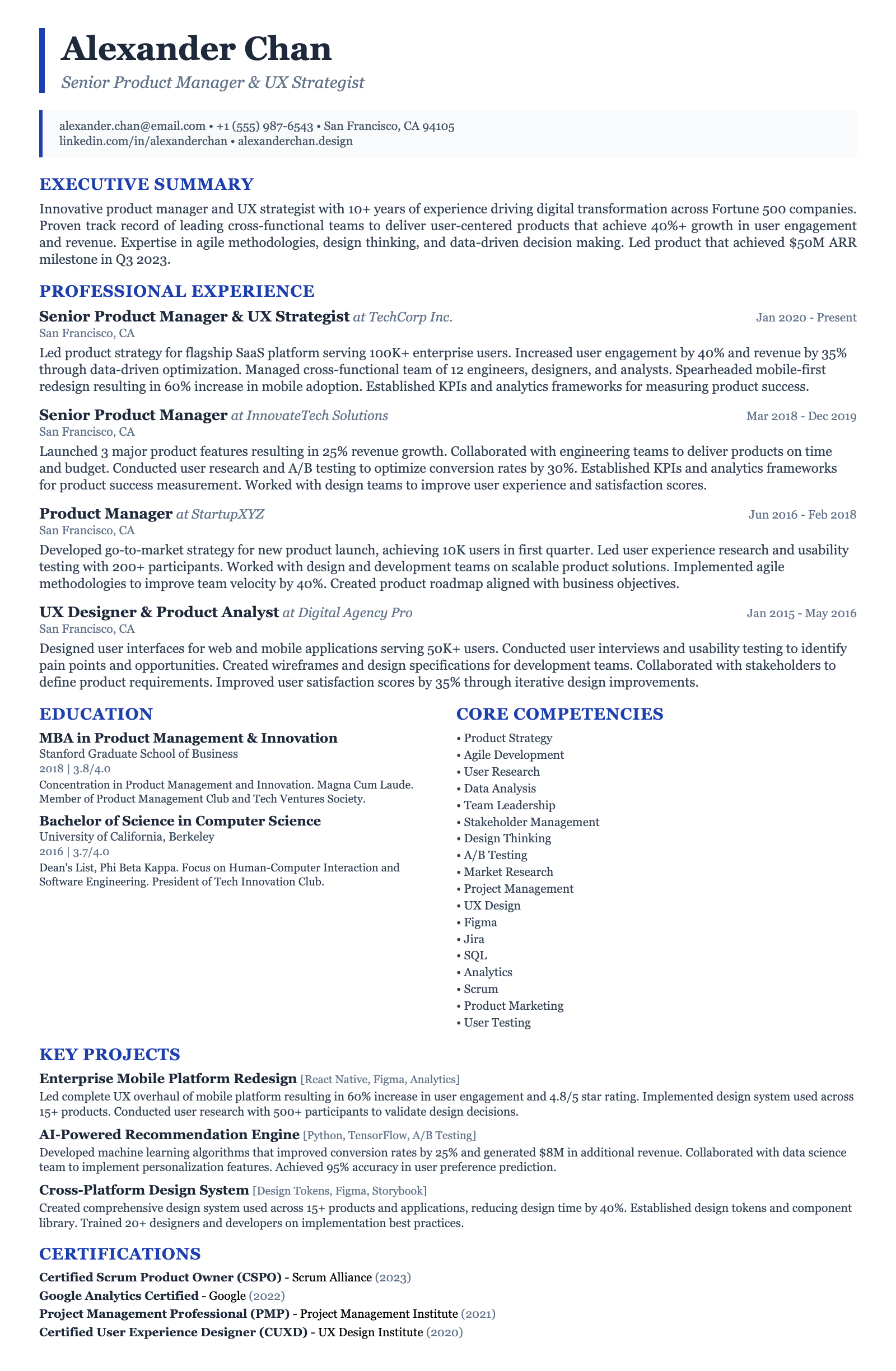
ATS-friendly templates designed specifically for Lead Hospitality Real Estate Agent positions in the US market.
Frequently Asked Questions

How long should my Lead Hospitality Real Estate Agent resume be?

Ideally, aim for a one- to two-page resume. If you have extensive experience (10+ years) directly relevant to hospitality real estate, two pages are acceptable. Focus on the most impactful and recent experiences. Prioritize accomplishments and quantify them using metrics related to deal size, revenue, or cost savings. Ensure every piece of information directly supports your candidacy for a lead role.

What are the most important skills to include on my resume?

Beyond the basics, highlight your proficiency in financial modeling, property valuation (using tools like Argus), and market analysis. Soft skills like negotiation, communication, and relationship-building are crucial. Demonstrate leadership skills through examples of team management and project oversight. Showcase your familiarity with industry-specific software such as CoStar, STR, and RCA. Knowledge of hospitality-specific regulations is also valuable.

How can I optimize my resume for Applicant Tracking Systems (ATS)?

Use a clean, straightforward format with clear headings and bullet points. Avoid tables, graphics, and unusual fonts that ATS systems may not be able to read. Incorporate relevant keywords from the job description throughout your resume, particularly in your skills and experience sections. Save your resume as a PDF to preserve formatting. Utilize industry jargon and acronyms, but spell them out on first use.

Are certifications important for a Lead Hospitality Real Estate Agent resume?

Yes, certifications can significantly enhance your credibility. Consider including certifications like Certified Commercial Investment Member (CCIM), Certified Hotel Administrator (CHA), or Real Estate Broker licenses. Highlight these certifications prominently near the top of your resume, either in your summary or a dedicated certifications section. Explain how these credentials have benefited your performance.

What are some common mistakes to avoid on my resume?

Avoid generic descriptions of your responsibilities. Instead, focus on quantifiable achievements and contributions. Don't neglect to tailor your resume to each specific job application. Don't use overly creative or unprofessional formatting, as it can distract from your qualifications. Ensure your contact information is accurate and up-to-date. Ignoring hospitality-specific experience is a huge mistake.

How can I transition into a Lead Hospitality Real Estate Agent role from a related field?

Highlight transferable skills from your previous role, such as sales, negotiation, or financial analysis. Emphasize any experience you have with real estate or the hospitality industry, even if it wasn't your primary focus. Obtain relevant certifications or licenses to demonstrate your commitment to the field. Consider taking courses or attending industry events to expand your knowledge and network. Network and tailor your resume to showcase relevant knowledge.

Ready to Build Your Lead Hospitality Real Estate Agent Resume?

Use our AI-powered resume builder to create an ATS-optimized resume tailored for Lead Hospitality Real Estate Agent positions in the US market.

Complete Lead Hospitality Real Estate Agent Career Toolkit

Everything you need for your Lead Hospitality Real Estate Agent job search — all in one platform.

Why choose ResumeGyani over Zety or Resume.io?

The only platform with AI mock interviews + resume builder + job search + career coaching — all in one.

See comparison

Last updated: March 2026 · Content reviewed by certified resume writers · Optimized for US job market

Lead Hospitality Real Estate Agent Resume Guide (2026) | ATS-Optimized Template