
ATS-Optimized for US Market

Lead Manufacturing HR Generalist Career & Resume Guide

Crafting a compelling resume as a Lead Manufacturing HR Generalist requires highlighting your experience navigating the unique challenges of a manufacturing environment. Hiring managers seek candidates who understand production workforce dynamics, labor relations, safety regulations, and the intricacies of union environments (if applicable). Your resume should clearly demonstrate your ability to drive HR initiatives that support operational efficiency and employee well-being in a fast-paced setting. Key sections include a strong professional summary emphasizing your leadership and accomplishments, a detailed work experience section showcasing your impact on key HR metrics like retention and employee engagement, and a skills section that blends technical HR skills with manufacturing-specific knowledge. Quantify your achievements whenever possible, using metrics to demonstrate your contribution to cost savings, productivity improvements, and safety enhancements. Mention your proficiency with HRIS systems like SAP SuccessFactors or Workday, as well as your familiarity with lean manufacturing principles and OSHA regulations. Consider including relevant certifications like SHRM-SCP or SPHR to further enhance your credibility. To stand out, tailor your resume to each job description, emphasizing the skills and experiences most relevant to the specific role and company. Showcase your ability to build strong relationships with both management and production employees, and highlight your experience in resolving complex employee relations issues within a manufacturing context. Demonstrating a results-oriented approach and a deep understanding of the manufacturing industry will set you apart from other candidates.
Average US Salary: $100k - $160k

Expert Tip: For Lead Manufacturing HR Generalist positions in the US, recruiters increasingly look for technical execution and adaptability over simple job duties. This guide is tailored to highlight these specific traits to ensure your resume stands out in the competitive Lead Manufacturing HR Generalist sector.

What US Hiring Managers Look For in a Lead Manufacturing HR Generalist Resume

When reviewing Lead Manufacturing HR Generalist candidates, recruiters and hiring managers in the US focus on a few critical areas. Making these elements clear and easy to find on your resume will improve your chances of moving to the interview stage.

  • Relevant experience and impact in Lead Manufacturing HR Generalist or closely related roles.
  • Clear, measurable achievements (metrics, scope, outcomes) rather than duties.
  • Skills and keywords that match the job description and ATS requirements.
  • Professional formatting and no spelling or grammar errors.
  • Consistency between your resume, LinkedIn, and application.
  • Proficiency in key areas such as Communication, Time Management, Industry-Standard Tools.

Essential Skills for Lead Manufacturing HR Generalist

Include these keywords in your resume to pass ATS screening and impress recruiters.

Must-Have Skills

  • CriticalCommunication
  • HighTime Management

Technical Skills

  • HighIndustry-Standard Tools
  • MediumData Analysis

Soft Skills

  • CriticalTeamwork
  • HighAdaptability
  • CriticalLeadership

A Day in the Life

A Day in the Life of a Lead HR Generalist

Arrive early to review metrics or sprint progress. As a Lead HR Generalist, you lead the 9 AM stand-up, addressing blockers and setting the strategic direction for handling core responsibilities, collaborating with cross-functional teams, and driving project success within the Manufacturing team. 10 AM-1 PM is for high-impact decisions. You're architecting solutions, reviewing critical deliverables, or negotiating priorities with Manufacturing stakeholders. Afternoons involve mentorship and cross-org coordination. You're the go-to expert for handling core responsibilities, collaborating with cross-functional teams, and driving project success, ensuring the team's output aligns with company goals. You finish by finalizing quarterly roadmaps or reviewing next steps. At this level in Manufacturing, your focus shifts from individual tasks to organizational impact.

Career Progression Path

Level 1

HR Generalist I (Entry Level)

Level 2

HR Generalist II (Junior)

Level 3

Senior HR Generalist

Level 4

Lead HR Generalist

Level 5

HR Generalist Manager / Director

Interview Questions & Answers

Prepare for your Lead Manufacturing HR Generalist interview with these commonly asked questions.

Describe a time you had to navigate a complex labor relations issue in a manufacturing environment. What steps did you take, and what was the outcome?

Medium
Behavioral
Sample Answer
In my previous role at Acme Manufacturing, we faced a potential strike due to disagreements over wage increases. I facilitated open communication between union representatives and management, actively listening to both sides' concerns. I researched industry benchmarks and proposed a revised compensation package that addressed employee needs while remaining financially sustainable for the company. Through collaborative negotiations, we reached a mutually agreeable solution, averting the strike and maintaining a positive working relationship. This demonstrated my ability to mediate conflicts and find creative solutions.

How do you ensure compliance with OSHA regulations in a manufacturing setting?

Medium
Technical
Sample Answer
Compliance with OSHA is paramount. I proactively conduct regular safety audits, implement comprehensive training programs for all employees, and maintain up-to-date safety protocols. I work closely with the safety team to identify potential hazards, investigate incidents, and implement corrective actions. Furthermore, I stay informed about changes to OSHA regulations and ensure our policies are updated accordingly. A key example is when I implemented a new lockout/tagout procedure that decreased accidents by 20% at Beta Corp.

Imagine you need to implement a new HRIS system in a manufacturing plant with a diverse workforce, many of whom are not tech-savvy. How would you approach this?

Hard
Situational
Sample Answer
I would begin by conducting a thorough needs assessment to understand the specific requirements of the plant and the capabilities of the workforce. Then, I would select a user-friendly HRIS system that aligns with those needs. I would develop a comprehensive training program tailored to different skill levels, providing hands-on support and ongoing assistance. I would also establish a dedicated support team to address employee questions and concerns. Open communication and clear explanations would be central to the rollout.

What experience do you have with managing employee performance in a manufacturing environment where performance is easily quantified?

Medium
Behavioral
Sample Answer
I've managed performance using data-driven insights. At Delta Industries, I implemented a performance management system that integrated production metrics with individual goals. This allowed for objective assessments and identified areas for improvement. I worked with supervisors to provide targeted coaching and development opportunities. We saw a 10% increase in overall productivity within the first year. Regular feedback sessions and clear expectations are paramount.

Explain your experience with workforce planning specifically within manufacturing including dealing with seasonal fluctuations or unexpected demand changes.

Hard
Technical
Sample Answer
I have extensive experience anticipating and managing workforce needs in manufacturing. At Epsilon Corp, I developed a forecasting model based on historical sales data and production schedules. This allowed us to proactively adjust staffing levels to meet seasonal demands and handle unexpected surges in orders. We utilized temporary staffing agencies strategically and cross-trained employees to ensure flexibility. This approach reduced overtime costs by 12% and minimized production delays.

Describe a time you had to make a difficult decision that impacted a large group of manufacturing employees.

Medium
Behavioral
Sample Answer
During a plant restructuring at Gamma Manufacturing, we had to eliminate several positions due to automation. This was a very challenging situation. I worked closely with leadership to develop a fair and transparent process, providing affected employees with generous severance packages, outplacement services, and opportunities to apply for other roles within the company. I communicated openly and honestly with all employees, addressing their concerns and providing support. The key was empathy and a focus on minimizing the impact on individuals' lives.

ATS Optimization Tips

Make sure your resume passes Applicant Tracking Systems used by US employers.

Prioritize keywords related to manufacturing HR, such as 'labor relations', 'safety compliance', 'union negotiations', 'OSHA', and 'lean manufacturing'. These terms are crucial for ATS to identify your relevant experience.
Use a chronological or combination resume format. ATS systems generally parse these formats most accurately, ensuring your experience is correctly interpreted.
Incorporate keywords naturally throughout your resume, particularly in your work experience descriptions. Avoid keyword stuffing, which can negatively impact your application.
Use standard section headings like 'Summary', 'Experience', 'Education', and 'Skills'. Avoid creative or unusual headings that ATS may not recognize.
Quantify your accomplishments whenever possible, using numbers and metrics to demonstrate your impact. ATS can often extract numerical data to assess your performance.
Save your resume as a .docx or .pdf file. These formats are generally compatible with most ATS systems and preserve your formatting.
Tailor your resume to each job description. Focus on the skills and experience most relevant to the specific role to increase your chances of being selected.
Ensure your contact information is clearly visible and easily parsed by the ATS. Include your name, phone number, email address, and LinkedIn profile URL.

Common Resume Mistakes to Avoid

Don't make these errors that get resumes rejected.

1
Failing to quantify achievements with specific metrics (e.g., 'Reduced employee turnover by 15%'). Demonstrating impact is crucial in a manufacturing environment.
2
Neglecting to mention experience with labor relations or union negotiations, if applicable. These are critical skills for HR in many manufacturing settings.
3
Omitting experience with safety compliance and OSHA regulations. Manufacturing HR requires a strong understanding of workplace safety.
4
Using generic HR descriptions instead of tailoring them to the manufacturing context. Highlight your experience with production workforce challenges.
5
Not showcasing experience with HRIS systems like SAP SuccessFactors or Workday, or failing to mention specific modules used.
6
Ignoring the importance of workforce planning in a production environment. Highlight your ability to anticipate and address staffing needs effectively.
7
Failing to demonstrate an understanding of lean manufacturing principles or other operational efficiency initiatives.
8
Overlooking the importance of employee engagement in a manufacturing setting. Showcase initiatives you've implemented to improve morale and productivity.

Industry Outlook

The US Manufacturing sector is experiencing steady growth. Lead HR Generalists are particularly sought after, with the Bureau of Labor Statistics projecting average job growth through 2030. Peak hiring occurs in Q1 (January-March) and Q3 (August-September).

Top Hiring Companies

Industry LeadersRegional FirmsFast-Growing Companies

Recommended Resume Templates

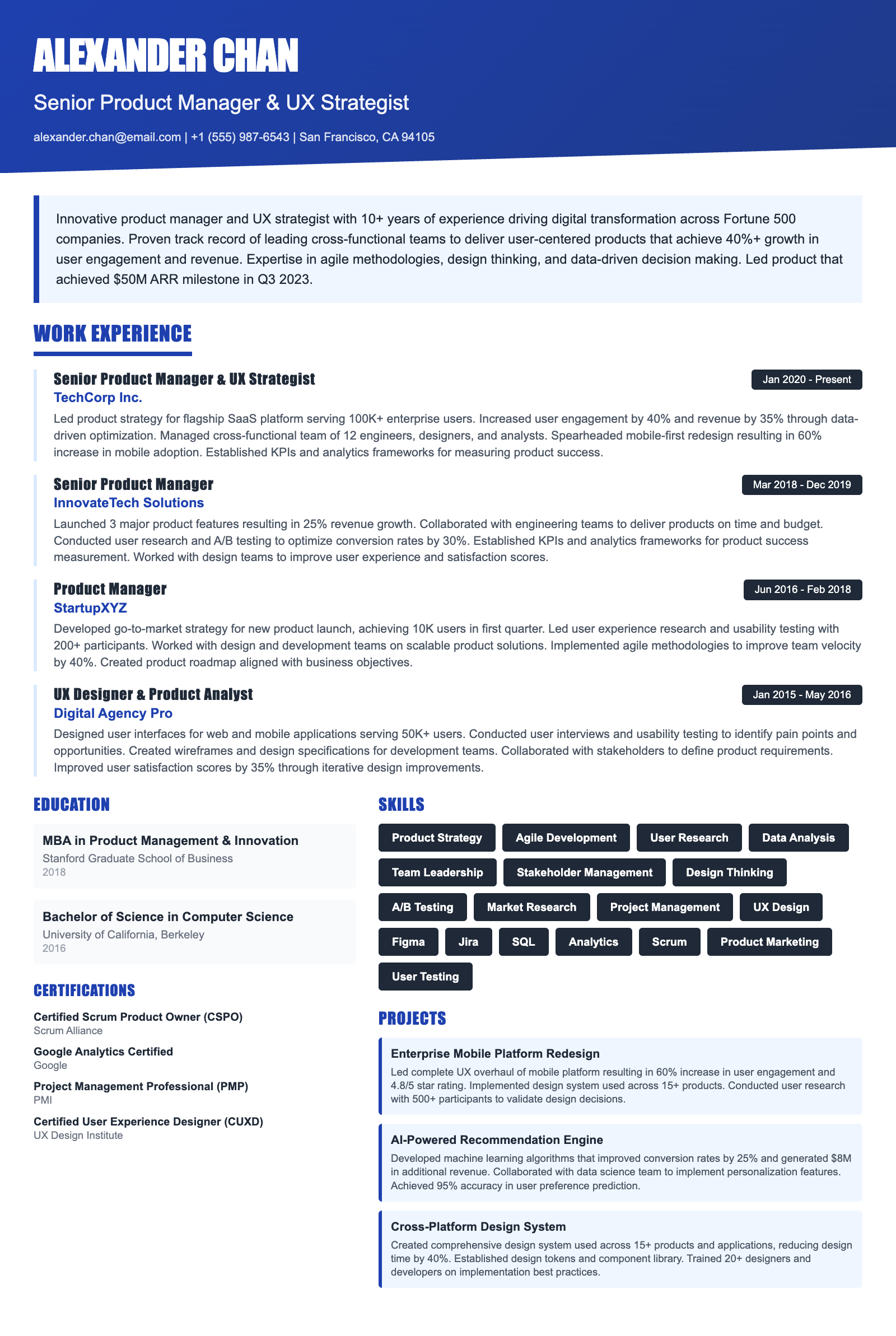
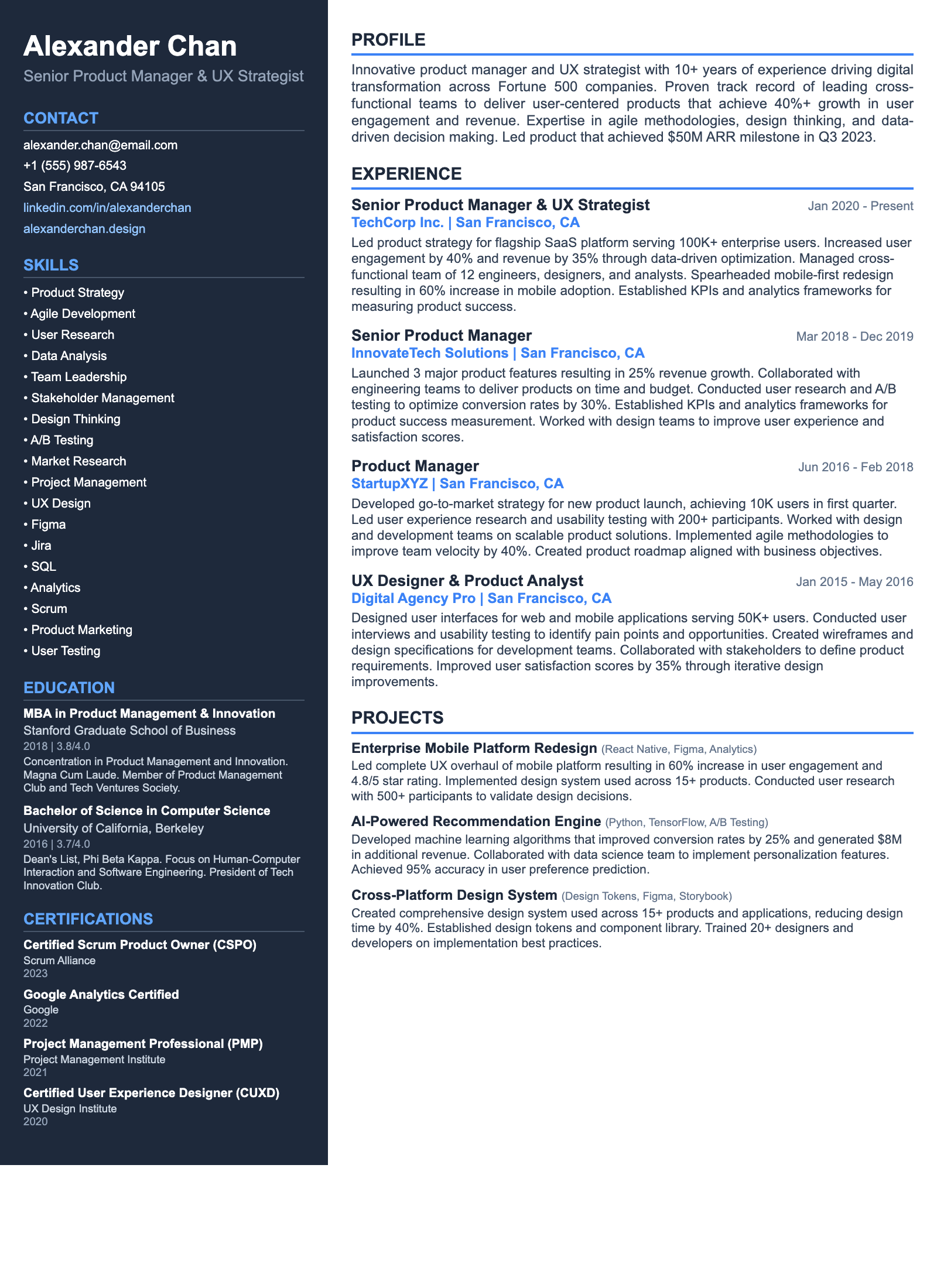
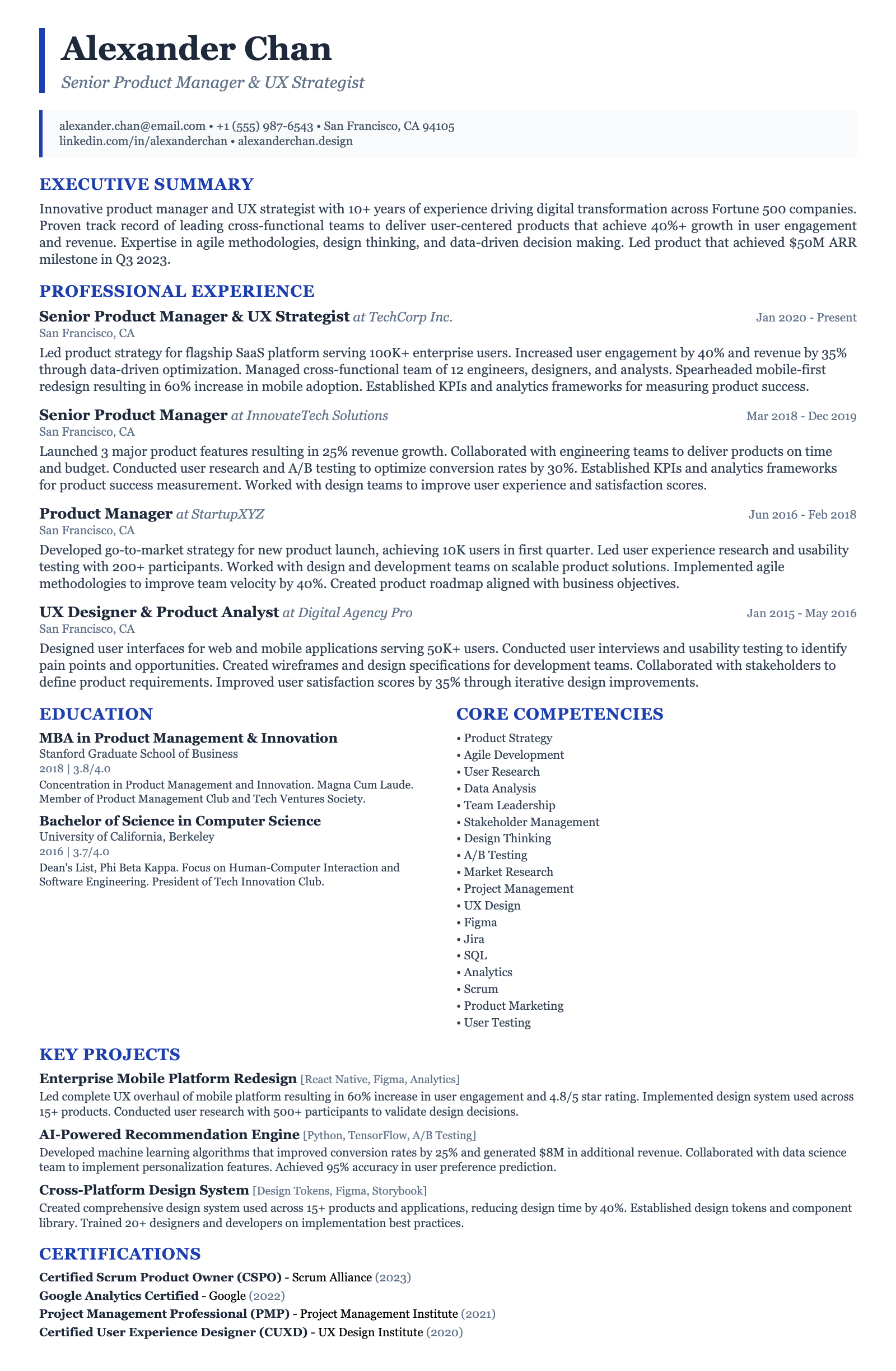
ATS-friendly templates designed specifically for Lead Manufacturing HR Generalist positions in the US market.
Frequently Asked Questions

How long should my Lead Manufacturing HR Generalist resume be?

Ideally, aim for a one to two-page resume. If you have over 10 years of relevant experience in manufacturing HR, two pages are acceptable. Focus on the most impactful accomplishments and tailor the content to each specific job. Highlight your experience with tools like ADP or BambooHR, and emphasize skills in areas like talent management and compensation planning.

What are the most important skills to highlight on my resume?

Beyond general HR skills, emphasize your experience with manufacturing-specific HR challenges. This includes labor relations, safety compliance (OSHA), union negotiations (if applicable), workforce planning for production roles, and knowledge of lean manufacturing principles. Highlight your proficiency with HRIS systems (SAP, Workday), applicant tracking systems (ATS), and data analysis tools (Excel, Tableau).

How can I optimize my resume for Applicant Tracking Systems (ATS)?

Use keywords directly from the job description. Format your resume with clear headings and bullet points. Avoid tables, graphics, and unusual fonts that ATS may not be able to parse. Save your resume as a .doc or .pdf file. Tailor your resume to each application, emphasizing the skills and experience most relevant to the specific role. Use standard section headings like 'Experience,' 'Skills,' and 'Education'.

Are there any specific certifications that would benefit my resume?

Certifications like SHRM-SCP (Senior Certified Professional) or SPHR (Senior Professional in Human Resources) can significantly enhance your resume. Consider certifications related to safety (e.g., OSHA) or lean manufacturing if relevant to the specific roles you are targeting. Mention any certifications you have prominently, showcasing your commitment to professional development.

What are some common mistakes to avoid on my Lead Manufacturing HR Generalist resume?

Avoid generic HR descriptions. Focus on accomplishments within a manufacturing context. Don't neglect to quantify your achievements. Avoid grammatical errors and typos. Ensure your resume is tailored to each specific job application. Do not omit relevant manufacturing experience, even if it was earlier in your career. Failing to demonstrate experience with HRIS systems or labor relations is a key mistake.

How do I handle a career transition into a Lead Manufacturing HR Generalist role?

Highlight transferable skills from your previous roles. Emphasize your understanding of manufacturing operations and your ability to learn quickly. Focus on your adaptability and problem-solving skills. Consider taking courses or certifications in manufacturing-related topics to demonstrate your commitment to the industry. Network with professionals in the manufacturing sector to gain insights and make connections. Use your cover letter to explain your career transition and highlight your passion for the industry.

Ready to Build Your Lead Manufacturing HR Generalist Resume?

Use our AI-powered resume builder to create an ATS-optimized resume tailored for Lead Manufacturing HR Generalist positions in the US market.

Complete Lead Manufacturing HR Generalist Career Toolkit

Everything you need for your Lead Manufacturing HR Generalist job search — all in one platform.

Why choose ResumeGyani over Zety or Resume.io?

The only platform with AI mock interviews + resume builder + job search + career coaching — all in one.

See comparison

Last updated: March 2026 · Content reviewed by certified resume writers · Optimized for US job market

Lead Manufacturing HR Generalist Resume Guide (2026) | ATS-Optimized Template