
ATS-Optimized for US Market

Lead Retail Software Engineer Career & Resume Guide

As a Lead Retail Software Engineer, your resume needs to demonstrate not just technical prowess but also leadership and business understanding. Hiring managers seek candidates who can bridge the gap between software development and the specific needs of the retail industry. Your resume should immediately highlight your experience with retail-specific technologies (e.g., POS systems, inventory management software, e-commerce platforms) and how you've used them to drive revenue or improve operational efficiency. Crucially, showcase your leadership in agile environments. Quantify your achievements wherever possible: How did your code changes reduce cart abandonment? By what percentage did your new recommendation engine increase sales? Key sections include a compelling summary highlighting your leadership impact, a detailed skills section (including languages like Java, Python, or C++, frameworks such as React or Angular, and tools like Docker, Kubernetes, and AWS/Azure/GCP), and a results-oriented experience section. To stand out, customize your resume for each role, emphasizing the specific technologies and business challenges the company faces. Use action verbs that demonstrate leadership, such as 'Led,' 'Managed,' 'Mentored,' and 'Architected.' Tailor your resume to pass Applicant Tracking Systems (ATS) by including relevant keywords from the job description and formatting your resume in a clean, ATS-friendly manner.
Average US Salary: $100k - $160k

Expert Tip: For Lead Retail Software Engineer positions in the US, recruiters increasingly look for technical execution and adaptability over simple job duties. This guide is tailored to highlight these specific traits to ensure your resume stands out in the competitive Lead Retail Software Engineer sector.

What US Hiring Managers Look For in a Lead Retail Software Engineer Resume

When reviewing Lead Retail Software Engineer candidates, recruiters and hiring managers in the US focus on a few critical areas. Making these elements clear and easy to find on your resume will improve your chances of moving to the interview stage.

  • Relevant experience and impact in Lead Retail Software Engineer or closely related roles.
  • Clear, measurable achievements (metrics, scope, outcomes) rather than duties.
  • Skills and keywords that match the job description and ATS requirements.
  • Professional formatting and no spelling or grammar errors.
  • Consistency between your resume, LinkedIn, and application.
  • Proficiency in key areas such as Communication, Time Management, Industry-Standard Tools.

Essential Skills for Lead Retail Software Engineer

Include these keywords in your resume to pass ATS screening and impress recruiters.

Must-Have Skills

  • CriticalCommunication
  • HighTime Management

Technical Skills

  • HighIndustry-Standard Tools
  • MediumData Analysis

Soft Skills

  • CriticalTeamwork
  • HighAdaptability
  • CriticalLeadership

A Day in the Life

A Day in the Life of a Lead Software Engineer

Arrive early to review metrics or sprint progress. As a Lead Software Engineer, you lead the 9 AM stand-up, addressing blockers and setting the strategic direction for debugging complex codebases, participating in sprint planning, and writing clean, scalable microservices within the Retail team. 10 AM-1 PM is for high-impact decisions. You're architecting solutions, reviewing critical deliverables, or negotiating priorities with Retail stakeholders. Afternoons involve mentorship and cross-org coordination. You're the go-to expert for debugging complex codebases, participating in sprint planning, and writing clean, scalable microservices, ensuring the team's output aligns with company goals. You finish by finalizing quarterly roadmaps or reviewing next steps. At this level in Retail, your focus shifts from individual tasks to organizational impact.

Career Progression Path

Level 1

Software Engineer I (Entry Level)

Level 2

Software Engineer II (Junior)

Level 3

Senior Software Engineer

Level 4

Lead Software Engineer

Level 5

Software Engineer Manager / Director

Interview Questions & Answers

Prepare for your Lead Retail Software Engineer interview with these commonly asked questions.

Describe a time when you had to make a critical technical decision that had a significant impact on a retail project. What was the decision, and how did you approach it?

Medium
Technical
Sample Answer
In my previous role at [Previous Company], we were migrating our e-commerce platform to a microservices architecture on AWS. A critical decision was choosing between serverless functions (Lambda) and containerized applications (ECS) for handling order processing. I conducted a thorough analysis, considering factors like scalability, cost, and maintainability. We opted for ECS due to its flexibility in handling complex business logic and better integration with our existing monitoring tools. This decision reduced order processing time by 15% and improved system reliability during peak seasons. The architecture choice also allowed us to integrate with newer payment gateways easier, which was an ask from the business stakeholders.

How do you stay up-to-date with the latest trends and technologies in retail software engineering?

Easy
Behavioral
Sample Answer
I actively participate in online communities, attend industry conferences, and follow thought leaders on social media. I regularly read publications like Retail Dive and follow technology blogs related to e-commerce and supply chain management. I also dedicate time to personal projects where I experiment with new technologies like serverless computing, AI-powered recommendation engines, and blockchain-based supply chain solutions. Furthermore, I encourage my team to do the same, allocating time for learning and experimentation during our sprints.

Imagine you're leading a team to develop a new mobile app for a retail client. How would you approach the project from a technical and leadership perspective?

Hard
Situational
Sample Answer
First, I'd gather requirements from the client and stakeholders, focusing on the user experience and business goals. I would then work with the team to design a scalable and secure architecture, using technologies like React Native for cross-platform development, Node.js for the backend, and AWS for hosting. I'd establish clear communication channels, use agile methodologies for project management, and provide mentorship and guidance to team members. I'd also implement robust testing and deployment pipelines to ensure high-quality code and frequent releases. Regular stakeholder demos and feedback sessions would be crucial. We'd also use analytics to continuously improve the app after launch.

Tell me about a time you had to resolve a conflict within your team. What steps did you take?

Medium
Behavioral
Sample Answer
In a prior role, two senior engineers on my team had conflicting ideas on how to refactor a critical module responsible for product recommendations. The disagreement was causing delays. I facilitated a meeting where each engineer could present their approach. I then guided the discussion towards finding common ground and evaluating the pros and cons of each solution based on factors like performance, maintainability, and scalability. Ultimately, we combined the best aspects of both approaches into a hybrid solution. This experience taught me the importance of active listening and collaborative problem-solving, resulting in a more robust and well-accepted final design.

Describe a situation where you had to implement a solution to improve data security or prevent fraud in a retail environment.

Medium
Technical
Sample Answer
At [Previous Company], we noticed an increase in fraudulent transactions on our e-commerce platform. I led the effort to implement a multi-factor authentication system and enhanced fraud detection algorithms. We integrated a third-party service for device fingerprinting and anomaly detection. We also implemented stricter password policies and educated customers on best practices for account security. These measures reduced fraudulent transactions by 40% within three months and improved customer trust in our platform. This involved working with cybersecurity and fraud teams to build a robust and proactive defense.

How would you approach optimizing the performance of a slow-loading e-commerce website?

Hard
Technical
Sample Answer
I'd start by identifying the bottlenecks using tools like Chrome DevTools and WebPageTest. I would then prioritize optimizations based on their potential impact. This might involve optimizing images, minifying CSS and JavaScript, leveraging browser caching, and using a Content Delivery Network (CDN) to distribute static assets. On the backend, I'd optimize database queries, implement caching strategies, and ensure efficient server-side rendering. I'd also consider using techniques like lazy loading and code splitting to improve initial load time. Continuous monitoring and A/B testing would be crucial to validate the effectiveness of the optimizations.

ATS Optimization Tips

Make sure your resume passes Applicant Tracking Systems used by US employers.

Incorporate keywords from the job description throughout your resume, specifically in the skills and experience sections.
Use a clean, chronological or combination resume format that is easily parsed by ATS, avoiding tables and graphics.
Ensure your resume is saved as a .docx or .pdf file, as these formats are generally ATS-friendly.
Use standard section headings like 'Summary,' 'Experience,' 'Skills,' and 'Education' for easy parsing.
Quantify your achievements with metrics and data to demonstrate your impact, such as 'Improved e-commerce conversion rates by 15%.'
Tailor your skills section to include both hard skills (e.g., Java, Python, SQL, AWS) and soft skills (e.g., communication, leadership, teamwork) mentioned in the job description.
Describe your experience using action verbs and industry-specific jargon relevant to retail software engineering (e.g., 'Implemented,' 'Developed,' 'Architected').
Proofread your resume carefully for any typos or grammatical errors, as ATS may penalize resumes with errors.

Common Resume Mistakes to Avoid

Don't make these errors that get resumes rejected.

1
Failing to quantify your achievements: Instead of saying 'Improved performance,' say 'Improved website loading speed by 20%, resulting in a 5% increase in sales.'
2
Not tailoring your resume to the specific retail company: Generic resumes are easily dismissed. Highlight experience with similar technologies and business models.
3
Omitting relevant retail-specific technologies: If you have experience with POS systems, e-commerce platforms (Shopify, Magento), or inventory management software, make sure to highlight it.
4
Neglecting to highlight leadership skills: As a lead, your leadership experience is crucial. Showcase projects where you led teams or mentored junior engineers.
5
Using overly technical jargon without explaining the business impact: Translate technical achievements into business benefits (e.g., 'Optimized database queries, reducing server costs by 10%').
6
Poor formatting that makes your resume difficult to read: Ensure your resume is well-organized and easy to scan, with clear section headings and bullet points.
7
Not addressing gaps in your employment history: Briefly explain any employment gaps to avoid raising red flags.
8
Focusing solely on responsibilities instead of accomplishments: Highlight what you achieved in each role, not just what you were responsible for.

Industry Outlook

The US Retail sector is experiencing steady growth. Lead Software Engineers are particularly sought after, with the Bureau of Labor Statistics projecting average job growth through 2030. Peak hiring occurs in Q1 (January-March) and Q3 (August-September).

Top Hiring Companies

Industry LeadersRegional FirmsFast-Growing Companies

Recommended Resume Templates

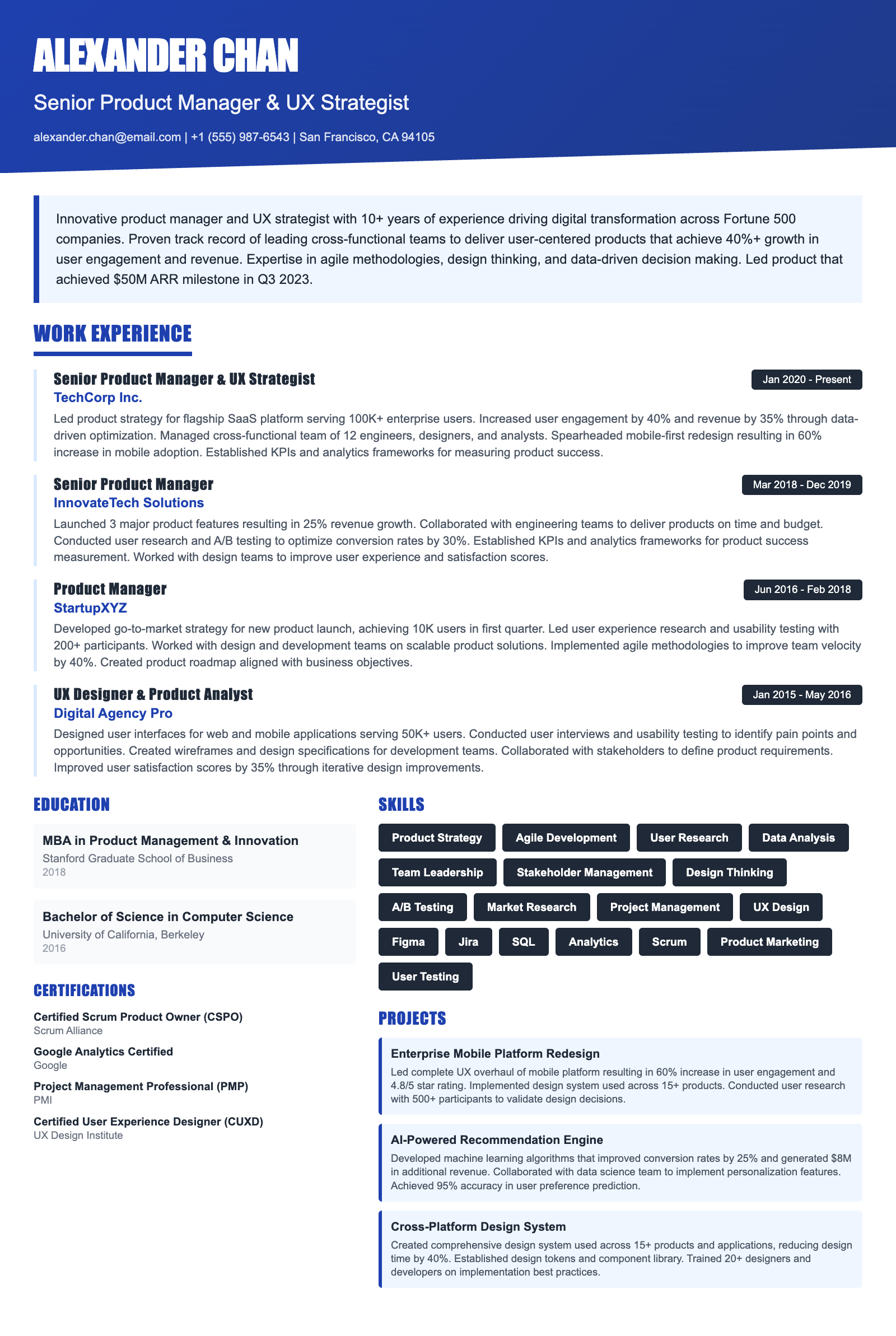
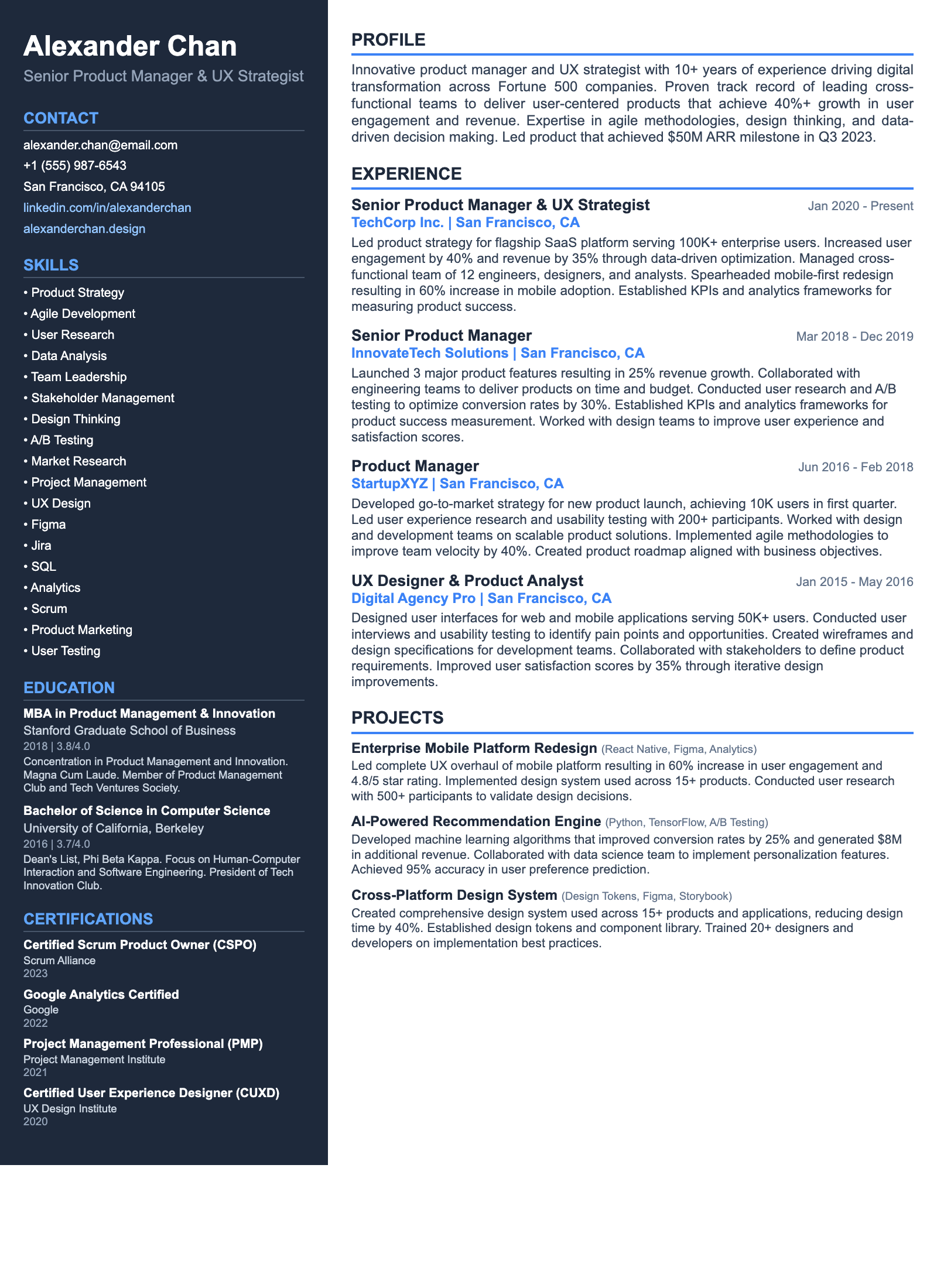
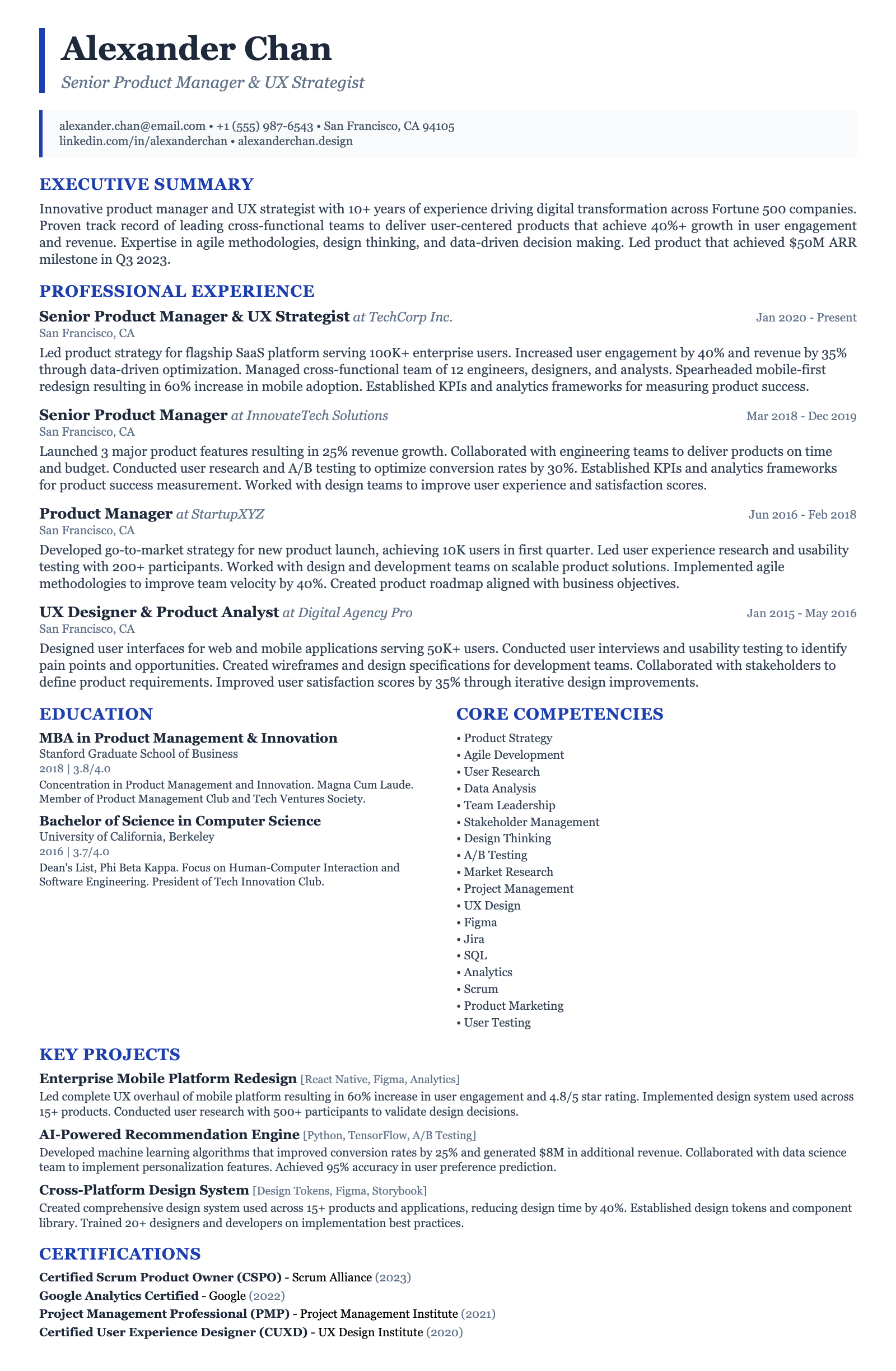
ATS-friendly templates designed specifically for Lead Retail Software Engineer positions in the US market.
Frequently Asked Questions

How long should my Lead Retail Software Engineer resume be?

For the US market, aim for a maximum of two pages. As a lead, you have substantial experience, but prioritize relevance. Focus on your accomplishments in leadership roles. Include only the most impactful projects and results. If you have extensive experience, consider a skills section highlighting your proficiency in various technologies (e.g., Java, Spring Boot, AWS, SQL) and a separate project section showcasing your leadership in retail-specific projects.

What are the most important skills to highlight in my resume?

Beyond coding skills (Java, Python, C++), emphasize your leadership, communication, and problem-solving abilities. Highlight experience with retail-specific technologies like POS systems, e-commerce platforms (e.g., Shopify, Magento), supply chain management software, and CRM systems. Don't forget crucial DevOps skills like CI/CD pipelines, containerization (Docker, Kubernetes), and cloud platforms (AWS, Azure, GCP). Data analysis skills using tools like SQL and data visualization libraries are also valuable.

How can I optimize my resume for Applicant Tracking Systems (ATS)?

Use keywords directly from the job description. Format your resume simply, avoiding tables, images, and unusual fonts. Use standard section headings like 'Summary,' 'Experience,' 'Skills,' and 'Education.' Save your resume as a .docx or .pdf file. Ensure your skills section is comprehensive and includes both hard and soft skills. Use action verbs and quantifiable results to showcase your accomplishments. Avoid headers and footers.

Are certifications important for a Lead Retail Software Engineer resume?

While not always mandatory, certifications can demonstrate your expertise. Consider certifications in cloud platforms (AWS Certified Solutions Architect, Azure Solutions Architect Expert), project management (PMP, Agile certifications), or specific technologies relevant to retail (e.g., certifications related to specific e-commerce platforms or POS systems). These can set you apart and show a commitment to continuous learning.

What are some common mistakes to avoid in my resume?

Generic resumes are a major pitfall. Tailor your resume to each job, emphasizing relevant skills and experience. Failing to quantify your achievements is another mistake. Use numbers to demonstrate your impact. Poor formatting can make your resume difficult to read and ATS-unfriendly. Avoid typos and grammatical errors, and ensure your contact information is accurate. Neglecting to mention leadership experience is a critical oversight for a lead role.

How can I highlight a career transition into a Lead Retail Software Engineer role?

Clearly articulate your transferable skills and how they relate to the retail industry. Highlight any relevant projects or experience, even if they weren't directly in retail. Focus on your problem-solving, leadership, and technical skills. Consider a skills-based resume format to emphasize your abilities over chronological work history. Obtain any relevant certifications to demonstrate your commitment to the new field. Network with people in the retail software engineering field.

Ready to Build Your Lead Retail Software Engineer Resume?

Use our AI-powered resume builder to create an ATS-optimized resume tailored for Lead Retail Software Engineer positions in the US market.

Complete Lead Retail Software Engineer Career Toolkit

Everything you need for your Lead Retail Software Engineer job search — all in one platform.

Why choose ResumeGyani over Zety or Resume.io?

The only platform with AI mock interviews + resume builder + job search + career coaching — all in one.

See comparison

Last updated: March 2026 · Content reviewed by certified resume writers · Optimized for US job market

Lead Retail Software Engineer Resume Guide (2026) | ATS-Optimized Template