
ATS-Optimized for US Market

Lead Tech Network Engineer Career & Resume Guide

As a Lead Tech Network Engineer, your resume needs to immediately demonstrate your expertise in designing, implementing, and managing complex network infrastructures. Hiring managers seek individuals who can not only handle technical challenges but also lead teams, drive innovation, and ensure network security and reliability. Your resume should highlight your proficiency in network protocols (e.g., TCP/IP, BGP, OSPF), network hardware (e.g., Cisco, Juniper), and cloud networking services (e.g., AWS, Azure, GCP). Key sections should include a compelling summary showcasing your leadership and technical accomplishments, detailed experience highlighting quantifiable achievements (e.g., reduced network latency by X%, improved network uptime to Y%), a skills section covering both technical and soft skills (Problem Solving, Time Management, Programming/Cloud Services, Data Analysis, Teamwork, Adaptability, Leadership), and relevant certifications (e.g., CCIE, CISSP, AWS Certified Advanced Networking – Specialty). To stand out, quantify your impact using metrics, showcase your experience with cutting-edge technologies like SDN (Software-Defined Networking), network automation tools (e.g., Ansible, Python scripting), and demonstrate your ability to align network infrastructure with business goals. Highlight your experience in network security, including firewall management, intrusion detection/prevention systems (IDS/IPS), and vulnerability assessments. Mention experience with tools like Wireshark, SolarWinds, and Splunk to demonstrate your monitoring and troubleshooting skills.
Average US Salary: $140k - $240k

Expert Tip: For Lead Tech Network Engineer positions in the US, recruiters increasingly look for technical execution and adaptability over simple job duties. This guide is tailored to highlight these specific traits to ensure your resume stands out in the competitive Lead Tech Network Engineer sector.

What US Hiring Managers Look For in a Lead Tech Network Engineer Resume

When reviewing Lead Tech Network Engineer candidates, recruiters and hiring managers in the US focus on a few critical areas. Making these elements clear and easy to find on your resume will improve your chances of moving to the interview stage.

  • Relevant experience and impact in Lead Tech Network Engineer or closely related roles.
  • Clear, measurable achievements (metrics, scope, outcomes) rather than duties.
  • Skills and keywords that match the job description and ATS requirements.
  • Professional formatting and no spelling or grammar errors.
  • Consistency between your resume, LinkedIn, and application.
  • Proficiency in key areas such as Problem Solving, Time Management, Programming/Cloud Services.

Essential Skills for Lead Tech Network Engineer

Include these keywords in your resume to pass ATS screening and impress recruiters.

Must-Have Skills

  • CriticalProblem Solving
  • HighTime Management

Technical Skills

  • HighProgramming/Cloud Services
  • MediumData Analysis

Soft Skills

  • CriticalTeamwork
  • HighAdaptability
  • CriticalLeadership

A Day in the Life

A Day in the Life of a Lead Network Engineer

Arrive early to review metrics or sprint progress. As a Lead Network Engineer, you lead the 9 AM stand-up, addressing blockers and setting the strategic direction for handling core responsibilities, collaborating with cross-functional teams, and driving project success within the Tech team. 10 AM-1 PM is for high-impact decisions. You're architecting solutions, reviewing critical deliverables, or negotiating priorities with Tech stakeholders. Afternoons involve mentorship and cross-org coordination. You're the go-to expert for handling core responsibilities, collaborating with cross-functional teams, and driving project success, ensuring the team's output aligns with company goals. You finish by finalizing quarterly roadmaps or reviewing next steps. At this level in Tech, your focus shifts from individual tasks to organizational impact.

Career Progression Path

Level 1

Network Engineer I (Entry Level)

Level 2

Network Engineer II (Junior)

Level 3

Senior Network Engineer

Level 4

Lead Network Engineer

Level 5

Network Engineer Manager / Director

Interview Questions & Answers

Prepare for your Lead Tech Network Engineer interview with these commonly asked questions.

Tell me about a time you handled a challenging situation as a Network Engineer.

Medium
Behavioral
Sample Answer
Use the STAR method: Situation (context in Tech), Task (your responsibility), Action (specific steps you took), Result (quantified outcome, e.g., '15% cost reduction' or 'resolved in 24 hours'). For Lead roles, emphasize ownership and collaboration.

What are your salary expectations for a Lead Network Engineer in Tech?

Medium
Compensation
Sample Answer
Based on industry benchmarks, Lead Network Engineers in the US Tech sector typically earn $140k - $240k. I'm looking for a package in this range, but I'm flexible based on total compensation including benefits, PTO, and growth opportunities.

How do you stay updated with new technologies and best practices?

Easy
Professional Development
Sample Answer
I regularly read tech blogs (HackerNews, Dev.to), contribute to Open Source, attend conferences (React Conf, AWS re:Invent), and complete certifications on platforms like Coursera or Udemy. For Network Engineer specifically, I follow thought leaders on Twitter/LinkedIn and participate in local meetups.

Describe your approach to system design for a Network Engineer project.

Hard
Technical
Sample Answer
I start with requirements gathering, define scalability needs, choose appropriate architecture patterns (microservices vs monolith), select tech stack based on team expertise and project constraints, design data models, and plan for monitoring/observability from day one.

How do you mentor junior Network Engineers and foster team growth?

Medium
Leadership
Sample Answer
I schedule regular 1-on-1s, set clear expectations, provide constructive feedback in real-time, champion their wins publicly, and create opportunities for skill development through stretch assignments. I believe in servant leadership - my role is to unblock them and create an environment where they can excel.

ATS Optimization Tips

Make sure your resume passes Applicant Tracking Systems used by US employers.

Incorporate keywords directly from the job description, such as "BGP," "OSPF," "Cisco," "Juniper," "AWS," and "Azure." Tailor your skills and experience sections to match the specific requirements listed.
Use a clear and consistent format with standard section headings like "Summary," "Experience," "Skills," and "Education." Avoid using tables, images, or unusual fonts that may not be parsed correctly by ATS.
Quantify your achievements with metrics and numbers to demonstrate your impact. For example, "Reduced network latency by 15%" or "Improved network uptime to 99.99%."
List your skills using bullet points or a dedicated skills section, grouping them into categories like "Networking Protocols," "Cloud Technologies," and "Security." Include both hard skills (e.g., Python, Ansible) and soft skills (e.g., Problem Solving, Leadership).
Ensure your contact information is easily parsable and includes your full name, phone number, email address, and LinkedIn profile URL.
Save your resume as a .docx or .pdf file, as these formats are generally ATS-friendly. Avoid using older file formats like .doc.
Use standard section headings and consistent formatting throughout your resume to ensure ATS can accurately extract the information.
Include certifications like CCIE, CISSP, and AWS Certified Advanced Networking – Specialty, as these are often tracked by ATS systems as key qualifications.

Common Resume Mistakes to Avoid

Don't make these errors that get resumes rejected.

1
Failing to quantify achievements: Saying you "improved network performance" is less impactful than saying you "reduced network latency by 20% using QoS policies."
2
Not tailoring the resume to the specific job: Sending a generic resume instead of highlighting relevant experience with specific technologies (e.g., SD-WAN, network automation) mentioned in the job description.
3
Omitting key skills: Leaving out crucial skills like Python scripting for network automation or experience with specific cloud platforms (AWS, Azure, GCP).
4
Poor formatting: Using unreadable fonts, excessive graphics, or inconsistent formatting that makes it difficult for hiring managers and ATS to understand your qualifications.
5
Using vague language: Describing responsibilities instead of accomplishments. Focus on what you achieved, not just what you did.
6
Ignoring security experience: Neglecting to mention experience with network security tools like firewalls (e.g., Palo Alto Networks, Cisco ASA), intrusion detection/prevention systems (IDS/IPS), or vulnerability scanning tools (e.g., Nessus, Nmap).
7
Not highlighting leadership experience: Failing to showcase your ability to lead teams, mentor junior engineers, and drive network infrastructure projects to completion.
8
Forgetting relevant certifications: Omitting certifications like CCIE, CISSP, or cloud-specific certifications that demonstrate your expertise and commitment to professional development.

Industry Outlook

The US Tech sector is experiencing rapid growth with 8% YoY expansion. Lead Network Engineers are particularly sought after, with the Bureau of Labor Statistics projecting above-average job growth through 2030. Peak hiring occurs in Q1 (January-March) and Q3 (August-September).

Top Hiring Companies

GoogleAmazonMicrosoftMetaStartups

Recommended Resume Templates

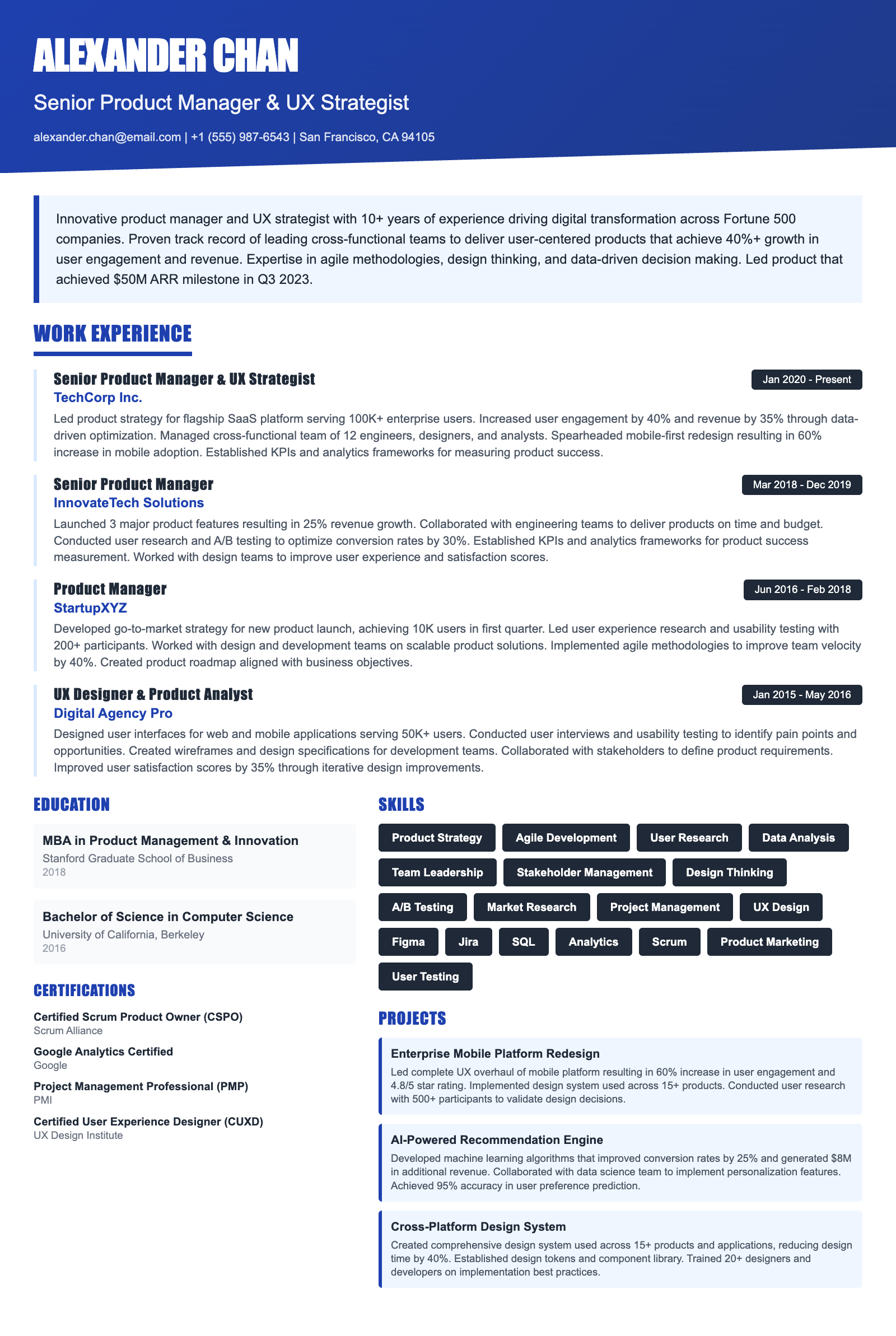
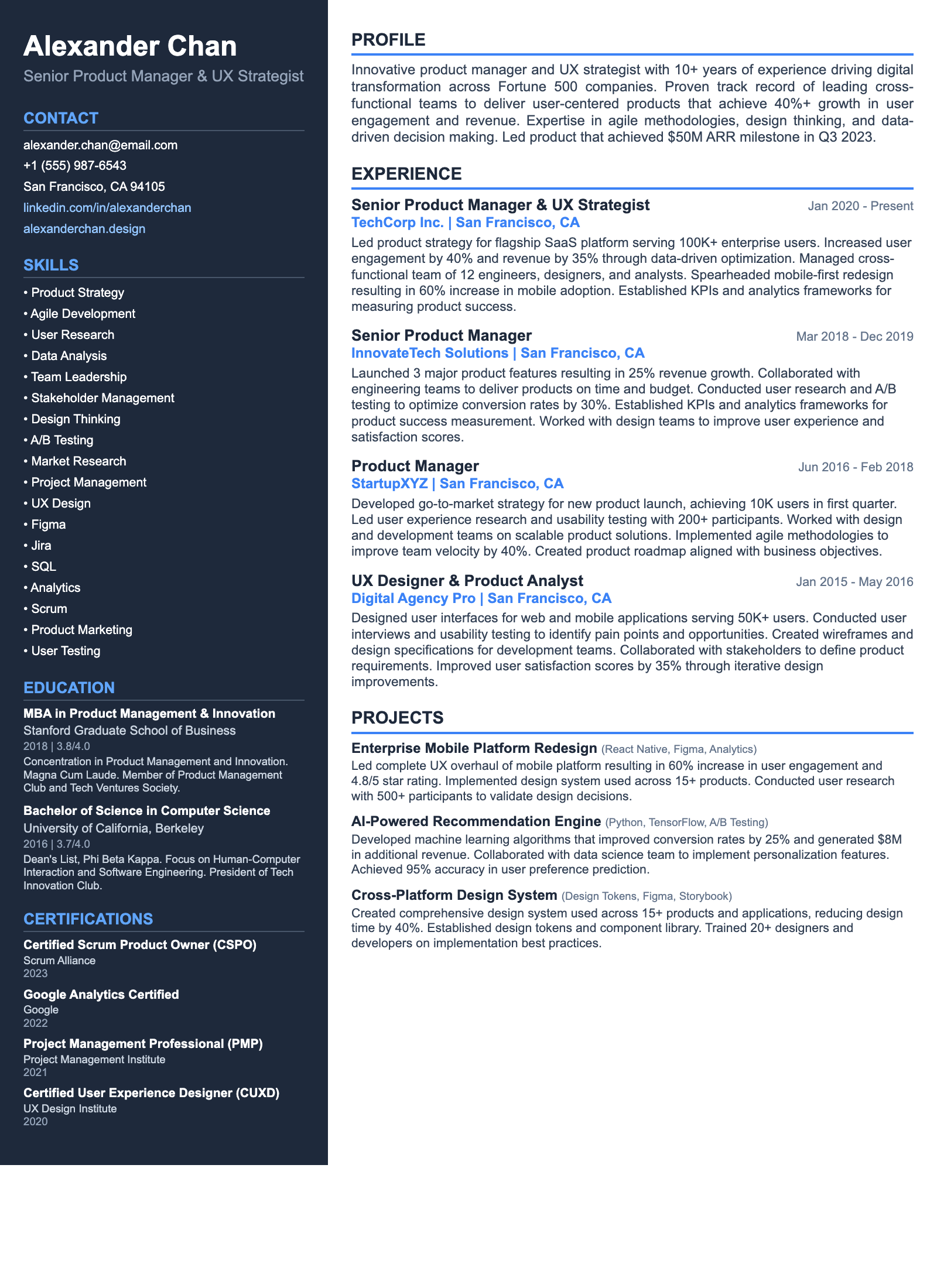
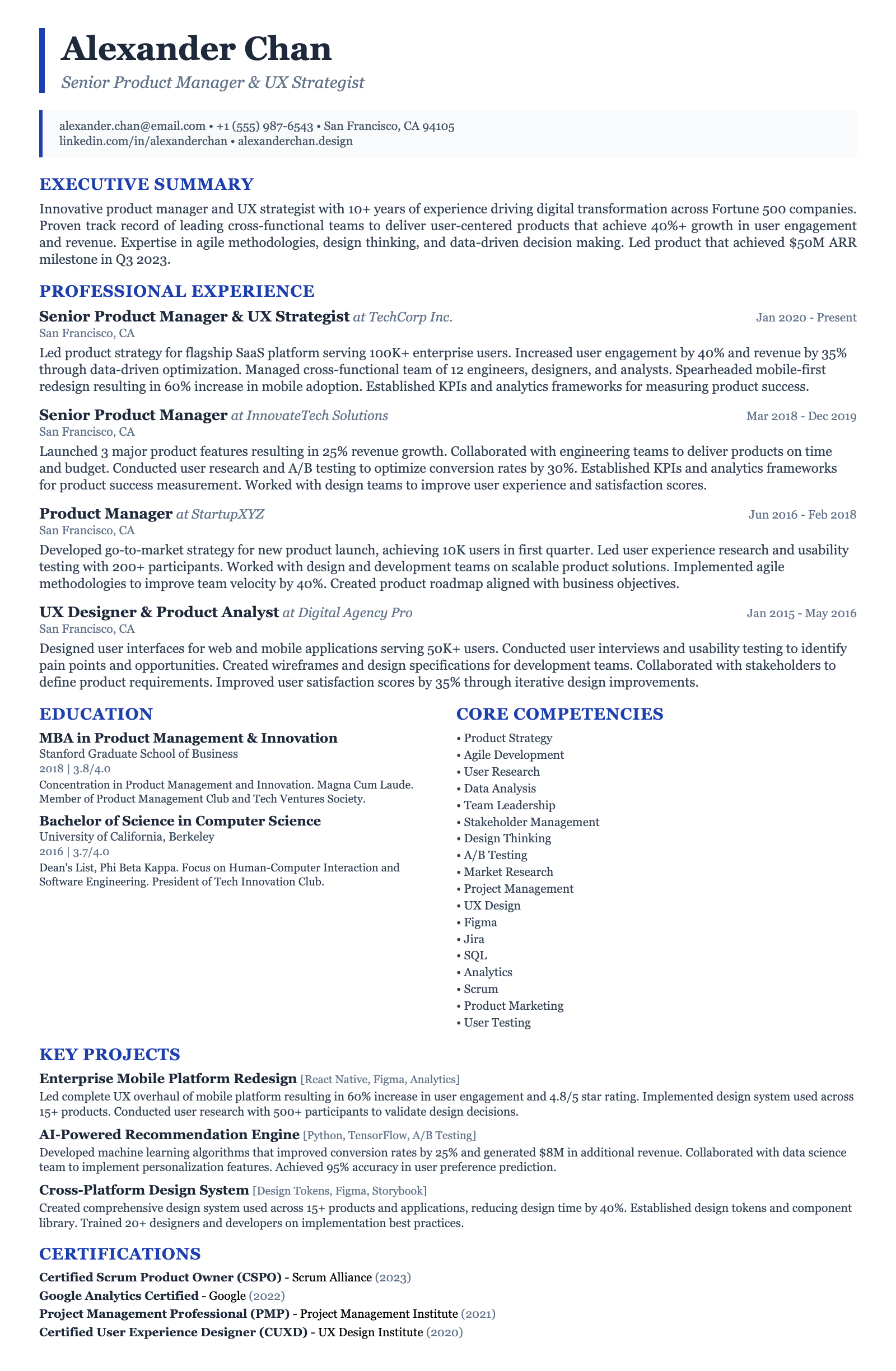
ATS-friendly templates designed specifically for Lead Tech Network Engineer positions in the US market.
Frequently Asked Questions

What is the ideal resume length for a Lead Tech Network Engineer in the US?

Typically, a two-page resume is acceptable for experienced Lead Tech Network Engineers in the US market. Focus on relevant experience from the last 10-15 years. Ensure every detail contributes to showcasing your expertise in network design, security, and leadership. Prioritize quantifiable achievements and technical skills, such as experience with Cisco routers, Juniper switches, and cloud platforms like AWS and Azure.

What are the most important skills to highlight on a Lead Tech Network Engineer resume?

Highlight a mix of technical and leadership skills. Technical skills include deep knowledge of network protocols (TCP/IP, BGP, OSPF), network security (firewalls, IDS/IPS), and cloud networking (AWS, Azure). Leadership skills include team management, project management, and strategic planning. Also, emphasize skills like Python scripting for network automation, using tools like Ansible, and data analysis for network performance optimization.

How can I optimize my resume for Applicant Tracking Systems (ATS)?

Use a clean, ATS-friendly format like a chronological or combination resume. Avoid tables, images, and unusual fonts. Incorporate relevant keywords from the job description, such as specific network technologies (e.g., MPLS, VPN, SD-WAN), security protocols (e.g., TLS, SSH), and tools (e.g., Wireshark, SolarWinds). Ensure your skills section is comprehensive and reflects the required qualifications.

Which certifications should I include on my Lead Tech Network Engineer resume?

Relevant certifications significantly enhance your credibility. Prioritize certifications like CCIE (Cisco Certified Internetwork Expert), CISSP (Certified Information Systems Security Professional), AWS Certified Advanced Networking – Specialty, and Azure Solutions Architect Expert. Include the certification name, issuing organization, and date of completion. Mention any renewal requirements and your current status.

What are some common resume mistakes Lead Tech Network Engineer candidates make?

Common mistakes include using generic language, failing to quantify achievements, and neglecting to tailor the resume to the specific job. Avoid vague statements and instead provide concrete examples of how you improved network performance, reduced security risks, or led successful projects. Ensure your resume reflects the specific requirements of the target role and mentions relevant tools like Terraform and Kubernetes.

How do I highlight a career transition into a Lead Tech Network Engineer role?

If transitioning, emphasize transferable skills and relevant experience from previous roles. Highlight any projects or responsibilities that demonstrate your ability to manage networks, solve complex problems, and lead teams. Obtain relevant certifications (e.g., CompTIA Network+, CCNA) to showcase your commitment to the field. Focus on the skills overlap and demonstrate a clear understanding of network engineering principles and tools like Nmap and Nessus.

Ready to Build Your Lead Tech Network Engineer Resume?

Use our AI-powered resume builder to create an ATS-optimized resume tailored for Lead Tech Network Engineer positions in the US market.

Complete Lead Tech Network Engineer Career Toolkit

Everything you need for your Lead Tech Network Engineer job search — all in one platform.

Why choose ResumeGyani over Zety or Resume.io?

The only platform with AI mock interviews + resume builder + job search + career coaching — all in one.

See comparison

Last updated: March 2026 · Content reviewed by certified resume writers · Optimized for US job market

Lead Tech Network Engineer Resume Guide (2026) | ATS-Optimized Template