
ATS-Optimized for US Market

Principal Construction Electrical Engineer Career & Resume Guide

As a Principal Construction Electrical Engineer, your resume must showcase your leadership and technical expertise in managing complex electrical construction projects. Hiring managers seek candidates with a proven track record of successfully delivering projects on time and within budget while adhering to stringent safety standards. Your resume should highlight your proficiency in electrical design, power distribution, lighting systems, and control systems. A strong emphasis should be placed on your ability to lead teams, manage subcontractors, and collaborate effectively with other engineering disciplines. Quantify your accomplishments whenever possible, using metrics to demonstrate cost savings, efficiency improvements, or safety enhancements. Key sections include a compelling summary highlighting your experience, a detailed work history showcasing your project management skills and technical expertise, and a skills section listing industry-standard tools like AutoCAD, Revit, ETAP, and SKM Power*Tools. To stand out, emphasize your experience with LEED certification, BIM implementation, and advanced electrical technologies like smart grids and energy storage systems. Tailor your resume to each specific job, highlighting the skills and experience most relevant to the position's requirements. Frame your experience around the US electrical codes, standards, and permitting processes.
Average US Salary: $140k - $220k

Expert Tip: For Principal Construction Electrical Engineer positions in the US, recruiters increasingly look for technical execution and adaptability over simple job duties. This guide is tailored to highlight these specific traits to ensure your resume stands out in the competitive Principal Construction Electrical Engineer sector.

What US Hiring Managers Look For in a Principal Construction Electrical Engineer Resume

When reviewing Principal Construction Electrical Engineer candidates, recruiters and hiring managers in the US focus on a few critical areas. Making these elements clear and easy to find on your resume will improve your chances of moving to the interview stage.

  • Relevant experience and impact in Principal Construction Electrical Engineer or closely related roles.
  • Clear, measurable achievements (metrics, scope, outcomes) rather than duties.
  • Skills and keywords that match the job description and ATS requirements.
  • Professional formatting and no spelling or grammar errors.
  • Consistency between your resume, LinkedIn, and application.
  • Proficiency in key areas such as Communication, Time Management, Industry-Standard Tools.

Essential Skills for Principal Construction Electrical Engineer

Include these keywords in your resume to pass ATS screening and impress recruiters.

Must-Have Skills

  • CriticalCommunication
  • HighTime Management

Technical Skills

  • HighIndustry-Standard Tools
  • MediumData Analysis

Soft Skills

  • CriticalTeamwork
  • HighAdaptability
  • MediumLeadership

A Day in the Life

A Day in the Life of a Principal Electrical Engineer

Arrive early to review metrics or sprint progress. As a Principal Electrical Engineer, you lead the 9 AM stand-up, addressing blockers and setting the strategic direction for handling core responsibilities, collaborating with cross-functional teams, and driving project success within the Construction team. 10 AM-1 PM is for high-impact decisions. You're architecting solutions, reviewing critical deliverables, or negotiating priorities with Construction stakeholders. Afternoons involve mentorship and cross-org coordination. You're the go-to expert for handling core responsibilities, collaborating with cross-functional teams, and driving project success, ensuring the team's output aligns with company goals. You finish by finalizing quarterly roadmaps or reviewing next steps. At this level in Construction, your focus shifts from individual tasks to organizational impact.

Career Progression Path

Level 1

Electrical Engineer I (Entry Level)

Level 2

Electrical Engineer II (Junior)

Level 3

Senior Electrical Engineer

Level 4

Lead Electrical Engineer

Level 5

Electrical Engineer Manager / Director

Interview Questions & Answers

Prepare for your Principal Construction Electrical Engineer interview with these commonly asked questions.

Describe a time when you had to manage a significant conflict between different stakeholders on a construction project. How did you resolve it?

Medium
Behavioral
Sample Answer
In a recent project, there was disagreement between the client, the general contractor, and our internal electrical team regarding the specification of a critical piece of equipment. The client wanted a premium, high-cost option, while the contractor favored a lower-cost alternative. Our team believed a mid-range option offered the best balance of performance and cost. I facilitated a series of meetings to understand each party's concerns and priorities. By presenting data-driven analyses of the different options, highlighting both the short-term cost savings and long-term performance implications, I guided the stakeholders toward a consensus on the mid-range option, saving the project time and expense while meeting performance goals. This also strengthened relationships between groups.

Walk me through your process for designing a complex power distribution system for a large commercial building, including compliance with relevant codes and standards.

Hard
Technical
Sample Answer
My process begins with a thorough assessment of the building's electrical load requirements, considering present and future needs. I then develop a single-line diagram outlining the power distribution architecture, including the main service entrance, transformers, switchgear, and distribution panels. I use software like ETAP or SKM Power*Tools for load flow analysis, short-circuit studies, and protective device coordination to ensure system reliability and safety. Throughout the design process, I adhere strictly to the National Electrical Code (NEC) and other relevant local and national standards. Finally, I collaborate with the architectural and mechanical teams to coordinate equipment placement and ensure proper integration with the building's overall design.

Imagine you're leading an electrical construction project and discover a critical design flaw that could significantly impact the project timeline and budget. What steps would you take?

Medium
Situational
Sample Answer
My first step would be to immediately assess the severity and potential impact of the design flaw. I would then gather relevant data and consult with the design team, other engineering disciplines, and key stakeholders to understand the root cause and potential solutions. Next, I would develop a range of corrective action plans, outlining the pros, cons, costs, and timelines for each option. I would present these options to the project team and stakeholders, facilitating a collaborative decision-making process. Finally, I would implement the chosen solution, closely monitoring progress and adjusting as needed to minimize delays and cost overruns.

What experience do you have with Building Information Modeling (BIM) in electrical construction projects?

Medium
Technical
Sample Answer
I have extensive experience leveraging BIM throughout the entire electrical construction lifecycle. During the design phase, I use BIM software like Revit to create 3D models of electrical systems, allowing for clash detection and coordination with other building systems. During construction, I use BIM models to generate detailed shop drawings, facilitate prefabrication, and track material quantities. I also use BIM for as-built documentation and facility management, providing a valuable resource for future maintenance and renovations. For example, on a recent hospital project, BIM helped us identify and resolve several potential clashes between electrical conduits and mechanical ductwork, avoiding costly rework during construction.

Describe a time when you had to implement a new technology or process on an electrical construction project. What challenges did you face, and how did you overcome them?

Medium
Behavioral
Sample Answer
On a recent project, we decided to implement a new wireless lighting control system to improve energy efficiency and reduce operating costs. A major challenge was the lack of familiarity with the technology among our electrical team and subcontractors. To address this, I organized comprehensive training sessions and provided ongoing support throughout the installation process. We also worked closely with the vendor to resolve any technical issues that arose. By proactively addressing these challenges and fostering a collaborative environment, we successfully implemented the new technology, resulting in significant energy savings and improved lighting performance.

Explain your understanding of the National Electrical Code (NEC) and how you ensure compliance on your projects.

Hard
Technical
Sample Answer
I have a thorough understanding of the National Electrical Code (NEC) and its application to various electrical systems. I stay up-to-date on the latest code revisions and interpretations through continuing education and professional development. During the design phase, I meticulously review all electrical drawings and specifications to ensure compliance with NEC requirements. During construction, I conduct regular site inspections to verify that installations are performed in accordance with the code. I also maintain open communication with electrical inspectors and address any code-related issues promptly. My goal is to ensure that all projects meet or exceed NEC standards, providing a safe and reliable electrical system for the building occupants. I make sure junior engineers under my supervision are also well-versed in NEC standards.

ATS Optimization Tips

Make sure your resume passes Applicant Tracking Systems used by US employers.

Incorporate specific keywords related to electrical engineering, construction management, and relevant software tools (e.g., 'NEC compliance,' 'power distribution systems,' 'ETAP analysis') directly from the job description.
Structure your resume with standard section headings like 'Summary,' 'Experience,' 'Skills,' and 'Education' for optimal parsing.
Use a chronological or combination resume format to highlight your career progression and relevant experience.
Optimize your skills section by listing both hard skills (e.g., AutoCAD, Revit, ETAP) and soft skills (e.g., leadership, communication, problem-solving) as they appear in the job description.
Quantify your achievements whenever possible using metrics to demonstrate your impact (e.g., 'Reduced project costs by 15%,' 'Improved energy efficiency by 10%').
Use a simple, readable font like Arial or Calibri in a font size between 10 and 12 points.
Save your resume as a PDF to preserve formatting and ensure that the text is searchable by the ATS.
Tailor your resume to each specific job application by highlighting the skills and experience most relevant to the position's requirements. Use keywords related to the specific project types and technologies mentioned in the job posting.

Common Resume Mistakes to Avoid

Don't make these errors that get resumes rejected.

1
Failing to quantify accomplishments and demonstrate the impact of your work on project outcomes. Use metrics to showcase cost savings, efficiency improvements, or risk reduction.
2
Neglecting to highlight leadership experience and team management skills. Emphasize your ability to mentor and guide junior engineers, manage subcontractors, and resolve conflicts.
3
Overlooking the importance of showcasing knowledge of relevant codes and standards, such as the National Electrical Code (NEC), IEEE standards, and local building codes.
4
Using generic language and failing to tailor the resume to the specific requirements of the job description. Always customize your resume to highlight the most relevant skills and experiences.
5
Focusing solely on technical skills and neglecting to highlight soft skills like communication, problem-solving, and negotiation abilities.
6
Omitting key details about project scope, budget, and timelines. Provide context for your accomplishments to demonstrate the complexity and scale of your projects.
7
Not including relevant certifications, such as a Professional Engineer (PE) license, LEED AP, or Certified Construction Manager (CCM).
8
Failing to proofread the resume carefully for grammatical errors and typos. A polished, error-free resume demonstrates attention to detail.

Industry Outlook

The US Construction sector is experiencing steady growth. Principal Electrical Engineers are particularly sought after, with the Bureau of Labor Statistics projecting average job growth through 2030. Peak hiring occurs in Q1 (January-March) and Q3 (August-September).

Top Hiring Companies

Industry LeadersRegional FirmsFast-Growing Companies

Recommended Resume Templates

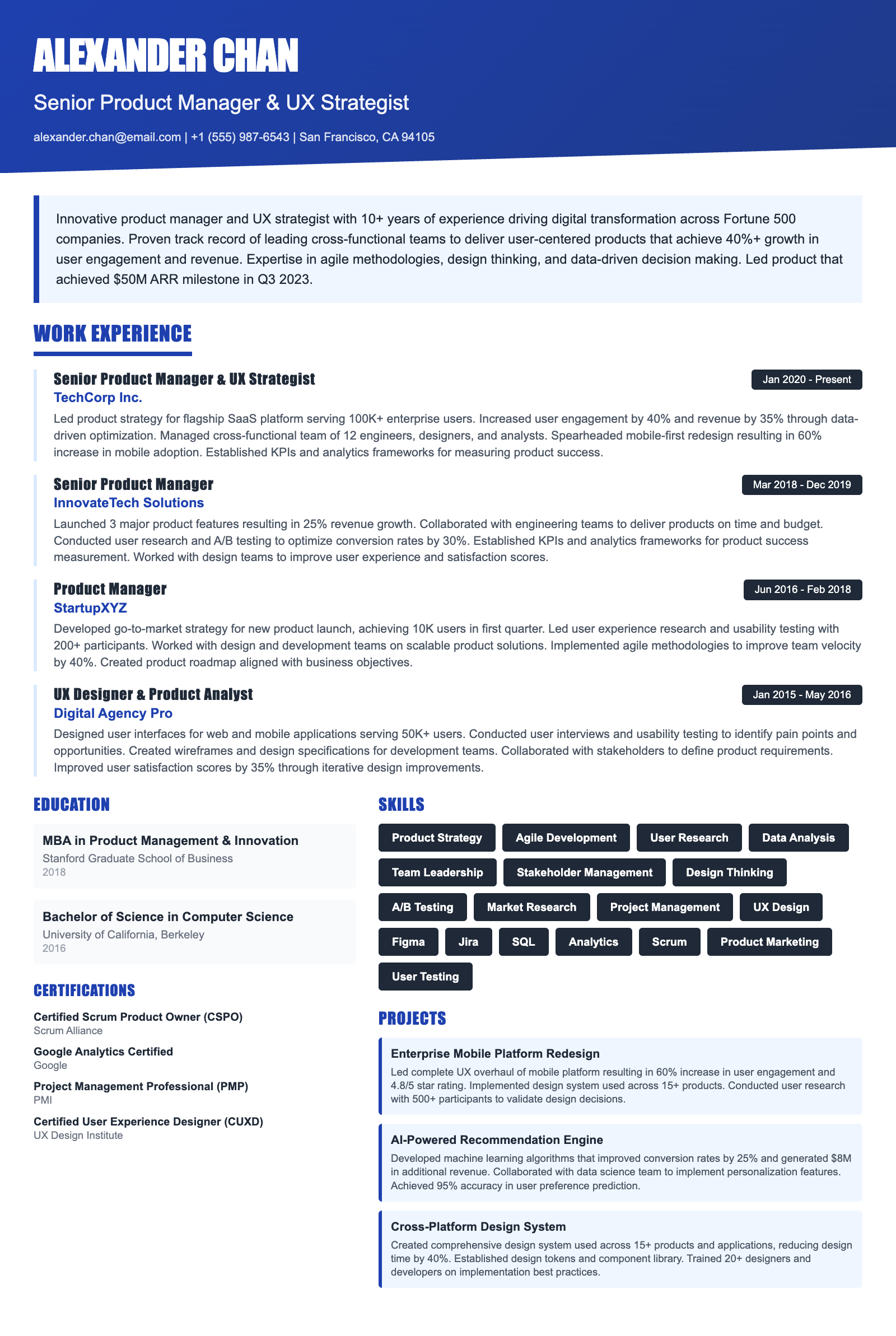
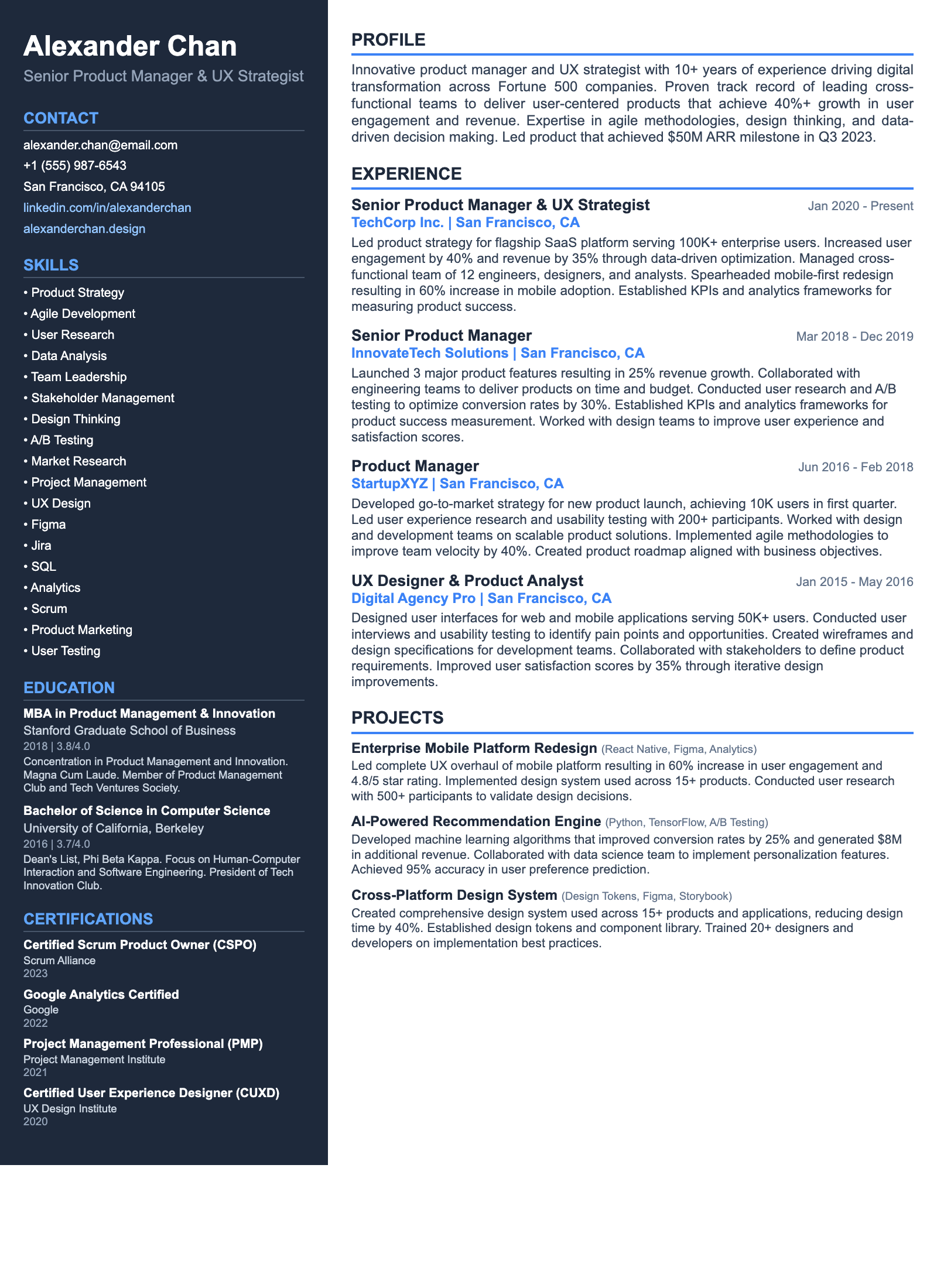
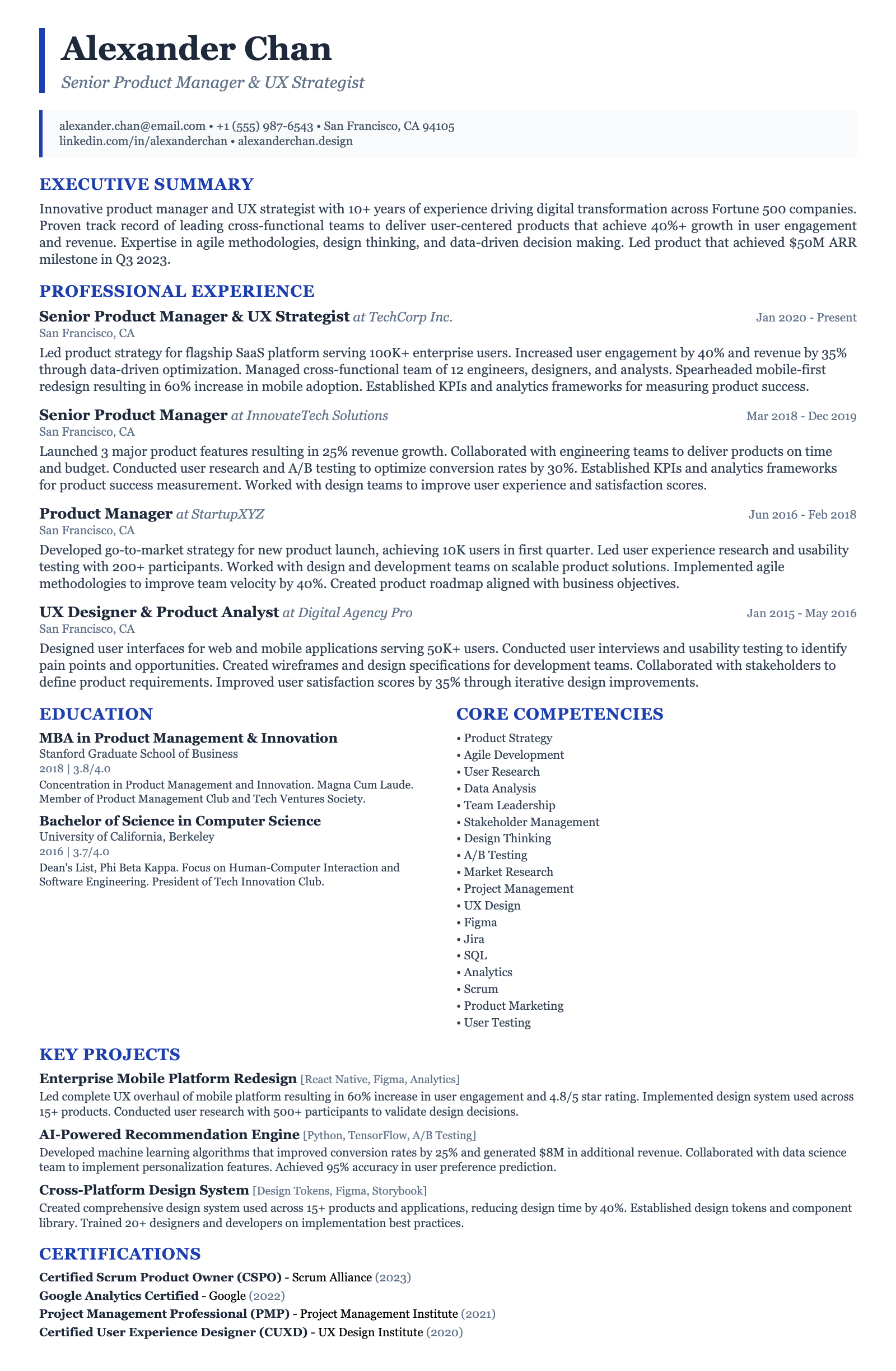
ATS-friendly templates designed specifically for Principal Construction Electrical Engineer positions in the US market.
Frequently Asked Questions

What is the ideal length for a Principal Construction Electrical Engineer resume?

For a Principal-level role, a two-page resume is generally acceptable and often preferred, allowing you to thoroughly showcase your extensive experience and project accomplishments. Focus on the most relevant roles and projects from the past 10-15 years. Ensure your descriptions are concise and quantify your impact using metrics to demonstrate your value. Prioritize information that aligns with the specific requirements of the targeted position.

What are the most important skills to highlight on a Principal Construction Electrical Engineer resume?

Beyond the listed skills (Communication, Time Management, Industry-Standard Tools, Data Analysis, Teamwork, Adaptability, Leadership), emphasize your technical expertise in areas like electrical design, power distribution, lighting systems, control systems, and NEC compliance. Showcase proficiency with tools like AutoCAD, Revit, ETAP, and SKM Power*Tools. Also, include soft skills like problem-solving, critical thinking, and negotiation abilities, particularly in the context of managing complex construction projects and leading teams.

How can I ensure my resume is ATS-friendly?

Use a clean, simple format with clear headings and avoid tables, images, and unusual fonts. Incorporate relevant keywords from the job description throughout your resume, particularly in your skills section and work experience descriptions. Submit your resume as a PDF to preserve formatting while allowing for text extraction. Use standard section headings like 'Summary,' 'Experience,' 'Skills,' and 'Education'.

Are certifications important for a Principal Construction Electrical Engineer resume?

Yes, relevant certifications can significantly enhance your resume. Consider including certifications like Professional Engineer (PE) license, LEED AP, Certified Construction Manager (CCM), or specific certifications related to electrical design or project management (e.g., PMP). Clearly list these certifications in a dedicated section and include the issuing organization and expiration date (if applicable).

What are some common resume mistakes to avoid as a Principal Construction Electrical Engineer?

Avoid using generic language and instead focus on quantifiable achievements. Don't neglect to showcase your leadership experience and project management skills. Failure to tailor your resume to each specific job application is a common mistake. Omitting key skills or relevant experience can also hurt your chances. Ensure that your resume is free of grammatical errors and typos.

How can I showcase my experience if I'm transitioning from a different engineering discipline or industry?

Highlight transferable skills and experiences that are relevant to the Principal Construction Electrical Engineer role. Emphasize projects where you demonstrated leadership, technical expertise, and problem-solving abilities. Consider obtaining relevant certifications or training to bridge any knowledge gaps. In your summary, clearly state your career transition goals and how your skills and experience align with the target role. For instance, detail projects where you utilized ETAP or SKM Power*Tools, even if the overall context was different.

Ready to Build Your Principal Construction Electrical Engineer Resume?

Use our AI-powered resume builder to create an ATS-optimized resume tailored for Principal Construction Electrical Engineer positions in the US market.

Complete Principal Construction Electrical Engineer Career Toolkit

Everything you need for your Principal Construction Electrical Engineer job search — all in one platform.

Why choose ResumeGyani over Zety or Resume.io?

The only platform with AI mock interviews + resume builder + job search + career coaching — all in one.

See comparison

Last updated: March 2026 · Content reviewed by certified resume writers · Optimized for US job market

Principal Construction Electrical Engineer Resume Guide (2026) | ATS-Optimized Template