
ATS-Optimized for US Market

Principal Education Content Writer Career & Resume Guide

As a Principal Education Content Writer, your resume must demonstrate expertise in crafting engaging and effective educational materials that drive learning outcomes. Hiring managers look for a proven track record of developing curricula, learning modules, assessments, and training resources across various educational levels and platforms. Showcase your ability to lead content strategy, manage teams, and analyze data to optimize content performance. Key sections include a compelling summary highlighting your leadership experience, quantifiable achievements in content development (e.g., increased student engagement, improved test scores), and a detailed description of your experience with industry-standard tools such as Articulate 360, Adobe Captivate, and learning management systems (LMS) like Canvas or Blackboard. To stand out, emphasize your understanding of instructional design principles (ADDIE, SAM), accessibility standards (WCAG), and your ability to adapt content to diverse learning styles and audiences. Quantify the impact of your work by including metrics like the number of learners reached, course completion rates, and positive feedback from educators and students. Showcase your leadership experience through specific examples of mentoring junior writers, leading content sprints, and managing cross-functional projects. Demonstrate expertise in data analysis by explaining how you use tools like Google Analytics or Tableau to improve the effectiveness of education content.
Average US Salary: $140k - $220k

Expert Tip: For Principal Education Content Writer positions in the US, recruiters increasingly look for technical execution and adaptability over simple job duties. This guide is tailored to highlight these specific traits to ensure your resume stands out in the competitive Principal Education Content Writer sector.

What US Hiring Managers Look For in a Principal Education Content Writer Resume

When reviewing Principal Education Content Writer candidates, recruiters and hiring managers in the US focus on a few critical areas. Making these elements clear and easy to find on your resume will improve your chances of moving to the interview stage.

  • Relevant experience and impact in Principal Education Content Writer or closely related roles.
  • Clear, measurable achievements (metrics, scope, outcomes) rather than duties.
  • Skills and keywords that match the job description and ATS requirements.
  • Professional formatting and no spelling or grammar errors.
  • Consistency between your resume, LinkedIn, and application.
  • Proficiency in key areas such as Communication, Time Management, Industry-Standard Tools.

Essential Skills for Principal Education Content Writer

Include these keywords in your resume to pass ATS screening and impress recruiters.

Must-Have Skills

  • CriticalCommunication
  • HighTime Management

Technical Skills

  • HighIndustry-Standard Tools
  • MediumData Analysis

Soft Skills

  • CriticalTeamwork
  • HighAdaptability
  • MediumLeadership

A Day in the Life

A Day in the Life of a Principal Content Writer

Arrive early to review metrics or sprint progress. As a Principal Content Writer, you lead the 9 AM stand-up, addressing blockers and setting the strategic direction for handling core responsibilities, collaborating with cross-functional teams, and driving project success within the Education team. 10 AM-1 PM is for high-impact decisions. You're architecting solutions, reviewing critical deliverables, or negotiating priorities with Education stakeholders. Afternoons involve mentorship and cross-org coordination. You're the go-to expert for handling core responsibilities, collaborating with cross-functional teams, and driving project success, ensuring the team's output aligns with company goals. You finish by finalizing quarterly roadmaps or reviewing next steps. At this level in Education, your focus shifts from individual tasks to organizational impact.

Career Progression Path

Level 1

Content Writer I (Entry Level)

Level 2

Content Writer II (Junior)

Level 3

Senior Content Writer

Level 4

Lead Content Writer

Level 5

Content Writer Manager / Director

Interview Questions & Answers

Prepare for your Principal Education Content Writer interview with these commonly asked questions.

Describe a time when you had to lead a team to develop a complex educational content project under a tight deadline. How did you ensure its success?

Medium
Behavioral
Sample Answer
In my previous role, we had to create a new online training module for a major product launch within three weeks. I delegated tasks based on team members' strengths, implemented daily stand-up meetings to track progress, and proactively addressed roadblocks. I also used project management software to visualize progress. I also facilitated cross-functional communication between the writing team, the video production team, and the subject matter experts. We successfully launched the module on time and received positive feedback from users, resulting in a 20% increase in product knowledge among sales representatives. I leveraged Agile methodologies to ensure the project stayed on track.

Explain your approach to designing engaging and effective e-learning content. What instructional design principles do you typically apply?

Medium
Technical
Sample Answer
I typically follow the ADDIE model: Analyze, Design, Develop, Implement, and Evaluate. I begin by understanding the target audience and their learning needs. Then, I design content that is interactive, visually appealing, and aligned with learning objectives. I use tools like Articulate Storyline to create engaging modules with quizzes and simulations. I ensure accessibility compliance (WCAG). After implementation, I collect feedback and data to evaluate the content's effectiveness and make improvements. I also leverage frameworks like Bloom's Taxonomy to ensure content is designed at the correct cognitive level.

How do you measure the effectiveness of your educational content? What metrics do you track, and how do you use data to improve your work?

Medium
Technical
Sample Answer
I track several key metrics, including course completion rates, learner engagement (time spent on modules, quiz scores), and feedback from surveys and focus groups. I use tools like Google Analytics and LMS reporting to collect and analyze data. If I see low completion rates, I investigate whether the content is too difficult, too long, or not engaging enough. I then make adjustments to the content based on my findings, such as simplifying language, adding more visuals, or breaking up long modules into shorter segments. Data analysis is integral to my iterative process.

Describe a time when you had to adapt your content creation style to meet the needs of a diverse audience. What challenges did you face, and how did you overcome them?

Hard
Behavioral
Sample Answer
I once created a training program for a global audience with varying levels of technical expertise and cultural backgrounds. To address this, I conducted thorough research on the target audience and incorporated diverse perspectives into the content. I used clear, concise language, avoided jargon, and included visuals to illustrate complex concepts. I also translated the content into multiple languages and ensured it was culturally sensitive. By understanding and addressing the needs of the diverse audience, we achieved high levels of engagement and positive feedback. I also partnered with local experts to validate the cultural relevancy of the material.

Imagine that a key stakeholder disagrees with your content strategy for a major educational initiative. How would you approach the situation to reach a consensus?

Hard
Situational
Sample Answer
I would start by actively listening to the stakeholder's concerns and trying to understand their perspective. I would then present my content strategy, explaining the rationale behind it and backing it up with data and research. If possible, I would try to find common ground and incorporate some of the stakeholder's suggestions into the strategy. If we still couldn't agree, I would propose conducting a pilot program to test different approaches and gather data to inform our decision. I would ensure that the conversation is focused on the end user needs and learning outcomes.

How do you stay up-to-date with the latest trends and best practices in educational content development and instructional design?

Easy
Behavioral
Sample Answer
I regularly attend industry conferences, webinars, and workshops to learn about new technologies and approaches. I also follow leading educational blogs and publications, such as eLearn Magazine and the Chronicle of Higher Education. I am an active member of online communities and discussion forums where I can exchange ideas with other professionals in the field. I dedicate time each week to explore new features in content authoring tools like Articulate Storyline and Adobe Captivate. I also follow thought leaders on LinkedIn and Twitter.

ATS Optimization Tips

Make sure your resume passes Applicant Tracking Systems used by US employers.

Incorporate industry-specific keywords throughout your resume, such as "curriculum development," "instructional design," "e-learning," and "learning management systems."
Use standard section headings like "Summary," "Experience," "Skills," and "Education" to ensure the ATS can accurately parse your resume.
Quantify your achievements whenever possible, using metrics such as "increased student engagement by 20%" or "developed curriculum for 500+ students."
Optimize your skills section by listing both hard skills (e.g., Articulate Storyline, Adobe Captivate) and soft skills (e.g., communication, collaboration, leadership).
Use a consistent font and formatting throughout your resume. Avoid using tables, images, or special characters that can confuse the ATS.
Tailor your resume to each job description by highlighting the skills and experience most relevant to the specific role.
Save your resume as a PDF file to preserve formatting, but ensure the text is selectable so the ATS can parse it.
Include a link to your professional portfolio or online presence (e.g., LinkedIn profile) to showcase your work and expertise.

Common Resume Mistakes to Avoid

Don't make these errors that get resumes rejected.

1
Failing to quantify achievements; instead of saying "developed curriculum," say "developed curriculum that increased student test scores by 15%."
2
Not tailoring the resume to the specific job description, resulting in a generic application.
3
Listing responsibilities instead of accomplishments; focus on what you achieved, not just what you did.
4
Overusing jargon or acronyms without explanation, making it difficult for recruiters to understand your expertise.
5
Neglecting to highlight leadership experience, which is crucial for a Principal role.
6
Ignoring accessibility standards (WCAG) and failing to demonstrate experience in creating accessible content.
7
Submitting a resume with grammatical errors or typos, reflecting poorly on your attention to detail.
8
Omitting data analysis skills, which are essential for optimizing content performance and measuring learning outcomes.

Industry Outlook

The US Education sector is experiencing steady growth. Principal Content Writers are particularly sought after, with the Bureau of Labor Statistics projecting average job growth through 2030. Peak hiring occurs in Q1 (January-March) and Q3 (August-September).

Top Hiring Companies

Industry LeadersRegional FirmsFast-Growing Companies

Recommended Resume Templates

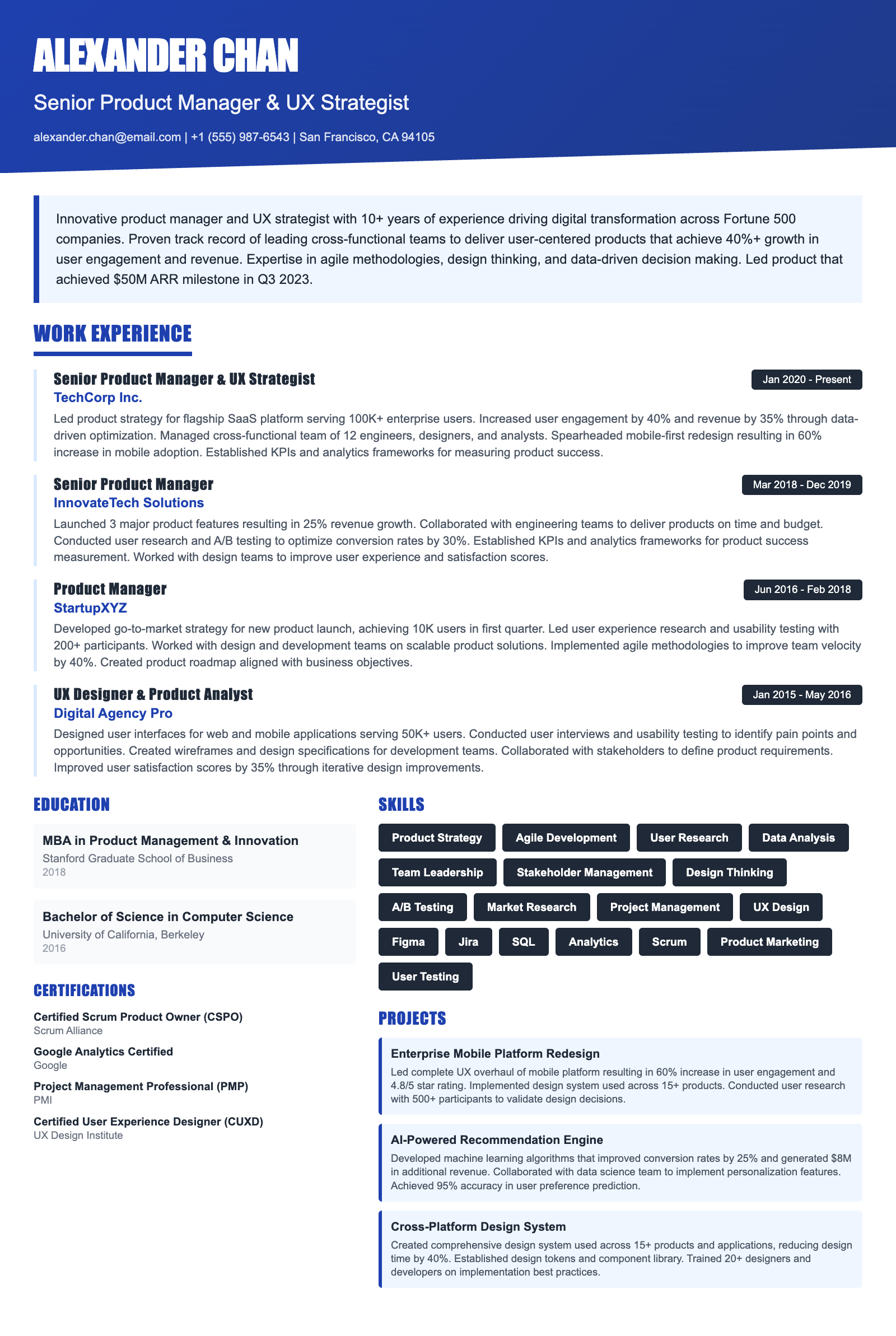
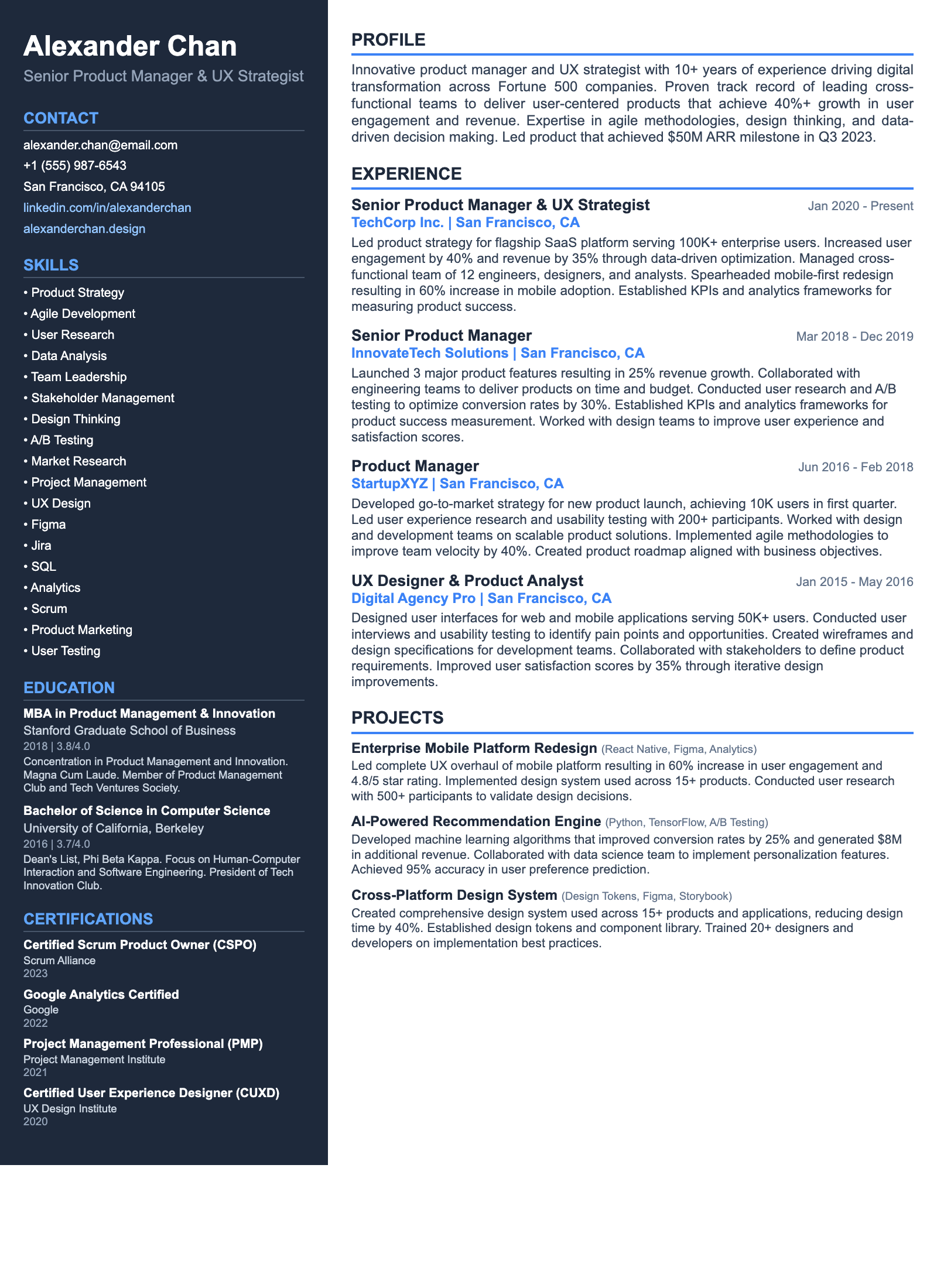
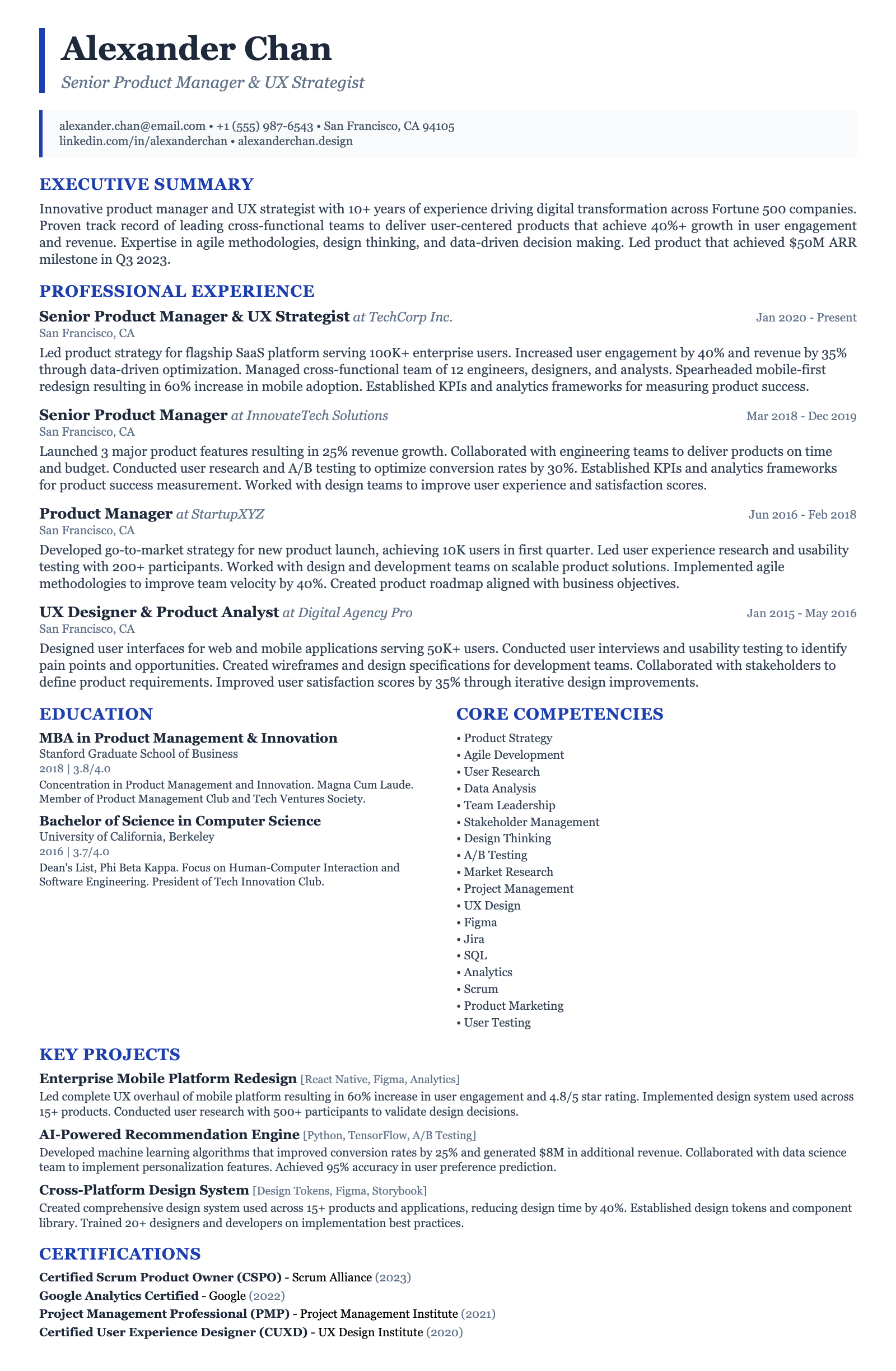
ATS-friendly templates designed specifically for Principal Education Content Writer positions in the US market.
Frequently Asked Questions

What is the ideal length for a Principal Education Content Writer resume?

Ideally, your resume should be no more than two pages. Prioritize your most relevant and impactful experiences, focusing on projects where you demonstrated leadership, data-driven decision-making, and expertise in educational content development. Use concise language and quantifiable achievements to maximize the space.

What are the most important skills to highlight on my resume?

Highlight your communication skills by showcasing your ability to create clear and engaging content for diverse audiences. Emphasize your proficiency with industry-standard tools like Articulate Storyline, Adobe Creative Suite, and various LMS platforms. Data analysis skills are also crucial; demonstrate your ability to interpret data to optimize content performance and measure learning outcomes. Leadership and teamwork are also essential to highlight. Showcase how you mentor junior writers.

How can I ensure my resume is ATS-friendly?

Use a clean, simple format with clear headings and bullet points. Avoid tables, images, and unusual fonts, as these can confuse ATS systems. Incorporate relevant keywords from the job description, such as "instructional design," "curriculum development," and "learning management systems." Save your resume as a .doc or .pdf file, depending on the application instructions.

Are there any certifications that would be beneficial to include on my resume?

While not always required, certifications in instructional design or educational technology can strengthen your resume. Consider certifications like the Certified Professional in Training Management (CPTM), Certified Instructional Designer (CID), or certifications related to specific software like Articulate Storyline or Adobe Captivate. Mentioning certifications demonstrates a commitment to professional development.

What are some common mistakes to avoid when writing a Principal Education Content Writer resume?

Avoid generic descriptions of your responsibilities. Instead, quantify your achievements and highlight the impact of your work using metrics. Do not neglect to tailor your resume to each specific job application. Always proofread carefully for errors in grammar and spelling. Overusing jargon or acronyms without explanation can confuse recruiters. Also, do not forget to showcase your leadership roles and impact.

How can I showcase my experience if I'm transitioning from a related field, such as teaching or educational publishing?

Highlight transferable skills such as curriculum development, instructional design, and content creation. Emphasize projects where you developed educational materials, assessed learning outcomes, or used educational technology. Frame your experience in terms of the skills and qualifications required for the Principal Education Content Writer role, even if your previous title was different. Highlight any data analysis skills you gained in your previous role.

Ready to Build Your Principal Education Content Writer Resume?

Use our AI-powered resume builder to create an ATS-optimized resume tailored for Principal Education Content Writer positions in the US market.

Complete Principal Education Content Writer Career Toolkit

Everything you need for your Principal Education Content Writer job search — all in one platform.

Why choose ResumeGyani over Zety or Resume.io?

The only platform with AI mock interviews + resume builder + job search + career coaching — all in one.

See comparison

Last updated: March 2026 · Content reviewed by certified resume writers · Optimized for US job market