
ATS-Optimized for US Market

Principal Finance Data Analyst Career & Resume Guide

As a Principal Finance Data Analyst, you are responsible for leading data-driven financial insights and strategic decision-making. Your resume needs to showcase your expertise in analyzing complex financial datasets, developing predictive models, and communicating actionable recommendations to senior leadership. Hiring managers seek candidates who possess a strong understanding of financial principles, advanced analytical skills, and the ability to translate data into tangible business outcomes. Key sections of your resume should include a compelling summary highlighting your experience and accomplishments, a detailed work history showcasing your impact in previous roles, and a skills section emphasizing your technical proficiency and soft skills. To stand out, quantify your achievements whenever possible, using metrics to demonstrate the value you've brought to previous organizations. Mention specific financial software and programming languages you're proficient in, such as SQL, Python (with libraries like Pandas and NumPy), R, Tableau, Power BI, and financial planning systems like SAP or Oracle. Highlight your experience with financial modeling techniques, forecasting methodologies, and variance analysis. Demonstrate your understanding of US GAAP and other relevant accounting standards. Emphasize your leadership experience, particularly in mentoring junior analysts and leading cross-functional projects. Showcase projects where you drove cost savings, revenue growth, or improved profitability through data analysis. Finally, tailor your resume to each specific job application, highlighting the skills and experiences most relevant to the role.
Average US Salary: $196k - $330k

Expert Tip: For Principal Finance Data Analyst positions in the US, recruiters increasingly look for technical execution and adaptability over simple job duties. This guide is tailored to highlight these specific traits to ensure your resume stands out in the competitive Principal Finance Data Analyst sector.

What US Hiring Managers Look For in a Principal Finance Data Analyst Resume

When reviewing Principal Finance Data Analyst candidates, recruiters and hiring managers in the US focus on a few critical areas. Making these elements clear and easy to find on your resume will improve your chances of moving to the interview stage.

  • Relevant experience and impact in Principal Finance Data Analyst or closely related roles.
  • Clear, measurable achievements (metrics, scope, outcomes) rather than duties.
  • Skills and keywords that match the job description and ATS requirements.
  • Professional formatting and no spelling or grammar errors.
  • Consistency between your resume, LinkedIn, and application.
  • Proficiency in key areas such as Communication, Time Management, Excel/Financial Software.

Essential Skills for Principal Finance Data Analyst

Include these keywords in your resume to pass ATS screening and impress recruiters.

Must-Have Skills

  • CriticalCommunication
  • HighTime Management

Technical Skills

  • HighExcel/Financial Software
  • MediumData Analysis

Soft Skills

  • CriticalTeamwork
  • HighAdaptability
  • MediumLeadership

A Day in the Life

A Day in the Life of a Principal Data Analyst

Arrive early to review metrics or sprint progress. As a Principal Data Analyst, you lead the 9 AM stand-up, addressing blockers and setting the strategic direction for writing SQL queries, cleaning messy datasets, and building interactive dashboards for stakeholders within the Finance team. 10 AM-1 PM is for high-impact decisions. You're architecting solutions, reviewing critical deliverables, or negotiating priorities with Finance stakeholders. Afternoons involve mentorship and cross-org coordination. You're the go-to expert for writing SQL queries, cleaning messy datasets, and building interactive dashboards for stakeholders, ensuring the team's output aligns with company goals. You finish by finalizing quarterly roadmaps or reviewing next steps. At this level in Finance, your focus shifts from individual tasks to organizational impact.

Career Progression Path

Level 1

Data Analyst I (Entry Level)

Level 2

Data Analyst II (Junior)

Level 3

Senior Data Analyst

Level 4

Lead Data Analyst

Level 5

Data Analyst Manager / Director

Interview Questions & Answers

Prepare for your Principal Finance Data Analyst interview with these commonly asked questions.

Tell me about a time you handled a challenging situation as a Data Analyst.

Medium
Behavioral
Sample Answer
Use the STAR method: Situation (context in Finance), Task (your responsibility), Action (specific steps you took), Result (quantified outcome, e.g., '15% cost reduction' or 'resolved in 24 hours'). For Principal roles, emphasize ownership and collaboration.

What are your salary expectations for a Principal Data Analyst in Finance?

Medium
Compensation
Sample Answer
Based on industry benchmarks, Principal Data Analysts in the US Finance sector typically earn $196k - $330k. I'm looking for a package in this range, but I'm flexible based on total compensation including benefits, PTO, and growth opportunities.

Describe a time you identified a financial discrepancy or error.

Hard
Technical
Sample Answer
I use a double-verification process for all ledgers and reconciliations. Once, I noticed a 0.3% variance in quarterly reports that led to discovering a systematic invoicing error. I documented findings, escalated to management, corrected historical data, and implemented automated checks to prevent recurrence, saving the firm over $40K annually.

How do you stay current with changing financial regulations?

Medium
Professional Development
Sample Answer
I subscribe to industry publications (WSJ, Bloomberg), attend webinars hosted by regulatory bodies (SEC, FINRA), participate in professional associations (CFA Institute), and work closely with our legal/compliance team to ensure all Data Analyst processes align with current laws.

How do you mentor junior Data Analysts and foster team growth?

Medium
Leadership
Sample Answer
I schedule regular 1-on-1s, set clear expectations, provide constructive feedback in real-time, champion their wins publicly, and create opportunities for skill development through stretch assignments. I believe in servant leadership - my role is to unblock them and create an environment where they can excel.

ATS Optimization Tips

Make sure your resume passes Applicant Tracking Systems used by US employers.

Incorporate industry-specific keywords. For example, include terms like "financial modeling," "variance analysis," "forecasting," "budgeting," and specific financial software names.
Use standard section headings like "Summary," "Experience," "Skills," and "Education." ATS systems are programmed to recognize these headings and extract information accordingly.
Quantify your accomplishments with numbers and metrics. ATS systems often look for quantifiable results to gauge your impact in previous roles. For example, mention cost savings, revenue growth, or improved efficiency.
List your skills in a dedicated skills section. Separate technical skills from soft skills for clarity. Ensure the skills listed match the requirements outlined in the job description.
Use a chronological or combination resume format. These formats are generally easier for ATS systems to parse than functional resumes.
Save your resume as a PDF file. PDF format preserves the formatting of your resume and ensures that it is displayed correctly across different devices and operating systems. Most ATS systems can process PDFs.
Include a link to your LinkedIn profile. This allows recruiters to easily access additional information about your background and experience.
Tailor your resume to each job application. Customize your resume to highlight the skills and experiences most relevant to the specific role. This will increase your chances of getting past the ATS and into the hands of a human recruiter.

Common Resume Mistakes to Avoid

Don't make these errors that get resumes rejected.

1
Failing to quantify achievements. Instead of saying "Improved forecasting accuracy," say "Improved forecasting accuracy by 15%, resulting in a 5% reduction in inventory costs."
2
Listing responsibilities instead of accomplishments. Don't just say "Managed financial reporting"; say "Led the monthly financial reporting process, ensuring timely and accurate submission of reports to senior management."
3
Using generic buzzwords without providing context. Avoid terms like "synergy" or "think outside the box." Instead, provide specific examples of how you demonstrated these qualities.
4
Omitting key technical skills. If you're proficient in SQL, Python, or Tableau, make sure to include them in your skills section. These are essential tools for Principal Finance Data Analysts.
5
Not tailoring your resume to the specific job description. Review the job description carefully and highlight the skills and experiences most relevant to the role.
6
Having grammatical errors or typos. Proofread your resume carefully before submitting it. Even small errors can make a negative impression.
7
Using an outdated resume format. Avoid using overly creative or unconventional formats, as these can be difficult for ATS systems to parse.
8
Not highlighting leadership experience. As a Principal-level analyst, you're expected to have leadership experience. Showcase your ability to mentor junior analysts, lead projects, and influence decision-making.

Industry Outlook

The US Finance sector is experiencing steady growth. Principal Data Analysts are particularly sought after, with the Bureau of Labor Statistics projecting average job growth through 2030. Peak hiring occurs in Q1 (January-March) and Q3 (August-September).

Top Hiring Companies

JP MorganGoldman SachsFidelityFinTech Startups

Recommended Resume Templates

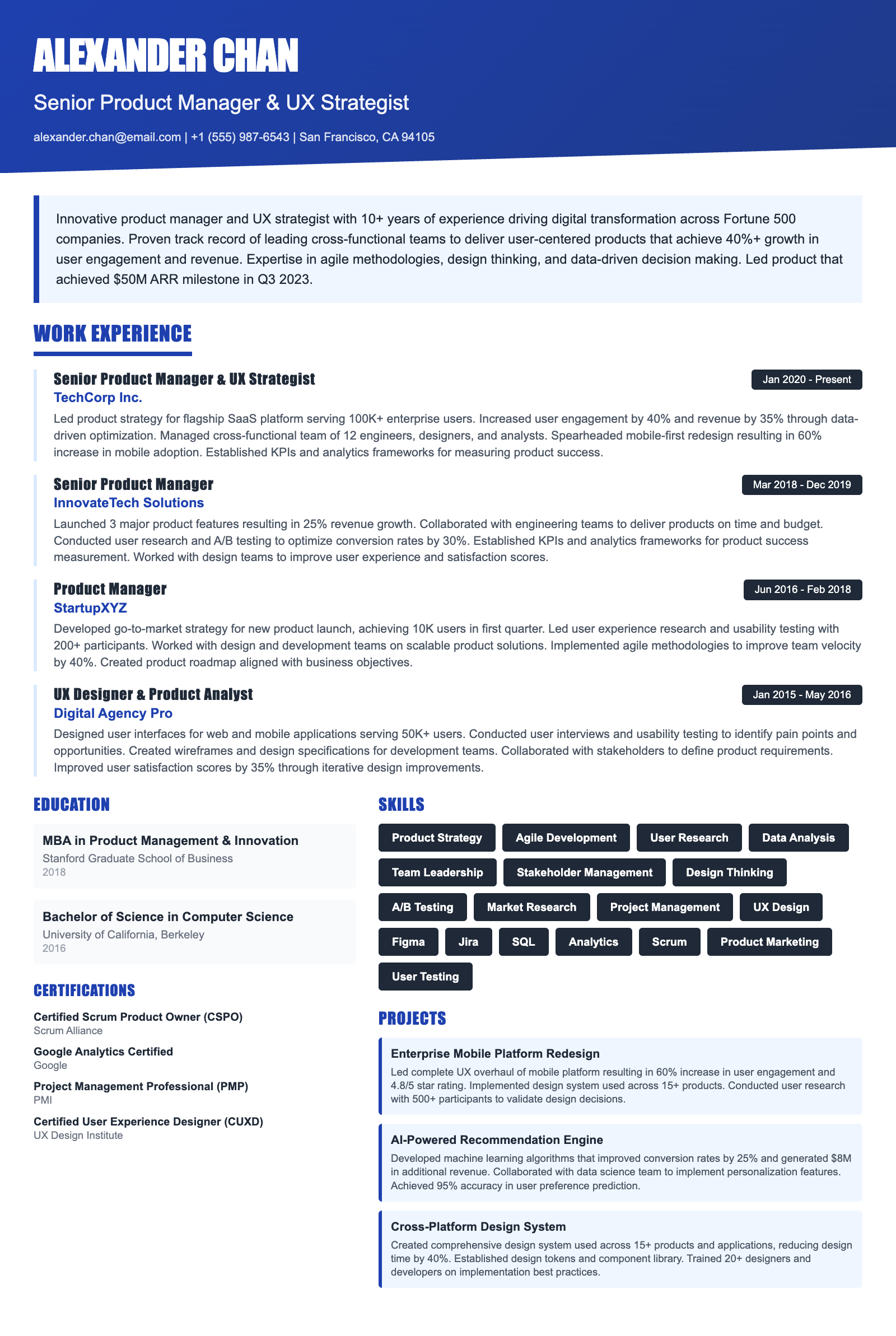
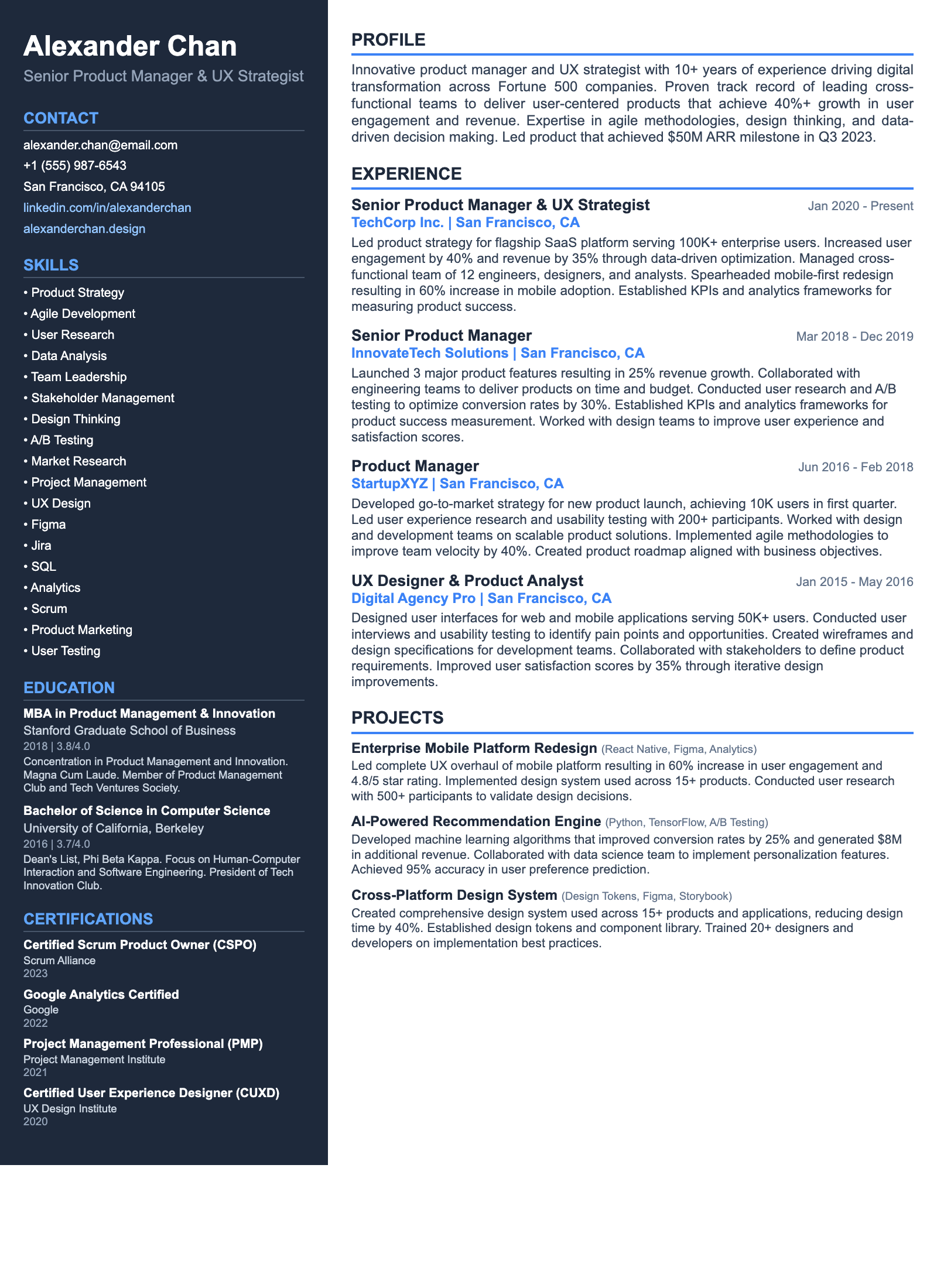
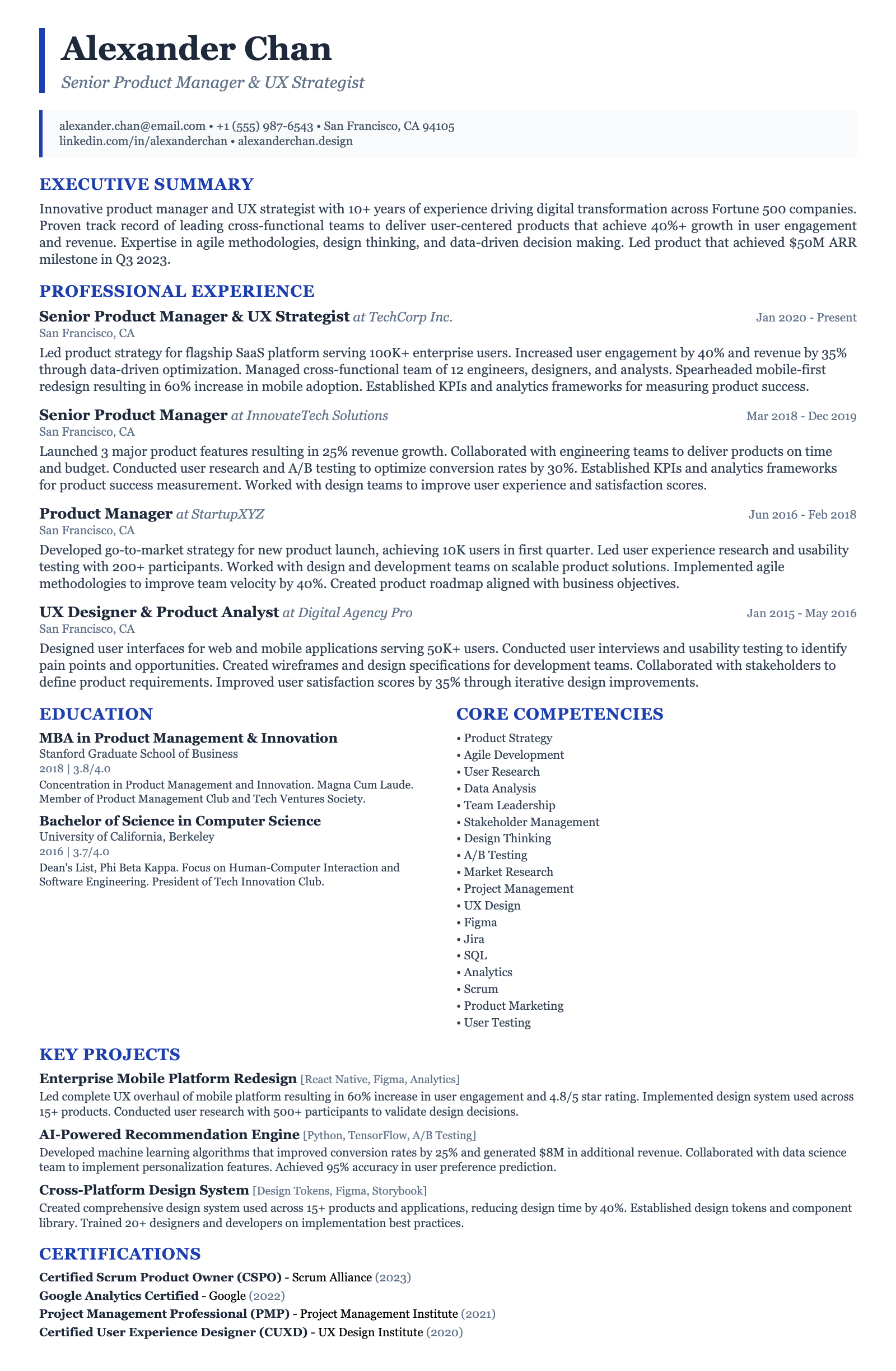
ATS-friendly templates designed specifically for Principal Finance Data Analyst positions in the US market.
Frequently Asked Questions

How long should my Principal Finance Data Analyst resume be?

Ideally, your resume should be no more than two pages long. Focus on the most relevant and impactful experiences and skills. As a Principal-level professional, recruiters expect a rich work history but prioritize clarity and conciseness. Use bullet points to summarize achievements and quantify your impact whenever possible. Prioritize experience in roles such as financial modeling, forecasting, and strategic planning.

What are the most important skills to highlight on my resume?

Emphasize both technical and soft skills. Technical skills include proficiency in Excel (including advanced functions and VBA), SQL, Python (Pandas, NumPy, Scikit-learn), R, data visualization tools like Tableau and Power BI, and experience with financial planning systems (e.g., SAP, Oracle). Soft skills like communication, leadership, problem-solving, and teamwork are also crucial. Showcase your ability to present complex financial data to non-technical audiences and collaborate effectively with cross-functional teams.

How can I optimize my resume for Applicant Tracking Systems (ATS)?

Use a clean, simple format with clear headings and bullet points. Avoid using tables, images, or unusual fonts, as these can confuse ATS systems. Incorporate relevant keywords from the job description throughout your resume, particularly in the skills and experience sections. Save your resume as a PDF to preserve formatting. Tools like Jobscan can help you analyze your resume's ATS compatibility.

Are certifications important for Principal Finance Data Analyst roles?

Certifications can enhance your resume, but relevant experience is paramount. Consider certifications such as the Chartered Financial Analyst (CFA), Certified Management Accountant (CMA), or certifications in data analytics tools (e.g., Microsoft Certified: Data Analyst Associate). Certifications demonstrate your commitment to professional development and can help you stand out from other candidates. Mention any relevant coursework or projects completed during your certification programs.

What are some common resume mistakes to avoid?

Avoid generic statements and focus on quantifiable achievements. Don't simply list your responsibilities; instead, highlight the impact you made in each role. Ensure your resume is free of grammatical errors and typos. Avoid using subjective terms like "highly motivated" or "results-oriented." Tailor your resume to each specific job application, highlighting the most relevant skills and experiences. Don't omit relevant projects from your resume.

How should I address a career transition on my resume?

If you're transitioning from a different field, focus on transferable skills and experiences. Highlight any relevant coursework, projects, or volunteer work that demonstrate your interest in finance data analysis. Clearly articulate your reasons for making the career change in your cover letter. Consider taking online courses or certifications to demonstrate your commitment to learning new skills. For example, highlight any experience with statistical modeling, financial reporting, or database management.

Ready to Build Your Principal Finance Data Analyst Resume?

Use our AI-powered resume builder to create an ATS-optimized resume tailored for Principal Finance Data Analyst positions in the US market.

Complete Principal Finance Data Analyst Career Toolkit

Everything you need for your Principal Finance Data Analyst job search — all in one platform.

Why choose ResumeGyani over Zety or Resume.io?

The only platform with AI mock interviews + resume builder + job search + career coaching — all in one.

See comparison

Last updated: March 2026 · Content reviewed by certified resume writers · Optimized for US job market

Principal Finance Data Analyst Resume Guide (2026) | ATS-Optimized Template