
ATS-Optimized for US Market

Principal Hospitality Architect Career & Resume Guide

As a Principal Hospitality Architect, your resume needs to showcase expertise in designing, developing, and implementing architectural solutions specifically tailored for the hospitality sector. You must demonstrate proficiency in aligning architectural designs with business objectives, enhancing guest experiences, and optimizing operational efficiency. Hiring managers seek candidates with a proven track record of leading complex projects from inception to completion, possessing deep knowledge of industry-specific regulations and sustainability practices. Key resume sections include a compelling professional summary highlighting your leadership and strategic vision, detailed project descriptions demonstrating your impact on revenue generation and cost reduction, and a comprehensive skills section emphasizing both technical and soft skills. To stand out, quantify your accomplishments with metrics (e.g., reduced energy consumption by X%, increased guest satisfaction scores by Y%), showcase your expertise with industry-standard tools like Revit, AutoCAD, and BIM 360, and highlight your experience with hospitality-specific frameworks such as LEED certification and accessibility compliance (ADA). Emphasize your ability to collaborate effectively with cross-functional teams, including interior designers, construction managers, and hotel operators. Your resume should clearly convey your understanding of the unique challenges and opportunities within the hospitality industry, such as adapting designs to reflect brand identity, optimizing space utilization, and integrating technology to enhance the guest experience. Demonstrate how your leadership and architectural skills contribute to creating innovative and sustainable hospitality environments.
Average US Salary: $140k - $220k

Expert Tip: For Principal Hospitality Architect positions in the US, recruiters increasingly look for technical execution and adaptability over simple job duties. This guide is tailored to highlight these specific traits to ensure your resume stands out in the competitive Principal Hospitality Architect sector.

What US Hiring Managers Look For in a Principal Hospitality Architect Resume

When reviewing Principal Hospitality Architect candidates, recruiters and hiring managers in the US focus on a few critical areas. Making these elements clear and easy to find on your resume will improve your chances of moving to the interview stage.

  • Relevant experience and impact in Principal Hospitality Architect or closely related roles.
  • Clear, measurable achievements (metrics, scope, outcomes) rather than duties.
  • Skills and keywords that match the job description and ATS requirements.
  • Professional formatting and no spelling or grammar errors.
  • Consistency between your resume, LinkedIn, and application.
  • Proficiency in key areas such as Communication, Time Management, Industry-Standard Tools.

Essential Skills for Principal Hospitality Architect

Include these keywords in your resume to pass ATS screening and impress recruiters.

Must-Have Skills

  • CriticalCommunication
  • HighTime Management

Technical Skills

  • HighIndustry-Standard Tools
  • MediumData Analysis

Soft Skills

  • CriticalTeamwork
  • HighAdaptability
  • MediumLeadership

A Day in the Life

A Day in the Life of a Principal Architect

Arrive early to review metrics or sprint progress. As a Principal Architect, you lead the 9 AM stand-up, addressing blockers and setting the strategic direction for handling core responsibilities, collaborating with cross-functional teams, and driving project success within the Hospitality team. 10 AM-1 PM is for high-impact decisions. You're architecting solutions, reviewing critical deliverables, or negotiating priorities with Hospitality stakeholders. Afternoons involve mentorship and cross-org coordination. You're the go-to expert for handling core responsibilities, collaborating with cross-functional teams, and driving project success, ensuring the team's output aligns with company goals. You finish by finalizing quarterly roadmaps or reviewing next steps. At this level in Hospitality, your focus shifts from individual tasks to organizational impact.

Career Progression Path

Level 1

Architect I (Entry Level)

Level 2

Architect II (Junior)

Level 3

Senior Architect

Level 4

Lead Architect

Level 5

Architect Manager / Director

Interview Questions & Answers

Prepare for your Principal Hospitality Architect interview with these commonly asked questions.

Describe a time when you had to manage conflicting priorities on a hospitality project. How did you ensure the project stayed on track?

Medium
Behavioral
Sample Answer
In my previous role at [Previous Company Name], we were tasked with renovating a hotel lobby while simultaneously designing a new restaurant space. Both projects had tight deadlines and limited resources. I implemented a prioritization matrix based on revenue impact and guest satisfaction. I held daily stand-up meetings with the project teams to track progress and identify potential roadblocks. By proactively communicating with stakeholders and making data-driven decisions, we successfully completed both projects on time and within budget, resulting in a 20% increase in guest satisfaction scores.

How do you stay up-to-date with the latest trends and technologies in hospitality architecture?

Easy
Behavioral
Sample Answer
I am a member of the American Institute of Architects (AIA) and regularly attend industry conferences and workshops. I subscribe to relevant publications such as 'Hospitality Design' and 'Architectural Record'. I also participate in online forums and webinars to learn about emerging technologies and best practices. Recently, I completed a course on sustainable design using BIM, which has enhanced my ability to create environmentally friendly and efficient hospitality spaces.

Explain your experience with accessibility compliance (ADA) in hospitality design. Provide a specific example.

Medium
Technical
Sample Answer
I have extensive experience ensuring that hospitality designs comply with ADA regulations. In my previous project at [Previous Company Name], we designed a new hotel wing with fully accessible rooms, including wider doorways, grab bars in bathrooms, and lowered countertops. I worked closely with accessibility consultants to ensure that all design elements met or exceeded ADA standards. As a result, the hotel received positive feedback from guests with disabilities and avoided potential legal issues.

Describe a situation where you had to convince a client to adopt a more sustainable design approach. What strategies did you use?

Hard
Situational
Sample Answer
In a recent project for a luxury resort, the client was initially hesitant to invest in sustainable design features due to cost concerns. I presented a comprehensive cost-benefit analysis demonstrating the long-term financial advantages of sustainable design, including reduced energy consumption and water usage. I also highlighted the positive impact on the resort's brand image and its ability to attract environmentally conscious guests. Ultimately, the client agreed to incorporate several sustainable features, resulting in LEED Gold certification and significant cost savings over the long term.

Walk me through your process for developing a design concept for a new hotel. What factors do you consider?

Medium
Technical
Sample Answer
My process begins with a thorough understanding of the client's vision, target market, and budget. I conduct site analysis to identify potential challenges and opportunities. I research local building codes and regulations. I then develop a design concept that aligns with the client's objectives, enhances the guest experience, and optimizes operational efficiency. I create preliminary sketches and renderings to visualize the design and gather feedback from stakeholders. Throughout the process, I prioritize collaboration, communication, and attention to detail.

How do you handle disagreements or conflicts within a project team?

Easy
Behavioral
Sample Answer
I believe that open communication and mutual respect are essential for resolving conflicts within a project team. When disagreements arise, I facilitate a constructive dialogue to understand each team member's perspective. I encourage team members to focus on the project goals and find solutions that benefit the entire team. If necessary, I mediate the discussion and help the team reach a consensus. I also emphasize the importance of documenting decisions and communicating them clearly to all stakeholders.

ATS Optimization Tips

Make sure your resume passes Applicant Tracking Systems used by US employers.

Incorporate industry-specific keywords such as 'LEED', 'ADA Compliance', 'BIM', 'Revit', 'AutoCAD', and 'Hospitality Design' throughout your resume.
Use clear and concise section headings like 'Professional Experience', 'Skills', and 'Education' to help ATS systems parse the information correctly.
Format your skills section with a bulleted list of technical and soft skills, making it easy for ATS to identify relevant qualifications.
Quantify your achievements with metrics (e.g., 'Reduced energy consumption by 15%') to demonstrate the impact of your work.
Use a chronological or combination resume format to showcase your career progression and highlight relevant experience.
Save your resume as a PDF file to preserve formatting and ensure that the ATS can accurately read the content.
Tailor your resume to each specific job description by incorporating keywords and skills mentioned in the job posting.
Ensure your contact information is clearly visible and easily accessible at the top of your resume.

Common Resume Mistakes to Avoid

Don't make these errors that get resumes rejected.

1
Failing to quantify accomplishments with metrics, making it difficult to assess the impact of your work.
2
Using generic descriptions of project responsibilities instead of highlighting specific contributions and results.
3
Neglecting to tailor your resume to each specific job application, resulting in a lack of relevance.
4
Omitting key skills and keywords that are essential for the Principal Hospitality Architect role.
5
Using a cluttered or visually distracting resume format that makes it difficult for hiring managers to scan.
6
Not highlighting experience with industry-specific software and tools such as Revit, AutoCAD, and BIM 360.
7
Failing to demonstrate an understanding of hospitality-specific design principles and regulations (e.g., ADA compliance, LEED certification).
8
Not showcasing leadership experience or the ability to manage complex architectural projects.

Industry Outlook

The US Hospitality sector is experiencing steady growth. Principal Architects are particularly sought after, with the Bureau of Labor Statistics projecting average job growth through 2030. Peak hiring occurs in Q1 (January-March) and Q3 (August-September).

Top Hiring Companies

Industry LeadersRegional FirmsFast-Growing Companies

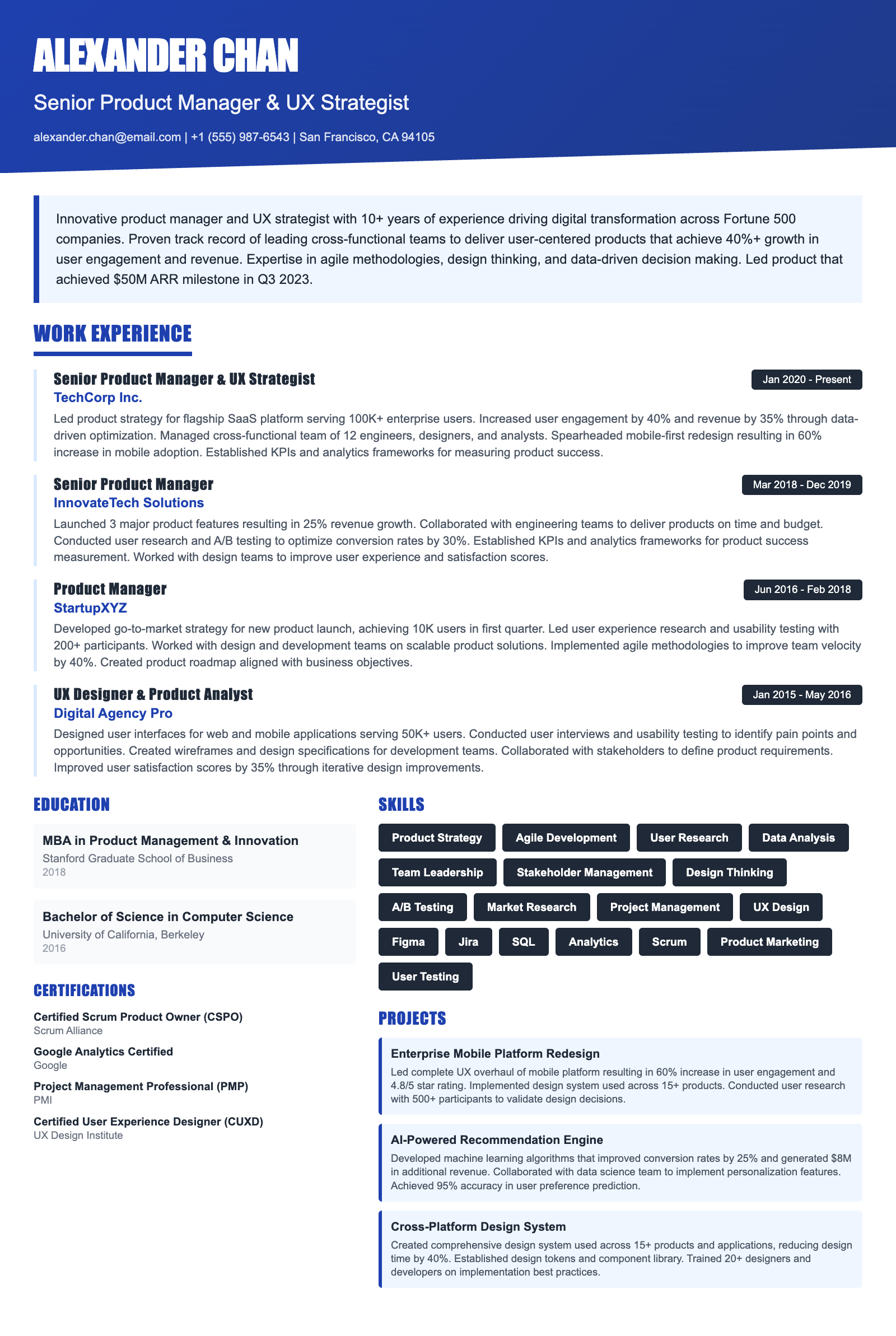
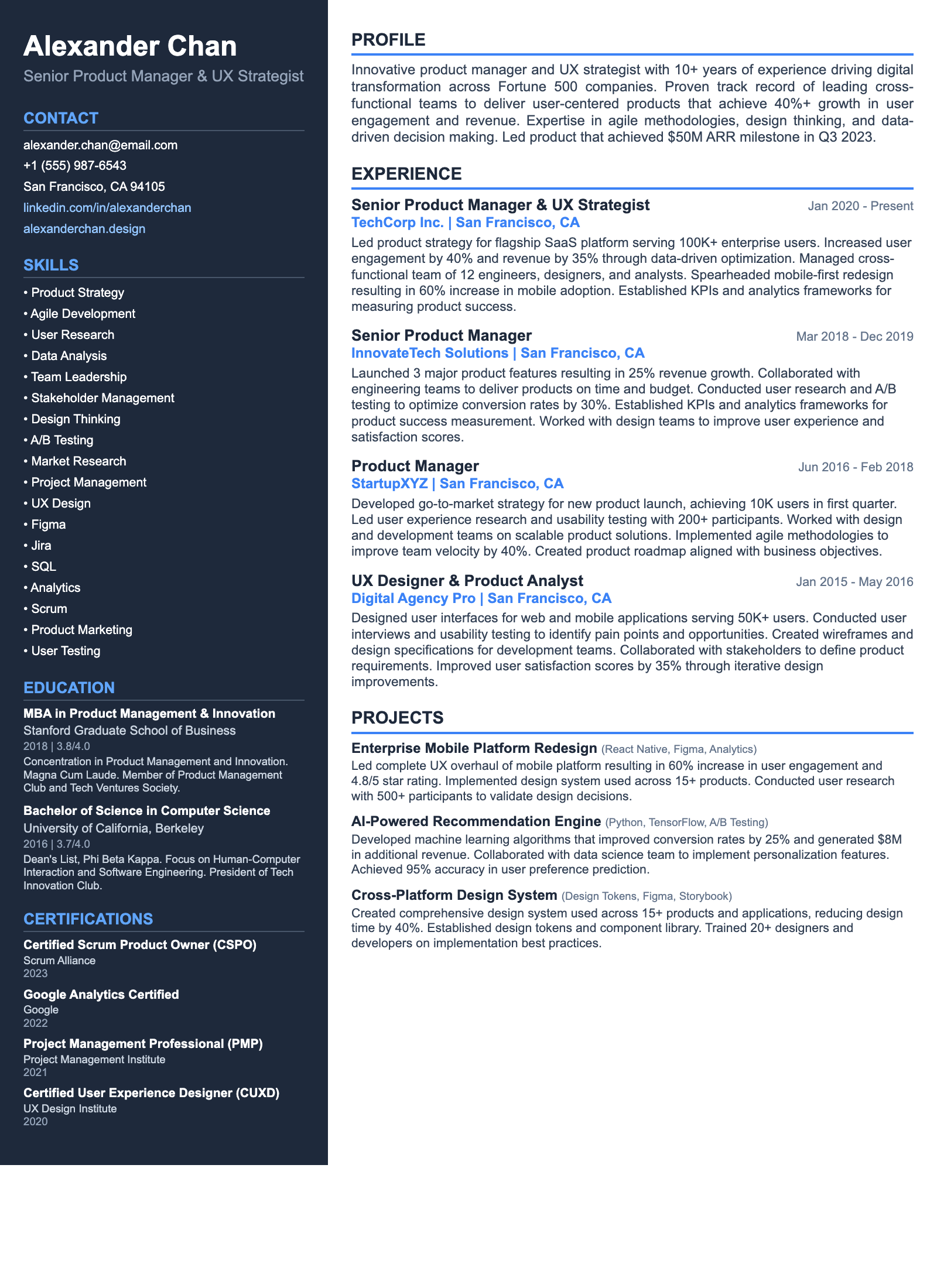
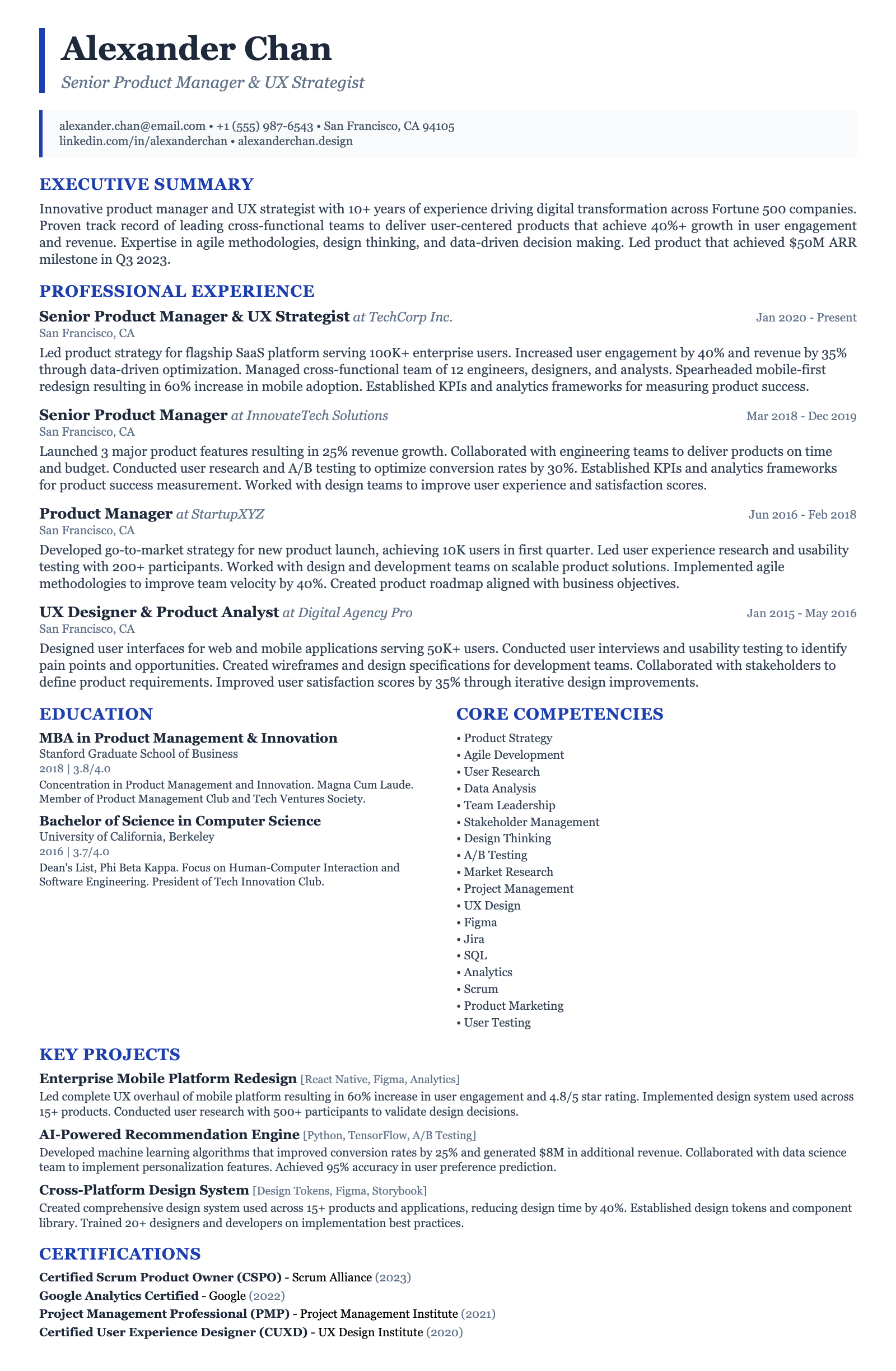
Recommended Resume Templates

ATS-friendly templates designed specifically for Principal Hospitality Architect positions in the US market.
Frequently Asked Questions

How long should my Principal Hospitality Architect resume be?

Ideally, your resume should be no more than two pages long. Focus on the most relevant experiences and accomplishments that demonstrate your expertise in hospitality architecture. Prioritize projects and roles where you led significant architectural initiatives, managed budgets effectively, and improved guest experiences. Ensure each bullet point adds value and quantifies your impact using metrics.

What key skills should I highlight on my resume?

Emphasize both technical and soft skills. Technical skills include proficiency in Revit, AutoCAD, BIM 360, and other industry-standard tools. Highlight your knowledge of accessibility compliance (ADA), LEED certification, and relevant building codes. Soft skills such as communication, leadership, teamwork, and problem-solving are crucial for collaborating with cross-functional teams and managing client relationships.

How can I ensure my resume is ATS-friendly?

Use a clean, simple format with clear headings and bullet points. Avoid tables, images, and unusual fonts. Incorporate relevant keywords from the job description throughout your resume, especially in your skills section and project descriptions. Submit your resume as a PDF to preserve formatting while remaining ATS-compatible.

Are certifications important for Principal Hospitality Architect roles?

Yes, certifications can significantly enhance your resume. LEED AP accreditation demonstrates your commitment to sustainable design practices, while certifications in project management (e.g., PMP) showcase your ability to lead complex projects. Professional registration as an architect (AIA) is often a requirement for senior roles. Highlight any relevant certifications prominently on your resume.

What are some common resume mistakes to avoid?

Avoid generic descriptions of your responsibilities. Instead, quantify your accomplishments with metrics to demonstrate your impact. Don't neglect to tailor your resume to each specific job application. Ensure your resume is free of grammatical errors and typos. Avoid listing irrelevant experiences or skills that don't align with the requirements of the role.

How can I transition to a Principal Hospitality Architect role from a related field?

Highlight relevant experience from your previous roles that aligns with the requirements of a Principal Hospitality Architect. Showcase projects where you demonstrated leadership, managed budgets, and collaborated with cross-functional teams. Emphasize your understanding of the hospitality industry and your ability to create innovative and sustainable designs. Consider obtaining certifications such as LEED AP or PMP to demonstrate your commitment to the field.

Ready to Build Your Principal Hospitality Architect Resume?

Use our AI-powered resume builder to create an ATS-optimized resume tailored for Principal Hospitality Architect positions in the US market.

Complete Principal Hospitality Architect Career Toolkit

Everything you need for your Principal Hospitality Architect job search — all in one platform.

Why choose ResumeGyani over Zety or Resume.io?

The only platform with AI mock interviews + resume builder + job search + career coaching — all in one.

See comparison

Last updated: March 2026 · Content reviewed by certified resume writers · Optimized for US job market

Principal Hospitality Architect Resume Guide (2026) | ATS-Optimized Template