
ATS-Optimized for US Market

Principal Hospitality Data Analyst Career & Resume Guide

As a Principal Hospitality Data Analyst, your resume needs to showcase your ability to translate complex data into actionable insights that drive revenue and improve guest experiences within the hospitality industry. Hiring managers seek candidates who possess a blend of technical prowess and business acumen, capable of leading data-driven initiatives and communicating findings effectively to both technical and non-technical audiences. Your resume should highlight your expertise in data mining, statistical modeling, and data visualization using tools like SQL, Python (with libraries like Pandas and NumPy), R, Tableau, and Power BI. Quantify your achievements by demonstrating how your analyses led to tangible results, such as increased occupancy rates, higher customer satisfaction scores, or improved operational efficiency. Key sections should include a compelling summary, detailed work experience highlighting leadership roles and impactful projects, a skills section showcasing both technical and soft skills (communication, leadership, teamwork), and relevant education or certifications (e.g., Certified Analytics Professional). To stand out, emphasize your knowledge of hospitality-specific metrics like RevPAR, ADR, and occupancy rates. Showcase your experience with guest loyalty programs, revenue management systems (RMS), and property management systems (PMS) such as Opera or Cloudbeds. Provide examples of how you have used data to optimize pricing strategies, personalize guest experiences, or identify new market opportunities. Ultimately, your resume should convey your ability to be a strategic partner, leveraging data to drive informed decisions and achieve business objectives within the dynamic hospitality landscape.
Average US Salary: $140k - $220k

Expert Tip: For Principal Hospitality Data Analyst positions in the US, recruiters increasingly look for technical execution and adaptability over simple job duties. This guide is tailored to highlight these specific traits to ensure your resume stands out in the competitive Principal Hospitality Data Analyst sector.

What US Hiring Managers Look For in a Principal Hospitality Data Analyst Resume

When reviewing Principal Hospitality Data Analyst candidates, recruiters and hiring managers in the US focus on a few critical areas. Making these elements clear and easy to find on your resume will improve your chances of moving to the interview stage.

  • Relevant experience and impact in Principal Hospitality Data Analyst or closely related roles.
  • Clear, measurable achievements (metrics, scope, outcomes) rather than duties.
  • Skills and keywords that match the job description and ATS requirements.
  • Professional formatting and no spelling or grammar errors.
  • Consistency between your resume, LinkedIn, and application.
  • Proficiency in key areas such as Communication, Time Management, Industry-Standard Tools.

Essential Skills for Principal Hospitality Data Analyst

Include these keywords in your resume to pass ATS screening and impress recruiters.

Must-Have Skills

  • CriticalCommunication
  • HighTime Management

Technical Skills

  • HighIndustry-Standard Tools
  • MediumData Analysis

Soft Skills

  • CriticalTeamwork
  • HighAdaptability
  • MediumLeadership

A Day in the Life

A Day in the Life of a Principal Data Analyst

Arrive early to review metrics or sprint progress. As a Principal Data Analyst, you lead the 9 AM stand-up, addressing blockers and setting the strategic direction for writing SQL queries, cleaning messy datasets, and building interactive dashboards for stakeholders within the Hospitality team. 10 AM-1 PM is for high-impact decisions. You're architecting solutions, reviewing critical deliverables, or negotiating priorities with Hospitality stakeholders. Afternoons involve mentorship and cross-org coordination. You're the go-to expert for writing SQL queries, cleaning messy datasets, and building interactive dashboards for stakeholders, ensuring the team's output aligns with company goals. You finish by finalizing quarterly roadmaps or reviewing next steps. At this level in Hospitality, your focus shifts from individual tasks to organizational impact.

Career Progression Path

Level 1

Data Analyst I (Entry Level)

Level 2

Data Analyst II (Junior)

Level 3

Senior Data Analyst

Level 4

Lead Data Analyst

Level 5

Data Analyst Manager / Director

Interview Questions & Answers

Prepare for your Principal Hospitality Data Analyst interview with these commonly asked questions.

Describe a time you used data analysis to solve a specific business problem in a hotel or resort setting. What tools did you use, and what were the results?

Medium
Behavioral
Sample Answer
In my previous role at [Previous Company], we were facing declining occupancy rates during the shoulder season. I analyzed historical booking data, market trends, and competitor pricing using SQL and Python (Pandas). My analysis revealed that our pricing strategy was not competitive. I then built a dynamic pricing model in Python that adjusted rates based on real-time demand and competitor pricing. The result was a 15% increase in occupancy rates during the shoulder season and a 10% increase in RevPAR.

How do you approach analyzing guest feedback data to identify areas for improvement in service or amenities?

Medium
Technical
Sample Answer
I start by collecting guest feedback from various sources, including online reviews (e.g., TripAdvisor), surveys, and comment cards. I use natural language processing (NLP) techniques in Python to analyze the sentiment and identify recurring themes. I then segment the feedback by property, service type, and demographic to pinpoint specific areas needing improvement. For example, if multiple guests complain about slow service at a particular restaurant, I'd investigate further to identify the root cause and recommend solutions.

Imagine a scenario where a hotel chain is experiencing high customer churn in its loyalty program. How would you use data analysis to address this issue?

Hard
Situational
Sample Answer
First, I'd gather data on loyalty program members, including demographics, booking history, spending habits, and engagement with program benefits. I'd then use data mining techniques to identify patterns and predictors of churn, such as infrequent stays, declining points balances, or dissatisfaction with program rewards. Based on these findings, I'd recommend targeted interventions, such as personalized offers, enhanced benefits, or improved communication strategies to retain at-risk members. I would use tools like SQL and Python to complete my analysis and Tableau to visualize my results.

Explain your experience with revenue management systems (RMS) like Duetto or IDeaS and how you have used them to optimize pricing strategies.

Medium
Technical
Sample Answer
I have extensive experience working with various RMS platforms, including [Specific RMS Platform]. In my previous role, I utilized [RMS Platform] to analyze demand patterns, competitor pricing, and historical data to develop dynamic pricing strategies. I leveraged the system's forecasting capabilities to predict future demand and adjust rates accordingly. I also implemented A/B testing to evaluate the effectiveness of different pricing strategies and identify optimal pricing points that maximized revenue and occupancy. I've used these insights to develop reporting using tools like PowerBI.

Describe a time you had to present complex data insights to a non-technical audience. How did you ensure they understood the key takeaways?

Easy
Behavioral
Sample Answer
I once had to present the findings of a market segmentation analysis to the hotel's marketing team, who had limited data analysis experience. I avoided technical jargon and focused on the business implications of the data. I used clear and concise visualizations, such as charts and graphs, to illustrate key trends and patterns. I also provided actionable recommendations based on the data and explained how they could be implemented to improve marketing campaigns and target specific customer segments more effectively. I made sure to solicit feedback throughout the presentation to ensure comprehension.

How would you approach building a predictive model to forecast future demand for hotel rooms, considering various factors such as seasonality, events, and economic indicators?

Hard
Technical
Sample Answer
I would start by gathering historical data on room bookings, seasonality patterns, local events, and economic indicators like GDP growth and unemployment rates. I'd then use time series analysis and machine learning techniques (e.g., regression models, ARIMA) in Python or R to build a predictive model. I'd carefully select relevant features, preprocess the data, and evaluate the model's performance using metrics like RMSE and MAE. I would validate that model with holdout data to ensure it performs well and create a process to retrain and tune the model periodically to ensure accuracy as external factors change.

ATS Optimization Tips

Make sure your resume passes Applicant Tracking Systems used by US employers.

Incorporate industry-specific keywords like 'RevPAR,' 'ADR,' 'Occupancy Rate,' 'Guest Loyalty Programs,' 'Revenue Management Systems (RMS),' and 'Property Management Systems (PMS)' naturally within your resume.
Use standard section headings such as 'Summary,' 'Experience,' 'Skills,' and 'Education' to help the ATS correctly categorize your information. Avoid creative or unusual heading names.
Quantify your accomplishments whenever possible, using numbers and metrics to demonstrate the impact of your work. For example, 'Increased occupancy rates by 15% through data-driven pricing strategies.'
List your skills both in a dedicated skills section and within your work experience descriptions to increase keyword density. Ensure skills align with those listed in the job description.
Use a chronological resume format to showcase your career progression and experience in a clear and easily readable manner for the ATS.
Save your resume as a PDF to preserve formatting, but ensure the text is selectable. ATS systems need to be able to parse the text content.
Mention specific software and tools used in the hospitality industry such as Opera, Cloudbeds, Tableau, Power BI, SQL, Python (Pandas, NumPy), and R.
Tailor your resume to each specific job application, ensuring that the keywords and skills listed align with the job description's requirements. Use jobscan.co to evaluate keyword matches.

Common Resume Mistakes to Avoid

Don't make these errors that get resumes rejected.

1
Failing to quantify accomplishments with specific metrics related to hospitality KPIs (e.g., RevPAR, ADR, occupancy rates). Provide concrete examples of your impact.
2
Not tailoring the resume to highlight experience with hospitality-specific tools like Opera PMS, Cloudbeds, or relevant RMS software.
3
Using generic descriptions of data analysis tasks instead of showcasing how your insights led to tangible business outcomes in a hospitality setting.
4
Neglecting to showcase experience with guest loyalty programs and how data analysis was used to improve customer retention or engagement.
5
Omitting experience with A/B testing and experimentation related to pricing strategies, marketing campaigns, or guest experience improvements.
6
Not demonstrating an understanding of the unique challenges and opportunities within the hospitality industry's data landscape.
7
Underemphasizing communication skills and the ability to present complex data insights to non-technical stakeholders (e.g., hotel managers, marketing teams).
8
Ignoring the importance of data privacy and security regulations relevant to the hospitality industry, such as GDPR or CCPA, especially concerning guest data.

Industry Outlook

The US Hospitality sector is experiencing steady growth. Principal Data Analysts are particularly sought after, with the Bureau of Labor Statistics projecting average job growth through 2030. Peak hiring occurs in Q1 (January-March) and Q3 (August-September).

Top Hiring Companies

Industry LeadersRegional FirmsFast-Growing Companies

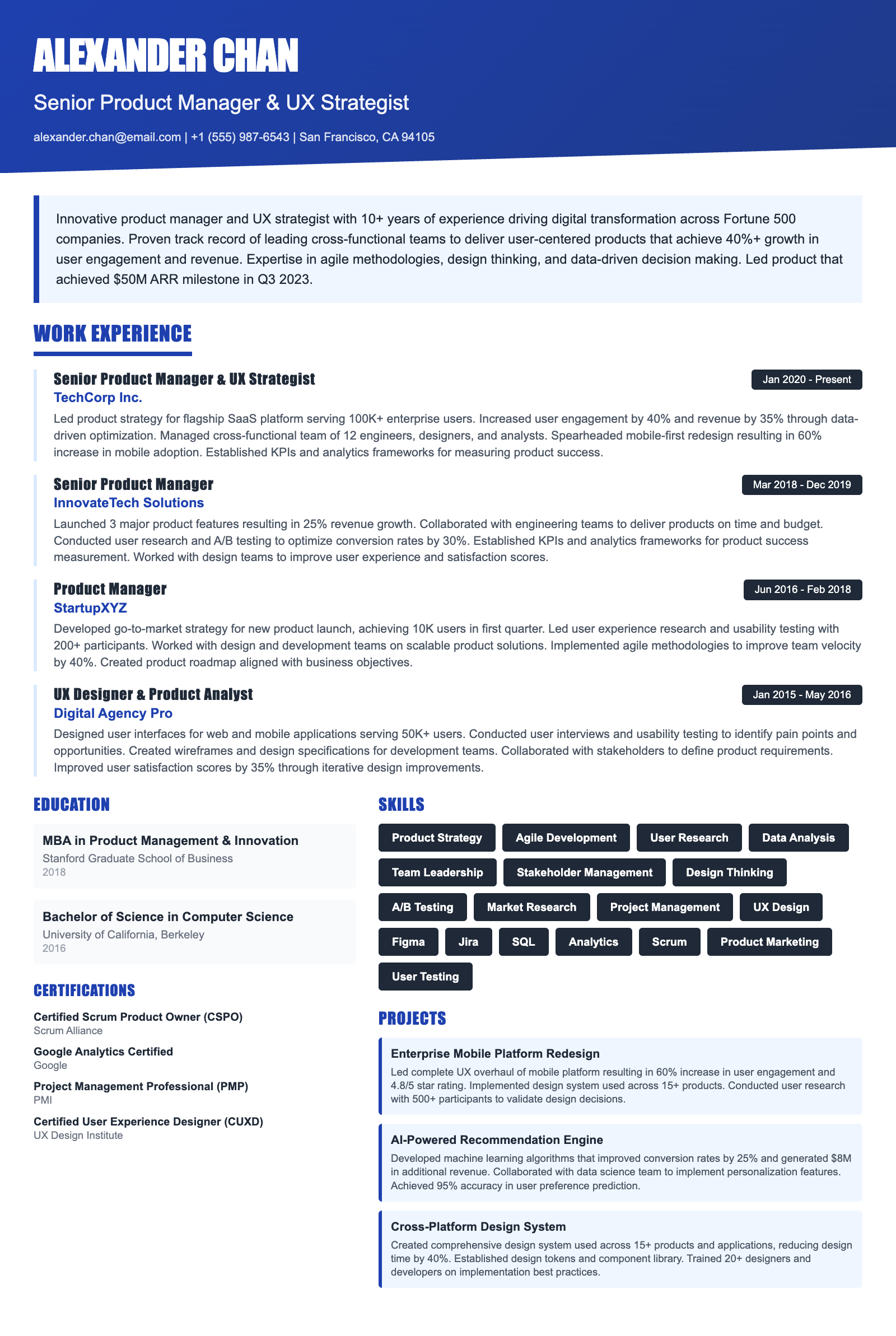
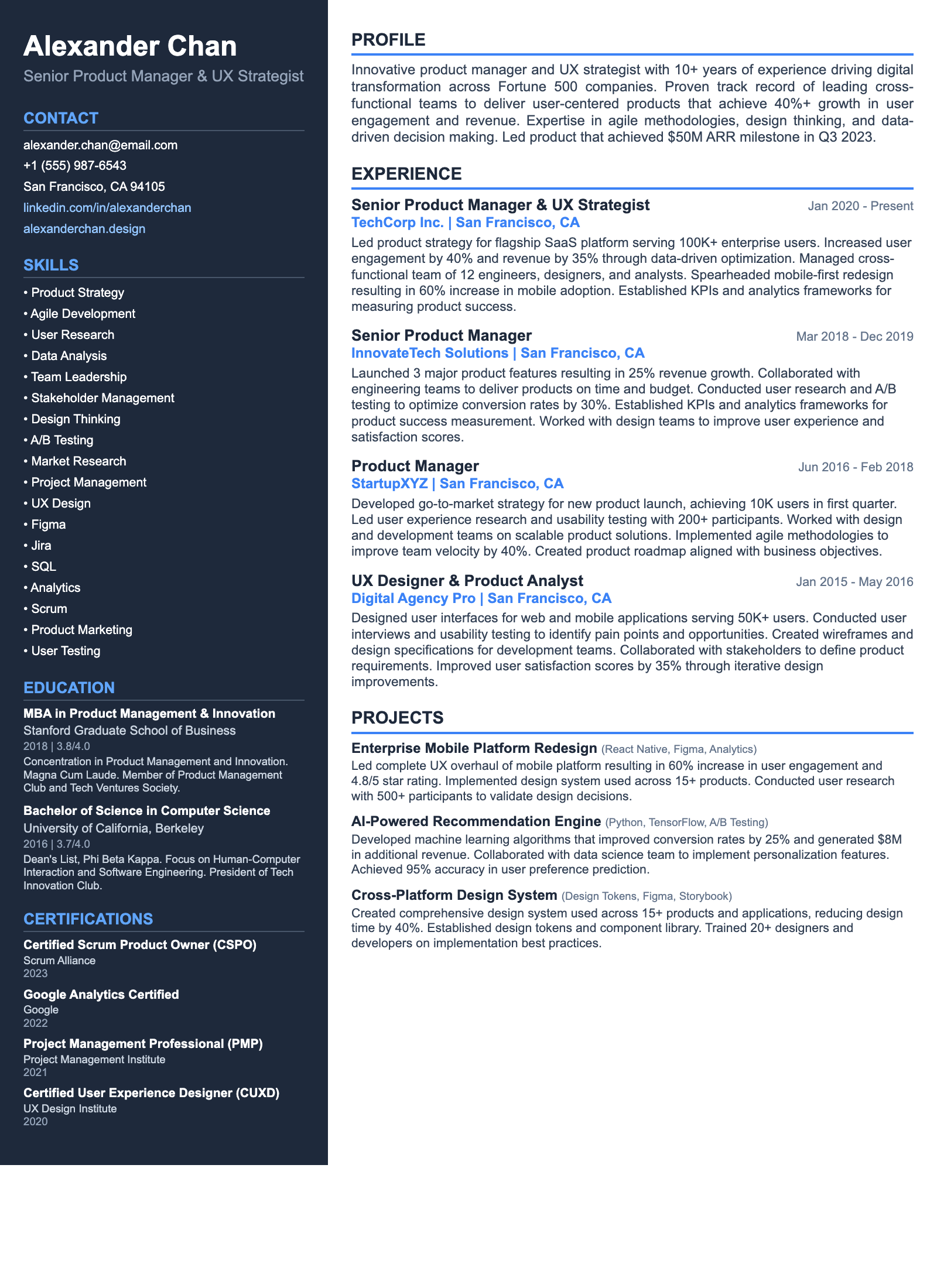
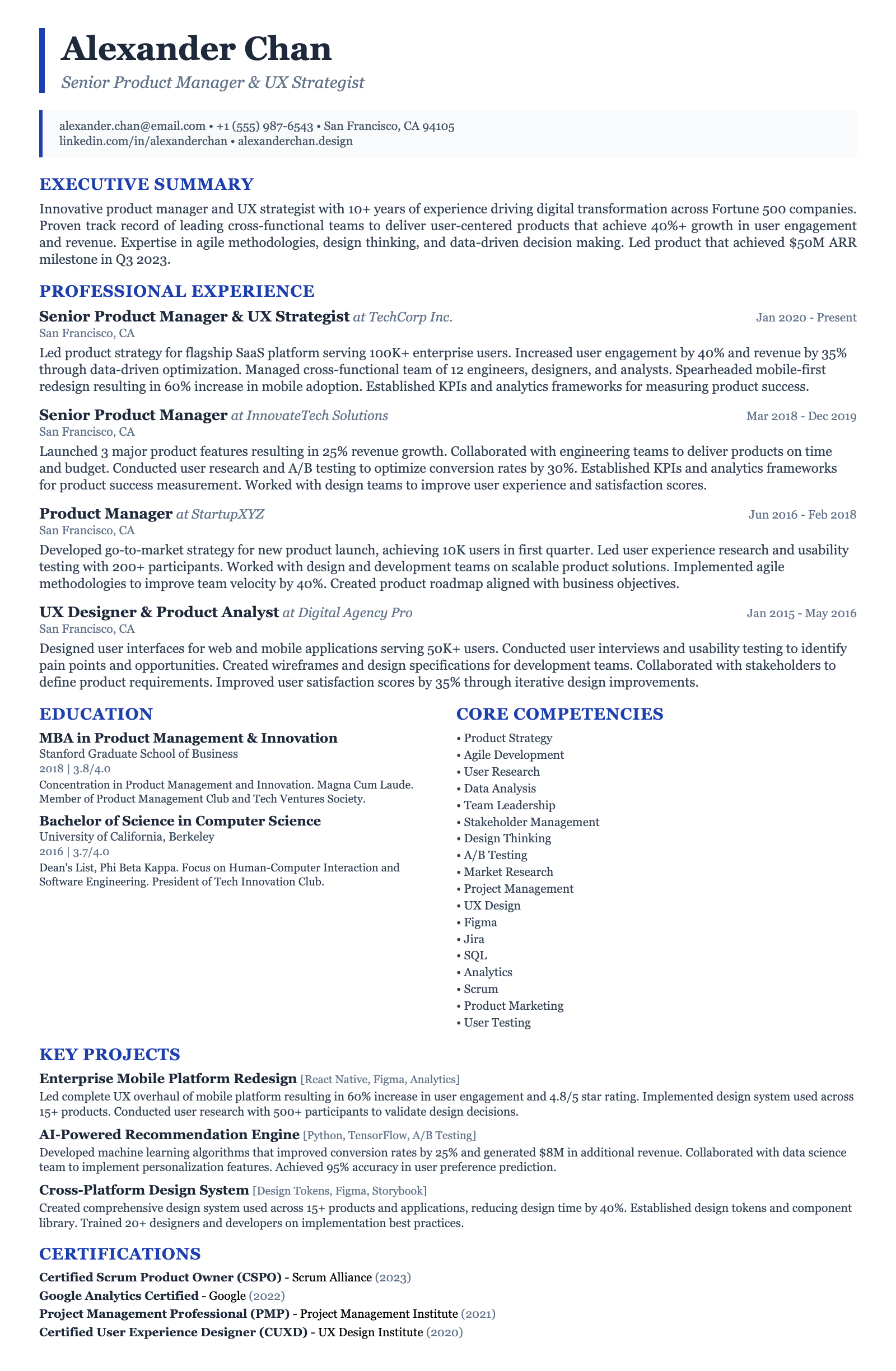
Recommended Resume Templates

ATS-friendly templates designed specifically for Principal Hospitality Data Analyst positions in the US market.
Frequently Asked Questions

What is the ideal length for a Principal Hospitality Data Analyst resume?

For a Principal-level role, a two-page resume is generally acceptable, especially if you have significant relevant experience. Focus on highlighting your most impactful projects and accomplishments, quantifying your results whenever possible. Ensure that all information is concise and directly relevant to the requirements of a Principal Hospitality Data Analyst position, emphasizing leadership and strategic contributions.

What are the most critical skills to highlight on my resume?

Beyond core data analysis skills, emphasize your understanding of hospitality-specific KPIs like RevPAR, ADR, and occupancy rates. Showcase proficiency in industry-standard tools such as SQL for data extraction, Python or R for statistical modeling, and Tableau or Power BI for data visualization. Also, highlight your experience with revenue management systems (RMS) and property management systems (PMS) like Opera or Cloudbeds. Don't forget soft skills like communication, leadership, and teamwork.

How can I optimize my resume for Applicant Tracking Systems (ATS)?

Use a clean, ATS-friendly format with clear section headings. Incorporate relevant keywords from the job description throughout your resume, especially in the skills and experience sections. Avoid using tables, images, or unusual fonts that may not be parsed correctly by ATS. Save your resume as a PDF to preserve formatting, but ensure the text is selectable.

Are certifications important for a Principal Hospitality Data Analyst resume?

While not always mandatory, certifications can demonstrate your commitment to professional development and validate your skills. Consider certifications such as Certified Analytics Professional (CAP), Google Data Analytics Professional Certificate, or specific vendor certifications related to tools like Tableau or Power BI. Mention these certifications prominently in a dedicated section of your resume.

What are some common resume mistakes to avoid?

Avoid generic descriptions of your responsibilities. Instead, focus on quantifiable achievements and the impact of your work. Do not neglect to tailor your resume to each specific job application. Also, don't list every tool you've ever used; prioritize those most relevant to the hospitality industry and the specific requirements of the role.

How can I showcase my experience if I'm transitioning from a different industry?

If transitioning from another industry, highlight transferable skills and experiences that are relevant to data analysis in the hospitality sector. Focus on projects where you used data to solve business problems, improve efficiency, or drive revenue growth. Quantify your achievements and clearly articulate how your skills and experience can be applied to the hospitality industry. Consider taking hospitality-specific courses or certifications to demonstrate your commitment to the field.

Ready to Build Your Principal Hospitality Data Analyst Resume?

Use our AI-powered resume builder to create an ATS-optimized resume tailored for Principal Hospitality Data Analyst positions in the US market.

Complete Principal Hospitality Data Analyst Career Toolkit

Everything you need for your Principal Hospitality Data Analyst job search — all in one platform.

Why choose ResumeGyani over Zety or Resume.io?

The only platform with AI mock interviews + resume builder + job search + career coaching — all in one.

See comparison

Last updated: March 2026 · Content reviewed by certified resume writers · Optimized for US job market

Principal Hospitality Data Analyst Resume Guide (2026) | ATS-Optimized Template