
ATS-Optimized for US Market

Principal Hospitality Data Scientist Career & Resume Guide

As a Principal Hospitality Data Scientist, your resume needs to showcase your ability to drive data-informed decisions that optimize guest experiences, increase revenue, and improve operational efficiency within the hospitality sector. Hiring managers seek candidates with a proven track record of leading data science initiatives and translating complex data insights into actionable strategies. A compelling resume highlights your expertise in statistical modeling, machine learning, and data visualization, specifically within the context of hospitality challenges. Key sections include a strong summary emphasizing your leadership experience, a detailed skills section covering tools like Python (with libraries such as Pandas, Scikit-learn, TensorFlow), R, SQL, and data visualization platforms like Tableau or Power BI. Quantify your achievements by demonstrating how your data-driven solutions have positively impacted key performance indicators (KPIs) such as occupancy rates, customer satisfaction scores, and revenue per available room (RevPAR). Emphasize your experience with predictive analytics for demand forecasting, customer segmentation, and personalized marketing. Furthermore, highlight your ability to communicate complex technical concepts to both technical and non-technical stakeholders. To stand out, showcase specific projects where you've used data science to solve real-world hospitality problems, such as optimizing pricing strategies, improving guest loyalty programs, or reducing operational costs, using industry-standard methodologies.
Average US Salary: $140k - $220k

Expert Tip: For Principal Hospitality Data Scientist positions in the US, recruiters increasingly look for technical execution and adaptability over simple job duties. This guide is tailored to highlight these specific traits to ensure your resume stands out in the competitive Principal Hospitality Data Scientist sector.

What US Hiring Managers Look For in a Principal Hospitality Data Scientist Resume

When reviewing Principal Hospitality Data Scientist candidates, recruiters and hiring managers in the US focus on a few critical areas. Making these elements clear and easy to find on your resume will improve your chances of moving to the interview stage.

  • Relevant experience and impact in Principal Hospitality Data Scientist or closely related roles.
  • Clear, measurable achievements (metrics, scope, outcomes) rather than duties.
  • Skills and keywords that match the job description and ATS requirements.
  • Professional formatting and no spelling or grammar errors.
  • Consistency between your resume, LinkedIn, and application.
  • Proficiency in key areas such as Communication, Time Management, Industry-Standard Tools.

Essential Skills for Principal Hospitality Data Scientist

Include these keywords in your resume to pass ATS screening and impress recruiters.

Must-Have Skills

  • CriticalCommunication
  • HighTime Management

Technical Skills

  • HighIndustry-Standard Tools
  • MediumData Analysis

Soft Skills

  • CriticalTeamwork
  • HighAdaptability
  • MediumLeadership

A Day in the Life

A Day in the Life of a Principal Data Scientist

Arrive early to review metrics or sprint progress. As a Principal Data Scientist, you lead the 9 AM stand-up, addressing blockers and setting the strategic direction for handling core responsibilities, collaborating with cross-functional teams, and driving project success within the Hospitality team. 10 AM-1 PM is for high-impact decisions. You're architecting solutions, reviewing critical deliverables, or negotiating priorities with Hospitality stakeholders. Afternoons involve mentorship and cross-org coordination. You're the go-to expert for handling core responsibilities, collaborating with cross-functional teams, and driving project success, ensuring the team's output aligns with company goals. You finish by finalizing quarterly roadmaps or reviewing next steps. At this level in Hospitality, your focus shifts from individual tasks to organizational impact.

Career Progression Path

Level 1

Data Scientist I (Entry Level)

Level 2

Data Scientist II (Junior)

Level 3

Senior Data Scientist

Level 4

Lead Data Scientist

Level 5

Data Scientist Manager / Director

Interview Questions & Answers

Prepare for your Principal Hospitality Data Scientist interview with these commonly asked questions.

Describe a time when you had to present complex data insights to a non-technical audience in the hospitality industry. How did you ensure they understood the information and its implications?

Medium
Behavioral
Sample Answer
In my previous role at Marriott, I needed to present a demand forecasting model to the regional sales managers. To ensure understanding, I avoided technical jargon and focused on the business impact. I used visualizations like charts and graphs to illustrate trends and patterns. I also framed the insights in terms of revenue opportunities and potential risks, making it clear how the model could help them achieve their sales targets. I opened the floor for discussions to address the model limitations and caveats, demonstrating how we could still leverage the insights.

Explain your approach to building a predictive model for optimizing hotel pricing strategies. What factors would you consider, and how would you validate the model's accuracy?

Hard
Technical
Sample Answer
My approach would begin with gathering data on historical pricing, occupancy rates, competitor pricing, seasonality, events, and economic indicators. Using Python and relevant libraries, I would build a regression model incorporating these factors. To validate the model, I would use techniques like cross-validation and backtesting on historical data. I'd also monitor the model's performance in real-time and adjust it as needed based on actual results and market dynamics. I would compare the impact on RevPAR against a control group.

Imagine you're tasked with improving guest loyalty at a hotel chain. How would you use data science to identify key drivers of loyalty and develop targeted interventions?

Medium
Situational
Sample Answer
I would start by analyzing guest data from various sources, including CRM systems, online reviews, and surveys. I would use techniques like customer segmentation and sentiment analysis to identify key factors that influence guest satisfaction and loyalty. Based on these insights, I would develop personalized marketing campaigns and targeted interventions to address specific needs and preferences of different customer segments. I would then measure the impact of these interventions on guest loyalty metrics like repeat bookings and Net Promoter Score.

Tell me about a time you had to deal with a large, messy, or incomplete dataset in a hospitality project. What steps did you take to clean and prepare the data for analysis?

Medium
Behavioral
Sample Answer
In a project analyzing guest feedback data from online reviews, I encountered a lot of missing and inconsistent information. First, I used Python (Pandas) to identify and handle missing values using techniques like imputation or deletion. I standardized data formats and corrected inconsistencies. Then I removed duplicate entries and outliers. Finally, I validated the cleaned data against domain knowledge and external sources to ensure its accuracy and reliability. I documented all transformations for reproducibility.

How would you approach building a recommendation system to personalize guest experiences at a hotel? What data would you need, and what algorithms would you consider?

Hard
Technical
Sample Answer
I'd need data on guest preferences, booking history, past interactions, and demographic information. I'd consider collaborative filtering algorithms (user-based or item-based) or content-based filtering based on guest profiles. I might also explore hybrid approaches combining both. The system would recommend relevant services, amenities, or activities based on individual guest profiles and preferences. A/B testing would be used to evaluate the recommendations.

Describe a situation where you had to influence a senior executive in the hospitality industry to adopt a data-driven approach. What strategies did you use to gain their buy-in?

Medium
Behavioral
Sample Answer
When advocating for a new fraud detection system to the CFO, I framed the issue with a financial impact assessment. I presented clear, concise data visualizations showing the potential cost savings from reduced fraudulent transactions. I tailored my communication to their perspective, focusing on the business benefits rather than technical details. I also involved key stakeholders from finance and operations to build consensus and address any concerns. By demonstrating the value proposition and aligning the solution with their strategic priorities, I secured their support and approval.

ATS Optimization Tips

Make sure your resume passes Applicant Tracking Systems used by US employers.

Incorporate specific keywords related to hospitality, such as "RevPAR," "guest satisfaction," "occupancy rates," and "yield management," throughout your resume.
Use a standard resume format like chronological or combination, as these are easily parsed by ATS. Avoid using unconventional layouts or graphics.
Ensure your contact information is clearly visible and in a standard format. Include your full name, phone number, email address, and LinkedIn profile URL.
Quantify your achievements whenever possible using metrics and data points. For example, "Improved occupancy rates by 15% through predictive modeling."
Use clear and concise language, avoiding overly technical jargon or buzzwords that may not be recognized by the ATS.
List your skills in a dedicated skills section, using both broad and specific terms. Include tools like Python, R, SQL, Tableau, and specific machine learning libraries.
Tailor your resume to each job description by incorporating keywords and phrases directly from the posting. This increases your chances of matching the job requirements.
Save your resume as a PDF file to preserve formatting and ensure it is readable by the ATS. Avoid using older file formats like .doc.

Common Resume Mistakes to Avoid

Don't make these errors that get resumes rejected.

1
Failing to quantify achievements: Instead of saying "Improved customer satisfaction," say "Improved customer satisfaction scores by 10% as measured by NPS."
2
Using generic language: Avoid phrases like "responsible for" and instead focus on action verbs and quantifiable results.
3
Omitting industry-specific experience: Not highlighting experience with hotel revenue management systems or guest loyalty programs.
4
Not tailoring the resume to the specific role: Sending the same generic resume for every Principal Hospitality Data Scientist position.
5
Ignoring data visualization skills: Not showcasing expertise with tools like Tableau or Power BI to present data insights effectively.
6
Neglecting communication skills: Failing to demonstrate the ability to explain complex data concepts to non-technical stakeholders.
7
Overlooking leadership experience: Not highlighting experience leading data science teams or mentoring junior data scientists.
8
Forgetting about A/B testing: Neglecting to mention any experience with A/B testing methodologies or implementations.

Industry Outlook

The US Hospitality sector is experiencing steady growth. Principal Data Scientists are particularly sought after, with the Bureau of Labor Statistics projecting average job growth through 2030. Peak hiring occurs in Q1 (January-March) and Q3 (August-September).

Top Hiring Companies

Industry LeadersRegional FirmsFast-Growing Companies

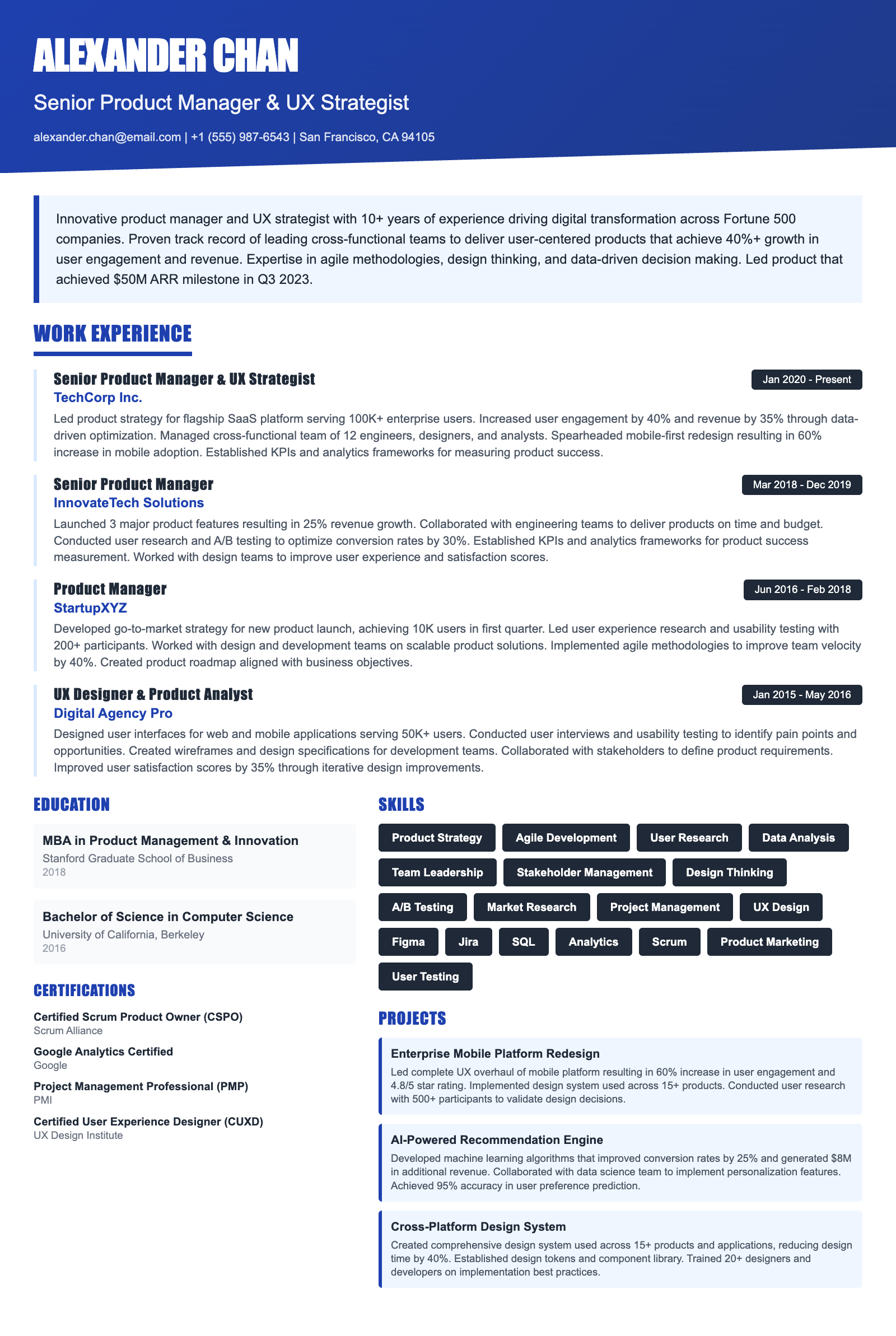
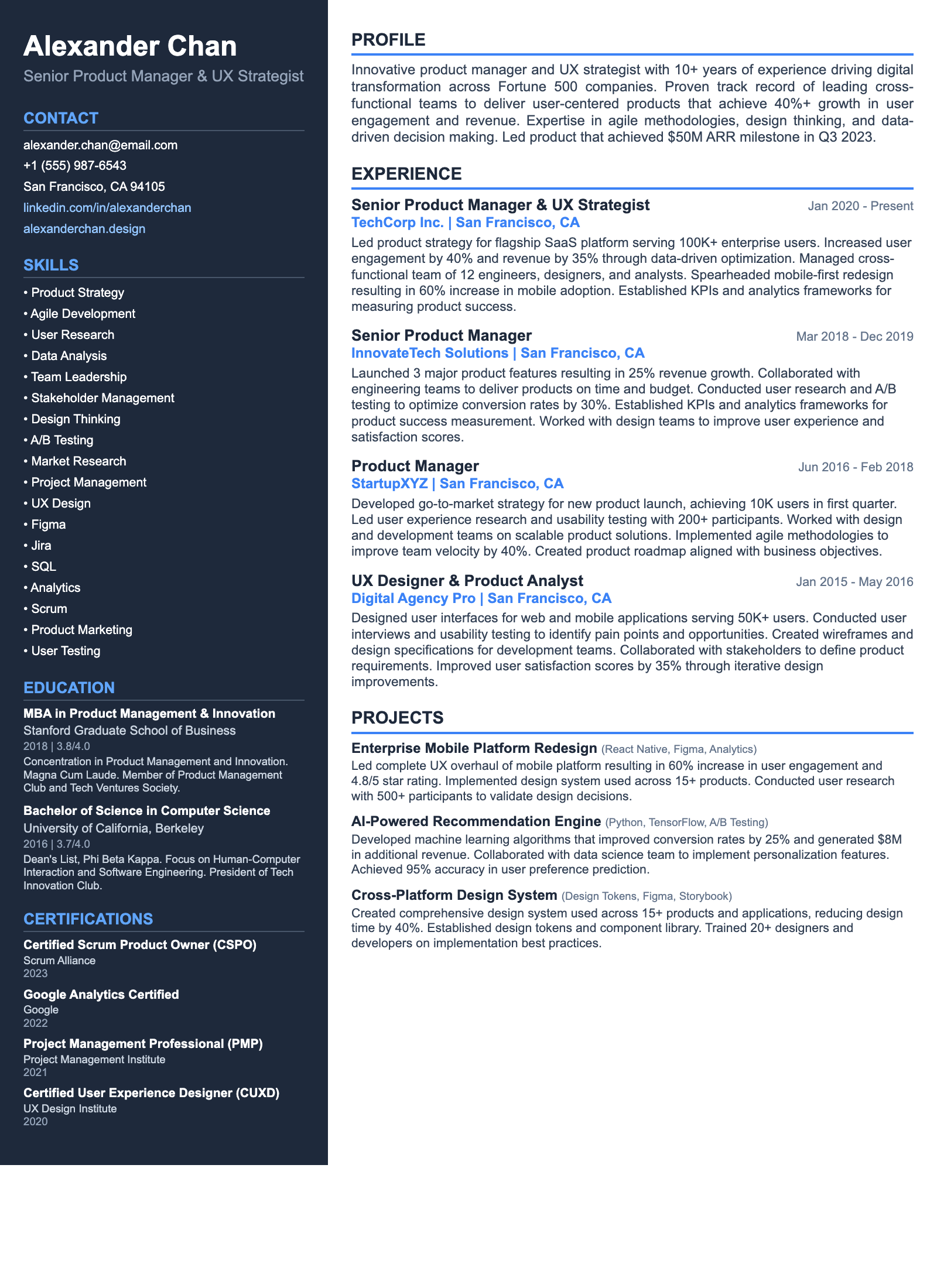
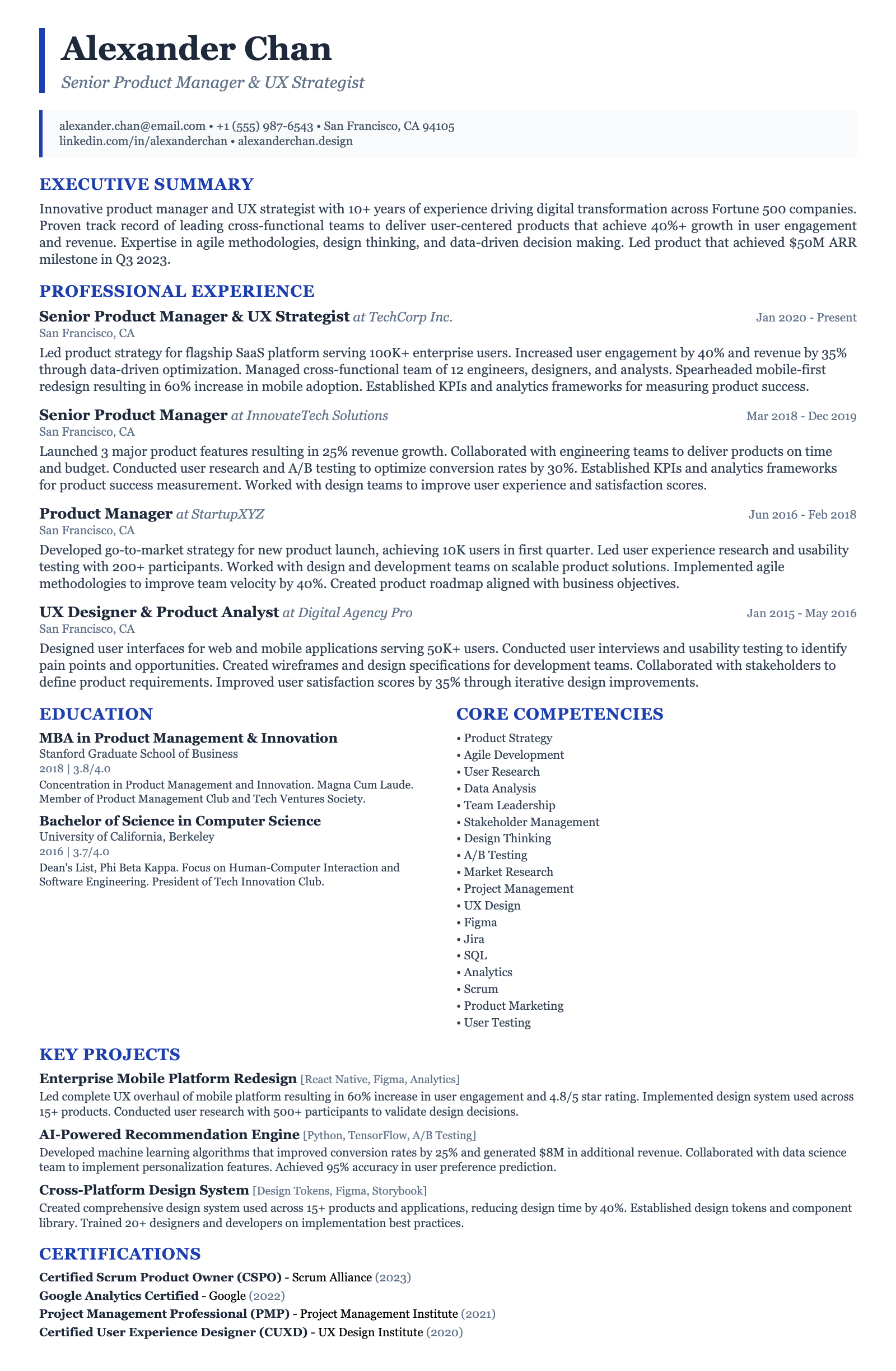
Recommended Resume Templates

ATS-friendly templates designed specifically for Principal Hospitality Data Scientist positions in the US market.
Frequently Asked Questions

How long should my Principal Hospitality Data Scientist resume be?

Aim for a maximum of two pages. Given your experience as a Principal, focus on the most impactful and relevant projects and achievements. Prioritize quantifiable results that demonstrate your ability to drive business value through data science. Use clear and concise language, and avoid including irrelevant information.

What are the most important skills to highlight in my resume?

Highlight your proficiency in data analysis tools and techniques, including Python (Pandas, Scikit-learn), R, SQL, and statistical modeling. Emphasize your experience with machine learning algorithms relevant to hospitality, such as recommendation systems, demand forecasting models, and customer segmentation techniques. Don't forget to showcase your communication and leadership skills, demonstrating your ability to translate complex data insights into actionable strategies for business stakeholders.

How can I optimize my resume for Applicant Tracking Systems (ATS)?

Use a clean and ATS-friendly format, such as a chronological or combination resume. Incorporate relevant keywords from the job description throughout your resume, including skills, tools, and industry-specific terms. Avoid using tables, images, or special characters that may not be parsed correctly by the ATS. Save your resume as a PDF to preserve formatting.

Are certifications important for a Principal Hospitality Data Scientist resume?

While not always mandatory, relevant certifications can enhance your credibility. Consider certifications in data science, machine learning, or specific tools like AWS Certified Machine Learning – Specialty or Google Professional Data Scientist. Mention these certifications prominently in your resume, highlighting the skills and knowledge you gained.

What are some common resume mistakes to avoid?

Avoid generic descriptions of your responsibilities. Instead, focus on quantifiable achievements and the impact you made in previous roles. Don't neglect to tailor your resume to the specific requirements of each job application. Also, avoid using overly technical jargon that may not be understood by non-technical hiring managers. Proofread carefully for any grammatical errors or typos.

How can I transition into a Principal Hospitality Data Scientist role from a related field?

Highlight transferable skills and experience from your previous role that are relevant to hospitality data science. Showcase projects where you applied data analysis, machine learning, or statistical modeling to solve business problems. Obtain relevant certifications or training to demonstrate your commitment to the field. Network with professionals in the hospitality industry to learn about opportunities and gain insights into the specific challenges and requirements of the role. Quantify any results to highlight business impacts.

Ready to Build Your Principal Hospitality Data Scientist Resume?

Use our AI-powered resume builder to create an ATS-optimized resume tailored for Principal Hospitality Data Scientist positions in the US market.

Complete Principal Hospitality Data Scientist Career Toolkit

Everything you need for your Principal Hospitality Data Scientist job search — all in one platform.

Why choose ResumeGyani over Zety or Resume.io?

The only platform with AI mock interviews + resume builder + job search + career coaching — all in one.

See comparison

Last updated: March 2026 · Content reviewed by certified resume writers · Optimized for US job market

Principal Hospitality Data Scientist Resume Guide (2026) | ATS-Optimized Template