
ATS-Optimized for US Market

Principal Hospitality Event Planner Career & Resume Guide

As a Principal Hospitality Event Planner, your resume needs to showcase a blend of creative vision, meticulous planning, and proven leadership within the hospitality sector. Hiring managers seek candidates who can demonstrate expertise in managing large-scale events, exceeding budgetary expectations, and delivering exceptional guest experiences. Your resume should highlight your ability to conceptualize and execute events, manage vendor relationships, and analyze event data to improve future performance. Key sections to focus on include a compelling summary, a detailed experience section showcasing quantifiable achievements, and a skills section emphasizing both hard and soft skills. Quantify your accomplishments by including metrics such as event attendance, revenue generated, cost savings, and customer satisfaction scores. Highlight your proficiency with industry-standard tools like Cvent, Aventri, MeetingPlay, and Social Tables. Mention experience with budget management software like SAP or Oracle. Stand out by demonstrating your adaptability in managing diverse events from corporate conferences to luxury galas. Leadership experience in mentoring and guiding event planning teams is crucial. Showcase your understanding of event safety regulations and risk management practices. Frame your career trajectory to demonstrate increasing responsibility and impact, emphasizing your strategic contributions to previous organizations. Focus on results and demonstrate a deep understanding of the hospitality industry trends and customer expectations.
Average US Salary: $140k - $220k

Expert Tip: For Principal Hospitality Event Planner positions in the US, recruiters increasingly look for technical execution and adaptability over simple job duties. This guide is tailored to highlight these specific traits to ensure your resume stands out in the competitive Principal Hospitality Event Planner sector.

What US Hiring Managers Look For in a Principal Hospitality Event Planner Resume

When reviewing Principal Hospitality Event Planner candidates, recruiters and hiring managers in the US focus on a few critical areas. Making these elements clear and easy to find on your resume will improve your chances of moving to the interview stage.

  • Relevant experience and impact in Principal Hospitality Event Planner or closely related roles.
  • Clear, measurable achievements (metrics, scope, outcomes) rather than duties.
  • Skills and keywords that match the job description and ATS requirements.
  • Professional formatting and no spelling or grammar errors.
  • Consistency between your resume, LinkedIn, and application.
  • Proficiency in key areas such as Communication, Time Management, Industry-Standard Tools.

Essential Skills for Principal Hospitality Event Planner

Include these keywords in your resume to pass ATS screening and impress recruiters.

Must-Have Skills

  • CriticalCommunication
  • HighTime Management

Technical Skills

  • HighIndustry-Standard Tools
  • MediumData Analysis

Soft Skills

  • CriticalTeamwork
  • HighAdaptability
  • MediumLeadership

A Day in the Life

A Day in the Life of a Principal Event Planner

Arrive early to review metrics or sprint progress. As a Principal Event Planner, you lead the 9 AM stand-up, addressing blockers and setting the strategic direction for handling core responsibilities, collaborating with cross-functional teams, and driving project success within the Hospitality team. 10 AM-1 PM is for high-impact decisions. You're architecting solutions, reviewing critical deliverables, or negotiating priorities with Hospitality stakeholders. Afternoons involve mentorship and cross-org coordination. You're the go-to expert for handling core responsibilities, collaborating with cross-functional teams, and driving project success, ensuring the team's output aligns with company goals. You finish by finalizing quarterly roadmaps or reviewing next steps. At this level in Hospitality, your focus shifts from individual tasks to organizational impact.

Career Progression Path

Level 1

Event Planner I (Entry Level)

Level 2

Event Planner II (Junior)

Level 3

Senior Event Planner

Level 4

Lead Event Planner

Level 5

Event Planner Manager / Director

Interview Questions & Answers

Prepare for your Principal Hospitality Event Planner interview with these commonly asked questions.

Describe a time you had to manage a significant event budget. How did you ensure the event stayed within budget while still delivering a high-quality experience?

Medium
Behavioral
Sample Answer
In my previous role at Marriott, I managed a $500,000 budget for an annual corporate conference. To ensure we stayed within budget, I implemented a detailed tracking system using SAP to monitor expenses in real-time. I negotiated favorable rates with vendors, secured sponsorships to offset costs, and carefully evaluated all spending decisions. We also implemented cost-saving measures such as using in-house resources for certain tasks. As a result, we delivered a successful event under budget, saving the company approximately 10% without compromising the attendee experience. We also utilized data from previous events to forecast spending more accurately.

How do you stay up-to-date with the latest trends and technologies in the hospitality and event planning industry?

Medium
Technical
Sample Answer
I am a member of several industry associations, such as the International Live Events Association (ILEA), and I regularly attend industry conferences and webinars. I also subscribe to industry publications like Special Events Magazine and follow key influencers on social media. I also actively experiment with new technologies, like incorporating virtual reality experiences into events or leveraging AI-powered event planning tools. This helps me stay informed and bring innovative ideas to my team and organization. For example, I recently attended a webinar on using AI for attendee engagement, which led to implementing a new chatbot system at a recent conference.

Tell me about a time when you had to deal with a significant challenge or crisis during an event. What steps did you take to resolve the situation?

Hard
Situational
Sample Answer
During a large-scale outdoor music festival, a sudden thunderstorm caused a power outage and threatened to cancel the event. I immediately activated our crisis management plan, working with the security team to ensure attendee safety and communicate updates via social media and on-site announcements. We secured backup generators to restore power to critical areas and adjusted the event schedule to accommodate the delay. By maintaining clear communication, collaborating with stakeholders, and prioritizing safety, we were able to resume the event within a few hours and minimize disruption to the attendee experience. I also coordinated with the PR team to manage media inquiries and ensure accurate information was disseminated.

Describe your experience managing and leading event planning teams. What strategies do you use to motivate and develop your team members?

Medium
Behavioral
Sample Answer
I have extensive experience managing event planning teams, ranging from small teams of five to larger teams of twenty. My approach to leadership is collaborative and empowering. I set clear expectations, provide regular feedback and coaching, and encourage team members to take ownership of their projects. I also foster a supportive and inclusive environment where team members feel comfortable sharing ideas and taking risks. Additionally, I provide opportunities for professional development, such as training courses and industry conferences. I use tools such as project management software and regular team meetings to keep everyone aligned and motivated.

How do you approach the process of selecting and managing vendors for large-scale events?

Medium
Technical
Sample Answer
I have a rigorous process for selecting and managing vendors. First, I develop a detailed RFP outlining our event requirements and budget constraints. I then evaluate potential vendors based on their experience, reputation, pricing, and references. Once a vendor is selected, I establish clear contracts with performance metrics and regular communication channels. I also conduct site visits and monitor their performance throughout the event planning process. If any issues arise, I address them promptly and work collaboratively with the vendor to find a resolution. I also maintain a database of vetted vendors for future events.

Walk me through a time you used data to improve event planning or drive better ROI.

Hard
Situational
Sample Answer
In my previous role, we consistently saw low attendance at the afternoon breakout sessions. Using data from post-event surveys and session attendance records, I identified a lack of relevant content and scheduling conflicts as key drivers. To address this, I collaborated with the content team to curate more engaging and targeted sessions, and adjusted the schedule to avoid overlap with popular keynote speakers. I also implemented a gamified mobile app to incentivize attendance and provide real-time feedback. As a result, we increased afternoon breakout session attendance by 30% and significantly improved attendee satisfaction scores. We used tools like Google Analytics for data visualization and reporting.

ATS Optimization Tips

Make sure your resume passes Applicant Tracking Systems used by US employers.

Incorporate industry-specific keywords like "event logistics," "venue management," "budget allocation," and "vendor negotiation" throughout your resume to align with common ATS search criteria.
Use a chronological or combination resume format, as ATS systems typically parse these formats more effectively. List your work experience in reverse chronological order, focusing on quantifiable achievements.
Create a dedicated skills section that includes both hard skills (e.g., Cvent, Aventri, budget management) and soft skills (e.g., communication, leadership, adaptability), ensuring they match the job description.
Use standard section headings such as "Summary," "Experience," "Skills," and "Education" to help the ATS correctly categorize your information. Avoid using creative or unconventional section titles.
Quantify your achievements whenever possible by including specific metrics, such as "Increased event attendance by 20%" or "Reduced event costs by 15%," as ATS systems often prioritize results-oriented candidates.
Ensure your resume is saved as a PDF file to preserve formatting and prevent parsing errors. This format is generally preferred by ATS systems.
Tailor your resume to each specific job application by including relevant keywords and highlighting the skills and experiences that best match the job requirements. Use job description language in your resume content.
Check your resume for common errors such as typos, grammatical mistakes, and formatting inconsistencies, as these can negatively impact your ATS score. Proofread carefully!

Common Resume Mistakes to Avoid

Don't make these errors that get resumes rejected.

1
Failing to quantify achievements: Instead of saying "Managed events," say "Managed over 50 events with an average attendance of 500+ guests and generated $500k+ in revenue per event."
2
Using generic language: Avoid phrases like "responsible for" or "tasked with." Instead, use action verbs and describe your contributions in detail.
3
Neglecting to showcase leadership experience: As a Principal, highlight your experience mentoring and guiding event planning teams, including specific examples of successful team initiatives.
4
Omitting key industry tools: Forgetting to mention proficiency with tools like Cvent, Aventri, Social Tables, or budget management software like SAP can be a significant oversight.
5
Ignoring the importance of data analysis: Don't just plan events; showcase how you analyzed event data to improve future performance and ROI.
6
Not tailoring the resume to the specific job: Sending a generic resume without highlighting the skills and experiences most relevant to the job description is a common mistake.
7
Failing to demonstrate adaptability: Not showing how you've handled unexpected challenges or adapted to changing circumstances can weaken your candidacy.
8
Overlooking the importance of event safety and risk management: Failing to demonstrate your understanding of event safety regulations and risk management practices can be a red flag.

Industry Outlook

The US Hospitality sector is experiencing steady growth. Principal Event Planners are particularly sought after, with the Bureau of Labor Statistics projecting average job growth through 2030. Peak hiring occurs in Q1 (January-March) and Q3 (August-September).

Top Hiring Companies

Industry LeadersRegional FirmsFast-Growing Companies

Recommended Resume Templates

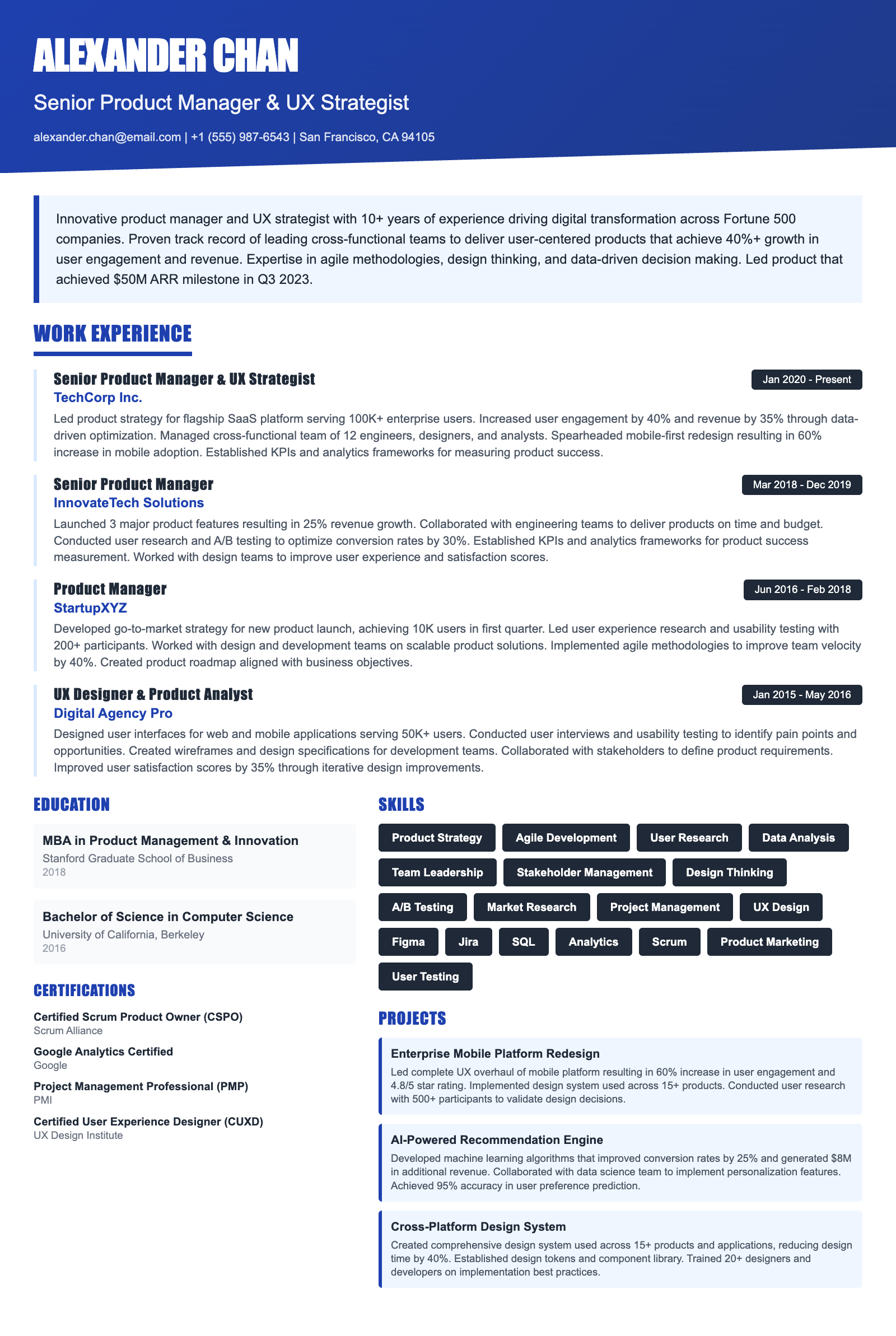
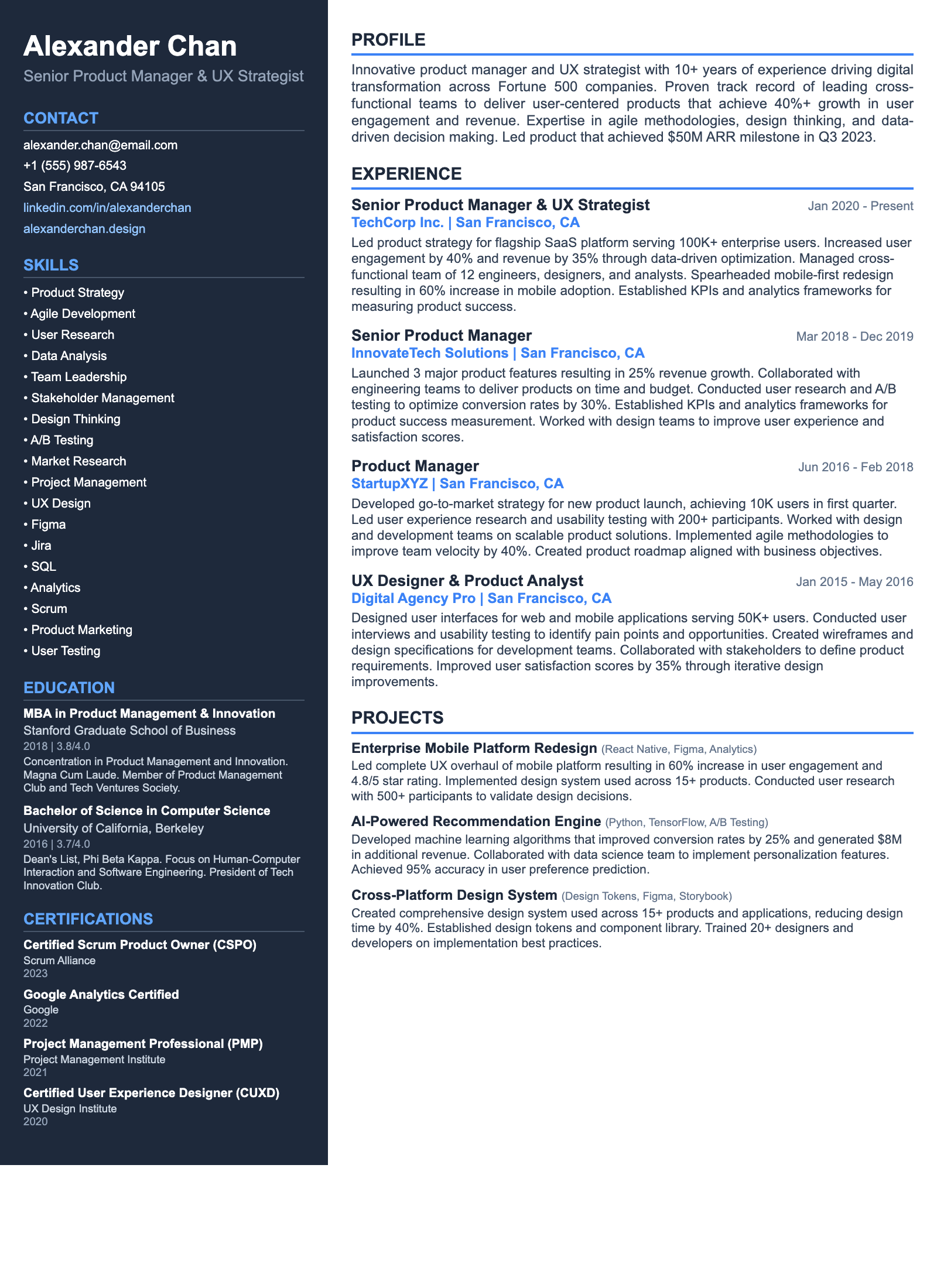
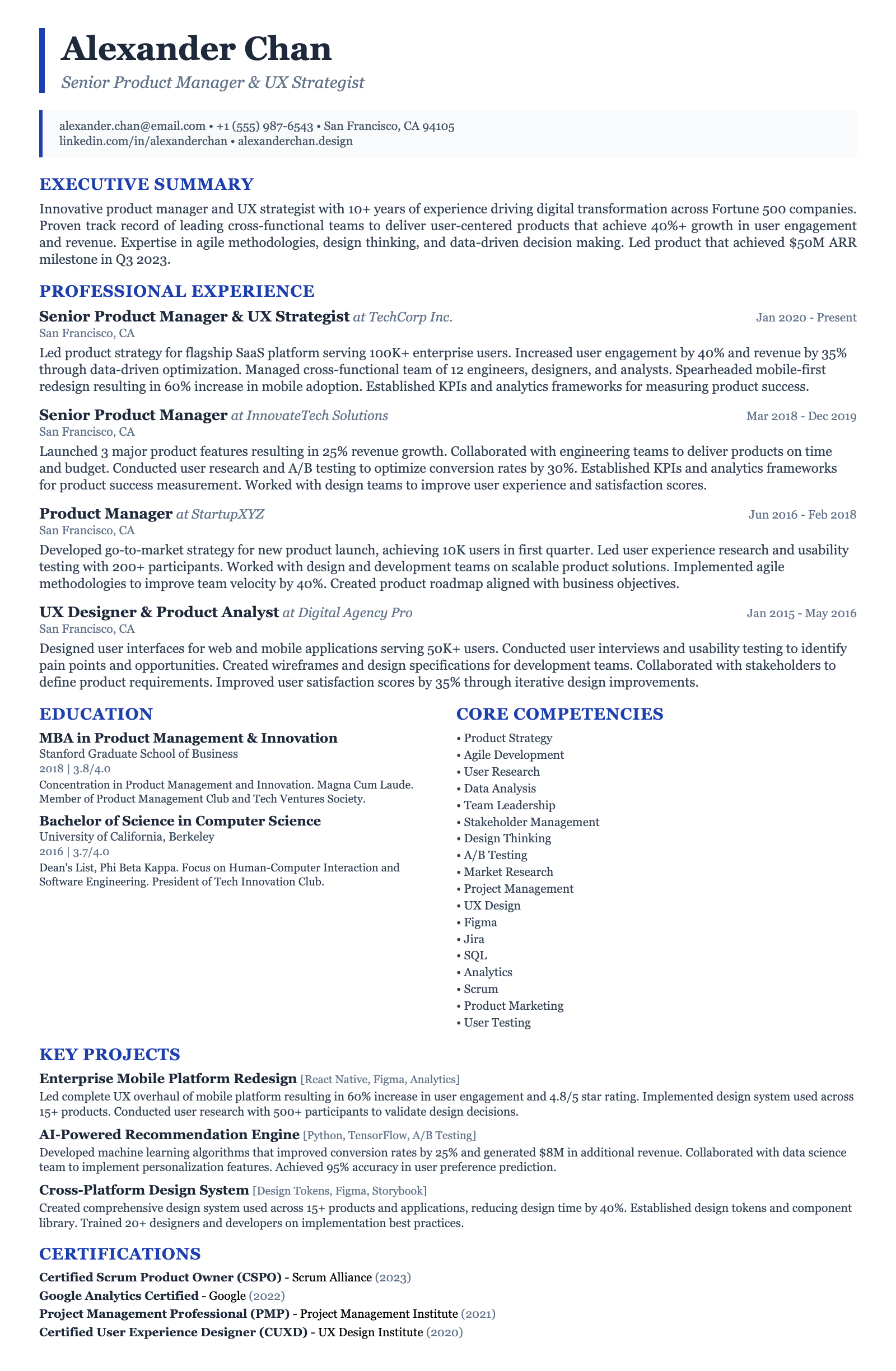
ATS-friendly templates designed specifically for Principal Hospitality Event Planner positions in the US market.
Frequently Asked Questions

How long should my Principal Hospitality Event Planner resume be?

Ideally, your resume should be no more than two pages. Given your experience as a Principal, hiring managers expect a detailed account of your projects and achievements. Focus on your most impactful roles and use quantifiable metrics to showcase your expertise. If you have extensive experience, prioritize the most relevant roles and projects, while keeping the information concise and easy to read. For example, highlight your use of Cvent for event registration and management, or SAP for budget tracking.

What are the most important skills to highlight on my resume?

Prioritize skills that directly align with the Principal Hospitality Event Planner role. These include advanced communication, meticulous time management, and proficiency with industry-standard tools such as Aventri and MeetingPlay. Emphasize your data analysis skills, demonstrating how you use event data to inform future strategies. Highlight your leadership and teamwork skills, showing your ability to manage and motivate teams. Adaptability is critical; showcase your ability to manage different event types and adjust to changing circumstances. Budget management expertise, ideally with tools like Oracle, is also essential.

How can I make my resume ATS-friendly?

To optimize your resume for Applicant Tracking Systems (ATS), use a clean, straightforward format with clear headings and bullet points. Avoid tables, graphics, or unusual fonts that might not be parsed correctly. Include relevant keywords from the job description throughout your resume, especially in the skills and experience sections. Save your resume as a PDF to preserve formatting. Ensure that your contact information is easily accessible and that your work history is listed in reverse chronological order. Mention specific software like Social Tables for event diagramming, demonstrating your practical knowledge.

Are certifications important for a Principal Hospitality Event Planner resume?

Certifications can significantly enhance your resume. Consider obtaining certifications such as Certified Meeting Professional (CMP), Certified Special Events Professional (CSEP), or Project Management Professional (PMP). These certifications demonstrate your commitment to professional development and validate your expertise in event planning and management. Include the certification name, granting organization, and date of completion on your resume. Highlighting your CMP can underscore your experience in managing large-scale events and understanding of event logistics.

What are common resume mistakes to avoid as a Principal Hospitality Event Planner?

Avoid using generic language or vague descriptions of your responsibilities. Instead, quantify your achievements with specific metrics and data. Do not neglect to tailor your resume to each job application, highlighting the most relevant skills and experiences. Avoid errors in grammar and spelling, as these can detract from your credibility. Don't forget to showcase your experience with specific industry tools such as Cvent or Aventri, and how you leveraged them to drive event success. Avoid neglecting the 'soft' skills like communication and adaptability, as these are crucial for a leadership role.

How can I transition my resume if I'm coming from a slightly different role within hospitality?

If you're transitioning from a related role, such as a senior event manager or catering director, focus on highlighting transferable skills and experiences. Emphasize your leadership abilities, project management skills, and experience managing budgets and vendor relationships. Showcase specific projects where you demonstrated strategic thinking and problem-solving skills. For instance, mention how you implemented a new event technology solution, like MeetingPlay, or streamlined event logistics to improve efficiency. Quantify your achievements to demonstrate the impact of your contributions. For example, mention how you improved event attendance by X% or increased customer satisfaction scores by Y%.

Ready to Build Your Principal Hospitality Event Planner Resume?

Use our AI-powered resume builder to create an ATS-optimized resume tailored for Principal Hospitality Event Planner positions in the US market.

Complete Principal Hospitality Event Planner Career Toolkit

Everything you need for your Principal Hospitality Event Planner job search — all in one platform.

Why choose ResumeGyani over Zety or Resume.io?

The only platform with AI mock interviews + resume builder + job search + career coaching — all in one.

See comparison

Last updated: March 2026 · Content reviewed by certified resume writers · Optimized for US job market