

Principal Hospitality Mechanical Engineer Career & Resume Guide
Crafting a compelling resume as a Principal Hospitality Mechanical Engineer requires highlighting your expertise in designing, implementing, and maintaining mechanical systems within hotels, resorts, restaurants, and other hospitality venues. Hiring managers seek candidates who demonstrate a strong understanding of HVAC, plumbing, fire protection, and energy management systems, specifically tailored to the unique demands of the hospitality industry. Your resume should clearly showcase your experience in project management, team leadership, and budget control, alongside your technical proficiency. Key sections include a compelling summary showcasing quantifiable achievements, a detailed work experience section emphasizing your roles in hospitality projects, a skills section highlighting both technical and soft skills, and an education/certifications section listing relevant credentials. To stand out, emphasize your experience with industry-standard tools like AutoCAD, Revit, and Trane TRACE 700, as well as your familiarity with building codes and sustainability practices (LEED AP, for example). Quantify your accomplishments whenever possible by including metrics such as energy savings achieved, project budget adherence, and the number of projects successfully completed. Showcase your problem-solving abilities by describing situations where you overcame challenges in complex hospitality projects. Emphasize communication skills, displaying your ability to collaborate with architects, contractors, and hotel management teams. Finally, ensure your resume is tailored to each specific job application, highlighting the skills and experience most relevant to the role and the company.
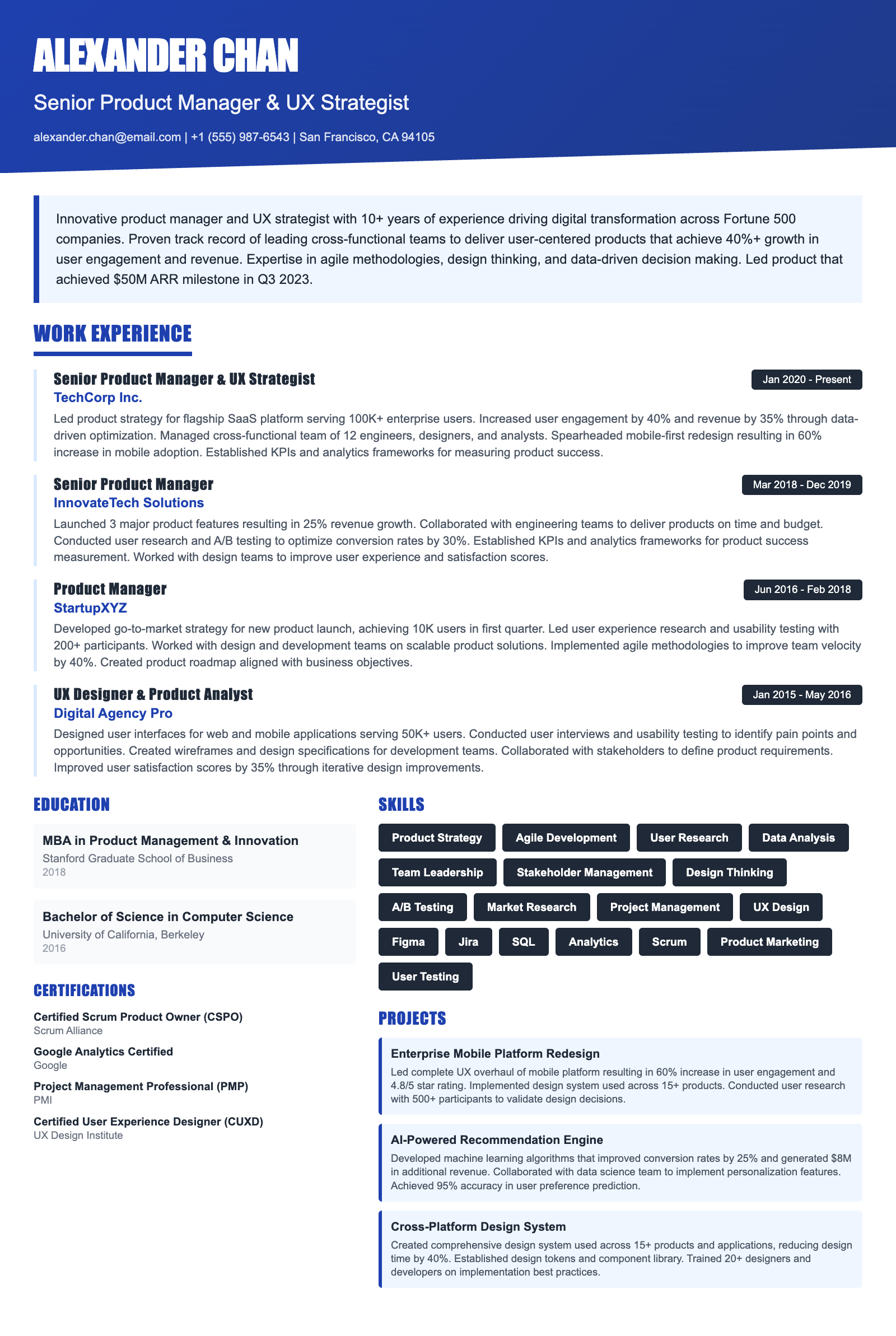
Expert Tip: For Principal Hospitality Mechanical Engineer positions in the US, recruiters increasingly look for technical execution and adaptability over simple job duties. This guide is tailored to highlight these specific traits to ensure your resume stands out in the competitive Principal Hospitality Mechanical Engineer sector.
What US Hiring Managers Look For in a Principal Hospitality Mechanical Engineer Resume
When reviewing Principal Hospitality Mechanical Engineer candidates, recruiters and hiring managers in the US focus on a few critical areas. Making these elements clear and easy to find on your resume will improve your chances of moving to the interview stage.
- Relevant experience and impact in Principal Hospitality Mechanical Engineer or closely related roles.
- Clear, measurable achievements (metrics, scope, outcomes) rather than duties.
- Skills and keywords that match the job description and ATS requirements.
- Professional formatting and no spelling or grammar errors.
- Consistency between your resume, LinkedIn, and application.
- Proficiency in key areas such as Communication, Time Management, Industry-Standard Tools.
Essential Skills for Principal Hospitality Mechanical Engineer
Include these keywords in your resume to pass ATS screening and impress recruiters.
Must-Have Skills
- CriticalCommunication
- HighTime Management
Technical Skills
- HighIndustry-Standard Tools
- MediumData Analysis
Soft Skills
- CriticalTeamwork
- HighAdaptability
- MediumLeadership
A Day in the Life
A Day in the Life of a Principal Mechanical Engineer
Arrive early to review metrics or sprint progress. As a Principal Mechanical Engineer, you lead the 9 AM stand-up, addressing blockers and setting the strategic direction for handling core responsibilities, collaborating with cross-functional teams, and driving project success within the Hospitality team. 10 AM-1 PM is for high-impact decisions. You're architecting solutions, reviewing critical deliverables, or negotiating priorities with Hospitality stakeholders. Afternoons involve mentorship and cross-org coordination. You're the go-to expert for handling core responsibilities, collaborating with cross-functional teams, and driving project success, ensuring the team's output aligns with company goals. You finish by finalizing quarterly roadmaps or reviewing next steps. At this level in Hospitality, your focus shifts from individual tasks to organizational impact.Career Progression Path
Mechanical Engineer I (Entry Level)
Mechanical Engineer II (Junior)
Senior Mechanical Engineer
Lead Mechanical Engineer
Mechanical Engineer Manager / Director
Interview Questions & Answers
Prepare for your Principal Hospitality Mechanical Engineer interview with these commonly asked questions.
Describe a time you had to troubleshoot a complex mechanical system failure in a hospitality setting. What steps did you take to diagnose the problem and implement a solution?
MediumHow do you stay updated with the latest advancements in hospitality mechanical engineering, particularly in areas like energy efficiency and sustainability?
EasyExplain your experience with Building Information Modeling (BIM) and how you've utilized it in hospitality projects.
MediumDescribe a situation where you had to manage a challenging project with a tight budget and timeline. How did you ensure successful completion?
HardHow do you approach communicating complex technical information to non-technical stakeholders, such as hotel management or owners?
MediumWalk me through your process for designing an HVAC system for a large hotel, considering factors like occupancy, climate, and energy efficiency.
HardATS Optimization Tips
Make sure your resume passes Applicant Tracking Systems used by US employers.
Common Resume Mistakes to Avoid
Don't make these errors that get resumes rejected.
Industry Outlook
Top Hiring Companies
Recommended Resume Templates
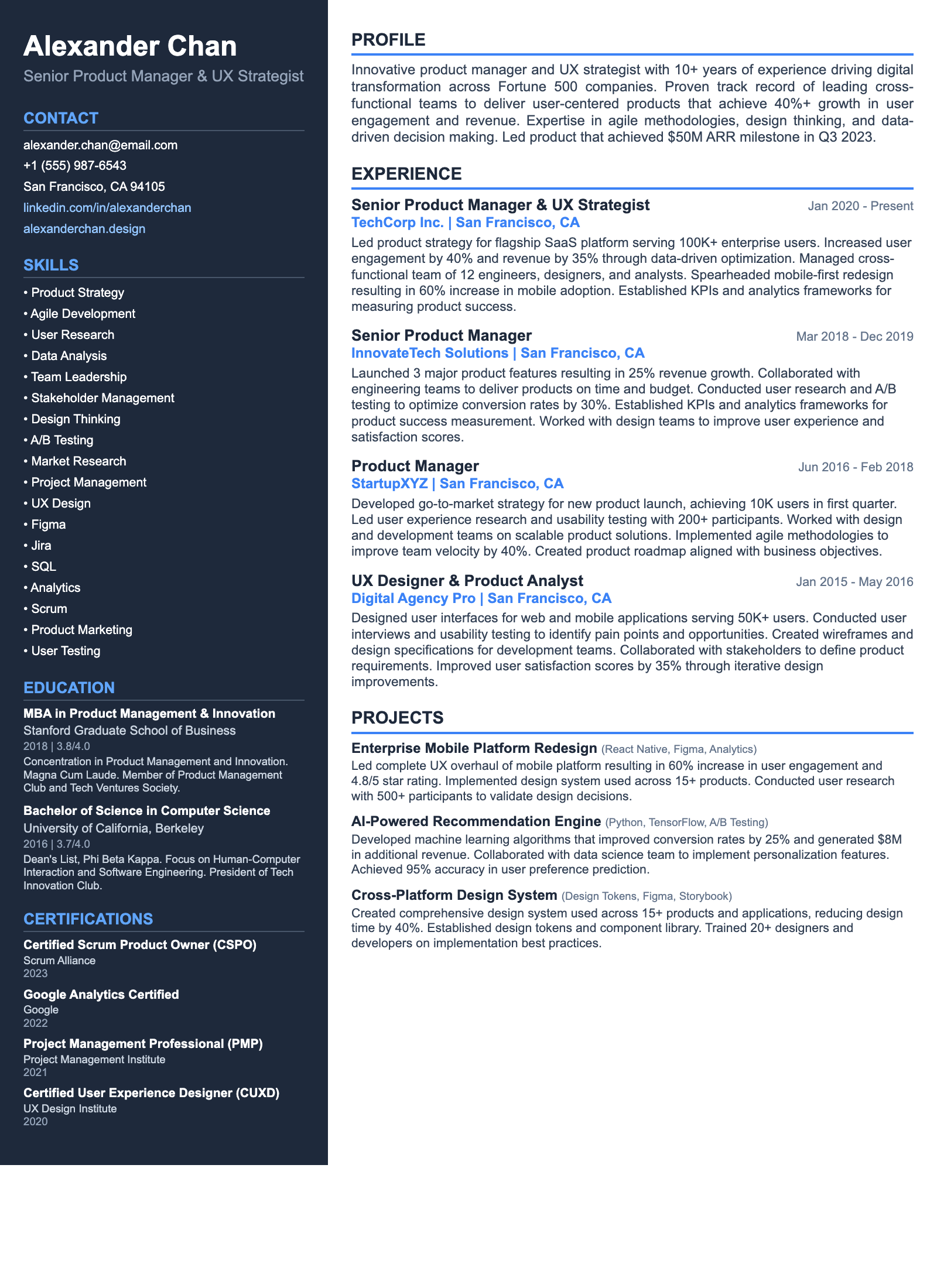
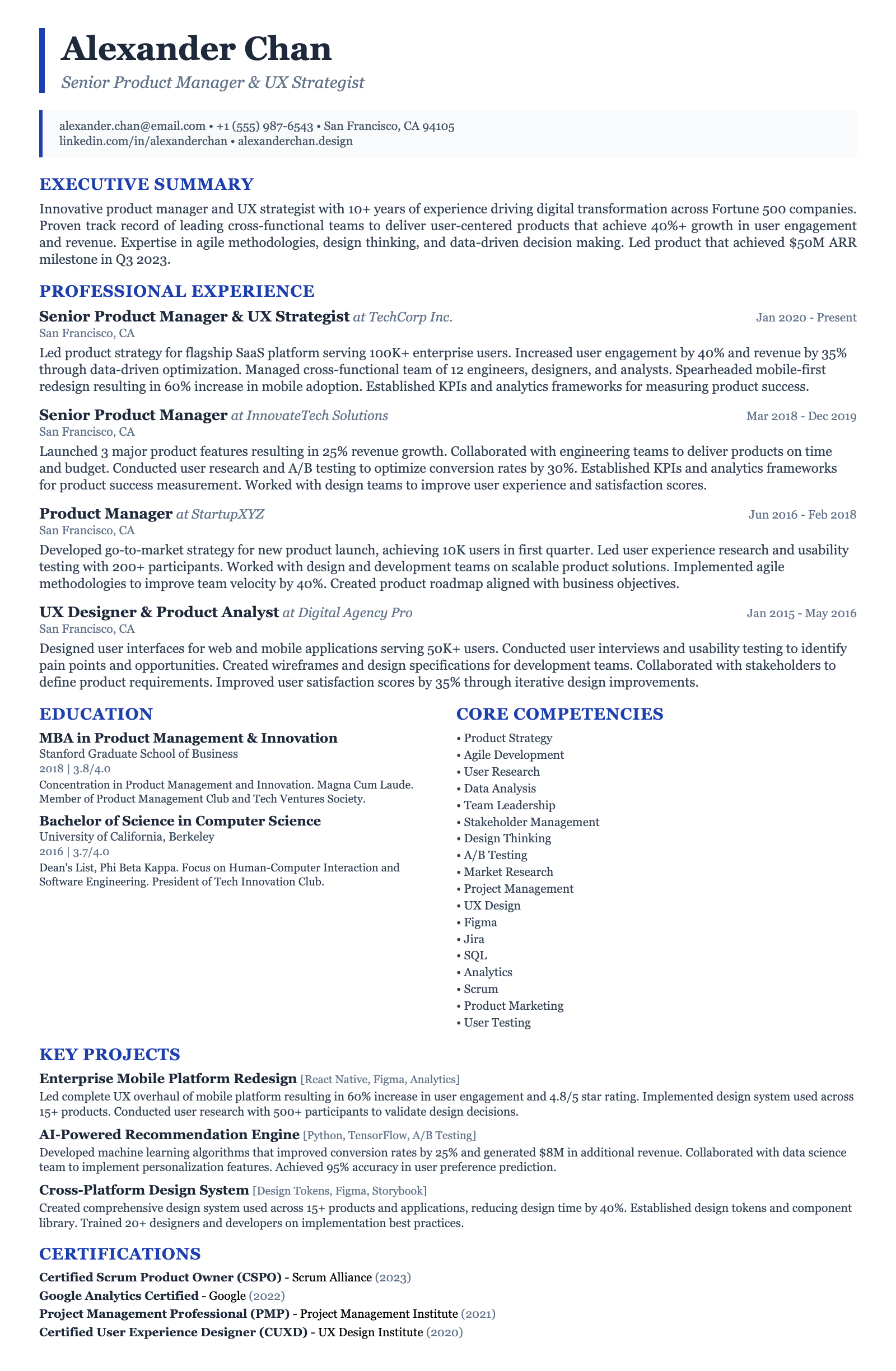
ATS-friendly templates designed specifically for Principal Hospitality Mechanical Engineer positions in the US market.
Frequently Asked Questions
What is the ideal length for a Principal Hospitality Mechanical Engineer resume?
What key skills should I emphasize on my resume?
How can I optimize my resume for Applicant Tracking Systems (ATS)?
What certifications are valuable for a Principal Hospitality Mechanical Engineer?
What are some common resume mistakes to avoid?
How can I showcase a career transition into the hospitality sector?
Continue Your Principal Hospitality Mechanical Engineer Career Research
Principal Hospitality Mechanical Engineer Salary Guide
See 2026 salary ranges, experience-based pay scales, and negotiation strategies.
View Salary DataPrincipal Hospitality Mechanical Engineer Interview Questions
Top behavioral, technical, and situational questions with expert answer strategies.
Prep for InterviewReady to Build Your Principal Hospitality Mechanical Engineer Resume?
Use our AI-powered resume builder to create an ATS-optimized resume tailored for Principal Hospitality Mechanical Engineer positions in the US market.
Complete Principal Hospitality Mechanical Engineer Career Toolkit
Everything you need for your Principal Hospitality Mechanical Engineer job search — all in one platform.
Principal Hospitality Mechanical Engineer Interview Questions
Practice with 20+ curated questions
Principal Hospitality Mechanical Engineer Salary Guide
Salary ranges, negotiation tips, market data
ATS Resume Checker
Check if your resume passes ATS filters
AI Mock Interview
Practice with AI feedback and scoring
Why choose ResumeGyani over Zety or Resume.io?
The only platform with AI mock interviews + resume builder + job search + career coaching — all in one.
Last updated: March 2026 · Content reviewed by certified resume writers · Optimized for US job market