
ATS-Optimized for US Market

Principal Hospitality Operations Manager Career & Resume Guide

Crafting a compelling resume as a Principal Hospitality Operations Manager requires showcasing your ability to optimize operations, enhance guest experiences, and drive profitability within a hospitality environment. Hiring managers seek candidates who possess a deep understanding of industry best practices, proven leadership skills, and a data-driven approach to problem-solving. Your resume should prominently feature key sections such as a professional summary highlighting your career achievements, quantifiable results demonstrating your impact on revenue and efficiency, and a detailed work history outlining your responsibilities and accomplishments. Emphasize your proficiency with industry-standard tools like property management systems (PMS) such as Oracle Opera or Cloudbeds, point-of-sale (POS) systems like Toast or Square, and revenue management software like Duetto. Showcase your data analysis skills using tools like Excel, Tableau, or Google Analytics to illustrate how you leveraged data to improve operational performance. Highlight your expertise in areas like budgeting, cost control, staff management, and customer service. Quantify your achievements wherever possible, using metrics to demonstrate your impact on key performance indicators (KPIs) such as occupancy rates, RevPAR (revenue per available room), and customer satisfaction scores. To stand out, tailor your resume to each specific job application, highlighting the skills and experiences most relevant to the position and the company's needs. Demonstrate your leadership abilities through examples of successful team management, conflict resolution, and process improvement initiatives. Finally, showcase your understanding of current industry trends, such as sustainability, technology integration, and evolving guest expectations.
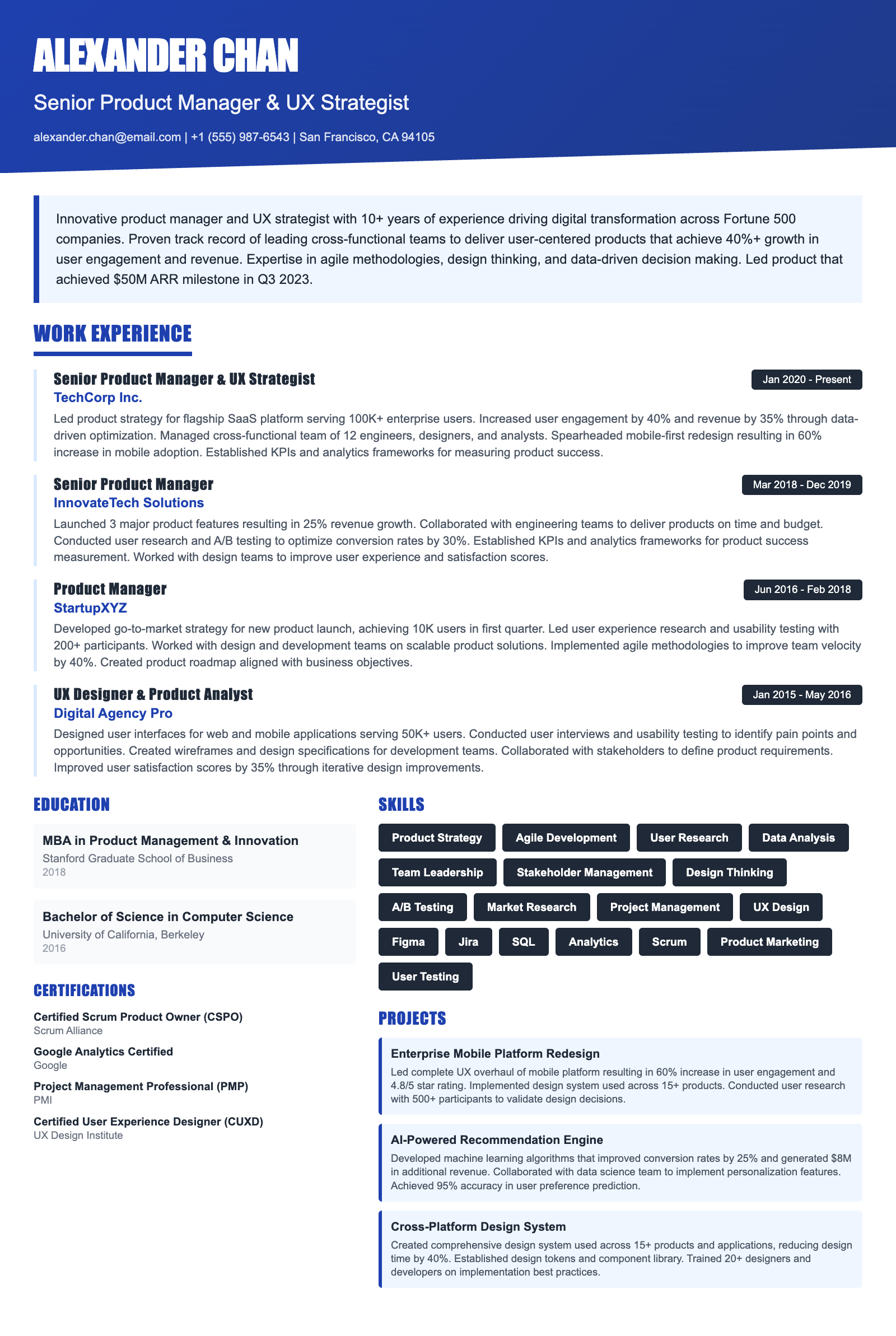
Average US Salary: $140k - $220k

Expert Tip: For Principal Hospitality Operations Manager positions in the US, recruiters increasingly look for technical execution and adaptability over simple job duties. This guide is tailored to highlight these specific traits to ensure your resume stands out in the competitive Principal Hospitality Operations Manager sector.

What US Hiring Managers Look For in a Principal Hospitality Operations Manager Resume

When reviewing Principal Hospitality Operations Manager candidates, recruiters and hiring managers in the US focus on a few critical areas. Making these elements clear and easy to find on your resume will improve your chances of moving to the interview stage.

  • Relevant experience and impact in Principal Hospitality Operations Manager or closely related roles.
  • Clear, measurable achievements (metrics, scope, outcomes) rather than duties.
  • Skills and keywords that match the job description and ATS requirements.
  • Professional formatting and no spelling or grammar errors.
  • Consistency between your resume, LinkedIn, and application.
  • Proficiency in key areas such as Communication, Time Management, Industry-Standard Tools.

Essential Skills for Principal Hospitality Operations Manager

Include these keywords in your resume to pass ATS screening and impress recruiters.

Must-Have Skills

  • CriticalCommunication
  • HighTime Management

Technical Skills

  • HighIndustry-Standard Tools
  • MediumData Analysis

Soft Skills

  • CriticalTeamwork
  • HighAdaptability
  • MediumLeadership

A Day in the Life

A Day in the Life of a Principal Operations Manager

Arrive early to review metrics or sprint progress. As a Principal Operations Manager, you lead the 9 AM stand-up, addressing blockers and setting the strategic direction for handling core responsibilities, collaborating with cross-functional teams, and driving project success within the Hospitality team. 10 AM-1 PM is for high-impact decisions. You're architecting solutions, reviewing critical deliverables, or negotiating priorities with Hospitality stakeholders. Afternoons involve mentorship and cross-org coordination. You're the go-to expert for handling core responsibilities, collaborating with cross-functional teams, and driving project success, ensuring the team's output aligns with company goals. You finish by finalizing quarterly roadmaps or reviewing next steps. At this level in Hospitality, your focus shifts from individual tasks to organizational impact.

Career Progression Path

Level 1

Operations Manager I (Entry Level)

Level 2

Operations Manager II (Junior)

Level 3

Senior Operations Manager

Level 4

Lead Operations Manager

Level 5

Operations Manager Manager / Director

Interview Questions & Answers

Prepare for your Principal Hospitality Operations Manager interview with these commonly asked questions.

Describe a time when you had to implement a significant operational change in a hotel or resort. What challenges did you face, and how did you overcome them?

Medium
Behavioral
Sample Answer
In my previous role at the Grand Vista Resort, we needed to implement a new Property Management System (PMS) to improve efficiency and guest experience. The biggest challenge was training the staff, many of whom were resistant to change. I organized comprehensive training sessions, provided ongoing support, and highlighted the benefits of the new system. I also created a user-friendly manual and appointed super-users within each department to assist their colleagues. As a result, we successfully transitioned to the new PMS with minimal disruption and saw a 15% improvement in operational efficiency.

How do you approach managing and motivating a large team with diverse backgrounds and skill sets?

Medium
Behavioral
Sample Answer
I believe in fostering a collaborative and inclusive work environment where every team member feels valued and respected. I take the time to understand each individual's strengths and weaknesses and assign tasks accordingly. I also provide regular feedback, coaching, and opportunities for professional development. Furthermore, I promote open communication and encourage team members to share their ideas and concerns. By creating a positive and supportive work environment, I can motivate my team to achieve their full potential and deliver exceptional results. I also utilize performance metrics and incentives to motivate and recognize outstanding performance.

Explain your experience with revenue management strategies and how you have used them to maximize profitability in a hospitality setting.

Technical
Technical
Sample Answer
I have extensive experience with revenue management strategies, including dynamic pricing, demand forecasting, and inventory management. In my previous role at the Coastal Inn, I implemented a dynamic pricing strategy that adjusted room rates based on real-time demand and competitor pricing. I also used demand forecasting tools to predict occupancy rates and optimize inventory levels. As a result, we increased revenue by 12% and improved RevPAR by 10%. I am also proficient in using revenue management software like Duetto and I am familiar with analyzing market trends and guest data to make informed pricing decisions.

Walk me through a time you had to deal with a major crisis, like a system outage or a severe weather event, and how you ensured business continuity and guest safety.

Hard
Situational
Sample Answer
During my tenure at the Ocean Breeze Hotel, a severe hurricane caused a widespread power outage and significant damage to the property. My priority was ensuring the safety and well-being of our guests and staff. I immediately activated our emergency response plan, which included evacuating guests to safe areas, providing them with food and water, and communicating updates regularly. I also coordinated with local authorities and emergency services to secure the property and restore power. Thanks to our proactive planning and swift response, we were able to minimize the impact of the crisis and ensure the safety of everyone involved. We also were able to quickly restore operations by utilizing a backup generator and establishing temporary communication channels.

How do you stay up-to-date with the latest trends and technologies in the hospitality industry, and how do you incorporate them into your operational strategies?

Medium
Behavioral
Sample Answer
I am a strong believer in continuous learning and professional development. I regularly attend industry conferences and webinars, read trade publications, and participate in online forums to stay informed about the latest trends and technologies. I also network with other hospitality professionals to share best practices and learn from their experiences. When I identify a promising new technology or strategy, I conduct thorough research and pilot tests to assess its potential impact on our operations. If it proves to be beneficial, I work with my team to implement it effectively and ensure that everyone is properly trained.

Imagine a scenario: You notice a significant drop in customer satisfaction scores related to the dining experience. How would you investigate the issue and implement corrective actions?

Hard
Situational
Sample Answer
The first step would involve gathering data from various sources, including customer surveys, online reviews, and feedback from front-of-house and back-of-house staff. I'd also conduct direct observations in the dining areas to identify potential issues. This data would then be analyzed to pinpoint the root causes of the dissatisfaction, whether it's related to food quality, service speed, ambiance, or pricing. Based on the findings, I would implement targeted corrective actions, such as menu revisions, staff retraining, or facility improvements. The goal is to implement solutions based on data, and then monitor customer satisfaction closely to ensure the corrective actions are effective and make adjustments as needed.

ATS Optimization Tips

Make sure your resume passes Applicant Tracking Systems used by US employers.

Incorporate specific keywords from the job description throughout your resume, including skills, tools, and industry terms. These keywords help the ATS identify you as a qualified candidate.
Use a chronological or combination resume format, as these are generally easier for ATS systems to parse. Avoid using complex formatting elements like tables, images, or unusual fonts.
Create a dedicated skills section and list both hard and soft skills relevant to the Principal Hospitality Operations Manager role. Include terms like 'revenue management', 'operational efficiency', and 'guest satisfaction'.
Quantify your achievements whenever possible, using metrics and data to demonstrate your impact. ATS systems can often extract and analyze numerical data to assess your performance.
Use standard section headings like 'Summary', 'Experience', 'Skills', and 'Education'. Avoid using creative or unconventional headings that the ATS may not recognize.
Ensure your contact information is clearly visible and easily parsable by the ATS. Include your name, phone number, email address, and LinkedIn profile URL.
Save your resume in a format that is easily readable by ATS systems, such as a Word document (.doc or .docx) or a plain text file (.txt). Avoid using PDF files unless specifically requested.
Utilize tools like Jobscan to analyze your resume and identify areas for improvement based on ATS best practices. This can help you optimize your resume for specific job postings.

Common Resume Mistakes to Avoid

Don't make these errors that get resumes rejected.

1
Failing to quantify accomplishments: Instead of just listing responsibilities, quantify your achievements with metrics like 'Increased RevPAR by 15%' or 'Reduced operating costs by 10%'.
2
Using generic language: Avoid using vague terms like 'responsible for' or 'managed'. Instead, use action verbs and specific examples to showcase your accomplishments.
3
Neglecting to tailor the resume to the specific job description: Customize your resume to highlight the skills and experiences most relevant to the specific requirements of the role.
4
Omitting key industry certifications: If you have certifications like CHA or CHRM, make sure to prominently feature them on your resume to demonstrate your expertise.
5
Ignoring Applicant Tracking System (ATS) best practices: Using complex formatting or omitting keywords can prevent your resume from being properly processed by the ATS.
6
Focusing solely on responsibilities instead of results: Highlight the impact you had on the organization, such as increased revenue, improved efficiency, or enhanced customer satisfaction.
7
Including irrelevant information: Remove any information that is not directly related to the hospitality industry or the specific job requirements.
8
Not proofreading carefully: Typos, grammatical errors, and formatting inconsistencies can make your resume look unprofessional.

Industry Outlook

The US Hospitality sector is experiencing steady growth. Principal Operations Managers are particularly sought after, with the Bureau of Labor Statistics projecting average job growth through 2030. Peak hiring occurs in Q1 (January-March) and Q3 (August-September).

Top Hiring Companies

Industry LeadersRegional FirmsFast-Growing Companies

Recommended Resume Templates

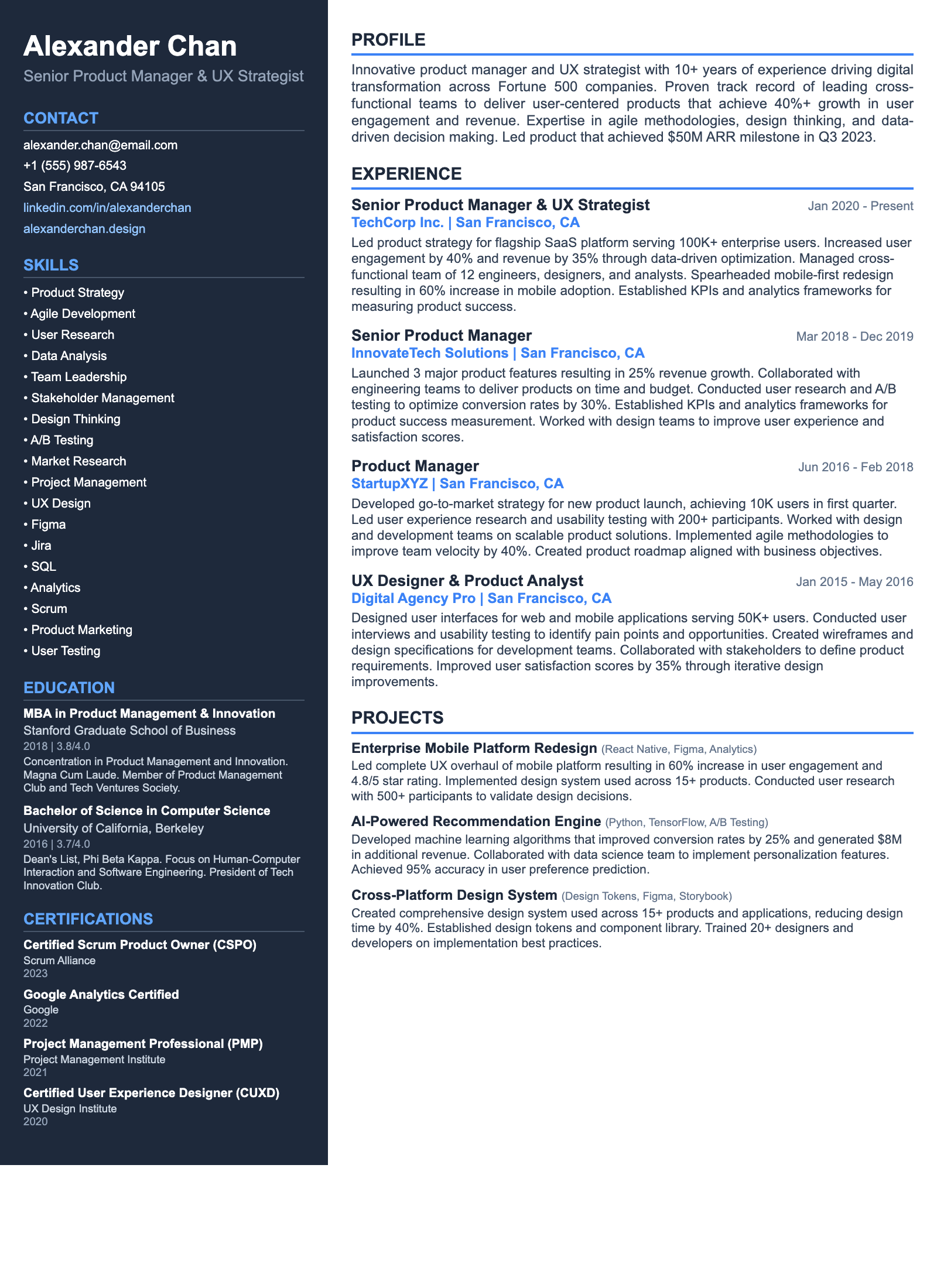
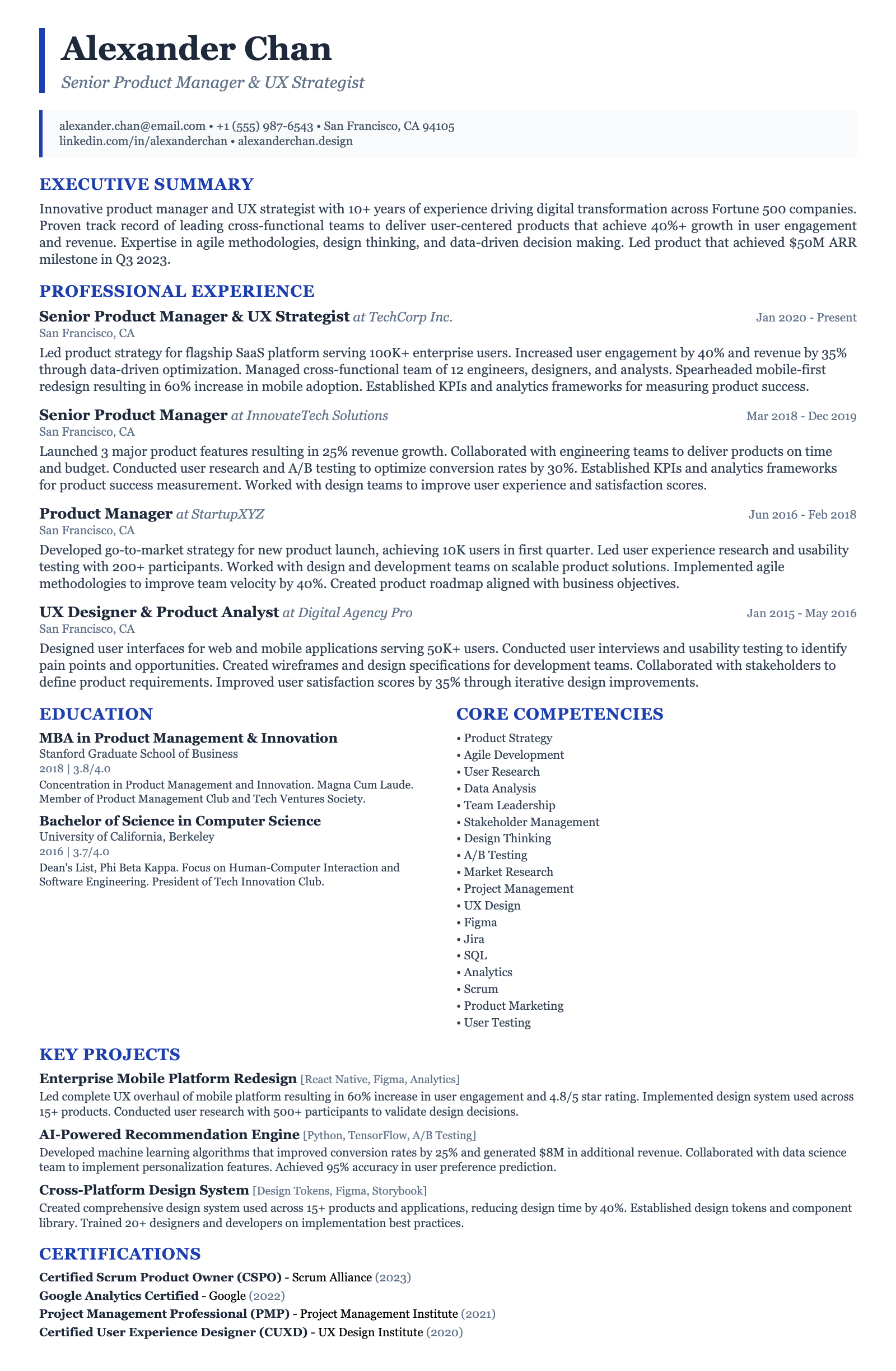
ATS-friendly templates designed specifically for Principal Hospitality Operations Manager positions in the US market.
Frequently Asked Questions

What is the ideal length for a Principal Hospitality Operations Manager resume?

Ideally, your resume should be no more than two pages. As a senior-level professional, you likely have a wealth of experience, but focus on the most relevant and impactful accomplishments. Quantify your achievements with metrics related to revenue, cost savings, and operational efficiency. Use concise language and prioritize information that aligns with the specific requirements of the role you are applying for. Consider using tools like Grammarly to ensure clarity and conciseness.

What are the most important skills to highlight on my resume?

Prioritize skills directly related to hospitality operations management. This includes proficiency in Property Management Systems (PMS) like Oracle Opera and Cloudbeds, Point of Sale (POS) systems like Toast and Square, revenue management software like Duetto, and data analysis tools like Excel, Tableau, and Google Analytics. Also, emphasize leadership, communication, problem-solving, and financial management skills. Provide specific examples of how you've used these skills to improve operations, increase revenue, or enhance customer satisfaction.

How can I optimize my resume for Applicant Tracking Systems (ATS)?

Use a simple, ATS-friendly format with clear headings and bullet points. Avoid using tables, images, or unusual fonts, as these can confuse the ATS. Incorporate keywords from the job description throughout your resume, especially in the skills and experience sections. Save your resume as a Word document or plain text file to ensure compatibility with most ATS systems. Tools like Jobscan can help you analyze your resume and identify areas for improvement based on ATS requirements.

Are certifications important for a Principal Hospitality Operations Manager resume?

While not always required, relevant certifications can enhance your resume and demonstrate your commitment to professional development. Consider certifications such as Certified Hotel Administrator (CHA), Certified Hospitality Revenue Manager (CHRM), or certifications in specific software systems like Oracle Opera. Highlight these certifications prominently in a dedicated section of your resume to showcase your expertise and credibility.

What are some common resume mistakes to avoid?

Avoid generic resume templates that lack personalization. Don't simply list your job responsibilities; instead, quantify your accomplishments and demonstrate the impact you had on the organization. Avoid using vague language or jargon that may not be understood by the hiring manager. Also, avoid including irrelevant information or skills that are not directly related to the hospitality industry or the specific job requirements. Proofread carefully to eliminate any typos or grammatical errors.

How can I showcase a career transition into hospitality operations management on my resume?

If you're transitioning into a Principal Hospitality Operations Manager role from another industry, focus on transferable skills such as leadership, financial management, customer service, and problem-solving. Highlight any experience you have with managing teams, budgets, or operations in previous roles. Consider taking relevant courses or certifications to demonstrate your commitment to the hospitality industry. Tailor your resume to emphasize the skills and experiences that are most relevant to the hospitality industry, showcasing your ability to adapt and succeed in a new environment. Use the professional summary to succinctly explain the transition and highlight your enthusiasm for the role.

Ready to Build Your Principal Hospitality Operations Manager Resume?

Use our AI-powered resume builder to create an ATS-optimized resume tailored for Principal Hospitality Operations Manager positions in the US market.

Complete Principal Hospitality Operations Manager Career Toolkit

Everything you need for your Principal Hospitality Operations Manager job search — all in one platform.

Why choose ResumeGyani over Zety or Resume.io?

The only platform with AI mock interviews + resume builder + job search + career coaching — all in one.

See comparison

Last updated: March 2026 · Content reviewed by certified resume writers · Optimized for US job market