
ATS-Optimized for US Market

Principal Hospitality Real Estate Agent Career & Resume Guide

As a Principal Hospitality Real Estate Agent, your resume needs to demonstrate a proven track record of success in the acquisition, disposition, and management of hospitality properties. Hiring managers seek candidates with deep market knowledge, strong negotiation skills, and the ability to drive revenue growth. Your resume should prominently feature quantifiable achievements, showcasing your expertise in areas like hotel valuation, investment analysis, and deal structuring. Key sections include a compelling summary highlighting your leadership experience, detailed work history with specific accomplishments, and a skills section emphasizing your proficiency in industry-standard tools such as CoStar, STR, and RCA. To stand out, quantify your impact using metrics like RevPAR improvement, occupancy rate increases, or transaction volume. Highlight your communication skills through examples of successful negotiations and client relationship management. Demonstrating adaptability by showcasing experience in various market conditions and property types will also strengthen your candidacy. Leadership experience in managing teams and mentoring junior agents is highly valued. Your resume must clearly convey your ability to lead complex transactions and deliver exceptional results in the hospitality real estate sector.
Average US Salary: $140k - $220k

Expert Tip: For Principal Hospitality Real Estate Agent positions in the US, recruiters increasingly look for technical execution and adaptability over simple job duties. This guide is tailored to highlight these specific traits to ensure your resume stands out in the competitive Principal Hospitality Real Estate Agent sector.

What US Hiring Managers Look For in a Principal Hospitality Real Estate Agent Resume

When reviewing Principal Hospitality Real Estate Agent candidates, recruiters and hiring managers in the US focus on a few critical areas. Making these elements clear and easy to find on your resume will improve your chances of moving to the interview stage.

  • Relevant experience and impact in Principal Hospitality Real Estate Agent or closely related roles.
  • Clear, measurable achievements (metrics, scope, outcomes) rather than duties.
  • Skills and keywords that match the job description and ATS requirements.
  • Professional formatting and no spelling or grammar errors.
  • Consistency between your resume, LinkedIn, and application.
  • Proficiency in key areas such as Communication, Time Management, Industry-Standard Tools.

Essential Skills for Principal Hospitality Real Estate Agent

Include these keywords in your resume to pass ATS screening and impress recruiters.

Must-Have Skills

  • CriticalCommunication
  • HighTime Management

Technical Skills

  • HighIndustry-Standard Tools
  • MediumData Analysis

Soft Skills

  • CriticalTeamwork
  • HighAdaptability
  • MediumLeadership

A Day in the Life

A Day in the Life of a Principal Real Estate Agent

Arrive early to review metrics or sprint progress. As a Principal Real Estate Agent, you lead the 9 AM stand-up, addressing blockers and setting the strategic direction for handling core responsibilities, collaborating with cross-functional teams, and driving project success within the Hospitality team. 10 AM-1 PM is for high-impact decisions. You're architecting solutions, reviewing critical deliverables, or negotiating priorities with Hospitality stakeholders. Afternoons involve mentorship and cross-org coordination. You're the go-to expert for handling core responsibilities, collaborating with cross-functional teams, and driving project success, ensuring the team's output aligns with company goals. You finish by finalizing quarterly roadmaps or reviewing next steps. At this level in Hospitality, your focus shifts from individual tasks to organizational impact.

Career Progression Path

Level 1

Real Estate Agent I (Entry Level)

Level 2

Real Estate Agent II (Junior)

Level 3

Senior Real Estate Agent

Level 4

Lead Real Estate Agent

Level 5

Real Estate Agent Manager / Director

Interview Questions & Answers

Prepare for your Principal Hospitality Real Estate Agent interview with these commonly asked questions.

Describe a complex hospitality real estate transaction you led. What challenges did you face, and how did you overcome them?

Hard
Situational
Sample Answer
In my previous role, I led the acquisition of a distressed hotel property with significant deferred maintenance. The challenge was securing financing and developing a comprehensive renovation plan within a tight timeframe. I leveraged my network to identify a lender willing to take on the risk and collaborated with a team of architects and contractors to create a phased renovation plan that minimized disruption to operations. We successfully completed the acquisition and renovation on time and within budget, resulting in a 30% increase in RevPAR within the first year. This required strong communication, negotiation, and problem-solving skills to navigate the complexities of the deal.

How do you stay updated on market trends and industry news in the hospitality real estate sector?

Medium
Behavioral
Sample Answer
I subscribe to industry publications such as Hotel News Now and Lodging Magazine, and actively participate in industry conferences like the ALIS conference. I also leverage data from STR and CoStar to analyze market trends and identify investment opportunities. Furthermore, I maintain a network of contacts within the industry, including brokers, developers, and lenders, to stay informed about emerging trends and potential deals. I regularly analyze reports and use tools to stay ahead of the curve.

Tell me about a time you had to negotiate a difficult deal. What strategies did you use, and what was the outcome?

Medium
Behavioral
Sample Answer
I once represented a seller in a negotiation with a buyer who was significantly undervaluing the property due to perceived risks. I conducted thorough market research to demonstrate the property's true value and highlighted its potential for future growth. I also built a strong rapport with the buyer and addressed their concerns through transparent communication and creative problem-solving. Ultimately, I secured a deal that was 15% higher than the initial offer, satisfying my client's objectives. This highlights the importance of thorough preparation, strong communication, and a collaborative approach in negotiations.

How do you approach building and maintaining relationships with clients in the hospitality industry?

Easy
Behavioral
Sample Answer
Building strong client relationships is paramount. I prioritize understanding their specific needs and investment goals. I maintain regular communication, providing them with timely market insights and potential opportunities. I also make myself available to address their concerns and provide support throughout the entire transaction process. I believe in building trust and long-term partnerships by consistently delivering exceptional service and results. I utilize CRM tools to track interactions and ensure personalized attention.

Describe your experience with financial modeling and investment analysis in the context of hospitality real estate.

Medium
Technical
Sample Answer
I have extensive experience in financial modeling and investment analysis, utilizing tools like Excel and Argus to evaluate the financial viability of hospitality properties. I am proficient in creating pro forma statements, conducting discounted cash flow analysis, and assessing various investment metrics such as cap rates, internal rate of return (IRR), and net present value (NPV). I use these analyses to advise clients on investment decisions and to negotiate favorable terms in transactions. I'm adept at sensitivity analysis to account for market fluctuations.

How do you handle a situation where you disagree with a colleague or superior on a strategic decision related to a hospitality deal?

Hard
Situational
Sample Answer
In such situations, I prioritize open and respectful communication. I would first ensure I fully understand their perspective and rationale. Then, I would present my own analysis and reasoning, supported by data and market research. I would be prepared to compromise and find a solution that aligns with the overall goals of the team and the client. The ultimate goal is to reach the best possible outcome for the deal, even if it means setting aside my personal preference. Collaboration and a focus on shared objectives are key.

ATS Optimization Tips

Make sure your resume passes Applicant Tracking Systems used by US employers.

Incorporate industry-specific keywords such as "Hotel Valuation", "RevPAR", "Hospitality Investments", "Asset Management", and "Portfolio Optimization" directly from the job description.
Use a chronological resume format. ATS systems are designed to parse information in a linear fashion, making it easier to track your career progression.
Quantify your accomplishments with numbers and data points. Highlight key performance indicators (KPIs) like increased occupancy rates, transaction volume, and revenue growth.
Use clear and concise language, avoiding jargon or overly technical terms that may not be recognized by the ATS. Focus on quantifiable results and relevant skills.
Include a dedicated skills section listing both hard and soft skills, such as "Financial Modeling", "Negotiation", "Market Analysis", and "Client Relationship Management."
Save your resume in a format compatible with ATS, such as .doc or .docx. Avoid using PDFs unless explicitly requested by the employer.
Use standard section headings like "Summary", "Experience", "Skills", and "Education" to ensure the ATS can accurately categorize your information.
Tailor your resume to each specific job application. Customize your skills and experience to align with the specific requirements outlined in the job description.

Common Resume Mistakes to Avoid

Don't make these errors that get resumes rejected.

1
Failing to quantify achievements: Principal roles require demonstrating a tangible impact, so neglecting to include metrics such as deal volume, revenue growth, or occupancy rate improvements is a significant oversight.
2
Using generic language: Avoid vague descriptions of your responsibilities. Instead, focus on specific projects and initiatives you led, highlighting your contributions and results.
3
Not highlighting leadership experience: As a Principal, leadership is crucial. Failing to showcase your experience in managing teams, mentoring junior agents, or leading negotiations is a mistake.
4
Omitting industry-specific tools: Not mentioning proficiency with essential tools like CoStar, STR, or RCA can make you appear less qualified than candidates who do.
5
Neglecting to tailor the resume: Sending the same generic resume to multiple employers is a common mistake. Tailor your resume to each specific job description, highlighting the most relevant skills and experience.
6
Focusing only on responsibilities, not results: Simply listing your duties is not enough. Emphasize the outcomes you achieved, demonstrating your ability to drive revenue and improve performance.
7
Ignoring market trends: Not demonstrating an understanding of current market conditions and trends in the hospitality industry can make you appear out of touch.
8
Poor formatting and grammar: A poorly formatted resume with grammatical errors reflects poorly on your attention to detail and professionalism.

Industry Outlook

The US Hospitality sector is experiencing steady growth. Principal Real Estate Agents are particularly sought after, with the Bureau of Labor Statistics projecting average job growth through 2030. Peak hiring occurs in Q1 (January-March) and Q3 (August-September).

Top Hiring Companies

Industry LeadersRegional FirmsFast-Growing Companies

Recommended Resume Templates

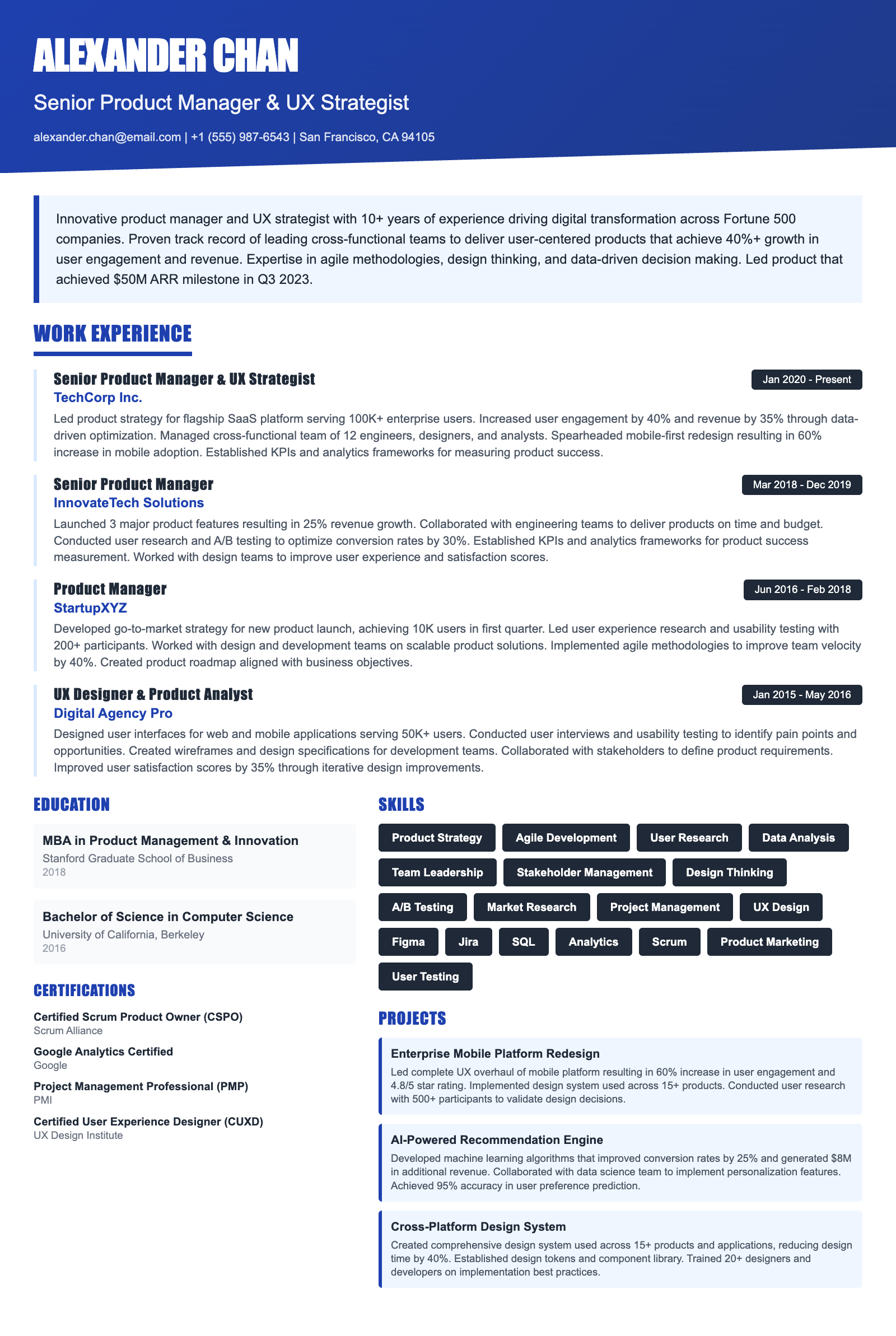
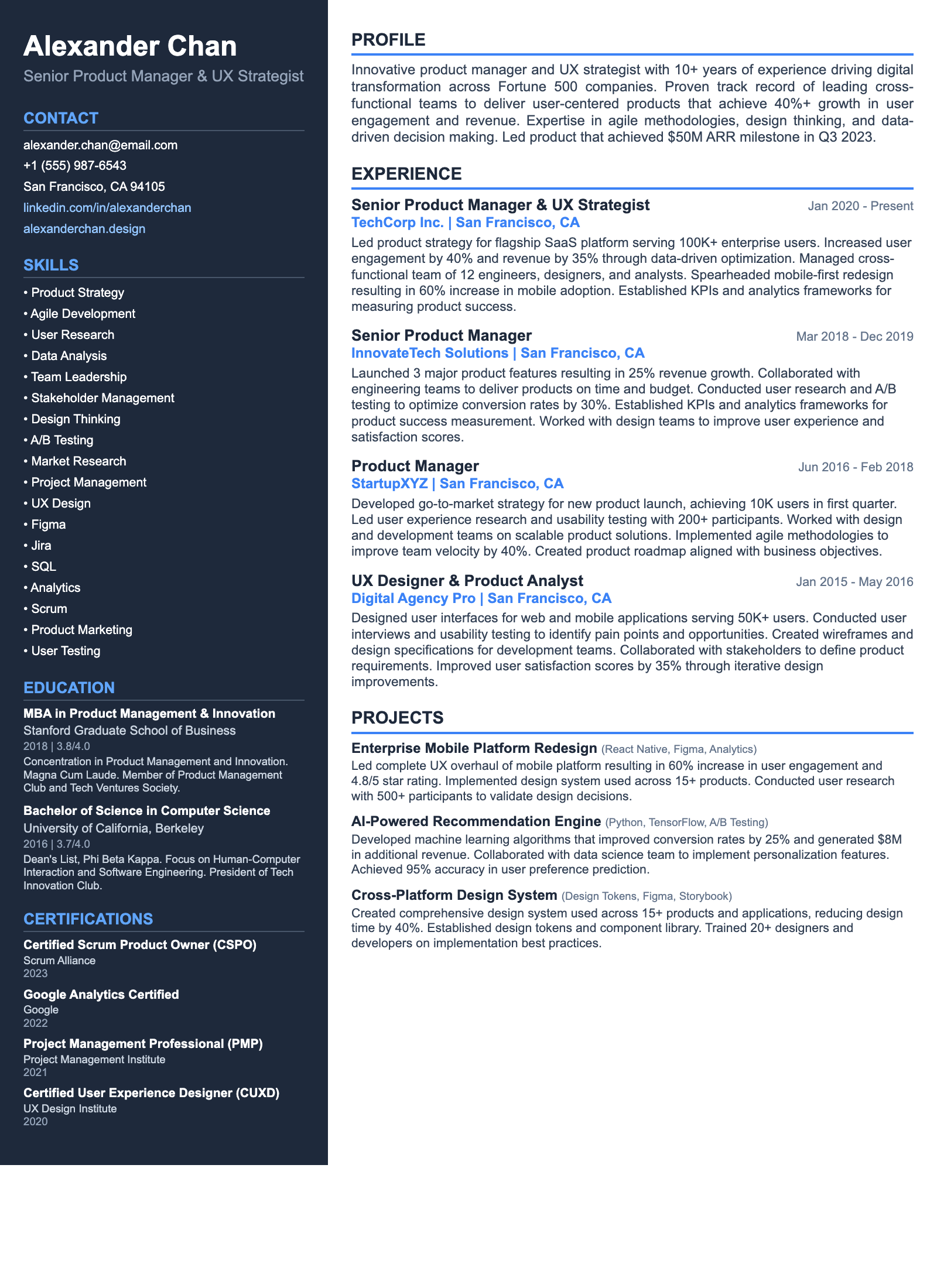
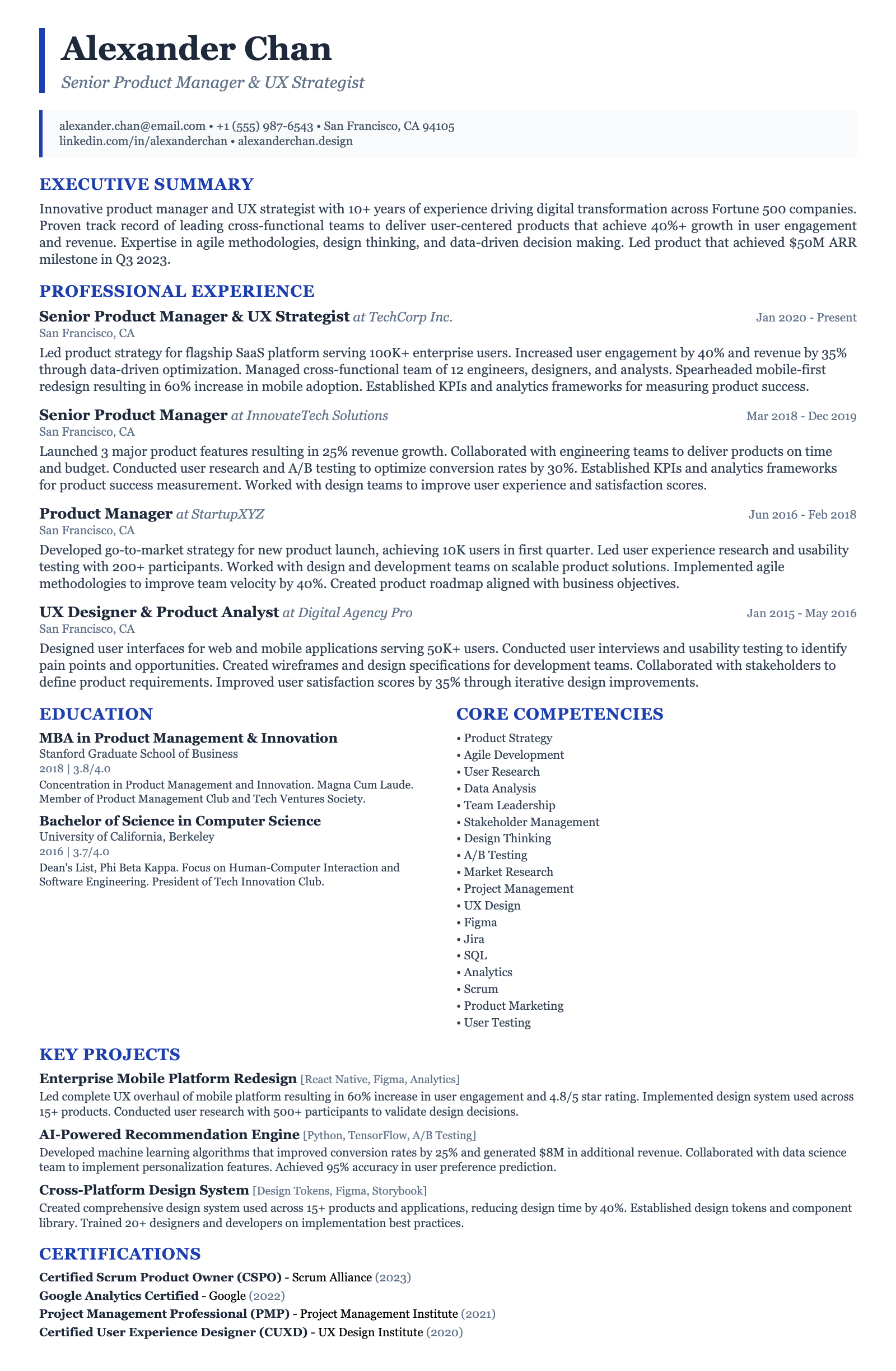
ATS-friendly templates designed specifically for Principal Hospitality Real Estate Agent positions in the US market.
Frequently Asked Questions

How long should my Principal Hospitality Real Estate Agent resume be?

Ideally, your resume should be no more than two pages. Given the depth of experience required for a Principal role, a single page is often insufficient. Prioritize the most relevant and impactful accomplishments, using data to support your claims. Focus on projects where you utilized tools like CoStar and STR to drive successful outcomes. Ensure each role reflects your progression and contribution to the hospitality real estate industry.

What are the most important skills to highlight on my resume?

Key skills to emphasize include financial modeling, investment analysis, negotiation, deal structuring, market analysis, client relationship management, and leadership. Also highlight your proficiency with industry-specific tools such as CoStar, STR, RCA, and Argus. Quantify your achievements whenever possible, showcasing how your skills have translated into tangible results, such as increased transaction volume or improved RevPAR.

How can I optimize my resume for Applicant Tracking Systems (ATS)?

To optimize for ATS, use keywords directly from the job description, such as "hospitality investment," "asset management," or "portfolio valuation." Format your resume with clear headings and bullet points. Avoid using tables, images, or unusual fonts that may not be parsed correctly. Save your resume as a .doc or .docx file, as these formats are generally ATS-friendly. Use a simple, chronological format to ensure the system correctly interprets your career progression. Consider using an ATS checker tool to preview how your resume will be read.

Are there any specific certifications that are beneficial for this role?

While not always mandatory, certifications like the Certified Commercial Investment Member (CCIM) or Certified Hotel Administrator (CHA) can significantly enhance your credibility. These certifications demonstrate a commitment to professional development and a deep understanding of the hospitality real estate industry. Highlight any relevant continuing education or industry-specific training you have completed.

What are some common resume mistakes to avoid?

Avoid generic descriptions and focus on quantifiable achievements. Do not neglect to tailor your resume to each specific job application. Refrain from using outdated or irrelevant information. Overselling your abilities without concrete evidence can also be detrimental. Ensure your contact information is accurate and professional, and avoid grammatical errors and typos. Failing to showcase your leadership experience and deal-making abilities is a crucial mistake.

How can I showcase a career transition into Principal Hospitality Real Estate Agent?

If transitioning from a related field, emphasize transferable skills such as financial analysis, negotiation, and market research. Highlight any experience with property management or investment, even if it wasn't specifically in hospitality. Quantify your achievements in previous roles to demonstrate your ability to deliver results. Consider taking relevant courses or certifications to showcase your commitment to the new field. Clearly articulate your passion for the hospitality industry and your understanding of its unique challenges and opportunities.

Ready to Build Your Principal Hospitality Real Estate Agent Resume?

Use our AI-powered resume builder to create an ATS-optimized resume tailored for Principal Hospitality Real Estate Agent positions in the US market.

Complete Principal Hospitality Real Estate Agent Career Toolkit

Everything you need for your Principal Hospitality Real Estate Agent job search — all in one platform.

Why choose ResumeGyani over Zety or Resume.io?

The only platform with AI mock interviews + resume builder + job search + career coaching — all in one.

See comparison

Last updated: March 2026 · Content reviewed by certified resume writers · Optimized for US job market

Principal Hospitality Real Estate Agent Resume Guide (2026) | ATS-Optimized Template