
ATS-Optimized for US Market

Principal Legal Data Scientist Career & Resume Guide

As a Principal Legal Data Scientist, your resume needs to showcase your ability to bridge the gap between legal expertise and data science. Hiring managers seek candidates who can leverage data to solve complex legal problems, improve legal processes, and provide strategic insights. Your resume should highlight your proficiency in data analysis, statistical modeling, and machine learning, specifically within a legal context. Key sections to include are a compelling summary showcasing your accomplishments, detailed experience emphasizing projects with measurable impact (e.g., reduced litigation costs, improved compliance), and a skills section highlighting your technical abilities and legal knowledge. To stand out, quantify your achievements whenever possible, demonstrating the ROI of your data science initiatives in a legal setting. Mention specific tools and frameworks such as Python (with libraries like scikit-learn, pandas, and TensorFlow), R, SQL, and cloud platforms like AWS or Azure. Knowledge of legal databases such as LexisNexis or Westlaw, and e-discovery platforms like Relativity are highly valued. Showcase your understanding of legal concepts, regulations, and ethical considerations related to data privacy and security. Your leadership experience, including mentoring junior data scientists and collaborating with legal teams, should also be clearly articulated. Emphasize your communication skills to demonstrate you can convey complex technical findings to non-technical stakeholders.
Average US Salary: $168k - $286k

Expert Tip: For Principal Legal Data Scientist positions in the US, recruiters increasingly look for technical execution and adaptability over simple job duties. This guide is tailored to highlight these specific traits to ensure your resume stands out in the competitive Principal Legal Data Scientist sector.

What US Hiring Managers Look For in a Principal Legal Data Scientist Resume

When reviewing Principal Legal Data Scientist candidates, recruiters and hiring managers in the US focus on a few critical areas. Making these elements clear and easy to find on your resume will improve your chances of moving to the interview stage.

  • Relevant experience and impact in Principal Legal Data Scientist or closely related roles.
  • Clear, measurable achievements (metrics, scope, outcomes) rather than duties.
  • Skills and keywords that match the job description and ATS requirements.
  • Professional formatting and no spelling or grammar errors.
  • Consistency between your resume, LinkedIn, and application.
  • Proficiency in key areas such as Communication, Time Management, Industry-Standard Tools.

Essential Skills for Principal Legal Data Scientist

Include these keywords in your resume to pass ATS screening and impress recruiters.

Must-Have Skills

  • CriticalCommunication
  • HighTime Management

Technical Skills

  • HighIndustry-Standard Tools
  • MediumData Analysis

Soft Skills

  • CriticalTeamwork
  • HighAdaptability
  • MediumLeadership

A Day in the Life

A Day in the Life of a Principal Data Scientist

Arrive early to review metrics or sprint progress. As a Principal Data Scientist, you lead the 9 AM stand-up, addressing blockers and setting the strategic direction for handling core responsibilities, collaborating with cross-functional teams, and driving project success within the Legal team. 10 AM-1 PM is for high-impact decisions. You're architecting solutions, reviewing critical deliverables, or negotiating priorities with Legal stakeholders. Afternoons involve mentorship and cross-org coordination. You're the go-to expert for handling core responsibilities, collaborating with cross-functional teams, and driving project success, ensuring the team's output aligns with company goals. You finish by finalizing quarterly roadmaps or reviewing next steps. At this level in Legal, your focus shifts from individual tasks to organizational impact.

Career Progression Path

Level 1

Data Scientist I (Entry Level)

Level 2

Data Scientist II (Junior)

Level 3

Senior Data Scientist

Level 4

Lead Data Scientist

Level 5

Data Scientist Manager / Director

Interview Questions & Answers

Prepare for your Principal Legal Data Scientist interview with these commonly asked questions.

Describe a time you used data analysis to solve a complex legal problem. What were the challenges, and how did you overcome them?

Medium
Behavioral
Sample Answer
In a previous role, we needed to predict the outcome of patent litigation cases. The challenge was unstructured legal documents. I used NLP techniques to extract key features from case filings, prior art, and expert opinions. We trained a machine learning model to predict the likelihood of success for each case. This helped the legal team prioritize cases, allocate resources effectively, and negotiate settlements more strategically. The main challenge was noisy data, which I addressed using advanced cleaning techniques and feature engineering.

Explain your experience with e-discovery platforms like Relativity. How have you leveraged data science techniques to improve the e-discovery process?

Medium
Technical
Sample Answer
I have extensive experience with Relativity, using it to streamline the e-discovery process. Specifically, I've implemented machine learning models for document classification and prioritization, which significantly reduced the time and cost associated with manual review. For example, I developed a model that identified privileged documents with 95% accuracy, allowing the legal team to focus on the most relevant materials. I'm familiar with using active learning to continuously improve the model's performance based on reviewer feedback.

How would you approach building a compliance model to detect potential regulatory violations?

Hard
Situational
Sample Answer
To build a compliance model, I'd first collaborate with legal and compliance experts to define the specific regulatory requirements and potential violation patterns. I'd then gather relevant data from internal systems and external sources, focusing on variables predictive of violations. Next, I would clean and pre-process data, engineer features, and choose modeling techniques. I'd evaluate and refine the model. The final model should be regularly monitored and updated based on new data and changing regulations. I'd also ensure the model's transparency and explainability to facilitate understanding and trust.

Describe a situation where you had to explain a complex data science concept to a non-technical legal team. How did you ensure they understood the information?

Easy
Behavioral
Sample Answer
I once presented a model predicting litigation outcomes to a legal team unfamiliar with data science. To ensure understanding, I avoided technical jargon and focused on the practical implications of the model. I used visual aids, such as charts and graphs, to illustrate the model's predictions and their potential impact on case strategy. I also provided real-world examples and analogies to make the concepts more relatable. I encouraged questions and actively listened to their concerns, addressing them in a clear and concise manner.

What are your preferred methods for ensuring data privacy and security when working with sensitive legal data?

Medium
Technical
Sample Answer
When handling sensitive legal data, I prioritize data privacy and security. My preferred methods include implementing robust access controls, encrypting data at rest and in transit, and anonymizing data whenever possible. I also adhere to relevant data privacy regulations, such as GDPR and CCPA. I regularly review and update security protocols to mitigate potential risks. Finally, I collaborate with IT and legal teams to ensure compliance with all applicable policies and regulations.

How do you stay up-to-date with the latest advancements in both data science and the legal field?

Easy
Behavioral
Sample Answer
To stay current, I actively engage in continuous learning. I regularly read industry publications, attend conferences, and participate in online courses and webinars focused on both data science and legal technology. I also follow thought leaders and experts in both fields on social media and professional networking platforms. Additionally, I actively participate in relevant communities and forums to exchange ideas and learn from others' experiences. This ensures that my skills and knowledge remain at the forefront of both disciplines.

ATS Optimization Tips

Make sure your resume passes Applicant Tracking Systems used by US employers.

Incorporate industry-specific keywords such as "e-discovery", "litigation analytics", "compliance modeling", and "regulatory reporting" throughout your resume.
Use standard section headings like "Skills", "Experience", and "Education" for optimal parsing. Avoid creative or unconventional titles.
Quantify your achievements with metrics such as "reduced litigation costs by X%" or "improved compliance rate by Y%" to demonstrate impact.
List your skills in a dedicated skills section, separating them into categories like "Programming Languages", "Statistical Modeling", and "Legal Knowledge".
Use a chronological or reverse-chronological format to clearly showcase your career progression and experience.
Save your resume as a PDF to preserve formatting, but ensure the text is selectable by ATS systems.
Tailor your resume to each specific job application by incorporating keywords and skills mentioned in the job description.
Include your contact information (name, phone number, email address, LinkedIn profile) at the top of your resume for easy access.

Common Resume Mistakes to Avoid

Don't make these errors that get resumes rejected.

1
Failing to quantify the impact of data science projects on legal outcomes (e.g., cost savings, risk reduction).
2
Using generic descriptions of responsibilities instead of highlighting specific achievements and contributions.
3
Neglecting to showcase your understanding of legal concepts and regulations relevant to data science.
4
Omitting experience with legal databases (e.g., LexisNexis, Westlaw) or e-discovery platforms (e.g., Relativity).
5
Not tailoring your resume to each specific job application, resulting in a lack of relevant keywords and skills.
6
Overlooking the importance of communication skills in conveying complex technical findings to non-technical legal stakeholders.
7
Focusing solely on technical skills without demonstrating the ability to solve real-world legal problems.
8
Using a visually cluttered or unconventional resume format that is difficult for ATS systems to parse.

Industry Outlook

The US Legal sector is experiencing steady growth. Principal Data Scientists are particularly sought after, with the Bureau of Labor Statistics projecting average job growth through 2030. Peak hiring occurs in Q1 (January-March) and Q3 (August-September).

Top Hiring Companies

Industry LeadersRegional FirmsFast-Growing Companies

Recommended Resume Templates

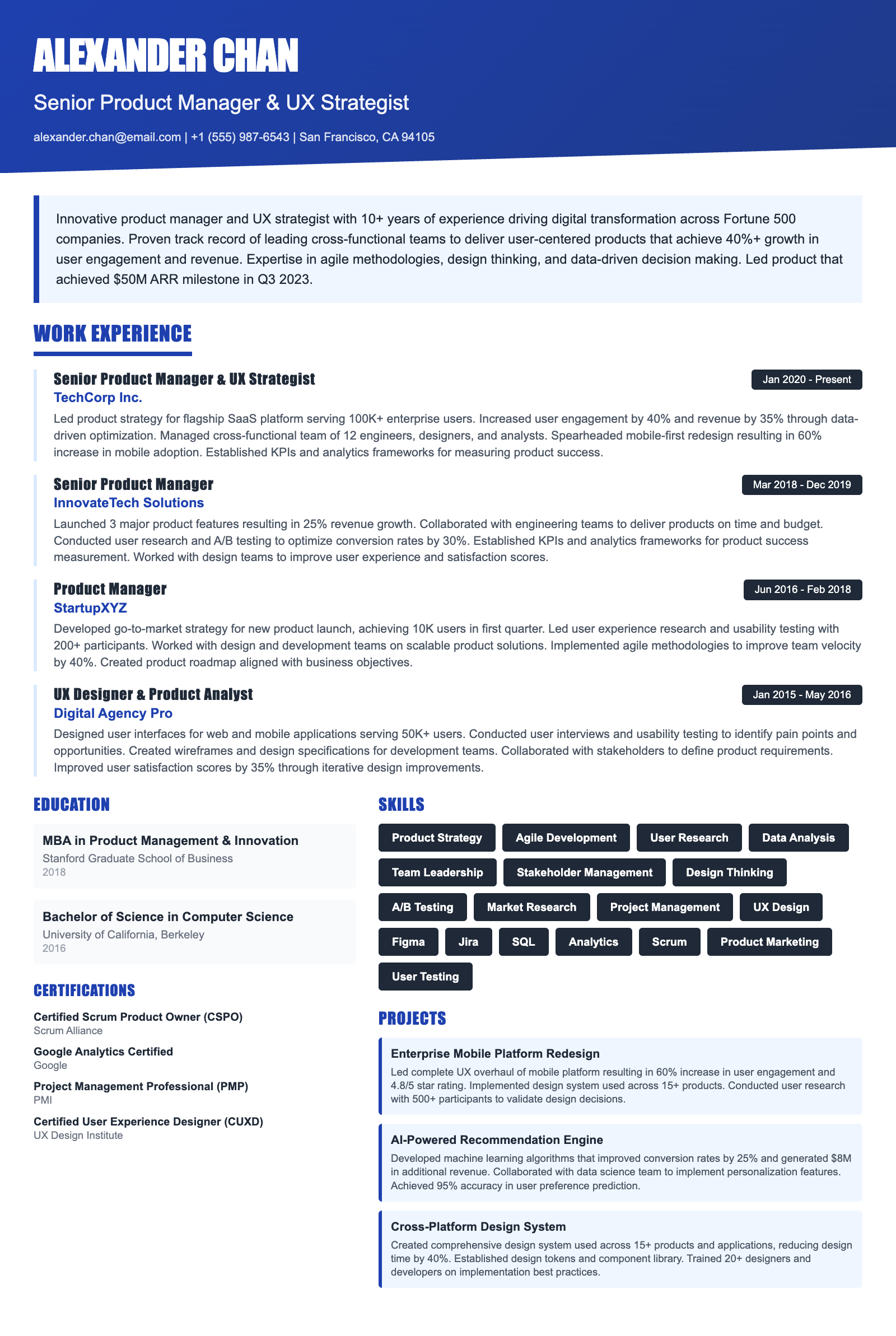
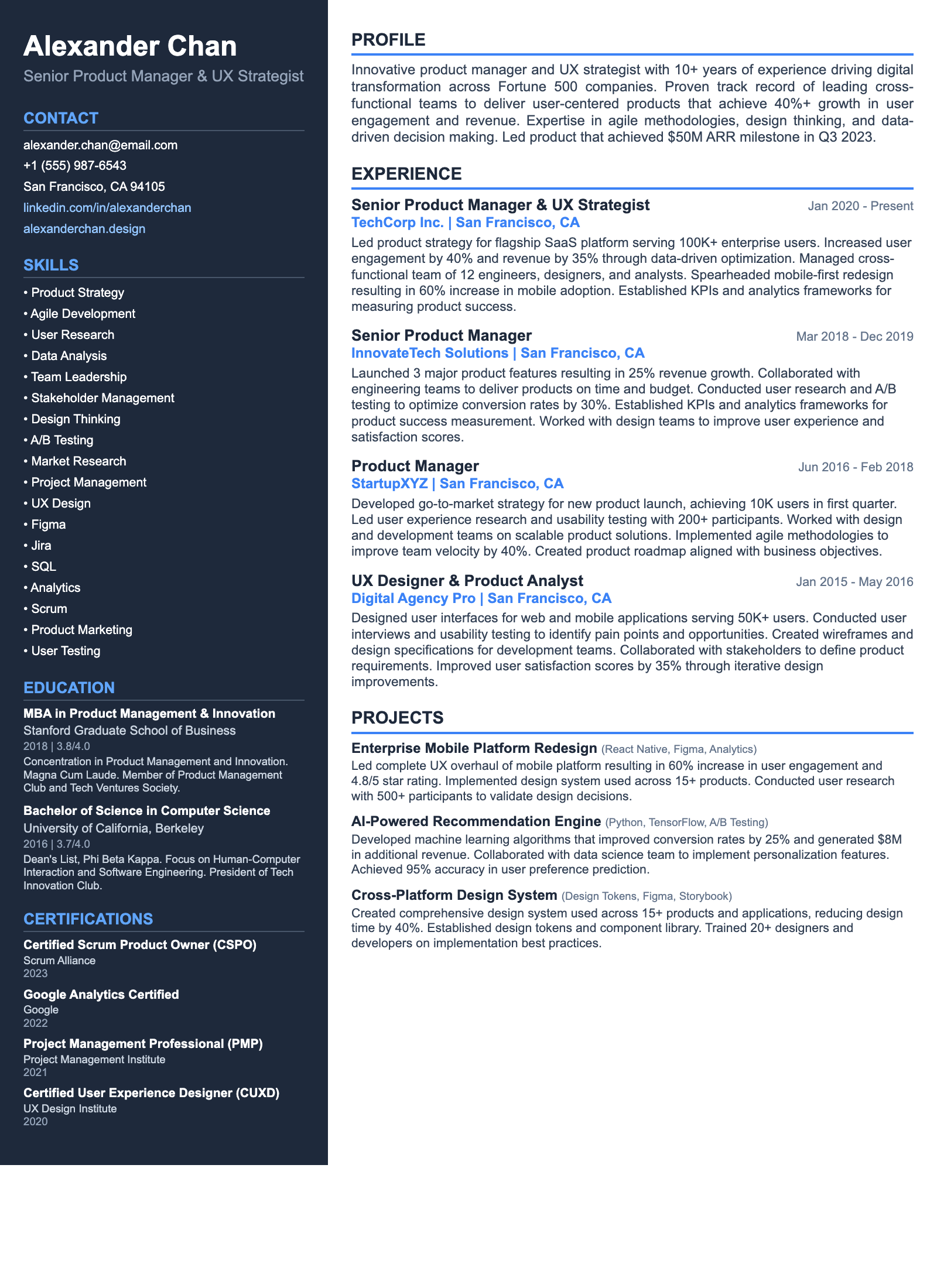
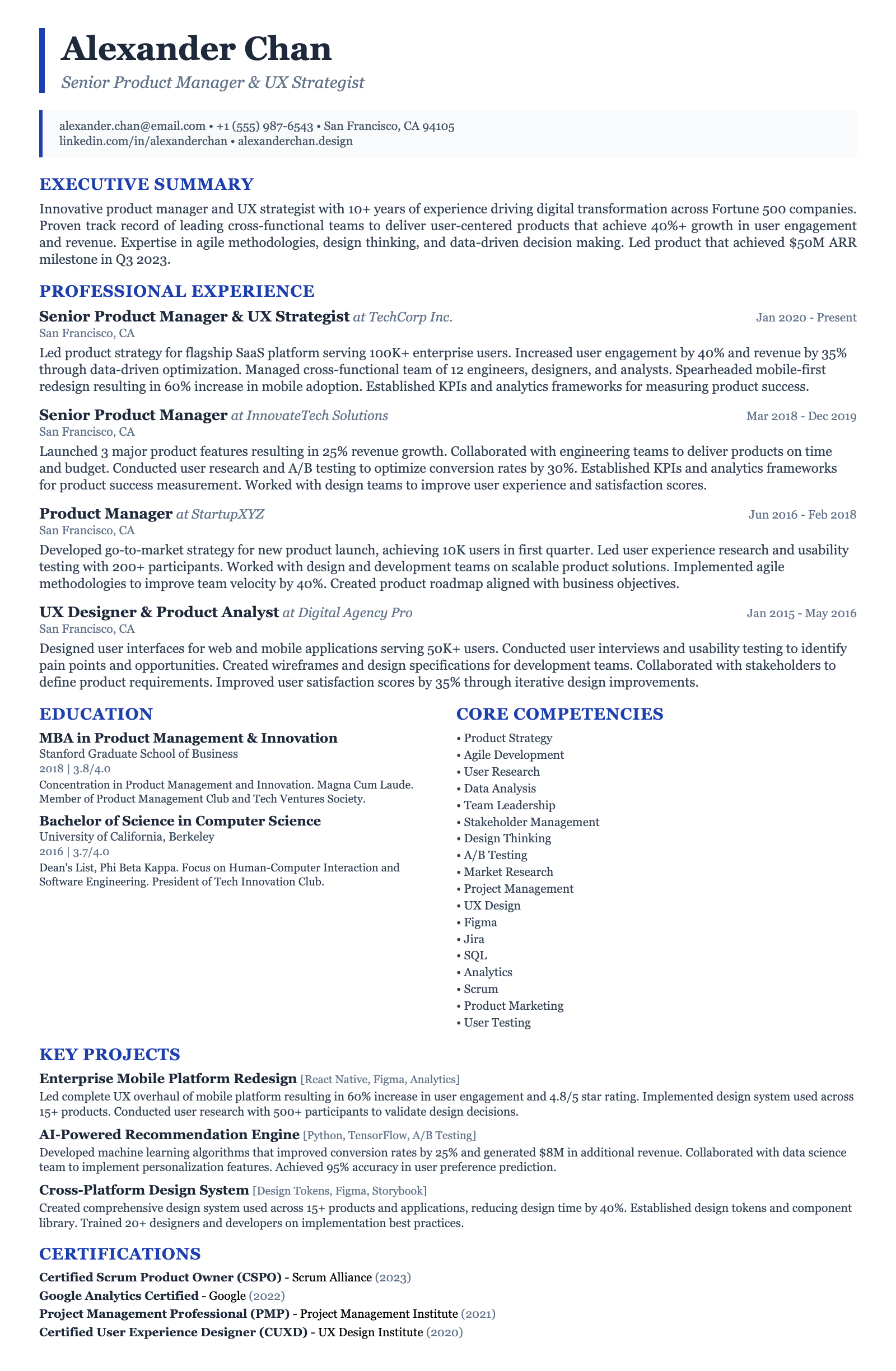
ATS-friendly templates designed specifically for Principal Legal Data Scientist positions in the US market.
Frequently Asked Questions

What is the ideal length for a Principal Legal Data Scientist resume?

For a Principal Legal Data Scientist with extensive experience, a two-page resume is generally acceptable. Focus on highlighting your most relevant accomplishments and skills. Prioritize quality over quantity, ensuring each point directly supports your candidacy and demonstrates your impact in previous roles. If you're earlier in your career a one-page resume may suffice.

What key skills should I emphasize on my resume?

Prioritize skills that demonstrate your ability to apply data science techniques to legal challenges. Highlight proficiency in Python (scikit-learn, pandas, TensorFlow), R, SQL, and experience with cloud platforms like AWS or Azure. Showcase your knowledge of legal databases (LexisNexis, Westlaw) and e-discovery tools like Relativity. Emphasize your understanding of legal concepts, regulations, and data privacy.

How can I optimize my resume for Applicant Tracking Systems (ATS)?

To optimize for ATS, use a clean, simple format with clear headings and bullet points. Avoid tables, images, and unusual fonts that may not be parsed correctly. Incorporate relevant keywords from the job description throughout your resume, particularly in the skills and experience sections. Save your resume as a PDF to preserve formatting, but ensure the text is selectable.

Are certifications important for a Principal Legal Data Scientist resume?

While not always mandatory, relevant certifications can enhance your resume. Consider certifications in data science (e.g., Certified Analytics Professional), cloud computing (e.g., AWS Certified Machine Learning – Specialty), or specific legal areas (e.g., Certified Information Privacy Professional). Highlight certifications that demonstrate your commitment to continuous learning and expertise.

What are some common mistakes to avoid on a Principal Legal Data Scientist resume?

Avoid generic descriptions of your responsibilities. Instead, quantify your achievements and highlight the impact of your work. Don't neglect to tailor your resume to each specific job application. Also, failing to showcase your understanding of legal concepts and regulations is a significant oversight, as is neglecting to highlight your communication skills.

How can I transition to a Principal Legal Data Scientist role from a related field?

If transitioning from a data science or legal role, emphasize transferable skills. Highlight projects where you applied data analysis to legal problems, even if not in a formal Legal Data Scientist role. Showcase any legal knowledge you've acquired, such as understanding regulations or working with legal databases. Consider taking relevant courses or certifications to demonstrate your commitment to the field and building a portfolio of legal data science projects.

Ready to Build Your Principal Legal Data Scientist Resume?

Use our AI-powered resume builder to create an ATS-optimized resume tailored for Principal Legal Data Scientist positions in the US market.

Complete Principal Legal Data Scientist Career Toolkit

Everything you need for your Principal Legal Data Scientist job search — all in one platform.

Why choose ResumeGyani over Zety or Resume.io?

The only platform with AI mock interviews + resume builder + job search + career coaching — all in one.

See comparison

Last updated: March 2026 · Content reviewed by certified resume writers · Optimized for US job market

Principal Legal Data Scientist Resume Guide (2026) | ATS-Optimized Template