
ATS-Optimized for US Market

Senior Healthcare Nurse Career & Resume Guide

As a Senior Healthcare Nurse, your resume needs to showcase your advanced clinical expertise and leadership abilities to impress hiring managers. They prioritize candidates who can demonstrate a proven track record of improving patient outcomes, leading teams effectively, and managing complex healthcare scenarios. Your resume should clearly articulate your experience with industry-standard tools like Epic, Cerner, and Meditech, showcasing proficiency in data analysis for quality improvement initiatives. Quantify your achievements whenever possible, highlighting metrics like reduced readmission rates, improved patient satisfaction scores, or successful implementation of new protocols. The key sections of your resume should include a compelling summary that emphasizes your leadership experience and clinical skills, a detailed work experience section showcasing your accomplishments using the STAR method (Situation, Task, Action, Result), and a skills section that highlights both technical (e.g., EMR systems, specific nursing procedures) and soft skills (e.g., Communication, Teamwork, Adaptability). Consider including a certifications section to prominently display relevant credentials such as CCRN, CEN, or advanced practice certifications like APRN or Nurse Practitioner. To stand out, tailor your resume to each specific job description, emphasizing the skills and experience that align most closely with the employer's needs. Highlight any experience you have with specialized patient populations (e.g., geriatrics, pediatrics, oncology) or specific care settings (e.g., ICU, ER, OR). Showcase leadership experience by detailing your involvement in mentorship programs, committee leadership roles, or quality improvement projects. Remember to use industry-specific keywords to ensure your resume passes through Applicant Tracking Systems (ATS) effectively.
Average US Salary: $96k - $169k

Expert Tip: For Senior Healthcare Nurse positions in the US, recruiters increasingly look for technical execution and adaptability over simple job duties. This guide is tailored to highlight these specific traits to ensure your resume stands out in the competitive Senior Healthcare Nurse sector.

What US Hiring Managers Look For in a Senior Healthcare Nurse Resume

When reviewing Senior Healthcare Nurse candidates, recruiters and hiring managers in the US focus on a few critical areas. Making these elements clear and easy to find on your resume will improve your chances of moving to the interview stage.

  • Relevant experience and impact in Senior Healthcare Nurse or closely related roles.
  • Clear, measurable achievements (metrics, scope, outcomes) rather than duties.
  • Skills and keywords that match the job description and ATS requirements.
  • Professional formatting and no spelling or grammar errors.
  • Consistency between your resume, LinkedIn, and application.
  • Proficiency in key areas such as Communication, Time Management, Industry-Standard Tools.

Essential Skills for Senior Healthcare Nurse

Include these keywords in your resume to pass ATS screening and impress recruiters.

Must-Have Skills

  • CriticalCommunication
  • HighTime Management

Technical Skills

  • HighIndustry-Standard Tools
  • MediumData Analysis

Soft Skills

  • CriticalTeamwork
  • HighAdaptability
  • CriticalLeadership

A Day in the Life

A Day in the Life of a Senior Nurse

Arrive early to review metrics or sprint progress. As a Senior Nurse, you lead the 9 AM stand-up, addressing blockers and setting the strategic direction for handling core responsibilities, collaborating with cross-functional teams, and driving project success within the Healthcare team. 10 AM-1 PM is for high-impact decisions. You're architecting solutions, reviewing critical deliverables, or negotiating priorities with Healthcare stakeholders. Afternoons involve mentorship and cross-org coordination. You're the go-to expert for handling core responsibilities, collaborating with cross-functional teams, and driving project success, ensuring the team's output aligns with company goals. You finish by finalizing quarterly roadmaps or reviewing next steps. At this level in Healthcare, your focus shifts from individual tasks to organizational impact.

Career Progression Path

Level 1

Nurse I (Entry Level)

Level 2

Nurse II (Junior)

Level 3

Senior Nurse

Level 4

Lead Nurse

Level 5

Nurse Manager / Director

Interview Questions & Answers

Prepare for your Senior Healthcare Nurse interview with these commonly asked questions.

Tell me about a time you handled a challenging situation as a Nurse.

Medium
Behavioral
Sample Answer
Use the STAR method: Situation (context in Healthcare), Task (your responsibility), Action (specific steps you took), Result (quantified outcome, e.g., '15% cost reduction' or 'resolved in 24 hours'). For Senior roles, emphasize ownership and collaboration.

What are your salary expectations for a Senior Nurse in Healthcare?

Medium
Compensation
Sample Answer
Based on industry benchmarks, Senior Nurses in the US Healthcare sector typically earn $96k - $169k. I'm looking for a package in this range, but I'm flexible based on total compensation including benefits, PTO, and growth opportunities.

How do you ensure patient confidentiality and HIPAA compliance?

Hard
Compliance
Sample Answer
I strictly adhere to HIPAA regulations by encrypting all patient data, discussing cases only in private settings, using secure communication channels, and completing annual HIPAA training. I never share patient identifiers on unsecured devices and report any potential breaches immediately to our compliance officer.

How do you handle high-stress situations with patients or families?

Medium
Soft Skills
Sample Answer
I remain calm, listen actively to understand their concerns, validate their emotions, communicate clearly in layman's terms, involve appropriate support staff (social workers, chaplains), and document all interactions. Empathy is critical in Healthcare.

How do you mentor junior Nurses and foster team growth?

Medium
Leadership
Sample Answer
I schedule regular 1-on-1s, set clear expectations, provide constructive feedback in real-time, champion their wins publicly, and create opportunities for skill development through stretch assignments. I believe in servant leadership - my role is to unblock them and create an environment where they can excel.

ATS Optimization Tips

Make sure your resume passes Applicant Tracking Systems used by US employers.

Incorporate keywords related to EMR systems such as 'Epic', 'Cerner', and 'Meditech' throughout your resume, particularly in the skills and experience sections.
Structure your resume with standard headings like 'Summary', 'Experience', 'Skills', 'Education', and 'Certifications' to ensure easy parsing by ATS systems.
Use a simple and clean font like Arial, Calibri, or Times New Roman with a font size between 10 and 12 points to maximize readability for ATS.
Quantify your achievements using numbers and metrics, such as 'Reduced patient readmission rates by 10%' or 'Improved patient satisfaction scores by 15%', to demonstrate your impact.
List your certifications and licenses prominently, including the issuing organization and expiration date, as ATS systems often scan for these credentials.
When describing your experience, use action verbs to start each bullet point, such as 'Managed', 'Led', 'Implemented', or 'Improved', to highlight your accomplishments.
Include a dedicated skills section that lists both technical skills (e.g., medication administration, wound care) and soft skills (e.g., communication, teamwork) relevant to the job description.
Submit your resume in a format that is easily readable by ATS systems, such as a Word document (.docx) or a PDF (ensure it is text-based, not an image).

Common Resume Mistakes to Avoid

Don't make these errors that get resumes rejected.

1
Failing to quantify accomplishments: Not using numbers to demonstrate the impact of your work (e.g., 'Improved patient outcomes' instead of 'Improved patient outcomes by 20%').
2
Using generic job descriptions: Copying and pasting generic descriptions instead of tailoring them to each specific role and highlighting relevant achievements.
3
Omitting relevant certifications or licenses: Forgetting to include crucial credentials like CCRN, CEN, or APRN, which are often required for senior nursing positions.
4
Poor formatting and grammatical errors: Submitting a resume with typos, grammatical mistakes, or inconsistent formatting, which can create a negative impression.
5
Not showcasing leadership experience: Failing to highlight leadership roles, mentorship activities, or committee involvement, which are essential for senior positions.
6
Using an outdated resume objective: Including an outdated objective statement instead of a strong professional summary that highlights your key skills and experience.
7
Neglecting to highlight experience with industry-standard tools: Not mentioning proficiency in EMR systems (Epic, Cerner, Meditech) or other relevant healthcare technologies.
8
Ignoring keywords from the job description: Failing to incorporate keywords from the job posting, which can prevent your resume from being flagged by Applicant Tracking Systems (ATS).

Industry Outlook

The US Healthcare sector is experiencing high demand due to aging population. Senior Nurses are particularly sought after, with the Bureau of Labor Statistics projecting above-average job growth through 2030. Peak hiring occurs in Q1 (January-March) and Q3 (August-September).

Top Hiring Companies

Kaiser PermanenteMayo ClinicCleveland ClinicLocal Hospitals

Recommended Resume Templates

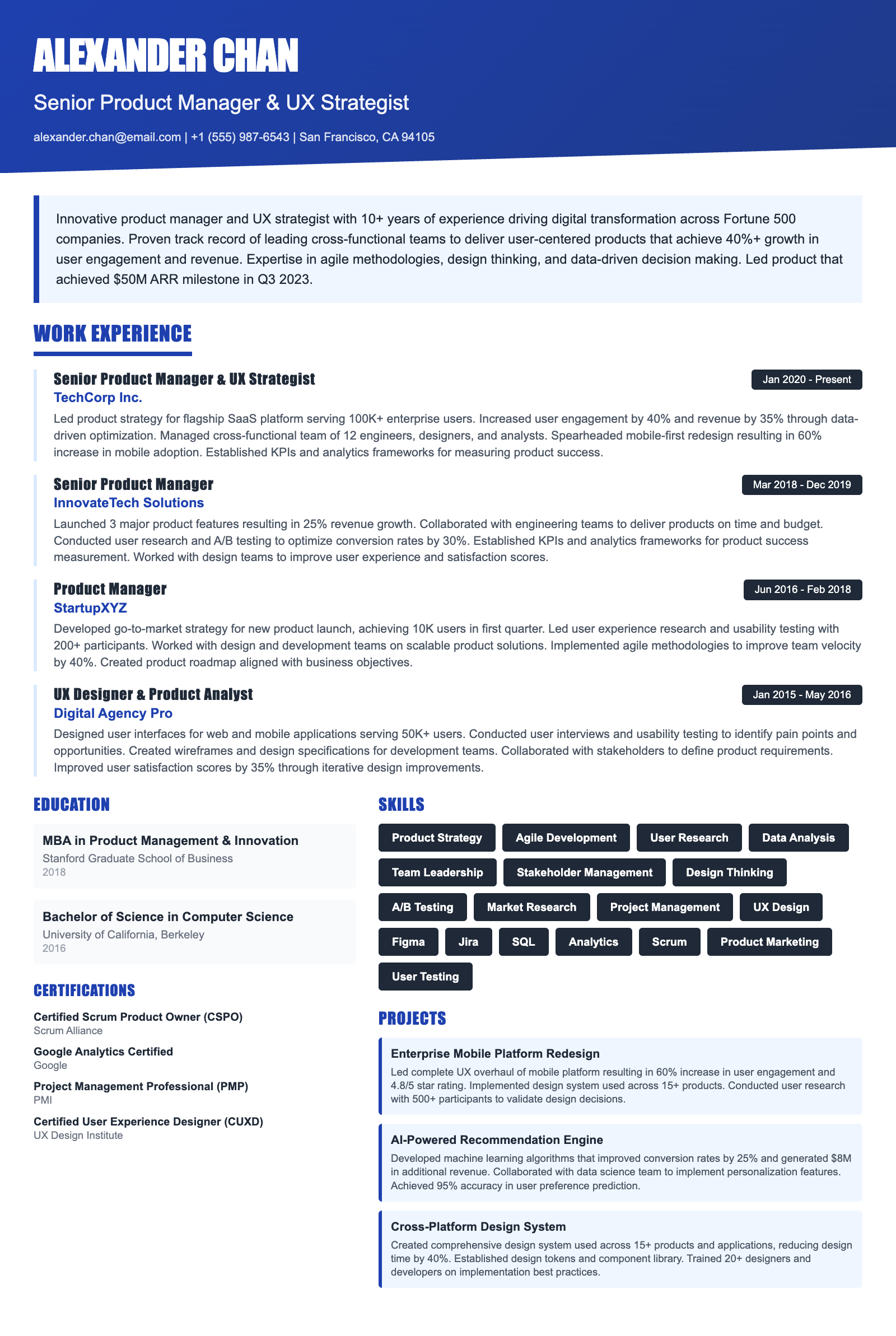
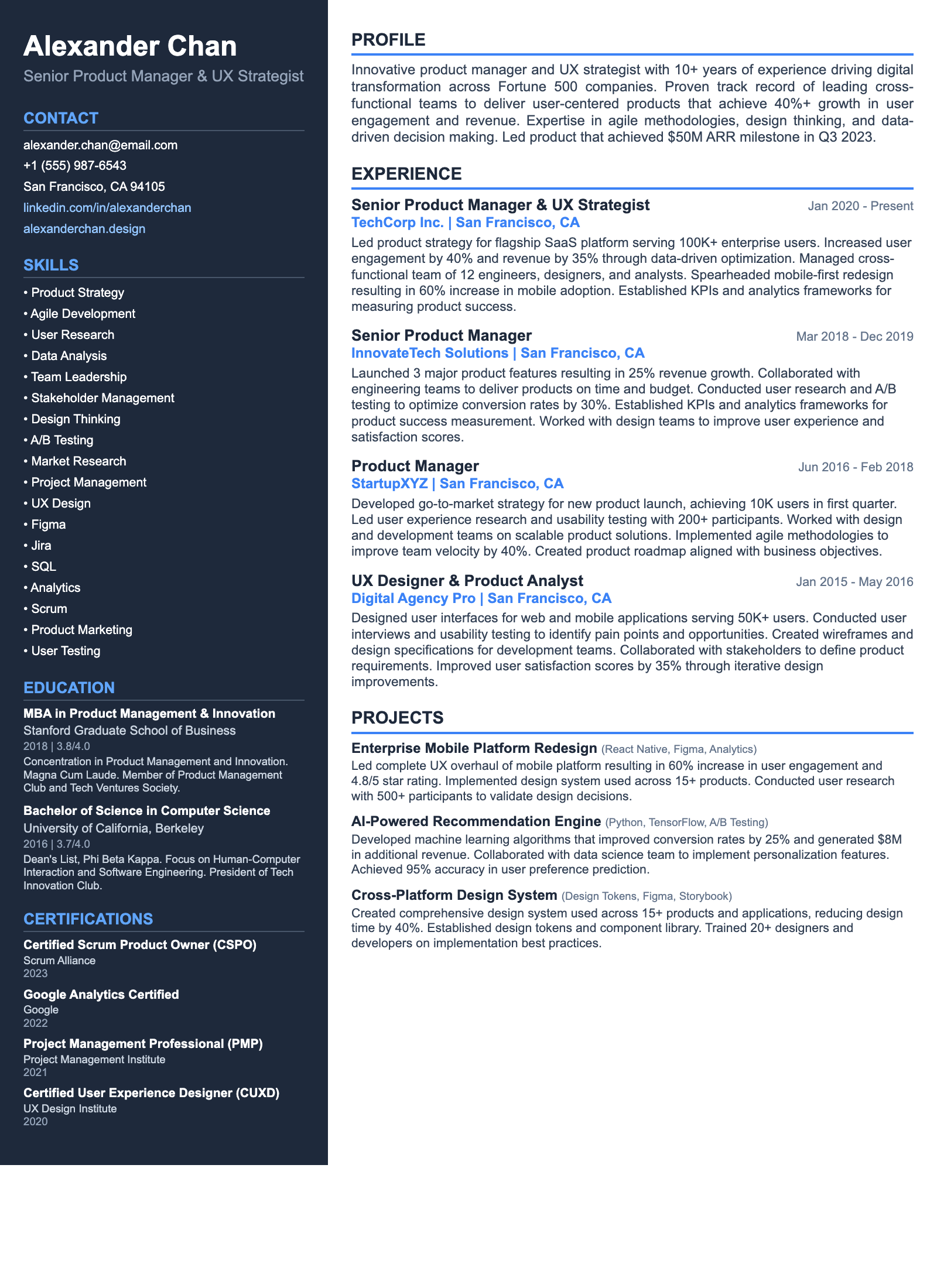
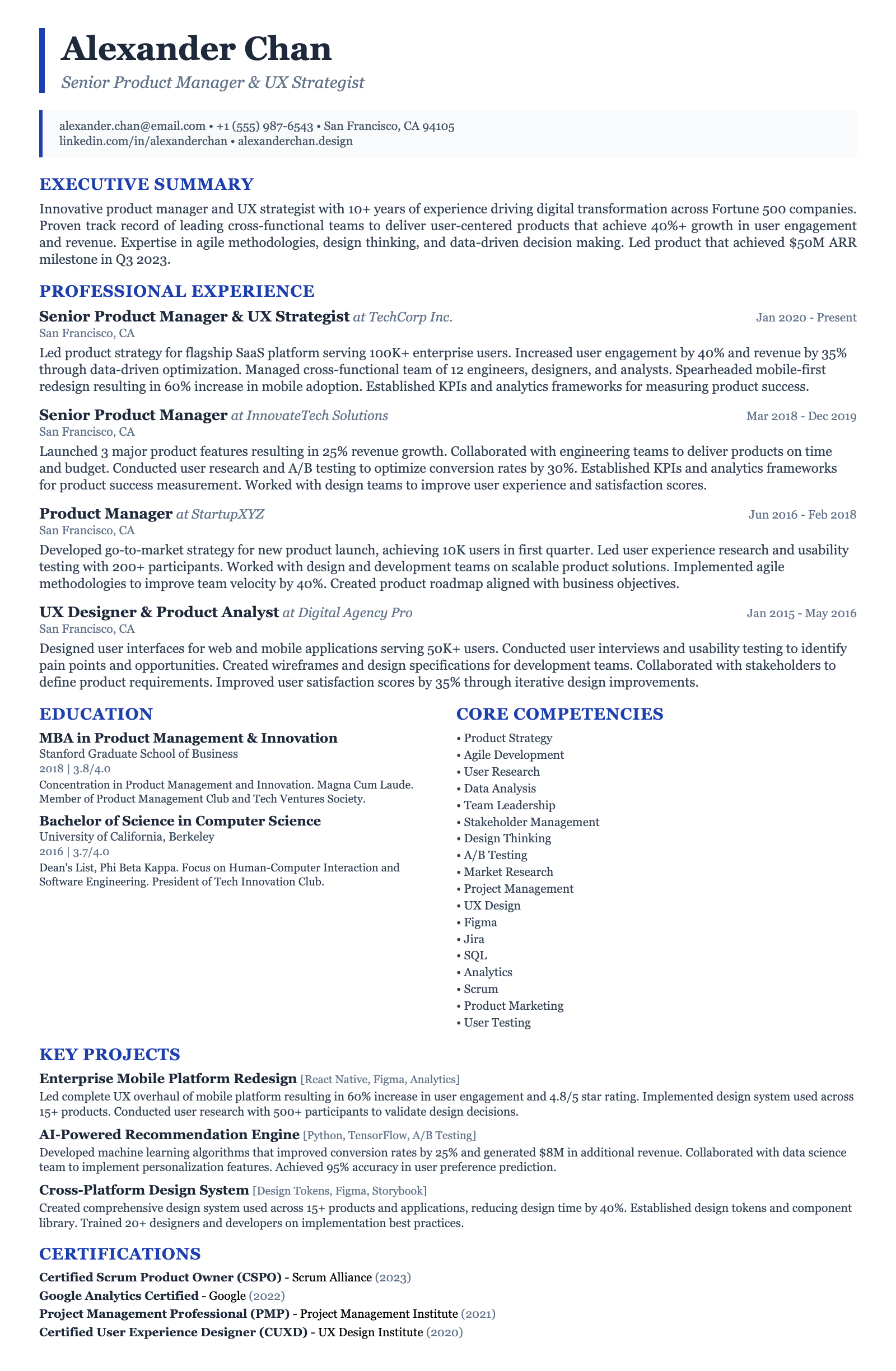
ATS-friendly templates designed specifically for Senior Healthcare Nurse positions in the US market.
Frequently Asked Questions

What is the ideal length for a Senior Healthcare Nurse resume?

For a Senior Healthcare Nurse with extensive experience, a two-page resume is generally acceptable. Focus on presenting the most relevant and impactful information, prioritizing your accomplishments and quantifiable results. Ensure all information is concise and easy to read, utilizing bullet points and clear section headings to enhance readability. A single page resume may be applicable if your experience is under 10 years.

What are the most important skills to include on my resume?

Highlight a mix of technical and soft skills. Technical skills include proficiency in EMR systems (Epic, Cerner, Meditech), medication administration, wound care, and specialized nursing procedures relevant to your area of expertise. Soft skills include communication, teamwork, leadership, critical thinking, and problem-solving. Quantify your soft skills with examples: 'Led a team of 10 nurses to improve patient satisfaction scores by 15% using effective communication strategies.'

How can I optimize my resume for Applicant Tracking Systems (ATS)?

Use keywords directly from the job description. Format your resume with clear headings (e.g., Summary, Experience, Skills, Education, Certifications). Avoid using tables, images, or unusual fonts, as these can confuse ATS software. Submit your resume as a Word document (.docx) unless the job posting specifically requests a PDF. Regularly update your skills and certifications to match industry standards. Ensure your contact information is accurate and easily parsed.

Which certifications should I highlight on my Senior Healthcare Nurse resume?

Highlight certifications relevant to your specialty. Common certifications include CCRN (Critical Care Registered Nurse), CEN (Certified Emergency Nurse), PCCN (Progressive Care Certified Nurse), and certifications in specific areas like oncology (OCN) or geriatrics (GCN). If you have advanced practice certifications such as APRN, Nurse Practitioner (NP), or Clinical Nurse Specialist (CNS), prominently display these credentials. Include the issuing organization and expiration date for each certification.

What are some common resume mistakes Senior Healthcare Nurses make?

Failing to quantify accomplishments is a major mistake. Use metrics to demonstrate your impact. Another mistake is not tailoring your resume to each job description. Generic resumes are often overlooked. Omitting relevant certifications or skills can also hurt your chances. Poor formatting and grammatical errors can create a negative impression. Forgetting to showcase leadership experience and quality improvement initiatives is a missed opportunity. Finally, using outdated information or objectives instead of a strong summary statement can detract from your resume.

How can I showcase a career transition on my Senior Healthcare Nurse resume?

If you are transitioning from a different area of nursing or healthcare, highlight transferable skills and experiences. For example, if you are moving from bedside nursing to a leadership role, emphasize your leadership experience, communication skills, and teamwork abilities. Consider taking courses or certifications to demonstrate your commitment to the new area. In your resume summary, clearly state your career goals and how your previous experience makes you a strong candidate for the role. Use a functional or combination resume format to emphasize skills over chronological work history.

Ready to Build Your Senior Healthcare Nurse Resume?

Use our AI-powered resume builder to create an ATS-optimized resume tailored for Senior Healthcare Nurse positions in the US market.

Complete Senior Healthcare Nurse Career Toolkit

Everything you need for your Senior Healthcare Nurse job search — all in one platform.

Why choose ResumeGyani over Zety or Resume.io?

The only platform with AI mock interviews + resume builder + job search + career coaching — all in one.

See comparison

Last updated: March 2026 · Content reviewed by certified resume writers · Optimized for US job market

Senior Healthcare Nurse Resume Guide (2026) | ATS-Optimized Template