
ATS-Optimized for US Market

Senior Hospitality Office Manager Career & Resume Guide

As a Senior Hospitality Office Manager, your resume needs to showcase your ability to manage the operational backbone of a hospitality establishment, blending organizational prowess with a deep understanding of the industry's unique demands. Hiring managers seek candidates who can streamline administrative processes, ensure seamless guest experiences, and contribute to a positive and efficient work environment. Your resume should highlight your expertise in managing office budgets, vendor relationships, and employee schedules, as well as your proficiency with industry-standard software like Opera PMS, Salesforce, or similar CRM systems. Quantify your accomplishments whenever possible, illustrating how you've improved efficiency, reduced costs, or enhanced guest satisfaction. Key sections include a compelling summary highlighting your leadership experience, a skills section showcasing your technical and soft skills (Communication, Time Management, Data Analysis, Teamwork, Adaptability, Leadership), and a detailed work history that emphasizes your accomplishments in previous roles. To stand out, showcase any experience with data analysis tools such as Tableau or Power BI to demonstrate your ability to leverage data to inform decision-making and improve operational performance. Finally, tailor your resume to each specific job description, emphasizing the skills and experiences most relevant to the role. Consider a project section if you've spearheaded significant initiatives like implementing new software systems or improving guest feedback processes.
Average US Salary: $80k - $130k

Expert Tip: For Senior Hospitality Office Manager positions in the US, recruiters increasingly look for technical execution and adaptability over simple job duties. This guide is tailored to highlight these specific traits to ensure your resume stands out in the competitive Senior Hospitality Office Manager sector.

What US Hiring Managers Look For in a Senior Hospitality Office Manager Resume

When reviewing Senior Hospitality Office Manager candidates, recruiters and hiring managers in the US focus on a few critical areas. Making these elements clear and easy to find on your resume will improve your chances of moving to the interview stage.

  • Relevant experience and impact in Senior Hospitality Office Manager or closely related roles.
  • Clear, measurable achievements (metrics, scope, outcomes) rather than duties.
  • Skills and keywords that match the job description and ATS requirements.
  • Professional formatting and no spelling or grammar errors.
  • Consistency between your resume, LinkedIn, and application.
  • Proficiency in key areas such as Communication, Time Management, Industry-Standard Tools.

Essential Skills for Senior Hospitality Office Manager

Include these keywords in your resume to pass ATS screening and impress recruiters.

Must-Have Skills

  • CriticalCommunication
  • HighTime Management

Technical Skills

  • HighIndustry-Standard Tools
  • MediumData Analysis

Soft Skills

  • CriticalTeamwork
  • HighAdaptability
  • CriticalLeadership

A Day in the Life

A Day in the Life of a Senior Office Manager

Arrive early to review metrics or sprint progress. As a Senior Office Manager, you lead the 9 AM stand-up, addressing blockers and setting the strategic direction for handling core responsibilities, collaborating with cross-functional teams, and driving project success within the Hospitality team. 10 AM-1 PM is for high-impact decisions. You're architecting solutions, reviewing critical deliverables, or negotiating priorities with Hospitality stakeholders. Afternoons involve mentorship and cross-org coordination. You're the go-to expert for handling core responsibilities, collaborating with cross-functional teams, and driving project success, ensuring the team's output aligns with company goals. You finish by finalizing quarterly roadmaps or reviewing next steps. At this level in Hospitality, your focus shifts from individual tasks to organizational impact.

Career Progression Path

Level 1

Office Manager I (Entry Level)

Level 2

Office Manager II (Junior)

Level 3

Senior Office Manager

Level 4

Lead Office Manager

Level 5

Office Manager Manager / Director

Interview Questions & Answers

Prepare for your Senior Hospitality Office Manager interview with these commonly asked questions.

Describe a time you had to manage a difficult guest situation. What steps did you take, and what was the outcome?

Medium
Behavioral
Sample Answer
In a previous role, a guest complained vehemently about the cleanliness of their room upon arrival. I immediately apologized for the inconvenience and offered to move them to a comparable room. I personally inspected the new room to ensure it met our standards. I then followed up with a complimentary upgrade to a suite for their next stay and personally contacted them after their stay to ensure their satisfaction. This situation taught me the importance of proactive problem-solving and personalized guest service to turn a negative experience into a positive one.

How do you prioritize tasks in a fast-paced hospitality environment?

Medium
Situational
Sample Answer
Prioritization in a fast-paced environment requires a systematic approach. I begin by identifying urgent tasks that directly impact guest satisfaction or safety. Next, I delegate tasks to my team, considering their strengths and workload. I use a task management system, like Asana or Trello, to track progress and ensure deadlines are met. Regular communication with my team and other departments is crucial to stay informed and adapt to changing priorities. Finally, I evaluate the effectiveness of my prioritization and adjust my approach as needed.

What experience do you have with managing budgets and controlling costs in a hospitality setting?

Medium
Technical
Sample Answer
In my previous role, I was responsible for managing a $500,000 annual office budget. I implemented a system for tracking expenses, negotiating with vendors for better pricing, and identifying areas where we could reduce costs without compromising service quality. For example, I negotiated a 15% discount with our office supply vendor by consolidating orders. I also implemented a paperless system that reduced printing costs by 20%. By closely monitoring expenses and proactively seeking cost-saving opportunities, I consistently stayed within budget while maintaining high levels of operational efficiency.

Describe your experience with implementing new software or systems in a hospitality office.

Hard
Technical
Sample Answer
In my last role, I spearheaded the implementation of a new property management system (PMS), Opera PMS. This involved working with the IT department to ensure a smooth installation, training staff on how to use the new system, and troubleshooting any issues that arose. I created training manuals and conducted workshops to help staff adapt to the new software. The implementation resulted in a 20% increase in efficiency for front desk operations and improved guest data management. My leadership in this project showcased my ability to manage change and implement new technologies effectively.

How do you foster a positive and productive work environment for your team?

Medium
Behavioral
Sample Answer
I believe in creating a supportive and collaborative work environment. I start by setting clear expectations and providing my team with the resources and training they need to succeed. I encourage open communication and feedback, and I make myself available to address any concerns or challenges they may face. I also recognize and reward outstanding performance to motivate and inspire my team. Furthermore, I organize team-building activities to foster camaraderie and strengthen relationships. By creating a positive and supportive atmosphere, I empower my team to perform their best and contribute to the overall success of the organization.

How would you use data analysis to improve the operational efficiency of a hospitality office?

Hard
Technical
Sample Answer
I would use data analysis to identify trends, patterns, and areas for improvement. For example, I would analyze guest feedback data to identify common complaints and address them proactively. I would also analyze occupancy rates, revenue per available room (RevPAR), and other key performance indicators (KPIs) to identify opportunities to increase revenue and improve profitability. I am proficient in using tools like Excel, Tableau, and Power BI to analyze data and generate reports. I then use these insights to make informed decisions and implement strategies to improve operational efficiency and guest satisfaction.

ATS Optimization Tips

Make sure your resume passes Applicant Tracking Systems used by US employers.

Incorporate keywords from the job description naturally throughout your resume, paying close attention to required skills and software, like 'Opera PMS' or 'Salesforce'.
Use a simple, clean format with clear headings like 'Summary,' 'Experience,' 'Skills,' and 'Education' to facilitate easy parsing by ATS.
Quantify your achievements with metrics wherever possible, such as 'Reduced office supply costs by 15%' or 'Improved guest satisfaction scores by 10%', to showcase your impact.
List your skills both in a dedicated skills section and within your work experience descriptions to ensure they are captured by the ATS.
Use common fonts like Arial, Calibri, or Times New Roman, and avoid using tables, images, or special characters that can confuse the ATS.
Save your resume as a .doc or .pdf file, as these formats are generally compatible with most ATS systems.
Ensure your contact information is clearly visible and easily parsable by the ATS, including your name, phone number, email address, and LinkedIn profile URL.
Tailor your resume to each specific job posting by highlighting the skills and experiences that are most relevant to the role, using the exact language from the job description.

Common Resume Mistakes to Avoid

Don't make these errors that get resumes rejected.

1
Failing to quantify accomplishments, leaving hiring managers to guess the impact of your work, such as 'Managed office budget' without specifying the budget size or any cost savings.
2
Using generic language that doesn't highlight hospitality-specific skills or experiences, for example, 'Managed customer inquiries' instead of 'Resolved guest complaints and ensured satisfaction'.
3
Omitting experience with key hospitality software like Opera PMS or Salesforce, which are often essential requirements for the role.
4
Neglecting to tailor the resume to each specific job description, resulting in a resume that doesn't highlight the most relevant skills and experiences.
5
Focusing solely on responsibilities rather than accomplishments, failing to demonstrate the value you brought to previous roles.
6
Including irrelevant information, such as outdated or unrelated work experience, which can detract from your qualifications.
7
Having grammatical errors or typos, which can make you appear unprofessional and detail-oriented.
8
Not showcasing leadership abilities or team management experience, which are crucial for a senior-level role.

Industry Outlook

The US Hospitality sector is experiencing steady growth. Senior Office Managers are particularly sought after, with the Bureau of Labor Statistics projecting average job growth through 2030. Peak hiring occurs in Q1 (January-March) and Q3 (August-September).

Top Hiring Companies

Industry LeadersRegional FirmsFast-Growing Companies

Recommended Resume Templates

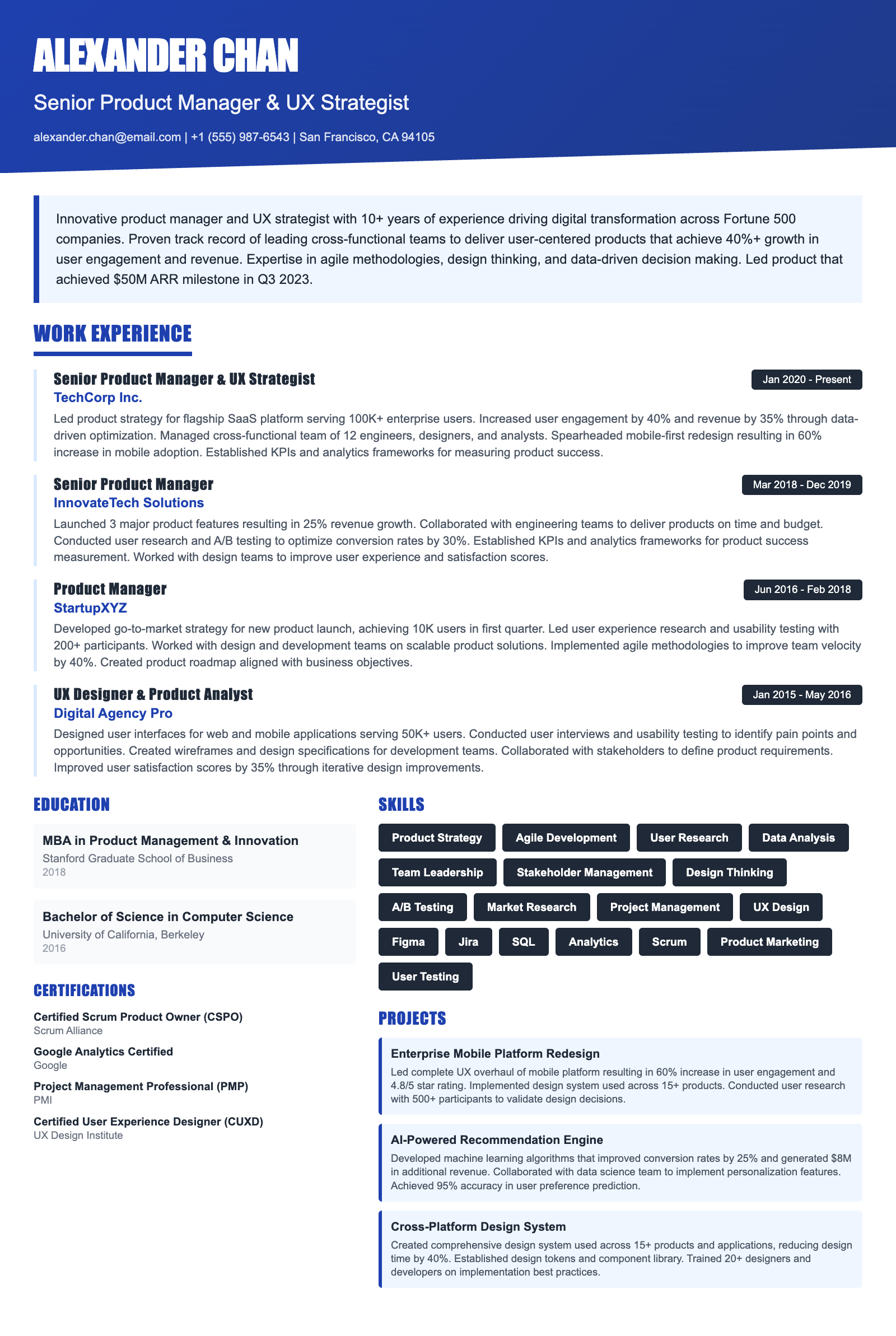
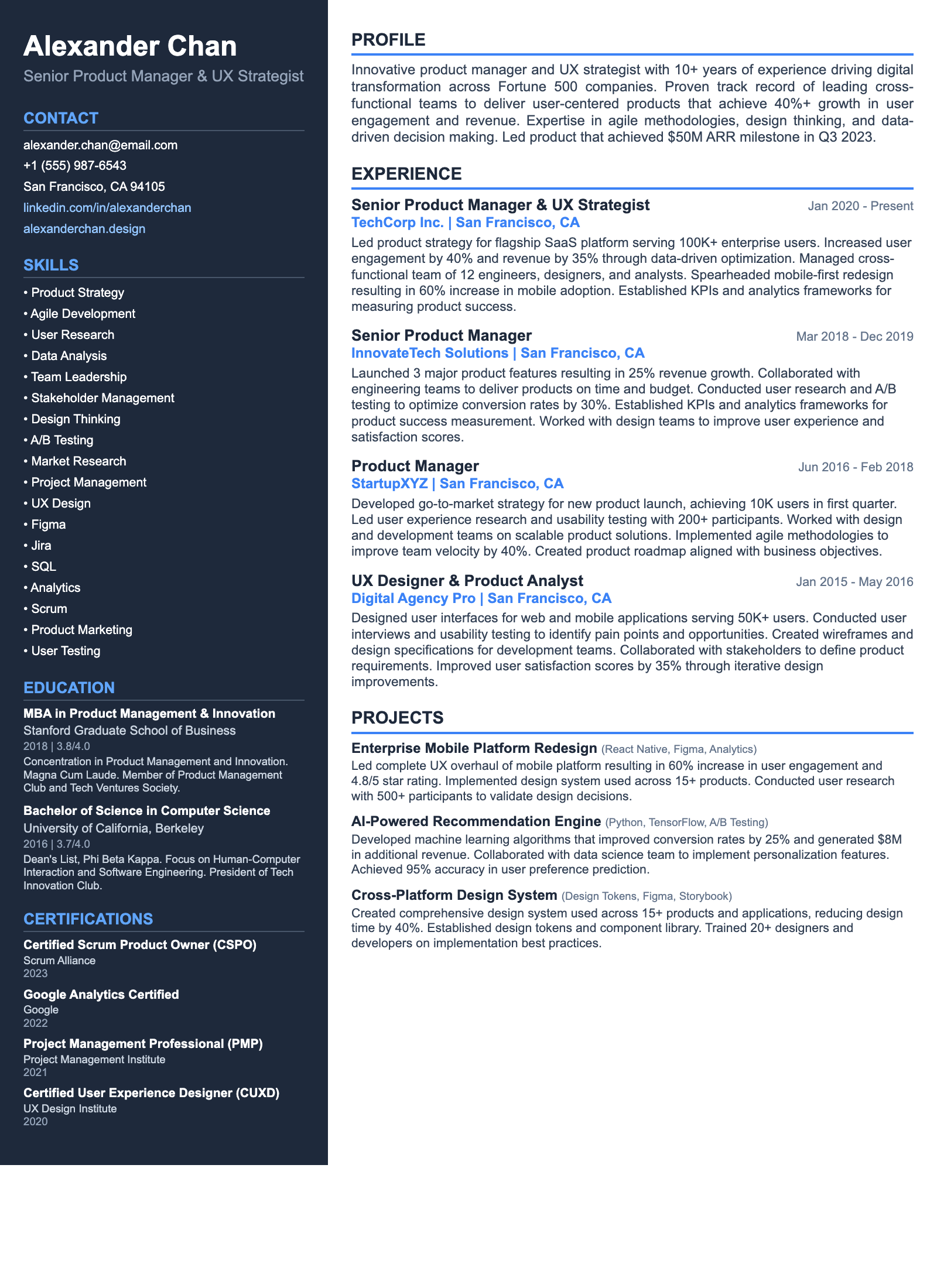
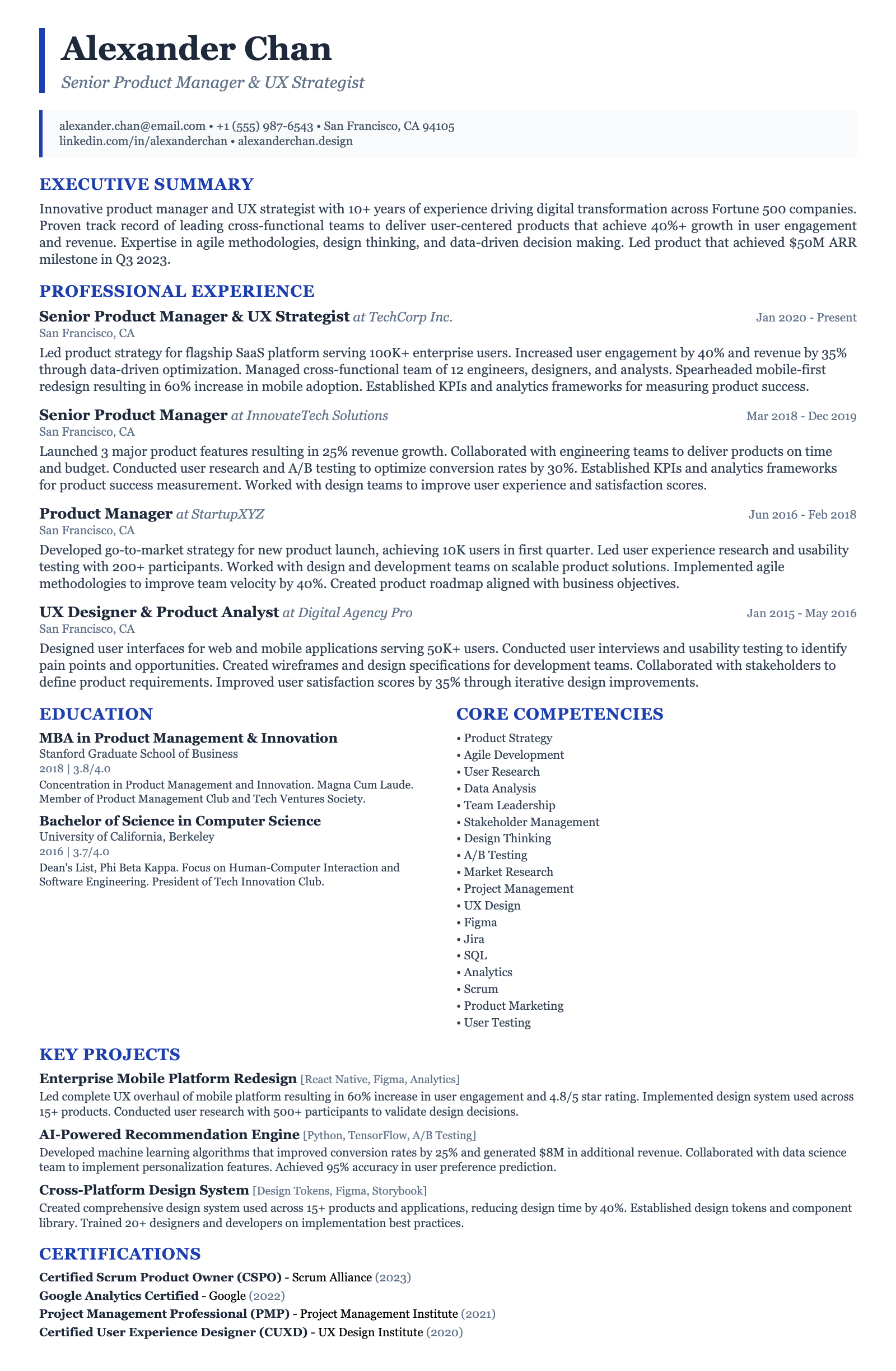
ATS-friendly templates designed specifically for Senior Hospitality Office Manager positions in the US market.
Frequently Asked Questions

What is the ideal length for a Senior Hospitality Office Manager resume?

Ideally, your resume should be one to two pages. Given your senior-level experience, two pages are acceptable if you have substantial and relevant accomplishments to showcase. Focus on the most impactful experiences and use concise language. Ensure that all information is relevant to the Senior Hospitality Office Manager role and highlights your key skills, such as Communication, Time Management, and your proficiency with Industry-Standard Tools like Opera PMS.

What are the most important skills to highlight on my resume?

Highlight a mix of hard and soft skills. Essential skills include Communication, Time Management, Data Analysis (using tools like Excel, Tableau, or Power BI), Teamwork, Adaptability, and Leadership. Showcase your proficiency with Industry-Standard Tools used in hospitality, such as property management systems (PMS) like Opera PMS or Salesforce, accounting software like QuickBooks, and CRM platforms. Provide specific examples of how you've applied these skills to improve efficiency or guest satisfaction.

How can I optimize my resume for Applicant Tracking Systems (ATS)?

Use keywords from the job description throughout your resume, especially in the skills section and work experience descriptions. Format your resume with clear headings and bullet points. Avoid using tables, images, or unusual fonts, as these can confuse the ATS. Save your resume as a .doc or .pdf file, and ensure your contact information is easily readable. Mention specific tools and technologies the job posting mentions, such as specific PMS or CRM systems.

Are certifications important for a Senior Hospitality Office Manager resume?

While not always required, certifications can demonstrate your commitment to professional development and enhance your credibility. Relevant certifications include Certified Hospitality Administrator (CHA), Certified Hotel Administrator (CHA), or project management certifications like PMP. Training in specific software like Opera PMS or Salesforce can also be valuable. Highlight these certifications prominently in a dedicated section or within your skills section.

What are some common resume mistakes to avoid?

Avoid generic resumes that don't showcase hospitality-specific experience. Don't use vague language or lack quantifiable achievements. Ensure your resume is free of grammatical errors and typos. Do not omit your experience with essential hospitality software such as Opera PMS or accounting software. Failing to tailor your resume to each job posting is a critical mistake, as is neglecting to showcase your leadership abilities.

How can I transition to a Senior Hospitality Office Manager role from a different industry?

Highlight transferable skills such as Communication, Time Management, Data Analysis, Teamwork, Adaptability, and Leadership. Emphasize any experience you have with customer service, budget management, or administrative roles. Consider taking online courses or certifications in hospitality management to demonstrate your commitment. Tailor your resume to emphasize how your skills and experience align with the requirements of the Senior Hospitality Office Manager role. Clearly articulate your understanding of the hospitality industry and your enthusiasm for the position.

Ready to Build Your Senior Hospitality Office Manager Resume?

Use our AI-powered resume builder to create an ATS-optimized resume tailored for Senior Hospitality Office Manager positions in the US market.

Complete Senior Hospitality Office Manager Career Toolkit

Everything you need for your Senior Hospitality Office Manager job search — all in one platform.

Why choose ResumeGyani over Zety or Resume.io?

The only platform with AI mock interviews + resume builder + job search + career coaching — all in one.

See comparison

Last updated: March 2026 · Content reviewed by certified resume writers · Optimized for US job market

Senior Hospitality Office Manager Resume Guide (2026) | ATS-Optimized Template